W tej strefie zapraszamy czytelników tak zwane artystyczne dusze po książki z kategorii Sztuka. Polecamy szereg publikacji o sztuce i jej historii,ciekawostki i portfolia artystów, eseje, albumy, książki o malarstwie, rzeźbiarstwie, architekturze oraz histoii fotografii. Biografie ciekawych artystów, książki i powieści przedstawiające fascynujące losy malarzy i osób uwiecznianych na obrazach. W tym dziale tylko ksiązki ze sztuka w tle.
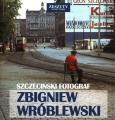
Album z niezwykłymi fotografiami Szczecina, wykonanymi w latach 60., 70. i 80. XX w. przez szczecińskiego fotografa Zbigniewa Wróblewskiego.
Książka ważna dla wszystkich miłośników Szczecina i fotografów. Znakomity fotograf opowiada o swoim życiu i co jest ważne dla fotografów oraz dlaczego pomimo nagród na konkursach filmowych związał się na całe życie z fotografią.
Polecamy tę publikację i dla dojrzałych fotografów, którzy przypomną sobie pracę w technologii analogowej i dla młodych adeptów, dla których Zbyszek Wróblewski przekazuje bezcenne rady.
Na stronach albumu zobaczymy miasto jakiego już nie ma oraz wiele ważnych wydarzeń w ciekawych ujęciach Z. Wróblewskiego – ulice Szczecina przed kilkudziesięcioma laty, Festiwal Młodych Talentów, Wydarzenia Grudnia '70, Sierpień '80 czy słynnych Chłopców z „Sorrento”. Fotografie poprzedzone są wywiadem ze Zbigniewem Wróblewskim, w którym opowiada o fotografii i o swoim życiu w zmieniającym się Szczecinie.
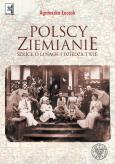
Książka popularnonaukowa o korzeniach polskiego ziemiaństwa i arystokracji, gromadzonych przez dziesiątki lat kolekcjach dzieł sztuki i ich losach, zasługach poszczególnych rodów, m.in. Zamoyskich, Czartoryskich, Potockich i Ogińskich dla Rzeczypospolitej w XIX i XX w., prześladowaniach, jakich doznali w czasie II wojny światowej i po niej.
Korzenie polskiego ziemiaństwa i arystokracji, specyficzny wystrój dworów oraz pałaców, gromadzone przez dziesiątki lat kolekcje dzieł sztuki i ich losy, zasługi poszczególnych rodów, m.in. Zamoyskich, Czartoryskich, Potockich i Ogińskich dla Rzeczypospolitej w XIX i XX w., prześladowania, jakich doznali w czasie II wojny światowej i po niej ? ten świat otwiera przed czytelnikiem autorka książki Polscy ziemianie. Szkice o losach i dziedzictwie. Maluje barwny obraz rzeczywistości bezpowrotnie minionej ? spuściznę materialną ziemiaństwa i, co ważniejsze, duchową, której ślady przetrwały w świadomości narodu do dzisiaj. Opowiada o rabunku przez Niemców i Sowietów bezcennych dzieł sztuki i o ludziach walczących o ich odzyskanie po II wojnie światowej. W drugiej części książki, utrzymanej w tonie gawędy, autorka opisuje historie wybranych rodzin (Chłapowscy, Donimirscy, Sikorscy, Lutosławscy, Radziwiłłowie, Skirmuntowie, Fudakowscy, Bispingowie, Pileccy, Jackowscy), odbijające jak w lustrze dzieje Rzeczypospolitej. Sięga do archiwów ? także rodzinnych, cytuje fragmenty wspomnień, przytacza dykteryjki. Bogato ilustrowana całość zawiera indeks nazwisk i miejscowości.
Na tomik składają się artykuły os´miu autoro´w z ro´z˙nych dyscyplin naukowych (historii, literaturoznawstwa, nauk o kulturze i religii, nauk teologicznych, sztuk muzycznych). Wszystkie ukazuja? obraz powstan´ s´la?skich i plebiscytu go´rnos´la?skiego w literaturze, muzyce, kinematografii oraz prasie.
Kształtowanie kultury literackiej, teatralnej, czytelniczej i cyfrowej jest jednocześnie rozwijaniem kompetencji. Powodzenie w tym obszarze zależne jest jednak od wiedzy i współpracy pośredników inicjacji czytelniczej, teatralnej i cyfrowej. Przykłady przytoczone w niniejszej publikacji odwołują się do form i metod pracy z użytkownikiem. Wskazują potrzebę łączenia pracy bibliotecznej z innymi elementami oddziaływania społecznego. Wiedza, gust i kompetencje to składowe efektywnego porozumienia i komunikowania się z odbiorcami różnego typu przekazów, poprzez które biblioteki zaspokajają potrzeby w zakresie edukacji, doznań emocjonalnych i rozrywki, a przede kształcą umiejętność rozumienia i mądrego przetwarzania tekstów kultury.
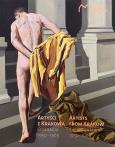
Publikacja podzielona jest na dwie części. W pierwszej znajduje się tekst kuratorski oraz eseje trójki zaproszonych autorów. Maria Hussakowska podejmuje rozważania na temat relacji miasto – sztuka, kluczowych postaci, miejsc i inicjatyw kształtujących lokalne środowisko. Fenomen jednej z najważniejszych pod tym względem instytucji – Akademii Sztuk Pięknych im. Jana Matejki – analizuje Agnieszka Jankowska-Marzec. Tekst Sebastiana Stankiewicza to rys historyczny oraz opis reguł funkcjonowania Otwartej Pracowni – jednego z najciekawszych stowarzyszeń artystycznych w Krakowie. Druga część publikacji poświęcona poszczególnym artystom obejmuje ich biogramy, zdjęcia pracowni oraz reprodukcje dzieł prezentowanych na wystawie. Jej uzupełnienie stanowią odpowiedzi twórców na pytania o wpływ tradycji Krakowa na ich pracę i o zadania sztuki.
Katalog wydany w związku z wystawą:
Artyści z Krakowa. Generacja 1950–1969
Kuratorzy: Monika Kozioł, Martyna Sobczyk
Muzeum Sztuki Współczesnej w Krakowie MOCAK
29.10.2020–21.3.2021
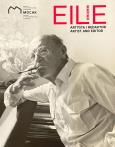
Katalog zawiera wspomnieniowy tekst Marii Anny Potockiej o Marianie Eilem, eseje Justyny Jaworskiej i Agnieszki Sachar dotyczące jego najsłynniejszego dzieła – „Przekroju”, wywiady z Mieczysławem Czumą i Wojciechem Plewińskim oraz kalendarium napisane przez Tomasza Potkaja. Druga część publikacji przybliża różne dziedziny, w których Eile twórczo się realizował – jako malarz, redaktor i fotograf. Oprócz reprodukcji obrazów, pocztówek i zdjęć, prezentowanych na wystawie, znajdziemy w niej przedruki publikowanych w „Przekroju” tekstów i projekty rubryki Franciszek i inni, które powstały na potrzeby „Szpilek”. Katalog uzupełniają fotografie Wojciecha Plewińskiego i rysunki Adama Macedońskiego – twórców związanych z „Przekrojem”.
Publikacja w języku polskim i angielskim.
Książka wydana w związku z wystawą: Marian Eile Artysta i redaktor
Kuratorzy: Maria Anna Potocka, Agnieszka Sachar
Muzeum Sztuki Współczesnej w Krakowie MOCAK
29.10.2020–21.3.2021
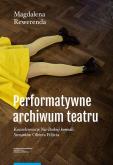
Czy możliwe jest przeformułowanie rozumienia archiwum teatru – pojęcia, które w naukach humanistycznych rozwijane jest przynajmniej od czasów Jacques’a Derridy i Hala Fostera? Taką próbę, przyjmując perspektywę performatywną i uwzględniając prace teoretyczne wyrosłe ze zwrotu archiwalnego w naukach humanistycznych, podejmuje autorka w niniejszej książce. Propozycja pojęcia „archiwum performatywnego”, uwzględniającego podobieństwa między archiwum i teatrem oraz nieoczywiste rodzaje dokumentów, które do archiwum teatru należy włączyć, staje się kluczem do odczytania znaczących wydarzeń z polskiego życia teatralnego, politycznego i społecznego ostatnich lat.
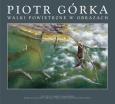
Album jest efektem prawie trzydziestu lat pracy artystycznej Piotra Górki. Znajdują się w nim reprodukcje obrazów olejnych, na których autor przedstawia historię Polskich Sił Powietrznych na Zachodzie podczas II wojny światowej. Każdy z zaprezentowanych w albumie obrazów jest omówiony w odrębnym rozdziale zawierającym zarówno opis walk powietrznych przedstawionych na płótnach, jak i informacje na temat okoliczności powstawania dzieł.Książka ""Walki powietrzne w obrazach "" - Piotr Górka - oprawa twarda - Wydawnictwo Instytut Pamięci Narodowej, IPN. Książka posiada 172 stron i została wydana w 2020 r. Cena 28.39 zł. Zapraszamy na zakupy!
Trzytomowy Teatr przynosi nam żywiący się codziennością i konkretem surrealizm, fantastyczną cudowność, nagle dziwniejącą rzeczywistość. Prawda wyobraźni dominuje tu nad prawdą doświadczenia. „Zjawisko Ionesco” obejmuje sprzeczności: ja pożerające cały teatr, cały świat nawet, oraz ja, które ukrywa się, roztapia w tzw. obiektywnej rzeczywistości dzieła. Punktem wyjścia jest dla Ionesco komedia. Komedia i moralitet, który jest komedią serio. Fabułą sztuki zaś może być niemoc jej napisania. Pokazujemy, przypominamy, uklasyczniamy trzynaście awangardowych utworów Ionesco – wciąż aktualnych, niepozostawiających czytelnika obojętnym, nieustannie domagających się lektury.
Trzytomowy Teatr przynosi nam żywiący się codziennością i konkretem surrealizm, fantastyczną cudowność, nagle dziwniejącą rzeczywistość. Prawda wyobraźni dominuje tu nad prawdą doświadczenia. Zjawisko Ionesco obejmuje sprzeczności: ja pożerające cały teatr, cały świat nawet, oraz ja, które ukrywa się, roztapia w tzw. obiektywnej rzeczywistości dzieła. Punktem wyjścia jest dla Ionesco komedia. Komedia i moralitet, który jest komedią serio. Fabułą sztuki zaś może być niemoc jej napisania. Pokazujemy, przypominamy, uklasyczniamy trzynaście awangardowych utworów Ionesco wciąż aktualnych, niepozostawiających czytelnika obojętnym, nieustannie domagających się lektury.
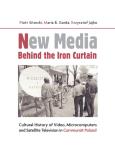
During the years of the Polish People’s Republic, Poles were cut off from the western world. Travel was restricted, as was access to out- side culture and goods. This unique situation led to a period of great ingenuity in the realm of new media. Not only were media adapted to suit Poles’ needs, but new technology was fashioned to gain access to western television, film and video games. Bringing people together, VCRs, computers and satellite television were thus a window to the outside world and contemporary to the mobilisation of Solidarity and the end of communism. As such, their diffusion is an important but largely overlooked aspect of Poland’s history. Acutely aware of this, the authors of this book recount new media behind the Iron Curtain in a way that will appeal to scholars and non-academic readers alike. Coupling archival research with in depth interviews, they bring to life the talent and determination of the PPR’s new media pioneers, compelling others to dig further.
“One of the strengths of this book, which makes it such a delightful read, is the feeling of chaotic technical experimentation with objects and practices whose meaning has not yet been settled, in a context where the authorities tried to be controlling and restrictive but were mostly incapable of understanding what they should do in order to achieve this.”
– from the Foreword by Graeme Kirkpatrick
Lustro i promyk to tytuł książeczki zilustrowanej przez Wilkonia w 1996 r., a zarazem pierwszy tom poświęconej mu trylogii. Lustro – bo jest to autobiografia, opowieść o młodości i latach studiów. Promyk to oczywiście lśnienie talentu, iskra boża.
Publikacja przedstawia mało znanego Wilkonia – Wilkonia dla dorosłych. W latach 1957–1959, kiedy jeszcze nie podjął decyzji, że zostanie ilustratorem, namalował cykl gwaszy Nosiwody. Te na poły abstrakcyjne kompozycje figuralne wzbudziły zachwyt krytyków. Książki dla dorosłych dawały artyście możliwość poszukiwań nowych rozwiązań typograficznych i na tym polu okazał się projektantem znakomitym. Ilustrował też tomiki poetyckie i zbiory dramatów – jedne z najlepszych prac zrealizował do wierszy Rilkego, Gałczyńskiego i Joyce’a oraz dramatów Calderóna de la Barca i Cervantesa. Książki te, pięknie edytorsko opracowane, stanowią osobne dzieła sztuki. Całe twórcze życie towarzyszyły artyście dwa ukochane dzieła: Pan Tadeusz i Don Kichot – w naszej publikacji można prześledzić namalowane do nich ilustracje.
Twórczość Mieczysława Wasilewskiego to komunikat wyrażony prostym językiem bez zbędnych ozdobników. W rozmowie z Januszem Górskim artysta mówi o swoim życiu, rozlicznych fascynacjach i poszukiwaniu drogi twórczej.
Mieczysław Wasilewski jest mistrzem lapidarnego znaku graficznego. Jego plakaty i okładki cechuje dyscyplina myślenia, widać w nich dążenie do maksymalnej kondensacji i oszczędności form wyrazu, w czym przypomina istotę aforyzmu. Artysta świadomie założył ubóstwo formalne, zminimalizowane do grafiki czarno-białej. Ascetyczna gama wymaga znalezienia całej siły wyrazu w charakterze rysunku i typografii.
Audrey Hepburn dorastała w małym mieście Arnhem w Niderlandach. Po trudnych przeżyciach podczas II wojny światowej przeniosła się do Londynu, aby kształcić się w szkole baletowej. Zbyt wątła, by zostać primabaleriną, wkrótce stała się jedną z najsłynniejszych aktorek filmowych i teatralnych na świecie, a grane przez nią role zapewniły jej liczne nagrody oraz przysporzyły niezliczonych wielbicieli.Pamiętając o doświadczeniach z czasów wojny, Audrey została ambasadorką UNICEF pomagając głodującym dzieciom w biednych krajach świata.To inspirująca historia ikony kultury popularnej, wybitnej aktorki o wielkim sercu, której jedną z najważniejszych ról było niesienie pomocy potrzebującym!Mali WIELCY - bestsellerowa seria uznana przez krytyków i uwielbiana przez czytelników na całym świecie! Galeria inspirujących postaci i setki książek, książeczek i gier sprzedawanych w milionach egzemplarzy - teraz w języku polskim! Poznaj niezwykłe historie wybitnych osób - od malarek, muzyków, projektantek po naukowców, polityków, sportowców i odkrywczynie! Wszyscy zapisali się w dziejach świata, a każde z nich było kiedyś dzieckiem, które miało marzenia.Wyjątkowa seria, która zainspiruje dziecko w każdym wieku - od najmłodszego do wczesnoszkolnego. Niezwykłe historie pisane przystępnym językiem pozwolą dziecku utożsamić się z wielkimi postaciami i czerpać z nich wzorce, jak pasja, wytrwałość i odwaga w dążeniu do celu, niezbędne, by osiągnąć w przyszłości spełnienie i życiowy sukces! Na końcu każdej książki znajduje się biografia wraz z datami, faktami, ciekawostkami i autentycznymi zdjęciami bohatera opowieści zapewniająca wartościowy element edukacyjny.Prosty, wciągający przekaz, piękna kolorowa grafika i duża czcionka czynią z serii Mali WIELCY idealną lekturę zarówno do wspólnego czytania z dzieckiem, jak i do nauki samodzielnego czytania. Twarda i szyta oprawa zapewniają doskonałą trwałość.Stwórzmy nowe pokolenie wielkich ludzi, którzy zmienią świat: TERAZ MALI - WKRÓTCE WIELCY!
Tom Kultura ukazuje się w ramach serii wydawniczej Stosunki Polsko-Żydowskie, w całości jest poświęcony zagadnieniom kultury i edukacji na pograniczu polsko-żydowskim w XX wieku. Publikacja została podzielona na odrębne bloki tematyczne: literatura i prasa, kino i teatr oraz nauka i oświata.
Kultura ma charakter interdyscyplinarny. Autorzy artykułów są nie tylko historykami, ale także socjologami, literaturoznawcami, filologami, kulturoznawcami czy filozofami. Wielu z nich to uznani i cenieni badacze, ale są wśród nich także młodsi naukowcy, dopiero rozpoczynający karierę naukową. Zarówno dobór autorów, jak i podejmowanych przez nich tematów i zastosowanych metodologii pokazują, jak interesującym polem badawczym są studia żydowskie. W opublikowanych tekstach poruszane są kwestie zupełnie dotychczas nieznane lub jedynie zarysowane w literaturze. Autorzy nierzadko wykorzystują źródła nowe lub mniej znane. Poszerzają tym samym korpus materiałów do badania historii Żydów w XX wieku i pokazują różnorodny sposób ich interpretacji.
"Krótka historia sztuki tworzonej przez kobiety opowiada pełną historię kobiet walczących o równe prawa do uprawiania sztuki i ich przełomowych dzieł, wkładu, jaki wniosły do rozwoju ważnych, zdominowanych zwykle przez mężczyzn kierunków w sztuce, oraz historię artystek zapomnianych lub usuniętych w cień, a obecnie odkrywanych na nowo.
Zwarta w treści i bogato ilustrowana, książka ujawnia związki i relacje zachodzące pomiędzy różnymi okresami, artystami i stylami. Pozwala również czytelnikom poznać i zrozumieć najważniejsze osiągnięcia kobiet zajmujących się sztukami pięknymi.
Susie Hodge jest historykiem sztuki, historykiem i artystką. Jest autorką wielu książek, a wśród nich: 50 Art Ideas, How to Survive Modern Art, Why Your Five Year Old Could Not Have Done That: Modern Art Explained oraz 50 Art Nouveau Works of Art You Should Know. "
Pierwsza publikacja na polskim rynku wydawniczym poświęcona ocenie potencjału rozwiązań należących do koncepcji smart city w kontekście sektora informacyjnego. Podjęto w niej próbę konceptualizacji idei inteligentnych miast na tle rozważań na temat społeczeństwa informacyjnego oraz istoty partycypacji społecznej, a także zaprezentowano kompleksowy przegląd piśmiennictwa odnoszącego się do koncepcji smart city i obejmującego dorobek różnych dyscyplin naukowych.
Dla potrzeb egzemplifikacji przywołanych teorii dokonano przeglądu najbardziej reprezentatywnych projektów smart wdrażanych w wielu obszarach funkcjonowania miasta, realizowanych w zagranicznych i polskich ośrodkach miejskich. Aby odpowiedzieć na pytanie o stopień obecności rozwiązań smart w polityce miejskiej, dokonano badania budżetów partycypacyjnych 10 polskich miast (tzw. europolis) z lat 2012–2018.
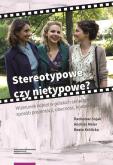
Słowo wstępne (Witold Kołodziejski) / 9
Wybrane działania KRRiT na rzecz równouprawnienia i walki ze szkodliwymi stereotypami w kontekście europejskim (Agnieszka Wąsowska) / 13
Wprowadzenie / 31
Rozdział 1. Metodologia i tło teoretyczne / 35
Materiał badawczy / 35
Konteksty sytuacyjne ekspozycji postaci / 37
Stereotypy kobiet / 42
Procedura kodowania / 51
Rozdział 2. W gronie rodziny i przyjaciół – ogólny wizerunek kobiet w serialach / 57
Ekspozycja czynna w serialach / 57
Ekspozycja bierna w serialach / 59
Konteksty w serialach / 60
Rozdział 3. W poszukiwaniu codziennej równowagi – kobiety w serialach obyczajowych (telenowelach) / 65
Konwencja w serialach obyczajowych / 65
Stereotypy, role i relacje w serialach obyczajowych / 67
Ekspozycja czynna w serialach obyczajowych / 71
Ekspozycja czynna w „M jak miłość” / 72
Ekspozycja czynna w „Pierwszej miłości” / 73
Ekspozycja bierna w serialach obyczajowych / 74
Ekspozycja bierna w „M jak miłość” / 75
Ekspozycja bierna w „Pierwszej miłości” / 76
Konteksty w serialach obyczajowych / 77
Konteksty w „M jak miłość” / 79
Konteksty w „Pierwszej miłości” / 82
Rozdział 4. Rekonstrukcje przeszłości – kobiety w serialach historyczno-obyczajowych / 85
Konwencja w serialach historyczno-obyczajowych / 86
Stereotypy, role i relacje w serialach historyczno-obyczajowych / 88
Ekspozycja czynna w serialach historyczno-obyczajowych / 95
Ekspozycja czynna w „Koronie królów” / 95
Ekspozycja czynna w „Wojennych dziewczynach” / 96
Ekspozycja bierna w serialach historyczno-obyczajowych / 96
Ekspozycja bierna w „Koronie królów” / 98
Ekspozycja bierna w „Wojennych dziewczynach” / 99
Konteksty w serialach historyczno-obyczajowych / 100
Konteksty w „Koronie królów” / 102
Konteksty w „Wojennych dziewczynach” / 104
Rozdział 5. Równouprawnienie w świecie zbrodni – kobiety w serialach kryminalno-obyczajowych / 109
Konwencja w serialach kryminalno-obyczajowych / 110
Stereotypy, role i relacje w serialach kryminalno-obyczajowych / 112
Ekspozycja czynna w serialach kryminalno-obyczajowych / 118
Ekspozycja czynna w „Diagnozie” / 119
Ekspozycja czynna w „Pułapce” / 119
Ekspozycja bierna w serialach kryminalno-obyczajowych / 120
Ekspozycja bierna w „Diagnozie” / 121
Ekspozycja bierna w „Pułapce” / 122
Konteksty w serialach kryminalno-obyczajowych / 124
Konteksty w „Diagnozie” / 126
Konteksty w „Pułapce” / 128
Rozdział 6. Zabawne i przebojowe – kobiety w serialach komediowo-obyczajowych / 131
Konwencja w serialach komediowo-obyczajowych / 131
Stereotypy, role i relacje w serialach komediowo -obyczajowych / 133
Ekspozycja czynna w serialach komediowo-obyczajowych / 138
Ekspozycja czynna w „Dziewczynach ze Lwowa” / 138
Ekspozycja czynna w „Przyjaciółkach” / 139
Ekspozycja bierna w serialach komediowo-obyczajowych / 140
Ekspozycja bierna w „Dziewczynach ze Lwowa” / 141
Ekspozycja bierna w „Przyjaciółkach” / 142
Konteksty w serialach komediowo-obyczajowych / 143
Konteksty w „Dziewczynach ze Lwowa” / 145
Konteksty w „Przyjaciółkach” / 147
Porównanie seriali – podsumowanie / 149
Literatura / 159
Spis tabel / 165
Spis wykresów / 167
Magdalena Maciudzińska-Kamczycka, Sebastian Dudzik
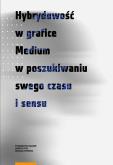
Grafika w hybrydowym świecie. Wprowadzenie / 7
Sebastian Dudzik
Do czego potrzebna jest dziś grafika? 1. Proces upodmiotowienia matrycy i jego konsekwencje / 13
Kajetan Giziński
Drzeworyt jako naturalna hybryda graficzna / 33
Magdalena Maciudzińska-Kamczycka
Cielesna litera. Strategie matrycy w izraelskiej sztuce kobiecej / 53
Karolina Greś
„Strategie wykorzystania obiektów gotowych” w procesie graficznym na przykładzie Williego Cole’a i Betsabeé Romero / 63
Maciej Gąbka
After Positive. (Po)pozytyw a proces poznawczy / 73
Krzysztof Jurecki
Między fotografią a grafiką. Analiza wybranych prac z Międzynarodowego Konkursu „Cyberfoto” (1997–2018) / 85
Krzysztof Kula
Engramy – między dokumentacją a kreacją / 93
Katarzyna Zimna
Odbitka graficzna jako „dzieło w ruchu”. Hybrydowość na etapie post-print / 107
Martyna Rzepecka
Wielopoziomowa materia graficzna jako centrum zamrożenia procesu graficznego oraz przestrzeń sensualnego odbioru / 121
Marek Glinkowski
Matryca między rzeczą a obrazem: zwrot ku rzeczom w graficzności / 133
Agnieszka Cieślińska
Homo-Botanicus, twórcze imaginarium / 145
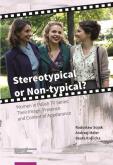
The key objective of this work is to answer the question: To what extent do contemporary Polish TV series try to change stereotypes about women and to what extent do they preserve them? The analysis involved a total of eight series produced and broadcast by Telewizja Polska, TVN and Telewizja Polsat, grouped by genre into: (1) drama series – soap operas; (2) historical drama series; (3) crime dramas and (4) comedy series. The analysis included 76 episodes of the above series with a total length of 49 hours and 51 minutes.
The subject of quantitative analysis was the total speaking time of female characters and their visibility on the screen. The qualitative analysis was based on the identification of the most important gender stereotypes and their use in the series’ storylines. In the analysed series, female characters speak for one fifth of the time longer than male characters and are visible on the screen 15% longer than male characters.
The dominant plots in the sample are issues of interpersonal relationships, i.e. partner relationships, emotional and sexual relationships (29%) and casual social relationships (meetings, visits, parties – 26%). Together, both contexts account for 55% of the time. Their analysis establishes (with a few exceptions) the most prevalent cultural stereotypes about women, including in particular: greater emotionality, strong focus on family and home matters (but not necessarily childcare), and general life orientation on building lasting interpersonal relationships. Due to the requirements of the plot, these stereotypes are nevertheless broken through. In particular, women often turn out to be resourceful and entrepreneurial. The analysis of stereotypes also indicates that the introduction of women into traditionally male roles is much easier than introducing men into roles traditionally considered female.
Ten produkt jest zapowiedzią. Realizacja Twojego zamówienia ulegnie przez to wydłużeniu do czasu premiery tej pozycji. Czy chcesz dodać ten produkt do koszyka?




![Okładka książki Józef Wilkoń [lustro i promyk]. Z Józefem Wilkoniem rozmawia Janusz Górski](https://dobreksiazki.pl/Photos/7/MEDIUM/000070/jozef-wilkon-lustro-i-promyk-z-jozefem-wilkoniem-rozmawia-janusz-gorski.jpg "Józef Wilkoń [lustro i promyk]. Z Józefem Wilkoniem rozmawia Janusz Górski. Autor: Wilkoń Józef, Górski Janusz. Dobreksiazki.pl")