W tej strefie zapraszamy czytelników tak zwane artystyczne dusze po książki z kategorii Sztuka. Polecamy szereg publikacji o sztuce i jej historii,ciekawostki i portfolia artystów, eseje, albumy, książki o malarstwie, rzeźbiarstwie, architekturze oraz histoii fotografii. Biografie ciekawych artystów, książki i powieści przedstawiające fascynujące losy malarzy i osób uwiecznianych na obrazach. W tym dziale tylko ksiązki ze sztuka w tle.
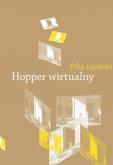
Książka Hopper wirtualny. Obrazy w pamiętającym spojrzeniu to wnikliwa analiza współczesnego odbioru i funkcjonowania malarstwa Edwarda Hoppera w sztuce i kulturze wizualnej zarówno na polu oglądowego doświadczenia, jak i dyskursu krytycznego. Określenie „wirtualny” odnosi się do poszerzonego pola oddziaływania dzieł, w którym kluczową rolę odgrywają praca pamięci, generowane przez percypowane obrazy wizualne skojarzenia i wyobrażeniowe projekcje widza (interpretatora). Niezbędne dla określenia specyfiki twórczości amerykańskiego artysty problemy, wiążące się z rozproszoną obecnością i odbiorem tego malarstwa w kontekście innych obrazów, dotyczą ontologicznego statusu obrazu, pamięci, medium, fotografii, filmu, tzw. nowych mediów i kultury popularnej. Przyjęta w książce perspektywa współczesnego doświadczenia widzącego i piszącego podmiotu pozwala stworzyć krytyczną alternatywę dla tradycyjnego modelu monografii artystycznej „życie i twórczość”. Z kolei splot metodologicznych inspiracji intertekstualnością, hermeneutyką obrazu czy psychoanalizą umożliwił wypracowania pojęć nowych (takich jak „percytowanie) i analityczne zastosowanie, wydawałoby się, dobrze już znanych (takich jak „wirtualność”).
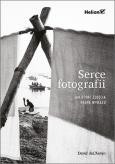
Dlaczego tak wiele fotografii nie wywiera na odbiorcach żadnego wrażenia? Przecież tylu autorów zdjęć marzy o fotograficznej intuicji, która pozwoliłaby im w najwłaściwszej chwili złapać za aparat i instynktownie tworzyć zdjęcia atrakcyjne, emocjonujące lub intrygujące. Niestety, osiągnięcie tego stanu wymaga czasu i wysiłku. Droga do intuicji i instynktu zaczyna się od intencji i od nauki nowych sposobów widzenia i myślenia. Trzeba przyswoić techniki, opanować rzemiosło i poznać twórcze możliwości. Na tym polega fotograficzny rozwój. A najlepszym środkiem pozwalającym osiągnąć te cele są pytania, które wymagają przemyśleń.
Ta książka nie jest podręcznikowym zestawem ćwiczeń, a zachętą do zadawania pytań, przemyśleń i inspiracji. Zawarte w niej zdjęcia ułatwiają znajdowanie odpowiedzi na pytania o funkcje linii, kształtów, o wybór sposobu kadrowania, czasu ekspozycji czy o zastosowanie kontrastu lub perspektywy. W ten sposób łatwiej można prześledzić związki między decyzjami fotografa a ostatecznym efektem i wrażeniami odbiorcy obrazu. Kiedy będziesz szukać własnych odpowiedzi, niepostrzeżenie zaczną one wpływać na proces fotografowania i ułatwią ewoluowanie Twojego własnego stylu robienia zdjęć. W ten sposób wypracujesz celowość fotograficznego myślenia, aby Twoje zdjęcia stały się nie tylko lepsze niż dobre, lecz przede wszystkim sugestywne i autentyczne.
W tej książce znajdziesz inspirację do przemyśleń o:
lepszym ujęciu tematu zdjęcia
roli światła, koloru, linii i kształtów
posługiwaniu się skalą i przestrzenią
grze napięć, równowagi i energii zdjęcia
harmonii, symbolach, tajemnicy
W sercu dobrej fotografii: wątpliwości, niuanse, niejednoznaczność...
O autorze
David duChemin jest fotografikiem - podróżnikiem i humanitarystą, poczytnym autorem i organizatorem międzynarodowych warsztatów fotograficznych, przesyconych duchem przygody, który motywuje go do tworzenia i dzielenia się swoją wiedzą. Mieszka w Vancouver, w Kanadzie, ale na co dzień prowadzi życie nomada, w wiecznym poszukiwaniu doskonałych zdjęć na wszystkich siedmiu kontynentach. Gdy realizuje projekty na zlecenie międzynarodowych organizacji pozarządowych, David tworzy ujmujące obrazy, ukazujące nadzieję i godność dzieci, ludzi pokrzywdzonych i uciśnionych. Na swoich pracach, którymi uwielbia się dzielić, David dąży do oddania piękna przyrody. Realizował zlecenia między innymi w Ekwadorze, Salwadorze, Dominikanie, Haiti, Etiopii, Malawi, Demokratycznej Republice Konga, Rwandzie, Ugandzie i Bangladeszu; nad osobistymi projektami pracował na Islandii, Antarktydzie, Kubie, w Tunezji, Wietnamie, Kenii i we Włoszech. Więcej informacji o autorze znajdziesz pod adresem http://davidduchemin.com/
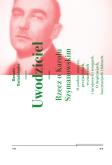
Intrygująca monografia poświęcona życiu i twórczości jednego z najwybitniejszych polskich kompozytorów. Autorka maluje złożony i niejednoznaczny portret Karola Szymanowskiego, często odbiegający od odlanych z brązu pomników ku czci tego twórcy, jednocześnie szkicując pejzaż barwnych czasów, w jakich przyszło mu żyć, i cały korowód nietuzinkowych postaci z jego najbliższego otoczenia. Wyłania się obraz człowieka świadomego swego geniuszu, przygniecionego tym, że wyprzedza swą epokę, wewnętrznie rozdartego zarówno ze względu na swą homoseksualność, jak i życie na krawędzi w bohemicznych miazmatach, kapryśnego i o niedopartym uroku równocześnie. Był kochany i wielbiony, lecz zawsze czuł niedosyt adoracji, ciągle skarżył się na swoje zdrowie i brak pieniędzy, a rozrzutnie szafował jednym i drugim. Gwizdalanka stworzyła nie tylko portret wybitnego artysty, ale i człowieka, człowieka pełnokrwistego ze wszystkimi jego wadami i zaletami.
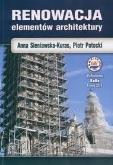
W książce zebrano ogólne wiadomości o przyczynach i objawach zniszczeń obiektów zabytkowych, omówiono zasady przeprowadzania remontów i konserwa cji elementów konstrukcyjnych i wykończeniowych. Przedstawiono też technologię wykonania i konserwacji dekoracji i detali architektonicznych.
Książka adresowana jest do średniego personelu technicznego zatrudnionego w firmach zajmujących się renowacją zabytków budownictwa murowanego. Poziom zawartych w książce wiadomości odpowiada standardowi wymagań stawianych technikowi renowacji elementów architektury.
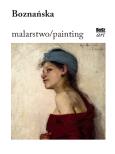
Olga Boznańska – najwybitniejsza polska malarka okresu Młodej Polski, tworząca w nurcie realizmu i impresjonizmu. Znana jako doskonała portrecistka, ale także malarka martwych natur, studiów wnętrz i pejzaży. Tworzyła w Monachium oraz w Paryżu, gdzie w 1937 roku zdobyła Grand Prix na Wystawie Światowej. Malarstwo artystki charakteryzuje lekkość w operowaniu barwami, których paleta zawężała się do ciemnych tonów: brązów, zieleni, szarości i czerni, kontrastowanych akcentami bieli i różu. Do najbardziej znanych dzieł malarki należą m.in.: „Dziewczynka z chryzantemami”, „Portret kobiety”, „Dziewczynka z koszem jarzyn w ogrodzie” czy „Portret panny Dygat”. Album stanowi wybór najlepszych prac Olgi Boznańskiej z całego okresu jej twórczości. Czytelnik znajdzie w nim ponad 50 znanych i mniej znanych reprodukcji, uzupełnionych wstępem poświęconym twórczości artystki.
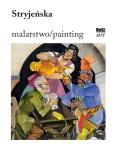
Kolejny album z serii Malarstwo przedstawia życie i twórczość jednej z najważniejszych i najoryginalniejszych polskich artystek XX wieku – Zofii Stryjeńskiej – „księżniczki malarstwa polskiego”. Jej przepełnione duchem słowiańskim prace zachwycają wielobarwnością i porywają żywiołowością. Są świadectwem niezwykłej wyobraźni, humoru i niepowtarzalnego talentu. Zaprezentowane w książce reprodukcje pochodzą ze zbiorów muzealnych oraz kolekcji prywatnych w Polsce i na świecie. Nowe wydanie albumu.
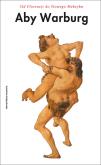
Tom artykułów Aby Warburga, fascynujących szkiców o sztuce i kulturze późnego średniowiecza i Renesansu, o miłosnych emblematach i oprawie muzycznych przedstawień na późnorenesansowym dworze, o magii i średniowiecznych wyobrażeniach podboju morskich i powietrznych przestworzy, ukazują tego wielkiego historyka sztuki i kultury jako niestrudzonego eksploratora ukrytej obecności antycznych form i motywów w późniejszych epokach, jako badacza, który stawia sobie za cel odzyskanie brzmienia zapomnianych języków sztuki, odszyfrowanie zagadkowych figur artystycznych praktyk minionych epok. Studiując wytworne przedmioty dworskiej kultury, burgundzkie gobeliny i majestatyczne formy „all’ antica”, współtworzące ekspresję postaci na przedstawieniach Ghirlandaia czy Piera della Francesca, Warburg z równą pasją przygląda się rytuałom religijnym Indian Pueblo i związanej z nimi aktywności twórczej, wpatrując się w najróżniejsze przejawy dawnej sztuki i ekspresji jako przejawy mentalnej postawy i artystyczno-intelektualnej energii. Chcąc je zrozumieć, ożywia je siłą niezwykłej erudycji i skojarzeń, ujmując swoje interpretacje w niezrównanej, metaforycznej i aforystycznej wręcz formule językowej. Warburg to niezrównany ‘cicerone’ po topografii kultury europejskiej, o którym możemy powiedzieć to, co on sam rzekł na temat Jacoba Burckhardta: jest prawdziwym „odbiorcą fal mnemicznych” dawnych kultur.
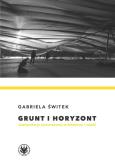
Autorka buduje interpretacje wybranych dzieł architektury i sztuki wokół pojęć zapożyczonych z nurtów fenomenologii (Hans-Georg Gadamer, Maurice Merleau-Ponty, Hermann Schmitz), psychologii postaci (Rudolf Arnheim, Juliusz Żórawski) oraz współczesnej estetyki atmosfer (Gernot Böhme, Tonino Griffero) i pokrewnych jej teorii architektury (Hubert L. Dreyfus, Alberto Pérez-Gómez, Peter Zumthor). Grunt i horyzont, pole sił wizualnych w architekturze, przezroczystość i przejrzystość, przestrzeń bezkrawędziowa, atmosfery i nastroje, niesamowitość to terminy ułatwiające opis doświadczenia dzieł architektury i sztuki, takich jak zbudowany wokół drzewa pawilon „L’Esprit Nouveau” Le Corbusiera i Pierre’a Jeannereta (1925), projekt pomnika Droga do Żelazowej Woli Krystiana Burdy (1961) czy architektoniczna makroinstalacja Chmura Jacka Damięckiego (1994).
Grunt i horyzont… to refleksje z lat 2013–2020 na temat teorii i historii architektury nowoczesnej oraz przestrzeni i reprezentacji architektury we współczesnych sztukach wizualnych.
******
The Ground and the Horizon: The Interpretations of Modern Architecture and Art
The reflections from the years 2013-2020 concerning the theory and history of modern architecture as well as space and the representation of architecture in modern visual arts. The interpretations of selected architectural and art. Works are built around the notions borrowed from phenomenology (Hans-Georg Gadamer, Maurice Merleau-Ponty, Hermann Schmitz), Gestalt psychology (Rudolf Arnheim, Juliusz Żórawski), modern aesthetics of atmospheres (Gernot Böhme, Tonino Griffero) and theories of architecture related to it (Hubert L. Dreyfus, Alberto Pérez-Gómez, Peter Zumthor). The ground and the horizon, visual forces in architecture, transparency and clarity, edgeless space, atmospheres and moods, weirdness – these are the terms which facilitate experiencing works of architecture and art. Such as „L’Esprit Nouveau” – a pavilion built by Le Corbusier and Pierre Jeanneret around a tree (1925), a monument design “A Road to Żelazowa Wola” by Krystian Burda (1961) or “Cloud” – an installation by Jacek Damięcki (1994).
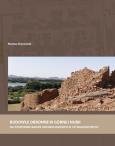
Od prostych wież mieszkalnych, które służyły jednej rodzinie czy niewielkiej grupie, do dużych założeń obronnych z bastionami i bastejami, strzegących granic imperiów i szlaków handlowych. Od nieinwazyjnych metod badawczych, jak fotografia, analiza zobrazowań satelitarnych czy skaning laserowy, po badania powierzchniowe i wykopaliska archeologiczne.
Książka ta przybliża fascynujący świat niezwykle zróżnicowanych budowli obronnych wznoszonych przez wiele stuleci w rejonie Górnej Nubii (dzisiejszy północny i centralny Sudan). Można ją też jednak czytać jako swoisty „przewodnik po archeologii”. Prowadzona w swobodnym stylu narracja wciąga czytelnika w codzienność archeologów, pokazuje, w jaki sposób przygotowują się do prowadzenia badań, z jakimi problemami muszą się mierzyć w ich trakcie, stawia też nowe pytania badawcze i zachęca do własnych poszukiwań.
******
Fortresses of Upper Nubia in the light of archaeological and ethnological researches
From simple tower houses for one family or a small group of people, to huge defensive complexes with bastions and bastiles guarding the borders of empires and the trade routes. From non-invasive archaeological methods such as photography, analysys of the satellite imagery or laser scanning, to surveys and excavations.
The book presents the fascinating world of very diversified fortresses that were built over many centuries in the Upper Nubia region (today’s northern and central Sudan). However, it can be also read as a kind of „guide on archaeology”. Its informal narrative involves the reader into the every-day reality of the archaeologists, shows how they prepare for the research, and what kind of the problems they have to face during their work. The book also raises some new research questions and encourages the readers to start their own adventure with archaeology.
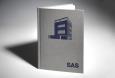
To drugie, rozszerzone i uzupełnione wydanie pierwszego (z 2012) tomu z serii ilustrowanych dwujęzycznych atlasów dzielnic Warszawy. Przedstawia wybrane obiekty z Saskiej Kępy, modernistycznej dzielnicy Warszawy, miejsca eksperymentu, w którym uczestniczyło kilka pokoleń wybitnych architektów, urbanistów, projektantów i rzeźbiarzy. Atlas obejmuje 50 miejsc – budynków i elementów dekoracyjnych powstałych w latach 1926–1939 oraz wybranych obiektów powojennych i współczesnych. Każdy opatrzony jest ilustracją i krótkim opisem w języku polskim i angielskim. Wybór poprzedzony jest wstępem historycznym.
Publikacja jest prezentacją budynków, rzeźb i dekoracyjnych detali za pomocą precyzyjnej, lecz syntetycznej ilustracji. Taki sposób przedstawienia architektury pozwala zrozumieć podstawowe założenia przestrzenne poszczególnych projektów, niezakłócone ograniczeniami, z jakimi mamy do czynienia w przypadku zdjęć budynków (zasłaniające je drzewa, inne obiekty czy elementy infrastruktury miejskiej, brak dostępu z niektórych stron, zmiany modernizacyjne). Tym samym mamy szansę lepiej poznać pierwotny zamysł architekta.
Obiekty są pokazane jako monochromatyczne bryły, które z przestrzeni miejskiej wróciły na deskę architekta, a raczej na ekran komputera, którym dziś posługiwaliby lub posługują się ich twórcy.
O czym jest książka Inne pojęcia estetyki? Tytuł nie pozostawia wątpliwości – jest to książka o innych pojęciach estetyki. Autor próbuje spojrzeć na problemy współczesnej estetyki z punktu widzenia stosowanych w niej pojęć. Jednoznacznie i zdecydowanie deklaruje, że jego książka nie jest jednak słownikiem pojęć, lecz zapisem żywej refleksji nad terminami stosowanymi w estetyce, ich swoistością oraz wciąż dziejącą się historią.
Fragment recenzji prof. dr hab. Romana Kubickiego
Monografia jest dobrym kompendium wiedzy o sztuce i estetyce neoawangardy. Sztabiński przeżył i doświadczył jako artysta i teoretyk wspomnianego czasu i widać to w wielu miejscach książki. Pod tym względem, jako komasacja tych dwóch aspektów jest to monografia wyjątkowa.
Fragment recenzji Sidey’a Myoo (prof. dr hab. Michał Ostrowicki)
Grzegorz Sztabiński – emerytowany profesor zwyczajny Uniwersytetu Łódzkiego (filozofia, historia sztuki), profesor zwyczajny w Akademii Sztuk Pięknych w Łodzi, gdzie kieruje Katedrą Teorii i Historii Sztuki oraz prowadzi Pracownię Kompozycji Intermedialnej na Wydziale Sztuk Wizualnych. Opublikował książki Problemy intelektualizacji sztuki w tendencjach awangardowych (Łódź 1991), Dlaczego geometria? Problemy współczesnej sztuki geometrycznej (Łódź 2004), Inne idee awangardy. Wspólnota, wolność, autorytet (Warszawa 2011). Dla wydawnictwa UNIVERSITAS zredagował wybory pism estetycznych Władysława Strzemińskiego (Kraków 2006) i Tadeusza Pawłowskiego (Kraków 2010). Wydał słownik artystów Imiona własne sztuki łódzkiej. Współczesne malarstwo, grafika, rzeźba i twórczość intermedialna (Łódź 2008). Od 1999 roku jest redaktorem naczelnym rocznika „Art Inquiry. Recherches sur les arts”.
Jako artysta zajmuje się malarstwem, rysunkiem, sztuką instalacji i sporadycznie sztuką performance; jego prace były pokazywane na wielu wystawach indywidualnych i zbiorowych (np. Sao Paulo Art Biennial, 1979; the International Triennial of Drawing in Wrocław, 1978, 1981, 1988, 1992, 1995; Third International Symposium of Performance Art, Lyon 1981; the Symposium of Systematic and Constructive Art in Madrid, 1989; Język geometrii – półwiecze przemian, MCSW Elektrownia, Radom 2016).
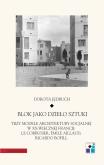
Książka poświęcona jest historii francuskich blokowisk. Twórczość trzech architektów: Le Corbusiera, Émile’a Aillauda i Ricarda Bofilla wytycza w wieku XX trzy węzłowe momenty w dyskusji o tym, jak ma wyglądać mieszkanie dla mas: począwszy od normatywnych, modernistycznych koncepcji Le Corbusiera (formułowanych już w okresie międzywojennym, a realizowanych po 1945 roku), przez idee Aillauda, który w modernistyczny model włącza dekorację architektoniczną (w latach 60. i70), po postmodernistyczne osiedla projektowane przez Bofilla we Francji (w latach 80). Analizując koncepcje społeczne i estetyczne prezentowanych twórców, autorka stara się podważać wizję masowego mieszkalnictwa jako zagadnienia wyłącznie funkcjonalistycznego. Obserwuje różne wątki znaczeniowe: dekoracje, nawiązania i cytaty z tradycji obecne w architekturze socjalnej od XVIII w., prezentując dyskusję o modelu bloku wielorodzinnego jako dyskusję o dziele sztuki. Jej elementami okazują się takie wątki jak relacja z naturą, motyw pierwotnej siedziby człowieka, tradycja śródziemnomorska, pojęcie archetypu. Elementy te łączą – pozornie bardzo odmienne – omawiane koncepcje osiedli mieszkaniowych.
Dr Dorota Jędruch – pracuje w Zakładzie Historii Sztuki Nowoczesnej Instytutu Historii Sztuki UJ. Współkuratorka z Instytutem Architektury wystaw architektonicznych, m.in.: Za-mieszkanie 2012 – miasto ogrodów, miasto ogrodzeń (Muzeum Narodowe w Krakowie, 2012), Figury niemożliwe/Impossible objects (Pawilon Polski na XIV Międzynarodowym Biennale w Wenecji, 2014), Wreszcie we własnym domu. Dom Polski w transformacji (Warszawa w budowie, 2016). Współzałożycielka Fundacji InstytutArchitektury. Stale współpracuje z kwartalnikiem „Autoportret”.
Jej zainteresowania badawcze to historia architektury po 1945 roku, muzealnictwo, krytyka sztuki.
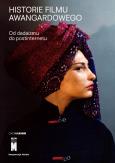
Kompleksowe ujęcie głównych nurtów awangardy filmowej, które ukształtowały historię kina i miały zasadniczy wpływ na historię sztuki – od lat 20. XX wieku do lat 2000.
Znakomici znawcy i badaczki kina oraz sztuk wizualnych poruszają się w książce po rozległym terytorium: od dadaistów i surrealistów po kino-sztukę i postinternet. Najchętniej – po jego obrzeżach, pisząc, czasem po raz pierwszy tak obszernie na gruncie polskim, o zapomnianych pionierkach kina Wielkiej Awangardy, wczesnej awangardzie amerykańskie, kinie letrystycznym, sytuacjonistycznym czy queerowym, czarnym feminizmie, perspektywie postkolonialnej czy o kinie jako narzędziu krytyki obrazów kształtujących zbiorową świadomość wizualną.
Celem książki jest nie tylko przyznanie należnej wagi pionierskiej twórczości kobiet, ale też spojrzenie na to, jak w historii marginalizowano ich znaczenie. Co więcej, książka pokazuje, że wypracowane na gruncie awangardy środki pozwoliły realizować prace o pionierskim znaczeniu dla historii kina, sztuki i emancypacji kobiet.
„„Historie filmu awangardowego” z podtytułem „Od dadaizmu do postinternetu” to książka napisana przez wielu autorów. Z mnogością podjętych tematów koresponduje różnorodność punktów widzenia i poetyk wypowiedzi. Prezentują one awangardę jako nurt zmieniający się dynamicznie, z wzrastającą intensywnością, zgodnie z etymologią terminu wyprzedzający swój czas oraz dzisiejsze kino. Zarazem jednak współczesna awangarda rewitalizuje i uruchamia swoją własną tradycję sięgającą lat dwudziestych, czasu tak zwanej Wielkiej Awangardy, a może i dalej, jeśli uwzględnić pierwsze próby tego rodzaju. Autorzy próbują odpowiedzieć na pytanie, co dziś nazywamy awangardą i tym samym ukazać ten fenomen w całej jego złożoności, biorąc pod uwagę różne jego odgałęzienia, odmiany, nurty i tendencje.”
prof. Alicja Helman
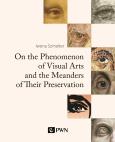
Autorka w sposób barwny i sugestywny opowiada o sztuce wizualnej utrzymując jednocześnie rygory opracowania naukowego. Przedstawia ponadczasowość sztuki identyfikując ją według najnowszych metod analityki instrumentalnej, badań historycznych, przedstawia analizę zmiany postaci dzieł w procesie konserwacji.
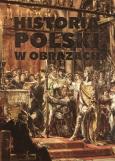
Poznawanie historii już samo w sobie jest mądrym i pięknym przeżyciem. Jeśli zaś historia ta została zarówno spisana, jak i przedstawiona na wybitnych dziełach sztuki, jakimi są obrazy niepodważalnych autorytetów malarskich, wtedy mamy doczynienia nie tylko z lekcja historii, ale wręcz z jej kontemplacją. Dzieła polskiego malarstwa historycznego i symbolicznego posłużyły Józefinie Korpyś oraz Ireneuszowi Korpysiowi do ukazania kluczowych momentów z życia naszej Ojczyzny.
Monografia ma charakter teoretyczno-empiryczny. Dotyczy koncepcji zarządzania wartością dla klienta, która została ukazana przez pryzmat marketingu doświadczeń w działaniach instytucji kultury w Polsce. Książka zawiera diagnozę etapów teoretycznego modelu zarządzania wartością i doświadczeniem klienta na podstawie badań funkcjonowania teatrów i filharmonii w Polsce, analizę porównawczą zestawiającą wartości proponowane przez teatry i filharmonie z oczekiwaniami uczestników kultury, a także omówienie wpływu nurtu marketingu doświadczeń na działania teatrów i filharmonii oraz ich odbiór przez uczestników kultury.Publikacja jest adresowana przede wszystkim do menedżerów i animatorów kultury oraz pracowników instytucji kultury. Poruszone w niej zagadnienia mogą być też przydatne dla studentów i osób zainteresowanych zarządzaniem wartością dla klienta oraz marketingiem doświadczeń. Monografia stanowi uzupełnienie wiedzy z zakresu marketingu usług, marketingu organizacji non profit czy zarządzania marketingowego w instytucjach kultury.To bez wątpienia interesujące opracowanie, skłaniające do dyskusji. Być może pozwoli również na poprawę potocznego, niestety nie zawsze pozytywnego, wizerunku marketingu. Dzięki Autorce możemy zobaczyć jego ,,szlachetniejszą twarz"".Prof. dr hab. Jacek Otto
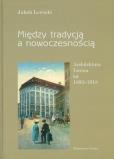
Jakub Lewicki, Między tradycją a nowoczesnością. Architektura Lwowa lat 1893-1918Monografia analizuje pojawienie się i upowszechnienie nowoczesnych rozwiązań w architekturze na przykładzie Lwowa w oparciu o szczegółowe badania archiwalne i terenowe w Lwowie. Szeroko zaprezentowano różne zagadnienia dotyczące architektury lwowskiej: działających tam środowisk architektonicznych i architektów oraz różnych nurtów architektury historyzmu, secesji i modernizmu. Pozwoliło to uchwycić przekształcanie się historyzującej lwowskiej architektury XIX-wiecznej w nowoczesne rozwiązania charakterystyczne dla sztuki XX w.
Tematyka tekstów jest bardzo różnorodna. Niektóre dotyczą wystaw malarskich. Pisałem nie tylko o wielkich twórcach, takich jak: El Greco, Tintoretto, Vermeer, Goya, Canaletto czy Gauguin, ale także tych znakomitych, choć niesłusznie zapomnianych, jak np. Gustave Caillebotte, malarz z czasów belle poque znany w Polsce jedynie nielicznej grupie historyków sztuki. Kilka tekstów dotyczy wystaw okolicznościowych zorganizowanych z okazji wielkich rocznic przypominających wybitnych przedstawicieli kultury europejskiej, jak np. dwutysięcznej rocznicy urodzin pisarza i filozofa Seneki, siedemsetnej rocznicy urodzin Giovanniego Boccaccia, pięćsetlecia wydania Księcia Machiavellego czy dwóchsetlecia urodzin Winckelmanna. Tekst o naszym znakomitym typografie i bibliofilu Samuelu F. Tyszkiewiczu został napisany z okazji wystawy zorganizowanej w Weronie w pięćdziesiątą rocznicę jego śmierci. Kilka tekstów dotyczy ekspozycji kodeksów rękopiśmiennych (jest to temat, który z racji moich studiów specjalistycznych interesuje mnie w szczególny sposób), rzadkich książek i unikalnych archiwaliów, które można oglądać tylko w wyjątkowych sytuacjach, jak np. na wystawie dokumentów dotyczących Leonarda da Vinci, kodeksów pergaminowych z księgozbioru kardynała Bessariona, ofiarowanych przez greckiego purpurata Republice św. Marka, które dały początek Marcianie, sławnej bibliotece weneckiej, książekklejnotów, wykonanych na polecenie Wawrzyńca Wspaniałego jako wiano dla jego córek, czy rękopisów i najstarszych wydań dzieł papieża Grzegorza Wielkiego, jednego z czterech Ojców Kościoła zachodniego. Innego rodzaju ekspozycją była londyńska wystawa poświęcona złotej erze Baletów Rosyjskich Diagilewa w latach 1909-1929, na której zgromadzono nie tylko archiwalia dotyczące tego wybitnego twórcy kultury, ale także oryginalne kostiumy i projekty dekoracji. Opublikowane teksty są świadectwem moich zainteresowań, pasji i sympatii.- od Autora
Twórcy umieszczają w swych dziełach sekretne znaki.
Zabieramy cię w porywającą podróż tropami błysków geniuszu.
• Kto i w jakim celu stworzył doskonałą anatomicznie kryształową Czaszkę Zagłady?
• Czemu służyły gigantyczne naskalne malowidła odnalezione w australijskich jaskiniach?
• Jaka klątwa wiąże się z terakotową armią cesarza Qin Shi Huangdi? Dlaczego chińskie władze zaprzestały wykopalisk i nie pozwalają na dalszą eksplorację znaleziska?
• Gdzie się podziewa zaginiony złoty tron Karola Wielkiego, który został podarowany Bolesławowi Chrobremu przez Ottona III?
• Surrealizm w mrokach średniowiecza. Co wywołało tajemnicze wizje Hieronima Boscha?
• Jaką enigmę ukrył Pieter Breughel w swojej najsłynniejszej Wieży Babel?
• Dlaczego słynny secesyjny twórca Alfons Mucha wymalował własną wersję Bitwy pod Grunwaldem?
• Czego bał się Edward Munch a czego obawia się postać wymalowana na jego najsłynniejszym obrazie Krzyk?
• Horror zombie z krakowskiego witraża. Dlaczego Wyspiański zaprojektował dla wawelskiej katedry żywego trupa Kazimierza Wielkiego?
• Dziwny ogród. Skąd gigantyczna ważka na obrazie Józefa Mehoffera?
• Co cesarz surrealistów, Salvador Dali, zakodował w obrazie Zagadka Hitlera?
• Niewyjaśnione zagadki ósmego cudu świata i jego świętego twórcy. Antonio Gaudi i bazylika Sagrada Familia.
NIE CZEKAJ. DOŁĄCZ DO WYPRAWY POSZUKIWACZY NIEWYJAŚNIONYCH TAJEMNIC ARCYDZIEŁ SZTUKI.
Ten produkt jest zapowiedzią. Realizacja Twojego zamówienia ulegnie przez to wydłużeniu do czasu premiery tej pozycji. Czy chcesz dodać ten produkt do koszyka?