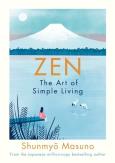
Zen is the perfect antidote to the chaos of modern life . . . In clear, practical and easy to follow lessons - one a day for 100 days - renowned Buddhist monk Shunmyo Masuno draws on centuries of wisdom to show you how to apply the essence of Zen to modern life. You will learn how to exhale deeply to eliminate negative emotions, to arrange your house simply to clear your thinking, to line up your shoes at night to bring order to your mind, to plant a single flower and watch it grow, to worry less about what you cannot control, and so much more . . . You will even make time to think about nothing at all. Simplify your life with the art of Zen, and learn how to feel more relaxed, fulfilled, and with a renewed sense of peace.
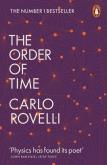
The bestselling author of Seven Brief Lessons on Physics takes us on an enchanting, consoling journey to discover the meaning of time
'We are time. We are this space, this clearing opened by the traces of memory inside the connections between our neurons. We are memory. We are nostalgia. We are longing for a future that will not come'
Time is a mystery that does not cease to puzzle us. Philosophers, artists and poets have long explored its meaning while scientists have found that its structure is different from the simple intuition we have of it. From Boltzmann to quantum theory, from Einstein to loop quantum gravity, our understanding of time has been undergoing radical transformations. Time flows at a different speed in different places, the past and the future differ far less than we might think, and the very notion of the present evaporates in the vast universe.
With his extraordinary charm and sense of wonder, bringing together science, philosophy and art, Carlo Rovelli unravels this mystery. Enlightening and consoling, The Order of Time shows that to understand ourselves we need to reflect on time -- and to understand time we need to reflect on ourselves.
Translated by Simon Carnell and Erica Segre
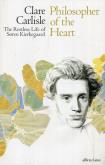
Soren Kierkegaard, one of the most passionate and challenging of modern philosophers, is now celebrated as the father of existentialism - yet his contemporaries described him as a philosopher of the heart. Over about a decade in the 1840s and 1850s, writings poured from his pen analysing love and suffering, courage and anxiety, religious longing and defiance, and forging a new philosophical style rooted in the inward drama of being human.
As Christianity seemed to sleepwalk through a changing world, Kierkegaard dazzlingly revealed its spiritual power while exposing the poverty of official religion. His restless creativity was spurred on by his own failures: his relationship with the young woman whom he promised to marry, then left to devote himself to writing, haunted him throughout his life.
Though tormented by the pressures of celebrity, he deliberately lived amidst the crowds in Copenhagen, known by everyone but, he felt, understood by no one. When he collapsed exhausted at the age of 42, he was still pursuing the question of existence: how to be a human being in this world?
Clare Carlisle's innovative and moving biography writes Kierkegaard's remarkable life as far as possible from his own perspective, conveying what it was like to be this Socrates of Christendom - as he put it, living life forwards yet only understanding it backwards.
Well, someone's got to do it: in a world which simply will not see reason, Jeremy sets off on another quest to beat a path of sense through all the silliness and idiocy.
And there's no knowing what might catch Jeremy's eye along the way. It could be:
-The merits of Stonehenge as a business model
-Why all meetings are a waste of time
-The theft of the Queen's cows
-One Norwegian man's unique approach to showing his gratitude
-Fitting a burglar alarm to a tortoise
-Or how Lou Reed was completely wrong about what makes a perfect day
Pithy and provocative, this is Clarkson at his best, taking issue with whatever nonsense gets in the way of his search for all that's worth celebrating. Why should we be forced to accept stuff that's a bit rubbish? Shouldn't things work? Why doesn't someone care? I mean, is it really too much to ask?
It's a good thing we've still got Jeremy out there, still looking, without fear or favour, for the answers.
Volume 4 in the bestselling World According to Clarkson series
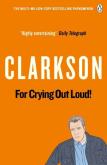
Jeremy Clarkson had a dream. A world where the nonsensical made sense, the idiotic was abolished and the sheer bloody brilliant was embraced. In How Hard Can It Be? our hero embarks on a quest to set the world to rights. Again.
En-route he discovers how rhubarb will become the new crack, that a comb over will end anyone's quest for global domination and what unites a Filipino chambermaid in Abergavenny with Prince Andrew.
For anyone who's ever woken up and thought the time has come to stop the nonsense and celebrate the sensational, read on. Because seriously, how hard can it be?
Jeremy Clarkson began his writing career on the Rotherham Advertiser. He now writes for the Sun and the Sunday Times and is the tallest person working in British television.
The publication of The World According to Clarkson in 2004 launched a multi-million-copy bestselling phenomenon. But to no avail.
Jeremy's one-man war on crimes against common sense has not yet been won. And our hero's still scratching his head at the madness of it all. But it's not all bad. He's learned a little along the way, including:
Why binge drinking is good for you
The worst word in the English language
The remarkable secret of eternal youth
The pleasure and pain of middle-aged drumming
The problem with America
And how to dispose of a seal
For anyone who's ever been driven to wonder just what is the matter with people these days, For Crying Out Loud is the perfect riposte. Surprising, fearless and always laugh-out-loud funny, Clarkson's back. And he's got a point . . .
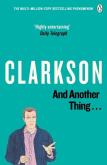
Everyone knows that Jeremy Clarkson finds the world a perplexing place - after all, he wrote a bestselling book about it. Yet despite the appearance of The World According To Clarkson, things don't seem to have improved much. However, Jeremy is not someone to give up easily and he's decided to have another go.
In And Another Thing, our exasperated hero discovers that:
He inadvertently dropped a bomb on North Carolina
We're all going to explode at the age of 62
Russians look bad in Speedos. But not as bad as we do.
No one should have to worry about being Bill Oddie's long lost sister
He should probably be nicer about David Beckham
Thigh-slappingly funny and - as ever - in your face, Jeremy Clarkson bursts the pointless little bubbles of the idiots while celebrating the special, the unique and the sheer bloody brilliant …
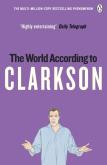
Jeremy Clarkson shares his opinions on just about everything in The World According to Clarkson.
Jeremy Clarkson has seen rather more of the world than most. He has, as they say, been around a bit. And as a result, he's got one or two things to tell us about how it all works; and being Jeremy Clarkson he's not about to voice them quietly, humbly and without great dollops of humour.
In The World According to Clarkson, he reveals why it is that:
Too much science is bad for our health
'70s rock music is nothing to be ashamed of
Hunting foxes while drunk and wearing night-sights is neither big nor clever
We must work harder to get rid of cricket
He likes the Germans (well, sometimes)
With a strong dose of common sense that is rarely, if ever, found inside the M25, Clarkson hilariously attacks the pompous, the ridiculous, the absurd and the downright idiotic, whilst also celebrating the eccentric, the clever and the sheer bloody brilliant.
Less a manifesto for living and more a road map to modern life, The World According to Clarkson is the funniest book you'll read this year. Don't leave home without it.
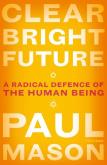
A passionate defence of humanity and a work of radical optimism from the international bestselling author of Postcapitalism
How do we preserve what makes us human in an age of uncertainty? Are we now just consumers shaped by market forces? A sequence of DNA? A collection of base instincts? Or will we soon be supplanted by algorithms and A.I. anyway?
In Clear Bright Future, Paul Mason calls for a radical, impassioned defence of the human being, our universal rights and freedoms and our power to change the world around us. Ranging from economics to Big Data, from neuroscience to the culture wars, he draws from his on-the-ground reporting from mass protests in Istanbul to riots in Washington, as well as his own childhood in an English mining community, to show how the notion of humanity has become eroded as never before.
In this book Paul Mason argues that we are still capable - through language, innovation and co-operation - of shaping our future. He offers a vision of humans as more than puppets, customers or cogs in a machine. This work of radical optimism asks: Do you want to be controlled? Or do you want something better?
Praca socjalna, jako nauka interdyscyplinarna, czy pedagogika obligują osobę chcącą legitymować się wykształceniem wyższym do zdobywania wiedzy wkraczającej często na grunt psychologii, medycyny – socjologii i innych nauk. Badanie zjawiska Płodowego Zespołu Alkoholowego daje do tego świetną okazję.
Problematyka pracy dotycząca prenatalnej ekspozycji na alkohol wyznacza temat i cel niniejszej publikacji. I tak przedmiotem rozważań uczyniono wiedzę respondentów dotyczącą skutków prenatalnej ekspozycji płodu na alkohol. Cele związane są z poznaniem specyfiki wiedzy studentów i uczniów szkół ponadgimnazjalnych na temat zagrożeń, jakie niesie spożywanie alkoholu, oraz FAS.
Treści niniejszej pracy oscylują wokół dwóch podstawowych aspektów. Po pierwsze poruszają problematykę alkoholizowania się części społeczeństwa, w tym przypadku młodzieży oraz kobiet w wieku prokreacyjnym, po drugie analizują dostępną wiedzę na temat Płodowego Zespołu Alkoholowego. Stąd pojawiają się dwa problemy badawcze, które mają weryfikować posiadaną przez respondentów wiedzę. Pierwszy to badanie świadomości zagrożeń, jakie stwarza spożywanie alkoholu dla matki i dla rozwijającego się w niej płodu. Drugi nurt badań skoncentrowany jest na analizowaniu wiedzy związanej z Płodowym Zespołem Alkoholowym. Oba nurty znajdują odzwierciedlanie w przeprowadzonych badaniach, których wyniki przedstawiam w niniejszym opracowaniu. Badania oparte są na metodzie sondażu diagnostycznego i mają ilościowy charakter. Wyniki uzyskane w badaniach ukazują ewolucję wiedzy dotyczącą opisywanych aspektów w kontekście kilkunastu lat w obu badanych grupach respondentów, tj. studentów i uczniów szkół ponadgimnazjalnych.
Problematyka zawarta w tej publikacji wyznacza jej strukturę. W pierwszym rozdziale opisano terminologię związaną z FAS, przybliżono historię badań nad tym zjawiskiem, jego charakterystykę i teratogenny wpływ alkoholu na płód oraz zagrożenia, jakie niesie ze sobą picie alkoholu przez kobietę w ciąży. W dalszej kolejności omówiono założenia metodologiczne badań, określono przedmiot, cel i problemy badawcze. Opisano przyjętą metodę, techniki i narzędzia badawcze. Przedstawiono przebieg badań oraz dobór grupy badawczej, a także techniki statystyczne wykorzystane w opracowaniu. W następnym rozdziale zaprezentowano wyniki badań sondażowych przeprowadzonych w latach 2005—2018 w grupach studentów różnych uczelni, głównie krakowskich, oraz w grupach uczniów szkół ponadgimnazjalnych z terenu województwa małopolskiego. W rozdziale empirycznym zawarto także analizy porównawcze uzyskanych wyników badań z wykorzystaniem technik statystycznych. Całość zamyka zakończenie z wnioskami i postulatami dla praktyki działań pedagogicznych i profilaktycznych. Opracowanie ma charakter badań porównawczych, zestawiono w nim wyniki badań dotyczące problematyki Płodowego Zespołu Alkoholowego z kilkunastu ostatnich lat.
Jakość życia oraz zdrowie ludzi zależą od wielu różnych czynników. Mając wiedzę o ich znaczeniu, można łatwiej podejmować właściwe decyzje, aby żyć długo i w dobrym zdrowiu. Przede wszystkim należy brać pod uwagę indywidualną odpowiedzialność za stan własnego zdrowia. Trzeba jednak wiedzieć, że mózgi ludzi są nastawione na poznawanie otoczenia, a nie analizowanie siebie. Konieczne jest zatem wkładanie wysiłku w działania na rzecz świadomego zarządzania swoimi działaniami. Można tutaj wskazać na racjonalność w odżywianiu się, utrzymywanie organizmu w ruchu, budowanie relacji z innymi ludźmi, a także stawianie sobie celów i kierowanie się własnym systemem wartości. Zachowania i praktyki prozdrowotne ludzi są również kształtowane przez różnorodne narzędzia komunikacji, w tym promocji i reklamy. W trosce o wspólne dobro istotne jest tworzenie uregulowań prawnych, które pozwolą na podejmowanie działań zgodnych z interesem wszystkich podmiotów z obszaru rynku zdrowia. Dotyczy to poprawności reklamy artykułów żywnościowych i farmaceutycznych, opakowań produktów, sposobów ich ekspozycji na półkach sklepowych oraz przestrzegania etyki w sferze konkurencji rynkowej. Autorzy, reprezentując nauki prawne i ekonomiczne, połączyli swą wiedzę i doświadczenia, aby podzielić się krytycznymi refleksjami na temat uwarunkowań w procesie podnoszenia jakości życia i zdrowia społeczeństwa.
EWOLUCJA ZACZYNA SIĘ TERAZ to esencja dzogczen, najwyższej, najbardziej bezpośredniej ścieżki buddyzmu tybetańskiego prowadzącej do samowyzwolenia. Dzogczen, chociaż wywodzi się z wadżrajany, nie należy do żadnej tradycji. Zgodnie z nauczaniem Czogjala Namkhai Norbu, każdy może je praktykować, niezależnie od pochodzenia oraz wiary, ponieważ każdy może odkryć naturę swego umysłu. Jest to potencjał zawarty w każdym z nas.
EWOLUCJA ZACZYNA SIĘ TERAZ ukazuje w prostych sentencjach, aforyzmach i instrukcjach jak można urzeczywistnić ten potencjał i uwolnić się od mechanicznych zachowań życia codziennego sprawiających, że błąkamy się po omacku w mrokach niewiedzy, nie znając swej prawdziwej natury.
„Prawdziwy pokój może zapanować między ludźmi jedynie wtedy, gdy każdy dokona ewolucji wewnętrznej. Dzięki naukom dzogczen możemy całkowicie uwolnić się od napięć, a w rezultacie nie odczuwać ciężaru życia, cieszyć się nim i być szczęśliwi. Z tej właśnie przyczyny nauki dzogczen są ważne dla każdego, a nie tylko dla małej grupy osób zainteresowanych duchowością.
Dzogczen można postrzegać jako system filozoficzny, religię bądź ścieżkę duchową, ale nie sposób zamknąć go w jednej z tych kategorii. Najważniejsze to zrozumieć, że dzogczen nie stanowi jakiejś szkoły czy tradycji, tylko jest naszą prawdziwą naturą, potencjałem posiadanym przez każdego z nas. Jest to bardzo stara wiedza, przekazywana i nauczana od wieków. Sposób, w jaki naucza metody odkrywania tego potencjału i wcielenia go w życie, nosi nazwę nauk dzogczen. Możemy podążać za nimi i poznawać sposoby odkrywania swojej prawdziwej natury: Całkowitej (czen) Doskonałości (dzog). Mamy tu do czynienia z bardzo wysokimi naukami, choć to, co wysokie, niekoniecznie musi być skomplikowane. Dzogczen może być bardzo proste. Czemu? Ponieważ przede wszystkim bazuje na doświadczeniu, a dopiero w dalszej kolejności na nauce i uczeniu. Nauczyciel tłumaczy niewiele, jedynie wprowadza nas w bezpośrednie odkrywanie naszego prawdziwego stanu, a kiedy już go odkryjemy, posiadamy tę wiedzę. Z równie praktycznego punktu widzenia jest to coś niezmiernie pożytecznego, bo gdy znamy naszą prawdziwą kondycję, możemy pokonywać problemy i konflikty. Poznajemy lepiej także samych siebie. Taka jest właśnie korzyść z nauk.” (fragmenty książki)
„Przywiązanie to korzeń, z którego wyrastają wszystkie emocje i cała samsara. Rozumieli to mahasiddhowie pokroju Sarahy i Tilopy, którzy poświęcili wiele lat swego życia przekształcaniu nieczystych wizji w czyste. Dzięki temu zrozumieli, że problemem nie są same wizje, a przywiązanie do nich. Tekst Rozstawanie się z Czterema Przywiązaniami zawiera nauki pochodzące ze szkoły śakja i uchodzi za jeden z najważniejszych napisanych przez Sacziena Kungę Njingpo, pierwszego z wielkich mistrzów-założycieli zakonu śakjapa. W czasach młodości Saczien Kunga Njingpo udał się na indywidualne odosobnienie z praktyką Mańdziuśriego. Objawił się mu wtedy sam Mańdziuśri, który przekazał mu cztery zasady sprzyjające uwalnianiu się od czterech przywiązań. Składały się one z czterech wersów:
Jeśli przywiązujesz się do tego życia, nie możesz mówić o sobie, że jesteś autentycznie uduchowionym praktykującym.
Jeśli przywiązujesz się do samsary, nie możesz mówić o sobie, że wiesz, co to wyrzeczenie.
Jeśli przywiązujesz się do swoich własnych interesów, nie możesz mówić o sobie, że masz bodhiczittę.
Jeśli lgniesz do czegoś, nie wiesz, czym jest właściwy pogląd.
Praktykujący dzogczen powinien zintegrować nauki o Rozstawaniu się z Czterema Przywiązaniami. Nie szukamy antidotum na przywiązanie, jak to robi ktoś praktykujący hinajanę. Nie posługujemy się jakąś metodą transformacji przywiązania, jak to robi ktoś praktykujący wadżrajanę. Po prostu obserwujemy swoje myśli, a one znikają. Nasze myśli wiążą się z umysłem tak jak fale z oceanem. Przyglądamy się więc falom myśli, które z początku bywają gwałtowne, ale z czasem słabną. Myśli nad nami panują. Oto źródło wszystkich problemów. Ale praktykując dzogczen, panujemy nad swymi myślami i nie mamy żadnego problemu.” (fragmenty książki)
Czemu od kilku lat każda szkoła, szpital, urząd są skrupulatnie ostemplowane krzyżami? Co robi ksiądz w radzie pedagogicznej? Czemu biskup żyjący w celibacie opiniuje edukację seksualną? Dlaczego molestator w sutannie nie trafia do więzienia?
Polska to kraj, w którym Kościół ma szczególną pozycję. Sprawuje rząd dusz nad malejącą częścią społeczeństwa i większością politycznych elit. Jego majątek rośnie. Sprzyja mu dziś populistyczny rząd. Miał swoje zasługi w czasie „Solidarności”, za które do dziś jakby więcej mu wolno. I bez pardonu co rusz wchodzi Polkom i Polakom do domów, do łóżek, do głów. Toczy krucjatę – i tak jak przy poprzednich, nie zważa na ofiary.
Dlatego w Polsce rośnie opór. Toczy się bitwa o świeckie państwo, poszanowanie konstytucji, wolność światopoglądową szkoły, pociągnięcie przestępców w sutannach do odpowiedzialności za molestowanie dzieci. O to, by wiara i religijne przekonania zostały oddelegowane tam, gdzie ich miejsce: do sfery prywatnej, a wyznawcami wiary byli tylko ci, którzy tego chcą, a nie państwo.
Agata Diduszko-Zyglewska od lat walczy o wolną od kościelnego przymusu Polskę. Piórem i czynem. I przekonuje, żebyśmy do niej dołączyli – dla naszego wspólnego dobra.
Oddaję w ręce czytelnika książkę, która jest próbą syntezy moich wieloletnich zainteresowań i działalności badawczej (w tym seminaryjnej, konferencyjnej, publikacyjnej i wdrożeniowej) dotyczącej wzajemnej korelacji i koegzystencji trzech obszarów: społeczeństwa, bezpieczeństwa i edukacji oraz problemów funkcjonujących w ich ramach (każdego obszaru z osobna i na pograniczach pomiędzy nimi). Na rynku wydawniczym w przeciągu zwłaszcza ostatnich dwóch dekad pojawiło się sporo publikacji traktujących o bezpieczeństwie, edukacji na rzecz bezpieczeństwa, różnych formach i typologiach bezpieczeństwa z uwzględnieniem różnych perspektyw psychologicznych, filozoficznych, pedagogicznych, a także wątków społecznych, politologicznych, prawnych czy z zakresu nauk o bezpieczeństwie. Każda z tych publikacji jest na swój sposób interesująca, przedstawia określoną perspektywę jej autora lub zespołu autorów na dany, szerszy lub węższy zakresowo temat.Niniejsza książka jest kolejną z podejmowanych prób czynionych w tym względzie, a w związku z tym kolejną perspektywą. Poruszana w niej problematyka odnosi się bowiem do niezwykle inspirującego, a jednocześnie bardzo złożonego i wielowymiarowego obszaru i skorelowanego z nim zbioru terminów, definicji i kategorii posiadających różne proweniencje i osadzenie w ramach różnych dyscyplin naukowych, a także przypisanych im warsztatów metodologicznych, teoriopoznawczych, czy semantycznych.
Szkic o Caravaggiu jest w pewnym sensie detektywistyczny, dlatego że ukazuje rzecz, o której dotychczas historycy sztuki nie pisali: o prawdopodobieństwie pewnych związków Caravaggia z filozofią Giordana Bruna, heretyka spalonego na Campo dei Fiori...
Tibetan yoga is the hidden treasure at the heart of the Tibetan Tantric Buddhist tradition: a spiritual and physical practice in pursuit of an expanded experience of the human body and its energetic and cognitive potential.
Ian A. Baker progressively introduces the core principles and practices of Tibetan yoga in this pioneering overview. In addition to meditations, visualizations and practices for the breath and body, these include elements rather less familiar to yoga initiates in the West, including sexual yoga; dream yoga or lucid dreaming; and yoga practices enhanced by psychoactive plant or mineral substances. Such techniques facilitate the individual’s journey towards transcendence of the human self and suffering, and ultimately to Buddhist enlightenment.
Baker draws on contemporary scientific research and contemplative and humanitarian traditions to enable the reader to understand these practices. Tibetan Yoga includes contemporary ethnographic photography and works of Himalayan art that have never been published before, as well as illustrations of yogic practice and theory from historical books of instruction. It will appeal to students and practitioners of Tibetan Buddhism, as well as anyone interested in mind–body medicine, Tantric art and the ethnography and cultural traditions of the Himalayas.
The past is forgotten, and the future is without hope. Dystopia has become a reality. This is the new normal in our apocalyptic politics - but if we accept it, our helplessness is guaranteed. To bring about real change, argues activist and political philosopher Srecko Horvat, we must first transform our mindset.
Ranging through time and space, from the partisan liberation movements of Nazi-occupied Yugoslavia to the contemporary culture, refugee camps and political frontlines of 21st century Europe, Horvat shows that the problems we face today are of an unprecedented nature. To solve them, he argues in this passionate call for a new radical internationalism, we must move beyond existing ways of thinking: beyond borders, national identities and the redundant narratives of the past. Only in this way can we create new models for living and, together, shape a more open and optimistic future.
In his landmark international bestsellers Guns, Germs and Steel and Collapse, Jared Diamond transformed our understanding of what makes civilizations rise and fall. Now in the third book in this monumental trilogy, he reveals how successful nations recover from crisis.
Diamond shows us how seven countries have survived defining upheavals in the recent past - from the forced opening up of Japan and the Soviet invasion of Finland to the Pinochet regime in Chile - through selective change, a process of painful self-appraisal and adaptation more commonly associated with personal trauma. Looking ahead to the future, he investigates whether the United States, and the world, are squandering their natural advantages and are on a devastating path towards catastrophe. Is this fate inevitable? Or can we still learn from the lessons of the past?
Exhibiting the awe-inspiring grasp of history, geography, economics and anthropology that marks all Diamond's work, Upheaval reveals how both nations and individuals can become more resilient. The result is a book epic in scope, but also his most personal yet.
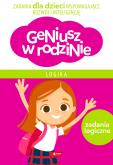
Na nudę, odpoczynek i dobrą zabawęZeszyty z serii ""Geniusz w rodzinie"" sprawdzą się w każdej sytuacji. Każda publikacja z tej serii zawiera niemal 50 łamigłówek, zagadek i zadań, przy których trzeba ruszyć głową. Z tą książką myślenie nie boli, a staje się pasjonującą przygodą. Nie wierzycie? Przekonajcie się sami! ""Geniusz w rodzinie"" stanowi doskonałe wsparcie procesu edukacji. Obszerny zbiór ciekawych zadań o różnym poziomie trudności kształtuje wiadomości i umiejętności poznawcze oraz uczy radzenia sobie z trudnościami. To prawdziwa szkoła logicznego myślenia.
Ten produkt jest zapowiedzią. Realizacja Twojego zamówienia ulegnie przez to wydłużeniu do czasu premiery tej pozycji. Czy chcesz dodać ten produkt do koszyka?