W tej strefie zapraszamy czytelników tak zwane artystyczne dusze po książki z kategorii Sztuka. Polecamy szereg publikacji o sztuce i jej historii,ciekawostki i portfolia artystów, eseje, albumy, książki o malarstwie, rzeźbiarstwie, architekturze oraz histoii fotografii. Biografie ciekawych artystów, książki i powieści przedstawiające fascynujące losy malarzy i osób uwiecznianych na obrazach. W tym dziale tylko ksiązki ze sztuka w tle.
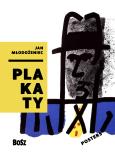
Kolejny minialbum w serii Plakaty poświęcony jest twórczości jednego z najsłynniejszych twórców polskiej szkoły plakatu – Jana Młodożeńca. Na dorobek artysty składają się nie tylko plakaty, lecz także okładki i ilustracje książkowe przygotowywane na zlecenie wielu polskich wydawnictw. Młodożeniec jest autorem licznych plakatów filmowych („Czekając na życie”, „Pojedynek na szosie”), teatralnych („Indyk”, „Wdowy”) i baletowych („Trójkątny kapelusz”, „Cztery temperamenty”). Jego charakterystyczny styl opierał się na bogatej kolorystyce, grubej kresce oraz stosowaniu ręcznie wykonanego liternictwa.
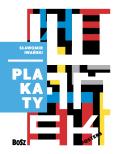
Szesnasty już minialbum w serii o znanych polskich plakacistach prezentuje twórczość Sławomira Iwańskiego, artysty związanego z Akademią Sztuk Pięknych w Łodzi oraz Łódzką Szkołą Filmową. Jego minimalistyczne prace wyróżniają się niebanalnymi układami typograficznymi i dużym nasyceniem barw. Iwański, zainspirowany dokonaniami Władysława Strzemińskiego, postulującego tzw. myślenie wzrokiem, tak komponuje litery i słowa na swoich plakatach, aby przybierały konkretne kształty – dobry przykład stosowanej techniki stanowią lenonki powstałe z liter na plakacie Hommage a John Lennon. Artysta wystawiał swoje prace w Polsce i za granicą, był wielokrotnie nagradzany, m.in. na katowickim i rzeszowskim Biennale Plakatu Polskiego (1997, 2005). Wstęp i wybór prac do książki przygotował Zdzisław Schubert.
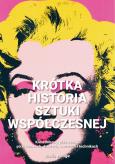
Krótka historia sztuki współczesnej to nowe, innowacyjne wprowadzenie do tematu sztuki współczesnej. Skonstruowana w przejrzysty sposób książka przedstawia pięćdziesiąt najważniejszych dzieł od wczesnego modernizmu po sztukę najnowszą. Książka jest bogato ilustrowana i mimo kieszonkowego formatu w sposób wyczerpujący objaśnia dlaczego zaistniała sztuka nowoczesna, kto był jej prekursorem, gdzie rozwijała i rozwija się najżywiej. Zaprezentowano w niej wiele najznakomitszych prac, a także zaprezentowano techniki, którymi posługiwali się twórcy. Tłumacząc specjalistyczny żargon pozwala łatwiej zrozumieć sztukę, która powstawała od końca dziewiętnastego wieku do dnia dzisiejszego. Susie Hodge jest historykiem sztuki, historykiem i artystką. Jest autorką wielu książek, a wśród nich: 50 Art Ideas, How to Survive Modern Art, Why Your Five Year Old Could Not Have Done That: Modern Art Explained oraz 50 Art Nouveau Works of Art You Should Know oraz Krótka historia sztuki.
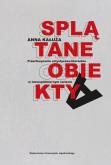
Książka Splątane obiekty. Przechwycenia artystyczno-literackie w niewspółmiernym świecie jest na gruncie polskim publikacją nowatorską, intelektualnie odważną, przy czym - jednoznacznie społecznie i politycznie zaangażowaną. Spotka się najprawdopodobniej z dużym oporem albo niezrozumieniem ze strony części tradycyjnie nastawionych odbiorców. Ale też może być, ze względu na bogactwo erudycyjnych odniesień, precyzję budowanego przez Annę Kałużę wywodu oraz klarowność silnie zeseizowanego języka, zachętą do niesztampowej, pogłębionej refleksji, a nawet rewizji utrwalanych społecznie, także w polskiej krytyce literackiej i krytyce sztuki, osądów i schematów myślenia.
Z recenzji dr. hab. Tomasza Cieślaka, prof. UŁ
Przechwycenia dziejące się w obszarze materii wcześniej czy później muszą doprowadzić nas do różnego rodzaju toksyczności, antropogenicznych zmian klimatu i środowiskowych mutacji. Im więcej pootwieranych kanałów gatunkowych i możliwych dostępów do rozmaitych pięter biologicznej rzeczywistości, tym bardziej realny staje się proces przenoszenia także tych elementów, które są niekorzystne dla (ludzkiego) życia. Przechwycenia dokonywane w tych zakresach są najczęściej konsekwencją katastrof ekologicznych (wycieków ropy, odpadów radioaktywnych i promieniotwórczych substancji, skażenia powietrza, zanieczyszczenia miast czy wyniszczenia przyrody) i dowodzą niezbicie, że zmiany środowiskowe są również zmianami kulturowo-estetycznymi. Nawet jeśli uszło to uwadze polityków, zależność tę na pewno zauważyli artyści i artystki, badacze i badaczki, którzy zaczęli zupełnie inaczej myśleć o swoich projektach.
Ze Wstępu
Anna Kałuża - dr hab., pracuje w Instytucie Literaturoznawstwa Uniwersytetu Śląskiego. Zajmuje się estetycznymi konsekwencjami przemian kulturowych i artystycznych, współczesną poezją i sztuką w ich wymiarach politycznych. Autorka książek: Wola odróżnienia. O modernistycznej poezji Jarosława Marka Rymkiewicza, Julii Hartwig, Witolda Wirpszy i Krystyny Miłobędzkiej (Kraków 2008), Bumerang. Szkice o polskiej poezji XX i XXI wieku (Wrocław 2010), Wielkie wygrane. Wspólne sprawy estetyki, krytyki i poezji (Mikołów 2011), Pod grą. Jak dziś znaczą wiersze, poetki i poeci? (Kraków 2015).
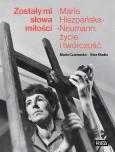
Hiszpańska należy do najpopularniejszych polskich grafików. Jest jednym z nielicznych artystów, których dzieła spotyka się na ścianach przypadkowo odwiedzanych mieszkań pisał o niej prof. Jan Białostocki. Książka Zostały mi słowa miłości przypomina tę niezwykłą artystkę, której życie naznaczone zostało traumą wyniesioną z obozu Ravensbrck. Na publikację składają się dwie odrębne części. Maria Czarnecka z reporterskim zacięciem kreśli biografię Hiszpańskiej, docierając do awanturniczych nieraz perypetii jej przodków, rekonstruując ze strzępów informacji los Hiszpańskiej w Ravensbrck, a wreszcie śledząc jej codzienność w PRL. Twórczość artystki, obejmującą przede wszystkim grafikę warsztatową, ilustrację książkową oraz realizacje we wnętrzach sakralnych, omawia w eseistycznym tonie Ewa Kiedio. Sztukę Hiszpańskiej przedstawia w kluczu najczęściej podejmowanych przez nią motywów, jak miasto, dziecko, matka, oraz punktów przełomowych. Publikację wzbogaca ponad 200 zdjęć i reprodukcji.
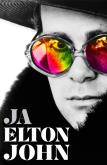
W pierwszej i jedynej autobiografii Elton John, właściwie Reginald Dwight, ujawnia prawdę o swoim niezwykłym życiu. To szczera, zabawna, ale i wzruszająca historia charyzmatycznego artysty.Elton wraca myślami do trudnego dzieciństwa, które spędził na przedmieściach Londynu, i pierwszych porażek w branży muzycznej. Wspomina szalone trasy koncertowe, na których występował już jako supergwiazda w najbardziej odlotowych strojach. Nie unika też trudnego tematu walki ze swoimi uzależnieniami. Opowiada o przyjaźniach: z Johnem Lennonem, Georgem Michaelem i Freddiem Mercurym, a także o założeniu fundacji walczącej z AIDS i zaangażowaniu się w jej działalność. Otwarcie pisze o poszukiwaniu swojej seksualności, o ślubie z długoletnim partnerem Davidem Furnishem oraz o tym, jak został ojcem.Trzymasz w rękach barwną i pełną pokory opowieść o muzyce, związkach, pasjach i błędach.Wyrusz w intymną podróż z ikoną muzyki pop.
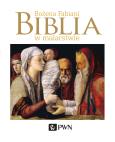
Albumowe, ozdobne wydanie gawęd Bożeny Fabiani poświęconych sztuce inspirowanej Pismem Świętym. Książka z barwnymi reprodukcjami, wydana na wysokim jakościowo papierze i w twardej oprawie będzie pięknym prezentem dla wszystkich miłośników sztuki.
Stary Testament zawiera opowieści najróżniejsze: zadziwiające, niezrozumiałe, wzniosłe i okrutne, tętniące życiem i emocjami – i wszystko to autorka obserwuje na obrazach, tropiąc przy tym realia związane zarówno z epoką żydowskich patriarchów i królów, jak i z czasami artystów podejmujących tematy biblijne. Przygląda się, jak w ciągu wieków radzono sobie z trudnościami w wyobrażeniu człowieka i żywiołów, powietrza, światła, wody, jak ukazywano potężne emocje bohaterów biblijnych, zwłaszcza te najgroźniejsze – nienawiść, mściwość, zawiść. Autorka ściśle powiązuje historię z obrazem, wyjaśnia jego treść, pokazuje podejście malarza do tematu – tak różne w zależności od epoki oraz indywidualnych cech artysty.
Bożena Fabiani przybliża i objaśnia również malarstwo, którego źródłem stał się Nowy Testament. Przyjmuje układ chronologiczny, zgodny z opowieścią o życiu Jezusa. Wpisuje swoją opowieść w szeroko pojęty kontekst historyczno-obyczajowy, zarówno w odniesieniu do samego zapisu Ewangelii i starożytnej Palestyny, jak i do konkretnego dzieła, badając czas i okoliczności jego powstania oraz cechy charakterystyczne, styl artysty i ducha epoki, nie wchodząc przy tym w zagadnienia czysto teologiczne.
Prawdę Starego i Nowego Testamentu można oddać w rozmaitych wariantach – opowiedzieć na swój własny sposób, uchwycić przez zmyślenie czy idealizację, wynieść ponad czas fabularny. Opowiedziana językiem malarstwa przeszłość biblijnych bohaterów jawi się w zaskakujących odsłonach i kostiumach, a artyści wszystkich epok prowokują do zupełnie innego spojrzenia na literacki pierwowzór.
Pisząc o sztuce, która wyrosła na glebie słowa pisanego, Bożena Fabiani utrzymuje równowagę słowa i obrazu. Każdy rozdział składa się z przeplatających się dwóch elementów – krótkiego streszczenia tekstu, który malarz miał za zadanie zilustrować (autorka cytuje przy tym tekst biblijny) oraz z obrazów, którym towarzyszy opis, a nierzadko także dygresyjna informacja o malarzu. Autorka wzbogaca narrację o wiersze inspirowane Ewangelią.
Książka jest skierowana do wszystkich miłośników malarstwa, a zwłaszcza tych, których interesują dzieła inspirowane tematyką biblijną. To propozycja książki popularyzującej wiedzę o sztuce i pasję do sztuki, pisana przez panią profesor Fabiani z zamysłem, by publikacja trafiła także do rąk młodych odbiorców. Kto sięgnie po tę książkę, będzie czerpał dużo przyjemności, odnajdując w niej rozmaite wymiary – słowne, literackie, malarskie i materialne.
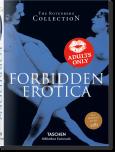
From the dawn of time, ever since Adam and Eve, all artists of every age-whether the Egyptian, Greek, or Roman artists of Antiquity, or more recent famous names such as Rembrandt, Courbet, Degas, or Picasso-have succumbed to their fantasies, obsessions, and libido and produced erotic works that the censors have taken good care to keep from the public.
For Erotica Universalis, we surface from the subterranean realms of the museums to enter those of our national and private libraries. Here we discover that not only most of our famous writers, such as Ovid, Aretino, Voltaire, Verlaine, or Maupassant, wrote erotic texts that bordered on indecency, but also that great artists like Boucher, Fragonard, Dali, or Matisse were inspired to provide suitable illustrations for these naughty books. For this new hardcover edition of the classic 1995 best seller, we have culled highlights from our Erotica Universalis collection.
Sportive gentlemen, lascivious ladies: Since the earliest days of photography, people have been getting up to all manner of rannygazoo in front of the lens. This collection presents the finest highlights from the collection of New Yorker Mark Rotenberg, who began collecting antique smut after finding a stash of vintage erotic pictures in a Brooklyn dumpster and now owns a 95,000 strong collection of archive pornography dating from between 1860 and 1960.
Flick through these pages and witness the fitness of our forebears as they romp, cavort, and frolic with unabashed energy and glee. From early monochromes of daringly dropped drawers and seductively waxed handlebar mustaches, to Kodachromes of cheery, twin-peaked pin-up beauties in the 1950s, this fine collection spans the sublimely sensual and the ridiculous.
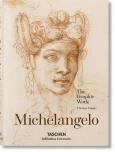
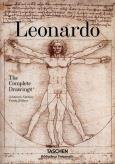
Michelangelo’s breathtaking drawings
Very few artists can claim such lasting and worldwide fame and importance as Michelangelo Buonarroti (1475–1564). The nickname il divino (“the divine one”) has been applied to him since the 1530s right through to today: his achievements as a sculptor, painter, and architect remain unparalleled and his creations are among the best-known artworks in the world.
This Bibliotheca Universalis edition is devoted to the artist’s graphic work, a testimony to his masterly command of line, form, and detail, from architectural studies to anatomically perfect figures. The book brings together some of the artist’s finest drawings from museums and collections around the world as well as some of his own notes and revisions, offering stunning proximity not only to the ambition and scope of Michelangelo’s practice but also his working process. A chapter with a compilation of newly attributed and reattributed drawings provides further insights into Michelangelo’s varied graphic oeuvre and the ongoing exploration of his genius.
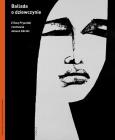
Choć dziś w Polsce nazwisko Ewy Frysztak niewiele mówi, za granicą jej plakaty stanowią gratkę dla kolekcjonerów. Z rozmowy z Januszem Górskim wyłania się portret nieprzeciętnej kobiety: mistrzyni okładek PIW-u, eleganckiej damy w naszyjniku z pereł, klnącej jak szewc, a przy tym osoby twórczej i niezależnej. Jej barwnym życiem (trzech mężów, stolik w Kameralnej obok stolika Marka Hłaski, przyjaźnie z najwybitniejszymi polskimi grafikami) można by obdzielić kilka biografii.Najważniejsze są jednak jej prace, zwłaszcza tworzone od lat pięćdziesiątych okładki książek ? to rysowane zamaszystym gestem, z werwą i rozmachem, to znów skonstruowane z imponującą dyscypliną. Twórczość Ewy Frysztak jest odpowiedzią na docierające do PRL-u echa modernistycznego projektowania, bardzo charakterystyczną, pomysłową ? i aż do dzisiaj zapomnianą. Ponad dwieście reprodukcji z jednej strony przybliża czytelnikowi wizualną atmosferę świata polskiej książki sprzed kilku dekad, a z drugiej stanowi świadectwo wyjątkowego talentu.
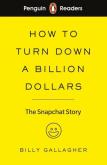
In 2008, Evan Spiegel, Reggie Brown, and Bobby Murphy made a photo app called Snapchat. Just two years later, Facebook wanted to buy Snapchat for $3 billion. This is the story of how Snapchat grew from a university student's idea into a multibillion-dollar company.
Penguin Readers is a series of popular classics, exciting contemporary fiction, and thought-provoking non-fiction written for learners of English as a foreign language. Beautifully illustrated and carefully adapted, the series introduces language learners around the world to the bestselling authors and most compelling content from Penguin Random House. The eight levels of Penguin Readers follow the Common European Framework and include language activities that help readers to develop key skills.
How to Turn Down a Billion Dollars: The Snapchat Story, a Level 2 Reader, is A1+ in the CEFR framework. Sentences contain a maximum of two clauses, introducing the future tenses will and going to, present continuous for future meaning, and comparatives and superlatives. It is well supported by illustrations, which appear on most pages.
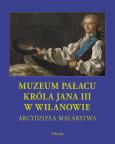
Udostępnione publicznie w 1805 roku przez Stanisława Kostkę Potockiego i jego żonę Aleksandrę z Lubomirskich zbiory dzieł sztuki zwane Kolekcją Wilanowską zawierają kolekcję malarstwa różnych epok historycznych. Tworzona w trudnym dla polskiej kultury okresie porozbiorowym galeria miała za zadanie z jednej strony odbudowanie pamięci o zwycięskim królu Janie Sobieskim, a z drugiej przedstawienie dziejów sztuki światowej. Ten dualizm z powodzeniem kontynuowali następni właściciele Wilanowa. Prezentowana obecnie w Muzeum Pałacu Króla Jana III w Wilanowie kolekcja należy do nielicznych w Polsce, które przetrwały tragiczne losy kraju w XIX i XX wieku.
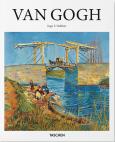
Today, the works of Vincent van Gogh (1853-1890) are among the most well known and celebrated in the world. In Sunflowers, The Starry Night, Self-Portrait with Bandaged Ear, and many paintings and drawings beyond, we recognize an artist uniquely dexterous in the portrayal of mood and place through paint, pencil, charcoal, or chalk.
Yet as he was deploying the lurid colors, emphatic brushwork, and contoured forms that would subsequently make his name, van Gogh battled not only the disinterest of his contemporary audience but also devastating bouts of mental illness. His episodes of depression and anxiety would eventually claim his life, when, in 1890, he committed suicide shortly after his 37th birthday.
This richly illustrated introduction follows Vincent van Gogh's story from his earliest pictures of peasants and rural workers, through his bright Parisian period, to his final, feverish burst of creative energy in the South of France during the last two and a half years of his life.
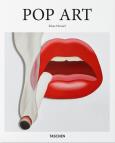
Peaking in the 1960s, Pop Art began as a revolt against mainstream approaches to art and culture and evolved into a wholesale interrogation of modern society, consumer culture, the role of the artist, and of what constituted an artwork.
Focusing on issues of materialism, celebrity, and media, Pop Art drew on mass-market sources, from advertising imagery to comic books, from Hollywood's most famous faces to the packaging of consumer products, the latter epitomized by Andy Warhol's Campbell's soup cans. As well as challenging the establishment with the elevation of such popular, banal, and kitschy images, Pop Art also deployed methods of mass-production, reducing the role of the individual artist with mechanized techniques such as screen printing.
With featured artists including Andy Warhol, Allen Jones, Ed Ruscha, Robert Indiana, Jasper Johns, Robert Rauschenberg, and Roy Lichtenstein, this book introduces the full reach and influence of a defining modernist movement.
Ten produkt jest zapowiedzią. Realizacja Twojego zamówienia ulegnie przez to wydłużeniu do czasu premiery tej pozycji. Czy chcesz dodać ten produkt do koszyka?