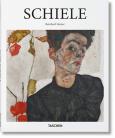
W tej strefie zapraszamy czytelników tak zwane artystyczne dusze po książki z kategorii Sztuka. Polecamy szereg publikacji o sztuce i jej historii,ciekawostki i portfolia artystów, eseje, albumy, książki o malarstwie, rzeźbiarstwie, architekturze oraz histoii fotografii. Biografie ciekawych artystów, książki i powieści przedstawiające fascynujące losy malarzy i osób uwiecznianych na obrazach. W tym dziale tylko ksiązki ze sztuka w tle.
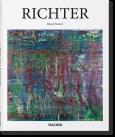
An encounter with Gerhard Richter, the German artist who widened horizons in the relationship between painting and reality. From early photographic paintings, along with his famous RAF cycle, to late abstract paintings, experiencing Richter’s work always offers us the unexpected and unseen. Where he once set out to liberate the medium from ideological ballast, today, faced with the overwhelming presence of digital images, he shows us the unsurpassed impact and intensity of painting. A definitive introduction to one of the greatest artists of our time spanning not only his entire career, but also 50 years of cultural, economic, and political events.
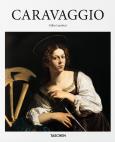
Michelangelo Merisi da Caravaggio (1571 1610) was always a name to be reckoned with. Notorious bad boy of the Italian Baroque, the artist was at once celebrated and controversial, violent in temper, precise in technique, a creative master, and a man on the run.
Though famed for his dramatic use of color, light, and shadow, it was above all Caravaggio's boundary-breaking naturalism which scorched his name into the annals of art history. From the dirtied soles of feet to the sexualised languor of bare flesh, the artist allowed even sacred and biblical scenes to unfold with a startling, often visceral humanity. This vivid pictorial world was accompanied by an equally intense personal biography, scored by gambling, debts, drunken brawls, and even a murder charge.
This book brings together Caravaggio's most famous and revolutionary works to explain why this artist is now considered the most important painter of the early Baroque period and one of the defining influences of art history, without whom Ribera, Vermeer, Rembrandt, Delacroix, Courbet, and Manet could never have painted the way they did.
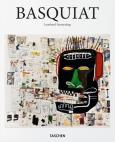
An icon of 1980s New York, Jean-Michel Basquiat (1960-1988) first made his name under the graffiti tag "SAMO," before establishing his studio practice and catapulting to fast fame at the age of 20. Although his career lasted barely a decade, he remains a cult figure of artistic social commentary, and a trailblazer in the mediation of graffiti and gallery art. Basquiat's work drew upon diverse sources and media to create an original and urgent artistic vocabulary, biting with critique against structures of power and racism. His practice merged abstraction and figuration, poetry and painting, while his influences spanned Greek, Roman, and African art, French poetry, jazz,and the work of artistic contemporaries such as Andy Warhol and Cy Twombly. The results are vivid, visceral mixtures of words, African emblems, cartoonish figures, daubs of bold color, and beyond. This book presents Basquiat's short but prolific career, his unique style, and his profound engagement with ever-relevant issues of integration and segregation, poverty and wealth.
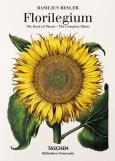
A magnificent pictorial document of the flowers grown in the greatest German garden of its time, the Hortus Eystettensis is in a class of its own when it comes to the range of flowers engraved.
First published in 1613, the 367 copperplate engravings by Basilius Besler (1561 1629) capture the spectacular diversity of the palatial gardens of Prince-Bishop Johann Konrad von Gemmingen (1593/95 1612) in Eichstätt, Bavaria, Germany. The meticulous illustrations are organized according to the four seasons, and, following the classification system used today, show plants belonging to a total of 90 families and covering 340 genera. The whole collection is regarded as one of the finest treasures of botanical literature, described by Carl Linnaeus, the legendary 18th-century botanist and zoologist, as an incomparable work .
Besler's pictorial catalog long outlived the gardens, which were destroyed in 1634 by invading Swedish troops. In auction, the asking price for a first-edition copy of Hortus Eystettensis is now more than half a million dollars. With this edition, TASCHEN opens up the garden to a much wider audience: A rich and beautiful record, destined to keep the garden's beauty in bloom.
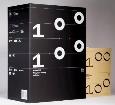
They say that in life, there are winners and there are losers. Though the movies we selected for this two-volume collection are winners indeed, those that didn’t make the cut aren’t losers. We just didn’t like them quite as much. It was a tough, soul-searching process, but after much debate and deliberation TASCHEN settled on what we believe to be the 100 finest examples of 20th-century filmmaking.
From horror to romance, noir to slapstick, adventure to tragedy, epic to musical, Western to new wave, all genres are represented in this wide-ranging and devilishly fun compendium. Metropolis? Check. Modern Times? Yep. Citizen Kane, The Seven Samurai? Of course. La dolce vita, Psycho, A Clockwork Orange? You bet. Plus The Godfather, Annie Hall, Blue Velvet, Pulp Fiction... and so many more cinematic gems including lesser-known masterpieces like Buñuel’s The Young and the Damned. Think of this collection as a celebration of contrasts, an homage to the seventh art, a gathering of greats, and a nostalgic romp through celluloid history.
Chronological entries each include a synopsis, cast/crew listings, technical information, actor/director bios, trivia, and lists of awards, as well as film stills, production photos, and the original poster for each film. The chapter for each decade begins with an introduction exploring the historical and social context of films made in that era.
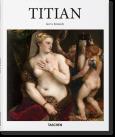
Immerse yourself in the rich shades and textures of Tiziano Vecellio (c. 1490–1576), commonly known as Titian, and the figurehead of 16th-century Venetian painting. With his bold approach to form and startling, opulent colors, Titian worked with a number of prestigious commissions and left behind an astonishing repertoire of portraits, mythological scenes, altarpieces, and landscapes that remains one of the most important legacies of Renaissance art.
This dependable artist introduction traces Titian’s complete career and its trailblazing influence on successive generations of artists, from Diego Velázquez to van Dyck. From the rippling sensuality of Venus of Urbino (c. 1538) to the airborne dynamism of Bacchus and Ariadne (1520–1523), all the major works are here, charting the artist’s stylistic experimentation over time as well as his consistent and unique ability to work across genres and to bring a defining new level of emotional and spiritual aspect to his subjects.
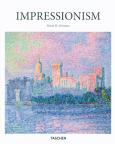
Discover how scenes of daily life and delicate dabs of color shocked the art world establishment. In this TASCHEN Basic Art introduction to Impressionism, we explore the artists, subjects, and techniques that first brought the easel out of the studio and shifted artistic attention from history, religion, or portraiture to the evanescent ebb and flow of modern life. As we tour the theaters, bars, and parks of Paris and beyond, we take in the movement's radical innovations in style and subject, from the principle of plein air painting to the rapid, broken brushwork that allowed the Impressionists to emphasize spontaneity, movement, and the changing qualities of light. We take a close look at their unusual new perspectives and their fresh palette of pure, unblended colors, including many vividly bright shades that brought a whole new level of chromatic intensity to the canvas. Along the way, we recognize Impressionism's established greats, such as Edgar Degas, Claude Monet, Berthe Morisot, and Camille Pissarro, as well as many associated artists worthy of closer attention, including Marie Bracquemond, Medardo Rosso, and Fritz von Uhde.
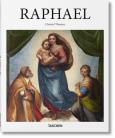
Divine forms: The heavenly grace and human grandeur of a supreme Renaissance master In art history, we tend to be on first name terms only with the most revered of masters. The Renaissance painter and architect Raphael Santi(1483 1520) is one such star. The man we call simply Raphael has for centuries been hailed as a supreme Renaissance artist. For some, he even outstrips his equally famous, equally first-named, contemporaries, Leonardo and Michelangelo.From 1500 to 1508, Raphael worked throughout central Italy, particularly in Florence where he secured his reputation as a painter of portraits and beautifully rendered Madonnas, archetypical icons within the Catholic faith. In 1508 he was summoned to Rome by Pope Julius II and later embarked on an ambitious mural scheme for theStanza della Segnaturain the Vatican. Within this room, Raphael sThe School of Athensis considereda paradigm of the High Renaissance, merging Classical philosophy with perfected perspectival space, animated figures, and a composition of majestic balance.This essential introduction explores how in just two decades of work, Raphael painted his way to legendary greatness. With highlights from his prolific output, it presents the mastery of figures and forms that secured his place not only in the trinity of Renaissance luminaries but also among the most esteemed artists of all time. About the series: Each book in TASCHEN s Basic Art series features: a detailed chronological summary of the life and oeuvre of the artist, covering his or her cultural and historical importance a concise biography approximately 100 illustrations with explanatory captions
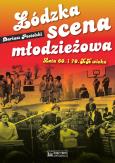
Łódź jest wyjątkowym miejscem, w którym tworzyli znakomici muzycy. To tu w latach 60. i 70. powstało wiele kultowych zespołów. Prawie każda z późniejszych gwiazd rozpoczynała karierę w zespołach młodzieżowych. W zespole ABC śpiewał brat Michaja Burano Kola Roni Kwiek. W 1962 roku w Łodzi wystąpił, pierwszy raz grając na perkusji w zespole z Tomaszowa Mazowieckiego, późniejszy znany piosenkarz Bogusław Mec. To dla niego przepiękną liryczną piosenkę Jej portret skomponował jeden z łódzkich muzyków Marian Siejka. W Łodzi uczyli się i grali: Marek Jackowski (jeden z twórców Maanamu), Zbyszek Frankowski (Rytmy, Śliwki, Vox Gentis, Quorum i The Bootels). Właśnie Frankowski wspólnie z Jackowskim stworzyli genialny duet gitarzystów Vox Gentis, który robił furorę na wielu estradach i zachwycił swoim niezwykłym występem w Piwnicy pod Baranami gwiazdę polskiej sceny Ewę Demarczyk.Z Łodzi pochodzą: Alicja Majewska, Andrzej Nebeski, Maciek Czaj, późniejsi świetni aktorzy: Jerzy Braszka i Krzysztof Majchrzak. To w łódzkich zespołach młodzieżowych: Dziwne Rzeczy, Ab Ovo i Grupa R szlifowali swój talent znakomici śpiewacy operowi europejskich scen: prof. Włodzimierz Zalewski, Kazimierz Kowalski, Jerzy Wolniak i Janusz Marciniak. To z Łodzi pochodzi saksofonista Kajtek Wojciechowski, który współpracował potem ze słynną ABBĄ. Łódzkim muzykiem jest także Peter Bart, czyli Piotr Bartczak, skrzypek nagrywający między innymi z Black Sabbath. W mieście nad Łódką powstały takie znane zespoły, jak: No To Co, Trubadurzy, Cykady, Ad Astra, Dziwne Rzeczy czy Pro Contra.Ta niezwykła książka zawiera historie ponad 80 łódzkich zespołów i mnóstwo unikatowych zdjęć pokazujących ciekawe, choć już odległe czasy.
Monografia dotyczy przede wszystkim dwóch obszarów osób ze spektrum autyzmu podczas terapii muzycznej oraz muzykoterapii (jej sposobów oddziaływania, form pracy i jej znaczenia w procesie terapeutycznym osób ze spektrum autyzmu). Książka zawiera dość obszerny opis teoretyczny dotyczący autyzmu (przyczyny, teorie etiologiczne, kryteria diagnostyczne i objawy oraz muzykoterapia). Z kolei część badawcza opisuje sylwetkę ośmiorga wspaniałych i wyjątkowych dzieci. Przedstawia ich relację z muzyką i terapeutą. Bycie razem w doświadczeniach muzycznych, wielość wspólnie przeżytych sytuacji sprawiają, że książka przybiera formę wspólnej muzycznej podróży, opartej na budowaniu partnerstwa, komunikacji i rozumienia siebie nawzajem. Książka adresowana jest do badaczy, praktyków pedagogów, psychologów, terapeutów, zajmujących się osobami z zaburzeniami ze spektrum autyzmu, muzykoterapeutów, arteterapeutów oraz rodziców czy opiekunów dzieci z autyzmem.
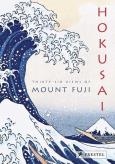
Hokusai's series depicting Mount Fuji is widely considered to be the pinnacle of his career. This beautiful boxed accordionfold edition comprises the full set of forty-six prints (the original thirty-six and ten more that were completed later) and features a luxurious silken binding along with a separate explanatory booklet. The book and booklet are packaged in an elegant slipcase. Devoted entirely to landscapes, Hokusai's series shows Mount Fuji from various viewpoints, framed in different ways. An indefatigable traveler who was passionate about nature, Hokusai explored every vantage point and season at the volcano. He presented it both as a solitary and majestic snow-capped peak and as a smaller object on a distant horizon. Hokusai also portrayed the mountain as an element in Japanese daily life and as an imposing force of nature that can be peaceful and beneficent, or ferocious and unforgiving. These impeccably reproduced prints invite readers to examine Hokusai's virtuosic use of color and composition, his talent for contrasting perspectives, and his interest in the dueling roles of man and nature. An exquisite objet d'art, this volume is the perfect vehicle for appreciating Hokusai's crowning achievement in all its lasting and subtle beauty.
Macie dziesięć minut. Naprawdę. Tylko te dziesięć minut. W przerwie na lunch musicie coś zjeść. Musicie dojechać gdzieś na spotkanie. Zadzwonić do kogoś. Wykąpać dzieci. Jest mnóstwo rzeczy do zrobienia i zawsze za mało czasu! Ale kiedy już jesteście po lunchu, po spotkaniu, w którym nie wiedzieć czemu braliście udział, a dzieci macie już czyste i pachnące... Wzięliście głęboki oddech, zdołaliście na chwilę usiąść w skupieniu? może na całe dziesięć minut? Może nawet pomyśleliście w tym czasie o swoim scenariuszu? Pamiętacie jeszcze? Wasz scenariusz? Ta piękna historia, opowiadana obrazami, której końca wypatrujecie od tak dawna. Albo może od początku? Ta sama, która non stop Was dręczy po każdej wizycie w kinie, kiedy to myślicie: Ja też potrafię, dam radę!. Jedna z najsłynniejszych wykładowczyń scenariopisarstwa w Hollywood, Pilar Alessandra, pokazuje wszystkim, którzy kiedykolwiek marzyli o napisaniu scenariusza do filmu lub serialu, jak to zrobić, nie rzucając przy tym swojej dotychczasowej pracy. Ta przejrzysta i prosta publikacja zawiera ponad sześćdziesiąt dziesięciominutowych narzędzi scenariopisarskich. Nowe wydanie zostało wzbogacone o porady strukturalne, zaktualizowane wskazówki dotyczące seriali telewizyjnych oraz prezentacji scenariusza. Pilar Alessandra jest autorką programu nauczania scenariopisarstwa On the Page, gospodarzem popularnego podcastu o tym samym tytule oraz autorką pierwszego wydania bestsellerowej książki Scenariusz w przerwie na kawę. Kariera Pilar zaczęła się w Dream-Works SKG, gdzie pracowała jako analityk historii filmowych. W 2001 roku otworzyła własne studio pisarskie On the Page w Los Angeles. Jej uczniowie i klienci sprzedali swoje scenariusze największym wytwórniom filmowym i współtworzyli takie seriale jak Żywe trupy, Zagubieni, Homeland czy Głowa rodziny.
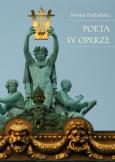
Książka jest próbą ukazania na wybranych przykładach,
w jaki sposób, w jakich okolicznościach
i w jakim celu pojawiają się w operze postaci ludzi
pióra oraz ich sztuka. Zaprezentowani bohaterowie-
poeci są bardzo różni pod względem charakteru
scenicznego, nurtu literackiego, który reprezentują,
oraz funkcji, jaką pełnią w obrębie świata przedstawionego
– celem pracy jest bowiem, poprzez konfrontację
jak najbardziej odmiennych przykładów,
naszkicowanie modelu operowej „historii literatury”,
obejmującej zmienne wyobrażenia, stereotypy
i fantazmaty poetyckości odzwierciedlone w dziełach
teatru muzycznego.
Dr hab. Iwona Puchalska, prof. UJ
Pracownik Katedry Komparatystyki Literackiej Wydziału
Polonistyki UJ. Zajmuje się związkami muzyki
i literatury, operą i teatrem muzycznym, problemami
adaptacji, zjawiskiem improwizacji oraz uwarunkowaniami
recepcji utworów muzycznych i literackich. Autorka
m.in. książek: Sztuka adaptacji. Literatura romantyczna
w operze dziewiętnastowiecznej (Universitas, Kraków
2004), Improwizacja poetycka w kulturze polskiej
XIX wieku na tle europejskim (Wydawnictwo UJ, Kraków
2013), Muzyka w okolicznościach lirycznych. Zapisy słuchania
w poezji polskiej XX i XXI wieku (Księgarnia Akademicka,
Kraków 2017) oraz Przy Mickiewiczu (Wydawnictwo
UJ, Kraków 2019).
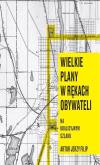
Wyobraź sobie co byłoby, gdyby obywatele mogli inicjować i realizować wielkie wizje urbanistyczne zupełnie oddolnie? I gdyby dysponowali środkami, by swoje plany skutecznie wdrażać i chronić? Czy byłoby to zagrożeniem, czy nową szansą dla planowania miast? Jak stworzyć narzędzie, które pozwalałoby zrzeszać koalicjantów, budować trwałe relacje z lokalnymi władzami publicznymi, współdecydować o wydatkowaniu miejskich środków? Dzisiaj każda grupa kombinuje, jak może: zawiązując nieformalne porozumienia, podpisując listy intencyjne, odwołując się do lokalnych partnerstw i inicjatyw. Czy możliwe jest jednak wprowadzenie współzarządzania jako narzędzia urbanistycznego?Od zapowiedzi podważenia powszechnie panującego przekonania, przez szczegółową analizę przypadku, do prawdziwego spotkania z bohaterami, autentycznymi twórcami Szlaku, Artur Jerzy Filip zamienia na ogół nudnawą dla nieprofesjonalnego czytelnika pracę naukową w trzymającą w napięciu lekturę na pograniczu literatury faktu i fascynującej wizji.Profesor Konrad Kucza-Kuczyński, Wydział Architektury Politechniki Warszawskiej (fragment recenzji)
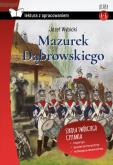
Lektura wraz opracowaniem to znakomita pomoc i inspiracja dla uczniów oraz nauczycieli. Tekst opatrzono wskazówkami interpretacyjnymi i hasłami ułatwiającymi nawigację po książce – dzięki nim łatwo znaleźć potrzebny w trakcie omawiania lektury fragment, zgromadzić materiały do wypracowań i ustnych wypowiedzi, zapamiętać najważniejsze informacje i utrwalić znajomość lektury. Zamieszczone na końcu książki opracowanie podporządkowano podstawie programowej. Zawiera ono ciekawy biogram autora, streszczenie, mapę mentalną, najważniejsze zagadnienia omawiane na lekcjach, a także wiele inspirujących informacji, podpowiedzi i zadań, dzięki którym czytanie lektury staje się twórczą przygodą.
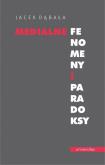
Do poznania świata przez media, wymykające się twardym regułom komunikacji, potrzeba nowego języka. Jacek Dąbała taki proponuje. Krótkie eseje fleszowo-jak sekwencje serwisu informacyjnego- rozświetlają wybrane wątki. Autorskie stanowisko w każdym przypadku uruchamia to, co najważniejsze- myślenie i krytykę. Warto przeczytać. (Robert Cieślak, profesor, medioznawca, UW)Jacek Dąbała jest profesorem zwyczajnym, pisarzem, scenarzystą i byłym dziennikarzem radiowo-telewizyjnym. Kieruje Katedrą Warsztatu Medialnego i Aksjologii w Instytucie Dziennikarstwa i Komunikacji Społecznej KUL. Jako ekspert stale komentuje i analizuje problematykę związaną z mediami, komunikowaniem, filmem i literaturą. Jest współscenarzystą jednego z najpopularniejszych polskich filmów ??Młode wilki. Wykłada też na UKSW w Warszawie. Jako pisarz opublikował dziesięć powieści (m.in. Telemaniak, Pieszczochy losu, Złodziej twarzy, Diabelska przypadłość, Ryzykowny pomysł i Największa przyjemność świata) i jeden dramat (Mechanizm). Jego książki naukowe ukazują się w Polsce i za granicą (np. Horyzonty komunikacji medialnej, Tajemnica i suspens w sztuce pisania. W kręgu retoryki dziennikarskiej i dramaturgii medialnej, Warsztatowo-aksjologiczne mechanizmy tworzenia telewizji, Mystery and Suspense in Creative Writing, Media i dziennikarstwo. Aksjologia ? warsztat ? tożsamość, Creative Paths to Television Journalism). Jest członkiem Polskiej Akademii Nauk, Stowarzyszenia Pisarzy Polskich, Polskiej Akademii Filmowej, Polskiego Towarzystwa Komunikacji Społecznej i Polskiego Towarzystwa Komunikacji Medycznej.
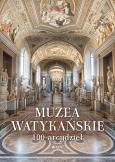
100 najbardziej reprezentatywnych dzieł, pochodzących z licznych kolekcji Muzeów Watykańskich - stanowią serce tego wspaniałego albumu. Zaprezentowane tutaj arcydzieła są uważane za emblematyczne, uniwersalne i stanowiące o tożsamości tych muzeów. Wśród nich zwiedzający znajduje eksponaty z Muzeum Egipskiego jak i Muzeum Etruskiego; rzeźby z części zwanej Nowym Skrzydłem jak i z Dziedzińca Oktagonalnego; mozaiki z Muzeum Sztuki Antycznej oraz sarkofagi z Muzeum Chrześcijańskiego; freski Rafaela i Michała Anioła, obrazy z Pinakoteki oraz dzieła z Kolekcji Sztuki Współczesnej; artefakty zgromadzone w Muzeum Etnologicznym a także powozy papieskie; na dodatek inskrypcje, arrasy i mapy geograficzne.Prezentowane dzieła sztuki są wspaniale zobrazowane przez piękne kolorowe ilustracje, ukazujące zarówno perspektywę jak i detale. Wszystko to dzięki najwyższej jakości kampanii fotograficznej zrealizowanej specjalnie dla tego dzieła.Powstałe dzieło, stawia sobie za cel, by za pośrednictwem 100 dzieł przekazać to piękno, które jest nośnikiem wiedzy, harmonii i duchowości.Książka wydana w najwyższej jakości edytorskiej może służyć jako przewodnik, ale także jako wyjątkowa pamiątka.
Ten produkt jest zapowiedzią. Realizacja Twojego zamówienia ulegnie przez to wydłużeniu do czasu premiery tej pozycji. Czy chcesz dodać ten produkt do koszyka?