W tej strefie zapraszamy czytelników tak zwane artystyczne dusze po książki z kategorii Sztuka. Polecamy szereg publikacji o sztuce i jej historii,ciekawostki i portfolia artystów, eseje, albumy, książki o malarstwie, rzeźbiarstwie, architekturze oraz histoii fotografii. Biografie ciekawych artystów, książki i powieści przedstawiające fascynujące losy malarzy i osób uwiecznianych na obrazach. W tym dziale tylko ksiązki ze sztuka w tle.
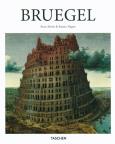
The great Flemish painter Pieter Bruegel the Elder (c. 1526/31-1569) was an astoundingly inventive painter and draftsman, who made his art historical mark with beautiful, evocative landscapes as well as religious subjects, both notable for their vernacular language and attention to everyday, contemporary life.
Immersing himself in rural or small-town communities, Bruegel is particularly notable for his depiction of peasant experience and folk culture, earning the artist nickname "Peasant Bruegel." Whether hunters shivering in the snow or a boisterous country fair, Bruegel raised the farming, festivals, gatherings, and games of peasant culture to the status of high art. Bruegel's imposing religious and moral subjects, meanwhile, such as The Triumph of Death and The Tower of Babel are as awestriking and influential today as they were in the 16th century, inspiring contemporary culture from The Lord of the Rings cinematic battle scenes to Don DeLillo's novel Underworld.
From the corn harvest to the conversion of Saul, from quaint wedding processions to Christ's road to Calvary, this book brings together the rich range of Bruegel's subjects to introduce his powerful compositions of both biblical and earthly tableaux.
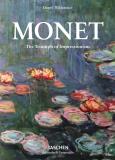
No other artist, apart from J. M. W. Turner, tried as hard as Claude Monet (1840-1926) to capture light itself on canvas. Of all the Impressionists, it was the man Cezanne called "only an eye, but my God what an eye!" who stayed true to the principle of absolute fidelity to the visual sensation, painting directly from the object.
It could be said that Monet reinvented the possibilities of color. Whether it was through his early interest in Japanese prints, his time as a conscript in the dazzling light of Algeria, or his personal acquaintance with the major painters of the late 19th century, the work Monet produced throughout his long life would change forever the way we perceive both the natural world and its attendant phenomena. The high point of his explorations was the late series of water lilies, painted in his own garden at Giverny, which, in their approach toward almost total formlessness, are really the origin of abstract art.
This biography does full justice to this most remarkable and profoundly influential artist, and offers numerous reproductions and archive photos alongside a detailed and insightful commentary.
"Girls, Gags & Giggles," ran publisher Robert Harrison's recipe for dishing up pin-up to the American male. Men loved his tasty dishes, a mixture of strippers and starlets dressed in outfits so fetishistic no one noticed they were never nude. While other magazines delivered the girl next door, Harrison's publications banked on bad girls in satin and leather, fishnet stockings, and six-inch heels performing slapstick stunts straight from the burlesque stage.
Harrison lured his readers in with vibrantly painted covers by top pin-up artists Earl Moran, Billy DeVorss and, most famously, Peter Driben. This Bibliotheca Universalis edition celebrates this eye-catching candy with every single cover from Beauty Parade, Wink, Titter, Eyeful, Flirt, and Whisper, from 1942 to 1955, as well as interior spreads, featuring, among others, a budding Bettie Page. In an age when far more graphic material is the norm, 1000 Pin-Up Girls celebrates an era of pin-up and pulp style to fuel your erotic imagination.
While the female nude has long played a conspicuous role in western iconography, the male nude has not always enjoyed such attention, or acceptance. This ode to the male physique celebrates the evolving, at one time illicit, art form from anonymous 19th century erotica through to contemporary work from David Hockney and Duane Michaels.
Through the classic, the playful, and the provocative, it explores the compositions, postures, and role-playing of this often under-explored genre. Esteemed masters such as Herbert List, George Platt Lynes or Robert Mapplethorpe are all there, alongside Baron Wilhelm von Gloeden, famed for his homoerotic images of nude youths in classical postures in Sicily. Further highlights include illustrations from Physique Pictorial, the leading organ of the mid-50s gay scene and a pioneer in gay publishing.
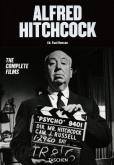
Up close and suspenseful with Alfred Hitchcock
The name Alfred Hitchcock is synonymous with suspense—that is to say, masterful, spine-tingling, thrilling, shocking, excruciating, eye-boggling suspense. With triumphs such as Rebecca, Vertigo, Rear Window, and Psycho, Hitchcock (1899–1980) fashioned a new level of cinematic intrigue and fear through careful pacing, subtlety, and suggestiveness.
This complete guide traces Hitchcock’s life and career from his earliest silent films right through to his last picture in 1976, Family Plot. Updated with fresh images, the book combines detailed entries for each of Hitchcock’s 53 films, an incisive essay that sheds light on his fear-inducing devices, photos of the master at work, and an illustrated list of each of his cameos, together adding up to a movie buff’s dream.
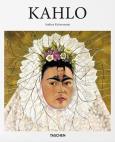
The arresting pictures of Frida Kahlo (1907-54) were in many ways expressions of trauma. Through a near-fatal road accident at the age of 18, failing health, a turbulent marriage, miscarriage and childlessness, she transformed the afflictions into revolutionary art.
In literal or metaphorical self-portraiture, Kahlo looks out at the viewer with an audacious glare, rejecting her destiny as a passive victim and rather intertwining expressions of her experience into a hybrid real-surreal language of living: hair, roots, veins, vines, tendrils and fallopian tubes. Many of her works also explore the Communist political ideals which Kahlo shared with her husband Diego Rivera. The artist described her paintings as "the most sincere and real thing that I could do in order to express what I felt inside and outside of myself."
This book introduces the rich body of Kahlo's work to explore her unremitting determination as an artist, and her significance as a painter, feminist icon, and a pioneer of Latin American culture.
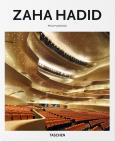
Zaha Hadid was a revolutionary architect, who for many years built almost nothing, despite winning critical acclaim. Some even said her audacious, futuristic designs were unbuildable.
During the latter years of her life, Hadid's daring visions became a reality, bringing a unique new architectural language to cities and structures as varied as the Rosenthal Center for Contemporary Art in Cincinnati, hailed by The New York Times as "the most important new building in America since the Cold War"; the MAXXI Museum in Rome; the Guangzhou Opera House in China; and the London 2012 Olympics Aquatics Centre.
At the time of her unexpected death in 2016, Hadid was firmly established among the elite of world architecture, recognized as the first woman to win both the Pritzker Prize for architecture and the RIBA Royal Gold Medal, but above all as a giver of new forms, the first great architect of the noughties.
From her early sharply angled buildings to later more fluid architecture that made floors, ceilings, walls, and furniture part of an overall design, this essential introduction presents key examples of Hadid's pioneering practice. She was an artist, as much as an architect, who fought to break the old rules and crafted her own 21st-century universe.
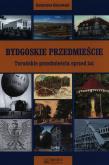
Bydgoskie Przedmieście to dzielnica mieszkaniowa miasta twierdzy położona wzdłuż traktu w kierunku Bydgoszczy, o wyjątkowym charakterze, bo od końca XIX wieku kształtowana planowo. To także dzielnica wojskowa z koszarami, portem wojennym, halą aeronautyczną, lotniskiem, portowa z portem handlowym, kulturalno-rozrywkowa, z infrastrukturą ważną dla całego miasta (elektrownia, tramwaje, wodociągi, szpital) i enklawą zieleni (park miejski). Choć zakłady wytwórcze były tu rzadkością, to właśnie na Bydgoskim rozpoczęła się historia nowoczesnego przemysłu precyzyjnego.Przestrzeń Bydgoskiego kreowała wielkomiejska architektura od domów szkieletowych po style historyzujące, secesję, modernizm, a także gmachy użyteczności publicznej. Najcenniejsza zabudowa powstała w okresach ożywionego rozwoju Torunia (18901910, 19201939), a zespół budynków z czasów II Rzeczypospolitej jest najliczniejszy w mieście. To jedyne w Toruniu przedmieście wpisane do Rejestru Zabytków (wraz z Rybakami).Genius loci tego miejsca sprawił, że Bydgoskie szybko stało się dzielnicą elit: architektów i budowniczych, przedstawicieli wolnych zawodów, urzędników i wojskowych, artystycznej bohemy to o nich jest ta opowieść: mieszkańcach i twórcach dzielnicy. Bogato ilustrowana książka zawiera wiele nowych ustaleń i niepublikowane wcześniej fotografie.
KSIĄŻKA W JĘZYKU ANGIELSKIM.Leonardo da Vinci był uosobieniem renesansowego ideału humanisty - genialnym polimatą o epickich proporcjach, który nie ograniczał się wyłącznie do sztuki. Doskonale odnajdywał się w wynalazczości, anatomii, architekturze, inżynierii, literaturze, matematyce, muzyce, naukach przyrodniczych, astronomii i wielu innych dziedzinach. Jego dorobek jest oszałamiający. Słusznie uznawany jest za twórcę absolutnych arcydzieł malarstwa, takich jak Mona Lisa i Ostatnia Wieczerza, oraz za niezwykle precyzyjne i pełne gracji rysunki. Fenomen Leonarda nie rozwinąłby się jednak w takim stopniu, gdyby nie hojny mecenat rodu Medyceuszy. To właśnie oni zamówili ogromną część sztuki i architektury epoki oraz stworzyli wyjątkowo sprzyjające środowisko dla rozwoju kreatywności. Ta przepiękna, luksusowa nowa książka przedstawia szerszy portret mistrza w kontekście tego wyjątkowego środowiska mecenatu, obok dzieł innych kluczowych artystów, którzy korzystali z protekcji Medyceuszy - od Brunelleschiego, przez Donatella, aż po Michała Anioła i Rafaela.Leonardo da Vinci was the epitome of the Renaissance humanist ideal, a logical polymath of epic proportions who excelled and had interests not just in art but in invention, anatomy, architecture, engineering, literature, mathematics, music, science, astronomy and more. His oeuvre is astounding and he is rightly famed for his masterpieces of painting such as the Mona Lisa and The Last Supper, and his astonishingly technical and graceful drawings. The phenomenon that was Leonardo would not of course have flourished to such an extent had it not been for the patronage and sponsorship of the Medici family, who commissioned a large proportion of the art and architecture of the era and fostered a fertile climate for creativity. This sumptuous new book offers a broader view of this master artist in the context of this environment, alongside the work of other key artists who benefited from the Medicis, from Brunelleschi through Donatello to Michelangelo and Raphael.
KSIĄŻKA W JĘZYKU ANGIELSKIM.Kompletny przewodnik po historii jazzu i bluesa - od XIX-wiecznych afroamerykańskich korzeni aż po współczesność. Książka podzielona na rozdziały poświęcone poszczególnym epokom zawiera sekcje "Dźwięki i źródła", alfabetyczny spis artystów z rekomendacjami kluczowych nagrań, a także omówienie najważniejszych stylów (od ragtime'u i bebopu po rhythm & blues) oraz instrumentów. Napisaną przez ekspertów, bogato ilustrowaną i łatwą w użyciu encyklopedię polecamy zarówno doświadczonym miłośnikom jazzu i bluesa, jak i wszystkim, którzy chcą lepiej poznać te niezwykłe gatunki.The Definitive Jazz & Blues Encyclopedia, now fully updated from the illustrated edition, is the ultimate guide to two musical styles that have fundamentally influenced popular music. Divided into chapters, each covering a different era, the book traces the evolution of jazz and blues from their nineteenth-century African-American origins right through to the present day. Each chapter starts with a Sounds & Sources section, looking at the key developments in the music during that period. This is followed by an A-Z of artists from that era, with more extensive entries on key artists that include recommended classic recordings. With further sections on Styles, covering everything from Ragtime to Bebop and Texas Blues to Rhythm & Blues, and more; and Instruments, all written by a team of experts, this invaluable encyclopedia is comprehensive, easy to use and highly informative.
KSIĄŻKA W JĘZYKU ANGIELSKIM.Kompletny przewodnik po historii opery - od starożytnych greckich korzeni, przez dzieła Hndla i Mozarta, aż po rewolucyjne kompozycje Verdiego, Wagnera i twórców współczesnych. Książka podzielona według epok przedstawia kompozytorów, ich najważniejsze dzieła, librecistów i najwybitniejszych śpiewaków w kontekście historycznym, społecznym i kulturowym. Bogate sekcje wprowadzające, odnośniki i ramki tematyczne ułatwiają śledzenie wybranych wątków. Ta pięknie napisana encyklopedia ożywia splendor, emocje i wielkość opery, jej największych dzieł, wykonawców i scen.This comprehensive guide traces the history of opera from its ancient Greek roots through the masterpieces of Handel and Mozart to the groundbreaking works of Verdi, Wagner, and beyond. Organised by era, the book places composers, their key works, librettists, and legendary singers in historical, social, and cultural context. With clear cross-references and thematic boxes, it brings to life the splendour and emotional power of the greatest operas, performers, and companies.
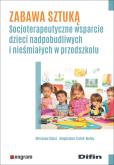
Książka porusza istotny problem wychowawczy, jakim jest wsparcie dzieci nadpobudliwych i nieśmiałych. Prowadzona pod tym kątem obserwacja środowiska przedszkolnego wskazuje, że należy opracować system oddziaływania terapeutycznego, włączającego do działań zarówno jednostki z zaburzeniami, jak i całą grupę przedszkolną, w której funkcjonuje dziecko. Pojawienie się w grupie przedszkolnej dziecka przejawiającego zachowanie agresywne i nadpobudliwe czy też dziecka nieśmiałego, wycofanego wywołuje poczucie bezradności i niepewności u nauczyciela i grupy rówieśniczej. Zaburzona zostaje cała struktura społeczna grupy.
Ten właśnie problem skłonił autorów do zastanowienia się, jak pomóc dzieciom nieśmiałym i nadpobudliwym w przedszkolu oraz w jaki sposób włączyć w relacje naprawcze grupę rówieśniczą, której są one członkami. Propozycją rozwiązania tego typu trudnej sytuacji było opracowanie systemu oddziaływania terapeutycznego, w który włączona została grupa rówieśnicza (przedszkolna) oraz zaangażowany, aktywny zespół specjalistów. Takie możliwości daje nauczycielom socjoterapia wsparta przez wybrane obszary sztuki. Muzyka, drama, plastyka, taniec, teatr są dla dziecka na tyle atrakcyjnym i zarazem silnie angażującym bodźcem, że użycie ich w procesie wsparcia stało się zabiegiem oczywistym i skutecznym.
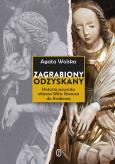
Kto odnalazł ukryty przez niemieckich nazistów krakowski ołtarz mariacki w podziemnym bunkrze w Norymberdze? Jakie prowadziły do niego tropy? Jaka była rola polskiego eksperta Karola Estreichera? Dlaczego ołtarzem interesował się generał Eisenhower? Jaki dramat spotkał amerykańskich konwojentów ołtarza? Odpowiedzi na te pytania kryły europejskie i amerykańskie archiwa. Zostały zapisane na kartach raportów wojskowych, prywatnych listów i oficjalnych dokumentów, utrwalone na taśmie filmowej i kliszy fotograficznej, zapamiętane przez świadków wydarzeń. Z tego ogromu materiałów wyłoniła się historia pełna pasji i niezłomnej wiary w tryumf sprawiedliwości nad zbrodnią i sztuki nad niegodziwością. Agata Wolska – niezależna badaczka, wiceprezes do spraw merytorycznych Fundacji im. Zofii i Jana Włodków. Do 2018 roku wieloletnia kierownik Archiwum i Zbiorów Bazyliki Mariackiej w Krakowie. Stypendystka Fundacji Kościuszkowskiej oraz Fundacji Lanckorońskich. W swoich badaniach koncentruje się na historii oraz kontekstach grabieży i restytucji dzieł kultury. W ramach współpracy Fundacji im. Zofii i Jana Włodków z Instytutem Historii Sztuki UJ organizuje cykl interdyscyplinarnych wykładów poświęconych problemom badań proweniencyjnych. Otrzymała tytuł magistra historii sztuki oraz doktorat z historii na Uniwersytecie Jagiellońskim.
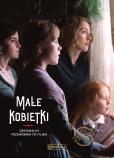
MAŁE KOBIETKI. ORYGINALNY ALBUM FILMOWY
Oryginalny, pięknie wydany album ze zdjęciami z filmu „Małe kobietki” ma premierę 15 stycznia.
Bohaterowie książki ożywają w najnowszej filmowej adaptacji powieści według scenariusza i w reżyserii nominowanej do Oscara® Grety Gerwig. W superprodukcji zobaczymy: Meryl Streep, Emmę Watson, Laurę Dern, Saoirse Ronan i Timothée Chalameta. Oryginalny album towarzyszący filmowi to niezbędnik każdego fana i zaproszenie za kulisy tej superprodukcji: przewodnik po planie filmowym zawierający wywiady przeprowadzone z członkami obsady i ekipy produkcyjnej, zdjęcia miejsc, w których kręcono poszczególne sceny, przepisy rodem z dziewiętnastowiecznej Nowej Anglii, a także migawki przedstawiające przygotowania aktorów do swoich ról i prezentacje rekwizytów oraz kostiumów.
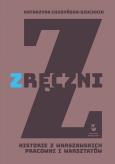
Pracownie, warsztaty, pawilony. Uczniowie, czeladnicy, mistrzowie. Prywaciarze, chałupnicy, rękodzielnicy. Autorka Zręcznych chodzi ulicami rzemieślniczej Warszawy. Rejestruje nieobecność przedwojennych żydowskich warsztatów. Bada losy powojennej „prywatnej inicjatywy”. Opisuje załamanie branży po 1989 roku. Szuka pracowni, które przetrwały transformację i mają się coraz lepiej. Odwiedza nowych rzemieślników.
Zręczni to zapis osobistych rozmów autorki z warszawskimi rzemieślnikami i mapa spacerów szlakiem ich pracowni i warsztatów. Historia warszawskiej sceny rzemieślniczej i wciągający reportaż.
Ta książka powoduje w czytelniku rozdarcie. Bo z jednej strony jest wspaniale napisana – chciałoby się więc ją czytać bez końca. Z drugiej kusi by już, teraz, od razu wybrać się śladem jej bohaterów – przemierzyć Warszawę nie tylko w przestrzeni, ale i w czasie. Uwielbiam takie teksty, dzięki którym odkrywam nowe klucze do rzeczywistości, nowe sposoby odkrywania miasta. Udało się tutaj wszystko, a przede wszystkim uniknąć ckliwego sentymentalizmu za tym, co minione. Historie stołecznych rzemieślników pokazują, że jest inna droga niż korporacyjny turbokapitalizm – wyboista, ale możliwa.
Filip Springer, reporter, pisarz, fotograf
Dla zainteresowanych dawnymi metodami pracy i historią warszawskich przedmiotów lektura obwiązkowa. Jest tu solidna porcja wiedzy i odpowiedzi na pytania: jak rzemiosło działało w Warszawie po wojnie? Jak w latach osiemdziesiątych? Jak dziś? Dlaczego upadło? I najważniejsze: czy się odrodzi?
Magdalena Stopa, autorka książek o Warszawie
Czym była sztuka krytyczna w Polsce? Jakie emocje wzbudzały wystawy prezentowane w Centrum Sztuki Współczesnej Zamek Ujazdowski? Co mogą powiedzieć o życiu artysty materiały prasowe? Odpowiedzi na te pytania znajdziemy w pierwszym z trzech tomów Art of Liberation. Studium prasoznawczego 1988–2018, monumentalnego projektu Zbigniewa Libery. Pierwszy tom, obejmujący lata 1988–1997, ukaże się w październiku 2019, kolejne dwa tomy (1998–2007, 2008–2018) w 2020 roku.
Autorski wybór tekstów prasowych, książka artystyczna, praca z zakresu dziennikarstwa i krytyki, dokumentacja działań twórcy i przemian instytucji sztuki w Polsce – studium prasoznawcze trzydziestu lat działalności Zbigniewa Libery ukazuje nie tylko jego sylwetkę, ale również świat sztuki na tle przemian społecznych Polski okresu transformacji.
Trzytomowa publikacja gromadzi wycinki artykułów prasowych z Polski i zagranicy dotyczących twórczości Zbigniewa Libery. Dowiemy się z nich, wokół jakich tematów toczyły się dyskusje w świecie sztuki, co wzbudzało największe kontrowersje, a kto był ulubieńcem krytyków. Pośrednio ukażą one stan polskiej krytyki artystycznej oraz zaplecze instytucjonalne sztuki w Polsce.
Ten produkt jest zapowiedzią. Realizacja Twojego zamówienia ulegnie przez to wydłużeniu do czasu premiery tej pozycji. Czy chcesz dodać ten produkt do koszyka?