W książce Nasze wewnętrzne konflikty, Karen Horney rozwija dynamiczną teorię nerwicy skoncentrowaną na podstawowym konflikcie między postawami podążania naprzód, podążania przeciwko i oddalania się od ludzi. Karen Horney Niemiecka psychoanalityk i psychiatra najbardziej popularna przedstawicielka koncepcji psychodynamicznych, współtwórczyni neopsychoanalizy. W swoich pracach podkreślała społeczno-kulturowe uwarunkowania rozwoju osobowości i zaburzeń, dystansując się wobec biologizmu koncepcji Freuda.
Wyjdź ze strefy komfortu! Bernardo Stamateas, specjalista od psychologii i samodoskonalenia, pokazuje, jak się rozwijać, nie bać się zmian, nawet gdy wiążą się z ryzykiem, aby nie stać w miejscu. Daje proste wskazówki i strategie, które pozwolą odbiorcy planować życie, wprowadzać nowe projekty oraz urzeczywistniać marzenia. Wiele osób potrzebuje zmiany... Czują, że nie robią postępów, stoją w obliczu kryzysu w związku, nie wiedzą, jaki jest najlepszy sposób na wychowywanie dzieci. Ponieważ mają problemy z innymi czy możliwości, ale nie wiedzą, jak je wykorzystać. Z tej książki można się nauczyć, jak:pielęgnować motywację do generowania nowych pomysłów,znaleźć mentorów i uczyć się od nich,planować i prowadzić swoje projekty,ćwiczyć nawyki i kroki, aby dalej się rozwijać, przełamywać konformizm i urzeczywistniać to, czego się chce. Kto nie ryzykuje, ten nie pije szampana!
"Czy potrzebujesz terapii?" to jedno z najważniejszych dzieł Karen Horney, głównym jego celem jest przygotowanie pacjenta do trzech etapów procesu terapii – okresu przed rozpoczęciem psychoanalizy, w jej trakcie i po jej zakończeniu. Karen Horney Niemiecka psychoanalityk i psychiatra najbardziej popularna przedstawicielka koncepcji psychodynamicznych, współtwórczyni neopsychoanalizy. W swoich pracach podkreślała społeczno-kulturowe uwarunkowania rozwoju osobowości i zaburzeń, dystansując się wobec biologizmu koncepcji Freuda.
Oddajemy do rąk Czytelnika kolekcję tekstów naukowych, która łączy kilka wspólnych wątków. Pierwszym jest osadzenie w przemianach społecznych, politycznych i kulturowych XIX i XX wieku zarówno doświadczenia misji i charyzmatu Zgromadzenia Zmartwychwstańców, jak i twórczości artystycznej skłaniającej się ku mistyce. Drugim wątkiem jest poszukiwanie spotkania z Nadprzyrodzonym przez sztukę, trzecim – wyrażanie przez formę plastyczną istotnych wartości, jakimi żyły i żyją wspólnota Zmartwychwstańców oraz społeczeństwo XIX i XX wieku.
Na pierwszą część książki składają się teksty, które łączy jedna istotna wspólna nić. Jest nią historia, charyzmat, czyli szczególny, niepowtarzalny zestaw wartości właściwy dla wspólnoty zakonnej, oraz misja społeczna, duchowa, pasterska i kulturowa Zmartwychwstańców – zgromadzenia zakonnego, które powstało z klęsk, beznadziei, ale również z wysiłków i poszukiwania przez Polaków nadziei na przyszłość w XIX wieku. Koleje losu oraz dokonania tej wspólnoty – zarówno na polu kościelnym, jak i społecznym – są przedmiotem badań naukowych, ale aktywność Zmartwychwstańców w dziedzinie promocji sztuk plastycznych oraz inicjowania realizacji architektonicznych, malarskich, rzeźbiarskich i złotniczych pozostaje w cieniu. Zaprezentowane studia mają przełamać te tendencje i zainicjować badania nad artystycznym nurtem w posłudze zgromadzenia. Drugą część książki poświęcono zagadnieniom mistyki chrześcijańskiej jako jednemu z charyzmatów Zmartwychwstańców, a także aktywności ściśle powiązanej z człowieczeństwem.
Pragnienie doskonałości, wpisane w życie i duszę (psyche) ludzi różnych epok i kultur, mobilizowało ich nieustannie do poszukiwania tejże i jej definiowania m.in. jako Dobra, Piękna, Mądrości, Prawdy, a wreszcie – wszechogarniającej i absolutnie konsekwentnej Miłości. Dla tych Ludzi Światła ascetyczny trud jest tylko formą, drogą konieczną, acz bez znaczenia w trakcie docierania do tego, co najdoskonalsze, i do Tego, który jest samą doskonałością.
Na podstawie artykułów można sformułować pytania fundamentalne dla żyjących w erze postnowoczesnej, postmodernistycznej i posthumanistycznej: czy celem jest nieustanne przypominanie o fragmentaryczności współczesnego człowieka i niedojrzałości jego postawy nastawionej na branie zamiast dawania i dzielenia? Czy celem jest nieustanne przypominanie o upadku, grzechu, niemocy? Podkreślanie i wizualizowanie tego aspektu człowieczeństwa w każdym miejscu? Czy też przypominać należy także o wartościach pozytywnych, o Prawdzie, Dobru i mistycznej drodze, która uczy Miłości i rozbudza pragnienie Piękna, zarówno w jego wymiarze etycznym, duchowym, jak i estetycznym? Czyż te pytania w gruncie rzeczy nie sygnalizują orędzi Ciemności lub Światła?
Niniejsza publikacja to dosyć niecodzienny zbiór tekstów, wprowadzający Czytelników w wielowymiarową specyfikę Półwyspu Koreańskiego. Opracowania, podzielone na trzy główne obszary – polityka, społeczeństwo i kultura – ukazują różnorodne aspekty życia Koreańczyków, od wpływu konfucjanizmu na codzienne relacje społeczne, przez koreańską kulturę biznesową, aż po współczesne wyzwania polityki zagranicznej. Autorzy, wszyscy związani z Uniwersytetem Jagiellońskim, przedstawiają oryginalne podejścia badawcze i wielowątkowe interpretacje, co czyni tę publikację wartościową dla każdego, kto pragnie lepiej poznać ten fascynujący region świata. Dzięki różnorodności tekstów w niej zebranych książka wyróżnia się nowatorskim podejściem do badań nad Koreą, prezentując zarówno tematy klasyczne, jak i nowo podejmowane zagadnienia. Znajdą tu Państwo analizę obrazu koreańskich wierzeń we współczesnych serialach, refleksje nad kolektywizmem społecznym oraz nowe spojrzenie na kino Korei Północnej i jego rolę w budowaniu wizerunku Kim Ir Sena. Publikacja podejmuje również aktualne zagadnienia, takie jak walka o prawa kobiet w Korei Południowej, a także historyczne kontrowersje wokół niewolnictwa seksualnego praktykowanego przez japońską armię.
Mutyzm wybiórczy to zaburzenie, z którym na co dzień żyje część społeczeństwa. Diagnoza teoretycznie ułatwia funkcjonowanie takiej osoby. Praktycznie patrząc: wiele zależy także od ludzi, z którymi taka jednostka ma kontakt. Ważna jest postawa każdego człowieka - zarówno tworzącego relację, jak i tylko raz spotkanego w ciągu całego życia. Spowodowane to jest wysoką wrażliwością osób z mutyzmem selektywnym. Ich otoczenie nawet nieświadomie może pomóc w postawieniu kolejnego kroku na drodze wychodzenia z zaburzenia, ale także przyczynić się do pogłębienia wykształconych cech mutystycznych.
Nie wiesz z iloma osobami z mutyzmem wybiórczym masz kontakt każdego dnia. Kup książkę i dowiedz się, jak samorzecznik widzi swoje trudności. Poznaj temat w sposób praktyczny i bądź gotowy na spotkanie z każdym takim człowiekiem. Poszerz swoje spojrzenie, a już więcej nie zaszkodzisz osobie walczącej z tym zaburzeniem.
„Kolejny tom naukowej serii pt. Prasa Narodowej Demokracji 1893–1939. Tytuły prasowe, wydawcy i dziennikarze, motywy publicystyczne wnosi nowe ustalenia na temat komunikacji politycznej obozu narodowego. Wypełniają go artykuły hasłowe, zawierające dane osobowe, rzeczowe, tematyczne. Dostarczają cennych wiadomości na temat funkcji prasy obozu narodowego. Artykuły hasłowe są to swoiste mikromonografie poszczególnych, ułożonych alfabetycznie, zagadnień, związanych z czasopismami narodowymi i ich twórcami. W pewnym stopniu stanowią niezależne od siebie kompendia wiedzy o mechanizmach działania endeckiego systemu prasowego. W sposób niezwykle rzetelny autorka tomu ustaliła kryteria doboru periodyków, podkreślając znaczenie dzienników, tygodników i miesięczników w procesie upowszechniania i popularyzacji narodowego programu politycznego”.
Z recenzji prof. dr hab. Małgorzaty Dajnowicz
Czy jesteśmy prawdziwymi indywidualnościami? A może konformistami? Co sprawia, że pamiętamy i dlaczego zapominamy? Jak naprawdę możemy zmierzyć inteligencję? Pytania takie jak te leżą u podstaw pracy największych światowych myślicieli i eksperymentatorów w fascynującej dziedzinie psychologii. W pełni zaktualizowana książka Psychologia jest napisana prostym językiem i zawiera krótkie, zwięzłe wyjaśnienia, które unikają naukowego żargonu; diagramy, które rozwiązują zawiłe teorie oraz niezapomniane cytaty i dowcipne ilustracje, które igrają z naszymi percepcjami i przekonaniami. Niezależnie od tego, czy jesteś nowicjuszem w psychologii, studentem ostatniego roku, czy fotelowym ekspertem, w tej książce znajdziesz wiele intrygujących i stymulujących treści.
Tytuł publikacji (…) wskazuje (…) na mało eksplorowany obszar związany z dziecięcą piosenką. Punkt ciężkości położony jest nie tyle na przegląd dziecięcych piosenek i ich metodyczne wykorzystanie, co na analizę piosenek dla dzieci pod kątem tworzonego w nich językowego obrazu świata, odzwierciedlającego określone sposoby postrzegania świata, a także utrwalającego je. W ten sposób Autorka książki w piosence dziecięcej upatruje narzędzie ingerencji w dziecięcy sposób widzenia świata, a nawet intencjonalnej manipulacji nim. Nie spotkałam dotychczas wśród polskich badaczy z obszaru wczesnej edukacji tak postawionego problemu badawczego i sposobu jego eksplorowania.
Z recenzji dr hab. Agnieszki Nowak-Łojewskiej, prof. AMW
W XXI wieku dzięki nowoczesnym technologiom piosenki docierają do dzieci w różny sposób (...), nie zawsze ich treść i znaczenia są weryfikowane przez dorosłych. Dorośli z otoczenia najmłodszych zazwyczaj nie podejmują namysłu nad tym, o czym są piosenki adresowane do dzieci, jaki przekaz niosą, jaki świat kreują (...). Małgorzata Pilecka podejmuje wysiłek naukowego oglądu wybranych piosenek dziecięcych oraz podejmuje udaną próbę rekonstrukcji obrazu świata w nich zawartego.
Z recenzji prof. UAM dr hab. Kingi Kuszak
Stresu nie da się uniknąć, ale można nauczyć się tak z nim żyć, by nie prowadził do wypalenia zawodowego, problemów zdrowotnych i chronicznego zmęczenia.Recepta na stres to siedmiodniowy program oparty na mikronawykach, które pomagają zmniejszyć stres, odzyskać równowagę i budować odporność.Każdy dzień wprowadza jedno konkretne ćwiczenie lub technikę i stopniowo pozwala:obniżyć poziom stresu i lepiej radzić sobie z codziennymi wyzwaniamizapobiec wypaleniu dzięki świadomemu zarządzaniu presją i odpoczynkiembudować nawyki, które poprawiają zdrowie psychiczne i fizyczneakceptować to, co nieprzewidywalne, bez straty energii na walkęczerpać siłę z codziennych, prostych rytuałów.Dr Elissa Epel, światowej sławy psycholog, opiera swój program na wieloletnich badaniach naukowych. Dzięki temu jej książka oferuje rozwiązania, które nauczą cię, jak skutecznie zarządzać stresem zamiast tylko go tłumić.Dr Elissa Epel jest profesorką i wiceprzewodniczącą wydziału psychiatrii i nauk behawioralnych na Uniwersytecie Kalifornijskim w San Francisco oraz uznaną na świecie psycholożką. Została wybrana do Narodowej Akademii Medycznej, sprawowała funkcję rektorki Akademii Badań Medycyny Behawioralnej, a obecnie jest dyrektorką inicjatyw zdrowia psychicznego w Ośrodku do spraw Klimatu, Zdrowia i Równości na Uniwersytecie Kalifornijskim. Studiowała psychologię i psychobiologię na Uniwersytecie Stanforda oraz psychologię kliniczną i zdrowotną na Uniwersytecie Yale. Jej badania były omawiane w TEDMED, "New York Timesie", "The Wall Street Journal" oraz w wielu programach telewizyjnych. Jej pierwsza książka, napisana wraz z noblistką Elizabeth Blackburn, Telomery i zdrowie. Naukowe tajniki zdrowego stylu życia, została przetłumaczona na ponad trzydzieści języków.
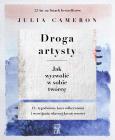
Wszyscy jesteśmy artystami, choć często brakuje nam odwagi, byrealizować swoje marzenia.Julia Cameron, była żona reżysera Martina Scorsese, scenarzystka, pisarka, kompozytorka, reżyserka i dziennikarka, od dwudziestu lat uczy ludzi na całym świecie, jak pozbyć się twórczych blokad i robić to, co się naprawdę kocha. Jej autorska metoda, 12-tygodniowy kurs odkrywania własnej kreatywności, pomogła przebudzić twórcze ja nie tylko wielu wątpiącym w siebie artystom, ale również tysiącom niezwiązanych ze sztuką osób, które po prostu chcą żyć z pasją.W sierpniu 2013 roku Droga artysty znalazła się na liście 32 Książek, Które Mogą Zmienić Twoje Życie opublikowanej przez opiniotwórczy portal BuzzFeed, obok między innymi Stu lat samotności, Z zimną krwią i Zbrodni i kary. Znajduje się również na liście 100 Najważniejszych Poradników Wszech Czasów. Została przetłumaczona na trzydzieści sześć języków i sprzedała się w ponad czterech milionach egzemplarzy.
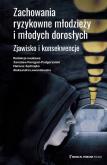
Wprowadzenie – ryzyka wielowymiarowe i wieloskutkowe .......... 19
Jarosław Peregud-Pogorzelski, Mariusz Z. Jędrzejko, Aleksandra Lewandowska
Część I
Problemy psychiczne i zachowania ryzykowne
dzieci i młodzieży
Wczesna inicjacja seksualna a profilaktyka
przeciwnowotworowa ............................................................................ 25
Leszek Szenborn, Jacek Wysocki
Inicjacja seksualna dzieci i młodzieży ................................................. 33
Grzegorz Iniewicz
Zaburzenia osobowości i inne zaburzenia jako skutek
nadużywania technologii cyfrowych .................................................. 44
Anna Mosiołek
Czynniki środowiskowe związane z występowaniem
zachowań problemowych dzieci i młodzieży ................................... 59
Agnieszka Słopień
Samobójstwa i zachowania autoagresywne u dzieci,
młodzieży i młodych dorosłych ............................................................ 66
Aleksandra Lewandowska, Anna Mosiołek
Część II
Uzależnienia i zaburzenia behawioralne
oraz nowe wyzwania medyczne i psychospołeczne
Diagnozowanie cyberzaburzeń, modelowanie relacji dzieci,
technologie cyfrowe i social media ..................................................... 85
Mariusz Z. Jędrzejko, Jarosław Peregud-Pogorzelski
Rola i udział endokrynologa w rozpoznawaniu i leczeniu
jadłowstrętu psychicznego oraz bulimii .......................................... 106
Katarzyna Ziora
Rola gastroenterologa w rozpoznaniu oraz leczeniu
jadłowstrętu psychicznego i bulimii ................................................. 122
Magdalena Chęsy, Mieczysława Czerwionka-Szaflarska
Rola psychiatry w prowadzeniu pacjenta z jadłowstrętem
psychicznym i bulimią ......................................................................... 144
Małgorzata Janas-Kozik, Alicja Kawalec
Interpłciowość u dzieci i młodzieży ................................................... 157
Aneta Gawlik-Starzyk, Wiktoria Kempińska,
Małgorzata Żarczyńska, Agnieszka Bielska-Brodziak
Transpłciowość u młodzieży i młodych dorosłych
– wybrane zagadnienia ........................................................................ 179
Bartosz Grabski
Pomoc prawna rodzicom dzieci z uzależnieniami
i przejawiających inne niestosowne zachowania ......................... 191
Lew Michał Lizak
Rola sądów rodzinnych we wspomaganiu rodzin
dzieci z uzależnieniami i przejawiających zachowania
problemowe ............................................................................................. 197
Marta Kazaniecka
Część III
Ryzyko związane ze stosowaniem narkotyków
i substancji psychoaktywnych
Badania potwierdzające uzależnienie od narkotyków
i nowych substancji psychoaktywnych ........................................... 211
Tomasz Janus, Jarosław Peregud-Pogorzelski
Skala uzależnień od narkotykówi i NSP oraz zachowań
przemocowych wśród młodzieży i młodych dorosłych.
Dane Krajowego Centrum Przeciwdziałania Uzależnieniom ...... 222
Artur Malczewski
17
Narkotyki i nowe substancje psychoaktywne
– co warto wiedzieć? ........................................................................... 240
Mariusz Z. Jędrzejko, Jarosław Peregud-Pogorzelski
Nagłe zatrzymania krążenia po narkotykach i NSP
– dlaczego do nich dochodzi? ........................................................... 263
Anna Turska-Kmieć, Jarosław Peregud-Pogorzelski
Zaburzenia ze strony układu oddechowego zagrażające
życiu pacjenta po użyciu narkotyków i NSP ................................... 293
Henryk Mazurek, Zofia Mazurek-Durlak,
Jarosław Peregud-Pogorzelski
Wpływ „starych” narkotyków i NSP na nerki.
Czy pacjent może wymagać leczenia nerkozastępczego? ........ 306
Danuta Zwolińska, Jarosław Peregud-Pogorzelski
Kliniczne aspekty używania alkoholu przez młodzież .................. 319
Jolanta Ryniak, Barbara Bętkowska-Korpała
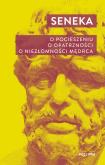
Lucius Annaeus Seneca (Seneka Młodszy), ur. ok. 4 r. p.n.e., zm. w 65 r. n.e., pisarz, poeta, filozof rzymski. Jeden z najwybitniejszych przedstawicieli szkoły stoickiej. Był wychowawcą Nerona, na początku jego rządów miał znaczne wpływy na dworze. W 56 roku n.e. sprawował urząd konsula. Siedem lat później wycofał się z polityki. W 65 roku cesarz Neron oskarżył go o udział w spisku Gajusza Kalpurniusza Pizona, a następnie zmusił do popełnienia samobójstwa. W swych pismach Seneka przestrzega przed uleganiem afektom, wskazuje na wartość pogody ducha, wolnego czasu, na potrzebę ciągłej pracy nad sobą, zmierzającej do wewnętrznej harmonii. Prezentowane w tym tomie dzieła to fragmenty Dialogów, w których autor prowadzi dyskurs z filozofem Epiktetem z Hierapolis.
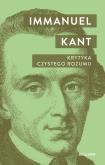
Krytyka czystego rozumu została wydana po raz pierwszy w 1781 roku. Jest uważana za jedną z najważniejszych prac w historii filozofii. Obok Krytyki praktycznego rozumu i Krytyki władzy sądzenia tworzy krytyczną filozofię Kanta, w której starał się on badać filozoficzne podstawy ludzkiego poznania. Podstawowym celem Krytyki czystego rozumu jest odpowiedź na pytanie, czy metafizyka jest możliwa i jakie są granice ludzkiego poznania. Odpowiada na to pytanie, badając poszczególne władze poznawcze człowieka. Książka przez dłuższy czas nie była znana poza środowiskami akademickimi, stopniowo jednak zdobywała rozgłos. Stała się jednym z podstawowych dzieł niemieckiego idealizmu filozoficznego.
Wyjątkowa książka o emocjach, zachowaniach i relacjach społecznych osób wysoko wrażliwych. Po raz pierwszy w Polsce! Czy jesteś wrażliwcem? Większość z nas od czasu do czasu odczuwa przytłoczenie światem swoich emocji, jednak osoby, o których mowa, żyją tak na co dzień. Autorka - psychoterapeutka, sama będąca też osobą wysoko wrażliwą - pokazuje, jak zidentyfikować tę cechę u siebie, jak sobie z nią radzić oraz jak ją wykorzystać (tak!) w różnych sytuacjach życiowych. Książka zawiera: test pozwalający wykryć u siebie określone aspekty wysokiej wrażliwości metody na postrzeganie swojej przeszłości w pozytywnej perspektywie, umacniającej poczucie własnej wartości przykłady wpływu wysokiej wrażliwości na pracę zawodową i relacje osobiste sposoby radzenia sobie z nadmiernym pobudzeniem wskazówki, kiedy warto zwrócić się o pomoc do specjalisty "Ta doniosła książka (...) pokazuje nowy sposób postrzegania siebie, pozwala odetchnąć z ulgą i zyskać mocne poczucie swego miejsca wśród ludzi." John Gray, autor bestsellera Mężczyźni są z Marsa, kobiety z Wenus "Ta przenikliwa analiza fundamentalnego wymiaru ludzkiej natury jest lekturą obowiązkową. Zrównoważona prezentacja zagadnień przez autorkę wskazuje, jak można odejść od traktowania wysokiej wrażliwości jako wady, a przemienić ją w swoją zaletę." Philip G. Zimbardo, autor bestsellera Nieśmiałość oraz wielotomowego podręcznika Psychologia
Mózg to fascynujący organ, zdolny do niesamowitych wyczynów i niezliczonych skomplikowanych zadań, ale nie jest przeznaczony do szczęścia. Ewolucji nie zależy na tym, byśmy byli szczęśliwi, o ile udaje jej się utrzymać nas przy życiu.Na szczęście dla nas jedną z głównych cech ludzkiego mózgu jest jego plastyczność. Dziś dysponujemy niezbędną wiedzą, aby przystosować wspaniałe struktury mózgu, będące efektem milionów lat ewolucji biologicznej, do nowej rzeczywistości i wykorzystać mechanizmy neurologiczne do zbudowania własnej wersji szczęścia.Mikel Alonso López, ekspert w dziedzinie neuronauki stosowanej do zachowań i emocji, proponuje reorganizację podstawowego programowania mózgu poprzez pracę nad nawykami, przekonaniami i samowiedzą wynikającą z najnowszych osiągnięć neuronauki."Optymistyczny mózg" to przewodnik potrzebny każdemu, kto chce zamienić stres, pesymizm i rutynę w przygodę, poczucie własnej wartości i czystą ekscytację możliwościami życia.
Sprostanie wygórowanym wymaganiom, jakie stawia przed nami świat, wydaje się niemożliwe. Nieustannie oceniamy siebie według oderwanych od rzeczywistości standardów wytyczanych przez media społecznościowe. Bądź tylko sobą – w odpowiedzi na to – zachęca nas do celebrowania tego, jacy jesteśmy, i pokazuje, że warto poczuć się dobrze we własnym ciele. Urocze ilustracje i ciepłe słowa Kim Suhyun dotarły do milionów czytelniczek i czytelników – także Jungkooka z BTS – i zainspirowały ich do wyruszenia w drogę, której cel brzmi: pokochać siebie. Aby wesprzeć ich w tej podróży, autorka przygotowała zestaw wskazówek: • nie przymilaj się do tych, którzy nie są mili dla ciebie • pamiętaj, że idealne życie nie istnieje • nie pozwól, by opinie innych wpływały na twoje decyzje • od czasu do czasu zrób głupi żart • nie musisz się dogadywać ze wszystkimi Te i inne porady zawarte w książce mają jeden cel: pokazanie, że uwolnienie się od ciężaru oczekiwań innych pozwoli nam cieszyć się własnym życiem.
Wraz z ukazaniem się tej pracy zbiorowej, etyka w prowadzeniu badań społecznych przestaje być jedynie rozdziałem w podręcznikach akademickich, a staje się przedmiotem żywej dyskusji, również wśród badaczy i badaczek na gruncie nauk społecznych. Z jakimi dylematami w swoich badaniach mierzą się badacze i badaczki w dziedzinach socjologii, psychologii, antropologii czy etnografii? W jaki sposób stawiają im czoła? Czy dostępne narzędzia postępowania etycznego w badaniach, najczęściej w postaci kodeksów, są wystarczające, by rozwiązać dylematy etyczne? Czy istnieje przepis na bezbłędnie etyczne badania społeczne? Na te i wiele innych pytań spróbowano dać odpowiedzi właśnie w tej książce. Etyczny wymiar jakościowych badań społecznych. Doświadczenia, dylematy, refleksje został przygotowany - z perspektywy filozoficzno-teoretycznej oraz mocno praktycznej - przez naukowców i naukowczynie zarówno z ogromnym, jak i niewielkim doświadczeniem w terenie badawczym. Podjęli się oni wymagającej tematyki badawczej, między innymi wojny w Ukrainie, Holokaustu, napięć izraelsko-palestyńskich, życia po wybudzeniu ze śpiączki czy nacjonalizmu wśród młodych Polaków i Polek. Z jednej strony to więc zaproszenie do podjęcia refleksji nad zagadnieniami moralno-etycznymi w badaniach jakościowych, a z drugiej - propozycja rozwiązań problemów natury etycznej, wypracowana w wyniku rozmaitych doświadczeń badawczych. Publikacja w przekonujący i interesujący sposób pokazuje, na bogatym, wielodyscyplinarnym i międzynarodowym materiale empirycznym, etyczne uwikłania jakościowych badań społecznych, także tych bardzo praktycznych, jak np. badania w placówkach służby zdrowia, na wojennym froncie (). Stawia ważne pytania i przedstawia procedury pomagające badaczom w rozwiązywaniu problemów etycznych, jakie takie badania mogą powodować. () [P]owinna zainteresować nie tylko badaczy akademickich, ale także inne osoby przeprowadzające jakościowe badania społeczne, np. w służbie zdrowia, ośrodkach dla uchodźców, placówkach socjalnych. Z recenzji dr. hab. em., prof. UAM Krzysztofa Podemskiego
Mindfulness to pierwszy krok do bycia sobą Jeden z najwspanialszych nauczycieli mindfulnessu, jakiego kiedykolwiek spotkasz. Jack Kornfield Jon Kabat-Zinn to jeden z pionierów światowego ruchu mindfulness, powszechnie znany popularyzator medytacji i płynących z niej korzyści. Miliony ludzi na całym świecie podejmują dziś formalną praktykę medytacji uważności. Czym jednak jest medytacja? Dlaczego warto jej spróbować i w jaki sposób doskonalić tę umiejętność? W dzisiejszym świecie medytacja to zajęcie, które wymaga prawdziwej odwagi, a zanurzenie się w świadomości jest tak naprawdę przejawem troski. Medytacja to nie to, co myślisz jest odpowiedzią na wszystkie dręczące Cię pytania i dowód na to, jak istotna jest praktyka uważności. Dr Jon Kabat-Zinn jest emerytowanym profesorem medycyny, inicjatorem programu redukcji stresu opartego na uważności (MBSR) oraz założycielem Centrum Badań nad Zastosowaniem Uważności w Medycynie, Opiece Zdrowotnej i Społeczeństwie na Wydziale Medycyny Uniwersytetu Massachusetts. Jest autorem licznych bestsellerów, takich jak Życie, piękna katastrofa, Gdziekolwiek jesteś, bądź, Uważność dla początkujących. Wraz z żoną Mylą napisał poradnik Dary codzienności. Podręcznik świadomego rodzicielstwa.
Koncepcja badań mieszanych (mixed methods research) zakłada istnienie pluralizmu metod badawczych, dzięki czemu możliwe jest połączenie ilościowego i jakościowego podejścia do projektowania i realizacji procesu badawczego. Umożliwia to włączenie obu podejść do formułowania pytań i metod badawczych, metod zbierania danych, a następnie ich analizy oraz wnioskowania w obrębie jednego badanego przypadku. Cechą wyróżniającą i odróżniającą badanie metodami mieszanymi od badania metodami wielorakimi jest występowanie, praktycznie w całym procesie badawczym, integracji. Efektem takiego podejścia powinna być większa możliwość eksploracji i eksplanacji badanych zjawisk niż w przypadku zastosowania tylko jednej z metod. Badacz, który stosuje podejście mieszane, oprócz rozstrzygania wielu różnorodnych kwestii, musi jeszcze podjąć decyzję o ewentualnej dominacji jednego podejścia nad drugim, jak i sposobu w jaki wykorzystane metody zostaną wdrożone podczas realizacji badania. Obie decyzje mają swoje konsekwencje na różnych etapach procesu badawczego. Ustalenie metody nadrzędnej niesie ze sobą określone konsekwencje, np. na etapie wnioskowania, ponieważ wybór podejścia badawczego determinuje proces konceptualizacji, projektowania i wdrażania projektu badawczego. Z wprowadzenia
Ten produkt jest zapowiedzią. Realizacja Twojego zamówienia ulegnie przez to wydłużeniu do czasu premiery tej pozycji. Czy chcesz dodać ten produkt do koszyka?