Do tego działu zapraszamy wszystkich czytelników bo zdrowie ważne jest dla każdego z nas. Polecamy szeroki wachlarz publikacji, poradników, podręczników znanych autorów, którzy cenią sobie zdrowy styl życia i dbają o siebie. Proponujemy mnóstwo poradników i książek kulinarnych, z których dowiemy się jak przygotować smaczne i zdrowe posiłki, pełne zdrowych warzyw i błonnika. Dowiemy się jak prawidłowo się odżywiać z zachowaniem zasad zdrowej diety. Porady naturoterapeutów, różne terapie, diety, ćwiczenia oraz system leczenia dietą bezśluzową, ogólnie szkoła zdrowia. Diety oczysczające, głodówki, posty i diety surowe, warzywne, sokoterapie. Znani i cenieni autorzy zdrowotnych książek: Mariusz Budrowski i Agnieszka Juncewicz, Hulda Clark, Matthias Rath, Magdalena makarowska, Arnold Ehret, Anna Ciesielska, Michał Tombak, Walter Last, Borys |Bołotow, Iwan Nieumywakin, Andreas Moritz i wielu innych.
Chcę mieć dziecko! Nie zawsze spełnienie tego marzenia jest łatwe. Weronika Marczuk wiele lat walczyła o to, by zostać mamą. Przeżyła rozczarowania, zwątpienia, czasami brakowało jej już nadziei. Jednak w styczniu tego roku w wieku 48 lat urodziła zdrową córeczkę.Ta książka to wyjatkowy przewodnik dla wszystkich kobiet, które walczą o macierzyństwo oraz ich partnerów i rodzin. Odwołuje się zarówno do osobistego doświadczenia autorki, historii innych kobiet, jak i wiedzy ekspertów. Autorka prowadzi czytelników przez wszystkie etapy: od starań o poczęcie, przez trudy ciąży, aż do rozwiązania. Jest tu rozpacz, strata i przedwczesne porody, ale także radość i zwycięstwo.Na Instagramie macierzyństwo jest piękne, słodkie, bezproblemowe. W rzeczywistości coraz więcej kobiet ma problemy z zajściem w ciążę, donoszeniem i urodzeniem zdrowego dziecka. I to oznacza dla nich piekło.Czas, by świadomie i pewnie podejść do tematu macierzyństwa i ojcostwa. Rozpoznać swoje psychiczne blokady, podważyć obowiązujące stereotypy, przygotować się na walkę: ze sobą, organizmem i czasem. Bo bardzo często zdarza się, że dobrze zadane pytanie oraz trafna diagnoza pozwalają bardzo szybko cieszyć się najpiękniejszym okresem w życiu i zostać szczęśliwym rodzicem zdrowego dziecka.
Lori Ernsperger i Tania Stegen-Hanson [...] poruszają jeden z poważniejszych problemów dotyczących współczesnych rodzin. Mam tu na myśli dzieci, które wykazują opór wobec samego jedzenia albo niechęć do określonych pokarmów. Autorki przedstawiają swoje nowatorskie podejście do tego, w jaki sposób poszerzać jadłospis dziecka i budować jego zrównoważoną dietę.W książce przewija się motyw zrozumienia fizjologicznych, rozwojowych, sensorycznych i motorycznych zdolności dziecka, a także co najważniejsze uszanowania tego, co dziecko próbuje nam przekazać w reakcji na pokarm. []W publikacji znajdziemy też szczegółową listę różnych objawów wskazujących na to, że mamy do czynienia z istnieniem pewnych fundamentalnych problemów. Z jej pomocą czytelnik może dokonać odpowiedniego oglądu sytuacji i jej oceny. Autorki zamieszczają w publikacji ćwiczenia dla rodziców i specjalistów.Z przedmowy Temple Grandin
Where do great artists get their inspiration? And how could they help you make something extraordinary?
In You Are an Artist, over fifty artists from around the world share their creative techniques, and give you brilliantly imaginative exercises to inspire you to make your own art.
Among other things, you'll invent imaginary friends, construct a landscape, find the quietest place, measure your history and become someone else (or at least try). You don't need special materials or experience. Your only challenge is to create art that reflects the world as you see it.
Curator Sarah Urist Green brings together more than 50 assignments gathered from some of the most innovative creators working today, including Sonya Clark, Michelle Grabner, The Guerrilla Girls, Fritz Haeg, Pablo Helguera, Nina Katchadourian, Toyin Ojih Odutola, J. Morgan Puett, Dread Scott, Alec Soth, Gillian Wearing, and many others.
Eating healthily has never been easier with Susie Theodorou’s new book Mediterranean. Susie explores how the Mediterranean diet is a lifestyle choice and a pattern of eating based on rural life where people used to eat what they grew and enjoy it communally. Her approach embraces seasonal and nutritious foods, without the strict regime of a diet book. She does not focus on weight loss or weight gain but instead promotes a healthier and happier way of life.
Raised by Greek-Cypriot parents on a diet of freshly picked, plucked and cooked food, Susie knows first-hand the benefits of eating traditional Mediterranean dishes. And because you are focusing on simple combinations of exceptional ingredients, this is cooking on a budget. A self-confessed ‘lazy cook’, Susie has multiple ideas for using olives, tomatoes, tinned fish, white cheese, home-made hummus, and simple dressings for meat and fish. There are also tips on how to feed more friends with less food, how to stock a Mediterranean larder to be proud of and how to eat seasonally.
And with recipes like Pan-seared Figs with Pecorino and Rocket, Charred Mixed Greens with Fennel and Lemons, Courgette and Dill Fritters, and Fish En Papillotte with Capers & Tomatoes, you will be inspired to cook up a Mediterranean feast any day of the week.
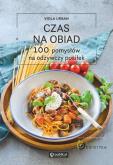
Szukasz ciekawych pomysłów na obiad, który będzie nie tylko smaczny, ale też odżywczy? Próbujesz ograni-czyć ilość mięsa w diecie, ale nie wiesz, jak prawidłowo skomponować sycące posiłki? Potrzebujesz ela-stycznych przepisów, które można dopasować do swoich potrzeb? Jeśli tak, to mam to, czego szukasz. Trzy-masz w ręku książkę, która zawiera 100 pomysłów na pełnowartościowy obiad dla Ciebie i Twojej rodziny. Klasyka w zdrowszej wersji oraz mnóstwo smaków przywiezionych z różnych zakątków świata – oto antido-tum na obiadową monotonię.
Ugotuj ze mną coś pysznego!
Viola Urban – autorka bloga Okiemdietetyka.pl
„Jeśli chcesz na co dzień gotować smacznie i zdrowo, ta książka jest dla Ciebie. Znajdziesz tu wiele kulinarnych inspiracji, ale i solidną dawkę wiedzy, która przyda się każdego dnia. To ważna i potrzebna pozycja, która doskonale łączy teorię z praktyką”.
(Grzegorz Łapanowski – założyciel Fundacji Szkoła na Widelcu)
Kiedyś myślałam, że wyszukane smaki to tylko domena dobrych restauracji. Uważałam tak, dopóki w moje ręce nie wpadły książki Violi, która odczarowuje wizerunek zdrowych posiłków, pokazując, że mogą być one jednocześnie pełne smaku, bogate w wartości odżywcze i naprawdę łatwe do przygotowania. Korzystając z tej książki, można przekształcić zwykłą domową kuchnię w miejsce, w którym powstają dania, jakich nie powstydziłaby się żadna znana restauracja”.
(Magdalena Hajkiewicz-Mielniczuk – psychodietetyczka, dietetyczka, www.wiem-co-jem.pl)
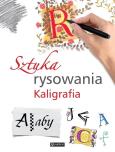
Praktyczny podręcznik do nauki kaligrafii z bestsellerowej serii Sztuka rysowania. Przeznaczony zarówno dla początkujących, jak i bardziej zaawansowanych wielbicieli pięknego pisania. Omawia między innymi:- podstawowe materiały i narzędzia do kaligrafowania i iluminowania (rodzaje papieru, pióra, stalówki, pędzle, atramenty, gwasze)- techniki pisania i rysowania liter wraz ze wskazówkami dotyczącymi przyborów, przygotowania papieru, rozplanowania arkusza czy odległości między literami- ponad 50 różnych krojów pisma wraz z ilustracji prezentującymi kolejne etapy pracy krok po kroku.Dzięki tej książce poznasz tajniki liternictwa, a karty ćwiczeń pozwolą przejść od teorii do praktyki.
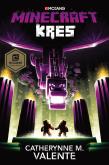
Najnowsza oficjalna powieść ze świata Minecrafta to historia bohaterskiej walki o przetrwanie! Gdy do Kresu wkraczają ludzie, para endermanów musi zdecydować po czyjej stronie stanąć. Fin i Mo – bliźniacze rodzeństwo endermanów – odkąd sięgają pamięcią, mieszkają w tajemniczej krainie zwanej Kresem. Myszkują w starożytnych ruinach, na obrzeżach wielkiego miasta Telos, pod czujnym spojrzeniem potężnego smoka. Na statku, który nazywają domem, mają wszystko, czego im potrzeba. Wiedzą wszystko, co powinni wiedzieć o swoim świecie — a przynajmniej tak im się wydaje, dopóki nie zjawiają się intruzi z innego wymiaru. Najeźdźcy zwani ludźmi przybywają rabować skarby i zabić Smoka Kresu. Fin i Mo są gotowi bronić swojego domu, ale kiedy stają twarzą w twarz z ludźmi, odkrywają, że nie są przygotowani do walki tak dobrze, jak sądzili. Zaskoczone rodzeństwo trafia w sam środek wojny ludzi z endermanami, wojny o przyszłość ich domu.
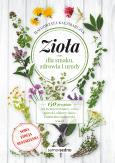
Nowe wydanie bestsellera! Zioła mają moc! Zamiast stosowania sztucznych suplementów diety, pełnych chemii kosmetyków i przetworzonej żywności lepiej czerpać energię z natury. Małgorzata Kaczmarczyk prezentuje potencjał z przydomowych ogródków, łąk, lasów i pól, bogactwo wartości odżywczych i właściwości farmakologicznych ziół. W książce znajduje się mnóstwo sprawdzonych sposobów m.in. na zahamowanie przeziębienia, kaszel, uciążliwy katar czy fizyczne przemęczenie. Dzięki prostym recepturom można samodzielnie przygotować krem do twarzy, maseczkę, peeling do ciała czy ziołowy szampon – bez chemicznych dodatków. Książka inspiruje również do kulinarnych eksperymentów. Zawiera niebanalne przepisy na ziołowe potrawy: zupy, sałatki, a nawet desery. Kolorowe zdjęcia, praktyczne wskazówki i pasjonujące ciekawostki przekonują, że przetwarzanie ziół nie jest wiedzą tajemną i daje wiele satysfakcji. Poradnik: - przedstawia zasady zbierania, suszenia i przechowywania ziół - prezentuje receptury na naturalne lekarstwa, m.in. nalewki i syropy na przeziębienie, antywirusowe żelki dla najmłodszych, maści na otarcia, alergie lub bolące stawy - uczy, jak robić własne kosmetyki do pielęgnacji całego ciała – kremy do rąk i stóp, szampony, maseczki, peelingi czy toniki - zawiera przepisy na ciekawe dania: makaron nagietkowy, podpłomyki z jarzębiną, lody bzowe, a także przetwory (m.in. musy, konfitury i syropy) oraz smakowite dodatki: ziołowe masła, sosy i przyprawy - zachęca, by zadbać o dobre samopoczucie i wygląd bez dużych nakładów finansowych O autorce: Małgorzata Kaczmarczyk – pasjonatka ziół, naturalnego lecznictwa i kosmetyki. Absolwentka studiów podyplomowych w zakresie uprawy i przetwarzania ziół oraz roślin alternatywnych. Autorka bloga Ziolowawyspa.pl, prowadzi warsztaty zielarskie i mydlarskie w Beskidzie Wyspowym oraz w Krakowie. Marzy, by ludzie powrócili do naturalnego sposobu dbania o zdrowie, samopoczucie i wygląd.
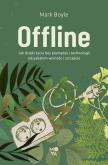
Była godzina dwudziesta trzecia, kiedy po raz ostatni sprawdziłem pocztę i wyłączyłem telefon, licząc na to, że robię to na zawsze.Mark Boyle, znany na świecie jako człowiek bez pieniędzy, opisuje swoje życie bez technologii, rządzone rytmami pór roku, na tle krajobrazu dalekiego od miejskiego zgiełku. W swojej książce dzieli się wnioskami, które skłoniły go do powrotu do korzeni, oraz osobistą podróżą w poszukiwaniu sensu życia i pielęgnowaniem człowieczeństwa bez udziału urządzeń elektronicznych.Jego pełna otwartości, podszyta poczuciem humoru opowieść skłania do refleksji: czy jestem w stanie przełączyć się na stałe na tryb offline? Czy poczucie wygody zatraca we mnie radość z codziennych czynności? Jakie działania mogę podjąć, aby bliżej połączyć się ze światem i otaczającymi mnie ludźmi?
Poznaj sekrety japońskiej drogi do długowieczności!Maciej Kozakiewicz, autor bestsellera Slow jogging wskazuje, jak prowadzić zdrowy styl życia zgodnie z kulturą azjatycką. Przybliża narzędzia, metody i techniki służące dbaniu o ciało, umysł i ducha. Dzięki tej książce:poznasz zasadę NIKO NIKO, czyli codziennej porcji aktywności bez zbędnego obciążania organizmu;dowiesz się, czym jest SHINRIN-YOKU, czyli kąpiel w naturze;znajdziesz swoją kotwicę długowieczności IKAGAI, powód dla którego codziennie wstajesz z łóżka, i który zapewni ci zdrowie;dowiesz się, jaka jest twoja optymalna dawka kalorii HARA HACHI BU, a mając dobry kontakt z ciałem, nie będziesz się przejadał i poprawisz przemianę materii;zrozumiesz, czym jest WABI SABI, czyli piękno przemijania i niedoskonałości.Nie musisz nieustannie dążyć do bicia rekordów i poprawy wyników. Zwolnij, a wtedy odnajdziesz życiowy spokój i satysfakcję. Już dziś zbliż się do poziomu aktywności naszych przodków, pokochaj proste czynności, zadbaj o zwiększające witalność nawyki swoje i twoich dzieci, odżywiaj się mądrze, słuchaj swojego organizmu.
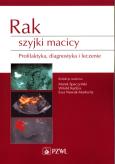
Wraz z rozwojem badań naukowych lekarze dysponują coraz doskonalszymi narzędziami profilaktyki, diagnostyki i leczenia raka szyjki macicy. Jednak w Polsce umieralność kobiet na ten nowotwór nadal jest dużo większa, niż na przykład w Norwegii czy Finlandii.
Rak szyjki macicy rozwija się stosunkowo powoli, szczególnie ważne jest więc wykrycie go jak najwcześniej. Badania cytologiczne są bezpłatne i łatwo dostępne, ale ciągle za mało wykorzystywane w profilaktyce.
Książka zainteresuje lekarzy ginekologów, położne oraz lekarzy podstawowej opieki zdrowotnej.
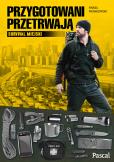
Bądź przygotowany. Chroń swoją rodzinę i przetrwaj! Nieujarzmiona natura, atak terrorystyczny albo zwykłe zdarzenie losowe mogą sprawić, że nasz świat skomplikowanych zależności zacznie się rozpadać. Brak prądu, wody w kranie, olbrzymie korki samochodowe. Nieczynne bankomaty, śnieżyce, wichury. Te i wiele innych problemów mogą na nas spaść zupełnie niespodziewanie. Nie możemy im zapobiec, ale możemy być na nie przygotowani. Dowiedz się, o co i jak możesz zadbać wcześniej. Przygotuj się na każdą sytuację awaryjną zarówno w mieście, jak i poza nim. Jakie zapasy warto gromadzić na czarną godzinę? Jak podejmować słuszne decyzje? Co to jest EDC i BOB? Jak oczyszczać wodę i powietrze?
To nie tylko książka, ale stworzone z pasją narzędzie przetrwania.
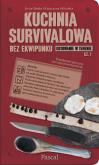
Niezwykły toolbook, który wyposażono w mocny rzemień umożliwiający rozpalenie ognia – najważniejszego narzędzia w walce o przeżycie. Ogień to ciepło, światło, ochrona przed dzikimi zwierzętami, ale także możliwość przygotowania posiłku. Co zjeść w lesie, jak przyrządzić to, co oferuje nam natura, piekąc w żarze, wykorzystując ruszt, dół ziemny lub gotując przy pomocy kamieni?
Bezcenna, sprawdzona w praktyce wiedza, która może uratować zdrowie, a nawet życie. Obudź w sobie naszą narodową zapobiegliwość i zaradność. Tylko przygotowani przetrwają!
Toolbook zawiera:
prezentację technik gotowania w terenie (żar, dół ziemny, gotowanie kamieniami), przepisy kulinarne, poradnik, jak rozpalić ogień (łuk ogniowy, świder ręczny), opis gatunków drzew – jak i do czego je wykorzystać (rozpałka, podtrzymanie ognia, tworzenie żaru, wędzenie, itd.), filmy instruktażowe dostępne w aplikacji Pascal AR, mocny rzemień, linijkę calową i centymetrową. W serii ukazały się:
"Przygotowani przetrwają", "Sztuczki survivalowe", "Terenowa apteczka ziołowa".
Jadamy za dużo, bo zbyt często chcemy jeść, a jak już zaczniemy, trudno jest nam przestać. Tkwi w nas jakaś przemożna siła, która sprawia, że chce nam się jeść. Często nie potrafimy się jej przeciwstawić. Można ją porównać do żywiołu. Niekiedy staramy się z nią walczyć, zmuszając się do jedzenia mniej oraz wyrzekania się niektórych produktów. Niestety, nazbyt często głównym skutkiem tych wysiłków jest obniżenie przyjemności jedzenia.
Zamiast walczyć z żywiołem, lepiej go ujarzmić i wykorzystać dla swojego dobra. Opracowałem i opisałem receptę na to, jak zmienić ukierunkowanie tej tkwiącej w nas siły. Skłonić ją, żeby działała w naszym interesie. Powodowała, że nasz organizm będzie dawał nam dobre sygnały, kiedy i co jeść, aby odżywiać się zdrowo. Żeby sam, w trakcie jedzenia, trafnie informował nas, że już wystarczy i powodował, że w odpowiednim momencie ustanie chęć sięgania po więcej. Z pewnością każdy przyzna, że warto postarać się o to, żeby nasz organizm stał się naszym przyjacielem i sam dbał o to, żeby jedzenie nie prowadziło do tycia, ale dawało możliwie najwięcej zdrowia i radości.
Zbigniew Młynarski
Opracowanie Zbigniewa Młynarskiego „Jedz dobrze i nie tyj” jest pozycją oryginalną na naszym rynku wydawniczym, kładzie bowiem duży nacisk na walory smakowe pożywienia oraz przyjemność związaną ze spożywaniem posiłków. Znajdujemy tu szerokie omówienie takich pojęć, jak głód, sytość, smakowość, nawyki i przyzwyczajenia żywieniowe, najczęściej popełniane błędy w sposobie odżywiania się, a także propozycję zastosowania w praktyce oryginalnego, komputerowego systemu samodzielnego poprawiania swoich jadłospisów. Naczelną zasadą systemu jest to, że ma on zapewnić każdemu dostarczanie w diecie odpowiednich ilości składników pokarmowych, a jednocześnie jest oparty na potrawach ulubionych, smakowitych, dających pełną satysfakcję ze spożywania posiłków.
Prof. dr hab. Janusz Stanisław Keller (†)
Jadamy za dużo, bo zbyt często chcemy jeść, a jak już zaczniemy, trudno jest nam przestać. Tkwi w nas jakaś przemożna siła, która sprawia, że chce nam się jeść. Często nie potrafimy się jej przeciwstawić. Można ją porównać do żywiołu. Niekiedy staramy się z nią walczyć, zmuszając się do jedzenia mniej oraz wyrzekania się niektórych produktów. Niestety, nazbyt często głównym skutkiem tych wysiłków jest obniżenie przyjemności jedzenia.
Zamiast walczyć z żywiołem, lepiej go ujarzmić i wykorzystać dla swojego dobra. Opracowałem i opisałem receptę na to, jak zmienić ukierunkowanie tej tkwiącej w nas siły. Skłonić ją, żeby działała w naszym interesie. Powodowała, że nasz organizm będzie dawał nam dobre sygnały, kiedy i co jeść, aby odżywiać się zdrowo. Żeby sam, w trakcie jedzenia, trafnie informował nas, że już wystarczy i powodował, że w odpowiednim momencie ustanie chęć sięgania po więcej. Z pewnością każdy przyzna, że warto postarać się o to, żeby nasz organizm stał się naszym przyjacielem i sam dbał o to, żeby jedzenie nie prowadziło do tycia, ale dawało możliwie najwięcej zdrowia i radości.
Zbigniew Młynarski
Opracowanie Zbigniewa Młynarskiego „Jedz dobrze i nie tyj” jest pozycją oryginalną na naszym rynku wydawniczym, kładzie bowiem duży nacisk na walory smakowe pożywienia oraz przyjemność związaną ze spożywaniem posiłków. Znajdujemy tu szerokie omówienie takich pojęć, jak głód, sytość, smakowość, nawyki i przyzwyczajenia żywieniowe, najczęściej popełniane błędy w sposobie odżywiania się, a także propozycję zastosowania w praktyce oryginalnego, komputerowego systemu samodzielnego poprawiania swoich jadłospisów. Naczelną zasadą systemu jest to, że ma on zapewnić każdemu dostarczanie w diecie odpowiednich ilości składników pokarmowych, a jednocześnie jest oparty na potrawach ulubionych, smakowitych, dających pełną satysfakcję ze spożywania posiłków.
Prof. dr hab. Janusz Stanisław Keller (†)
Inspiracją do napisania publikacji stała się potrzeba podzielenia z Czytelnikami bogactwem autorskiego doświadczenia pedagogiczno-terapeutycznego, uzyskanego w okresie ponad trzydziestu lat pracy z osobami dotkniętymi schorzeniem rzadkim. W świetle praktyki terapeutycznej przedstawiono i usystematyzowano, z punktu widzenia medycznego, właściwości przypadków schorzeń rzadkich, zaprezentowano wykorzystane procedury diagnostyczno-terapeutyczne, wskazano skuteczne, specjalnie opracowane formy interwencji profilaktycznej i zaradczej. Wskazano przykłady dobrej praktyki wypracowanych możliwie skutecznych sposobów wspierania tych osób i ich rodzin.
Pszczoły. Poradnik hodowcy to książka adresowana zarówno do początkującego hodowcy, jak i pszczelarza profesjonalisty. Dzięki tej pozycji osoby, które dopiero planują założenie hodowli pszczół, zdobędą podstawowe informacje dotyczące pasieki. Bardziej doświadczonym pszczelarzom publikacja ta dostarczy wielu wartościowych wskazówek. Poruszono w niej m.in. następujące tematy: pszczelarskie kalendarium, wyposażenie pasieki, stanowiska i obserwacje pożytków, opieka i zaopatrzenie rojów, zdrowie pszczół i ich potomstwa, hodowla królowych, miodobranie i przetwarzanie pszczelich produktów, regulacje prawne w zakresie ochrony pszczół i konsumentów. Autor książki, Werner Gekeler, jest praktykującym mistrzem pszczelarstwa i rzeczoznawcą przy zarządzie niemieckiego landu Badenia-Wirtembergia. W książce dzieli się całą swą wiedzę zdobytą w trakcie wieloletniej praktyki pszczelarskiej.
Uniwersalny poradnik jak przetrwać pandemię wirusa. Bezcenna wiedza dla survivalowców i preppersów, ale także typowej rodziny. Szerokie spektrum zagadnień m.in. profilaktyka, psychologia, biznes, przestępczość, jak i kwestie prawne. Poznaj życie codzienne podczas zarazy we współczesnej Polsce. ?Bądź przygotowany, a nie przestraszony.Najgroźniejsze epidemie w historii ludzkości,Jak przygotować się do pandemii,Jak uniknąć zarażenia, skuteczne metody,Jak odkazić mieszkanie oraz elektronikę,Która maska lepiej się sprawdzi,Codzienność w czasie kwarantanny,Jak wykonać przydatne przedmioty (DIY),Jak wzmocnić odporność,Leczenie doraźne (gorączka, kaszel, ból),Terminologia epidemiologiczna,
co oznaczają m.in.: FFP3, HSDI, Strefa i Pacjent zero.Autorzy książki pomagają czytelnikowi podjąć racjonalne decyzje w okresie chaosu informacyjnego, aby mógł uratować siebie oraz swoją rodzinę.
Surówki i sałatki to dania uniwersalne: szybkie i łatwe do przygotowania, niezbyt kosztowne, smaczne i bardzo zdrowe. Mogą stanowić przekąskę, przystawkę, dodatek do dania głównego lub osobną potrawę serwowaną np. na kolację. Często stanowią bazę diet zdrowotnych oraz odchudzających. Poza tym sałatki i surówki to podstawa każdej zabawy, imprezy, a nawet uroczystości. W naszej książce proponujemy państwu wiele różnorodnych przepisów. Polecamy sałatki z różnymi dodatkami: ryżem, makaronem, kaszą, wędliną, mięsem, owocami morza, serami, grzybami oraz pestkami, np. dyni lub słonecznika. Niektóre z naszych propozycji dań są bardzo proste, można je przygotować w ciągu kilku minut. Inne – eleganckie i wykwintne – będą ozdobą niejednego przyjęcia. Przykładowe przepisy: z ziarnami słonecznika, z rzodkiewkami i salami, grecka, tatarska, warstwowa, z żółtym serem i polędwicą, grejpfrutowa z mascarpone.
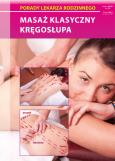
Praktyczny, bogato ilustrowany poradnik przedstawia techniki masażu klasycznego kręgosłupa. Przy każdej technice znajdziesz zasady oraz działanie, a na zdjęciach zobaczysz kolejne etapy wykonania prawidłowego masażu oraz wpływ danej techniki na ciało. Poznasz wskazania i przeciwwskazania do masażu oraz masaż w wybranych jednostkach chorobowych: rwie kulszowej, lumbago, chorobie zwyrodnieniowej kręgosłupa, zmianach przeciążeniowych kręgosłupa.
Ten produkt jest zapowiedzią. Realizacja Twojego zamówienia ulegnie przez to wydłużeniu do czasu premiery tej pozycji. Czy chcesz dodać ten produkt do koszyka?