W tej strefie zapraszamy czytelników tak zwane artystyczne dusze po książki z kategorii Sztuka. Polecamy szereg publikacji o sztuce i jej historii,ciekawostki i portfolia artystów, eseje, albumy, książki o malarstwie, rzeźbiarstwie, architekturze oraz histoii fotografii. Biografie ciekawych artystów, książki i powieści przedstawiające fascynujące losy malarzy i osób uwiecznianych na obrazach. W tym dziale tylko ksiązki ze sztuka w tle.
Jakub Kasperski
Piosenka, canzona, chanson? – problematyka podstawowej formy muzycznej w muzyce rockowej / 9
Przemysław Piłaciński
Herod 2014 jako piosenka / 21
Krzysztof Gajda
Powtórzenie jako źródło znaczeń w piosence / 33
Radosław Marcinkiewicz
Rock a leksykografia: power trio, cover band, tribute band. Z Dream Theater spacer drugi / 51
Monika Konert-Panek
Under Pressure: dwa głosy – dwa akcenty / 65
Łukasz Lipiński
Konstruowanie dźwięku – konstruowanie kultury: próba rozpoznania obszarów badań z perspektywy materialnej / 85
Bartosz Małczyński
Bass Communion: eksperymenty w teksturze. Semantyka widm dźwiękowych na obrzeżach rocka / 91
Maciej Smółka
Jak brzmi pustynia: kulturowa analiza desert rocka jako istoty brzmienia miasta Palm Desert / 99
Joanna Maleszyńska
Ewangelia według Świętego Johna. Wstępne propozycje badawcze / 109
Kamil Dźwinel
„Nieczuły leżę odurzony snem, / a tam, za murem, zawieszony sznur”. Konstrukcja przestrzeni i zdarzenia w twórczości Romana Kostrzewskiego / 119
Marek Kurkiewicz
W środku i na zewnątrz. Refleksje o przestrzeni w tekstach Wojciecha Waglewskiego z debiutanckiej płyty grupy Voo Voo (1985) / 131
Paweł Tański
„Za mało sypiam”. O tekstach piosenek Bartosza Waglewskiego z płyty Wilk zespołu Kim Nowak / 145
Jakub Kosek
Wolnościowe zwierzenia kontestatora a teksty utworów grupy TSA / 167
Jakub Kosek
O wybranych aspektach badań (auto)biograficznych narracji transmedialnych twórców rockowych (casus Johna Ozzy’ego Osbourne’a) / 181
Sylwia Białobłocka
Punków też zachwyca „fschut słońca” / 193
Paweł Drygas
Powstanie rocka za żelazną kurtyną. Analiza porównawcza / 203
Sylwia Gawłowska
Piosenkowe manifesty wolności Grzegorza Ciechowskiego / 213
Marcin Romanowski
Lekcja historii zespołu Sabaton / 221
Jakub Kasperski
Przeobrażenia formy bluesowej w początkach rock’n’rolla / 235
Katarzyna Koćma
Folk czy rock? Topical songs i amerykańskie lata 60. / 249
Wojciech Józef Burszta
YES i długie trwanie w rocku / 259
Paweł Tański
Nowe sytuacje. O kilku ważnych polskich piosenkach rockowych lat 80. XX wieku / 269
Waldemar Kuligowski
Oszołomienie i eksces. Festiwale muzyczne jako święto / 283
Sebastian Surendra
Transgresyjność w kulturze obnażania? Teledysk Pussy zespołu Rammstein / 299
Dominik Gac
Zabawa czy rytuał? Miejsce black metalu w świecie performansu / 311
Paweł Jaskulski
Cameron Crowe – rock’n’rollowe serce kina amerykańskiego / 321
Kamil Kościelski
Square, White Negro i The Beatles, czyli kogo spotkał Mowgli w drodze do ludzkiej osady / 345
Agnieszka Kiejziewicz
Visual kei i inne strategie performatywne. Przemiany japońskiego rocka w latach 1980–2015 / 361
Konrad Sierzputowski
Perski kryzys. Muzyka jako uniwersalna i/lub wernakularna figura protestu / 371
Tomasz Gornat
Potrójna schizofrenia: subkultura, Mod i początki The Who / 383
Sławomir Kuźnicki
Diamond Dogs i Outside: dystopijne konteksty Davida Bowiego / 403
Mirosław Miernik
51. stan. Wizerunek USA w twórczości New Model Army / 413
Bartosz Suwiński
W krainie umierającego słońca. O Dead Can Dance / 423
Joanna Skolik
Heart of darkness Ricka Millera, czyli muzyczna interpretacja noweli Josepha Conrada / 431
Tomasz Florczyk
Marcina Świetlickiego zmagania z rockiem. Dialogi i wielogłosy na płycie Ogród koncentracyjny / 441
Bartłomiej Alberski
Koty dwa. Karol Kot Marcina Świetlickiego oraz Karol Kot Świetlików / 449
Michał Pranke
Melodramat i Bowie. Lektura porównawcza / 467
Artur Duda
Poezja czy grafomania? O albumie koncepcyjnym Lao Che Powstanie Warszawskie / 477
Beata Rynkiewicz
Społeczeństwo jest niemiłe… Literackie i muzyczne fanaberie Mister D. Wokół twórczości Doroty Masłowskiej / 503
Rafał Foltyn
Wilkołactwo w tekstach, nazewnictwie i przesłaniu europejskich zespołów metalowych / 517
Wstęp / 9
Bartłomiej Alberski
Brzmienie brzmieniu nierówne / 13
Radosław Marcinkiewicz
Rock a leksykografia: supergrupa. Z Dream Theater spacer pierwszy / 31
Monika Konert-Panek
Akcent a wizerunek. Foniczne aspekty stylu rockowego / 55
Łucja Iwanczewska
„Między nami dobrze jest”, czyli polski punk i sztuka / 69
Luiza Karaban
Polscy hipisi i ich stosunek do przyrody w paradygmacie romantycznym. Uwagi na marginesie wybranych tekstów piosenek rockowych / 77
Krzysztof Gajda
Piosenka lingwistyczna? Hubert Spięty Dobaczewski (Lao Che) / 89
Tomasz Florczyk
Od staropolskich stylizacji po niby-dziecięcą poezję – o concept albumach i Lao Che z tekstami Huberta Dobaczewskiego / 105
Piotr Łuszczykiewicz
Stary rock a nowa poezja polska / 117
Przemysław Zawrotny
Literackość i etos rockandrollowca w tekstach Piotra Klatta / 139
Beata Rynkiewicz
„Jestem wtedy kiedy krzyczę…”. Postawy emancypacyjne polskich artystek w kulturze punk / 149
Mirosław Aleksander Miernik
Od Gotyku do Dark Independent. O rozwoju subkultury gotyckiej w Polsce po roku 1999 / 165
Krzysztof Stanisław Werner
Działalność fanklubu The Beatles w PRL-owskiej rzeczywistości lat 80. / 175
Julian Strzałkowski
Samotność w tekstach utworów zespołu Dżem z lat 1985–1994 / 185
Paweł Tański
Afekt efektu. O tekstach zespołu Popsysze w języku polskim / 195
Magdalena Budzyńska
Językowy obraz ciała w piosenkach Grzegorza Ciechowskiego / 215
Alicja Gruszka
Koncert zespołu Behemoth jako performans artystyczny / 229
Adam Domalewski
Queer Queen – Bohemian Rhapsody jako utwór coming outowy / 239
Michał Wróblewski
Diabelska poza Glenna Danziga – perspektywa jungowska / 245
Natalia Gryń
Quadrophenia manifestem młodego Brytyjczyka / 255
Paweł Biliński
Rockin’ mock! Parodystyczne komponenty Oto Spinal Tap Roba Reinera / 265
Anna Chomczyk
Joga, lewitacja i rock and roll, czyli jak Daleki Wschód kształtował kontrkulturę w USA / 277
Olaf Pajączkowski
Od kota Lucyfera Sama do buntownika Toma Sawyera – tematy tekstów piosenek rocka progresywnego i gatunków pokrewnych na przykładzie twórczości wybranych zespołów / 289
Tomasz P. Bocheński
Was verliert man | mit dem Augenschlag? Między poezją a kontynuantami hard rocka: przypadek Tilla Lindemanna i zespołu Rammstein / 301
Jacek Kowalski
Doświadczenie bliskości i oddalenia: literacka wizja „rock”-metra w Niebie pod Berlinem Jaroslava Rudiša / 317
Agnieszka Osińska-Szpur
„Wieczność kocha się w wytworach czasu”. Tematy i motywy twórczości Williama Blake’a w tekstach rockowych (na przykładzie Iron Maiden, The Doors, Patti Smith i U2) / 325
Aleksandra Szwagrzyk
Niedorosły rock: rockowe motywy w literaturze dla dzieci i młodzieży / 339
Maciej Kuster
„Kolejna cegła w murze”. Kilka uwag o polskim przekładzie Ściany Pink Floyd / 345
Ewelina Zarembska
Tłumaczenie i adaptacja musicalu rockowego na przykładzie musicalu Rent Jonathana Larsona / 357
Łukasz Głod
Koncert jako rytuał totalitarny. Strategie sceniczne słoweńskiego kolektywu Laibach w latach 1980–2015 / 367
Paweł Jaskulski
Dramaturgia koncertu rockowego. Przypadek Nirvany / 381
Jarosław Kardaś
Czy koncerty U2 to już zjawisko kulturowe? / 391
Małgorzata Litwin
Ziggy Stardust, czyli androgyn w świecie rocka. Koncept kreacji scenicznej Davida Bowiego / 403
Przemysław Piłaciński
The Seer Swans – między kompozycją a improwizacją / 411
Katarzyna Winnicka
Gimme Shelter. Koncert The Rolling Stones w Altamont w 1969 roku / 419
Jakub Kosek
Rockandrollowa biała gorączka – o kreacji artystycznej grupy Motörhead w czterdziestą rocznicę działalności / 429
Michał Kozień
Marnowana szansa polskiej szkoły. O wykorzystaniu rocka na lekcjach języka polskiego / 439
Ikony i piktogramy są wszechobecne w codziennym życiu. Są to znaki, które przekazują komunikaty bez użycia słów. Dzięki nim uzyskujemy natychmiastowy dostęp do interfejsów naszych urządzeń elektronicznych. Pomagają nam również z pominięciem wszelkich barier językowych i kulturowych odnaleźć się w oznakowanych przestrzeniach.Jest to praktyczna publikacja zawierająca studia przypadków, schematy, diagramy i przejrzyste przykłady zastosowań w różnych kontekstach, mające na celu objaśnienie takich zagadnień, jak: stosowanie siatki, digitalizacja piktogramu, przeprowadzanie korekty optycznej czy projektowanie ikon i piktogramów na podstawie krojów pisma.Projektowanie ikon i piktogramów może być doskonałym podręcznikiem dla studentów, a dla zawodowych grafików pomocą w trakcie pracy nad ustalaniem formy, która spełniając funkcję informacyjną najistotniejszą z punktu widzenia odbiorcy winna być precyzyjna i oszczędna.
In this comprehensive textbook, now updated for its third edition, Jonathan Bignell provides students with a framework for understanding the key concepts and main approaches to Television Studies, including audience research, television history and broadcasting policy, and the analytical study of individual programmes.
Features include:
a glossary of key terms
key terms defined in margins
suggestions for further reading
activities/assignments for use in class
New and updated case studies feature:
'Every Home Needs a Harvey' ad
approaches to news reporting
television scheduling
CSI Crime Scene Investigation
animated cartoon series
Individual chapters address: studying television, television histories, television cultures, television texts and narratives, television genres and formats, television production, television and quality, television realities, television you can't see, television audiences, beyond television.
Najlepsza książka non-fiction roku 2017 według „Wall Street Journal”
Dlaczego Leonardo da Vinci nie ukończył tak wielu ze swoich dzieł? Dlaczego jako zadeklarowany pacyfista konstruował machiny wojenne dla rodziny Borgiów? Dlaczego przez kilkadziesiąt lat wszędzie zabierał ze sobą Monę Lisę, jednak nigdy nie dokończył jej malować? Dlaczego pisał wspak i czy naprawdę toczył wojnę z Michałem Aniołem?
Mike Lankford przybliża Włochy z czasów renesansu: zapachy, smaki i dźwięki. Czasy wojen, plag i intryg dworskich, zaciekle konkurujących ze sobą artystów oraz tyranów o morderczych skłonnościach i zamiłowaniu do sztuki. Przedstawia życie da Vinci jako powieść przygodową, fascynujące i pełne niebezpieczeństw – ucieczki, przetrwanie wojny u boku przyjaciela, Machiavellego, walka o możliwość tworzenia i niełatwe decyzje, jakie się z tym wiązały. Także te za cenę samotności.
Rozbija mity i buduje Leonarda od nowa. Tworzy dla współczesnych czytelników portret geniusza, który od wieków pozostaje równie tajemniczy jak największe z jego dzieł, będących wyrazem buntu i niewyczerpanym źródłem inspiracji.
Uważam, że biografia Leonarda Lankforda pobudza do myślenia, podczas gdy ta Isaacsona do myślenia zniechęca. Stać się Leonardem zaczyna się z wysokiego C i z każdą przewracaną kartką jest coraz lepsza.
„Wall Street Journal”
Mike Lankford przedstawia da Vinci bez aureoli i sadza go przy stole naprzeciwko czytelnika, który zaczyna dostrzegać w nim prawdziwego człowieka, z brudem pod paznokciami i tak dalej.
„The Independent”.
Mike Lankford przedstawia fascynującą tour d’horizon życia i pracy Leonarda, traktując znane fakty z jego życia jako punkt wyjścia do kuszących (a jednak rozsądnych) spekulacji i rekonstrukcji. Odrzuca dawne klisze i założenia, ocenia wieloznaczne dowody rzeczowe z nowej perspektywy i maluje chyba najbardziej intymny i wyrazisty portret tego niełatwego do uchwycenia artysty.
Ross King, autor Brunelleschi’s Dome
Mike Lankford jest absolwentem Iowa Writers Workshop i autorem Life in Double Time: Confessions of an American Drummer, tomu wspomnień o czasach, gdy był jedynym białym wykonawcą w zespole R&B. Książka została uznana za najlepszą książkę muzyczną przez wiele opiniotwórczych mediów.
Materiały zebrane w tej publikacji zostały zaprezentowane podczas dwóch kolejnych ogólnopolskich sympozjów organizowanych przez Sekcję Fonotek Stowarzyszenia Bibliotekarzy Polskich. Problemy analizowane przez autorów publikacji są ważną refleksją na temat znaczenia ochrony dorobku fonograficznego jako formy niematerialnego dziedzictwa kulturowego w tworzeniu poczucia tożsamości i ciągłości wspólnoty w świecie ewoluujących norm i wartości.
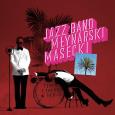
Jazz Band Młynarski-Masecki wydaje drugą płytę. Tym razem artyści postanowili pójść o krok dalej i spełnić swoje wielkie marzenie o prawdziwej jazzowej orkiestrze. Do podstawowego składu, który liczył 7 osób, dodali sekcję skrzypiec oraz trąbki i puzony. W ten sposób powstał 17-sto osobowy zespół o dużo szerszej brzmieniowej palecie. Trasa koncertowa zespołu w powiększonym składzie będzie składać się z recitali, które odbędą się w najlepszych polskich salach koncertowych.
Tytuł „Płyta z zadrą w sercu” to tytuł jednej z piosenek jednego z największych polskich tekściarzy XX wieku - Mariana Hemara. Polski przekład amerykańskiego standardu Cliffa Friend’a, Charliego Tobias’a i Boyd’a Bunch’a robił furorę w jednej z rewii warszawskiego teatru Cyrulik Warszawski w roku 1938. Muzycy zapatrzeni w stare fotografie i zasłuchani w orkiestry polskie i amerykańskie, postanowili stworzyć świat, w którym II Wojna Światowa nie miała miejsca, a jazzbandy taneczne w Polsce nie przestają istnieć i grają czerpiąc ze wszelkich dobrodziejstw nowoczesności. Do nagrań muzycy użyli mikrofonów z lat XX ubiegłego wieku. Całość realizował Filip Krause, ze słynnego berlińskiego studia Emila Berlinera. Na płycie znajdą się utwory głównie z przełomu lat 30 i 40 ubiegłego wieku. Wszystkie to szlagiery polskie, dobrze znane w dawnych czasach, dziś nieco zapomniane. Marcin Masecki swoimi aranżacjami tchnął w piosenki kompletnie nowe życie, życie na miarę XXI wieku. Patronem duchowym tej płyty jest Zygmunt Karasiński - genialny kompozytor rozrywkowy polski przed i powojennej. Na płycie znajdą się trzy jego kompozycje. Historia maestro Karasińskiego będzie opisana w dodatku do płyty.
Tracklista:
1. Yo Yo
2. Płyta z zadrą w sercu
3. Abram, ja ci zagram!
4. Dla ciebie
5. Miss Mary
6. I zawsze będzie czegoś ci brak
7. Dulcinea
8. Gdzieś musi być świat
9. Żebyś ty wiedziała (jak mi się chce)
10. Warszawo, moja Warszawo
The complete self-portraiture in an XL collection
Few devotees of the form can approach Rembrandt Harmensz. van Rijn’s radical contributions to the art of the self-portrait. Challenging the conventions enshrined by his predecessors, Rembrandt transformed self portraiture into a fully realized medium capable of communicating emotional depth rather than favorably immortalizing one’s likeness in the finest trappings of luxury.
With more than 80 works spanning paintings, etchings, and drawings, the Dutchman’s lifelong practice of self-portraiture functions as a means of concretizing that which is fleeting, be it individual moments of development set against the inexorable passage of time, or the facial contortions of emotion that are gone, without a trace, as swiftly as they arrive. Across the four decades in which they were painted, one constant is particularly striking across media and styles—Rembrandt’s dedication to presenting himself from multiple perspectives, celebrating the multiplicity of the individual and championing the unfiltered portrayal of emotional expression.
Apart from the thematic concerns present within Rembrandt’s suite of self-portraits, the works themselves are rich with technical innovation and experimentation. Glints of light bathe a shoulder while whole swathes of his face blend, obscured, into darkened backdrops. Carved through a wet patina of earth-toned paint with a rough reed pen, unruly curls seem to reflect the light cast down upon them, swirling with boisterous energy befitting the surprise so often plastered across Rembrandt’s face. There is an unmistakable humanity present across the entirety of this oeuvre, each expressive brushstroke and obfuscated feature amounting to an unflinchingly honest characterization of himself, in all his foibles, contrasting states of feeling, and stages of life.
Commemorating the 350th anniversary of the artist’s death, this comprehensive monograph renders all of Rembrandt’s self-portraits in breathtaking XL resolution. From his first experimentations at age twenty-two to his final self-portrait painted a year before his death, this stunning collection stands testament to a life committed to revolutionizing painterly practice both in content and form.
Niegotowi
Wszystko jest dobrze, jesteśmy szczęśliwi Malina Prześluga
Dobrobyt mentalny Rozmowa z Maliną Prześlugą
Opowieść zdemilitaryzowana Rozmowa z Pawłem Machcewiczem
Honor i konkret Kornelia Sobczak
Rośliny na wojnie ludzi Justyna Szklarczyk
Niszczarka
Martwy człowiek (A halottember) János Háy, przełożyła Jolanta Jarmołowicz
Po bandzie
Figle migle z postępem Marek Beylin
Rachunki
Po Trzeciej Republice - Trzecia Rzesza Piotr Olkusz
Oko za oko Simone de Beauvoir, przełożyła Olga Byrska
Powojenna przemiana Simone de Beauvoir Olga Byrska
Austria. Ułudne podobieństwo Bożena Keff
Teatr żydowski - ale też po prostu teatr Marcin Kula
Wynurzenia
Oddalanie Pedro Pereira
Wojna nigdy nie jest daleko
Damaszek 2045 (Damascus 2045) Mohammad Al Attar, przełożyła Agnieszka Piotrowska
Codzienność Tragedii Paweł Sztarbowski
Czy teatr powstrzyma wojnę? Małgorzata Budzowska
Ustanowienia
Nazywanie świata Piotr Morawski
Twarze
Lata siedemdziesiąte. Jadwiga jankowska-Cieślak i Krystyna Janda. Część I Ewa Hevelke
Nawozy sztuczne
Panierka Tadeusz Nyczek
Varia
Konteksty: Performerka Zofia Cielątkowska
NOWE SZTUKI:
Tomislav Zajec Mala Moskva Michał Łukowicz Kuszenie Wojtka K. Kathrin Röggla Normalverdiner
Z AFISZA
Contents
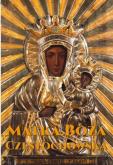
Matka Boża Częstochowska, Czarna Madonna, Częstochowska Bogarodzica. Najwspanialszy, najpiękniejszy i najbardziej znany wizerunek Matki Bożej w Polsce. Od prawie siedmiuset lat nieprzerwanie czczony przez pokolenia Polaków. To do niej wielu z nas pielgrzymuje, zanosi prośby i dziękuje za uzyskanie łaski. Niniejsza publikacja przybliża historię Cudownego Obrazu Matki Bożej Częstochowskiej oraz piękno jasnogórskiego sanktuarium, jasnogórskiego miejsca, gdzie jest eksponowany.
Tym razem znana warszawska przewodniczka Ewa Sztompke zaprasza swoich czytelników na wyprawę śladami warszawskich pomników. Zachęcając do wspólnych wędrówek, pisze we wstępie do książki: Nietuzinkowe historie pomników Warszawy to drugi zbiór moich przewodnickich opowieści. Po Nietuzinkowych mieszkańcach Warszawy, postanowiłam przybliżyć dzieje stołecznych pomników i historie postaci w nich uwiecznionych. W trzydziestu rozdziałach znajdziecie opowieści o ponad osiemdziesięciu warszawskich monumentach”.
Andrzej Jacek Blikle – o książce:
„Całe moje długie życie przemieszkałem w Warszawie, sądziłem więc, że wiem o niej chociażby to, co najważniejsze.
A jednak nie wiedziałem, że Kolumna Zygmunta była pierwszym pomnikiem postaci świeckiej na kolumnie w nowożytnej Europie.
Nie wiedziałem, że książę Józef Poniatowski dłuta Thorvaldsena, który stoi dziś na tle Pałacu Prezydenckiego, zmieniał swoje miejsce sześciokrotnie, choć wiedziałem, że jego premierowe postawienie w Warszawie wywołało burzę wśród byłych podwładnych – nasz generał bez spodni!
Nie wiedziałem o istnieniu dziewiętnastowiecznego pomnika Budowy Szosy Brzeskiej postawionego dla uczczenia wysiłku bezimiennych budowniczych, którzy w cztery lata położyli 198 km drogi mając jako narzędzia jedynie łopatę, kilof i konną furkę.
No i nie wiedziałem wreszcie, że umawiając się w młodych latach na dziedzińcu Akademii Sztuk Pięknych z moją przyszłą żoną Małgorzatą, czekałem na nią pod pomnikiem – a właściwie kopią pomnika kondotiera, którego oryginał został stworzony w roku 1496 przez Andrea del Verrocchio, na zamówienie tegoż kondotiera. A skąd się taki pomnik wziął w Warszawie, skoro nie jest z nią w żaden sposób związany?
O tym i o bardzo wielu innych historiach i anegdotach można przeczytać w książce Ewy Sztompke. Tej lektury stanowczo nie można zaniedbać.”
The book accompanying the exhibition of the same title is a pioneering publication of ten essays whose authors take up themes concerning the aesthetics of puppet theatre, its entanglement in politics, relations between puppet theatre and photography, the phenomenon and potential of puppet theatre, puppet theatre for adults, pedagogical aspects of puppet scenes, but also the history of puppet animated film or music in puppet theatre and puppet film. Its advantage is its interdisciplinary approach to the field that has to date been pushed to the margins of the history of theatre. Among the authors are art historians, cultural experts, anthropologists, as well as puppet theatre practitioners. The book is richly illustrated with archival photographs from puppet shows or films, set designs and puppet designs. The material is complemented by photographic documentation of selected dolls shown at the exhibition, made by Łukasz Rusznica and Krystian Lipiec.
Historia powstania i działalności Stadttheater Stettin przy dostojnym Königsplatz 13 została gwałtownie zakończona w czasie nalotów dywanowych w 1944 roku. Z zachowanej dokumentacji wynika, że uszkodzone zostały jedynie górne partie teatru, który pierwotnie przeznaczono do odbudowy. Ostatecznie w wyniku licznych dyskusji i współcześnie trudnej do zrozumienia argumentacji podjęto decyzję o jego wyburzeniu. […] miasto pozbawiono nie tylko cennego architektonicznego dziedzictwa, ale także samodzielnego budynku opery, mogącego spełniać funkcje artystyczne, społeczne, kulturotwórcze i reprezentacyjne na poziomie porównywalnym z możliwościami teatru zaprojektowanego przez Carla Ferdinanda Langhansa.
Fragment Podsumowania
Szalone lata dziewięćdziesiąte w Polsce miały ścieżkę dźwiękową i było nią disco polo. Muzyka chodnikowa królowała na targowiskach, stadionach i w mafijnych dyskotekach. Przy disco polo przeżywano pierwszą miłość i wybierano prezydentów. W czasie niedzielnej emisji telewizyjnego Disco Relaxu ulice pustoszały, a księża przesuwali godziny mszy. A kasety i płyty, nie zawsze legalne, sprzedawały się w milionach.
Dzisiaj chodzi już o inne miliony – o miliony wyświetleń w internecie. Fani nie piszą do idoli listów, tylko zaczepiają ich na Facebooku. Największe gwiazdy gatunku wchodzą do głównego nurtu polskiej rozrywki, już nie siedzą w poczekalni. Disco polo wraca na stadiony i do telewizji. Ale przecież disco polo nikt nie słucha…
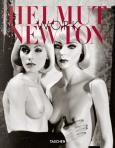
Fashion, editorial, and personal photographs meet in this extensive Helmut Newton portfolio, including some of his most striking shots from the ’60s through to his golden heyday. From shadowy streets to hotel boudoir, it’s a showcase of Newton’s suggestive storytelling and unfailing eye for erotic impact.
„Promocja jest tylko jednym z elementów marketingu, a nie całym marketingiem” – to zdanie najlepiej charakteryzuje zawartość książki dr. Jacka Pogorzelskiego poświęconej marketingowi miejsc. Dotychczas wielu autorów książek o tej tematyce skupiało się właśnie na promocji, a nie na budowaniu brandu, czyli silnej, rozpoznawalnej i dającej się doświadczyć marki miejsca. (...) Jest to książka, która systematyzuje i nadaje właściwy porządek podejmowanym przez miasta i regiony działaniom marketingowym.
Robert Stępowski
ekspert marketingu miejsc, redaktor naczelny serwisu www.marketingmiejsca.com.pl
Książka Jacka Pogorzelskiego to pozycja niezwykła, która była w stanie znacznie skorygować moje podejście do tematu. Praktyczne i dosadne ujęcie zadań, jakie należy cierpliwie zrealizować, aby cieszyć się z silnej marki miejsca, a przy tym książka, która po prostu wciąga.
Piotr Lutek
Kancelaria Doradcza Synergia
NO LOGO przygotował debiutancki album pt „Wilki kochają kwiaty”.
Grają już od lat rytmy kryjące za sobą pełnię natury i gorącego Słońca. Pochodzą z przygranicznego miasteczka Sejny. Ich muzyka pozostawia na uboczu świat przepełniony logiem, przepychem i wielkomiejskim szumem.
Jak sami mówią: „Jesteśmy scenicznymi zwierzętami, które czekają na rozdarcie gardeł ludzi na swoich koncertach. Jesteśmy jak drapieżne Wilki, które jednak wciąż kochają kwiaty.” Taki też jest tytuł ich debiutanckiego albumu - „Wilki kochają kwiaty”. Gatunek muzyczny, w którym się poruszają sami nazwali WRRR! (Witalny Rock Reggae Rap).
NO LOGO zabierze was w podróż przez granicę litewsko-polską zakończoną w augustowskim Albatrosie, wykąpie w głębokiej Hańczy i sejneńskiej rzece tajemniczo nazwanej „Marycha”. Naturalny rytm przyrody, wpływy muzyką świata, rockowy pazur - to wszystko usłyszycie na albumie. Jeśli poszukujecie oddechu, spokoju i spojrzenia z dystansu na piętrzące się gmachy wielkomiejskiej rzeczywistości, to muzyka dla was!
Tracklista:
1. Wilki kochają kwiaty
2. Gram
3. Chłopak z Podlasia
4. Zaraz cię dotknę
5. Panie proszą panów
6. Na falach Marychy
7. Schody na dach
8. Zostawiłem
9. Myślałem
10. Panika
11. Jest dobrze
12. W drodze do domu
13. Przester
Wieloaspektowa analiza „wydarzeń marcowych” 1968 roku oraz reakcji twórców kultury na te wydarzenia. Wielogłos humanistów odsłaniający kompleksowość antysemityzmu we współczesnej polskiej kulturze i polityce. Doskonała i zmuszająca do myślenia książka.
Prof. Jan T. Gross
Jedyna w swoim rodzaju, fascynująca książka. Autorzy rozpatrują Marzec 1968 jako pogrom, tragedię, melodramat, wydarzenia graniczne. Patrzą jednak nie tyle na to, co się wydarzyło, ile na dokumenty, literaturę i sztuki wizualne z Marca wyrosłe. Rację mają redaktorzy tej książki: Marzec trwa. I nic nie zapowiada jego końca.
Dr Irena Grudzińska-Gross
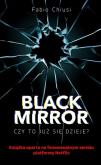
Kiedy Netflix zaprezentował doskonały serial Black Mirror, wszyscy oniemieli. Fascynacja widzów mieszała się z prawdziwym strachem.
W książce omówiono wszystkie odcinki i sezony serialu, kompleksowo i wyczerpująco przedstawiając powiązania między wątkami filmowymi a światem, w którym żyjemy lub żyć będziemy. Okazuje się, że nowe technologie i ich powszechność nie tylko zwiększają komfort i poprawiają jakość naszego życia, ale też zmieniają społeczeństwo, i to w wielu wymiarach: psychologicznym, politycznym, a także moralnym. Black Mirror przestaje być jedynie fikcją – w coraz większym stopniu okazuje się rzeczywistością.
"Pierwsze dwa sezony Black Mirror uważam za najlepszą rzecz, jaką pokazała telewizja w drugiej dekadzie XXI wieku […]. Grasz, oglądasz, klikasz? Masz komórkę w kieszeni? Tablet przy sobie? Obchodzi Cię anonimowość w sieci? To jest serial o człowieku w zetknięciu z technologią, a więc zdecydowanie o Tobie, czytelniku tych słów."
Rafał Oświeciński, recenzent, publicysta związany z film.org.pl
"Sądzicie, że Black Mirror to tylko serial? Ta książka brutalnie pokaże, jak bardzo się mylicie. Black Mirror to my. Czy raczej to, na co pozwoliliśmy technologii, wpuszczając ją do naszego życia."
Robert Ziębiński, pisarz, dziennikarz, były redaktor naczelny magazynu PLAYBOY
Fabio Chiusi – dziennikarz, badacz kultury i polityki ery cyfrowej, ekonomista i filozof nauki. Publikował na łamach „L’Espresso”, „La Repubblica”, „La lettura” oraz „Wired”. Koordynował program PuntoZero analizujący wpływ innowacji na proces tworzenia polityki. Członek Centro Nexa – akademickiego stowarzyszenia przy Politechnice Turyńskiej badającego społeczeństwo informacyjne.
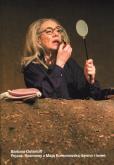
Ta książka ma już swoją historię. Był rok 2004, kiedy po raz pierwszy ukazała się nakładem Oficyny Wydawniczej Errata. Przyjęta życzliwie, została wyróżniona w dorocznej ankiecie miesięcznika „Teatr” jako „najciekawsza książka o teatrze” . Potem przyszły następne wydania (2008, 2010). Z biegiem lat „Pejzaż…” stał się „klasyką” wśród teatraliów — i wciąż jest czytany. Dzisiaj oddajemy go do rąk Czytelnika już po raz czwarty. Ukazuje się ze zmianami, w innym opracowaniu graficznym, wzbogacony o nieznane zdjęcia. Specjalnie do tego wydania zostały zamówione i napisane nowe teksty. Składają się one na część zatytułowaną Po latach, która dopełnia fascynujący i trudny temat przenikania się sztuki i życia, wciąż obecny w naszych rozmowach z Mają Komorowską, rozpoczętych kilkanaście lat temu. Zaktualizowana została Kronika twórczości Mai Komorowskiej.
—Barbara Osterloff
Ten produkt jest zapowiedzią. Realizacja Twojego zamówienia ulegnie przez to wydłużeniu do czasu premiery tej pozycji. Czy chcesz dodać ten produkt do koszyka?