W tej strefie zapraszamy czytelników tak zwane artystyczne dusze po książki z kategorii Sztuka. Polecamy szereg publikacji o sztuce i jej historii,ciekawostki i portfolia artystów, eseje, albumy, książki o malarstwie, rzeźbiarstwie, architekturze oraz histoii fotografii. Biografie ciekawych artystów, książki i powieści przedstawiające fascynujące losy malarzy i osób uwiecznianych na obrazach. W tym dziale tylko ksiązki ze sztuka w tle.
Autorzy niniejszej książki starają się udzielić odpowiedzi na dwa główne pytania: Co przyciąga inwestorów zagranicznych do polskich dużych miast? Jakiego rodzaju relacje występują między inwestorami zagranicznymi a władzami polskich metropolii? Wyniki przeprowadzonych badać wskazują m.in. na to, że inwestorzy zagraniczni dość różnie oceniają warunki działalności w poszczególnych miastach.
Legenda jazzu, buntownik i outsider, niewidomy geniusz fortepianu w pełnej dźwięków i kolorów powieści
inspirowanej prawdziwymi wydarzeniami.
Ta publikacja to zaproszenie do świata Mietka Kosza z jego bardzo osobistej, wręcz intymnej perspektywy. Znakomity muzyk mógłby opowiedzieć nam właśnie taką historię swojego życia, gdyby nie przerwał go brutalnie tragiczny finał, gdy miał zaledwie 29 lat. Przeszedł wyboistą drogę pełną emocjonalnych zakrętów, wzlotów i upadków, chwil smutnych i wypełnionych śmiechem, by znaleźć się na szczycie kariery muzycznej.
Maciej Pieprzyca z charakterystyczną dla niego nostalgią i poczuciem humoru, opisuje to, co kryło się za sukcesami Kosza i jego muzycznym geniuszem: samotność, niespełnione i spełnione miłości, dzieciństwo naznaczone piętnem choroby, ale przede wszystkim ogromną determinację, by rzucić wyzwanie losowi i walczyć o swoje marzenia. Ograniczenia, z którymi Kosz całe życie musiał się zmagać, stały się jego siłą.
Na kanwie tej historii powstał także film „Ikar. Legenda Mietka Kosza” w reżyserii Macieja Pieprzycy, wyróżniony NAGRODĄ „SREBRNE LWY” na 44. Festiwalu Filmów Fabularnych w Gdyni. Nagroda za najlepszą pierwszoplanową rolę męską trafiła do Dawida Ogrodnika, który wcielił się w postać Mietka Kosza. Zwycięzcą za najlepszą muzykę do filmu został Leszek Możdżer. Film został nagrodzony również za najlepszą charakteryzację, zdjęcia i kostiumy.
Powieść Macieja Pieprzycy jest doskonałym rozwinięciem fabuły filmu, bowiem ukazuje także to, czego nie zdołamy zobaczyć w kinie.
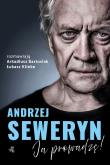
Wywiad rzeka z Andrzejem Sewerynem.
Z jednym z najwybitniejszych polskich aktorów rozmawiają Arkadiusz Bartosiak i Łukasz Klinke. Wśród poruszanych tematów znajdują się zarówno zagadnienia dotyczące świata teatru i filmu, polityki, a także życia prywatnego. Aktor opowiada między innymi o wspomnieniach z dzieciństwa, młodości i początkach pracy artystycznej. Pasjonująca lektura dla wszystkich wielbicieli teatru i filmu.
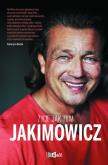
Dzięki roli "Cichego" w "Młodych wilkach" stał się bohaterem popkultury i bożyszczem nastolatek. Nie wpisuje się w żadne ramy, choć jedno jest pewne - kocha życie i ludzi. Jaki naprawdę jest Jarosław Jakimowicz? Aktor, łobuz, kolorowy ptak, biznesmen?
To szczera i subiektywna autobiografia wiecznie uśmiechniętego chłopaka, którego życie nie jest usłane różami. Opowieść o używkach, kulisach show-biznesu, podróżach, miłości i samotności. Autor nie kryje własnych błędów ani wybryków. Od dziecka marzył o kolorowym świecie, sam musiał podejmować ważne decyzje. Żyje według własnych zasad i nie boi się mieć własnego zdania. To barwna historia chłopaka z warszawskiej Woli, który wciąż sięga po marzenia.
"Niektórzy marzą o przygodowym życiu albo piszą o tym książki, kręcą filmy...
Jarek Jakimowicz tak żyje. Jedzie po bandzie, ryzykuje, jest kontrowersyjny. Jeśli pamiętacie młodego wilka o urodzie kalifornijskiego surfera z wielkiego ekranu, bądźcie pewni, że postać fikcyjna to ledwie namiastka brawury w porównaniu z perypetiami życiowymi pierwowzoru. O tym właśnie jest ta opowieść."
Katarzyna Bonda
"Kiedy niedawno do mediów trafiły ostre wypowiedzi Jarka Jakimowicza dotykające spraw politycznych, nie zgadzałem się z nimi. Na szczęście w tej książce nie ma polityki. Jest ona za to całkowicie „politycznie niepoprawna” i z pewnością wielu będzie oburzonych. Intensywna,zaskakująca i kolorowa opowieść, której bohater to uważny, wrażliwy, myślący człowiek." Olaf Lubaszenko
"Jarek to facet z charakterem, często kontrowersyjny, ale to wrażliwy człowiek z rockandrolowym podejściem do rzeczywistości i życiowym spojrzeniem. Jego życie jest jak seans filmowy, w którym będziemy uczestniczyć, czytając tę książkę. Polecam."
Radosław Majdan
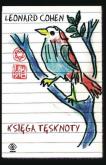
Księga tęsknoty to dziesiąty i zarazem ostatni tom poetycki Leonarda Cohena. Została przetłumaczona na kilkanaście języków w tym na perski, chiński i hebrajski.Leonard Cohen, cieszący się uznaniem na całym świecie poeta i piosenkarz, należy do legendarnych artystów naszych czasów, a jego twórczość nie przestaje zaskakiwać. Księga tęsknoty, jego ostatni tom poezji, piosenek, prozy poetyckiej i rysunków, powstawała w ciągu dwudziestu lat w takich miejscach, jak Mount Baldy w południowej Kalifornii, Los Angeles, Montreal i Bombaj. Książka stanowi kontynuację głośnej Book of Mercy (Księgi miłosierdzia) wydanej w 1984 roku, jednak po raz pierwszy prezentuje intrygujące i zabawne ilustracje autora. Księga tęsknoty zawiera wszystkie elementy, które sprawiły, że fascynująca twórczość Leonarda Cohena zdobyła światowy rozgłos.
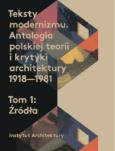
Teksty modernizmu. Antologia polskiej teorii i krytyki architektury 1918-1981 to ujęta w dwóch tomach historia teoretyzowania i przyjmowania na gruncie polskim architektonicznego modernizmu. Tom pierwszy antologii to wybór blisko sześćdziesięciu najciekawszych tekstów źródłowych autorstwa polskich teoretyków i praktyków architektury, które powstały w okresie pomiędzy odzyskaniem przez Polskę niepodległości a karnawałem Solidarności. Znalazły się w nim teksty głównych bohaterów międzywojennej awangardy, najważniejszych teoretyków i praktyków dwudziestolecia, kluczowych postaci socrealizmu i poodwilżowego socmodernizmu, poszukiwaczy i eksperymentatorów z lat 60. i 70. i wreszcie podważających osiągniecia modernizmu kontestatorów z ostatniej dekady PRL-u. Drugi tom jest próbą pokazania sposobów użycia dostarczonego w pierwszym tomie narzędziownika tekstów, zachętą dla Czytelniczek i Czytelników do tworzenia własnych interpretacji, tropienia związków. Wypełniają go krytyczne eseje badaczy polskiego modernizmu – Davida Crowleya, Tomasza Fudali, Doroty Jędruch, Małgorzaty Jędrzejczyk, Aleksandry Kędziorek, Emilii Kiecko, Doroty Leśniak-Rychlak, Grzegorza Piątka, Kamili Twardowskiej, Diany Wasilewskiej, Michała Wiśniewskiego, Łukasza Wojciechowskiego przybliżające teksty pierwszego tomu i pokazujące w jaki sposób mogą być one przydatne i żywe
Miasto jako przedmiot badań naukowych w początkach XXI wieku jest książką dość niezwykłą, i to nie tylko dlatego, że składają się na nią teksty Autorów reprezentujących dwanaście dyscyplin zajmujących się miastem, lecz przede wszystkim dlatego, że jest już trzecią taką publikacją od 1969 roku. Czytelnik, który zada sobie trud dotarcia do poprzednich edycji Miasta jako przedmiotu badań naukowych, będzie mógł prześledzić zmiany zachodzące w teorii i metodach badawczych, jednym słowem – w perspektywie oglądu miasta na przestrzeni blisko pięćdziesięciu lat. Tekst zamykający tom nawiązuje do poprzednich edycji, co umożliwia retrospektywne spojrzenie.
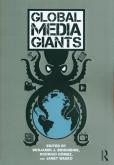
Global Media Giants takes an in-depth look at how media corporate power works globally, regionally, and nationally, investigating the ways in which the largest and most powerful media corporations in the world wield power. Case studies examine not only some of the largest media corporations (News Corp., The Microsoft Corporation) in terms of revenues, but also media corporations that hold considerable power within national, regional, or geolinguistic contexts (Televisa, The Bertelsmann Group, Sony Corporation). Each chapter approaches a different corporation through the lens of economy, politics, and culture, giving students and scholars a thoughtful and data-driven guide with which to interrogate contemporary media industry power.
'You'll never look at your favourite movies and TV shows the same way again. And you shouldn't' Steven Soderbergh
'Insanely readable' Slavoj Zizek
'Your book was ... like a bag of pot, with me saying, 'I'm not gonna smoke.' But I was insatiable' Quentin Tarantino on Easy Riders, Raging Bulls
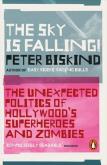
In The Sky is Falling! bestselling cultural critic Peter Biskind takes us on a dizzying ride across two decades of pop culture to show how the TV and movies we love - from Game of Thrones and 24 to Homeland and Iron Man - have taught us to love political extremism. Welcome to a darkly pessimistic, apocalyptic world where winter has come, the dead are walking, and ultra violence, revenge and torture are all in a day's work. Welcome to the new normal.
You'll appreciate this design career guide if:
You're a recent graduate and looking for a job as a designer
You want resume and interviewing advice, as well as tips for working in the design industry
You'd like to learn how to avoid common pitfalls of asserting yourself in the design industry
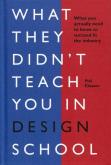
What They Didn't Teach You in Design School by Phil Cleaver provides advice on the stage from graduating, and getting into a studio and staying there as a valued designer, and explores best design practices. Though predominantly serving as a useful guide and bridge in the first year of your career as a designer, it should also be considered an essential tool that can be consulted when you're unsure of what to do next. Begin with the essentials of beginning your design career, like building your resume and portfolio, seeking out opportunities, and preparing for and securing interviews.
More than just helping you get a job, however, this career guide serves to help you succeed in whichever design position you land. Learn how to effectively work with other designers and your own clients, keep up to date with the industry, hone your business skills, and much more. From the day after graduation to the completion of your first year as a design professional, this career guide will help you stay on top of your game.
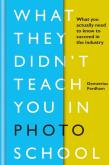
This book won't tell you how to take photographs. It will, though, teach you a much more difficult set of skills: how to be a photographer.
Passing on hard-earned lessons from a successful career in commercial, editorial and lifestyle photography, Demetrius Fordham shows how to snag the best internships and assistant roles, impress at an interview, develop an amazing portfolio, forge strong relationships with clients, and lay the foundations of your own successful career.
Illustrated throughout with Demetrius' own duotone photography, dramatically typeset to appeal to visual thinkers, and presented in an appealing handbook format, this is the book that will launch the careers of the next generation of photographers.
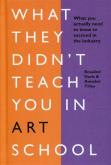
You have the artistic talent, but do you know how to make a success of it? The thing they don't teach you in art school is just how active and engaged you need to be; you'll have to become your own finance, business and marketing manager, as well as a researcher, curator and administrator. What They Didn't Teach You in Art School is the ultimate survival guide to life as an artist, and the perfect springboard for aspiring artists who haven't yet given up the day job. The book provides expert advice, tips and inspiration to help you build a successful career - giving you the opportunity to nurture your true talent.
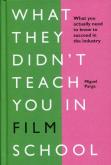
What you actually need to know to succeed in the film industry.
Packed with practical, hard-working tips and advice, this book is a no-nonsense guide on how to get the best out of your film-school education, how to navigate some of the most frustrating moments in an artist's life, and how to keep the inspiration going as you battle your way through the indie filmmaking world. With a fresh design and a grounded, practical approach, this is the crucial companion that will make you, and your work, stand out.
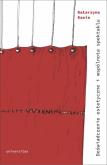
Na czym opiera się współczesna wspólnota? Czy tym, co konstytuuje nasze poczucie przynależności, jest historia, tradycja, wiara w mit? Na czym opieramy swoją tożsamość? W jakim stopniu wynika ona z bycia członkinią lub członkiem jakiejś grupy? Jaką rolę odgrywa w tym spektakl medialny rozgrywający się przed nami i angażujący naszą uwagę właściwie bez większych przerw? Czy spektakl – dzięki globalizacji i nowym elektronicznym mediom – wytwarza szczególny rodzaj powszechnego zaangażowania? A może właśnie zastępuje i przesłania faktyczne uczestnictwo i poczucie bliskości? W kontekście tych pytań istotne staje się zagadnienie doświadczenia estetycznego: na ile zachowuje ono swój transformujący potencjał? Natłok bodźców o charakterze estetycznym może przecież prowadzić do uodpornienia się na ich działanie. Książka Doświadczenie estetyczne i wspólnota spektaklu to próba zmierzenia się między innymi z tymi kwestiami i zarazem omówienie ich w szerokim kontekście teorii filozoficznych odnoszących się do kategorii pozoru, edukacji estetycznej i „słabego myślenia”.
Katarzyna Kasia – filozofka, absolwentka Wydziału Filozofii i Socjologii Uniwersytetu Warszawskiego, stypendystka Ministerstwa Spraw Zagranicznych Republiki Włoskiej i Fundacji Kościuszkowskiej, visiting professor w Princeton University. Wykłada w warszawskiej Akademii Sztuk Pięknych i w Akademii Teatralnej im. Aleksandra Zelwerowicza. Autorka książki Rzemiosło formowania (2008), tłumaczka prac współczesnych włoskich filozofów: Estetyka. Teoria formatywności Luigiego Pareysona oraz Poza interpretacją. Znaczenie hermeneutyki dla filozofii współczesnej i Nie być Bogiem Gianniego Vattimo.
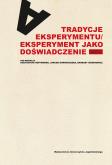
Na książkę składają się teksty dotyczące dwóch zagadnień: tradycji eksperymentu oraz eksperymentu jako doświadczenia. Eksperyment pokazywany jest tu w podwójnym uwikłaniu: sytuuje się go wobec kategorii tradycji (trwania, kontynuacji, dyskontynuacji, nieciągłości i zerwań) oraz wobec kategorii doświadczenia (rozumianego zarówno jako badanie, poznawcze eksploracje, jak i jednostkowe przeżycie). Zatem zasadniczy zrąb publikacji zostaje wyznaczony przez triadę „eksperyment - doświadczenie - tradycja". Autorzy kolejnych szkiców próbują ukazywać rozmaite związki między awangardową przeszłością i tradycyjnym myśleniem o nurtach eksperymentujących a nowszymi, bardziej współczesnymi sposobami przejawiania się gestów buntowniczo-zmianotwórczych.
Rozdziały monografii pomyślane zostały w sposób zasługujący na najwyższe pochwały. Stanowią one dowód na to, że zajmowanie się awangardą w XXI wieku może przynieść wiele inspirujących tekstów i nowych odczytań. Autorzy tej monografii dokonują ciekawego poszerzenia terytorium, na którym toczyć się mogą spory i polemiki okołoawanagardowe. Kategorie eksperymentu i doświadczenia, jakie stanowią tu centralne ośrodki problemotwórcze, okazują się przede wszystkim punktami wyjścia do dyskusji nad najbardziej palącymi dzisiaj kwestiami: statusu obiektu artystycznego, jego mocy estetycznej i politycznej, performatywnych i retorycznych aspektów jego wytwarzania, związków językowego i wizualnego. Któż nie dałby się przekonać, że sprawa zanieczyszczonego powietrza jest nadal kluczowa i dla społeczeństwa, i dla jego literatury? Albo autonomia artystyczna - w swojej paradoksalnej, heteronomicznej wersji?
Fragment recenzji dr hab. Anny Kałuży
Utożsamianie kategorii eksperymentu z działalnością awangardową - w jej węższym lub szerszym znaczeniu - z jednej strony sprzyja klasyfikacyjnemu porządkowi, z drugiej jednak niesie z sobą duże niebezpieczeństwo zatarcia terminologicznej wyjątkowości tego, co eksperymentalne. Jednym z możliwych stanowisk byłoby uznanie, że wszystkie praktyki awangardowe są ex definitione eksperymentalne, bowiem motorem ich działania jest, po pierwsze, krytyczna refleksja na temat obowiązującego w danym momencie literackiego standardu (gatunkowego, tematycznego, językowego itd.), po drugie, nastawienie na działanie, gest, koncept bardziej niż na samo dzieło, po trzecie zaś, i to wydaje się nam głównym problemem eksperymentu, obecność teoretycznego zaplecza w postaci odwołania do określonego zestawu wartości estetycznych, nierzadko również etycznych, społecznych czy politycznych. Natomiast czy wszystkie działania, które nazywamy lub nazwalibyśmy eksperymentalnymi, stają się przez to awangardowe? Czy za eksperyment może uchodzić każda aktywność dekanonizująca zastany porządek literacki lub artystyczny?
Fragment wstępu Krzysztofa Hoffmanna, Jakuba Kornhausera, Barbary Sienkiewicz
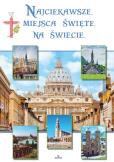
Zjawisko pielgrzymowania jest prawie tak stare, jak historia ludzkości. Już w czasach pogańskich miejsca święte rozsiane były w różnych zakątkach świata. W Kościele katolickim występują niemal od samych początków i mimo historycznych perturbacji do dziś mają trwałą pozycję w duszpasterstwie.
Pierwszą pielgrzymką, uznawaną za prawzór pątnictwa, jest wędrówka Abrahama z Ur do ziemi wskazanej mu przez Boga. Następne było wyjście Izraelitów z Egiptu i ich czterdziestoletnia podróż przez pustynię do Ziemi Obiecanej.
W pierwszych wiekach chrześcijaństwa Kościół z pewną rezerwą odnosił się do pielgrzymowania.
Jednak to w tym okresie zaczęły się nawiedzenia grobów męczenników, z których w przyszłości rozwinęło się pielgrzymowanie. Wszystko zmieniło się za czasów Konstantyna Wielkiego, pierwszego cesarza rzymskiego, który przeszedł na chrześcijaństwo.
Wówczas rozpoczął się intensywny rozwój pielgrzymek. Ich celem stały się przede wszystkim miejsca biblijne, związane z męką Pańską, a także dziecięctwem oraz publiczną działalnością Jezusa Chrystusa. Potem zaczęto również pielgrzymować do ośrodków, w których umieszczano relikwie świętych i męczenników Kościoła.
Dość późno upowszechniły się pielgrzymki do miejsc związanych z osobą Matki Bożej. Dopiero w późnym średniowieczu i w okresie kontrreformacji te szlaki pielgrzymkowe zaczęły zyskiwać
szeroki rozgłos. Z czasem ośrodki maryjne zyskały
nawet pewną przewagę.
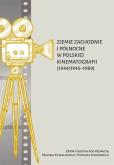
Tematem trzeciego już tomu serii monograficznej – Film. Historia i konteksty są Ziemie Zachodnie i Północne oraz skupiona wokół nich problematyka, widziana przez pryzmat kinematografii. Przez cały okres Polski Ludowej mityczno-symboliczny obraz Ziem Zachodnich i Północnych, życie mieszkańców, ich problemy, codzienność, zachodzące tam procesy i zjawiska społeczne interesowały ludzi kultury – od plastyków, literatów po twórców filmowych. Inspirowało i fascynowało ich właściwie wszystko, między innymi: urokliwe, liryczno-pastelowe pejzaże, topografia tych ziem, życie codzienne mieszkańców, ukazane przez pryzmat jednostki lub szerszej wspólnoty, procesy asymilacyjne, repolonizacyjne. Z biegiem czasu sztampowe, propagandowe produkcje (zwłaszcza dokumenty) zaczęły ustępować miejsca filmom bardziej ambitnym, wewnętrznie skomplikowanym i nie do końca jednoznacznym. W kinie polskim Ziemie Zachodnie i Północne przeszły więc swoistą ewolucję. W okresie stalinowskim zapoczątkowały ją filmy stawiające na poetykę socrealistyczną, stabilizującą nowe poczucie tożsamości i integracji (w momencie olbrzymiego trudu dźwignięcia zrujnowanego kraju). Dopiero lata pięćdziesiąte, należące do tzw. Polskiej Szkoły Filmowej wprowadziły eksperymenty psychologiczne oraz warsztatowe, aby przejść do nowofalowej, trochę swobodniejszej narracji, także do pewnego stopnia uwarunkowanej neomarksistowskim zwrotem ideologicznym w obyczajowości, filozofii, literaturze, architekturze, począwszy od lat sześćdziesiątych, a później już w kolejnych dekadach PRL. Tom studiów przekazany Czytelnikowi ma zadatki oraz aspiracje, aby stać się publikacją pożyteczną, otwierającą kolejne perspektywy do dalszych badań i naukowych dociekań.
Ze wstępu
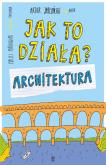
Dlaczego architektura jest jak ubranie? Czy liczba może być złota? Czy można budować bez ścian? Jeśli nurtują Cię te i inne pytania, to ta książka jest dla Ciebie. W Jak to działa? Architektura znajdziesz odpowiedzi na kilkadziesiąt pytań dotyczących architektury. W sposób jasny i prosty zostało wyjaśnione to, co z pozoru skomplikowane, a pomagają w tym zabawne ilustracje. Jak to działa? Architektura to zbiór odpowiedzi na arcytrudne pytania!
Co roku setki maturzystów szturmują progi uczelni architektonicznych z nadzieją spełnienia swoich marzeń i wyobrażeń o architekturze. Kandydaci na architektów wiedzą doskonale, że aby ten szturm dał pozytywny rezultat muszą opanować w możliwie najwyższym stopniu sztukę rysunku. Rysunku, który nie jest tylko zbiorem trików, czy chwytów graficznych, których wyuczenie gwarantuje nauczenie się rysowania. Rysunku – związanego z postrzeganiem i poznawaniem rzeczywistości oraz logicznym myśleniem. Rysunku – wpływającego na kształtowanie osobowości człowieka.
Niniejsza książka porusza zagadnienia teoretyczne i praktyczne związane z rysunkiem – jako narzędziem architekta służącym do obrazowania przestrzeni. Prezentowane zagadnienia oparte są o podstawy rozwojowe człowieka, fizjologię widzenia, psychologię, neurobiologię, historię sztuki, historię rysunku architektonicznego, a przede wszystkim o praktykę rysunkową, projektową i dydaktyczną autorów.
Publikacja zawiera bogaty materiał graficzny, obrazujący omawiane zagadnienia, w tym przykładowe rysunki i szkice projektowe autorów książki, architektów i artystów, akademików reprezentujących najstarszą Szkołę rysunku w Polsce powstałą w 1915 roku na Wydziale Architektury Politechniki Warszawskiej.
Jest skierowana zarówno do przyszłych architektów – uczniów szkół średnich, którzy zamierzają studiować na wydziałach architektury, studentów, architektów jak i wszystkich, których interesuje rysunek. Informacje i porady zawarte w książce mogą być przydatne wszystkim chętnym do nauki i zrozumienia istoty rysunku jako składnika procesów twórczego myślenia i narzędzia obrazowania przestrzeni.
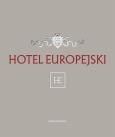
Album Hotel Europejski prezentuje historię jednego z najważniejszych warszawskich hoteli – począwszy od jego powstania aż po czasy współczesne. Losy tego wyjątkowego obiektu przedstawiono na tle burzliwych dziejów Warszawy. Historia hotelu – jego właścicieli, pracowników i gości – jest bowiem nierozerwalnie związana z dziejami stolicy i całego kraju. Znany varsavianista, Jerzy S. Majewski stworzył opowieść niezwykle zajmującą, barwną, bogatą w anegdoty, napisaną lekkim, wartkim stylem, skrzącą się humorem i zabawnymi dygresjami. Album zawiera wiele unikatowych fotografii, rycin, dokumentów dających czytelnikom niepowtarzalną możliwość powrotu do minionych epok. Na zdjęciach z przeszłości możemy podziwiać nieistniejące już zabytki miasta, elementy dawnego hotelowego wystroju, a także eleganckie przyjęcia w Europejskim, sławnych gości – rozpoznamy wśród nich polityków światowego formatu, dyplomatów czy artystów. Bogato ilustrowana książka daje nam również możliwość obejrzenia współczesnych odrestaurowanych wnętrz: holu, lobby, pokoi, apartamentów, spa, słynnej cukierni Lourse’a czy palarni cygar. Hotel Europejski to publikacja dla miłośników historii, architektury, sztuki – tych, którzy pasjonują się dziejami Warszawy i jej najznakomitszymi budowlami.
Ten produkt jest zapowiedzią. Realizacja Twojego zamówienia ulegnie przez to wydłużeniu do czasu premiery tej pozycji. Czy chcesz dodać ten produkt do koszyka?