W tej strefie zapraszamy czytelników tak zwane artystyczne dusze po książki z kategorii Sztuka. Polecamy szereg publikacji o sztuce i jej historii,ciekawostki i portfolia artystów, eseje, albumy, książki o malarstwie, rzeźbiarstwie, architekturze oraz histoii fotografii. Biografie ciekawych artystów, książki i powieści przedstawiające fascynujące losy malarzy i osób uwiecznianych na obrazach. W tym dziale tylko ksiązki ze sztuka w tle.
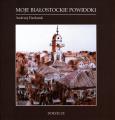
„Moje białostockie powidoki” Andrzeja Fiedoruka to obrazy minionego świata, malowane barwą jasną, przejrzystą i radosną, bo takie powidoki z lat sześćdziesiątych i siedemdziesiątych minionego wieku zapamiętał Autor. Oglądając, w trakcie czytania, zatrzymane w pamięci Pisarza powidokowe klisze, przywołujemy miejsca i zdarzenia a także postacie wrosłe w obraz wiejskiego miasta, jakim był w tamtych czasach Białystok. Nie tylko oddajemy się rozkoszy smakowania chleba z cukrem i śmietaną, smażonych ziemniaków z zsiadłym mlekiem czy świeżynki, ale także poznajemy miejskich oryginałów: Gwizdka, Andrzejka czy Felka eleganta i bywalca. Zaglądamy na Sienny Rynek, Rynek na Bema, idziemy na kocyk z koszyczkiem lub na grzyby do Zwierzyńca, zażyć kąpieli w odkrytym basenie na Nowym Mieście czy wypić kufelek w osławionym barze Zajazd.
Tych ludzi, tych miejsc już nie ma. Białystok dwudziestego pierwszego wieku jest już miastem miejskim. Po mieście ruralnym pozostały powidoki, kontrasty następcze, obrazy świata, do których wracamy z nostalgią i rozrzewnieniem.
Krzysztof Kurianiuk
Niniejsza książka stanowi próbę analizy autentyczności jako wyzwania we współczesności. Ale nie tylko.W książce Autentyczność: stan krytyczny. Problem autentyczności w kulturze XXI wieku tytułowa idea jawi się zarówno jako narzędzie krytyczne, problem z zakresu historii idei, wyzwanie egzystencjalne, projekt estetyczny i artystyczny, jak i ważne zagadnienie polityczne. Transnarodowy i transdyscyplinarny charakter pracy pozwala na ujęcie tych kwestii w możliwie najszerszym wymiarze i postawienie pytań wywodzących się z różnych porządków. Złożoność idei autentyczności jest przez autorkę analizowana zarówno w wymiarze teoretycznym, jak i poszczególnych realizacji artystycznych. Obok krytycznej rewizji dziedzictwa oświecenia pojawiają się odkrywcze interpretacje m.in. performansów Mariny Abramović, serialu Dziewczyny czy współczesnych miejskich utopii. Książka ta stanowi ważny głos w dyskusji toczonej na temat kondycji podmiotu. Skutecznie też przekonuje o nieoczekiwanej aktualności idei autentyczności.
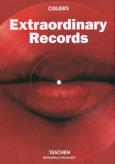
Now available as part of TASCHEN's Bibliotheca Universalis series, this dazzling catalog of vinyl brings new meaning to the "album art." Produced in collaboration with Colors magazine, it brings together over 500 remarkable records from the collection of Alessandro Benedetti and Peter Bastine.
The book forms a junction between photography, music, and design, celebrating vinyl not only for the integrity of sound recording, but also for its artistic potential as a material form. With featured artists including Pink Floyd, The Beatles, Prince, Michael Jackson, Bon Jovi and beyond, it offers compelling insight into the most intricate details of a performer's visual identity, from a flamboyant color to a futuristic mirror effect.
The discs are arranged thematically to span monochrome vinyl; unusual vinyl (including silver, gold or mirror vinyl as well as extremely rare glow-in-the-dark vinyl); multicolored vinyl; etched vinyl (where music is pressed onto only one side); shaped vinyl (cut into forms that are different from the classic round disc); and picture discs (where a photograph or design is stamped onto the surface of the record). Page after page, this kaleidoscopic encyclopedia of game-changing vinyls is a colorful journey through era-defining records and artists.
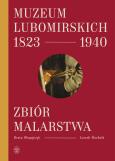
Beata Długajczyk / Leszek MachnikMuzeum Lubomirskich 18231940. Zbiór malarstwaMuzeum Lubomirskich, będące pierwszym muzeum publicznym w Galicji, zgromadziło w ciągu niespełna stu pięćdziesięciu lat istnienia ponad tysiąc trzysta obrazów. Kolekcję stanowiły dzieła dawne i nowe, prace twórców obcych i rodzimych, portrety i widoki, sceny religijne, historyczne i rodzajowe, płótna o znacznych walorach artystycznych i nieledwie amatorskie, składane do muzeum dary oraz obiekty kupowane z myślą o pomnożeniu zbioru.Niniejsza książka jest pierwszym monograficznym opracowaniem historii Muzeum Lubomirskich z okresu jego istnienia we Lwowie. Autorzy skupiają się na zbiorze malarstwa. Korzystając z dostępnych archiwaliów, starają się dowiedzieć, skąd pochodziły poszczególne obrazy i jakimi drogami docierały do placówki, jaki program gromadzenia realizowali kolejni kuratorzy zbioru, jakimi kryteriami posługiwali się przy wyborze dzieł oraz jak przez lata zmieniały się koncepcje i kształt ekspozycji.Wiele miejsca poświęcono również sposobom prowadzenia ksiąg inwentarzowych i katalogów, warunkom przechowywania czy metodom konserwacji, słowem: autorzy próbowali podpatrzeć funkcjonowanie muzeum także od kuchni.Myśl wcale szczęśliwa utworzenia w sali wielkiej galerii doborowej przedmiotów sztuki malarskiej, na co się zupełnie zgadzam.Jerzy Lubomirski, Wiedeń 1871
Dowiedz się, do czego służą i jak działają panele sterownicze
Poznaj funkcje paneli HMI firmy Siemens
Przygotuj do pracy system zarządzania inteligentnym domem domu
W kontakcie z inteligentnym domem
Tak jak do komunikacji między człowiekiem i komputerem służą klawiatura i ekran, tak do porozumiewania się człowieka z linią technologiczną czy skomplikowanym systemem elektronicznym służy panel sterowniczy. W literaturze przedmiotu oraz w praktyce przemysłowej oznacza się go angielskim akronimem HMI (Human-Machine Interface). Panel, mający postać płaskiej powierzchni - dawniej z przyciskami, pokrętłami i licznikami, dziś z wyświetlaczem - pozwala odczytywać komunikaty systemu i wydawać mu polecenia, podłączać urządzenia zewnętrzne oraz wizualizować sam system w formie uproszczonego schematu graficznego.
Ta książka stanowi kompleksowy kurs tworzenia wizualizacji nowoczesnych paneli dotykowych HMI firmy Siemens. Rozdział po rozdziale autor pokazuje funkcje urządzenia, które trzeba poznać, by móc efektywnie wdrożyć projekt do zarządzania inteligentnym domem. Nie oznacza to, że z podręcznika skorzystają jedynie wykonawcy tego typu systemów - aktualnie panele sterownicze znajdują się w praktycznie każdej maszynie realizującej procesy technologiczne lub produkcyjne. Bardzo wiele z nich pracuje pod panelami SIMATIC firmy Siemens.
Konfiguracja i programowanie paneli HMI
Praca z ekranami
Tworzenie scenariuszy (receptury)
Odczytywanie komunikatów (alarmy, raporty)
Zarządzanie użytkownikami
Łączenie większej liczby paneli
Bezpieczeństwo systemu i diagnozowanie problemów
Celebrating the centennial of a groundbreaking School of Art and Design, this volume marks the founding of the Bauhaus with a visual exploration of its most underrated members. While the institution provided women with new opportunities in education, along the way, they were faced with unreasonable family expectations, the ambiguous attitude of the faculty and administration, outdated social conventions, and, ultimately, the political repression of the Nazi regime.
Unprecedented in current literature, Bauhausmädels presents 87 artists and artisans through texts and photographic portraits, many published for the very first time. Recent archival discoveries revive the biographies of better-known talents. In the 1920s, the title “Bauhaus girl” expressed a silent admiration for the young women who courageously eluded traditional gender roles to build a different, creative future. These include Marianne Brandt, the first woman to be admitted to the Bauhaus metalworking program whose designs are used by Alessi to this day; Gertrud Arndt who, dissuaded by the faculty from studying architecture, instead shone through her photography and rug design; and Lucia Moholy, who photographed the Bauhaus buildings in iconic shots, but spent the rest of her life trying to retrieve the negatives which were withheld from her. Moreover, the volume reminds us of other women artists whose names, nearly forgotten, also stand for early pioneers of gender equality, refusing to follow the beaten tracks society and their families insisted on.
With almost 400 portrait photographs taken between 1919 and 1933, Bauhausmädels creates a visual impression of the women artists who attended the most progressive art school of the 20th century and, departing from there, often changed the world of art, architecture, design, and even politics. Biographical data sheds light on each artist’s individual struggle, persistence in the face of adversity, and incredible accomplishments. In this grand family album, we discover a group of unique trailblazers whose legacy paved the way for women artists after them.
Whether you’re thinking of getting a tattoo or just want to see to what lengths others have gone in decorating their bodies, this is the book to check out. This edition of 1000 Tattoos explores the history of the art worldwide via designs and photos—from 19th-century engravings to tribal body art, from circus ladies of the ‘20s to classic biker designs—giving a fascinating insight into the art of tattooing.
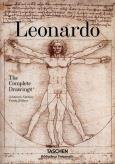
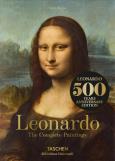
One of the most accomplished human beings who ever lived, Leonardo da Vinci (1452-1519) remains a quintessential Renaissance genius. The perfect companion to the Leonardo Graphic Work edition, this book is a compact catalogue raisonné of all of the artist’s masterful paintings.
Drawn from our best-selling XXL edition, the book traces the artist’s life and work across 10 chapters, presenting all known paintings and drawing on his letters, contracts, diary entries, and writings to explore the man behind such groundbreaking artworks. From Virgin of the Rocks to Virgin and Child with St. Anne to the ever-beguiling Mona Lisa, you’ll find some of the finest treasures of the Louvre, Prado, and National Gallery, London here, as well as Leonardo works lost to time, but no less startling in their precision and poise.
Though numbering just 35 known works, the oeuvre of Johannes Vermeer (1632-1675) is hailed as one of the most important and inspiring portfolios in art history. His paintings have prompted a New York Times best seller, a film starring Scarlett Johansson, and record visitor numbers at art institutions from Amsterdam to Washington.
Vermeer's subjects focus on daily domestic activities, from letter writing to music playing to preparations in the kitchen. The scenes astound with their meticulous detail, majestic planes of light, and with Vermeer's extraordinary ability to draw out narrative intrigues. In such beloved paintings as Lady Standing at a Virginal, A Lady Writing a Letter with Her Maid and, most famously, the enigmatic, wide-eyed, and enchanting Girl with a Pearl Earring, Vermeer evokes not only the effects of substance and texture, but also the many stories and secrets that reside beneath the surface.
Featuring all Vermeer's known works and succinct, accessible texts, this essential introduction explores Vermeer's leading place in art history and his unique ability to transform oil paint into a living, breathing scene of human life.
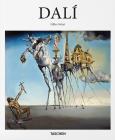
Painter, sculptor, writer, filmmaker, and all-round showman Salvador Dalí (1904–1989) was one of the 20th century’s greatest exhibitionists and eccentrics. One of the first artists to apply the insights of Freudian psychoanalysis to art, he is celebrated in particular for his surrealist practice, with such conceits as the soft watches or the lobster telephone, now hallmarks of the surrealist enterprise, and of modernism in general.
Dalí frequently described his paintings as “hand-painted dream photographs.” Their tantalizing tension and interest resides in the precise rendering of bizarre elements and incongruous arrangements. As Dalí himself explained, he painted with “the most imperialist fury of precision,” but only “to systematize confusion and thus to help discredit completely the world of reality.”
Revolutionizing the role of the artist, the mustache-twirling Dalí also had the intuition to parade a controversial persona in the public arena and, through printmaking, fashion, advertising, writing, and film, to create work that could be consumed and not just contemplated on a gallery wall.
This book explores both the painting and the personality of Dalí, introducing his technical skill as well as his provocative compositions and challenging themes of death, decay, and eroticism.
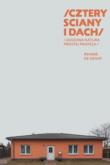
Cztery ściany i dach to porywająca, oparta na tragikomicznych doświadczeniach autora relacja o współczesnych realiach zawodu architekta, utraconych ideałach architektury, fałszywych pretensjach jej twórców i całkowitym uzależnienia profesji od globalnej gry rynkowej.
De Graaf w swoich przesyconych gorzkim humorem zapiskach rysuje obraz świata w pierwszych dekadach XXI wieku. Pozwala podejrzeć korytarze władzy w Moskwie, Dubaju i Londynie, szuka ginących śladów po programach budownictwa społecznego w St. Louis i na przedmieściach Nowego Jorku, zderza urojenia na temat smart city z ponurymi realiami megamiast globalnego Południa. Demaskuje bezradność architektów skazanych na konflikt interesów – obsługiwanie sił, którym należałoby stawić opór. Rosyjscy oligarchowie i szejkowie z Emiratów, pazerni deweloperzy i cyniczni konsultanci, politycy i miotający się w sieci zależności architekci budują razem świat, w którym nigdy nie wiadomo, kto pociąga za sznurki.
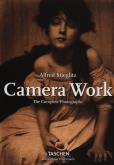
Photographer, writer, publisher, and curator Alfred Stieglitz (1864-1946) was a visionary far ahead of his time. Around the turn of the 20th century, he founded the Photo-Secession, a progressive movement concerned with advancing the creative possibilities of photography, and by 1903 began publishing Camera Work, an avant-garde magazine devoted to voicing the ideas, both in images and words, of the Photo-Secession. Camera Work was the first photo journal whose focus was visual, rather than technical, and its illustrations were of the highest quality hand-pulled photogravure printed on Japanese tissue. This book brings together all photographs from the journal's 50 issues.
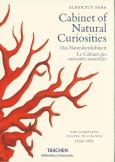
Albertus Seba’s Cabinet of Curiosities is one of the 18th century’s greatest natural history achievements and remains one of the most prized natural history books of all time.
Though it was common for men of his profession to collect natural specimens for research purposes, Amsterdam-based pharmacist Seba (1665–1736) had a passion that led him far beyond the call of duty. His amazing, unprecedented collection of animals, plants, and insects from all around the world gained international fame.
In 1731, after decades of collecting, Seba commissioned illustrations of each and every specimen and arranged the publication of a four-volume catalogue detailing his entire collection—from strange and exotic plants to snakes, frogs, crocodiles, shellfish, corals, insects, butterflies, and more, as well as fantastic beasts, such as a hydra and a dragon.
This superb, complete reproduction is taken from a rare hand-colored original. The introduction offers background information about the fascinating tradition of the cabinet of curiosities to which Seba belonged and an additional annex, written by contemporary biologists, provides descriptions of the marvelous and myriad specimens.
Ten produkt jest zapowiedzią. Realizacja Twojego zamówienia ulegnie przez to wydłużeniu do czasu premiery tej pozycji. Czy chcesz dodać ten produkt do koszyka?