W tej strefie zapraszamy czytelników tak zwane artystyczne dusze po książki z kategorii Sztuka. Polecamy szereg publikacji o sztuce i jej historii,ciekawostki i portfolia artystów, eseje, albumy, książki o malarstwie, rzeźbiarstwie, architekturze oraz histoii fotografii. Biografie ciekawych artystów, książki i powieści przedstawiające fascynujące losy malarzy i osób uwiecznianych na obrazach. W tym dziale tylko ksiązki ze sztuka w tle.
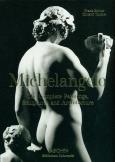
Before reaching the tender age of 30, Michelangelo Buonarroti (1475-1564) had already sculpted Pieta and David, two of the most famous sculptures in the entire history of art. As a sculptor, painter, draftsman, and architect, the achievements of this Italian master are unique-no artist before or after him has ever produced such a vast, multifaceted, and wide-ranging oeuvre.
This fresh TASCHEN edition traces Michelangelo's ascent to the cultural elite of the Renaissance. Ten richly illustrated chapters cover the artist's paintings, sculptures, and architecture, including a close analysis of the artist's tour de force frescoes in the Sistine Chapel.Full-page reproductions and enlarged details allow readers to appreciate the finest details in the artist's repertoire, while the book's biographical essay considers Michelangelo's more personal traits and circumstances, such as his solitary nature, his thirst for money and commissions, his immense wealth, and his skill as a property investor.
A good logo can glamorize just about anything. Now available in our popular Klotz format, this sweeping compendium gathers diverse brand markers from around the world to explore the irrepressible power of graphic representation. Organized into chapters by theme, the catalogue explores how text, image, and ideas distill into a logo across events, fashion, media, music, and retailers.
Featuring work from both star names and lesser-known mavericks, this is an excellent reference for students and professionals in design and marketing, as well as for anyone interested in the visuals and philosophy behind brand identity.
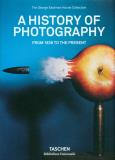
George Eastman's career developed in a particularly American way. The founder of Kodak progressed from a delivery boy to one of the most important industrialists in American history, and a crucial innovator in photographic history.
Eastman died in 1932, and left his house to the University of Rochester. Since 1949 the site has operated as an international museum of photography and film, and today holds the largest collection of its kind in the world, containing over 400,000 images and negatives-among them the work of such masters as Alfred Stieglitz, Edward Steichen, and Ansel Adams.
Home also to 23,000 cinema films, five million film stills, one of the most important silent film collections, technical equipment and a library with 40,000 books on photography and film, the George Eastman House is a pilgrimage site for researchers, photographers, and collectors from all over the world. This volume curates the most impressive images from the collection in chronological order to offer an incomparable overview of photographic history.
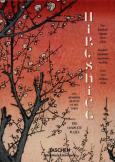
Utagawa Hiroshige (1797-1858) was one of the last great artists in the ukiyo-e tradition. Literally meaning "pictures of the floating world," ukiyo-e was a particular genre of art that flourished between the 17th and 19th centuries and came to characterize the Western world's visual idea of Japan. In many ways images of hedonism, ukiyo-e scenes often represented the bright lights and attractions of Edo (modern-day Tokyo): beautiful women, actors and wrestlers, city life, and spectacular landscapes.
Though he captured a variety of subjects, Hiroshige was most famous for landscapes, with a final masterpiece series known as "One Hundred Famous Views of Edo" (1856-1858), which depicted various scenes of the city through the seasons, from bustling shopping streets to splendid cherry orchards.
This reprint is made from one of the finest complete original sets of woodblock prints belonging to the Ota Memorial Museum of Art in Tokyo. It pairs each of the 120 illustrations with a description, allowing readers to immerse themselves in these beautiful, vibrant vistas that became paradigms of Japonisme and inspired Impressionist, Post-Impressionist and Art Nouveau artists alike, from Vincent van Gogh to James McNeill Whistler.
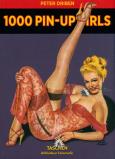
"Girls, Gags & Giggles," ran publisher Robert Harrison's recipe for dishing up pin-up to the American male. Men loved his tasty dishes, a mixture of strippers and starlets dressed in outfits so fetishistic no one noticed they were never nude. While other magazines delivered the girl next door, Harrison's publications banked on bad girls in satin and leather, fishnet stockings, and six-inch heels performing slapstick stunts straight from the burlesque stage.
Harrison lured his readers in with vibrantly painted covers by top pin-up artists Earl Moran, Billy DeVorss and, most famously, Peter Driben. This Bibliotheca Universalis edition celebrates this eye-catching candy with every single cover from Beauty Parade, Wink, Titter, Eyeful, Flirt, and Whisper, from 1942 to 1955, as well as interior spreads, featuring, among others, a budding Bettie Page. In an age when far more graphic material is the norm, 1000 Pin-Up Girls celebrates an era of pin-up and pulp style to fuel your erotic imagination.
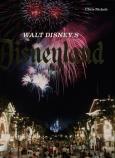
Discover the story of Disneyland, Walt Disney’s visionary theme park in Anaheim, California. This bountiful visual history includes stunning color photographs, concept drawings, as well as ephemera from the historical collections of the Walt Disney Company and the golden age of photojournalism, to trace the park’s development and immersive world of magic and wonder, from Main Street, U.S.A. to Tomorrowland.
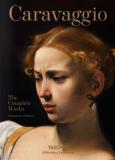
Caravaggio, or more accurately Michelangelo Merisi da Caravaggio (1571–1610), was always a name to be reckoned with. Notorious bad boy of Italian painting, the artist was at once celebrated and controversial: violent in temper, precise in technique, a creative master, and a man on the run. Today, he is considered one of the greatest influences in all art history.
This Bibliotheca Universalis edition offers a neat and comprehensive Caravaggio catalogue raisonné. Each of his paintings is reproduced from recent top-quality photography, allowing for a vivid encounter with the artist’s ingenious repertoire of looks and gestures, as well as numerous detail shots of his boundary-breaking naturalism. Five accompanying chapters trace the complete arc of Caravaggio’s career from his first public commissions in Rome through to his growing celebrity status and trace his tempestuous personal life, in which drama loomed as prominently as in his canvases.
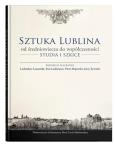
Ze zgromadzonych w książce tekstów wyłania się spojrzenie na dziedzictwo artystyczne Lublina poszczególnych epok historycznych w duchu podsumowania dotychczasowych ustaleń badawczych. Zarazem wiele z prac podkreśla decydujące osiągnięcia i zjawiska, które wyznaczały dynamikę przemian tkanki urbanistycznej i artystycznej miasta. W ten sposób opracowanie to w pewnym stopniu wydobywa tzw. węzłowe okresy dla przemian i rozwoju sztuki Lublina, które określiły jej charakter i jako takie stanowią najważniejsze punkty odniesienia dla zrozumienia palimpsestowej struktury dziedzictwa artystycznego miasta. Zdajemy sobie sprawę, że wiele wątków z tej bogatej historii zostało pominiętych czy omówionych przyczynkowo, w duchu postulatów zachęcających do podjęcia badań szczegółowych. Mając świadomość wybiórczego charakteru poszczególnych tematów, niniejszą publikację traktujemy więc jako przyczynek do wyznaczenia kolejnych obszarów badawczych oraz jako próbę spojrzenia na znane tematy w perspektywie nowoczesnych badań i metodologii. Mamy też nadzieję, że oddawana dziś do rąk Czytelników publikacja zainicjuje nowy etap dyskusji nad spuścizną artystyczną Lublina i wskaże kolejne perspektywy badań na przyszłość.Od Redakcji (fragment)
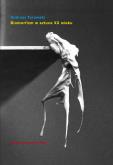
Biomorfizm w sztuce, choć mówi się o nim od niemal wieku, nie stał się jak dotąd kategorią opisową historii sztuki, nie znalazł się wśród narzędzi wyjaśniających zjawiska lub procesy artystyczne, trudno więc wskazać jego szerszą rolę w powiązaniu z systemem wartości estetycznych. Nie umieścił się w ramach jakiejkolwiek politozy. Nie chcę powiedzieć, że nie pojawił się nigdy w kontekście tych problemów, niemniej jednak pozostawał zawsze na ich marginesie. Pragnę skomplikować tę sytuację, a tym samym odsłonić potencjał krytyczny biomorfizmu, który wynika z jego marginalnej pozycji jako „obcego” wtrętu na gruncie humanistyki oraz jako Innego, zagrażającego dyscyplinarnej czystości historii sztuki. [ze Wstępu]
Książka Andrzeja Turowskiego opisuje fascynację artystów XX wieku formami biologicznymi, a także związek między ruchami awangardowymi a rozwojem nauk przyrodnicznych, od ekspresjonizmu i formalizmu, poprzez surrealizm, po ostatnie rzeźby Aliny Szapocznikow. To naukowe studium, osadzone w szerokim kontekście antropologicznym i kulturowym, miejscami zmienia się jednak w osobisty esej o nieograniczonej płodności materii.
Dofinansowano ze środków Ministra Kultury i Dziedzictwa Narodowego, pochodzącego z Funduszu Promocji Kultury
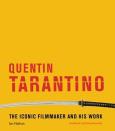
Get an intimate look at the cult filmmaker of our generation. Packaged in a handsome slipcase and loaded with stunning pictures from the Kobal archives, this biography explores the genesis of Tarantino's unique directorial style and provides insight into his inspirations and his frequent collaborations with favoured actors. An 8-page foldout timeline presents Tarantino’s entire filmography in the heart of the book.
Through in-depth and informative text written by renowned film journalist Ian Nathan, this book examines the entirety of Tarantino's work, including his early writing on screenplays such as True Romance and Natural Born Killers, his break-out directorial debut Reservoir Dogs and the career-defining Pulp Fiction, as well as his later iconic films, such as Kill Bill Volumes 1 and 2, Inglourious Basterds and Django Unchained. You'll also go behind the scenes of Tarantino's latest epic, Once Upon a Time in Hollywood. As you make your way through Tarantino's incredible career, discover what inspired him, his working methods and the breadth of his talent.
With a visually arresting design that mimics Tarantino's approach to film-making and chapters organized by film, the pages are brimming with images taken on set and behind the scenes.
This is the ultimate celebration for any Tarantino fan.
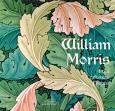
Revised edition of the bestselling backlist title. William Morris was an outstanding character of many talents, being an architect, writer, social campaigner, artist and, with his Kelmscott Press, an important figure of the Arts and Crafts movement. Many of us probably know him best, however, from his superb furnishings and textile designs, intricately weaving together natural motifs in a highly stylized two-dimensional fashion influenced by medieval conventions. Following on from the bestselling success of Art Nouveau, Art Deco and Alphonse Mucha, of the same series, this delightful new book offers a survey of his life and work alongside some of his finest decorative work. It is a richly beautiful book.
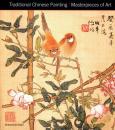
Traditional Chinese painting is one of the purest art forms in existence, continuing as it does the techniques and themes that have been employed over centuries to create the most exquisite works in ink and wash. Whether meticulously realist or vibrantly expressive, often expertly combining skilful calligraphy with stunning draughtsmanship, these works all pay homage to what went before them. Focusing on classical painting, especially the colour-infused work of the Ming (1368–1644) and Qing dynasties (1644–1912), this delightful book reveals the fascinating history of Chinese painting. From Dai Jin to Ma Quan; from dramatic mountainscapes and tranquil rivers, through intricate and vivid depictions of animals and flowers, to peaceful pastoral scenes and busy tableaux of court life, the engaging text and lush reproductions ensure an enchanting read.
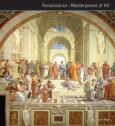
A digestible introduction to the background and history of the Renaissance is followed by a gallery of treasured works focusing on the most popular Italian art, from Giotto's frescoes and Fra Angelico's delightful Annunciation, to Botticelli's willowy Venuses, that ceiling of Michelangelo's and the master of Venetian painting, Titian.
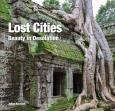
Ancient civilisations in Vietnam, the lost cities of the Amazon, the cities and towns of humankind have fought for space against the overwhelming power of nature. We think we’ve mastered it, but discoveries across the world show abandoned cities, their proud buildings now flooded, overtaken by the forests, nature taking back what once was its own, with the slow, relentlessness of time. But there are modern places too, towns built by corrupt local officials that were never occupied, amusement parks closed due to terrible tragedy, settlements sinking ineluctably into the mud, cities destroyed by radiation, these are the remnants of a generation, an entire society wiped from the earth, leaving only dismembered traces of memory. This exotic, powerful new book evokes the eerie, haunted places that retain small touches of humanity: a car with only one wheel, a battered doll, torn shirts on a washing line, a broken ferris wheel, all of them are shattered dreams that dwell now only in the imagination.
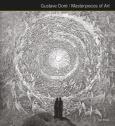
An artist who worked across many media, the multi-skilled Gustave Dore remains unequalled as a supremely talented illustrator, whose detailed and imaginative engravings for major works of literature - from Cervantes's Don Quixote to Dante's Divine Comedy, and even the Bible - have hugely influenced the way we see many cultural and literary characters and still inspire today (David Beckham has a tattoo on his chest of Dore's The Agony in the Garden).
This sumptuous new introduction to the artist focuses on these illustrations, first introducing you to his life, work and the rich seam of illustration history that he continued and ignited, from Blake and Fuseli to today's newspaper comics, before presenting a carefully curated thematic selection of his finest and most important engravings. From his vision of Jacob Wrestling with the Angel to Crossing the River Styx, the work of this most prodigious and much borrowed-from artist is represented in glorious full-page reproductions.
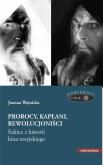
Książka Joanny Wojnickiej, choć podejmuje tematy pozornie mocno zróżnicowane, jest merytorycznie zwarta. Kolejne rozdziały prowadzą czytelnika przez różne okresy historii kina radzieckiego i rosyjskiego, uzmysławiając jego swoistą jednolitość, spójność, zarazem wewnętrzne zróżnicowanie, zarówno w porządku diachronicznym, jak i synchronicznym. Struktura książki ma układ chronologiczny, można ją czytać wszakże również w inny sposób. Zamysł Autorki polega bowiem także na tym, by opowiadając o kolejnych okresach, jak również przemianach w kinie rosyjskim i radzieckim, przyglądać się powtarzającym się zagadnieniom, wśród których można wymienić między innymi problem fałszowania pamięci historycznej, relację polityki i kultury, wpisanie kina w kulturę rosyjską z jej wielkimi tematami, losy poszczególnych filmów i twórców. Wszystkie teksty stanowią świadectwo niepowszedniej erudycji Autorki, w pierwszej kolejności doskonałej znajomości kina rosyjskiego i radzieckiego.
[Z recenzji prof. Piotra Zwierzchowskiego]
Joanna Wojnicka, historyk filmu, pracownik Instytutu Sztuk Audiowizualnych Uniwersytetu Jagiellońskiego.Zajmuje się historią kina europejskiego, w tym rosyjskiego i sowieckiego, a także związkami kina z innymi sztukami, przede wszystkim literaturą i teatrem. Autorka książek: Świat umierający. O późnej twórczości Luchino Viscontiego (2001), Słownik wiedzy o filmie (razem z Olgą Katafiasz, 2005, 2009), monografii sowieckiego kina odwilżowego Dzieci XX Zjazdu. Film w kulturze sowieckiej lat 1956–1968 (2012, nominacja PISF dla najlepszej książki roku), Historia filmu. Od Edisona do Nolana (wraz z Rafałem Syską, 2015). Redaktorka (wraz z Grażyną Stachówną) tomu Autorzy kina europejskiego (2003) oraz Autorzy kina polskiego (2004). Zredagowała tom Od Puszkina do Brodskiego. Adaptacje literatury rosyjskiej (2017). Opublikowała ponad czterdzieści artykułów w czasopismach i książkach zbiorowych, w tym rozdziały poświęcone historii kina rosyjskiego i sowieckiego w czterech tomach Historii kina (Kino nieme, 2009; Kino klasyczne, 2011; Kino nowofalowe, 2015, Kino końca wieku, 2019).
Kurz i krew"" to tytuł najnowszej, trzeciej płyty zespołu Mjut. Tym razem grupa przygotowała koncepcyjny album opowiadający o różnych aspektach rozstania; jego przyczynach, trudnych przejściach i bolesnych konsekwencjach. Nie jest to jednak zbiór piosenek wyłącznie smutnych, a niektóre z nich, takie jak singlowy ""Piotruś pan"" czy ""Wszystkich świętych"", są wręcz lekkie i zabawne. Tym razem zespół zaprosił do współpracy Pawła Cieślaka, producenta i realizatora, który znacząco wzbogacił i urozmaicił brzmienie nowego materiału. Na płycie ""Kurz i krew"" Mjut kontynuuje kierunek obrany na drugim albumie, pozostając zespołem piosenkowym, śmiało łączącym gitary z elektroniką.
Ten produkt jest zapowiedzią. Realizacja Twojego zamówienia ulegnie przez to wydłużeniu do czasu premiery tej pozycji. Czy chcesz dodać ten produkt do koszyka?