W tej strefie zapraszamy czytelników tak zwane artystyczne dusze po książki z kategorii Sztuka. Polecamy szereg publikacji o sztuce i jej historii,ciekawostki i portfolia artystów, eseje, albumy, książki o malarstwie, rzeźbiarstwie, architekturze oraz histoii fotografii. Biografie ciekawych artystów, książki i powieści przedstawiające fascynujące losy malarzy i osób uwiecznianych na obrazach. W tym dziale tylko ksiązki ze sztuka w tle.
Ta książka rewolucjonizuje nasze rozumienie sztuki!Denis Dutton jako pierwszy w dziejach filozof sztuki łączy dwie, wydawałoby się, odległe dziedziny sztukę i nauki ewolucyjne. Dowodzi, że ludzkie preferencje estetyczne nie są jedynie konstrukcjami społecznymi, lecz uniwersalnymi, międzykulturowymi cechami ewolucyjnymi, ukształtowanymi przez dobór naturalny i płciowy. Odwołując się do spuścizny Karola Darwina oraz jego kontynuatorów, a także korzystając z ustaleń m.in. ewolucyjnej teorii literatury, wskazuje nowe drogi wyjaśnienia wielu istotnych zagadnień współczesnej filozofii sztuki. Pomaga mu w tym doskonała orientacja w odkryciach współczesnej etologii, psychologii i antropologii ewolucyjnej, przy jednoczesnej wnikliwej i wszechstronnej wiedzy z zakresu historii i teorii sztuki.Ta książka wyznacza przyszłość humanistyki aby zrozumieć naturę ludzką, łączy estetykę i krytykę z naukami kognitywnymi i biologicznymi. Denis Dutton robi w tej kwestii więcej niż ktokolwiek z żyjących. Z jego erudycją, wnikliwością i ujmującym stylem, Dutton wnosi wyrazisty i oryginalny wkład do tej ekscytującej nowej dyscyliny. Steven Pinker, autor książek Jak działa umysł i Zmierzch przemocy.Przeczytajcie książkę Duttona: jego mistrzowska wiedza na temat sztuki oraz przykuwająca uwagę proza czynią z niej prawdziwie piękną rzecz. ""NewsweekDenis Dutton w swej prowokacyjnej książce przekonuje, że ludzie na całym świecie w niesamowity sposób napędzają się do tworzenia pięknych rzeczy. Ta książka powinna stać się przedmiotem podziwu za jej próbę zasypania przepaści pomiędzy sztuką i nauką. ""Washington Post""
W drugim tomie Rozmów obrazów obrazy połączono są ze sobą za sprawą artystycznych wyzwań i środków wyrazu. Są to nie tylko kwestie koloru, światła i faktury, ale też perspektywa oraz optyczne i iluzjonistyczne triki.Zabawy polegające na oszukaniu widza, tak aby nie wiedział, gdzie kończy się świat realny, a gdzie zaczyna namalowany. Przedstawione są popisy artystycznej wirtuozerii wykonane za pomocą anamorfozy, a także próby namalowania niemożliwego, jak o odwzorowywaniu burzy napisał Pliniusz Starszy.Kluczem doboru obrazów w pierwszym tomie były tematy, motywy i ich reinterpretacje, w drugim natomiast są to głównie środki malarskie. To jednak tylko arbitralny klucz, sposób na połączenie ze sobą dzieł powstałych w różnych ośrodkach lub w odległych od siebie epokach. W istocie bowiem tematu i sposobu jego wykonania nie da się rozdzielić. Emocje widza są budowane zarówno za pomocą tego, co jest przedstawione, jak i tego, jak to jest zrobione.Zebrane w obu tomach eseje są zaproszeniem do samodzielnego patrzenia i gry skojarzeń. W historii sztuki nie ma jednej właściwej interpretacji poszczególnych dzieł. Jest tyle obrazów, ilu odbiorców. Sztuką należy się cieszyć niezależnie od posiadanej wiedzy. Wystarczy tylko mieć odwagę.
Muzyka nie tylko odpręża i jest panaceum wybawiającym od smutków, to przede wszystkim źródło, które pozwala uzdrawiać nasz mózg i ciało. Według badań naukowych jest ona skutecznym narzędziem w terapii wielu chorób i schorzeń. Pomaga w powrocie do zdrowia osobom po udarze mózgu, chorym na Alzheimera, autyzm czy będących w śpiączce. Autor - światowej sławy neurobiolog, wyjaśnia, jakie uzdrawiające działanie na nasz mózg wywiera muzyka i w jakim stopniu wpływa na naszą inteligencję, przyswajanie obcego języka u dzieci czy wykorzystanie jej w terapiach medycznych. Opisuje również uzdrawiające działanie muzyki w leczeniu zaburzeń neurologicznych i psychicznych. Odkryj i poczuj uzdrawiającą moc muzyki.
Monografia z serii Zabytki Poznania poświęcona Collegium Maius. Autorzy, Maciej Michalski i Zenon Pałat, prezentują dzieje powstania, architekturę, program ideowy oraz funkcjonalny siedziby pruskiej Komisji Kolonizacyjnej przy obecnej ul. Fredry w Poznaniu oraz historię gmachu od 1918 roku do współczesności. Na kartach książki omówiono przekształcenia, zmiany funkcji budynku, przebudowy, powojennej odbudowy oraz późniejszych remontów. Tekst jest bogato ilustrowany ikonografią archiwalną i zdjęciami współczesnymi Piotra Skórnickiego.
W każdym człowieku tkwi piękno, które można wydobyć na fotografii. Dobre zdjęcia portretowe urzekają, przykuwają uwagę i budzą emocje - niezależnie od tego, czy zostały wykonane w plenerze, czy w pomieszczeniu. Jeśli masz za sobą próby fotografowania ludzi, pewnie już wiesz, że aby tworzyć wyjątkowe portrety, trzeba posiąść sporą wiedzę. Jeśli się nie ma czasu na wyczerpujące studiowanie trudnych książek, najlepiej znaleźć mentora, który zdradzi swoje sekrety i wyjaśni wszystkie ważne sprawy: jak przygotować sprzęt, jak się zabrać do robienia zdjęć i jak je retuszować. Teraz masz okazję uczyć się od prawdziwego mistrza fotografii portretowej!W tej niezwykłej książce znajdziesz całą wiedzę, jakiej potrzebujesz do tworzenia wspaniałych portretów w naturalnym oświetleniu. Opisano tu sekrety warsztatu, sprawdzone techniki i triki profesjonalistów. Omówiono kwestie potrzebnego sprzętu, ustawień aparatu fotograficznego i późniejszego edytowania zdjęć. Dowiesz się, jak portretować w świetle wpadającym przez okno, jak radzić sobie z ostrym światłem w plenerze i jak fotografować w trudnych warunkach. Na pewno spodobają Ci się wskazówki dotyczące retuszu i... gotowe receptury na zdjęcia portretowe. Układ książki ułatwia odnajdywanie potrzebnych informacji: na jednej stronie omówiono tylko jeden temat!Najciekawsze zagadnienia:sekrety uzyskiwania wyrazistej ostrości zdjęć portretowychporady dotyczące ustawień aparatu najlepszych dla fotografii portretowychtajniki panowania nad światłem, również ostrym i jaskrawymtechniki separacji planów i miękkiego rozmywania tłacenne (dosłownie!) wskazówki dotyczące wyboru sprzętu i akcesoriówNie znajdziesz lepszej publikacji o fotografowaniu ludzi!
Czym jest Street Art? Kto ją tworzy? Dlaczego artyści porzucają zaciszne pracownie i wychodzą ze swoją twórczością na ulicę? Kiedy graffiti jest dziełem sztuki, a kiedy aktem zwykłego wandalizmu? Kto za tym stoi? – na te i wiele innych pytań odpowiada Alessandra Mattanza w albumie prezentującym dwudziestu największych streetartowców świata. W niepowtarzalnych wywiadach ujawnia sekrety stojące za ich wielką przygodą oraz prezentuje najsłynniejsze na świecie dzieła. Miłość do sztuki ulicznej, zwanej z angielska street artem oraz do graffiti jest instynktowna: na odbiór tej sztuki nie ma wpływu charyzma autora, często anonimowego, opinia szanowanego krytyka sztuki ani nawet cena biletu wstępu na wystawę. Działa tu tylko pierwotna siła, jak wtedy, gdy nagle spotkamy czyjś wzrok. Czysta chemia, miłość od pierwszego wejrzenia, połączenie dusz znajdujących się przypadkiem pośród nieskończonych możliwości ludzkiego uniwersum. Street art zawojował świat, nie zważając na bariery językowe, kulturowe czy religijne, a przede wszystkim ograniczenia ekonomiczne. Sztuka uliczna dociera do każdego zakamarka na Ziemi, nawet najbardziej zapomnianego, ponieważ przemawia wprost do serc ludzkich. I w tym właśnie tkwi jej szczególna siła – jest dostępna dla wszystkich jako skrajnie demokratyczna forma sztuki. Street art jest wolny, dziki i zmysłowy. I tak jak dzikie zwierzęta polują na swe ofiary, tak samo streetartowcy starannie dobierają miejsca i czekają na właściwy moment, aby całkowicie oddać się pierwotnemu instynktowi tworzenia. Niektórzy są zwinni i szybcy, działają w ciągu kilku minut; innym potrzeba więcej czasu na ukończenie swoich dzieł. /…/ Uderzające jest to, że wielu streetartowców i grafficiarzy wykazuje się niecodzienną odwagą i brawurą - cechami ludzi wielkich. Są nosicielami autentycznej rewolucji w sztuce, której daleko jeszcze do finału. Ta rewolucja dopiero się rozkręca, a już zawojowała tych, którzy początkowo nawet nie chcieli o niej słyszeć – szefów wielkich instytucji, muzeów i galerii. Długo udawali, że ten temat nie istnieje, aż w końcu okazało się, że street artu nie sposób już dłużej ignorować. Ale nawet teraz, gdy streetartowcy zdobyli powszechne uznanie, wielu z nich decyduje się, by nadal pracować potajemnie, gdzieś na marginesie społeczeństwa. Dlaczego? Aby zmieniać świat, inspirować innych, za pomocą pędzla, farby w sprayu i szablonu zapoczątkować epokę w sztuce, w której wszyscy będą prawdziwie wolni.
Płyta przygotowana zarówno z myślą o tych, którzy wychowali się na muzyce lat siedemdziesiątych dwudziestego wieku, jak i o tych, którzy chcą dowiedzieć się, czego kiedyś słuchali ich rodzice. Wtedy królowali m.in. Krzysztof Krawczyk, Czesław Niemen, zespół Skaldowie, Maryla Rodowicz, Anna Jantar, grupa Happy End, wielki Marek Grechuta oraz Irena Jarocka. Przeboje tych wszystkich artystów udało się zgromadzić w jednym miejscu, na jednej płycie.
In 1960, childhood friends Keith Richards and Mick Jagger reconnected by chance on a train. More than 45 years later, the Rolling Stones remain superstars in the fickle world of rock 'n' roll. This collection of photographs provides a unique record of the band before they became the icons of rock. Most of these images have never been published before, making this book a must-have for the Stones' legion of fans.
In the band's fledgling days, photographer Bent Rej enjoyed unique access to the group, entering their circle of trusted friends. He was invited on the Stones' first full European outing, the Satisfaction tour. These extraordinary photographs reveal a pivotal time in the history of rock. While reveling in the first fruits of popular success, the Stones were nevertheless unaware of what the future would hold. Only hindsight tells us that at this point they were perched on the edge of the heights (or abyss) of superstardom.
Surprising, charismatic, scandalous, intense and reckless, here are the early Stones as never seen before.
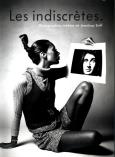
Jeanloup Sieff was the complete photographer, gifted in every arena of the medium - from fashion and advertising to reportage, portraiture and landscape photography. While he worked for all of the great fashion magazines of his day, including Elle, Vogue, Esquire, Glamour and Harper's Bazaar, and was even responsible for an infamous Yves Saint Laurent perfume advertisement that showed the designer in the nude, he also reported on the death of Pope Pius XII and a Belgian miner's strike; sought out huge, uninhabited panoramas in Scotland and Death Valley; made portraits of dancers with the Paris Opera Ballet and won a host of awards, including France's Grand Prix National de la Photographie. With his characteristic sense of humor and lighthearted approach, Sieff often referred to himself in the context of his commercial work, claiming to be "superficial and droll," and writing that, "My pictures are little black and white pebbles that I dropped on my way to adulthood, meant for leading me back to my adolescence." In fact, left an astonishingly rich collection of works created from the 1950s until the turn of the twenty-first century. He was a prodigiously productive artist overtaken by the speed of the medium and his own success, thus always left short of the necessary time to delve into his astonishing archive. Hence all of the works published in this big, bold, magnificently produced volume have never been seen or published before.
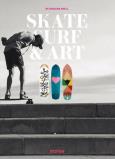
Skateboarding originated in California, and early board designs were simple. By the 1980s, skateboarding had reached all corners of the country and was becoming popular worldwide, as kids adopted the culture and took over public spaces to practice the sport. This book highlights the work of forty-four artists who exemplify the seemingly boundless evolution of skateboard design.
Artistas de todo el mundo nos muestran esta nueva tendencia que está ganando representación en las paredes y fachadas de las ciudades más modernas y cosmopolitas. Berlín, Ciudad del Cabo, Manhattan, Barcelona, Miami, Viena, Quito, Malmö, Moscú, Hamburgo… son escogidas para que los artistas más reconocidos decoren e iluminen fachadas tristes de viejos edificios.
El mundo del “Street Art” ha tenido una intensa evolución, se ha reinventado y ahora se pide a los artistas que decoren con sus obras, creando así una exposición abierta y gratuita, estos son algunos de los artistas que destacamos: Stinkfish, Innerfields, Dino Voodoo, Nevercrew, Dourone, Faith 47, Amaia Arrazola, Cinta Vidal, Okudart…
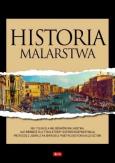
Kompendium wiedzy z historii malarstwa - od prehistorycznych rysunków naskalnych, poprzez sztukę starożytną, twórczość wieków średnich i poźniejszch, aż do współczesności. Album bogato ilustrowany przykładami omawianych stylów oraz kierunków malarskich.
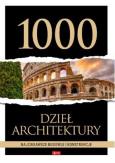
1000 dzieł architektury. Najciekawsze budowle i konstrukcje"" prezentuje najpiękniejsze i najważniejsze przykłady sztuki architektonicznej, od starożytności po czasy współczesne. Budowle są odzwierciedleniem czasu i miejsca, w których powstały, a wpływ na nie mają m.in. warunki ekonomiczne i socjologiczne, myśl filozoficzna czy rozwój prądów estetycznych. Na kartach prezentowanej książki czytelnik znajdzie warowne zamki, wypoczynkowe rezydencje, urokliwe starówki, strzeliste katedry, zabytki dawnych kultur czy budynki użytkowe. Wszystkie te dzieła architektury na trwale odcisnęły się w świecie, wiele z nich jest wciąż rozpoznawalne, będąc niejako symbolami miejsc, w których powstały, inne z kolei wymagają przypomnienia. Oddając w ręce czytelników ""1000 dzieł architektury"", chcemy przybliżyć fascynujący świat jednej ze sztuk.
1000 obrazów. Podróż przez historię malarstwato książka przybliżająca najważniejsze i najpiękniejsze arcydzieła malarstwa, sylwetki twórców oraz przyświecających im celów. Staraliśmy się zaprezentować dzieła znane i ważne, obecne w popkulturze, ale także i takie, które są dziś zapomniane, choć niegdyś inspirowały i prowokowały, a ich twórcy cieszyli się uznaniem sobie współczesnych. Ufamy, że czytelnicy potraktują lekturę jaka zaproszenie do inspirującego dialogu i wyzwalającego poszukiwania własnych interpretacji sztuka wszak odwołuje się do wrażeń oraz emocji i jest przestrzenią dla nieograniczonej wyobraźni.
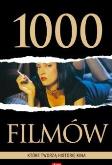
Książka 1000 filmów, które tworzą historię kina przybliża filmy, jakie odcisnęły wpływ na dziesiątą muzę, oraz rzuca na nie świeże spojrzenie. Zaprezentowane zostały tu nie tylko arcydzieła, ale również filmy kontrowersyjne, skandaliczne, nowatorskie czy przeboje box office’u. Po książkę mogą sięgnąć nie tylko miłośnicy kina, ale także rozpoczynający z nim przygodę czy szukający filmowych inspiracji. Książka jest efektem pracy zespołu 26 autorów pod redakcją naukową dr hab. Piotra Kletowskiego. dr hab. Piotr Kletowski – filmoznawca, wykładowca Uniwersytetu Jagiellońskiego i SWPS, krytyk filmowy, współtwórca i wykładowca Krakowskiej Szkoły Scenariuszowej, autor książek, m.in.: „Kino Dalekiego Wschodu”, „Żuławski. Wywiad rzeka” (współtwórca dr hab. Piotr Marecki), „Śmierć jest moim zwycięstwem. Kino Takeshi Kitano”, „Filmowa odyseja Stanleya Kubricka”, „Pier Paolo Pasolini. Twórczość filmowa”, a także redaktor książek „Europejskie kino gatunków”, „Europejskie kino gatunków 2”.
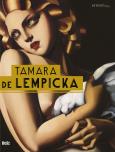
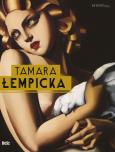
Album poświęcony życiu i twórczości Tamary Łempickiej, nazywanej królową art déco. Od najmłodszych lat obracała się w towarzystwie światowych elit i brylowała na salonach. Była błyskotliwą skandalistką, która kochała nowoczesne przedmioty i czerpała z życia pełnymi garściami. Paryż okazał się dla niej miejscem, które nie tylko ukształtowało jej talent, ale również pozwoliło osiągnąć zawrotny sukces i zyskać klientów w postaci arystokratów, bankierów czy gwiazd filmowych. Łempicka nie ograniczała się jednak do malowania portretów osobistości z bogatych sfer, portretowała również swoją córkę Kizette, pozowały dla niej największe skandalistki, czego efektem są zmysłowe akty, w tym arcydzieło art déco – Piękna Rafaëla. Przez lata zapomniana, dziś twórczość Łempickiej na nowo wraca do łask, a jej obrazy osiągają na aukcjach zawrotne ceny.
100 haseł, 230 artystów, 900 ilustracji. Monumentalny album prezentujący 100 lat historii polskiej ilustracji dziecięcej. Efektowna księga złożona z bogato ilustrowanych, alfabetycznie ułożonych haseł prezentujących przekrojowy obraz dorobku polskiej ilustracji od roku 1918 do dziś. Opisują one obszary tematyczne i motywy pojawiające się na ilustracjach, techniki artystyczne, tendencje stylistyczne, najznamienitszych ilustratorów książek dla dzieci i najbardziej znaczące serie wydawnicze. Teksty opracowane zostały przez jedenaścioro specjalistów zajmujących się teorią i praktycznym wymiarem ilustracji książkowej, grafiką projektową czy książką dla dzieci. Ich różnorodne specjalizacje i obszary zainteresowań nadały książce urozmaicony, kolażowy charakter. Esencją książki są ilustracje – zgromadzono tu ponad 900 prac autorstwa ponad 200 polskich ilustratorów. Są wśród nich zarówno uznani mistrzowie ilustracji (m.in. Bohdan Butenko, Adam Kilian, Zbigniew Rychlicki, Janusz Stanny, Jan Marcin Szancer, Franciszka Themerson), jak i współcześnie tworzący artyści różnych pokoleń (m.in. Edgar Bąk, Jan Bajtlik, Emilia Dziubak, Monika Hanulak, Marta Ignerska, Grażka Lange, Aleksandra i Daniel Mizielińscy, Marianna Oklejak, Paweł Pawlak). Abstrakcja, Butenko pinxit, cykliści, diabły, emocje, fotomontaż, geometria, horror vacui, ilustracje o ilustracji, Janosik, komiks, lokomotywa, mapy, nagość, ogień, „Poczytaj mi, mamo”, rycerze, science-fiction, surrealizm, Themersonowie, uczłowieczanie, wyklejki, yeti i inni, zoo, żołnierze i żołnierzyki - to tylko 25 ze 100 haseł zawartych w tej książce. Admirałowie wyobraźni to polskie wydanie anglojęzycznej książki Captains of Illustration, którą Wydawnictwo Dwie Siostry przygotowało dla Instytutu Adama Mickiewicza w ramach Programu Niepodległa.
Zdjęcia zostały wykonane na czterech kontynentach: w bazach wojskowych, na najciekawszych pokazach lotniczych świata oraz podczas licznych sesji air-to-air w latach 2017-2019.
Tradycyjnie zdjęcia poprzeplatane są fragmentami wspomnień autora z czasu ich powstawania. Odloty hesji 5 to pozycja obowiązkowa dla każdego miłośnika lotnictwa oraz dobrej fotografii.
Ten produkt jest zapowiedzią. Realizacja Twojego zamówienia ulegnie przez to wydłużeniu do czasu premiery tej pozycji. Czy chcesz dodać ten produkt do koszyka?