W tej strefie zapraszamy czytelników tak zwane artystyczne dusze po książki z kategorii Sztuka. Polecamy szereg publikacji o sztuce i jej historii,ciekawostki i portfolia artystów, eseje, albumy, książki o malarstwie, rzeźbiarstwie, architekturze oraz histoii fotografii. Biografie ciekawych artystów, książki i powieści przedstawiające fascynujące losy malarzy i osób uwiecznianych na obrazach. W tym dziale tylko ksiązki ze sztuka w tle.
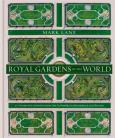
21 Celebrated Gardens from the Alhambra to Highgrove and Beyond
The book is a sumptuous exploration of 21 of the world's most celebrated royal gardens, from the formal splendour of Versailles to the organic, sustainable Highgrove.
In mainland Europe you can journey from the formal splendour of Het Loo in the Netherlands and Fontainebleau in France to the Baroque World Heritage Site of the Royal Palace of Caserta in Southern Italy. Further afield still lies the Taj Mahal in India and the Peterhof Palace in Russia.
Each featured garden will include the history, plantings and evolution of the garden as well as plant portraits of key plants and information about the design and layout of each. Countries included are: England, Scotland, Germany, France, Italy, Spain, Austria, the Czech Republic, the Netherlands, Sweden, Denmark, Russia, India, Bali and Japan.
This inspiring global selection of royal gardens is a perfect gift for any gardening enthusiast or armchair traveller and takes the reader on a journey of architecturally significant houses and their classic gardens as well as providing planting ideas that range from modest to grand, simple to ornate.
Barwna i z gawędziarskim talentem napisana autobiografia jednego z najbardziej wszechstronnych polskich aktorów.Choć nazywa siebie pierwszym komediantem kraju i kokieteryjnie stwierdza, że oprócz tego Ferdka, to chyba niewiele w życiu zagrał, Andrzej Grabowski dobrze zna swoje różnorodne możliwości. Występował w kabarecie, grał w wielu w filmach i spektaklach teatralnych, nagrał cztery płyty z piosenkami (sam też je pisze), jest także jurorem w Tańcu z gwiazdami. Dodatkowo okazuje się doskonałym gawędziarzem, w jego historii jest miejsce na śmiech, smutek, wódkę, piękne kobiety, nostalgię i sztubackie wygłupy.Opowieść o dzieciństwie w rodzinnej Alwerni uzmysławia, że po ponad sześćdziesięciu latach niesforny chłopak z małego miasteczka wciąż w Grabowskim siedzi i ma się całkiem dobrze. Niezwykła wrażliwość aktora, skrywana za żartami komedianta, doskonale wybrzmiewa między wierszami opowieści o jego życiu.Gdyby pan Grabowski w Stanach Zjednoczonych był tak popularny i rozpoznawalny, jak jest w Polsce, latałby na plan własnym odrzutowcem albo helikopterem. Grałby tylko w najlepszych produkcjach. Tylko tu, w Polsce, może się zdarzyć to, że przez udział w serialu Świat według Kiepskich jest eliminowany z innych produkcji. Odparował Jerzy Bogajewicz, reżyser filmu Boże Skrawki, gdy podczas festiwalu filmowego w Gdyni zapytano go, jak mógł zaangażować człowieka, grającego w kretyńskim serialu?
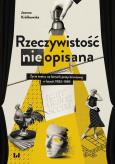
Jest to wartościowa poznawczo i oparta na rzetelnych rozpoznaniach źródłowych rozprawa, która w zdyscyplinowany (pod względem formalnym i metodologicznym) sposób przedstawia wizje życia teatralnego kreowane przez trzy czasopisma branżowe ukazujące się w latach osiemdziesiątych ubiegłego stulecia.
Nadal brakuje opracowań dotyczących dziejów krytyki teatralnej w ostatnich latach trwania PRL. Książka Pani Joanny Królikowskiej świetnie pokazuje społeczno-polityczne uwikłania redaktorów naczelnych, ich zmagania z cenzurą, a także sieć napięć polityczno-towarzyskich, które odciskały piętno na indywidualnych strategiach pisarskich i krytycznych. Publikacja jest ciekawą i inspirującą propozycją uzupełniającą dotychczasowy stan wiedzy na temat życia społeczno-kulturalnego w Polsce w latach osiemdziesiątych XX stulecia. Postawa badawcza, wolna od przekonania o możliwości stworzenia „obiektywnego”, opartego na „prawdzie” i ponadjednostkowego obrazu przeszłej rzeczywistości, wymaga precyzyjnego warsztatu badawczego związanego m.in. z krytyką źródeł. W tym przypadku Autorka wykazała się sporymi umiejętnościami.
Z recenzji prof. dr. hab. Krzysztofa Kurka
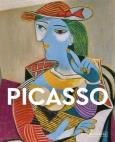
Picasso was arguably the most influential artist of the 20th century. Over the course of a career that spanned seven decades - and included thousands of paintings, sculptures, ceramics, drawings, prints, and tapestries -his work continued to evolve in response to his own life and to events in the world around him. This elegant introduction to Picasso offers lively artistic and biographical commentary, as well as beautiful reproductions of key works. Readers will discover why Picasso's work is often categorised by ''periods'' and his masterful achievements in the realms of neoclassicism, surrealism, and sculpture - in short, how his tremendous body of work reflected the development of modern art in the 20th century.
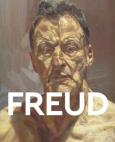
Lucian Freud dedicated his life to portraying the people in his world without flattery or refinement. Although his technique and style evolved tremendously over the decades, Freud never wavered in his uncompromising standards or unsentimental approach to his subjects. This introduction to Freud's life and oeuvre opens with an illuminating essay that explores how Freud's adherence to realism and focus on the human figure moved him in and out of the spotlight until the 1980s when renewed international interest in painting and figuration gave his work a new significance. Stunning reproductions of key works are presented chronologically, allowing readers to see how Freud's brushwork, composition, and use of light evolved over the decades. Whether he was painting members of the royal family or the cashier at a London nightclub, Freud imbued his portraits with psychological tension, humanity, and a profound interest in the relationship between painter and model.
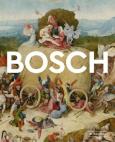
Although Bosch's known works amount to no more than two dozen paintings and a handful of drawings, the artist had an enormous impact on religious imagery during his lifetime and for centuries afterward. His enigmatic and mind-bending depictions of humans, animals, and nature undoubtedly influenced the surrealist movement of the 20th century. This book explores Bosch's works in terms of medieval morality, the religious beliefs of his time, and the Northern Renaissance in general. This elegant volume offers exquisite, full-colour reproductions that afford readers the opportunity to linger over the works-amazing details. The accompanying text examines Bosch's singular place in the canon of Western art, as a revolutionary portrayer of the imagination, and as a pioneer in the depiction of heaven and hell.
Decades before he blew the lid off the high-stakes art world by shredding a work immediately following its purchase at an auction, Banksy was committing acts of artistic protest on the streets, walls, and bridges of cities throughout the world. We still don't know who Banksy is, but thanks to this book we have a greater sense of how he works. This book features approximately eighty works from the start of his street art career to today, most photographed in situ and presented in vibrant illustrations. This book guides readers through Banksy's artistic processes and explains his influences, such as the Situationism movement and the May 1968 uprising in Paris. It delves into key works such as Love Is in the Air, a stencilled graffiti that subverts the idea of violent protest; Flag, in which the iconic American photograph at Iwo Jima is altered to reflect a group of Harlem children atop a burnt-out car; and the slyly titled Turf War, in which Winston Churchill sports a grassy Mohawk. The book also pays tribute to Banksy's rats, a reviled symbol of urban decay that the artist reimagines as rappers, violin players, and painters. As Banksy continues to challenge the political, economic, and racial oppression that takes place every day in cities around the world, this book offers a timely appreciation of just how the artist has embedded himself into the psyche of the powerful as well as the voiceless-without ever revealing his own identity.
„Okudżawa” Dmitrija Bykowa to pierwsza w Polsce obszerna biografia rosyjskiego śpiewającego poety (obrażał się, gdy nazywano go bardem). Chociaż od lat sześćdziesiątych piosenki Okudżawy (1924–1997) cieszą się w Polsce niezmiennym powodzeniem, prawie nic nie wiemy o życiu ich autora. Sam starał się mówić o nim jak najmniej. A jest to życiorys tragiczny, będący odzwierciedleniem całej epoki porewolucyjnej Rosji od lat represji stalinowskich po epokę "zastoju" Breżniewa i upadek ZSRR. Rozstrzelany ojciec, matka dwukrotnie skazana na łagier i zesłanie, wojna, szykany, cenzura, bezustanne zmaganie się z nagonką "prawdziwych partyjnych patriotów" na poezję, która tylko broniła prawa człowieka do bycia uczciwym, niezależnym i myślącym… Kilkanaście piosenek, od lat znanych polskiemu słuchaczowi, nie oddaje tragizmu losów ich twórcy, rozpaczliwie broniącego swojego człowieczeństwa w nieludzkim ustroju. Tę lukę wypełnia ponad sto wierszy, po raz pierwszy prezentowanych w książce Bykowa - wielu z nich nigdy nie publikowano nawet w Rosji, zachowały się tylko w rękopisach, przechowywanych przez przyjaciół Okudżawy. Za każdym kryje się pasjonująca historia, która pozwala zagłębić się w sowiecką codzienność, poznać donosy na poetę, a także jego burzliwe życie osobiste - od łobuzerskiej młodości na podwórku moskiewskiego Arbatu po liczne romanse i działalność opozycyjną. Bułat był wielkim przyjacielem Polski. To w Polsce ukazała się jego pierwsza płyta, a „Modlitwy François Villona” z niezmiennym zachwytem słuchają kolejne pokolenia. Niech więc biografia poety wzbogaci naszą wiedzę o nim i o Rosji, a Czytelników umocni w przekonaniu, że „trzy siostry”, wierne towarzyszki twórczości Okudżawy – Wiara, Nadzieja i Miłość – zawsze zwyciężają.
Dmitrij Bykow (ur. 1967), rosyjski poeta i prozaik, obrazoburczy satyryk, kontrowersyjny dziennikarz oraz popularny publicysta, znakomity propagator kultury i sztuki, autor programów literackich na kanale telewizyjnym Deszcz. Jego prelekcje o literaturze gromadzą tłumy słuchaczy we wszystkich miastach Rosji. Zagorzały antystalinowiec, dwukrotnie odmówił spotkania z prezydentem Putinem. Uczestniczył w wielu akcjach opozycji. Jest autorem książek z dziedziny literaturoznawstwa, m.in. dyskusyjnych biografii Borysa Pasternaka, Maksyma Gorkiego, Włodzimierza Majakowskiego i Bułata Okudżawy.
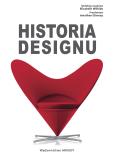
Design trudno zdefiniować, choć wszyscy jesteśmy jego konsumentami, od samochodów, którymi jeździmy, i produktów, które kupujemy, po grafikę użytkową w naszym otoczeniu. Historia designu stanowi fascynujący przewodnik ukazujący wyrafinowane starania producentów, którzy kuszą nas wysoką funkcjonalnością i imponującym wyglądem swoich produktów, a także trudną do zdefiniowania obietnicą nowoczesności. Ta napisana przez międzynarodowy zespół ekspertów, w tym projektantów i krytyków, książka opisuje style projektowe w kontekście zmian kulturowych i społecznych, zawiera ilustrowane linie czasu, które definiują najważniejsze wydarzenia oraz inspiracje. Przedstawia projektantów, którzy najlepiej reprezentują swoje czasy, dokładnie analizując, dlaczego właśnie ich projekty wyróżniają się na tle innych. Książka dostarcza informacje potrzebne każdemu do odkodowania świata materialnego. Najczęściej, o czym świadczy wiele zaprezentowanych tu ważnych przykładów, jego rezultatem są produkty, które można kupić i sprzedać – i w końcu, jeśli zostaną uświęcone krytyczną aprobatą, umieścić w kolekcjach muzealnych. Design może prowadzić również do czegoś tak amorficznego jak internet, który kształtuje każdy aspekt nowoczesnego życia i komunikacji, choć pozostaje niematerialny. Przez całą historię designu rozgrywane było, raz za razem od nowa, fundamentalne napięcie między stylistyczną ekspresyjnością a redukcjonizmem, między funkcją a formą. Ale design nie jest jedynie nośnikiem zmian gustu. Będąc sposobem wyobrażania, zarówno definiuje, jak i antycypuje nasze potrzeby i jako taki jest wyrazem i komercji, i kultury. Ściśle związany z technologią, zapewnia estetyczne rozwiązania w materialnej formie.
„Chcielibyśmy, żeby [Uniwersytet] był przyjazny i otwarty, zorientowany na rozwój pracowników i studentów, nastawiony na współpracę i efektywny, «przenikalny» dla ludzi i idei, szanujący zasoby naturalne, ekologiczny i oszczędny, odpowiedzialny i inspirujący” – piszą autorzy publikacji, która stara się odpowiedzieć na pytanie, jakie rozwiązania urbanistyczne, architektoniczne oraz standardy projektowania sprzyjają takiej właśnie wizji Uniwersytetu.
Prezentowana publikacja wiąże się ściśle z realizacją przez Uniwersytet Warszawski rządowego Programu Wieloletniego „Uniwersytet Warszawski 2016–2025”. Stanowi próbę określenia standardów przestrzeni akademickich wcielających w życie ideę uniwersytetu XXI wieku. Jest to pierwsza na rynku polskim publikacja w kompleksowy sposób ujmująca problematykę projektowania różnych typów przestrzeni uczelnianych (dydaktycznej, badawczej, biurowej, społecznej) i wyzwania, jakie się z tym się wiążą.
Wychodząc od analizy najważniejszych trendów w architekturze i urbanistyce, autorzy prezentują również konkretne rozwiązania i dobre praktyki stosowane na najlepszych uczelniach świata. Jeden z rozdziałów poświęcony jest specyficznym uwarunkowaniom i urbanistyce Uniwersytetu Warszawskiego, prezentując historię projektowania i realizacji wszystkich trzech kampusów UW. Kolejne rozdziały, poświęcone przestrzennym standardom projektowym, zostały zainspirowane doświadczeniami Biura Innowacji w Przestrzeni Akademickiej UW. Wreszcie aneksy autorstwa specjalistów od energetyki, psychologii środowiskowej i pracy z użytkownikami poruszają ważne zagadnienia oszczędzanie zasobów i energii oraz włączenia użytkowników w powstawanie budynków.
Książka jest pomyślana jako narzędzie pracy, a jej świadomie otwarty charakter będzie przydatny zarówno dla projektantów, jak i dla szerokiego grona odbiorców z różnych instytucji.
******
Spaces of the University. Trends, visions, design standards
The publication comprehensively covers the issues of designing various university spaces (didactic, research, office, social) and the related challenges. It analyzes the most important trends in architecture and urban planning, presents specific solutions used throughout the world. One of the chapters is devoted to the individual conditions and urban planning of the University of Warsaw. The chapters on spatial design standards were inspired by the experiences of the Office of Innovations in the Academic Space of the University of Warsaw.
Cabin Porn to projekt internetowy zapoczątkowany przez grupę przyjaciół szukających inspiracji do budowy własnych domów. Projekt rozrósł się dzięki tysiącom zgłoszeń od właścicieli chat z całego świata oraz milionom pasjonatów zainteresowanych prostymi, wydajnymi domami oraz pięknem przyrody.Ponad dziesięć lat temu Zach Klein na zwykłym blogu zaczął zbierać historie o życiu w chatach. Poznał wielkodusznych budowniczych, którzy podzielili się zdjęciami ziemi, na której kupno odkładali pieniądze, szkicami kryjówek, które mieli nadzieję tam stworzyć i historiami o przyjaciołach, którzy dorzucili się, żeby im w tym pomóc.Cabin Porn pierwszy tom ukazał się w 2015 roku, został przetłumaczony na siedem języków i nadal zachęca ludzi z całego świata do budowania własnych domów. Popularność książki pokazuje, jak powszechne jest pragnienie, by stworzyć prostą konstrukcję współgrającą z otaczającym ją terenem. Zbiór reportaży niemal w całości koncentruje się na zewnętrzach chat, ukazując je pośród wspaniałości towarzyszącej im przyrody. Czytelnicy pytali potem słusznie: Ale co jest wewnątrz?Cabin Porn. Wnętrza to książka, która posłuży zarówno budowniczym chat, jak i każdemu kto chce się dowiedzieć, jak tworzyć przestrzenie, które dobrze się sprawdzają, bo oczarowują nas swoim ciepłem i pomysłową prostotą. Tutaj znajdziecie setki przykładów na to, z czego składa się chata: drobne szczegóły, dzięki którym ich mieszkańcom żyje się przyjemnie i wydajnie, ale też błędy i przeróbki, które pokazują, w jaki sposób budowniczowie uczą się podczas budowania chat lub tworzenia własnych domów. Być może i was najbardziej wzruszy to, że ludzie, którzy pracowali wspólnie nad ich budową, spędzili w nich najpiękniejsze i najbardziej pamiętne wieczory w swoim życiu.Zach Klein jest współzałożycielem DIY.org, światowego ruchu pomagającego dzieciom w zdobywaniu nowych umiejętności. Zach współtworzył i projektował Vimeo, zasiada w radzie doradczej magazynu Dwell, a pierwszy wpis na blogu Cabin Porn opublikował w 2009 roku.
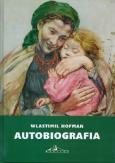
Opracowany przez Beatę Mielczarek tekst Autobiografii Wlastimila Hofmana (ur. 27 IV 1881 w Karlínie, obecnie dzielnicy Pragi) przywraca pamięć o malarzu, debiutującym w okresie Młodej Polski i tworzącym do końca długiego życia (zm. 6 III 1970 w Szklarskiej Porębie). Jego dzieła, które cechuje charakterystyczny styl wypracowany pod wpływem symboliczno-alegorycznej sztuki Jacka Malczewskiego, znajdują się w kilkunastu muzeach i galeriach polskich oraz zagranicznych. W Autobiografii spisanej w latach 1951-1958 roku artysta wyjaśnia nie tylko skomplikowaną sprawę swej tożsamości (ojciec był Czechem, matka Polką, nazwisko miał niemieckie, imię czeskie, sam postanowił zostać Polakiem i zawsze przekonywał, że w tym, co tworzy, ujawnia się „polski duch”), ale przypomina także swoich licznych krewnych, przyjaciół, nauczycieli i znane postaci krakowskiego środowiska przełomu XIX i XX wieku.
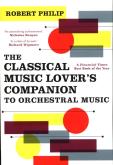
An invaluable guide for lovers of classical music designed to enhance their enjoyment of the core orchestral repertoire from 1700 to 1950 Robert Philip, scholar, broadcaster, and musician, has compiled an essential handbook for lovers of classical music, designed to enhance their listening experience to the full. Covering four hundred works by sixty-eight composers from Corelli to Shostakovich, this engaging companion explores and unpacks the most frequently performed works, including symphonies, concertos, overtures, suites, and ballet scores. It offers intriguing details about each piece while avoiding technical terminology that might frustrate the non-specialist reader. Philip identifies key features in each work, as well as subtleties and surprises that await the attentive listener, and he includes enough background and biographical information to illuminate the composer's intentions. Organized alphabetically from Bach to Webern, this compendium will be indispensable for classical music enthusiasts, whether in the concert hall or enjoying recordings at home.
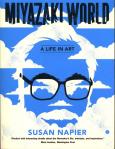
The story of filmmaker Hayao Miyazaki's life and work, including his significant impact on Japan and the world A thirtieth-century toxic jungle, a bathhouse for tired gods, a red-haired fish girl, and a furry woodland spirit-what do these have in common? They all spring from the mind of Hayao Miyazaki, one of the greatest living animators, known worldwide for films such as My Neighbor Totoro, Princess Mononoke, Spirited Away, Howl's Moving Castle, and The Wind Rises. Japanese culture and animation scholar Susan Napier explores the life and art of this extraordinary Japanese filmmaker to provide a definitive account of his oeuvre. Napier insightfully illuminates the multiple themes crisscrossing his work, from empowered women to environmental nightmares to utopian dreams, creating an unforgettable portrait of a man whose art challenged Hollywood dominance and ushered in a new chapter of global popular culture.
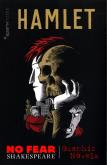
"No Fear Shakespeare Illustrated - Graphic Novels" is a series based on the translated texts of the plays found in "No Fear Shakespeare". The original "No Fear" series made Shakespeare's plays much easier to read, but these dynamic visual adaptations are impossible to put down. Each of the titles is illustrated in its own unique style, but all are distinctively offbeat, slightly funky, and appealing. Each book features an illustrated cast of characters, helpful plot summary, line-by-line translations of the play and illustrations that will enhance your understanding of the story and characters.
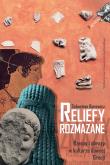
Zbyt często zapominamy, że pojęcie obrazu nie jest z nami od zawsze. Stanowi ono intelektualny wynalazek epoki Axenzeit. Dzięki niemu świat Greka epoki klasycznej to the brave new world – staje się nie tylko rozpoznawalny, ale również interpretowalny. Ukształtowany wówczas sposób myślenia i postrzegania rzeczywistości zapoczątkowuje szczególny typ kultury diakrisis, która w swych zrębach funkcjonuje do dziś. Jej naturalność, oczywistość oraz racjonalna poręczność przesłaniają nam jednak archaiczny świat przed epoką obrazu. Pytanie, jakie warto więc zadać, brzmi: co zobaczymy, jeśli uwolnimy się od kategorii reprezentacji, podobieństwa i wizerunku? Co zobaczymy, próbując spojrzeć na świat oczami homeryckiego Telemacha? Książka ta zwraca się ku wąskiemu, lecz niezwykle ważnemu wycinkowi kultury dawnej Grecji (IX–IV w. przed Chr.), w którym nie tylko rzeczy zostały przekształcone w obrazy, obrazy w pojęcia, ale także ikoniczność, będąca dotąd formą oddziaływania, stała się wizualnością. Analiza tego procesu to cała „archeologiczna manufaktura” ukierunkowana nie tyle na zabytki, ile na ich kulturowe siedliska – eikotopie. Paradoksalnie bohaterami tej książki nie są więc wyłącznie tytułowe rzeczy i obrazy – rzeczowniki, ale również zespolone z nimi działania, praktyki i gry społeczne oraz ich światopoglądowe motywacje. Ów amalgamat zyskuje tu miano faktu ikonicznego – wytworzonej rzeczy o określonych jakościach i własnościach plastycznych, będącej jednocześnie wizerunkiem, zdarzeniem i stanem. Przeszłość oglądamy oczami antykwariusza, muzealnika – oczami pełnymi zachwytu i zrozumienia dla kształtu wylewu attyckiej wazy, dla jej technologicznej doskonałości. Widziany z tej perspektywy świat skazany zostaje na bycie przedstawieniem. To przestrzeń biernych, podległych, oswojonych obiektów. Jednocześnie ten niemy świat antycypujemy; to w nim szukamy życia, choć jest on martwy, jest nam dany już tylko jako las kamiennych reprezentacji. Cena za dostąpienie poczucia estetycznej wzniosłości, za odczucie piękna mającego niejednokrotnie posmak autoerotycznego zaspokojenia (ale czyż nie o to nam właśnie chodzi?) jest wielka. Chcąc mówić o kulturze Grecji, chcąc zobaczyć coś więcej niż tylko zachwycające, piękne szczątki, musimy jednak zmienić nastawienie. Nasze zadanie to odwrócić na chwilę proces dewerbalizacji kultury, gdyż dawna Grecja to przede wszystkim przestrzeń aktywnego oddziaływania, ucieleśnionego, uczestniczącego, sprawczego współbycia; to zastygający z czasem – w coraz piękniejszych przedmiotach – czasownik. fragment Słowa wstępnego „Reliefy rozmazane to dzieło nowatorskie i kompletne, w którym odnajdziemy fascynującą opowieść o wizualnym przełomie, jaki dokonał się w kulturze archaicznych Greków. Aby wniknąć w ów świat myślenia i działania sprzed racjonalizującej epoki Platona i Arystotelesa, autorowi nie wystarcza jednak sama biegłość praktyczna archeologa klasycznego ani filologiczna znajomość greckich tekstów. Wykorzystuje on gruntowną podbudowę teoretyczną, której dostarcza filozofia czy głęboki namysł kulturoznawczy, by ukazać nam ikoniczność w sposób dla badacza kultur starożytnych niezwykły i oryginalny. Śmiałość ta jest wielką zaletą książki, gdyż pozwala zerwać zasłonę oczywistości z naszych spekularnych przyzwyczajeń i interpretacyjnych nawyków dotyczących greckich obrazów. To również studium napisane na styku dwóch wielkich antropologicznych tradycji: frankofońskiej oraz anglosaskiej, łączące tym samym interpretacyjną świeżość z metodologiczną dyscypliną. Z pewnością będzie nie tylko cennym przewodnikiem dla starożytników, ale dzięki swej erudycyjności może także stanowić niewyczerpane źródło inspiracji dla szeroko rozumianych przedstawicieli nauk humanistycznych: kulturoznawców, filozofów sztuki, kognitywistów czy antropologów kultury”. dr hab. Gościwit Malinowski, prof. UWr
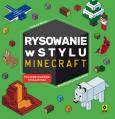
Gra Minecraft ukazała się w 2011 roku. Pozwala milionom graczy z całego świata zbierać sześciany nazywane „blokami”. Dzięki tej książce nauczysz się, jak rysować minecraftowe kształty za pomocą specjalnej siatki i kreować świat gry zwykłymi kredkami! Znajdziesz tu ponad 80 przykładowych rysunków, które podzielono tematycznie. Postacie, zwierzęta, potwory i dekoracje… Cała gra komputerowa na papierze! Każdy rysunek rozrysowano na poszczególne etapy powstawania. Te z kolei pokazują, w jaki sposób łączyć ze sobą bloki uniwersum Minecrafta. A kiedy już zrozumiesz zasady rządzące perspektywą, nic nie powstrzyma cię przed tworzeniem własnych modeli… Na niezliczone sposoby, tak samo jak w grze!
Ten produkt jest zapowiedzią. Realizacja Twojego zamówienia ulegnie przez to wydłużeniu do czasu premiery tej pozycji. Czy chcesz dodać ten produkt do koszyka?