W tej strefie zapraszamy czytelników tak zwane artystyczne dusze po książki z kategorii Sztuka. Polecamy szereg publikacji o sztuce i jej historii,ciekawostki i portfolia artystów, eseje, albumy, książki o malarstwie, rzeźbiarstwie, architekturze oraz histoii fotografii. Biografie ciekawych artystów, książki i powieści przedstawiające fascynujące losy malarzy i osób uwiecznianych na obrazach. W tym dziale tylko ksiązki ze sztuka w tle.
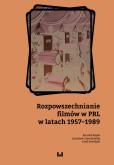
Tom, będący efektem kilkuletniej kwerendy archiwalnej, zawiera dwieście uszeregowanych chronologicznie dokumentów z komentarzem naukowym. Wśród poruszanych tematów są: instytucjonalne ramy systemu rozpowszechniania filmów, import i opracowanie językowe produkcji zagranicznych, sieć kin i organizacja seansów, reklama i klasyfikacja wiekowa filmów, cenzura i badania widowni oraz nadzór nad kulturą wideo w schyłkowym okresie PRL. Książkę dopełniają materiały ikonograficzne, a także starannie sporządzone zestawienia statystyczne.*Z uznaniem należy przyjąć podejście autorów, którzy postrzegają sektor rozpowszechniania filmów jako złożony system pozostający pod wpływem wielu zewnętrznych uwarunkowań, w tym czynników politycznych. Publikacja jest przedsięwzięciem nowatorskim, gdyż wcześniej nie mieliśmy do czynienia z równie kompleksową analizą systemu rozpowszechniania, bazującą na tak bogatym materiale źródłowym.Z recenzji dr hab. Ewy Gębickiejprof. Uniwersytetu Śląskiego
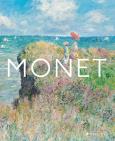
Monet’s breathtaking artistry comes fully alive in this luxurious volume that features dozens of exquisite reproductions; 48 extra pages on six fold-out spreads; coloured edges; and a printed canvas binding. From early works depicting the forests at Fontainebleau and the beach at Sainte-Adresse, to his revolutionary water lily series, this gorgeous volume showcases Monet’s mastery of light, color, and movement; his fluid and rhythmic brushstrokes; and his reverence for the natural world. Thematically arranged, it features sixty impeccable reproductions, including foldout spreads of six essential masterpieces: Impression, Rising Sun; Woman with a Parasol; Bordighera; Venice, Palazzo Dario; Water Lily Pond; and Willows in the Morning.This immersive volume is the next best thing to standing in an art gallery examining a Monet painting from different angles and distances. From luminous beach scenes and brilliant Mediterranean afternoons to captivating cityscapes and the restful beauty of Giverny, this book encapsulates the essence of Monet’s groundbreaking style and enduring legacy. Perfect for both seasoned art connoisseurs and those newly discovering the wonders of Impressionism, this volume will delight and inspire with every turn of its pages, making it an unforgettable gift for any lover of art and beauty.
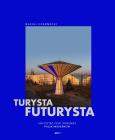
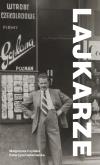
Konieczny był tupet. I refleks.Do czego był konieczny? Do robienia „pif-paf” na ulicach Bydgoszczy – i innych miast – przed wojną. Jeśli byłeś lajkarzem, czy to na ulicy, czy na plaży w nadbałtyckim kurorcie, stawałeś się fotograficznym rewolwerowcem, a to ciężka praca, choć sam aparat marki Leica był rewolucyjnie lekki, mały i jak na tamte czasy szybki. A spotkać przed sobą na ulicy piękną pannę, oficera w mundurze, matkę z dzieckiem czy cyklistę na rowerze to dla fotografa lajkarza niezła gratka. Mógł nieźle zarobić, bo prawie każdy chciał mieć dla siebie taką fotografię.Niestety, lajkarze nie wszystkim się podobali; zdarzało się, że niektórzy przechodnie zasłaniali twarze, robili uniki. I wielka szkoda, bo dzisiaj te przedwojenne uliczne migawki są prawdziwym skarbem: widać na nich, jak się wtedy ubieraliśmy, jakie fryzury nosiliśmy, jak się spacerowało po mieście z rodzinami, narzeczonymi, żonami czy mężami. Krótko mówiąc, dzięki lajkarzom możemy dziś zobaczyć dawne życie codzienne w pigułce.Mała Leica – to było to!Dowód? Ta książka.~ Chris Niedenthal
Książka zawiera 24 artykuły dotyczące sztuki Łodzi z okresu od początku przemysłowej kariery miasta w latach dwudziestych XIX w. do lat sześćdziesiątych XX w. Dwadzieścia z nich zostało wybranych z dorobku naukowego autora pochodzącego z ostatnich blisko 35 lat, cztery zostały napisane z myślą o publikacji książkowej. Dotyczą one głównie problematyki architektury miasta architektury mieszkaniowej, rezydencjonalnej, sakralnej i przemysłowej, ale także sztuki witrażowniczej, rzeźby architektonicznej i cmentarnej oraz wystroju wnętrz. Zwracają uwagę na bogactwo i różnorodność sztuki miasta XIX i XX wieku, obecność konwencji stylowych znamiennych dla tego okresu: historyzmu, secesji, neoklasycyzmu oraz modernizmu. Podkreślono widoczne tutaj wpływy płynące z ważnych centrów sztuki europejskiej, takich jak Berlin, Wiedeń i Sankt Petersburg. W książce zaakcentowano rolę licznych twórców, zarówno miejscowych, jak i obcych. Pracowali tutaj architekci wykształcenie głównie w Sankt Petersburgu i Rydze. Charakterystycznym dla Łodzi zjawiskiem było jednocześnie zamawianie przez tutejszych przemysłowców planów wielu wznoszonych przez siebie budowli u artystów i firm z innych ośrodków: Berlina, Warszawy, Wrocławia, Żytawy, Wiednia, Sankt Petersburga, Wenecji, a także z islandzkiego Reykjaviku. Znajdowali się wśród nich znani twórcy, jak Franz Schwechten, Carl Seidl, Valentino Casale, Otto Lessing, Einar Jonsson, Jan Styka, zakład Antonia Salviatiego. Wśród miejscowych twórców wyróżniony został zakład rzeźbiarsko-kamieniarski Antoniego Urbanowskiego oraz tacy architekci jak: Hilary Majewski, Gustaw Landau-Gutenteger, Adolf Zeligson, Piotr Brukalski oraz Wiesław Lisowski.
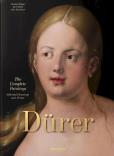
Albrecht Dürer is the undisputed genius of the Northern Renaissance, a visionary unbound by a single medium. He carved a career spanning painting, printmaking, drawing, and art theory, mastering each with dazzling skill. Famous in his own lifetime for his portraits of princes and patricians, his luminous drawings and watercolors transformed the sketch into an art form in its own right: works such as Young Hare stand as marvels of observation, capturing life with a precision and sensitivity that still amaze today. He was native to the bustling city of Nuremberg, but his travels brought him face-to-face with Renaissance humanism, Venetian color, and classical ideals of beauty. These he absorbed and reimagined with northern precision. As court artist to Maximilian I, and confidant of humanists like Erasmus, he moved easily among the great minds of his age, his musings on measurement and proportion establishing him as one of Europe’s great thinkers. But he never stopped producing work of startling intimacy, from unflinching self-portraits and elaborate prints to meticulously observed studies of nature.Featuring every known painting―many reproduced with brand-new photography―and nearly 500 drawings, this graceful volume captures the sweep of Dürer’s genius. From monumental altarpieces to intimate portraits, from delicate studies of the world around him to bold experiments, it reveals an artist both of his time and ahead of it, an innovator whose vision still feels urgent today. More than a compendium, it is a celebration of a polymath who continues to astonish and inspire.
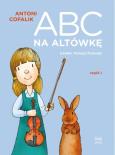
Szkoła ABC na altówkę jest transkrypcją cenionego przez nauczycieli podręcznika Skrzypcowe ABC Antoniego Cofalika. Głównym założeniem autora transkrypcji było, by uczniowie już od początku nauki mogli korzystać z kompletnego materiału ćwiczeniowego i muzycznego w kluczu altowym. Akompaniament fortepianowy został przejrzany i opracowany tak, by dostosować go do rejestru i barwy altówki. Szkoła jest przeznaczona dla uczniów rozpoczynających grę na instrumencie zarówno w szkołach muzycznych cyklu 6- jak i 4-letniego. Zawiera początkowe ćwiczenia ruchowe, kształtujące prawidłową postawę, ćwiczenia bez instrumentu, stopniowo wprowadza podstawowe elementy techniki gry i pojęcia teoretyczne. Od rozdziału 22 wprowadzone zostają nowe rodzaje artykulacji legato, martel, portato, oraz rytm punktowany. Po raz pierwszy uczeń ma do czynienia z różnicowaniem siły dźwięku (forte, piano, mezzoforte, mezzopiano), a także ze stopniowym przechodzeniem z jednej dynamiki do drugiej (crescendo, diminuendo).
Publikacja poświęcona współczesnym wyzwaniom, przemianom i potencjałom rozwojowym stolicy Polski, łącząca perspektywy geografii społeczno-ekonomicznej, gospodarki przestrzennej, socjologii, ekonomii i finansów, nauk o Ziemi i środowisku oraz historii. Autorami zebranych w niej tekstów są badacze związani z czołowymi ośrodkami naukowymi, m.in. z Uniwersytetem Warszawskim, ze Szkołą Główną Gospodarstwa Wiejskiego, z Uniwersytetem SWPS i Uniwersytetem Gdańskim, a także praktycy oraz działacze organizacji społecznych. Podejmują oni takie kluczowe tematy związane z funkcjonowaniem stolicy, jak: odporność miejska, rewitalizacja, gospodarka kreatywna, zrównoważony transport, zróżnicowania społeczne i nowe modele uczestnictwa w życiu miasta. Warszawa prezentowana jest tutaj jako dynamicznie zmieniający się organizm miejski, laboratorium współczesnych procesów urbanizacyjnych i przestrzeń negocjacji społecznych.
******
Warsaw in the Light of Scientific Research. Diagnoses and Challenges of the Early 21st Century
The publication which is devoted to contemporary challenges, changes and development potentials of the capital of Poland combines the perspectives of socio-economic geography, spatial management, sociology, economics and finances, Earth and environmental sciences and history. The authors of the texts are the researchers associated with leading research centers, including the University of Warsaw, the University of Life Sciences, SWPS University and the University of Gdansk, as well as the practitioners and social organizations activists. They address such key topics related to the functioning of the capital as: urban resilience, revitalization, creative economy, sustainable transport, social differences and new models of participation in city life. Warsaw is shown here as a dynamically changing urban organism, the laboratory of contemporary urban processes and the space for social negotiations.
An unflinching exploration of aging from one of the twentieth century’s most influential photographers
For more than half a century, Richard Avedon sought to represent advancing age in the faces of the people he photographed. From his earliest years at Harper’s Bazaar and Vogue through to the twenty-first century, Avedon routinely and audaciously broke the rule of flattering public personalities in his portraits. Instead, he chose to highlight the onslaught of what he called the “avalanche of age,” dramatizing the universal experience of getting older.
Accompanying a groundbreaking exhibition at The Image Centre at Toronto Metropolitan University and The Montreal Museum of Fine Arts, Immortal is the first book to delve into Avedon’s unflinching representation of aging throughout his career.
This elegant hardcover volume features nearly 100 portraits of cultural luminaries, each printed in striking tritone, such as Michelangelo Antonioni, Truman Capote, Marcel Duchamp, Duke Ellington, Toni Morrison, Patti Smith, and Stephen Sondheim, as well as one of Avedon’s last self-portraits. Texts by a star-studded cohort of authors, including Vince Aletti, Adam Gopnik, Paul Roth, and Gaëlle Morel, shed new light on an under-represented element of Avedon’s practice.
Thoughtfully edited and beautifully produced, Immortal testifies emphatically to the determination with which people confront the relentless advance of mortality.
A captivating and comprehensively illustrated study of the seventeenth-century Katsura Imperial Villa in Kyoto, Japan
An outstanding example of Japanese architecture, Katsura has inspired countless architects from Bruno Taut and Le Corbusier to Tadao Ando and Kenzo Tange, and is often considered a precursor of Modernist tendencies.
Now available in a new format, Katsura Imperial Villa offers an in-depth exploration of the seventeenth-century palace in Kyoto, Japan through detailed drawings and historical analysis.
The extensive selection of maps, drawings, and photographs make this book an indispensable reference work and offer unprecedented access to this beautiful palace.
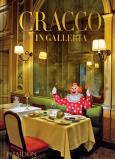
The first book from Milan’s fine-dining restaurant and celebrity chef, Carlo Cracco
Cracco in Galleria is a fine-dining restaurant located within the Galleria Vittorio Emanuele II, one of the most iconic buildings in Milan. From its hand-painted wallpaper to the spectacular views offered from its windows, this venue, comprising restaurant, bakery, bar, extensive cellar, and opulent banqueting hall, conveys an innate sense of style and decadence.
Its founder and owner, Carlo Cracco, is a star of Italian cuisine, whose career has included the influence of such masters as Alain Ducasse and Gualtiero Marchesi. Working alongside Cracco is chef Luca Sacchi and, together, they present their contemporary take on Italian classics, with dishes including Insalata russa caramellata (their modern interpretation of a classic Russian salad), and Timballo in Galleria (Cracco’s rethinking of the traditional baked, layered, savory dish).
Conceived by the innovative team at Toiletpaper, Cracco in Galleria is the first book to document the restaurant’s extraordinary cuisine, with recipes presented alongside Toiletpaper’s signature surreal, saturated, and witty photography.
The definitive exploration of the prolific material, intellectual, cultural, and commercial output of inimitable artist Tom Sachs
A 21st-century creative force, Tom Sachs’s critically acclaimed practice spans sculpture, installation, painting, film, ceramics, and industrial design. The Tom Sachs Guide is the most comprehensive-to-date look at his work, documenting decades of rigorous and visionary artmaking.
Vividly illustrated with more than 650 images and organized into thematic chapters, the book includes work across mediums, as well as longstanding collaborations with Nike and immersive reinterpretations of NASA missions. A rich appendix includes essential lists and charts, offering insights into the artist’s creative process and studio practice.
An object direct from the hands of the artist, Tom Sachs Guide is a printed tour through his studio, his body of work, and the unique worlds he creates, designed and written in close collaboration with Sachs himself.
A dynamic survey of the Nicola Erni Collection, one of the foremost collections of photography and contemporary art.
Over twenty-five years, collector Nicola Erni has acquired artworks that speak to her passion for art, fashion, and social change, amassing one of the largest collections of photography and an extensive collection of contemporary art in private hands.
Mix & Match showcases almost 400 works from the Nicola Erni Collection, bringing together fashion photographs and contemporary artworks in playful pairings where both genres enter a dialogue. In parallel, it offers a journey through one hundred years of fashion photography and shows new ways of exploring this field from the 1930s to the present, organized in twelve thematic sections.
Featured artists and photographers include: Richard Avedon, Jean-Michel Basquiat, Cecil Beaton, Sylvie Fleury, Keith Haring, Vivian Maier, Cindy Sherman, Tim Walker, Andy Warhol and others.
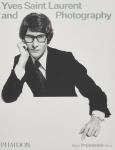
Yves Saint Laurent and his designs, as captured by the greatest photographers of the 20th century
Yves Saint Laurent collaborated with some of the greatest photographers of the 20th century. For over four decades, until the closing of his fashion house in 2002, Saint Laurent and his creations were captured by cutting-edge photographers – including such legends as Richard Avedon, Irving Penn, David Bailey, Helmut Newton, William Klein, Sarah Moon, Annie Leibovitz, Paolo Roversi, and Juergen Teller – resulting in iconic pictures that helped shape his own image as well as that of his brand.
Yves Saint Laurent and Photography shines new light on the world of the genius couturier, tracing both the course of fashion and the history of 20th–century photography. This beautifully designed book features an astonishing range of imagery: breathtaking fashion photographs of subjects such as Audrey Hepburn, Catherine Deneuve, Naomi Campbell, and Kate Moss; portraits of Saint Laurent; and never-before-seen archival documents, all packaged in a luxe oversized volume.
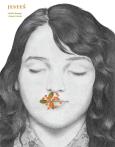
Jedna z najdelikatniejszych książek świata. Na lekkich, przezroczystych stronach (cała książka jest wydrukowana na kalkach), krok po kroku, podążamy śladami kobiet trzech pokoleń. Rozdzieliło je życie, mają różne losy; czy ich więź poszarpana przez czas da się odtworzyć? Ile znaczą chwile spędzone razem i dlaczego zawsze jest ich za mało? Czy uda się odnaleźć obecność w nieobecności? Jesteś to album pełen emocji: przezroczyste strony nakładają się na siebie, rysunki jednocześnie zakrywają i odkrywają to, co jeszcze nieznane. Stopniowo odsłania się przed nami opowieść: o tęsknocie, wdzięczności, bliskości. Szeptany, minimalistyczny tekst połączony z zachwycającymi obrazami jest subtelnym hołdem złożonym kobietom: młodym, dorosłym, starszym, matkom, córkom, babkom z całą ich wewnętrzną siłą i mocą. Jesteś to intymne doświadczenie czytelnicze, poetycka, porywająca rzecz, książka-prezent dla każdej i każdego z nas. Ta książka nosi tytuł Jesteś, ale równie dobrze mogłaby być zatytułowana Nie ma Cię tak wszechobecny jest tutaj BRAK. Racjonalni czytelnicy oraz amatorzy intryg i zwrotów akcji lepiej nich trzymają się od niej z daleka. Latitia Bourget, pomysłodawczyni projektu, oraz uznana na całym świecie polska artystka wizualna Joanna Concejo proponują inny typ lektury rodzaj wewnętrznej podróży i poetyckich skojarzeń. Strona po stronie, obraz za obrazem, dzięki grze przezroczystości (książka jest wydrukowana na kalkach), historia rozwija się poprzez myśli, wspomnienia, doznania W zakończeniu ukazuje się najważniejsze: więź, która łączy kobiety z tej samej rodziny, niezależnie od tego, czy żyją czy odeszły. Nie ma większej obecności niż nieobecność to właśnie szepcze nam ta niezwykła książka, otwierając przestrzeń na refleksje, odczuwanie, szukanie tego, co najważniejsze w nieskończonym oceanie pamięci, jedynym miejscu, w którym czas nie przemija. Fabienne Jacob, Livres Hebdo Oto przedstawicielki trzech pokoleń rodziny, którą Joanna Concejo ożywia zaprasza do bujnego ogrodu, pełnego kwiatów, odcienie zieleni i błękitów. I przywołuje pamięć. Trzy małe dziewczynki wyruszają w podróż, podczas której wspomnienia zmieniają się w to, co nieoczekiwane, podobnie jak obrazy, które są na zmianę żywe, odległe, ledwie wyczuwalne i uderzająco wyraziste. Jesteś to niezwykła wizualnie, sugestywna opowieść o sile śladu, jaki pozostawia w nas drugi człowiek i który my z kolei przekazujemy dalej. Tu słowo staje się obrazem, a piękno i głębia pozostają w czytelnikach bez względu na wiek. Veronique Cavallasca, Ricochet
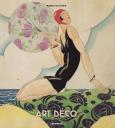
Art Deco is the decorative, distinctly aesthetic style of the years between 1920 and 1940. The movement embraced all areas of lifestyle and art. Art Deco was a commitment to modern technology, industrial design, and functionalization. With over 500 illustrations, this volume showcases the complexity of the Art Deco style and its manifestations in architecture, fashion, advertising, everyday objects, transport, and other areas of life.
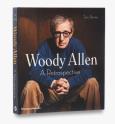
‘Other people finish a film. It’s over and it’s successful. They read the reviews. They have a party. There’s some kind of relief. For me it’s like stamping out cookies. I finish a film and I go on to the next one.’ Woody Allen
In this retrospective, Tom Shone reviews Woody Allen’s entire career, providing incisive commentary on his films and shedding light on this uniquely self-deprecating filmmaker, with the help of comments contributed by Allen himself. Superbly illustrated with more than 250 key images, this is a fitting tribute to one of the masters of modern cinema, published to mark Woody Allen’s eightieth birthday.
Woody Allen is a uniquely innovative performer, writer and director with nearly fifty movies to his credit, from cult slapstick films and romantic comedies to introspective character studies and crime thrillers. Classics such as Annie Hall, Manhattan, Stardust Memories, Broadway Danny Rose and Hannah and Her Sisters still resonate, and more recently Midnight in Paris and Blue Jasmine have been notable successes.
Born Allan Stewart Konigsberg on 1 December 1935 and raised in New York City, he was destined for a show-business career when he began writing scripts for TV shows while still a teenager. He then achieved recognition as a stand-up comedian with the release of three albums of his nightclub performances. Allen first tried writing a screenplay in the mid-1960s for What’s New Pussycat?. Not satisfied with the final film, he decided that he would direct as well as write his next picture, What’s Up, Tiger Lily?, in 1966.
Woody Allen’s output has always been prodigious; he has made a film a year, more or less, since the early 1970s. Famously indifferent to award ceremonies, and having never accepted an Oscar in person, Allen has won numerous accolades for his directing and writing, including four Oscars, nine BAFTAs, two Golden Globes and, in 2014, the prestigious Cecil B. DeMille award for his contribution to cinema.
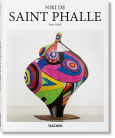
A key contributor to Nouveau Réalisme in early 1960s Paris, Niki de Saint Phalle (1930-2002) worked alongside artists such as Arman, Yves Klein, and Jean Tinguely, scavenging real objects in place of traditional art materials. She connected art to life by instrumentalizing household items, machine parts, and even toys for her early assemblages. Saint Phalle created her first shooting painting, or Tir, in 1961, and went on to conduct these performances in such varied locations as the Impasse Ronsin in Paris, a garden in Amsterdam, a sandpit outside Stockholm, and the Malibu Hills. Reliefs made of plaster, small objects, paint, wood, and wire were punctured by the bullets of a gun.
This book provides an introduction to Saint Phalle’s work, highlighting some of her most important contributions to 20th century art. From birthing mothers to harbingers of death, she created sculptures that celebrated and exposed the female form in works such as Pink Birth (1964) and Hon En Kathedral (1966). She also u
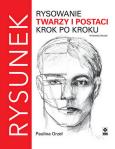
Naucz się zasad jak profesjonalista, by móc je potem łamać jak artysta.PicassoJeśli marzysz o tym, by rysować jak artysta, musisz zacząć od poznania podstaw. Naucz się proporcji, precyzji, ćwicz technikę i stopniowo buduj swoje umiejętności. Ta książka to świetny kurs dla początkujących, w którym krok po kroku poznasz tajniki szkicowania, stanowiącego podstawę udanego rysunku. Kolejne rozdziały, poświęcone anatomii twarzy, rysowaniu głowy pod różnymi kątami, indywidualnym cechom charakterystycznym, szczegółom części ciała oraz sylwetce w różnych pozycjach, prezentują rozmaite style rysowania i pomagają młodemu artyście szukać swojej kreski.Rysuj od ogółu do szczegółu: najpierw linie konstrukcyjne, kierunki, mierzenie proporcji, osadzenie kształtów geometrycznych. Na końcu dodawaj szczegóły i cieniuj je. Wracaj do elementów już narysowanych i patrz na pracę całościowo. Rysunek to ciągłe podejmowanie decyzji.[Ze wstępu]
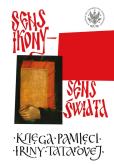
Książka stanowi owoc konferencji naukowej dedykowanej pamięci dr Iriny Tatarovej, przedwcześnie zmarłej badaczki sztuki wschodniochrześcijańskiej, teatro- i filmolożki, wieloletniej pracowniczki Wydziału "Artes Liberales" UW, niezwykłej naukowczyni i humanistki. Teksty zawarte w tomie dotyczą bądź myśli i działalności dr Tatarovej, bądź zagadnień wchodzących w krąg jej zainteresowań naukowych, takich jak: ikona jako artystyczny i teologiczny koncept kultury wschodniochrześcijańskiej, historia sztuki sakralnej, teologia prawosławna, myśl patrystyczna i filozofia chrześcijańska.*****The Meaning of the Icon. The Meaning of the World. In Memory of Irina TatarovaThe book is the result of a scientific conference dedicated to the memory of Doctor Irina Tatarova, a prematurely deceased researcher of Eastern Christian art, theatrologist and filmologist, a long-time employee of the Faculty of "Artes Liberales" at the University of Warsaw, an extraordinary scientist and humanist. The texts contained in the volume concern either the thoughts and activities of Doctor Tatarova or the issues within her scientific interests, such as icon as an artistic and theological concept of Eastern Christian culture, the history of religious art, Orthodox theology, patristic thought and Christian philosophy.
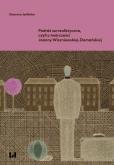
W książce zostały przedstawione losy życia i sztuki Joanny Wiszniewskiej-Domańskiej. Idiomem dzieł tej łódzkiej artystki jest oryginalna formuła rysunku figuratywnego, stanowiącego kanwę jej grafik. Obrazowość tych prac oscyluje między „zakłóconą" realnością, ascetyczną, acz wyrazistą kreską a opowiadaną historią. Jej sztuka zawiera dyskretne nawiązania do surrealizmu pierwszej połowy XX wieku. Odnajdziemy w niej ślady fascynacji malarstwem René Magritte'a, Giorgio de Chirico, Jeana Jacques'a Folona, ale także echo obrazu Balthusa La rue (Ulica) z 1933 roku. Szacunek artystki dla twórczości wielkich mistrzów, a jednocześnie poczucie humoru i znajomość ludzkiej natury znalazły wyraz w serii kolaży, w których twarze obecnych w nich postaci „obdarowane" zostały wizerunkami arcydzieł malarstwa europejskiego.
Zaprzeczając powszechnym stereotypom o Łodzi jako mieście fabryk i kominów, Wiszniewska-Domańska życie i twórczość związała z Bałutami, którym nadała wizerunek „miasta surrealistycznego", miasta poetów i podróżnych bez paszportów ... – Papierowego miasta.
Artystka rozumie rolę sztuki jako swoiste „przeniesienie" wewnętrznych doświadczeń eksplorowanych przez pryzmat melancholii, obrazowanej w powtarzających się motywach: odległego horyzontu, odwróconego tyłem samotnego człowieka z bagażem podróżnym, porzuconych „emblematów" dzieciństwa. Jej prace wyrażają, nawiązujący do filozofii zen, zachwyt i zdumienie nad łącznością jednostki z jej habitatem. Artystka próbuje uchwycić zdarzenia, ciągi skojarzeń, myśli albo snu, które stanowią notatnik zawierający fragmenty autobiografii, obrazy powrotów do wydarzeń z przeszłości, do „sekretnej historii duszy".
Dr hab. Eleonora Jedlińska, prof. UŁ
Pracuje w Instytucie Historii Sztuki na Uniwersytecie Łódzkim. Wykłada historię sztuki nowoczesnej i współczesnej, teorię sztuki i krytyki artystycznej. Należy od 1996 roku do AICA, Łódzkiego Oddziału Polskiego Instytutu Studiów nad Sztuką Świata, współpracuje z European Association of Jewish Studies oraz World Union of Jewish Studies z siedzibą w Jerozolimie. Autorka książek: Sztuka po Holocauście (2001), Polska sztuka współczesna w amerykańskiej krytyce artystycznej w latach 1984-2002 (2005), Powszechna Wystawa Światowa w Paryżu w 1900 roku. Splendory Trzeciej Republiki (2015), Kształty pamięci. Wybrane zagadnienia sztuki współczesnej (2019), Zofia Lipecka. Labirynty sztuki (2023), oraz kilkudziesięciu artykułów poświęconych sztuce artystów żydowskich i pamięci Zagłady.
Ten produkt jest zapowiedzią. Realizacja Twojego zamówienia ulegnie przez to wydłużeniu do czasu premiery tej pozycji. Czy chcesz dodać ten produkt do koszyka?