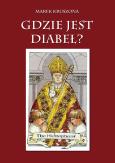
Marek Kruszona (ur. 1958)
Jestem analitykiem, filozofem, informatykiem, ekonomistą i przedsiębiorcą. Zmierzyłem się z najważniejszymi odwiecznymi problemami filozoficznymi, moralnymi i egzystencjalnymi człowieka, co uwieczniłem w tej książce. Moją pasją jest jednak przede wszystkim analiza współczesnych, polskich i europejskich, problemów społecznych i ekonomicznych. "Gdzie jest diabeł" zawiera:
To co najważniejsze: gdzie jest bóg, gdzie jest diabeł.
Rozważania na tematy: gdybym był diabłem, gdybym był nieśmiertelny, gdybym był niematerialny, gdybym był jasnowidzem, gdybym był władcą, gdybym był bogaty.
Dylematy dekalogu: piąte: nie zabijaj, siódme: nie kradnij.
Co to jest: rozum, świadomość, inteligencja, inteligencja niewerbalna, sztuczna inteligencja, ewolucja inteligencji.
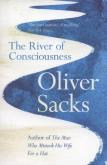
Two weeks before his death, Oliver Sacks outlined the contents of The River of Consciousness, the last book he would oversee. The best-selling author of On the Move, Musicophilia, and The Man Who Mistook His Wife for a Hat, Sacks is known for his illuminating case histories about people living with neurological conditions at the far borderlands of human experience. But his grasp of science was not restricted to neuroscience or medicine; he was fascinated by the issues, ideas, and questions of all the sciences. That wide-ranging expertise and passion informs the perspective of this book, in which he interrogates the nature not only of human experience but of all life.
In The River of Consciousness, Dr. Sacks takes on evolution, botany, chemistry, medicine, neuroscience, and the arts, and calls upon his great scientific and creative heroes—above all, Darwin, Freud, and William James. For Sacks, these thinkers were constant companions from an early age; the questions they explored—the meaning of evolution, the roots of creativity, and the nature of consciousness—lie at the heart of science and of this book.
The River of Consciousness demonstrates Sacks’s unparalleled ability to make unexpected connections, his sheer joy in knowledge, and his unceasing, timeless endeavor to understand what makes us human.
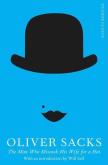
A classic work of psychology, this international bestseller provides a groundbreaking insight into the human mind.
If a man has lost a leg or an eye, he knows he has lost a leg or an eye; but if he has lost a self – himself – he cannot know it, because he is no longer there to know it.
In this extraordinary book, Dr. Oliver Sacks recounts the stories of patients struggling to adapt to often bizarre worlds of neurological disorder. Here are people who can no longer recognize everyday objects or those they love; who are stricken with violent tics or shout involuntary obscenities; who have been dismissed as autistic or retarded, yet are gifted with uncanny artistic or mathematical talents. If inconceivably strange, these brilliant tales illuminate what it means to be human.
A provocative exploration of the mysteries of the human mind, The Man Who Mistook His Wife for a Hat is a million-copy bestseller by the twentieth century's greatest neurologist.
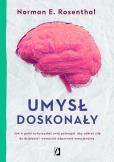
Zwiększ możliwości swojego umysłu dzięki metodzie stosowanej przez wielkich tego świata!
Wizjonerzy, artyści, a także znani potentaci i gwiazdy filmowe zawdzięczają swój sukces wyjątkowo prostej i dostępnej dla każdego metodzie, która pomaga wykorzystać pełnię możliwości intelektualnych i zwiększyć kreatywność!
Dzięki ćwiczeniom relaksacyjnym opisanym w tej książce zwiększysz odporność na stres, staniesz się bardziej produktywny, a także poczujesz przypływ kreatywnej energii. Ten stan będzie od teraz stałą kondycją twojego doskonałego umysłu.
Znany psychiatra zdradza rewolucyjny sposób na osiągnięcie pełni możliwości umysłowych, który opiera się na medytacji transcendentalnej. Zmaksymalizujesz szanse na osiągnięcie sukcesu, trwale pogłębisz codzienną świadomość oraz zapewnisz sobie optymalną wydajność.
Metoda opisana przez Rosenthala to nie tylko narzędzie do walki ze stresem. To brama do stanu, w którym możesz osiągnąć rzeczy, o których dotąd się nie śniło.
Włącz pełnię możliwości swojego doskonałego umysłu!
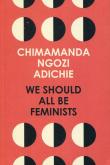
A personal and powerful essay from Chimamanda Ngozi Adichie, the bestselling author of Americanah and Half of a Yellow Sun.
‘I would like to ask that we begin to dream about and plan for a different world. A fairer world. A world of happier men and happier women who are truer to themselves. And this is how to start: we must raise our daughters differently. We must also raise our sons differently…’
What does “feminism” mean today?
In this personal, eloquently argued essay – adapted from her much-admired Tedx talk of the same name – Chimamanda Ngozi Adichie offers readers a unique definition of feminism for the twenty-first century, one rooted in inclusion and awareness. Drawing extensively on her own experiences and her deep understanding of the often masked realities of sexual politics, here is one remarkable author’s exploration of what it means to be a woman now – an of-the-moment rallying cry for why we should all be feminists.
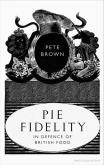
A journey through British food, from the acclaimed author of The Apple Orchard
In Britain, we have always had an awkward relationship with food. We've been told for so long that we are terrible cooks and yet when someone with a clipboard asks us what the best things are about being British, our traditional food and drink are more important than the monarchy and at least as significant as our landscape and national monuments in defining a collective notion of who we are.
Taking nine archetypically British dishes - Pie and Peas, A Cheese Sandwich, Fish and Chips, Spag Bol, Devonshire Cream Tea, Curry, The Full English, The Sunday Roast and a Crumble with Custard - and enjoying them in their most typical settings, Pete Brown examines just how fundamental food is to our sense of identity, perhaps even our sense of pride, and the ways in which we understand our place in the world.
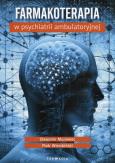
Autorzy książki pokazują różne sposoby myślenia o farmakoterapii zaburzeń psychicznych w psychiatrii ambulatoryjnej. Każdy z lekarzy praktyków, niezależnie od stopnia naukowego, pozycji i stażu pracy nawet stykając się z tymi samymi opracowaniami co do zlecanych metod prowadzenia leczenia, przetwarza je przez własny umysł: doświadczenie, temperament oraz przekonania i prowadzi leczenie w swój unikalny, jednostkowy sposób.
Celem tej książki jest podzielenie się pewnymi własnymi sposobami dokonywania wyborów dotyczących farmakoterapii. Dotyczy ona osób leczonych z powodu zaburzeń ze spektrum depresyjno-lękowego, a więc głównie depresji jednobiegunowej (depresji nawracającej) i niektórych aspektów dotyczących objawów lękowych.
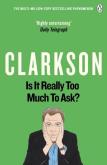
Well, someone's got to do it: in a world which simply will not see reason, Jeremy sets off on another quest to beat a path of sense through all the silliness and idiocy.
And there's no knowing what might catch Jeremy's eye along the way. It could be:
-The merits of Stonehenge as a business model
-Why all meetings are a waste of time
-The theft of the Queen's cows
-One Norwegian man's unique approach to showing his gratitude
-Fitting a burglar alarm to a tortoise
-Or how Lou Reed was completely wrong about what makes a perfect day
Pithy and provocative, this is Clarkson at his best, taking issue with whatever nonsense gets in the way of his search for all that's worth celebrating. Why should we be forced to accept stuff that's a bit rubbish? Shouldn't things work? Why doesn't someone care? I mean, is it really too much to ask?
It's a good thing we've still got Jeremy out there, still looking, without fear or favour, for the answers.
Volume 4 in the bestselling World According to Clarkson series
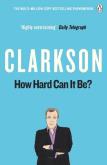
Jeremy Clarkson had a dream. A world where the nonsensical made sense, the idiotic was abolished and the sheer bloody brilliant was embraced. In How Hard Can It Be? our hero embarks on a quest to set the world to rights. Again.
En-route he discovers how rhubarb will become the new crack, that a comb over will end anyone's quest for global domination and what unites a Filipino chambermaid in Abergavenny with Prince Andrew.
For anyone who's ever woken up and thought the time has come to stop the nonsense and celebrate the sensational, read on. Because seriously, how hard can it be?
Jeremy Clarkson began his writing career on the Rotherham Advertiser. He now writes for the Sun and the Sunday Times and is the tallest person working in British television.
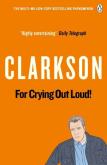
The publication of The World According to Clarkson in 2004 launched a multi-million-copy bestselling phenomenon. But to no avail.
Jeremy's one-man war on crimes against common sense has not yet been won. And our hero's still scratching his head at the madness of it all. But it's not all bad. He's learned a little along the way, including:
Why binge drinking is good for you
The worst word in the English language
The remarkable secret of eternal youth
The pleasure and pain of middle-aged drumming
The problem with America
And how to dispose of a seal
For anyone who's ever been driven to wonder just what is the matter with people these days, For Crying Out Loud is the perfect riposte. Surprising, fearless and always laugh-out-loud funny, Clarkson's back. And he's got a point . . .
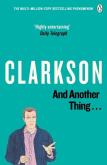
Everyone knows that Jeremy Clarkson finds the world a perplexing place - after all, he wrote a bestselling book about it. Yet despite the appearance of The World According To Clarkson, things don't seem to have improved much. However, Jeremy is not someone to give up easily and he's decided to have another go.
In And Another Thing, our exasperated hero discovers that:
He inadvertently dropped a bomb on North Carolina
We're all going to explode at the age of 62
Russians look bad in Speedos. But not as bad as we do.
No one should have to worry about being Bill Oddie's long lost sister
He should probably be nicer about David Beckham
Thigh-slappingly funny and - as ever - in your face, Jeremy Clarkson bursts the pointless little bubbles of the idiots while celebrating the special, the unique and the sheer bloody brilliant …
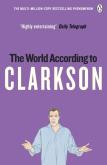
Jeremy Clarkson shares his opinions on just about everything in The World According to Clarkson.
Jeremy Clarkson has seen rather more of the world than most. He has, as they say, been around a bit. And as a result, he's got one or two things to tell us about how it all works; and being Jeremy Clarkson he's not about to voice them quietly, humbly and without great dollops of humour.
In The World According to Clarkson, he reveals why it is that:
Too much science is bad for our health
'70s rock music is nothing to be ashamed of
Hunting foxes while drunk and wearing night-sights is neither big nor clever
We must work harder to get rid of cricket
He likes the Germans (well, sometimes)
With a strong dose of common sense that is rarely, if ever, found inside the M25, Clarkson hilariously attacks the pompous, the ridiculous, the absurd and the downright idiotic, whilst also celebrating the eccentric, the clever and the sheer bloody brilliant.
Less a manifesto for living and more a road map to modern life, The World According to Clarkson is the funniest book you'll read this year. Don't leave home without it.
A passionate defence of humanity and a work of radical optimism from the international bestselling author of Postcapitalism
How do we preserve what makes us human in an age of uncertainty? Are we now just consumers shaped by market forces? A sequence of DNA? A collection of base instincts? Or will we soon be supplanted by algorithms and A.I. anyway?
In Clear Bright Future, Paul Mason calls for a radical, impassioned defence of the human being, our universal rights and freedoms and our power to change the world around us. Ranging from economics to Big Data, from neuroscience to the culture wars, he draws from his on-the-ground reporting from mass protests in Istanbul to riots in Washington, as well as his own childhood in an English mining community, to show how the notion of humanity has become eroded as never before.
In this book Paul Mason argues that we are still capable - through language, innovation and co-operation - of shaping our future. He offers a vision of humans as more than puppets, customers or cogs in a machine. This work of radical optimism asks: Do you want to be controlled? Or do you want something better?
Praca socjalna, jako nauka interdyscyplinarna, czy pedagogika obligują osobę chcącą legitymować się wykształceniem wyższym do zdobywania wiedzy wkraczającej często na grunt psychologii, medycyny – socjologii i innych nauk. Badanie zjawiska Płodowego Zespołu Alkoholowego daje do tego świetną okazję.
Problematyka pracy dotycząca prenatalnej ekspozycji na alkohol wyznacza temat i cel niniejszej publikacji. I tak przedmiotem rozważań uczyniono wiedzę respondentów dotyczącą skutków prenatalnej ekspozycji płodu na alkohol. Cele związane są z poznaniem specyfiki wiedzy studentów i uczniów szkół ponadgimnazjalnych na temat zagrożeń, jakie niesie spożywanie alkoholu, oraz FAS.
Treści niniejszej pracy oscylują wokół dwóch podstawowych aspektów. Po pierwsze poruszają problematykę alkoholizowania się części społeczeństwa, w tym przypadku młodzieży oraz kobiet w wieku prokreacyjnym, po drugie analizują dostępną wiedzę na temat Płodowego Zespołu Alkoholowego. Stąd pojawiają się dwa problemy badawcze, które mają weryfikować posiadaną przez respondentów wiedzę. Pierwszy to badanie świadomości zagrożeń, jakie stwarza spożywanie alkoholu dla matki i dla rozwijającego się w niej płodu. Drugi nurt badań skoncentrowany jest na analizowaniu wiedzy związanej z Płodowym Zespołem Alkoholowym. Oba nurty znajdują odzwierciedlanie w przeprowadzonych badaniach, których wyniki przedstawiam w niniejszym opracowaniu. Badania oparte są na metodzie sondażu diagnostycznego i mają ilościowy charakter. Wyniki uzyskane w badaniach ukazują ewolucję wiedzy dotyczącą opisywanych aspektów w kontekście kilkunastu lat w obu badanych grupach respondentów, tj. studentów i uczniów szkół ponadgimnazjalnych.
Problematyka zawarta w tej publikacji wyznacza jej strukturę. W pierwszym rozdziale opisano terminologię związaną z FAS, przybliżono historię badań nad tym zjawiskiem, jego charakterystykę i teratogenny wpływ alkoholu na płód oraz zagrożenia, jakie niesie ze sobą picie alkoholu przez kobietę w ciąży. W dalszej kolejności omówiono założenia metodologiczne badań, określono przedmiot, cel i problemy badawcze. Opisano przyjętą metodę, techniki i narzędzia badawcze. Przedstawiono przebieg badań oraz dobór grupy badawczej, a także techniki statystyczne wykorzystane w opracowaniu. W następnym rozdziale zaprezentowano wyniki badań sondażowych przeprowadzonych w latach 2005—2018 w grupach studentów różnych uczelni, głównie krakowskich, oraz w grupach uczniów szkół ponadgimnazjalnych z terenu województwa małopolskiego. W rozdziale empirycznym zawarto także analizy porównawcze uzyskanych wyników badań z wykorzystaniem technik statystycznych. Całość zamyka zakończenie z wnioskami i postulatami dla praktyki działań pedagogicznych i profilaktycznych. Opracowanie ma charakter badań porównawczych, zestawiono w nim wyniki badań dotyczące problematyki Płodowego Zespołu Alkoholowego z kilkunastu ostatnich lat.
KOCHAJ. ŻYJ MIŁOŚCIĄ. BĄDŹ MIŁOŚCIĄ. Od 24 lat jestem w szczęśliwym związku. Jego punktem zwrotnym był kryzys, który przeżyliśmy trzynaście lat temu. Mogliśmy wtedy oddalić się od siebie, rozstać się, stworzyć nowe związki, ale wybraliśmy inaczej – weszliśmy na drogę rozwoju i głębszej miłości. Teraz cieszymy się bliskim, radosnym, dojrzałym związkiem, którego wspaniałym owocem jest nasza ukochana córeczka Helenka. Dziś pragnę pomóc Ci zajrzeć w swoje serce i podążyć za jego głosem. To Ty jesteś centrum Twojego wszechświata. Twoja wartość nie jest uzależniona od mężczyzny, pracy czy czegokolwiek innego. W Tobie jest wszystko. Pragnę, byś stała się istotą emocjonalnie niezależną. Byś mogła dawać miłość i dzielić się miłością tak, jak tego pragniesz. Byś mogła żyć miłością również wtedy, gdy jesteś sama – bo nawet kiedy jesteś sama, nie jesteś samotna. Możesz kochać i dzielić się miłością na wiele sposobów. Twoje serce Cię poprowadzi. Jak kochać, jak żyć miłością, jak tworzyć trwałe i wartościowe relacje z samą sobą, z partnerem, z dziećmi, z rodziną i z otaczającym światem – o tym piszę w mojej najnowszej książce. Dołącz do mnie w przepięknej podróży do źródła miłości. Z miłością Agnieszka
W tomie drugim omówiono najczęstsze problemy, z którymi klienci zwracają się do terapeutów, przyczyny tych problemów i stosowane w ich przypadku techniki terapii. Przedstawiono także sposoby pracy z rożnymi grupami pacjentów.
Oddaję w ręce czytelnika książkę, która jest próbą syntezy moich wieloletnich zainteresowań i działalności badawczej (w tym seminaryjnej, konferencyjnej, publikacyjnej i wdrożeniowej) dotyczącej wzajemnej korelacji i koegzystencji trzech obszarów: społeczeństwa, bezpieczeństwa i edukacji oraz problemów funkcjonujących w ich ramach (każdego obszaru z osobna i na pograniczach pomiędzy nimi). Na rynku wydawniczym w przeciągu zwłaszcza ostatnich dwóch dekad pojawiło się sporo publikacji traktujących o bezpieczeństwie, edukacji na rzecz bezpieczeństwa, różnych formach i typologiach bezpieczeństwa z uwzględnieniem różnych perspektyw psychologicznych, filozoficznych, pedagogicznych, a także wątków społecznych, politologicznych, prawnych czy z zakresu nauk o bezpieczeństwie. Każda z tych publikacji jest na swój sposób interesująca, przedstawia określoną perspektywę jej autora lub zespołu autorów na dany, szerszy lub węższy zakresowo temat.Niniejsza książka jest kolejną z podejmowanych prób czynionych w tym względzie, a w związku z tym kolejną perspektywą. Poruszana w niej problematyka odnosi się bowiem do niezwykle inspirującego, a jednocześnie bardzo złożonego i wielowymiarowego obszaru i skorelowanego z nim zbioru terminów, definicji i kategorii posiadających różne proweniencje i osadzenie w ramach różnych dyscyplin naukowych, a także przypisanych im warsztatów metodologicznych, teoriopoznawczych, czy semantycznych.
[...] Monografia jest udaną próbą przedstawienia wpływu współczesnej informacji i mass mediów na kreowanie rzeczywistości i jej wpływu na zarządzanie w sytuacjach kryzysowych. Autor szczegółowo i precyzyjnie opisuje wpływ i siłę oddziaływania mediów masowych na kształtowanie świadomości o zagrożeniach ze szczególnym uwzględnieniem działań terrorystycznych, wykazując ścisłe i logiczne związki między zachodzącymi zmianami a wykorzystaniem mass mediów. [...] Publikacja stanowi bardzo wartościową pozycję, wypełniającą istniejącą dotychczas lukę w całościowym ujęciu znaczenia informacji w sytuacjach kryzysowych.
profesor AMW wiceadm. w st. sp. dr. hab. Stanisław Zarychta
The past is forgotten, and the future is without hope. Dystopia has become a reality. This is the new normal in our apocalyptic politics - but if we accept it, our helplessness is guaranteed. To bring about real change, argues activist and political philosopher Srecko Horvat, we must first transform our mindset.
Ranging through time and space, from the partisan liberation movements of Nazi-occupied Yugoslavia to the contemporary culture, refugee camps and political frontlines of 21st century Europe, Horvat shows that the problems we face today are of an unprecedented nature. To solve them, he argues in this passionate call for a new radical internationalism, we must move beyond existing ways of thinking: beyond borders, national identities and the redundant narratives of the past. Only in this way can we create new models for living and, together, shape a more open and optimistic future.
In his landmark international bestsellers Guns, Germs and Steel and Collapse, Jared Diamond transformed our understanding of what makes civilizations rise and fall. Now in the third book in this monumental trilogy, he reveals how successful nations recover from crisis.
Diamond shows us how seven countries have survived defining upheavals in the recent past - from the forced opening up of Japan and the Soviet invasion of Finland to the Pinochet regime in Chile - through selective change, a process of painful self-appraisal and adaptation more commonly associated with personal trauma. Looking ahead to the future, he investigates whether the United States, and the world, are squandering their natural advantages and are on a devastating path towards catastrophe. Is this fate inevitable? Or can we still learn from the lessons of the past?
Exhibiting the awe-inspiring grasp of history, geography, economics and anthropology that marks all Diamond's work, Upheaval reveals how both nations and individuals can become more resilient. The result is a book epic in scope, but also his most personal yet.
Ten produkt jest zapowiedzią. Realizacja Twojego zamówienia ulegnie przez to wydłużeniu do czasu premiery tej pozycji. Czy chcesz dodać ten produkt do koszyka?