Odzyskaj chwilę obecną i pełnię życia Wszystko i cokolwiek – pieszczota wiatru na skórze, gra światła i cienia, czyjś wyraz twarzy, jakiś przejściowy skurcz w ciele, jakaś przelotna myśl – może stać się dla nas nauczycielem chwili bieżącej, przypominać nam o możliwości bycia w pełni obecnym. Wszystko i cokolwiek – o ile świadomie wyjdziemy temu naprzeciw. JON KABAT-ZINN Recepta na życie bardziej świadome wydaje się dość prosta: stale na nowo powracać uwagą do tego, co właśnie się dzieje. Każdy, kto tego próbował, wie jednak, że dopiero w tym momencie pojawiają się zasadnicze pytania dotyczące naszego funkcjonowania. „Praktyka uważności dla początkujących” dostarcza odpowiedzi, spostrzeżeń i wskazówek, które pomogą – chwila po chwili – przestawiać świadomość tak, aby nasz kontakt z samym sobą i ze światem był pełen przestrzeni i światła, wiarygodny, nacechowany miłością. Doktor Jon Kabat-Zinn jest twórcą metody MBSR (Mindfulness Based Stress Reduction, redukcji stresu poprzez uważność), stosowanej dziś w ośrodkach zdrowia, szpitalach i klinikach w różnych częściach świata. Założył Klinikę Redukcji Stresu przy Centrum Medycznym Uniwersytetu Massachusetts oraz Centrum na Rzecz Uważności w Medycynie, Opiece Zdrowotnej i Społeczeństwie. Jego książki poświęcone między innymi praktyce uważności stały się międzynarodowymi bestsellerami. Światową sławę przyniosły mu „Życie – piękna katastrofa” oraz „Gdziekolwiek jesteś, bądź”. Jest współautorem prac „Świadomą drogą przez depresję. Wolność od chronicznego cierpienia” oraz „Dary codzienności. Podręcznik uważnego rodzicielstwa”.
Człowiek jest istotą społeczną. To zrozumiałe, że każda część ciała informuje o emocjach danej osoby. Umiejętność świadomego korzystania z komunikacji niewerbalnej pomaga w zrozumieniu odczuć rozmówcy. Pomaga też w dostrzeżeniu dyskomfortu, a nawet zauważeniu ukrywanych emocji, takich jak gniew, radość, strach czy smutek. Zdolność do rozpoznawania tych oznak i ich prawidłowa interpretacja z pewnością poprawiają komfort komunikacji, jednak znaczenie tej umiejętności jest o wiele większe: socjotechnika jest nieodzownym elementem działania hakerów, przestępców czy służb specjalnych. Korzystanie z wiedzy socjotechnicznej i jej zdobyczy pozwala zachować kontrolę w każdej sytuacji, gdy mamy do czynienia z komunikowaniem się ludzi ze sobą.
Dzięki tej książce udoskonalisz swoje umiejętności komunikacyjne: nauczysz się odczytywać niewerbalne wskazówki i samemu prezentować niewerbalne wzmocnienia. Z jednej strony zaczniesz lepiej rozumieć przekaz innych ludzi, z drugiej - sprawisz, że rozmówcy zaczną cenić komunikowanie się z Tobą. Szybko zauważysz, jaka to cenna umiejętność: jako specjalista do spraw bezpieczeństwa będziesz skuteczniej edukować współpracowników i zwalczać cyberataki. Jako osoba działająca publicznie łatwiej przekonasz ludzi do swoich idei. Dowiesz się, jak naukowe zdobycze socjotechniki mogą być wykorzystywane do różnych celów: dobrych, złych czy po prostu brzydkich. Wiedza zdobyta dzięki tej lekturze oraz odrobina krytycznego myślenia staną się Twoim najlepszym zabezpieczeniem.
W tej książce między innymi:
prawdziwa wiedza o mowie ciała i ekspresji mimicznej człowieka
metody zdobywania zaufania wykorzystywane do nieetycznych celów
tajniki warsztatu "hakera umysłów"
czynnik ludzki jako zagrożenie bezpieczeństwa systemu informatycznego
jak neutralizować rosnące zagrożenie ze strony nieetycznych socjotechników
Socjotechnika: tam, gdzie ludzkie cechy najsłabszym ogniwem!
O autorze
Christopher Hadnagy jest głównym twórcą www.social-engineer.org, pierwszego modelu socjotechniki. Dysponuje więcej niż czternastoletnim doświadczeniem w branży systemów zabezpieczeń oraz IT. Współpracował z zespołem www.backtrack-linux.org i brał udział w licznych projektach związanych z bezpieczeństwem. Pracuje również jako szkoleniowiec i główny socjotechnik w grupie penetracyjnej Offensive Security.
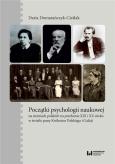
Autorka śledzi w publikacji narodziny psychologii jako dyscypliny naukowej na przełomie XIX i XX wieku na ziemiach polskich. Problematykę tę umieszcza w kontekście rozwoju dziedziny w Europie Zachodniej, co prowadzi ją do wniosków, że na gruncie polskim „przednaukowa” psychologia nie odbiegała poziomem od zachodnioeuropejskiej. Książka ma charakter interdyscyplinarny. Autorka opiera się przede wszystkim na historycznej metodzie badania źródeł, ale wykorzystuje także metody prasoznawcze oraz literaturę i wiedzę z zakresu psychologii, pedagogiki, medycyny, filozofii i teologii.
*
Spośród trzech rozdziałów najwięcej wnosi obszerny rozdział trzeci. Te wątki mają charakter nowatorski i stanowią ważny wkład Autorki w badania nad dziejami psychologii na ziemiach polskich. Rozproszenie dorobku pierwszych polskich psychologów wymagało żmudnych i pracochłonnych poszukiwań. Nie mam wątpliwości, że Autorce udało się zgromadzić informacje o zdecydowanej większości ważniejszych prac umieszczonych w rodzimych czasopismach rodzącego się na przełomie XIX i XX wieku nowego środowiska naukowego.
Z recenzji prof. dr. hab. Marka Przeniosło
Monografia ma charakter naukowy, jest to wysoce kompetentny, oparty na najnowszej literaturze, pogłębiony przegląd rozważań na temat lęku przed matematyką oraz bardzo szczegółowa analiza dotychczasowych osiągnięć w zakresie diagnozowania tego zjawiska. Na tym tle stworzona zostaje próba całościowej jego oceny oraz nakreślenia dróg umożliwiających pomoc i ułatwienie przezwyciężania trudnych sytuacji z nim związanych, zarówno w edukacji, jak i w życiu codziennym osób, u których stwierdza się ten lęk. Poziom merytoryczny rozważań jest bardzo wysoki. Praca napisana została poprawnym, przystępnym językiem. Zawiera interesujące sposoby przedstawienia treści, ilustrowana jest wieloma schematami, tabelami i rysunkami. Jest skierowana do kilku grup czytelników: do naukowców i badaczy zjawiska, pedagogów i terapeutów zajmującym się pomocą uczniom z trudnościami w matematyce oraz osobom z niechęcią do działań matematycznych. Należy ją też polecić studentom pedagogiki, psychologii, a także studentom matematyki ze specjalnością nauczycielską.dr hab. Ewa Skrzetuska, prof. SGGW, Warszawa
Opowieść o narzucanych kobietom normach, o podwójnych standardach i kategoriach zbyt ciasnych, by pomieścić ludzkie życie. Histeria, szaleństwo laktacyjne, kobiece sprawy... W XIX wieku zaburzenia psychiczne kobiet wzbudzały w lekarzach (mężczyznach) niepokój, który często przeradzał się w lekceważenie. Jeszcze nie tak dawno dręczone przez własne umysły pacjentki mogły liczyć na zakucie w kaftan, kąpiele lecznicze albo wizytę egzorcysty. Lisa Appignanesi pokazuje, jak upowszechnienie znajomości objawów nieuchronnie przyczynia się do zwiększenia ilości przypadków danej choroby i jak łatwo w pułapkę „modnej” diagnozy może wpaść nawet najbardziej doświadczony psycholog czy psychiatra. W samym centrum opowieści umieszcza kobiety, których życie i emocje z czasem coraz częściej stawały się przedmiotem badań lekarzy. Pojawiają się one zarówno jako pacjentki – choćby Sylvia Plath i Virginia Woolf, latami dręczone przez nawracającą depresję, czy Zelda Fitzgerald i Marilyn Monroe, stopniowo pokonywane przez własne uzależnienia – jak i terapeutki, z Anną Freud oraz Melanie Klein na czele. Wszystko to pozwala szerzej spojrzeć nie tylko na ogólne zagadnienie zdrowia psychicznego na przestrzeni wieków, ale także – a może przede wszystkim – na rolę i miejsce kobiet w całym tym szaleństwie. Lisa Appignanesi (urodzona jako Elżbieta Borensztejn w Łodzi) – pisarka i wykładowczyni. Przewodnicząca Królewskiego Stowarzyszenia Literackiego, była prezes brytyjskiego PEN Clubu. Autorka kilkudziesięciu książek, wielokrotnie nagradzana. Publikowała między innymi w „Guardianie”, „Observerze” i „New York Review of Books”. W 2013 została odznaczona Orderem Imperium Brytyjskiego IV klasy za zasługi dla literatury. Szalone, złe i smutne zdobyły w 2009 roku British Medical Association Award.
• Czy skazani na karę pozbawienia wolności mają prawo do szczęścia?
• Jak jest ono rozumiane przez więźnia i wykonawców kary pozbawienia wolności?
• Co więzienie ma do zaproponowania więźniom dożywotnim, aby osiągnąć resocjalizacyjny cel kary?
• Czy i na ile więzienie – wraz ze swoją społecznością – jest instytucją uczącą?
• Czemu i komu służy diagnoza człowieka, który decyzją sędziego do ostatnich dni swojego życia ma przebywać w zamknięciu?
Na postawione pytania odpowiadają naukowcy, sędziowie, funkcjonariusze więzienni i studenci. Koncentrują się na sprawcach zabójstw, przestępcach uporczywych i nierzadko mało podatnych na pozytywne oddziaływania. Śledzą ich losy od aresztowania po egzekucję prawomocnie orzeczonej kary dożywotniego więzienia.
Criminology of Evil – Life Imprisonment in Experts’ Views
The first part of the book contains experts’ opinions about passing life imprisonment sentence as well as researching and diagnosing the convicts. The second, empirical part contains case studies of the convicted. The publication concentrates on murderers and habitual criminals, who are often not susceptible to resocialisation.
Przełam tabu związane z ciałem!Pierdzenie, bekanie, pocenie się, kłopotliwe dźwięki, wydzieliny i zapachy naszego ciała, odbyty, pochwy i ich wstydliwe dolegliwości, grzybice, nietrzymanie moczu i zaburzenia erekcji - te wszystkie tematy tabu stały się głównymi bohaterami brawurowej książki Yael Adler, ""Jak się nie wstydzić"". W książce tej lekarka bez skrępowania, z humorem i wyrozumiałością opowiada o strefach tabu i tematach tabu ludzkiego ciała.Tabu to dla mnie chleb powszedni. W mojej praktyce nieustannie spotykam ludzi, którzy źle czują się ze swoim ciałem, od dawna skrycie cierpią, wstydzą się i milczą. Jednak kto zdobędzie się na odwagę, by poruszyć tematy ze sfery tabu, odbiera im władzę nad sobą. Ta książka ma do tego zachęcić. Chcę pomóc moim czytelniczkom i czytelnikom zrozumieć, co dzieje się z ich ciałem. Mam nadzieję, że po skończeniu tej lektury będziecie Państwo wiedzieć, iż nie jesteście sami! Nie ma takiego krępującego cierpienia, z którym nie zmagaliby się też inni ludzie.Yael AdlerDr Yael Adler jest lekarzem dermatologiem, zajmującym się chorobami skóry i wenerycznymi. Brała udział w badaniach klinicznych, a obecnie prowadzi własną praktykę w Berlinie. Jej talent do jasnego i interesującego przekazywania skomplikowanych treści medycznych sprawił, że stała się cenionym ekspertem w mediach i autorką bestsellerowych książek poświęconych medycynie.
Zachowuj się znakomita, kompleksowa publikacja amerykańskiego biologa i neurologa, Roberta Sapolsky'ego, o motywach ludzkiego zachowania. Kolejny tytuł pośród uznanych propozycji popularno-naukowych Media Rodziny, takich jak Inteligencja emocjonalna Golemana, Factfulness Hansa Roslinga czy Pułapki myślenia Kahnemana.Autor zabiera czytelnika w zdumiewającą podróż, przedstawiając interdyscyplinarne spojrzenie na ludzkie postępowanie z perspektywy naukowej. W fascynujący sposób tłumaczy nasze codzienne doświadczenia. Zarazem jednak maluje najpełniejszy jak dotąd obraz gleby, z której wyrastają plemienne waśnie i ksenofobia, wojna i pokój.Książka ma pomysłowy układ: poczynając od chwili, w której zachowaliśmy się tak, a nie inaczej, cofamy się w czasie, aby warstwa po warstwie ukazać kolejne przyczyny naszego postępowania. Od reakcji w ułamku sekundy zachodzących w mózgu i układzie nerwowym, przez interakcje hormonalne, doświadczenia dorastania, dzieciństwa czy rozwoju płodowego. W każdym rozdziale pojawia się najważniejsze z pytań: co sprawia, że popełniamy najgorsze potworności, i zarazem co nas popycha do najwspanialszych zachowań? Autor uwzględnia też wpływ genetycznego dziedzictwa i kulturowego kontekstu aż do ewolucyjnych początków istnienia naszego gatunku.Po połączeniu wszystkich tych warstw uzyskujemy bezprecedensowy, zdumiewający wgląd w ludzką naturę. Rzuca nowe światło na takie zjawiska, jak rasizm, traumatyczne dzieciństwo, moralność czy wolna wola. Pokazuje także, jak skuteczniej dążyć do pojednania i trwałego pokoju. Zachowuj się to niespotykane osiągnięcie: książka mądra, głęboko ludzka, często bardzo zabawna, która nas uczy człowieczeństwa. Przez wiele lat nie znajdzie sobie równej.Niewątpliwą zaletą tej książki jest wspaniała narracja, zabarwiona dowcipem i humorem, a także znakomity przekład autorstwa Piotra Szymczaka, które ułatwiają przyswajanie pełnej erudycji treści.
Życie w rytmie wdzięczności umożliwia doświadczanie radości nie tylko w wyjątkowych okolicznościach i specjalnych wydarzeniach, ale również w prozie dnia codziennego. Nawet trud i niepowodzenia stają się cennymi lekcjami życiowej mądrości, a duchowość prowadzi do niewyczerpanego źródła szczęścia.Notatnik ""W rytmie wdzięczności"" służy pomocą w wykształceniu umiejętności zauważania, doceniania i celebrowania dobra obecnego w życiu. Rozpoznawanie błogosławieństw to nie tylko skuteczne lekarstwo na współczesną epidemię narzekania i niezadowolenia. Jest ono również najlepszą strategią wzmacniania psychologicznego dobrostanu.br. Piotr Kwiatek OFMCap doktor psychologii, kapłan i zakonnik. Wykłada psychologię komunikacji w Wyższym Seminarium Duchownym Zakonu Braci Mniejszych Kapucynów w Krakowie oraz interwencje pozytywne na Uniwersytecie Humanistycznospołecznym SWPS studia rekomendowane przez założyciela nurtu psychologii pozytywnej, prof. Martina E. P. Seligmana. Jest autorem książek Kochaj Boga i nie bój się być szczęśliwym oraz Ucieszyć się życiem. Cztery okna wdzięczności oraz ""W świetle cienia. Trudności w drodze do szczęścia"".
EDYCJA LIMITOWANA Z AUTOGRAFEM KLAUDII KLARY + 3 PRZYPINKI GRATIS!Wspaniała, piękna i mądra Singielko, czas zawalczyć o własne szczęście!Dlaczego ona ma chłopaka, a Ty nie?Gdzie i jak szukać tego jedynego?I jak być szczęśliwą singielką?Świat jest duży i daje mnóstwo możliwości. Wyciągnij rękę po swoje. Siostra Klaudia da ci kilka niezawodnych wskazówek, jak być szczęśliwą singielką!#YOLO #GIRLPOWER #SINGIELKAWWIELKIMMIEŚCIEDzięki tej książce poznasz wady facetów, zalety singielek, zainspirujesz się pewnością siebie Beyonce i pociągającym uśmiechem Shakiry. Pójdziesz na dziesięć nieudanych randek i zastosujesz genialny patent na podryw. A jeśli przystojniak o bystrym umyśle i stalowych mięśniach znajdzie się koło Ciebie, nie przeoczysz go!Zdobędziesz też arsenał podręcznych odpowiedzi na pytanie: Kiedy w końcu znajdziesz męża?I najważniejsze - poczujesz się turbosexy!
Dwoje ludzi spotyka się, zakochuje w sobie, planuje razem przyszłość, dzieli się swoim szczęściem z całym światem i nagle jednego dnia okazuje się, że… miłość się skończyła. Prawdopodobnie każdy z nas w życiu doświadczył kresu miłości w związku. Wywołuje to mnóstwo emocji i ma ogromny wpływ na nasze życie. Nie musisz jednak przechodzić przez ten proces samotnie. Psycholog Lisa Letessier towarzyszy ci na kartach niniejszego poradnika w tym trudnym okresie. Z książki dowiesz się m.in.: - dlaczego zerwanie powoduje tak ogromne cierpienie i jak sobie z tym poradzić, - jak stawić czoło negatywnym emocjom, - w jaki sposób pomóc sobie lub swoim bliskim w tej trudnej sytuacji, - jak nie popaść w rozpacz i z optymizmem patrzeć w przyszłość. Autorka proponuje 12-tygodniowy program, dzięki któremu nie poddając się smutkowi, poradzisz sobie z tym niełatwym doświadczeniem. Poznaj ćwiczenia i techniki, które pozwolą wyjść na prostą, a w relacjach z innymi nie popełniać tych samych błędów w przyszłości. Zacznij nowy etap życia już dziś! Lisa Letessier Jest psychologiem klinicznym. Członek AFTCC (Association Française de thérapie comportementale et cognitive) oraz EMDR. Specjalizuje się w terapii poznawczej i behawioralnej. Zajmuje się m.in. terapią par. Autorka poradnika Kłamstwo w związku. Odejść czy zostać, współautorka książki Les 50 phrases a dire ou ne pas dire a son enfant.
Autorka opisuje wzajemne związki między profilami refleksyjności a typami karier osób, które profesjonalnie wspierają ludzi w wyborze drogi edukacyjno-zawodowej. Bada pojęcia refleksji i refleksyjności oraz, analizując wyniki badań jakościowych, konstruuje typologię karier badanych osób. Wyłania pięć typów karier: kumulatywne, zrównoważone, urynkowione, adaptacyjne i familijne. Na podstawie rekonstruowanych przebiegów biografii tworzy kategorię pojęciową profil refleksyjności, wyodrębnia jej cechy konstytutywne oraz wyróżnia profile refleksyjności: egzystencjalnej, intrapersonalnej, antycypacyjnej, racjonalnej i interpersonalnej. Następnie zastanawia się nad znaczeniem określonych profili refleksyjności dla przebiegu karier profesjonalnych doradców.Publikacja zainteresuje poradoznawców, andragogów, psychologów i socjologów oraz studentów przygotowujących się do pracy doradców oraz praktyków zajmujących się poradnictwem zawodowym lub pracą socjalną.
roga do wyjścia z uzależnienia nie jest prosta. Używki poprawiają samopoczucie, pomagają się odprężyć, funkcjonować w sytuacjach społecznych, uciec od trudności. Często jednak okazjonalne sięganie po alkohol czy narkotyk stopniowo prowadzi do niekontrolowanego przymusu ich używania do uzależnienia. Nadzieja na poprawę nastroju stanowi ogromną przeszkodę w radzeniu sobie z nałogiem nawet wówczas, gdy już wiesz, że rujnuje on życie twoje i twoich bliskich. Twój uzależniony mózg kusi, nakłania, przekonuje: To ukoi ból, Gdy się napijesz, poczujesz się lepiej, Jeśli tylko zechcesz, możesz nad tym zapanować, To już ostatni raz. Ulegasz więc. Nie po raz pierwszy. Właśnie dlatego potrzebujesz konkretnych narzędzi i umiejętności, które pozwolą ci wytrwać w trzeźwości, nawet gdy sytuacja, inni ludzie czy nastrój będą cię popychały na powrót w stronę używek.W niniejszym poradniku znajdziesz zestaw technik, których skuteczność potwierdziły badania naukowe, a które wywodzą się z trzech osobnych, choć uzupełniających się modeli: dialogu motywującego, terapii poznawczo-behawioralnej i uważności. Pomogą ci one podjąć trwałą decyzję o zmianie stylu życia, podtrzymać motywację, która w naturalny sposób ulega wahaniom, a także rozpoznać i zmienić uzależniające myślenie, które zwiększa podatność na nawrót uzależnienia. Przy podejmowaniu codziennych decyzji twoje myślenie będzie nastawione na proces zdrowienia, dzięki czemu wytrwasz w abstynencji. Poradzisz sobie z przytłaczającymi myślami, frustracją, słabościami, brakiem wiary w siebie, gniewem, lękiem. Zaczniesz czerpać przyjemność z codziennych, zwyczajnych pozytywnych doświadczeń, a co najważniejsze przejmiesz kontrolę nad własnym życiem.Wszystkie techniki zostały zilustrowane opisami przypadków i ćwiczeniami, dzięki którym:- zmienisz destrukcyjne nawyki i zwiększysz samokontrolę,- przestaniesz działać impulsywnie i polegać na automatycznych odruchach,- poradzisz sobie z trudnymi emocjami i bolesnymi myślami,- zaakceptujesz swoje doznania takimi, jakie są, bez ich osądzania,- będziesz działać w teraźniejszości zamiast rozpamiętywać przeszłość bądź zamartwiać się o przyszłość,- wzmocnisz pewność siebie i poczucie własnej wartości,- wykształcisz w sobie trwałą motywację do zmiany,- naprawisz relacje z bliskimi.Rozpocznij nowe, satysfakcjonujące życie, na jakie zasługujesz!
Dr n. med. Małgorzata Fornal-Pawłowska - psycholog kliniczny, psychoterapeuta. Wieloletni pracownik Poradni Leczenia Zaburzeń Snu Szpitala Nowowiejskiego. Współautorka pierwszych w Polsce grup terapeutycznych dla osób z bezsennością oraz cyfrowej aplikacji do poprawy snu.Dr n. med. Ewa Walacik-Ufnal - lekarz, specjalista psychiatra. Posiada certyfikat eksperta medycyny snu. Jest terapeutką poznawczo-behawioralną. Prowadzi szkolenia z terapii bezsenności. Na co dzień pracuje z pacjentami z zaburzeniami snu i zdrowia psychicznego.?Jest to moim zdaniem najlepszy poradnik dotyczący radzenia sobie z bezsennością, dostępny na polskim rynku?. - dr n. med. Michał Skalski?Autorki posiadające wieloletnie doświadczenie w leczeniu osób cierpiących na bezsenność w bardzo przystępny i praktyczny sposób przedstawiają, jak można samodzielnie poprawić jakość własnego snu?. - prof. dr hab. n. med. Adam Wichniak
Czy ciężar zmartwień Cię przygniata?Czy droga, po której idziesz, pełna jest gór, które musisz pokonać, przeszkód, które musisz ominąć, i gwałtownych zakrętów, wśród których musisz się odnaleźć?Czy przydałoby Ci się trochę spokoju?Jeśli tak, mam dla Ciebie fragment Pisma:Nie troszczcie się o nic, ale we wszystkim w modlitwie i błaganiach z dziękczynieniem powierzcie prośby wasze Bogu. A pokój Boży, który przewyższa wszelki rozum, strzec będzie serc waszych i myśli waszych w Chrystusie Jezusie.Powyższe wersety z Listu do Filipian 4,67 to najczęściej podkreślany fragment Biblii. Dowiadujemy się z niego, że lęk jest częścią życia, lecz jednocześnie otrzymujemy obietnicę pomocy z nieba. Mając ten werset w pamięci, możesz dzisiejszej nocy lepiej spać, a jutro więcej się uśmiechać. Możesz odsunąć się od przepaści i zacząć postrzegać złe wieści przez pryzmat Bożego miłosierdzia. Możesz odkryć życie pełne spokoju i nauczyć się, jak walczyć z napadami lęku. Zaprośmy Boga do przearanżowania sposobu, w jaki mierzymy się z lękami wygrajmy wojnę ze zmartwieniem. Dzięki Jego potędze nie będziemy się już zbytnio o nic martwić i doświadczymy pokoju Bożego, który przewyższy wszelki umysł.
Nowa książka autorki bestsellerowych poradników psychologicznych, które przeczytało już 2 miliony ludziTęsknisz za szczęśliwą, bliską relacją, ale jak dotąd nie udało ci się jej zbudować? Wydaje ci się, że zawsze trafiasz na niewłaściwe osoby? A może wszystko nagle się kończy, kiedy zaczyna się bliskość? Jesteś w związku od lat, ale czujesz się samotny? Za wieloma problemami w relacjach i związkach kryje się głęboko zakorzeniony lęk przed bliskością, przed pokazaniem drugiemu człowiekowi tego, jacy naprawdę jesteśmy.Stefanie Stahl, najsłynniejsza niemiecka psychoterapeutka, doskonale zbadała różne oblicza tego lęku. Autorka bestsellerowych książek: Odkryj swoje wewnętrzne dziecko, Kochaj najlepiej, jak potrafisz, Jak myśleć o sobie dobrze?, pokazuje odwołując się do doświadczeń swoich pacjentów jak zbudować szczęśliwy i satysfakcjonujący związek oraz dobre i trwałe relacje z tymi, których kochasz i na których ci zależy.Przytul swoje lęki, a staniesz się lepszą wersją siebie dla samego siebie i twoich najbliższych!
Wybitny polski humanista, psycholog, pedagog i filozof profesor Józef Pieter. Zasadniczą część swojego życia oddał szkolnictwu Śląska, był aktywnym członkiem Związku Nauczycielstwa Polskiego. Podczas wojny brał czynny udział w tajnym nauczaniu. Był kierownikiem katedry psychologii na Uniwersytecie Łódzkim, Uniwersytecie Warszawskim i w Akademii Wychowania Fizycznego w Warszawie. Po II wojnie światowej zorganizował na nowo Instytut Pedagogiczny w Katowicach, a także Wyższą Szkołę Pedagogiczną, otworzył oddział Polskiego Towarzystwa Psychologicznego, wznowił działalność czasopisma pedagogicznego Chowanna. W latach 1956-1968 był rektorem Wyższej Szkoły Pedagogicznej w Katowicach aż do włączenia jej do powstałego w 1968 r. Uniwersytetu Śląskiego, na którym został kierownikiem Katedry Psychologii.
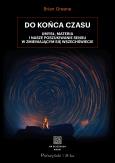
To książka o Wszechświecie; od jego początków, aż do końca - takiego, jakim go sobie obecnie wyobrażamy. A także o zdumiewającym zjawisku, które określamy jako świadomość, i o procesach myślowych, umożliwiających nam poznawanie Wszechświata. Najnowsza książka Briana Geene'a to wielkie podsumowanie naszej wiedzy o rzeczywistości i wielka medytacja nad pięknem praw fizyki, istotą życia, świadomości, a także przemijalnością wszystkiego. ""Do końca czasu"" to wspaniałe dzieło jednego z najbardziej wpływowych współczesnych fizyków, które być może zostanie kiedyś uznane za jego najważniejszą i jednocześnie najbardziej niezwykłą książkę. Brian Greene jest profesorem fizyki i matematyki oraz dyrektorem Centrum Fizyki Teoretycznej Uniwersytetu Columbia; słynie z publikacji w dziedzinie teorii superstrun. Jest autorem książek ""Piękno Wszechświata"", ""Struktura kosmosu"" oraz ""Ukryta rzeczywistość"", które sześćdziesiąt pięć tygodni gościły na liście bestsellerów ""New York Timesa"" i sprzedały się w ponad dwóch milionach egzemplarzy na całym świecie.
Ten produkt jest zapowiedzią. Realizacja Twojego zamówienia ulegnie przez to wydłużeniu do czasu premiery tej pozycji. Czy chcesz dodać ten produkt do koszyka?