German sociologist Max Weber’s 1919 lecture Politics as a Vocation is widely regarded as a masterpiece of political theory and sociology. Its central strength lies in Weber’s deployment of masterful interpretative skills to power his discussion of modern politics.
Interpretation involves understanding both the meaning of evidence and the meaning of terms – questioning definitions, clarifying terms and processes, and supplying good, clear definitions of the author’s own. As a sociologist accustomed to working with historical evidence, Weber based his own work on precisely these skills, solidly backed up by analytical acuity.
Politics as a Vocation, written in a Germany shocked by its crippling defeat in World War I, saw Weber turn his eye to an examination of how the modern nation state emerged, and the different ways in which it can be run – interpreting and defining the different types of rule that are possible. It is testament to Weber’s interpretative skills that Politics is famous above all in sociological circles for its clear definition of a state as an institution that claims “the monopoly of legitimate physical violence” in a given territory.
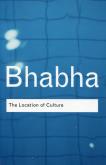
Homi K. Bhabha’s 1994 The Location of Culture is one of the founding texts of the branch of literary theory called postcolonialism. While postcolonialism has many strands, at its heart lies the question of interpreting and understanding encounters between the western colonial powers and the nations across the globe that they colonized. Colonization was not just an economic, military or political process, but one that radically affected culture and identity across the world. It is a field in which interpretation comes to the fore, and much of its force depends on addressing the complex legacy of colonial encounters by careful, sustained attention to the meaning of the traces that they left on colonized cultures. What Bhabha’s writing, like so much postcolonial thought, shows is that the arts of clarification and definition that underpin good interpretation are rarely the same as simplification. Indeed, good interpretative clarification is often about pointing out and dividing the different kinds of complexity at play in a single process or term. For Bhabha, the object is identity itself, as expressed in the ideas colonial powers had about themselves. In his interpretation, what at first seems to be the coherent set of ideas behind colonialism soon breaks down into a complex mass of shifting stances – yielding something much closer to postcolonial thought than a first glance at his sometimes dauntingly complex suggests.
In this book, Sedgwick examines texts from Europe and America such as Wilde, Nietzsche and Proust and considers the historical moment when sexual orientation came to be as important a signifier of personhood as gender had been for centuries. In doing this, Sedgwick provides a history of sexuality that contends that the dualistic homo/heterosexual model is as much a basis for modern culture as it is an outcome of it. Thus, Sedgwick laid the foundations of Queer Theory, contributing to the contemporary debates regarding the relationship between desire and normative structures of power, the question of empirical sexuality, and the intricacies of the relationship between sexuality and gender.
Haraway’s ‘A Cyborg Manifesto’ is a key postmodern text and is widely taught in many disciplines as one of the first texts to embrace technology from a leftist and feminist perspective using the metaphor of the cyborg to champion socialist, postmodern, and anti-identitarian politics. Until Haraway’s work, few feminists had turned to theorizing science and technology and thus her work quite literally changed the terms of the debate. This article continues to be seen as hugely influential in the field of feminism, particularly postmodern, materialist, and scientific strands. It is also a precursor to cyberfeminism and posthumanism and perhaps anticipates the development of digital humanities.
Rethinking questions of identity, social agency and national affiliation, Bhabha provides a working, if controversial, theory of cultural hybridity - one that goes far beyond previous attempts by others. In The Location of Culture,he uses concepts such as mimicry, interstice, hybridity, and liminality to argue that cultural production is always most productive where it is most ambivalent. Speaking in a voice that combines intellectual ease with the belief that theory itself can contribute to practical political change, Bhabha has become one of the leading post-colonial theorists of this era.
Kolejny, jubileuszowy, numer „Orbis Linguarum” został przygotowany przez pracowników Instytutu Filologii Romańskiej i Instytutu Filologii Germańskiej UWr. Przeważają w nim teksty w języku francuskim, które oscylują wokół szeroko rozumianych zagadnień związanych ze znaczeniem i sensem, zarówno w ujęciu językoznawczym, jak i literaturoznawczym. Oprócz uznanych polskich badaczy, swoje artykuły prezentują tam również wybitni francuscy specjaliści. Artykuły poruszają różnorodne tematy, m.in. z zakresu analizy dyskursu, przyswajania i dydaktyki języka francuskiego, analizy konkretnych gatunków tekstów (jak teksty prawnicze, fora internetowe czy słowniki), a także z zakresu współczesnej i dawnej literatury oraz kultury francuskiej i polskiej.
Książka dotyczy pracy uznanej za pierwszą polską monografię etnograficzną, zatytułowanej Okolica Za-dniestrska Między Stryiem i Łomnicą czyli Opis Ziemi i dawnych klęsk, lub odmian tey Okolicy; tudzież, iaki iest lud prosty dla religii i dla Pana swego? Zgoła, iaki ón iest? w całym sposobie życia swego, lub w swych Zabobonach albo zwyczaiach, która ukazała się w 1811 roku we Lwowie, w drukarni Jana Sznaydera. Jej autor, Ignacy Lubicz Czerwiński, przez co najmniej kilkanaście lat prowadził obserwacje na obszarze między prawobrzeżnymi dopływami Dniestru – Stryjem, Łomnicą, a podnóżem Karpat, przede wszystkim na terenach posiadanych przez niego wsi (m.in. Dołpotowa). Efektem tych badań była doceniona przez kilku XIX-wiecznych i XX-wiecznych badaczy (m.in. Władysława Dropiowskiego, Izydora Kopernickiego, Stanisława Zdziarskiego, Adama Fischera, a przede wszystkim Romana Kyrcziwa i Edwarda Pietraszka) monografia, która pomimo ich apeli nie doczekała się całościowego opracowania.
Książka Małgorzaty Rygielskiej Monografia Ignacego Lubicz Czerwińskiego „Okolica Za-dniestrska”. Studium kulturoznawcze – przynajmniej w pewnej mierze – wypełnia tę lukę. Jej autorka świadomie proponuje interdyscyplinarne podejście kulturoznawcze w miejsce dotychczasowych prób wpisywania pracy Czerwińskiego w ramy określonych dyscyplin. Korzysta przy tym z szerokiej, niewartościującej definicji kultury. Jej studium może stać się inspiracją dla badaczy kultury zajmujących się zmianą kulturową, badaczy terenowych, badaczy kultur lokalnych, historyków kultury oraz wszystkich zainteresowanych dziejami Bojkowszyzny i XIX-wiecznymi próbami systematycznego opisu kultury.
Siódmy zeszyt w serii Beiträge zur allgemeinen und vergleichenden Sprachwissenschaft przynosi m.in. artykuły: Jürgena Ehrenmüllera Wie viel steht „auf dem“ oder „am“ Spiel? Diatopische Markiertheit von konventionalisierten Spielphraseologismen am Beispiel des österreichischen Deutsch; Magdaleny Z. Feret Was markiert „jener“?; Marty Rogozińskiej Markierte Intonation im wissenschaftlichen Vortrag. Eine Fallstudie.
Zadziwiające spojrzenie na życie i wszechświat jak fizyka kwantowa wpływa na naszą codzienność?Doktor Amit Goswami udowadnia, że fizyka kwantowa jest kluczem do zrozumienia największych tajemnic świata, i pokazuje, jak wykorzystać jej założenia w codziennym życiu. Wiedza zawarta w tej książce pozwala zupełnie inaczej spojrzeć na takie sprawy jak życie, śmierć czy znaczenie intuicji, świadomości i snów. Autor w przystępny i zrozumiały sposób przybliża temat fizyki kwantowej wszystkim tym, którzy chcieliby zrozumieć nasz związek z wszechświatem. Według niego jest ona nie tylko przyszłością, ale także kluczem do zrozumienia ludzkiej świadomości i tajemnicy życia.
Książka przedstawia problematykę definicji w aspekcie historycznym i systematycznym. Autor uporządkował chronologicznie stanowiska akceptujące i nieakceptujące użycie definicji. Opracował nadto i wyakcentował związki teorii znaczenia i teorii definicji przez aplikację referencyjnej semantyki Hilarego Putnama. Monografia uwyraźniła fakt, że definicje podlegają rewizjom i zmianom. Współczesne, nowe spojrzenie na tradycyjną teorię definicji może być pożyteczne, między innymi, dla osób zainteresowanych językoznawstwem (lingwistyką), psycholingwistyką, socjolingwistyką, filozofią języka i nauki, a także semiotyką, metodologią i epistemologią.
Jednym z najszerzej dyskutowanych współcześnie problemów w filozofii jest kwestia wolnej woli. Dotyczy ona tego, czy samą wolną wolę daje się uzgodnić z przyczynową determinacją działania przez czynniki niezależne od kontroli sprawcy, co jest warunkiem moralnej odpowiedzialności. Dyskusja zatem o wolnej woli prowadzi do problemu zasługi i kary, winy i odpowiedzialności, umysłu i ciała, konieczności i możliwości, wieczności i czasu, dobra i zła. W konsekwencji problem wolnej woli nie ogranicza się w prosty sposób do jednej, określonej dziedziny filozofii, ale staje się przedmiotem dociekań etyki, epistemologii, filozofii społecznej i politycznej, metafizyki, filozofii umysłu, filozofii prawa i nauki czy wreszcie filozofii religii. Wspólnym mianownikiem zarysowanego zagadnienia jest problem fatalizmu — fatalizmu teologicznego, ale także logicznego. Logiczna wersja fatalizmu zakłada, że każde zdarzenie przyszłe jest zdeterminowane przez to, co już jest prawdziwe, w szczególności przez prawdę, która się wtedy zdarzy. Teologiczny wariant fatalizmu natomiast wprowadza predestynację wszystkich zdarzeń w takim zakresie, w jakim boski byt poznaje wcześniej albo wprost z wieczności, że dane zdarzenia będą miały miejsce.Prezentowana książka jest odpowiedzią na zainteresowanie problematyką wolnej woli i hipotezą teistyczną obserwowane we współczesnej filozofii od lat sześćdziesiątych ubiegłego stulecia, o czym świadczą publikacje A.N. Priora, Ch. Hartshorna, N. Pike'a czy R. Taylora, a współcześnie W. Haskera, P. Inwagena, A. Plantingi i wielu innych. Publikowany tom przekładów dzieł klasyków zagadnienia wolnej woli i hipotezy teistycznej od czasów karolińskich do współczesności, tekstów niezwykle ważnych i nośnych filozoficznie, wypełnia ewidentną lukę w polskiej literaturze filozoficznej. Warto podkreślić, że podobny deficyt adekwatnych przekładów także w filozoficznej literaturze anglojęzycznej skutkował nieporozumieniami albo wręcz zupełnie błędnymi interpretacjami tych klasycznych problemów.
Niniejszy tom jest pierwszą częścią realizowanego na Wydziale Filozofii KUL projektu dotyczącego badań nad problemem wolnej woli i hipotezy teistycznej. Część drugą będzie stanowił tom zawierający studia i eseje poświęcone zarówno doktrynie myślicieli prezentowanych w tym tomie, jak i koncepcjom przedstawicieli innych nurtów w filozofii dawniejszej i współczesnej, takich jak Anzelm z Canterbury, Tomasz z Akwinu, Baruch Spinoza, reprezentanci filozofii procesu i teizmu otwartego. Publikacja tomu obejmującego studia i eseje jest planowana na wiosnę 2019 roku.
W pierwszej części tomu znajdują się opracowania dotyczące historii filozofii (od św. Augustyna do końca XVIII wieku), a w drugiej - badania nad myślą współczesną. Autor wprowadzenia słusznie zauważa, że kwestia ludzkiej wolności ma doniosłe znaczenie w kontekście ekspansji współczesnych nurtów naturalistycznych, które de facto pozbawiają człowieka wolności, a zatem i odpowiedzialności. Analiza rozmaitych stanowisk filozoficznych pozwala ten problem podjąć kompetentnie i uniknąć wielu aporii logicznych, jak również metafizycznych i antropologicznych, które wydają się powstawać w refleksji nad wszechwiedzą Boga i wolnością człowieka.
Prof. dr hab. Marcin Karaś (UJ)
Przed autentycznie uprawianą historią filozofii stoi bowiem trudne zadanie ciągłego podtrzymywania źródeł filozofii w taki sposób, by mogły one dostarczać materiału do opisu ludzkiego doświadczenia również współcześnie. Tytułowa kontrowersja („Jeżeli Bóg istnieje...") autorom omawianej monografii stworzyła warunki, w których jak w pryzmacie jednorodne stanowiska i monolityczne systemy ujawniły swoje wewnętrzne zróżnicowanie. Dawniejsza filozofia stała się bardziej zrozumiała, a współczesne koncepcje ukazały swoją istotność. [...] Teizm i naturalizm (użyjmy sformułowań ogólnych i nieostrych, ale wyrażających jakoś specyfikę dwóch perspektyw) być może dlatego wchodzą ze sobą w konfrontację, że odnoszą się do podobnego, choć różnie formułowanego problemu — wolności w warunkach konieczności. [...] Wszystkie zawarte w tomie teksty są oryginalnymi artykułami naukowymi, opierają się na tekstach źródłowych i najnowszej literaturze przedmiotu. Wszyscy autorzy reprezentują w swojej dziedzinie najwyższy poziom badań naukowych, a ich kompetencje potwierdzają dotychczasowe publikacje (artykuły, monografie, przekłady).
Dr hab. Tomasz Kupś, prof. UMK
Pojęcie filozofii klasycznej w swym istotnym rdzeniu zawiera elementy przemawiające do każdego bez wyjątku człowieka, który umiejętność refleksji wykorzystuje do poszerzania pola swego człowieczeństwa. Elementy te to prawda i obiektywizm. Przez lata istnienia PRL systematycznie trzebiono ze świadomości społecznej w Polsce treści klasyczne filozofii. Nagle głośną mową odkryto sens prawdy i godności, prawdomówności, prawa i dobra, miłości, wiary i Boga. Filozofia klasyczna musi odnaleźć drogę do umysłów ludzkich. Nieoczekiwanie imperatyw ten zweryfikował mi się w maju 1981 roku w Gdańsku - w mieście będgcym symbolem całego wielkiego kontekstu szansy ducha narodowego. Seria wykładów, które autor wygłosił w tym mieście na prośbę Ośrodka Prac Społeczno-Zawodowych przy NSZZ Solidarność w Gdańsku, wykładów zbudowanych właśnie na zrębie podstawowych problemów, dziedzin i sensów filozofii klasycznej - spotkała się z przyjęciem zaskakujgco żywym.
Tom Etyka nauczyciela pod redakcją Magdaleny Bajan oraz Sławomira Jacka Żurka to niezwykle wartościowa i potrzebna pozycja wydawnicza. W jej skład wchodzą artykuły naukowe i popularnonaukowe z zakresu bardzo szeroko rozumianej humanistyki, nastawionej na problemy etyczne. Ich autorami są bowiem zarówno nauczyciele akademiccy, prowadzący prace badawcze, jak i nauczyciele-praktycy, pracujący w różnego rodzaju placówkach oświatowych, co wyznacza nowoczesny kurs otwartego dyskursu szkoły z uniwersytetem.
Dr hab. Krzysztof Biedrzycki
Etyka nauczyciela to publikacja porządkującą współczesne rozumienie zagadnień związanych z etosem tej grupy zawodowej. Tom wpisuje się w publiczną debatę o systemach normatywnych regulujących funkcjonowanie społeczeństwa. Gromadzi wypowiedzi przedstawicieli środowisk szkolnych i uniwersyteckich z całego kraju, nie pretendując jednak do formułowania zbioru prawideł moralnych nauczyciela. [...] Zaletą takiego ujęcia jest połączenie bogatego opisu wyzwań moralnych, przed jakimi stoi współczesna polska szkoła, z próbą refleksji o charakterze aksjologiczno-normatywnym.
Ks. dr hab. Alfred M. Wierzbicki, prof. KUL
Autor ukazał, że edukacja integracyjna nie jest czynnikiem dynamizującym rozwój dziecka niepełnosprawnego, nie sprzyja bowiem redukcji narastającego w nim lęku ani osiągnięciu korzystnej pozycji w strukturze klasy, zwiększa natomiast koszty emocjonalne. Efekty edukacji integracyjnej inaczej oceniają nauczyciele prowadzący i wspomagający, a inaczej rodzice. Każda z tych grup wiąże odmienne oczekiwania z tą formą kształcenia. Edukacja integracyjna rzeczywiście „woła o pomoc” profesjonalistów. Praca znajdzie zapewne wielu czytelników. Jest skierowana do specjalistów zajmujących się rehabilitacją i kształceniem osób niepełnosprawnych, pedagogów specjalnych, a także licznej grupy studentów psychologii i pedagogiki oraz rodziców niepełnosprawnych dzieci. Stanowi znaczącą pozycję książkową na temat psychologicznych i pedagogicznych aspektów kształcenia integracyjnego.
Książka, która powstała jako projekt badawczy we współpracy z Uniwersytetem Artystycznym w Poznaniu, opisuje poszukiwanie eksperymentalnych, alternatywnych praktyk w polu kształcenia akademickiego młodych artystów. Zadajemy pytanie o to, w jaki sposób w obowiązujących ramach kształcenia wypracować nowe metody edukacji, w jaki sposób umieścić w nich niemożliwe do zdefiniowania nieustająco zmieniające się doświadczenia aktualnych sztuk wizualnych.Istotne jest tu określenie miejsca instytucji oraz relacji pomiędzy studentem a wykładowcą. Jak można w elastyczny i twórczy sposób redefiniować modele dystrybucji wiedzy, jaka jest rola mistrza, ucznia, jakie znaczenie ma praca grupowa, w jaki sposób do programu akademii powinna być wprowadzona praktyka dyskursywna i krytyczna, jaka jest rola nauczenia warsztatu, w jaki sposób wprowadzać studentów do profesjonalnego obiegu sztuki?Publikacja dofinansowana ze środków Ministra Nauki i Szkolnictwa Wyższego.
Conjectures and Refutations is one of Karl Popper's most wide-ranging and popular works, notable not only for its acute insight into the way scientific knowledge grows, but also for applying those insights to politics and to history. It provides one of the clearest and most accessible statements of the fundamental idea that guided his work: not only our knowledge, but our aims and our standards, grow through an unending process of trial and error.
David Bohm was one of the foremost scientific thinkers and philosophers of our time. Although deeply influenced by Einstein, he was also, more unusually for a scientist, inspired by mysticism. Indeed, in the 1970s and 1980s he made contact with both J. Krishnamurti and the Dalai Lama whose teachings helped shape his work. In both science and philosophy, Bohm's main concern was with understanding the nature of reality in general and of consciousness in particular. In this classic work he develops a theory of quantum physics which treats the totality of existence as an unbroken whole. Writing clearly and without technical jargon, he makes complex ideas accessible to anyone interested in the nature of reality.
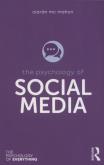
Are we really being ourselves on social media? Can we benefit from connecting with people we barely know online? Why do some people overshare on social networking sites?
The Psychology of Social Media explores how so much of our everyday lives is played out online, and how this can impact our identity, wellbeing and relationships. It looks at how our online profiles, connections, status updates and sharing of photographs can be a way to express ourselves and form connections, but also highlights the pitfalls of social media including privacy issues.
From FOMO to fraping, and from subtweeting to selfies, The Psychology of Social Media shows how social media has developed a whole new world of communication, and for better or worse is likely to continue to be an essential part of how we understand our selves.
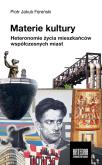
W swej najnowszej książce Piotr Jakub Fereński ukazuje relacje zachodzące pomiędzy kulturą, miastem i życiem jego mieszkańców. Autor proponuje specyficzny sposób czytania nakładających się na siebie w przestrzeni miejskiej kodów. Stara się pokazać, jak można interpretować zawarte w niej przekazy i znaczenia. Interesuje go zarówno to, co materialne, namacalne, bezpośrednio obserwowalne, jak i to, co niewidzialne, ukryte, a co zarazem stanowi klucz do zrozumienia sposobów myślenia i zachowań ludzi. Z jednej strony istotne okazują się wartości (estetyczne, artystyczne, etyczne), z drugiej zaś kapitał i praktyki władzy. Fereński zabiera czytelnika w podróż po różnych kontynentach – pisze zarówno o Wrocławiu czy Wiedniu, jak i o Brasílii, Limie, Detroit, Petersburgu, Nowokuźniecku i Tomsku. Pytając o heteronomie życia w mieście, rozważa kwestie związane z rozwojem cywilizacyjnym, ze znaczeniem architektury, z religią, z ideologią, z polityką, z globalnością, z przeobrażeniami społeczno-ekonomicznymi, z uwarunkowaniami geograficznymi. Najważniejsza wciąż jednak pozostaje kultura...
Ten produkt jest zapowiedzią. Realizacja Twojego zamówienia ulegnie przez to wydłużeniu do czasu premiery tej pozycji. Czy chcesz dodać ten produkt do koszyka?