Odkryj pasjonujące fakty i ciekawostki z całego świata!Daj się ponieść wyobraźni i przeżyj wspaniałą przygodę!Każda strona Atlasu odkrywców to mnóstwo niebanalnych informacji o kulturze, historii, ekonomii, przyrodzie, geografii, wydarzeniach sportowych i wielu innych dziedzinach. Między okładkami tej książki czeka na ciebie niezwykła wyprawa przez kontynenty, która wciągnie cię bez reszty.Wyrusz w fascynującą podróż w najdalsze zakątki globuPrzemierz morza i oceany z największymi odkrywcami, prześledź bieg najdłuższych rzek, dotrzyj do najbardziej odizolowanego plemienia w Amazonii, zachwyć się bioróżnorodnością motyli w Nigerii i poznaj wyspy Kiribati, zanim te znikną na dobre.Piękno świata w twoich dłoniachAtlas zaprojektowano tak, byś dzięki czytelnym ikonom z łatwością znalazł na mapach państw wszystko, co cię zaciekawia, a przepiękna harmonijna oprawa graficzna sprawi, że zatracisz się odkrywaniu nieznanego, a zarazem nie pozwoli zagubić ci się w niezwykłościach naszej planety.Zajrzyj do Atlasu odkrywców i zaplanuj nową wyprawę lub poznaj zdumiewające fakty o miejscach, w których już byłeś. 144 strony Atlasu to nieprzebrane źródło inspiracji dla osób ciekawych świata, podróżników i miłośników map w każdym wieku.`
Książki o systemie energetycznym, zasobach i środowisku w większości dzielą się na dwie kategorie: tak fachowe i trudne, że nikt poza jajogłowymi ekspertami nie jest w stanie przez nie przebrnąć, oraz nadmiernie uproszczone i tym samym nie dające prawdziwego zrozumienia tematu.
„Rewolucja Energetyczna” to książka napisana przez fizyka i analityka megatrendów, od lat zajmującego się tą tematyką, ale też trenera prowadzącego szkolenia z wystąpień publicznych. To pełna wiedzy książka, dająca dogłębny wgląd w sytuację energetyczną świata i Polski, ale równocześnie zaskakująco wciągająca i pobudzająca emocjonalnie lektura.
Jest tu wszystko to, co zwykle kojarzy nam się nie z pozycjami analitycznymi, lecz z powieściami sensacyjnymi. Na horyzoncie majaczy zagrożenie, a im bliżej mu się przyglądamy, tym bardziej okazuje się realne i przerażające. Mamy „ciemne charaktery”, od dawna trzymające władzę i działające w imię swoich interesów, sprzecznych z interesem ogółu. Jednak na scenie dramatu pojawiają się też nowe siły, próbujące powstrzymać katastrofę – z początku słabe i wydające się stać na przegranej pozycji, jednak stopniowo krzepnące i rzucający wyzwanie dotychczasowym panom sytuacji. Czy pokonają piętrzące się przed nimi przeszkody i dadzą radę uratować nasz świat? W miarę lektury napięcie rośnie, a czytelnik nie może oderwać się od książki, chcąc wiedzieć, co będzie dalej. Którą drogę wybierzemy na rozdrożu, na którym stoimy?
Ta zarówno pełna wiedzy, jak i serca opowieść jest tym bardziej przejmująca, że nie jest fikcją, lecz bazującym na faktach opisem świata, w którym żyjemy. To, o czym pisze autor to prawdopodobnie największa opowieść w historii ludzkości, a waga poruszanej w książce tematyki jest nie do przecenienia.
To, co zrobimy (a przede wszystkim to, czego nie zrobimy), zdecyduje o tym, czy wybierzemy drogę do piekła (i nie ma w tym szczególnej przesady), czy w stronę dobrej i bezpiecznej przyszłości. Na razie stoimy na rozdrożu i wciąż nie jest jasne, którą drogą pójdziemy – jako świat, Europa i Polska.
Rysujący się nowy porządek, do którego prowadzi tytułowa „Rewolucja Energetyczna”, jest spójną wizją nie tylko przyszłości energetycznej, ale też społecznej, gospodarczej i środowiskowej. Pięknej wizji. Wizji świata, o którym nawet nie śmieliśmy marzyć, a który może być na wyciągnięcie ręki. Nie ma dla niego barier technicznych, środowiskowych, ani nawet ekonomicznych – jedyne bariery są w naszych głowach.
Ta książka jest drogowskazem. Warto mu się dobrze przyjrzeć, zrozumieć go i mądrze wybrać kierunek, w którym razem pójdziemy. A przede wszystkim zabrać się do działania, jakby od tego zależała przyszłość świata. Bo zależy.
The summation of the existentialist philosophy threaded throughout all his writing, Albert Camus' The Myth of Sisyphus is translated by Justin O'Brien with an introduction by James Wood in Penguin Classics.
In this profound and moving philosophical statement, Camus poses the fundamental question: is life worth living? If human existence holds no significance, what can keep us from suicide? As Camus argues, if there is no God to give meaning to our lives, humans must take on that purpose themselves. This is our 'absurd' task, like Sisyphus forever rolling his rock up a hill, as the inevitability of death constantly overshadows us. Written during the bleakest days of the Second World War, The Myth of Sisyphus (Le Mythe de Sisyphe) argues for an acceptance of reality that encompasses revolt, passion and, above all, liberty.
This volume contains several other essays, including lyrical evocations of the sunlit cities of Algiers and Oran, the settings of his great novels The Outsider and The Plague.
Albert Camus (1913-60) is the author of a number of best-selling and highly influential works, all of which are published by Penguin. They include The Fall, The Outsider and The First Man. Awarded the Nobel Prize for Literature in 1957, Camus is remembered as one of the few writers to have shaped the intellectual climate of post-war France, but beyond that, his fame has been international.
Autor z głębokim zaangażowaniem i precyzją ukazuje właściwe rozumienie dynamizmu życia moralnego oraz tłumaczy jego funkcjonowanie, tak w wymiarze indywidualnym (osoba - podmiot działań moralnych) jaki wspólnotowym (etyczne odniesienia społeczne). Przeprowadzona refleksja ma charakter praktyczny i bardzo życiowy, zachowując jednocześnie walor naukowy i w pełni profesjonalny. W swoich rozważaniach Autor opiera się na rozumnej obserwacji rzeczywistości, odnosi się do prawd objawionych, korzysta z nauczania Magisterium Kościoła i odwołuje się do licznych autorytetów z dziedziny etyki teologicznej oraz innych dyscyplin naukowych, przez co praca zyskuje walor interdyscyplinarny, a jednocześnie zachowuje swój zasadniczy rys rozprawy o charakterze teologicznomoralnym.
Z recenzji wydawniczej ks. dr. hab. Macieja Olczyka, prof. UAM
Autor udowadnia, iż spojrzenie oczami teologa moralisty na aktualne procesy zachodzące w świecie i ich ocena w kategoriach normatywnych i duchowych daje szansę nadania ludzkiej egzystencji głębszego wymiaru, adekwatnego do godności chrześcijańskiego powołania. Ponadto, zachęca wszystkie osoby dobrej woli do kształtowania w sobie postawy odpowiedzialności za podejmowane wybory oraz realizowane zadania społeczne. Zaprezentowane w książce wyniki poszukiwań naukowych Autora stanowią wyraźny i pobudzający do refleksji wkład do rozważań nad miejscem prawdy, dobra i poprawnie uformowanego sumienia w życiu moralnym współczesnego człowieka.
Z recenzji wydawniczej dr. hab. Adama Zadrogi
Jeśli wierzyć codziennym serwisom informacyjnym, świat wali się na naszych oczach. Gdzie nie spojrzeć – problemy: postępująca polaryzacja polityczna, wojny, terroryzm, nierówności, ubóstwo, zmiany klimatu. Media informacyjne mówią jasno: jest źle, a będzie tylko gorzej.
Naprzeciw dziennikarzom i politykom licytującym się o prym w pesymizmie wychodzi Johan Norberg. Poruszające opowieści i zaskakujące dane, które przytacza rysują obraz świata zupełnie różny od tego, jaki widzimy na ekranach telewizorów. Wbrew powszechnemu fatalizmowi, ludzkość radzi sobie świetnie. Dzień za dniem, rok za rokiem, dekada za dekadą, wygrywamy kolejne bitwy z głodem, biedą, chorobami, przemocą i niesprawiedliwością.
Czarnowidztwo łatwiej sprzedać, ale nie dajmy się zmylić – fakty stoją po stronie optymizmu.
Wydawca
Książka ukazuje problematykę samotności i jej pedagogiczny wymiar. Za potrzebą wydania tej publikacji przemawia aktualność podejmowanej tematyki oraz konieczność rozwijania dyscypliny – pedagogiki, a zwłaszcza jej subdyscyplin.
Monografia jest skierowana głównie do pracowników nauk społecznych, humanistycznych, studentów, seniorów, duchowieństwa, ale także do każdej osoby, która doświadcza w życiu sytuacji kryzysowej, odrzucenia, bezradności czy właśnie samotności.
Autor zdobył wielu zwolenników na całym świecie promując rosyjską filozofię zdrowia. W tej książce, często w dowcipny i prowokacyjny sposób, dostarcza wielu cennych informacji dotyczących odżywiania, odpoczynku, partnerstwa czy seksualności. Poznasz 33 prawdziwe przyczyny tego, że jesteśmy nieszczęśliwi. Odkryj siebie na nowo.
Fragmenty recenzji:
“Autorka nie tylko dzięki odrębności swojego widzenia, ale przede wszystkim poprzez dążenie do pełnego ukazania doświadczeń człowieczego losu odzwierciedlonych w micie Judasza odkrywczo przeanalizowała teksty, uniknęła uproszczonych schematów interpretacyjnych, daleko jej do powleczonych platyną literaturoznawczej rutyny ustalonych raz na zawsze sądów”. [prof. dr hab. Z. Trzaskowski]
„Na zdecydowaną pochwałę zasługuje sięgnięcie po teksty stosunkowo mniej niż Huelle promowanych literatów: Henryka Panasa, Krzysztofa Jednachowskiego, Mirosława P. Jabłońskiego. Jak podkreślał czołowy przedstawiciel nowego historycyzmu, Stephan Greenblatt, o kulturze danego okresu bardziej miarodajnie świadczy dorobek pisarzy nie najgłośniejszych”. [prof. dr hab. D. Heck]
Okaleczony świat ukazuje w przystępny sposób dzieje fotografii z nowej, środkowoeuropejskiej perspektywy. Dzięki odpowiednio dobranym zdjęciom ? zarówno tym ikonicznym, jak i mniej znanym ? czytelnik odkrywa niezwykłe historie. Piękno sąsiaduje w nich z okrucieństwem, codzienność skrywa w sobie poezję.
Część pierwsza obejmuje szczegółowe omówienie stanu badań i metodologii, a część druga jest zbiorem hermeneutycznych analiz wybranych przez autora fotografii z lat 1838?2017. Taka przejrzysta konstrukcja pozwala na połączenie tekstu naukowego ze swobodą naukowej eseistyki, w której autor analizuje ułożone w porządku chronologicznym fotografie, traktując je jako studia przypadków.
Monografia ? dzięki zebranej literaturze i ujęciu metodologicznemu ? otwiera nowy rozdział w badaniach nad medium. Okaleczony świat jest nie tylko podręcznikiem do historii fotografii obejmującym jej dzieje od wynalazku Daguerre’a w 1838 roku do współczesności. To historia Europy Środkowej opowiedziana przez pryzmat ponad stu czterdziestu zdjęć; historia przełamująca istniejący kanon i proponująca nowy język opisu.
„Okaleczony świat nie jest jedynie książką o historii sztuki, chociaż z takich źródeł wyrasta. To historia kulturowa (...). Każdy z analizowanych obrazów ożywa, zyskuje historyczne tło, czasem anegdotyczne. Adam Mazur wykorzystuje w swojej pracy własne olbrzymie doświadczenie, kuratora, badacza, konstruktora fotograficznych narracji. A przy tym wszystkim po prostu znakomicie i ciekawie opowiada. Przydatność wiedzy zawartej w Okaleczonym świecie dostrzegą nie tylko naukowcy, studenci i miłośnicy fotografii. Przyjemność znajdą w niej czytelniczki i czytelnicy lubiący dobre historie”.
prof. dr hab. Marianna Michałowska
Adam Mazur – doktor nauk humanistycznych, historyk sztuki i amerykanista, adiunkt na Wydziale Fotografii Uniwersytetu Artystycznego w Poznaniu. Kurator wystaw, redaktor antologii i katalogów. Autor tekstów i książek poświęconych sztuce współczesnej. Specjalizuje się w fotografii, której poświęcił m.in. książki: Kocham fotografię. Teksty z lat 1999?2009 (2009), Historie fotografii w Polsce 1839?2009 (2010), Decydujący moment. Nowe zjawiska w fotografii polskiej po roku 2000 (2012), Głębia ostrości. Eseje o fotografii polskiej po 1945 roku (2014), Po końcu fotografii (2018). Laureat nagrody Stowarzyszenia Historyków Sztuki im. ks. prof. Szczęsnego Dettloffa i nagrody krytyki artystycznej im. Jerzego Stajudy.
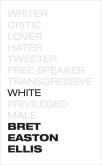
Bret Easton Ellis is most famous for his era-defining novel American Psycho and its terrifying anti-hero, Patrick Bateman. With that book, and many times since, Ellis proved himself to be one of the world’s most fearless and clear-sighted observers of society – the glittering surface and the darkness beneath.
In White, his first work of non-fiction, Ellis offers a wide-ranging exploration of what the hell is going on right now. He tells personal stories from his own life. He writes with razor-sharp precision about the music, movies, books and TV he loves and hates. He examines the ways our culture, politics and relationships have changed over the last four decades. He talks about social media, Hollywood celebrities and Donald Trump.
Ellis considers conflicting positions without flinching and adheres to no status quo. His forthright views are powered by a fervent belief in artistic freedom and freedom of speech. Candid, funny, entertaining and blisteringly honest, he offers opinions that are impossible to ignore and certain to provoke.
What he values above all is the truth. ‘The culture at large seemed to encourage discourse,’ he writes, ‘but what it really wanted to do was shut down the individual.’ Bret Easton Ellis will not be shut down.
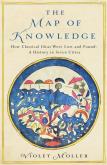
A lovely debut from a gifted young author. Violet Moller brings to life the ways in which knowledge reached us from antiquity to the present day in a book that is as delightful as it is readable.' Peter Frankopan, author of The Silk Roads
In The Map of Knowledge Violet Moller traces the journey taken by the ideas of three of the greatest scientists of antiquity – Euclid, Galen and Ptolemy – through seven cities and over a thousand years. In it, we follow them from sixth-century Alexandria to ninth-century Baghdad, from Muslim Cordoba to Catholic Toledo, from Salerno’s medieval medical school to Palermo, capital of Sicily’s vibrant mix of cultures, and – finally – to Venice, where that great merchant city’s printing presses would enable Euclid’s geometry, Ptolemy’s system of the stars and Galen’s vast body of writings on medicine to spread even more widely.
In tracing these fragile strands of knowledge from century to century, from east to west and north to south, Moller also reveals the web of connections between the Islamic world and Christendom, connections that would both preserve and transform astronomy, mathematics and medicine from the early Middle Ages to the Renaissance.
Vividly told and with a dazzling cast of characters, The Map of Knowledge is an evocative, nuanced and vibrant account of our common intellectual heritage.
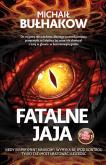
"Kiedy eksperyment naukowy wymyka się spod kontroli tylko cud może uratować ludzkość.
Przez lata króciutkie a znakomite dzieło Bułhakowa odczytywano w kluczu groteski i gorzkiej satyry na rzeczywistość pierwszych pięciolatek władzy realnego komunizmu.
A przecież Fatalne jaja to również dramatyczne ostrzeżenie przed ludzką ingerencję w inżynierię przyrody i ciekawa wizja futurystyczna.
Wspaniały wynalazek człowieka - czerwony promień, które przemienia żywe organizmy w mordercze potwory rządzone instynktem, dobre chęci naukowca i nauka oskrobana z moralności do wybuchowa mieszanka, która prowadzi czytelnika do nieoczekiwanego zakończenia.
Do tej pory nie wiadomo, dlaczego sowiecka cenzura przepuściła tę książkę a jej autor nie skończył z kulą w głowie w bezimiennym grobie. Zadziwia słabość Stalina do pióra Bułhakowa, że za jego wstawiennictwem na afisze powróciła sztuka Dni Turbinów, a także z jego polecenia Bułhakow znalazł pracę jako asystent reżysera w Teatrze Artystycznym.
Jeśli sądzisz, że groźne i opłakane w skutkach eksperymenty naukowe zdarzały się tylko w komunizmie, nie sięgaj po tę książkę"
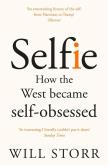
"‘Fascinating’ Guardian
‘Brilliant’ Evening Standard
‘Electrifying’ Financial Times
‘So interesting I literally couldn’t put it down’ Sunday Times
We are living in an age of heightened individualism. Success is a personal responsibility. Our culture tells us that to succeed is to be slim, rich, happy, extroverted, popular – flawless.
The pressure to conform to this ideal has changed who we are. We have become self-obsessed. And our expectation of perfection comes at a cost. Millions are suffering under the torture of this impossible fantasy.
It was not always like this. To explain how we got here, Will Storr takes us on a journey across continents and centuries. Full of thrilling and unexpected connections between history, psychology, economics, neuroscience and more, Selfie is an unforgettable book that makes sense of who we have become.
As featured on Russell Brand’s Under The Skin podcast."
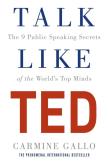
Discover the secrets to a perfect TED Talk and learn how to deliver an exceptional presentation with Carmine Gallo's Talk Like TED.
TED Talks have redefined the elements of a successful presentation and become the gold standard for public speaking around the world. And yet the techniques that top TED speakers use are the same ones that will make any presentation more dynamic, fire up any team, and give anyone the confidence to overcome their fear of public speaking.
Communications coach and bestselling author of The Presentation Secrets of Steve Jobs, Carmine Gallo has broken down the top TED Talks and interviewed the most popular TED presenters to uncover the nine secrets of all successful TED presentations. From 'Unleashing the Master Within' and 'Delivering Jaw Dropping Moments' to 'Sticking to the 18-minute Rule' Gallo provides a step-by-step method that makes it possible for anyone to create, design, and deliver a TED-style presentation that is engaging, persuasive, and memorable.
Ideas are the true currency of the 21st century, and Talk Like TED gives readers a way to create presentations around the ideas that matter most to them, presentations that will energize their audiences to spread those ideas, launch new initiatives, and reach their highest goals.
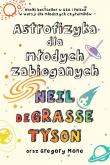
Bestsellerowa „Astrofizyka dla zabieganych” Neila deGrasse’a Tysona w zupełnie nowym wcieleniu – niesamowity przewodnik po wszechświecie w kolorowej, ilustrowanej wersji dla młodszych czytelników.
Czym są: materia, ciemna materia i antymateria?
Co to jest supernowa i czy ma coś wspólnego z gwiazdą?
Jak kosmita widziałby naszą planetę?
Na czym polega perspektywa kosmiczna?
Światowej sławy popularyzator nauki Neil deGrasse Tyson zaprasza w fascynującą podróż po wszechświecie! W bardzo przystępny i dowcipny sposób opowie o niezwykłych tajemnicach, jakie skrywa bezmiar kosmosu. Od elementarnej fizyki po głębokie pytania o naturę czasu i przestrzeni, od najbliższych ciał niebieskich po odległe galaktyki, pulsary i czarne dziury – dzięki tej książce poznacie i zrozumiecie wszystko, co na temat kosmosu mogło wam się kiedyś obić o uszy. „Astrofizyka dla młodych zabieganych” to wspaniała adaptacja głośnego bestsellera Neila deGrasse’a Tysona, napisana z pasją i humorem, a przy tym pełna pobudzających wyobraźnię zdjęć i ilustracji.
Neil deGrasse Tyson – astrofizyk, popularyzator nauki, dyrektor Planetarium Haydena przy Amerykańskim Muzeum Historii Naturalnej w Nowym Jorku. Prezenter i gość wielu programów popularnonaukowych oraz autor poczytnych książek: Astrofizyki dla zabieganych, Kosmicznych zachwytów i Kosmicznych rozterek.
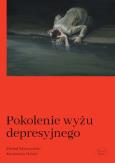
Depresyjne przebudzenia, poranny szczyt depresji, depresyjna droga do pracy, sama praca – jeszcze bardziej depresyjna. Depresyjne samochody i depresyjne korki, w których te samochody beznadziejnie tkwią. Depresyjna literatura i muzyka depresji w tle. Depresyjne kolacje i przedsenne miłosne uniesienia naznaczone piętnem depresyjnej pornografii. O tym mniej więcej opowiada ta ekstrawagancko radosna książka. Dzień z życia modelowego przedstawiciela posępnej generacji jest realistycznym portretem współczesności. Rozkręca się depresyjny wyż, przybiera jego fala. Oto obraz cywilizacji, która w szaleńczym tempie produkuje kolejnych pacjentów – zdiagnozowanych i nie. Ta frywolnie smutna książka jest o nich. O was? O nas wszystkich? Książka stanowi także poczet „świętych depresyjnego wyżu”: Davida Fostera Wallace’a, Marka Fishera, B.S. Johnsona, Cesarego Pavesego, Virginii Woolf, Stiga Dagermana.
***
Są słynne kryminały, których akcja rozgrywa się w dwa dni. Są słynne powieści, których akcja rozgrywa się przez jedną dobę. Jest kapitalny esej, który mówi o 16 godzinach z życia jednego człowieka. Ten człowiek nazywa się Michał Tabaczyński, zobaczycie go wszędzie: gdy szykuje się rano z córką do wyjścia na miasto, gdy idzie do pracy, do lekarza, na zakupy, liczy wydatki. Może nawet wyda się aż nadto do Was podobny: słuchacie tej samej muzyki, zajmujecie się dziećmi, chodzicie wciąż tymi samymi ulicami i wchodzicie do tych samych sklepów, przeżywacie chwile depresji i nie mieszkacie w willi na Riwierze. Nie wiem jak Wy, ale Michał Tabaczyński umie też świetnie pisać, bawić się i śmiać, zwłaszcza z siebie samego, a niekiedy pasjonująco się smucić. No i przenikliwie czytać: bez książek nie byłoby nic, nie byłoby sensu, nie byłoby tlenu naszego codziennego, nie byłoby Michała Tabaczyńskiego. Konkret codzienności i lektury pozostają nierozdzielne jak bracia syjamscy. Muszę to powiedzieć górnolotnie: te cudne strony są hołdem dla literatury i ukłonem w stronę życia od szóstej rano.
Marek Bieńczyk
***
Michał Tabaczyński (1976) – eseista i tłumacz (z czeskiego i angielskiego). Autor m.in. antologii współczesnej poezji amerykańskiej Parada równości (2005) oraz książek eseistycznych: Widoki na ciemność (2013), Legendy ludu polskiego (2014) i Maszyny. Do pisania (2018).
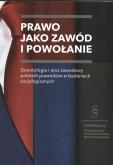
"Praca pod redakcją ks. prof. hab. Sławomira H. Zaręby, dr Aleksandry Syryt oraz dra Marcina Zarzeckiego stanowi bardzo cenny głos w dyskusji o kondycji zawodów prawniczych, które we współczesnym świecie podlegają zmianom, będącym następstwami dynamiki procesów społecznych, gospodarczych czy kulturowych. Jest ona jednocześnie mocnym głosem odradzającej się socjologii prawa, co odnotować trzeba ze szczególnym uznaniem"
Prof. dr hab. Marek Michalski
Z recenzji wydawniczej
Prezentowane (...) wyniki z pewnością poszerzają naszą wiedzę o religijności i moralności młodzieży diecezji koszalińsko-kołobrzeskiej. Drugie ważne osiągnięcie (...) to zwrócenie uwagi na orientację doznaniową i otwarcie się na potencjalnie nowy paradygmat badania zjawisk religijnych (...). Prezentowana praca jest przykładem rzetelnego studium socjologicznego i opiera się na solidnym materiale empirycznym.
prof. dr hab. Wojciech Pawlik, Uniwersytet Warszawski
"Praca jest poświęcona wyobrażeniom (odczuciom, dającym się werbalizować nastrojom społecznym) oraz problemom (tj. strukturalnym mechanizmom reakcji na niepewność, zarówno pozytywnych, jak i dysfunkcyjnych). Ze względu na złożony charakter zjawiska zawarte w tomie prace koncentrują się na różnorodnych przyczynach, przestrzeniach i objawach niepokojów społecznych"
dr hab. Maciej Kowalewski, prof. US
The monography provides set of precise refined articles investigating the issue of presence of women in public and private sphere. Submitted analyses illustrate new elements and perspectives to acquqintance indicated research purpose. (...) Scientific courage of authors may be seen as a proof of academic objectivity as well as transparency, reliability, relevance. (...) Revised monograph reveals high level of original scientific input in the area of feminism seen from various analytical perspectives.
dr hab. Piotr Zawada,
prof. Cardinal Stefan Wyszyński Univerity in Warsaw
Ten produkt jest zapowiedzią. Realizacja Twojego zamówienia ulegnie przez to wydłużeniu do czasu premiery tej pozycji. Czy chcesz dodać ten produkt do koszyka?