W tej strefie proponujemy bardzo szeroką ofertę z dziedziny psychologii oraz dziedzin powiązanych: astronomii i astrofizyki, ekologii, filozofii, kultury, podróżnictwa, religii, socjologii, sztuki. Szczególnie polecamy z tej kategorii bestseller pt. Księga Urantii. Księga Urantii podaje jasną i zwięzłą integracją nauki, filozofii i religii. Ci, którzy ją czytali i zgłębiali, wierzą, że Księga Urantii może wnieść bardzo wiele wartości do religijnej i filozoficznej myśli ludzi tego świata.
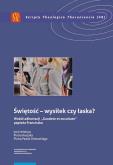
Pojawienie się adhortacji papieża Franciszka Gaudete et exsultate na temat świętości w życiu chrześcijanina stało się dla wielu osób punktem wyjścia do refleksji na temat samego określenia, które w kulturze współczesnej wydaje się nieco „staroświeckie” jak ze słownika naszych dziadków albo po prostu nie istnieje w pewnych kręgach.
Mówiąc językiem naszych czasów, świętość posiada swoiste „obciążenie kulturowe”, a więc przykrywa je otoczka uprzedzeń i uproszczeń, które rozmyły to pojęcie. A jednak do dziś dążenie do świętości jest podstawowym programem formacji proponowanej w Kościele i przez Kościół oraz „mianownikiem”, który opisuje godność ucznia Chrystusa w różnorodności sposobów jego realizacji (poszczególne powołania stanowić mogą wówczas „liczebnik”, by pozostać przy języku matematyki). Niemniej jednak, w pamięci zbiorowej „świętość” stała się synonimem nie tyle zwyczajnej kondycji chrześcijanina, „wysokiej miary codziennego życia” (by przywołać słynną definicję świętości Jana Pawła II), ile nadzwyczajnych darów, osiąganych przez niektórych, jedynie tych kanonizowanych. Świętość staje się tym, do czego trudno dotrzeć: wzniosłym ideałem etycznym, dostępnym tylko niektórym, a więc mówiąc współczesnym językiem swoistym produktem limitowanym, który wzbudza zainteresowanie, ale generalnie z zasady pozostaje dla nielicznych.
Tymczasem wbrew dylematowi ukrytemu w tytułowym pytaniu książki nie chodzi o wybieranie na zasadzie „albo” – „albo”, lecz wybór obu elementów: łaski i wysiłku. Świętość jest „skutkiem” udzielenia łaski, jej bezwarunkowym przyjęciem i dalszym postępowaniem w wolności, a więc z „wysiłkiem”, pracą czy ascezą. Ludzkie staranie nie jest „przyczyną” łaski, ale jej owocem, który dokonuje przemiany człowieka, nie tylko zewnętrznej, lecz także wewnętrznej (co określa się mianem „usprawiedliwienia”). Nie chodzi o bierne przyjmowanie łaski, która ma zastąpić naturę w jej działaniu, ale doprowadzić do „przedziwnej wymiany” (admirabile commercium), między tym, co ludzkie, a tym, co boskie – na wzór tajemnicy Wcielenia, która zawsze pozostaje paradygmatem dla zrozumienia czegokolwiek sensownego w egzystencji chrześcijańskiej.
Ukazywanie świętości przez pryzmat relacji ma swoje ważne konsekwencje dla teologicznego dyskursu. Pokazuje bowiem, że uczniowie Jezusa nie są wyizolowanym indywiduum, ale tworzą, tkają całość, pozostając w relacji do Boga, innych oraz siebie. Przyjęcie do Kościoła to nie zapisanie się do organizacji, ale wejście w nowy porządek relacji (pojęcie instytucjonalności wymaga zapewne szerszej refleksji). Relacyjność i wspólnotowość zachęca do zrozumienia odpowiedzialności za innych, zaangażowania na ich rzecz, która pcha ku misji. Świętość to zaangażowanie, to jego nowe imię. W ten sposób zyskuje na wyrazistości obraz Kościoła, który ciągle wychodzi ku nowym wyzwaniom, na peryferie współczesnego świata, aby pokazywać, że nie jest „dla-siebie”.
Książka, którą przekazujemy czytelnikowi, jest owocem międzynarodowej konferencji naukowej zorganizowanej w dniu 26 października 2018 roku na Wydziale Teologicznym UMK w Toruniu, podczas której zastanawiano się nad teologicznymi konotacjami terminu „świętość”, jak również powszechnym powołaniem do świętości oraz wypływającymi z tego konsekwencjami na wielu odcinkach życia.
Fragm. ze Słowa wstępnego
Powołanie cyklu monografii poświęconych szeroko rozumianej kulturze, sztuce oraz edukacji artystycznej jest odpowiedzią na potrzebę stworzenia forum wymiany poglądów i opinii. Jego głównym celem jest zebranie i upowszechnienie w postaci artykułów współczesnych koncepcji, analiz, wyników badań,metod pracy utrwalających dorobek środowiska naukowo-artystycznego, a także ukazanie ogółowi społeczeństwa znaczenia edukacji artystycznej.
Tematem przewodnim pierwszego tomu jest kultura wizualna. Monografia pokazuje różne konteksty obrazowania we współczesnej kulturze. Jednym z nich jest kultura wizualna postrzegana w perspektywie sztuki,związana z dziedziną sztuk pięknych, odbieranych przez zmysł wzroku i koncentrująca się na zjawiskach odnoszonych do nowych technologii i specyfiki ponowoczesnej widzialności. Z kolei kultura wizualna postrzegana w perspektywie edukacyjnej związana jest z analizą środowiska wizualnego człowieka wraz z całym obszarem cyberprzestrzeni, nowych technologii i sztuki pod kątem inicjowania procesu alfabetyzacji wizualnej.
The updated edition of the authoritative and comprehensive guide to construction practice
The revised fourth edition of Barry's Advanced Construction of Buildings expands on the resource that has become a standard text on the construction of buildings. The fourth edition covers the construction of larger-scale buildings (primarily residential, commercial and industrial) constructed with load bearing frames in timber, concrete and steel; supported by chapters on offsite construction, piling, envelopes to framed buildings, fit-out and second fix, lifts and escalators, building pathology, upgrading and demolition.
The author covers the functional and performance requirements of the main building elements as well as building efficiency and information on meeting the challenges of limiting the environmental impact of buildings. Each chapter includes new "at a glance" summaries that introduce the basic material giving a good understanding of the main points quickly and easily. The text is fully up to date with the latest building regulations and construction technology. This important resource:
Covers design, technology, offsite construction, site assembly and environmental issues of larger-scale buildings including primarily residential, commercial and industrial buildings constructed with load bearing frames
Highlights the concept of building efficiency, with better integration of the topics throughout the text
Offers new "at a glance" summaries at the beginning of each chapter
Is a companion to Barry's Introduction to Construction of Buildings, fourth edition
Written for undergraduate students and those working towards similar NQF level 5 and 6 qualifications in building and construction, Barry's Advanced Construction of Buildings is a practical and highly illustrated guide to construction practice. It covers the materials and technologies involved in constructing larger scale buildings.
Sketches in the Theory of Culture is a remarkable work by all measures. Written by Zygmunt Bauman when he was still a professor in Poland, and originally intended for publication in 1968, it was suppressed by the Polish government in the wave of repression following the protests in March of that year. For decades, it was thought to be lost. Astonishingly, it survived in the form of an uncorrected set of proofs which was recently discovered, and is the basis of this edition.
Now published in English for the first time, this book sheds new light on Bauman’s work prior to his emigration and illuminates the intellectual climate of Poland in the late 1960s. Bauman’s pursuit of a semiotic theory of culture includes a discussion of processes of individualization and the intensification of global ties, anticipating themes that became central to his later work. Though this book stands as a testament to a historical moment, it also transcends it. ‘[W]e live in an age that seems, for the first time in human history, to acknowledge cultural multiplicity as an innate and fixed feature of the world, one which gives rise to new forms of identity that are at ease with plurality, like a fish in water’, writes Bauman – a statement that is as true today as it was when he penned it in the 1960s.
Sketches in the Theory of Culture is a strikingly prescient reflection on culture and society by one of the most influential social thinkers of the late twentieth and early twenty-first centuries. It will appeal to students and scholars across the social sciences and humanities and to the many readers of Bauman’s work.
We are living in a period of great uncertainty. Votes for Brexit and Trump, along with widespread political volatility, are not only causing turmoil; they are signs that many long-predicted tipping points in media and politics have been reached. Such changes have worrying implications for democracies everywhere.
In this text, Aeron Davis bridges old and new to map the shifts and analyse what they mean for our aging democracies. Why are volatile, polarized electorates no longer prepared to support established political parties? Why are large parts of the legacy media either dying or dismissed as 'fake news'? How is social media rapidly rewriting the rules? And why do some democratic leaders look more like dictators, and pollsters and economists more like fortune tellers? These questions and more are addressed in the book.
Political Communication: A New Introduction for Crisis Times both introduces and challenges the established literature. It will appeal to advanced students, scholars and anyone else trying to understand the precarious state of today's media and political landscape.
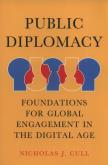
New technologies have opened up fresh possibilities for public diplomacy, but this has not erased the importance of history. On the contrary, the lessons of the past seem more relevant than ever, in an age in which communications play an unprecedented role. Whether communications are electronic or hand-delivered, the foundations remain as valid today as they ever have been.
Blending history with insights from international relations, communication studies, psychology, and contemporary practice, Cull explores the five core areas of public diplomacy: listening, advocacy, cultural diplomacy, exchanges, and international broadcasting. He unpacks the approaches which have dominated in recent years – nation-branding and partnership – and sets out the foundations for successful global public engagement. Rich with case studies and examples drawn from ancient times through to our own digital age, the book shows the true capabilities and limits of emerging platforms and technologies, as well as drawing on lessons from the past which can empower us and help us to shape the future.
This comprehensive and accessible introduction is essential reading for students, scholars, and practitioners, as well as anyone interested in understanding or mobilizing global public opinion.
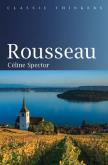
Jean-Jacques Rousseau is one of the most controversial philosophers of the eighteenth century, and his groundbreaking work still provokes heated debate in contemporary political theory.
In this book, Céline Spector, one of the world’s foremost experts on Rousseau’s thought, provides an accessible introduction to his moral, social and political theory. She explores the themes and central concepts of his thought, ranging from the state of nature, the social contract and the general will to natural and political freedom, religion and education. She combines a skilful exposition of Rousseau as a ‘man of paradoxes’ with a discussion of his often-overlooked ideas on knowledge, political economy and international relations.
The book traces both the overall unity and the significant changes in Rousseau’s philosophy, accounting for its complexity and for the importance of its legacy. It will be essential reading for scholars, students and general readers interested in the Enlightenment and more broadly in the history of modern political thought and philosophy.
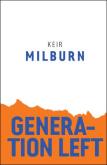
Increasingly age appears to be the key dividing line in contemporary politics. Young people across the globe are embracing left-wing ideas and supporting figures such as Corbyn and Sanders. Where has this ‘Generation Left’ come from? How can it change the world?
This compelling book by Keir Milburn traces the story of Generation Left. Emerging in the aftermath of the 2008 financial crash, it has now entered the electoral arena and found itself vying for dominance with ageing right-leaning voters and a ‘Third Way’ political elite unable to accept the new realities.
By offering a new concept of political generations, Milburn unveils the ideas, attitudes and direction of Generation Left and explains how the age gap can be bridged by reinventing youth and adulthood. This book is essential reading for anyone, young or old, who is interested in addressing the multiple crises of our time.
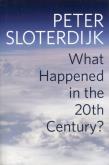
When we look back from the vantage point of the 21st century and ask ourselves what the previous century was all about, what do we see? Our first inclination is to focus on historical events: the 20th century was the age of two devastating world wars, of totalitarian regimes and terrible atrocities like the Holocaust – ‚the age of extremes‘, to use Hobsbawm’s famous phrase. But in this new book, the philosopher Peter Sloterdijk argues that we will never understand the 20th century if we focus on events and ideologies. Rather, in his view, the predominant motif of the 20th century is what Badiou called a passion for the real, which manifests itself as the will to actualize the truth directly in the here and now.
Drawing on his Spheres trilogy, Sloterdijk interprets the actualization of the real in the 20th century as a passion for economic and technological ‚antigravitation‘. The rise of consumerism and the easing of the burdens of human life by the constant deployment of new technologies have killed off the kind of radicalism that was rooted in the belief that power would rise from a material base of production. If the 20th century can still inspire us today, it is because the fundamental shift that it brought about opened the way for a critique of extremist reason, a post-Marxist theory of enrichment and a general economy of energy resources based on excess and dissipation.
While developing his highly original interpretation of the 20th century, Sloterdijk also addresses a series of related topics including the meaning of the Anthropocene, the domestication of humans and the significance of the sea. The volume also includes major new pieces on Derrida and on Heidegger’s politics. This work by one of the most original thinkers today will appeal to students and scholars across the humanities and social sciences, as well as anyone interested in philosophy and critical theory today.
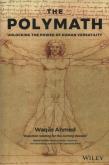
Every human is born with multifarious potential. Why, then, do parents, schools and employers insist that we restrict our many talents and interests; that we 'specialise' in just one?
We've been sold a myth, that to 'specialise' is the only way to pursue truth, identity, or even a livelihood. Yet specialisation is nothing but an outdated system that fosters ignorance, exploitation and disillusionment and thwarts creativity, opportunity and progress.
Following a series of exchanges with the world’s greatest historians, futurists, philosophers and scientists, Waqas Ahmed has weaved together a narrative of history and a vision for the future that seeks to disrupt this prevailing system of unwarranted ‘hyper-specialisation.’
In The Polymath, Waqas shows us that there is another way of thinking and being. Through an approach that is both philosophical and practical, he sets out a cognitive journey towards reclaiming your innate polymathic state. Going further, he proposes nothing less than a cultural revolution in our education and professional structures, whereby everyone is encouraged to express themselves in multiple ways and fulfil their many-sided potential.
Not only does this enhance individual fulfilment, but in doing so, facilitates a conscious and creative society that is both highly motivated and well equipped to address the complexity of 21st century challenges.
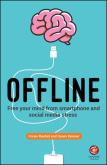
Authors Imran Rashid and Soren Kenner have sparked an international debate by revealing the “mind hacks” Facebook, Apple, Google, and Instagram use to get you and your children hooked on their products.
In Offline, they deliver an eye-opening research-based journey into the world of tech giants, smartphones, social engineering, and subconscious manipulation. This provocative work shows you how digital devices change individuals and communities for better and worse.
A must-read if you or your kids use smartphones or tablets and spend time browsing social networks, playing online games or even just browsing sites with news and entertainment.
Learn how to recognize ‘mind hacks’ and avoid the potentially disastrous side-effects of digital pollution. Unplug from the matrix. Learn digital habits that work for you.
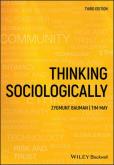
Now in its third edition, Thinking Sociologically continues to offer a stimulating exploration of the underlying assumptions and tacit expectations which structure our view of the world. This best-seller has been translated into 12 languages to bring key sociological concepts to students and general readers around the globe. The authors review recent developments in society and examine the applicability of sociology to everyday life.
The world has changed a great deal since the second edition’s publication. Issues of climate change, sustainability, inequality, social justice, inclusion and the role of social media have risen to prominence, and we are collectively challenging our ways of thinking about intimacy, community, consumption, ethics, social identity, and more. This new third edition has been revised to reflect these and other transformations in our lives, helping us to think sociologically about the consequences of these burgeoning issues, how we organize our societies, understand ourselves and lead our lives. This dynamic book:
Applies sociology to everyday life in the context of current issues
Contains contributions from major theorists that introduce central sociological concepts with modern relevance
Features a highly engaging and stimulating style that promotes critical thought and independent study
Includes a companion website to view sample material from the new edition, sociology resources for lecturers and students, plus information on related titles.
Written for undergraduates, postgraduates, practicing sociologists and social scientists, this book also holds a broad appeal to a general audience. The third edition of Thinking Sociologically offers a compelling survey of sociological issues, recent changes in society and their influence on our day-to-day lives and identities.
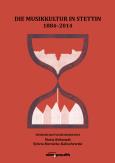
" Kultura muzyczna w Szczecinie 1884-2014" to pozycja wielowątkowa, solidna i ciekawa oraz rzetelna od strony warsztatowej i merytorycznej. Pokazuje kulturową różnorodność tego regionu, nie pomijając, co już powinno być naturalne, historii zjawisk innych niż polskie. Odnosi się do tradycji jako takiej i na tej podstawie snuje opowieść o dniu dzisiejszym, w tym także o wielu szansach jakie stwarza ta wciąż trudna historia. (...)
prof. zw.dr.hab. Włodzimierz Zalewski
Niezastąpiona pozycja dla tych, którzy dopiero myślą o zawodzie aktora. Bogate źródło wiedzy
dla studentów i wykładowców - znajdziemy tu ciekawy opis pierwszego semestru studiów aktorskich,
wzbogacony licznymi ćwiczeniami. Pozycja zainteresuje również wszystkich tych, którzy chcieliby
zdobyć warsztatową wiedzę na temat zawodu.
"(…) Chodzi o początek. O start w zawodzie, który niezmiennie wywołuje fascynację (...). Ale czy tego zawodu w ogóle można się nauczyć? Czy ten zawód nie jest czymś, co człowiek może jedynie wyssać z mlekiem matki? Czy można się nauczyć sztuki? Tak, można. Lecz aby poważnie i przez długi czas kreatywnie pracować w zawodzie aktora, potrzebne jest wykształcenie. Bowiem bez opanowania podstawowych metodycznych środków zużyje się nawet najlepszy materiał. Metoda sztuki aktorskiej, o której traktuje ta książka, oraz jej dydaktyka zostały podsumowane przez profesora Rudolfa Penkę na podstawie metod pracy Bertolta Brechta i Konstantyna S. Stanisławskiego".
Fragment Wstępu
Spędziłem zatem dwa lata w Studiu Nieużyteczności. Były to lata intensywne i radosne; dla mnie studiowanie i życie były jednym i tym samym niewyczerpanie interesującym przedsięwzięciem, moi przyjaciele stawali się moimi nauczycielami, moi nauczyciele – przyjaciółmi…
Zbiór esejów wybitnego belgijskiego myśliciela, który z charakterystycznym sceptycyzmem, niezwykłą przenikliwością i cierpkim humorem przygląda się problemom współczesnej kultury, historii i polityki.
Dofinansowano ze środków Ministra Kultury i Dziedzictwa Narodowego, pochodzącego z Funduszu Promocji Kultury
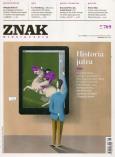
Opowiadanie przeszłości
4 czerwca obchodzimy 30-lecie wyborów parlamentarnych zakończonych spektakularnym zwycięstwem solidarnościowej opozycji. To kres PRL-u i symboliczny początek nowego państwa - III Rzeczypospolitej Polskiej. Świętowanie w tym właśnie dniu - podobnie jak niegdyś wybór 11 listopada 1918 r. jako momentu odzyskania niepodległości - jest konsekwencją decyzji z zakresu polityki historycznej, określającej nasze myślenie o przeszłości i wartości, którymi kierujemy się w bieżącym życiu publicznym. Dlatego chcemy z tej okazji przyjrzeć się nie tylko ostatnim trzem dekadom, ale także temu, jak w szerszej perspektywie czasowej zmieniało się nasze postrzeganie polskich dziejów.
Co zapamiętamy z 30 lat III RP? Jak możemy mądrzej uczyć historii? Dlaczego żołnierze wyklęci stali się tak popularni? Czy nowe technologie są zagrożeniem dla naszej pamięci historycznej? Jakie są relacje między pamięcią, historią i prawdą?
W Temacie Miesiąca:
Co widzą Polacy, patrząc w przeszłość? Spór o pamięć, fakty i fikcję w czasach Internetu.
Odpowiadają m.in.: Norman Davies, Antoni Dudek, Agnieszka Holland i Timothy Snyder.
Ponadto w numerze:
Odległa bliskość
Jak wyglądało sąsiedztwo Polaków i Żydów przed wojną? Co polska wieś zapamiętała z Zagłady?
Leo Steinberg
Odkrywca seksualności Chrystusa w dawnej sztuce pokazuje, jak czytać awangardowe malarstwo
Krzysztof Siwczyk „Lekcje litanii”
„Nie pamiętasz już siebie innego niż tylko ogranego przez troskę o innych”
Wybór Miry
O losie, twórczości oraz złożonej tożsamości Miry Michałowskiej, autorki „Wojny domowej”
W niniejszej książce znajdziesz praktyczne omówienie pięciu zagadnień, w których specjalista ds. ochrony środowiska powinien posiadać wiedzę i umiejętności. Są to: obowiązujące przedsiębiorców przepisy prawne w zakresie ochrony środowiska, dokumentacja, którą należy prowadzić, opłaty i sprawozdania, odpowiedzialność za wyrządzone w środowisku szkody, a także możliwości pozyskania zewnętrznych środków inwestycyjnych.
27 tom czasopisma z serii „Język a Kultura” dotyczy aspektu diachronicznego badań nad językowo-kulturowym obrazem świata. Odniesienie do przeszłości pozwala autorom tomu nie tylko na pełniejsze odtworzenie współczesnego rozumienia wybranych pojęć, lecz także stanowi podstawę rekonstrukcji różnych sposobów ujmowania świata poprzez język w ciągu wieków. Zamieszczone w tomie artykuły zawierają analizę obecnych we współczesnej polszczyźnie form leksykalnych i struktur gramatycznych, często trudnych do wyjaśnienia na płaszczyźnie synchronicznej. Autorzy koncentrują się także na zagadnieniach związanych z dawnym dyskursem urzędowym i dydaktycznym oraz przedstawiają genezę i ewolucję niektórych pojęć, takich jak na przykład humor, nowa ewangelizacja, totalitaryzm i propaganda. Kilka artykułów w prezentowanym tomie opisuje wyniki badań nad językowym obrazem świata w odniesieniu do różnych języków i kultur (funkcjonowanie konceptu młodzież w językach rosyjskim i chińskim, obraz kobiety w językach angielskim i polskim oraz łaciński językowo-kulturowy obraz domu).
Mało dotąd znana użytkowa działalność wybitnego kompozytora XX wieku Witolda Lutosławskiego po wielu dekadach doczekała się kompleksowego opracowania. Autorka obszerny — obejmujący ponad 130 dzieł — etap twórczości opisuje przez pryzmat biografii kompozytora, a także osadza go w zupełnie nowym kontekście, jaki wyznacza problematyka audiosfery. To dwutorowe podejście stało się punktem wyjścia dla charakterystyki muzyki Lutosławskiego powstającej na potrzeby filmów, spektakli teatralnych oraz słuchowisk radiowych. Dopełnieniem ubocznej praktyki kompozytorskiej twórcy są rozdziały dotyczące funkcjonowania w przestrzeni brzmieniowej jego pieśni masowych i piosenek rozrywkowych. Autorka podejmuje również istotną dla autora Gier weneckich kwestię nadmiaru hałasów w codziennym funkcjonowaniu człowieka. W książce tej znalazły się ponadto niepublikowane do tej pory listy i teksty Lutosławskiego, a także liczne przykłady nutowe, materiały ikonograficzne oraz katalogi kompozycji. Wartka narracja w połączeniu z bogatą faktografią i szczegółowymi analizami dzieł z pewnością usatysfakcjonuje zarówno czytelnika wywodzącego się ze środowiska muzykologicznego, jak i miłośnika szeroko pojętej kultury.
Ten produkt jest zapowiedzią. Realizacja Twojego zamówienia ulegnie przez to wydłużeniu do czasu premiery tej pozycji. Czy chcesz dodać ten produkt do koszyka?