W tej strefie proponujemy bardzo szeroką ofertę z dziedziny psychologii oraz dziedzin powiązanych: astronomii i astrofizyki, ekologii, filozofii, kultury, podróżnictwa, religii, socjologii, sztuki. Szczególnie polecamy z tej kategorii bestseller pt. Księga Urantii. Księga Urantii podaje jasną i zwięzłą integracją nauki, filozofii i religii. Ci, którzy ją czytali i zgłębiali, wierzą, że Księga Urantii może wnieść bardzo wiele wartości do religijnej i filozoficznej myśli ludzi tego świata.
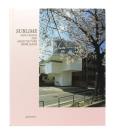
Sublime is a comprehensive collection of current Japanese architecture, interiors, and products that showcases and explores the country’s uniquely elegant design aesthetic. After the visual excesses of the early new millennium, there is now a distinct demand for clear and rational, yet forward-thinking, design—a style in which the Japanese have specialized for hundreds of years. Today, architects and other creatives from Japan are masters at designing striking, virtually transcendent work that seamlessly melds aesthetics, functionality, and quality. With its opulent visuals and insightful texts by Andrej Kupetz and Shonquis Moreno, the book examines this distinctive talent for combining the rational and traditional with the cutting-edge in a way that seems effortless and even playful.
After the visual excesses of the first decade of the new millennium, there now appears to be a distinct demand for clear and rational, yet forward-thinking, design. Seamlessly melding aesthetics, functionality, and quality while simultaneously avoiding excess has been a foundation of Japanese handicraft for hundreds of years. Creatives from Japan are masters at skillfully combining rational functionality with a contemporary sense of design in a way that seems effortless and even playful. Sublime is a comprehensive collection of the relevant trends in Japanese design that reveals the country’s overall design aesthetic. The book presents architecture, interiors, and products that are created with an approach that is both rational and visionary. The results of this striking combination often appear futuristic and somehow transcendent. Japanese architecture is adept at bringing inner and outer areas of buildings together harmoniously. Even the smallest rooms can seem surprisingly spacious. Sublime explores the impact of the interplay between old-style handicraft and modern technology as well as traditional and high-tech materials on Japanese design. It features work by established names such as Naoto Fukasawa, Tokujin Yoshioka, Kengo Kuma, and Nendo, and introduces talent from a new generation that has found its own design style somewhere between a traditional Japanese approach and modern or post-modern influences. As the book clearly shows, a Japanese design philosophy based on local traditions has not only survived a general trend toward Westernization, but it is also being translated into outstanding examples of contemporary visual culture around the world.
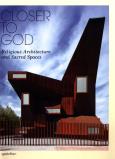
Across all cultures, contemporary religious buildings are among the most stimulating and experimental in architecture. Although these structures do need to offer a certain amount of functionality, they also resonate with believers or visitors on an emotional level. Because they are called on to communicate higher purposes and meanings, these constructions can be much freer in their use of architecture, space, and light than other buildings.
Closer to God is a unique collection of international examples of sacred spaces of all denominations that were built in the last few years. Whether churches, synagogues, mosques, temple complexes, or other contemplative places for meditation and reflection, the architecture highlighted in this book ranks among the most exciting of our time.
Closer to God presents vivid proof that contemporary religious structures are no longer bound by predominant styles. Rather, the explicitly expressive architectural language of sacred spaces at the start of the twenty-first century is shaped equally by respect for established traditions and forays into the visuality of the future.
"We all perform. It's what we do for each other all the time, deliberately or unintentionally. It's a way of telling about ourselves in the hope of being recognized as what we'd like to be."
--Richard Avedon, 1974
The preeminent stars and artists of the performing arts from the second half of the 20th century offered their greatest gifts—and, sometimes, their inner lives—to Richard Avedon. More than 200 are portrayed in Performance, many in photographs that have been rarely or never seen before. Of course, the great stars light the way: Hepburn and Chaplin, Monroe and Garland, Brando and Sinatra. But here too are the actors and comedians, pop stars and divas, musicians and dancers, artists in all mediums with public lives that were essentially performances, who stand at the pinnacle of our cultural achievement.
Pakiet zawiera:Zwierzaki świata. Część 1,Zwierzaki świata. Część 2,Zwierzaki świata. Część 3.Dlaczego słonie boją się myszy? Czy to prawda, że orangutany uwielbiają jeść najbardziej śmierdzące owoce świata, a mrówkojad ma 10 razy dłuższy język niż człowiek? Czy można oswoić hipopotama i razem z nim oglądać telewizję? Na te i inne pytania wasze dzieci znajdą odpowiedź w książce Martyny Wojciechowskiej pt. Zwierzęta świata. Wraz z autorką odbędą także podróż po najbardziej egzotycznych zakątkach świata i poznają historie piątki niesamowitych zwierzaków Happiego, Balgira, Carlito, Jessiki i Fusiego.Zwierzaki świata. Część 2 to nowi niesamowici bohaterowie i nowe fascynujące przygody. Tym razem będzie o mistrzu przetrwania, który żyje w najbardziej ekstremalnym miejscu na Ziemi. Dowiecie się, który zwierzak jest największym śpiochem i w ogóle nie ma czasu na zabawę, ponieważ musi spać. Dotrzecie w morskie głębiny, by ponurkować z najsympatyczniejszym morskim ssakiem, pojedziecie na wspaniałe safari, by poznać króla lwa wreszcie przemierzycie góry i doliny, by dostać się do kraju, w którym żyją kawie, a kto to jest? Będziecie zaskoczeni, gdy się dowiecie. Ale najpierw musicie przeczytać tę książkę.Zwierzaki świata. Część 3 to kolejna część bestsellerowej serii. Tym razem zapraszam Was w podróż przez bezkresne stepy Mongolii, żebyście poznali orlicę, która jest prawdziwą królową nieba. Zanurkujemy w szmaragdowych wodach Belize, gdzie mieszka krokodyl, który szuka przyjaciół. W Peru weźmiemy udział w wyborach miss kawii. A w delcie rzeki Okawango obejrzymy zachód słońca z pewną uroczą i zakochaną żyrafą J. Te opowieści bawią, uczą dbałości o naturę. Odkrywaj świat z National Geographic!Podobno ludzie, którzy kochają zwierzęta, są dobrzy. Dzięki tym opowiadaniom każdy z nas ma szansę stać się lepszym człowiekiem, ponieważ od tego zależy przyszłość Ziemi i losy zwierząt.
Gdybym miał się pokusić o samoocenę, powiedziałbym pewnie, że jestem genetyczną krzyżówką realisty z optymistą. Gołym okiem widzę, że jest źle. To nie znaczy jednak, że jest beznadziejnie. A skąd! Co zrobić, żeby było dobrze? To, o czym już na tych łamach pisałem. Co najmniej tyle czasu, ile poświęcamy na walkę ze złem, poświęcić na wspieranie dobra. Ile pomyj wylewamy na złych polityków, tyle miodu wylać na polityków (czy kandydatów) dobrych. Ile psioczenia na niemądrych hierarchów, tyle lajków (na różne sposoby wyrażanych) dla tych, którzy robią rzeczy dobre. Ile energii wydanej na krytykowanie wstrętnych mediów, tyle wspierania tych uczciwych i mądrych.
Chcemy lepszej Polski, lepszego Kościoła? Samo się, proszę Państwa, nie zrobi.
Teraz albo nigdy to wybór najciekawszych i zawsze aktualnych tekstów Szymona Hołowni publikowanych na łamach „Tygodnika Powszechnego” w latach 2017–2019. Autor podejmuje w nich najważniejsze tematy dotyczące społeczeństwa, Kościoła, świata.
Powyższy opis pochodzi od wydawcy.
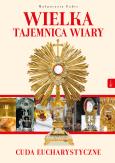
Każdego dnia, nawet w każdej jego sekundzie, w jakimś miejscu na świecie odprawiana jest Msza Święta, w czasie której Jezus w sposób bezkrwawy ofiarowuje się za nas Ojcu. Co jakiś czas Pan Jezus daje nam jednak szczególne znaki – cuda eucharystyczne – do których dochodzi w różnych częściach świata. Czyni to, aby zachęcić nas do głębszego udziału w Eucharystii i pokładania w Nim wszelkiej nadziei. W historii odnotowano takich cudownych wydarzeń ponad 130.
O cudach eucharystycznych można pisać wiele. My w naszej książce opisujemy ich kilkadziesiąt. Jednocześnie przypominamy wszystkim wierzącym za kard. Tarcisio Bertone, że „cuda nie są wydarzeniami mającymi dawać wiarę, ale dopełniać ją, kiedy istnieje i jest żywa. Mają też ją rozbudzić i pomnożyć, kiedy jej brakuje lub kiedy jest słaba”.
Album wpisuje się w ogłoszony trzyletni program duszpasterski Eucharystia daje życie.
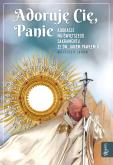
Oto zaproszenie do włączenia się w modlitewne uwielbienie Najświętszego Sakramentu w formie dziesięciu adoracji będących pomocą w trudnej sztuce trwania przy obecnym ciałem wśród nas Chrystusie. Poszczególne spotkania z Jezusem dotykają różnych tematów, które staramy się podjąć w rozmowie ze Zbawicielem obecnym w Hostii. Każdą modlitwę poprzedzają słowa św. Jana Pawła II. Są one jakby myślą przewodnią adoracji, skłaniającą jednocześnie do własnej refleksji i samodzielnej modlitwy.
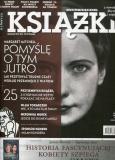
„Książki. Magazyn do czytania” to czasopismo dla miłośników literatury i wszystkich, którzy chcą wiedzieć, co się czyta. Na magazyn składają się m.in. wywiady, analizy, fragmenty nowych książek i przegląd 50 książek, które aktualnie czyta się na świecie. „Książki. Magazyn do czytania” jest mocnym dowodem na to, że o książkach można pisać i rozmawiać równie emocjonująco, interesująco, błyskotliwie i głęboko jak o życiu.
Na początku był problem - Polacy czytają coraz mniej. Kolejne badania pokazywały apokaliptyczny obraz Polski nieczytającej. Naszą odpowiedzią na ten stan była promująca czytelnictwo akcja „Czytamy w Polsce” oraz „Książki. Magazyn do czytania”, który stał się jej emanacją. Pierwszy numer naszego kwartalnika, z Januszem Korczakiem na okładce, ukazał się 14 czerwca 2011 roku. Chcieliśmy pokazać, że o książkach można pisać i mądrze, i wciągająco. Ale przede wszystkim różnorodność światów, które mieszczą się między okładkami.
A survivor's account of the Tiananmem Square massacre, told through photographs taken at the event. The colours of the photographs have been inverted to create a more interactive and thought-provoking experience Inspired by the reform movements in the Soviet Union and Eastern Europe, student protests began to form in China in the spring of 1989. They made Tiananmen square their central meeting place. Unsettled by this public display of dissent, on 3 and 4 June the Chinese army violently crushed the protests. There are no official figures for the number of victims. 2600 people are estimated to have been killed, and 7000 injured. The photographer Xu Yong, aged 35 at the time, was among the survivors. He captured the chaotic scenes on celluloid. In 2014, he published his photos in a book that was banned by the board of censors. This new edition, published by Verlag Kettler, makes the book available to the public. Xu has not retouched the photographs. He reproduces the negatives with inverted colours, which can only be deciphered once the color inversion function on mobile phones or tablets is activated. Consequently, his work represents an eerie yet authentic perspective on this watershed moment in Chinese history.
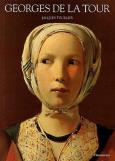
A compact edition of a major monograph that offers insights into the life and work of the seventeenth-century master Georges de La Tour. Georges de La Tour ranks with Vermeer and the Le Nain brothers among those seventeenth-century painters whose unmistakable talent is matched only by their aura of mystery. This groundbreaking monograph uses original correspondence and archival documents to reconstruct the master’s life and practices. Influenced by Caravaggio, La Tour created a form of realism that displays rare poetic beauty. The attention to detail, from the dirt under a saint’s fingernails to the wavering flame of a girl’s candle, is highlighted in full-page close-ups, while the paintings are contextualized by color reproductions of works that influenced, and were influenced by, La Tour. Available for the first time in a compact edition, complete with an illustrated catalogue, bibliography, and key documentary sources, this remains the essential reference work on a fascinating artist.
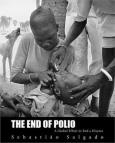
An inspirational account of the global initiative to eliminate the scourge of polio offers one hundred stunning duotone photographs that capture the campaign in five polio endemic nations--Democratic Republic of Congo, India, Pakistan, Somalia, and Sudan.
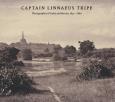
This is the first major traveling exhibition devoted to the British photographer Captain Linnaeus Tripe (1822–1902). Between 1854 and 1860, Tripe produced an unprecedented series of photographs documenting the landscape and cultural artifacts of south India and Burma (now the Republic of Myanmar). With few models to follow, he developed a professional practice under the auspices of the British East India Company, the commercial enterprise governing the region as Great Britain's imperial agent. As an officer in the British army, he traveled with diplomatic expeditions, creating a visual inventory of celebrated archaeological sites and monuments, religious and secular buildings—some now destroyed—as well as geological formations and scenic vistas. His training as a military surveyor, where the choice of viewpoint and careful attention to visual details were essential, gave his photographs a striking aesthetic rigor that distinguishes them from the picturesque travel views characteristic of the period.
102 color illustrations
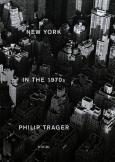
The luminous and compelling photographs in New York in the 1970s capture the essence of a city in a way best described as “place portraiture.” Trager’s images present the architecture of Manhattan with time-defiant clarity and beauty. Although Trager selected his subjects for aesthetic and visual reasons-rather than from an historical or documentary point of view-with the passage of time his distinctly imaginative photographs have also acquired value as historical documents. The negatives for the images in this book, only recently rediscovered, had originally been archived for printing but Trager began other projects before any prints were made.
The photographs in New York in the 1970s were taken at the same time as Trager’s timeless Philip Trager: New York, published by Wesleyan University Press in 1980, in which the photographer depicts the city “as a solitary figure, always aware of the ‘enveloping sky’.” New York in the 1970s reveals Trager’s more concentrated attention to the interaction between the city’s architecture and the dynamics of the street.
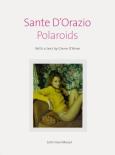
Sante D’Orazio, Italoamerikaner aus Brooklyn, ist einer der bedeutendsten Fashion- und Beautyphotographen unserer Tage. Schirmer/Mosel-Fans kennen sein Werk bereits aus den beiden Büchern A Private View und Pamela Anderson – American Icon und wissen, dass sich die schönsten Frauen des amerikanischen Showbusiness gern und völlig unbefangen vor seinem Kamerablick in Szene setzen. Alle diese Photos sind in der Regel zur Veröffentlichung in Magazinen bestimmt, manche sind freizügig, manche diskreterer Natur. Gemeinsam ist ihnen immer die Verehrung für einen schönen, (fast) makellosen Körper und ein ebenso schönes Gesicht.
Nun hat Sante D’Orazio in seine Schatzkiste gegriffen und eine Anzahl seiner Polaroids zur Veröffentlichung freigegeben. Sie gehen fast immer den Auftragsphotographien voraus, pendeln noch zwischen Photograph und Modell, bevor es sozusagen „ernst“ wird. In dieser spielerischen Qualität suchen sie ihresgleichen und steigern den erotisch-voyeuristischen Moment noch einmal durch ihre Intimität.
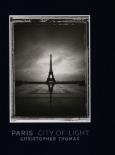
Christopher Thomas captures the streets and sights of Paris devoid of people in the photographer’s signature, hauntingly beautiful style.
Imagine an entirely empty Louvre, or the Eiffel Tower minus the lines of tourists waiting to ascend. By taking advantage of the late night and early morning hours of a notoriously busy city, Christopher Thomas is able to capture familiar sights devoid of people. Using a large-format camera, long exposures, and the last of his remaining Polaroid film, Thomas shows us Paris as an explorer might experience a forgotten city. Without the human element, the buildings, streets, landmarks, and gardens take on an architectural significance that is at once majestic and intimate. As with his other books in the series, these photographs are stunningly reproduced on heavy paper and bound in a linen cover. Framed by the ragged edges that characterize Polaroids, each print is given space to breathe on the page. The result is a sequence of dream-like images that encourage close, contemplative examination. Fans of Thomas’ earlier books on New York and Venice, and anyone who loves Paris, will treasure this exquisite tribute to one of the world’s most captivating cities.
From the refined homes of Tokyo to the nightclubs of Kyoto; from gangster chic to Harajuku street style; from ateliers and catwalks to city sidewalks and religious festivals—this book shows how the kimono has continued to be one of Japan’s most exciting wardrobe elements.
From the refined homes of Tokyo to the nightclubs of Kyoto; from gangster chic to Harajuku street style; from ateliers and catwalks to city sidewalks and religious festivals—this book shows how the kimono has continued to be one of Japan’s most exciting wardrobe elements.
No photographer is more closely associated with a city than Brassaï (1899–1984) is with Paris. From the moment he moved there in 1924, he devoted his life and art to immortalizing his adopted city – capturing the street life by day, the cafés and the Seine by night. His most famous portraits and cityscapes collected in this fascinating book, form a unique vision of life in pre- and post-war Europe. A friend of Picasso and Henry Miller, Brassaï knew and photographed the leading figures of his day – Giacometti, Sartre, Dalí, Matisse and Mann among them.
The Photofile series brings together the best work of the world’s greatest photographers, in an affordable pocket format. Handsome and collectable, the books are produced to the highest standards. Each volume contains some sixty full-page reproductions printed in superb duotone, together with a critical introduction and a full bibliography. The series has been awarded the first annual prize for distinguished photographic books by the International Center of Photography, New York.
This book traces the career of Chim, famed photojournalist and cofounder of Magnum Photos, who dedicated much of his life to documenting war and its aftermath.
Born Dawid Szymin in Warsaw, Chim began his career in the early 1930s photographing for leftist magazines in Paris. In 1936, one of these magazines, Regards, sent him to the front lines of the civil war in Spain, along with comrades Robert Capa and Gerda Taro. Although war formed the backdrop of much of his reportage, Chim was an astute observer of 20th-century European politics, social life, and culture, from the beginnings of the antifascist struggle to the rebuilding of countries ravaged by World War II. Like millions of other Europeans, Chim had suffered the pain of dislocation and the loss of family in a concentration camp. His profound empathy for his subjects is evident in his postwar work on child refugees. In this volume, Chim emerges as both a talented reporter and a creator of elegant compositions of startling grace and beauty. The book places Chim’s work within the broader context of 1930s–1950s photography and European politics.
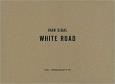
From 1998 to 2005, Ivan Sigal worked, lived and travelled in Central Asia, traversing Russia, Kazakhstan, Uzbekistan, Tajikistan, Kyrgyzstan and Afghanistan. He roamed with a dual identity: on the one hand designing media projects with local communities; on the other, an itinerant documentarian. The images from his multi-year odyssey reveal the unsettled lives of Eurasians in provincial towns and cities. Alongside the photos, an episodic narrative unfolds: vignettes chronicling Sigals encounters while tracing his restless passage through the landscape. Through image and text, White Road addresses what was left behind when the Soviet Unions ideological superstructure was stripped away, eliminating the grand narrative that imposed meaning on peoples lives. The cumulative effect is that of a search without a centre or apparent goal. We sense that circumstances of history and power propel ussubject, traveller, and readerfrom encounter to encounter, and from place to place. The term white road means safe journey in Kazakh, Kyrgyz and Uzbek. These words are printed on road signs at the edges of Central Asian towns, wishing travellers well as they enter the emptiness of the steppe. Ivan Sigal is a documentary photographer who works on long-term storytelling projects. Born in 1969 in Pennsylvania, he has lived for extensive periods in the former Soviet Union and in Asia. Sigals Eurasia work has been exhibited in cities across the former Soviet Union and in the United States. He also designs and creates international media projects, with a focus on networked communities.
Ten produkt jest zapowiedzią. Realizacja Twojego zamówienia ulegnie przez to wydłużeniu do czasu premiery tej pozycji. Czy chcesz dodać ten produkt do koszyka?