W tej strefie proponujemy bardzo szeroką ofertę z dziedziny psychologii oraz dziedzin powiązanych: astronomii i astrofizyki, ekologii, filozofii, kultury, podróżnictwa, religii, socjologii, sztuki. Szczególnie polecamy z tej kategorii bestseller pt. Księga Urantii. Księga Urantii podaje jasną i zwięzłą integracją nauki, filozofii i religii. Ci, którzy ją czytali i zgłębiali, wierzą, że Księga Urantii może wnieść bardzo wiele wartości do religijnej i filozoficznej myśli ludzi tego świata.
Praca Elżbiety Chojnowskiej "Kultywowanie i upowszechnianie dziedzictwa kulturowego wśród mieszkańców miast ziemi łomżyńskiej w okresie Drugiej Rzeczypospolitej" stanowi interesujące studium sytuujące się na przecięciu socjologii, historii i pedagogiki, których punktem stycznym jest «mała Ojczyzna». Autorka nakreśliła portret ziemi łomżyńskiej i społeczności jej miast sprzed kilkudziesięciu lat, który pamiętać może już tak niewielu. Portret ten ukazuje przede wszystkim wychowawczy wymiar poznania i kultywowania dziedzictwa kulturowego. Najistotniejszą w tym procesie rolę odgrywały grupy wspólnotowe (rodzina, Kościół) oraz podstawowe instytucje socjalizacyjne tamtych czasów – szkolnictwo, armia czy organizacje młodzieżowe, których działalność Autorka poddała wnikliwej analizie.
Odchodzące od imperatywu globalizacji, nurt prac społeczno-historycznych o tematyce regionalnej i lokalnej stanowi nie tylko miłą odmianę, nie tylko powrót do tradycji pisarstwa humanistycznego. Nie popadając bynajmniej w ekstremum glokalizacji, daje przede wszystkim ożywczy impuls dla rozumienia tego, jak wiele współcześni zawdzięczają pokoleniom wcześniejszym…
Z recenzji prof. dr. hab. Wojciecha Jakubowskiego
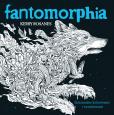
Fantomorphia to niezwykła książka do kolorowania połączonego z zabawą w wyszukiwanie ukrytych obiektów. Jest to kontynuacja serii zapoczątkowanej przez Animorphię. Książka wyróżnia się imponującą grafiką, bardzo bogatą i ekspresyjną, skierowaną do czytelników w wieku od 8 do 18 i więcej lat. Znajdziecie w niej inspirujące, gotyckie rysunki narysowane charakterystyczną kreską autora. Tajemnicze zamki, kruki, czaszki, wilki i inne magiczne zwierzęta spajają się i łączą w skomplikowane kompozycje, dające niezwykłą radość z ich kolorowania. Tak jak i w poprzednich książkach autor poukrywał w grafikach różne przedmioty, do znalezienia których nas zachęca. Umiejętności autora zyskały mu potężną bazę ponad 2,3 mln fanów jego profilu Sketchy Stories na Facebooku a książki Animorphia, Imagimorphia i Mythomorphia odniosły sukces również w Polsce.
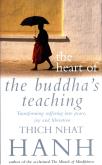
Thich Nhat Hanh brings his gift of clear and poetic expression to an explanation of the Four Noble Truths, the Noble Eightfold Path, and other basic Buddhist teachings. Thich Nhat Hanh's extraordinary contribution to Buddhism and to life is the way he makes these teachings and practices accessible to everyone, showing us how the very suffering that is holding us down can be the path to our liberation.
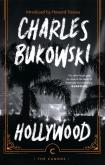
What will you do?' 'Oh, hell, I'll write a novel about writing the screenplay and making the movie.' 'What are you going to call it?' 'Hollywood.' Henry Chinaski has a penchant for booze, women and horse-racing. On his precarious journey from poet to screenwriter he encounters a host of well-known stars and lays bare the absurdity and egotism of the film industry. Poetic, sharp and dangerous, Hollywood - Bukowski's fictionalisation of his experiences making the film Barfly - explores the many dark shadows to be found in the neon-soaked glare of Hollywood's limelight.
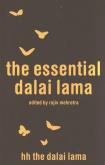
A huge international success, the Dalai Lama's books have sold millions of copies worldwide. Now, for the first time, this inspirational new book brings together the Dalai Lama's writings on all sides of life from work to meditation, in his highly appealing and unique voice that applies the principles of ancient Buddhist thought to contemporary issues. For all fans of the Dalai Lama's writings, and for anyone yet to be introduced to his thinking, this is the perfect collection.
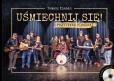
Uśmiechnij się! Pozytywne piosenki to zbiór kilkunastu radosnych i energetycznych utworów z rockowym pazurem. Płyta jest efektem współpracy zespołu Nagła Zmiana Klimatu oraz grupy Urwis Band, działającej przy Zespole Szkół Specjalnych w Chojnicach. Piosenki powstały z myślą o młodzieży szkolnej, ale z pewnością znajdą w nich coś dla siebie także starsi słuchacze.
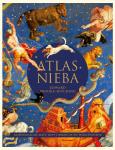
Piękna jak nocne niebo książka, która odkrywa tajemnice wszechświata!Oto niebo w postaci, w jakiej nigdy przedtem go nie przedstawiano: królestwo gwiazd i planet, lecz również bogów, demonów, płanetników, podniebnych żeglarzy, średniowiecznych kosmitów, mitycznych stworzeń i grasujących duchów.Po ogromnym światowym sukcesie Atlasu lądów niebyłych (REBIS 2017) i Złotego atlasu (REBIS 2018) nadszedł czas na najpiękniejsze opowieści i mapy, jakie powstały z dążenia ludzkości do poznania firmamentu niebieskiego.
W greckiej i łacińskiej „pogańskiej” literaturze okresu I-IV w. spotykamy kilka intrygujących scen przywrócenia do życia osoby uznanej za zmarłą. Najsłynniejszą zawiera fikcyjna biografia legendarnego mędrca i filozofa Apolloniosa z Tiany autorstwa Flawiusza Filostratosa.
Wokół nich od dawna toczy się ożywiona dyskusja badawcza: czy i na ile można je opisać wypracowaną na gruncie tradycji biblijnej i chrześcijańskiej kategorią „zmartwychwstania”, a nawet, czy przypadkiem nie zostały one wprost zainspirowane myślą chrześcijańską lub chęcią kryptopolemiki z niedawno powstałą religią? Dotyka ona również szerszego problemu: czy rzeczywiście koncepcję powrotu do życia w ciele należy traktować jako element zupełnie obcy i nieznany we wcześniejszej tradycji grecko-rzymskiej?
Książka stanowi nie tylko próbę zmierzenia się z tymi problemami, ale i odpowiedzi na pytanie: jak wyobrażano sobie możliwość przekroczenia cielesnej bariery między śmiercią a życiem w uniwersum antycznych przekazów i opowieści?A także: na ile literackie wizje ożywień i wskrzeszeń odbijały (lub nie) konkretne przekonania związane z mentalnością, religijnością i światem praktyk magicznych owej epoki?
Prezentowane egzemplarze mogą posiadać pewne uszkodzenia, takie jak porysowane lub nieco uszkodzone okładki, zagięcia, zżółknięcia, zbite narożniki itp.
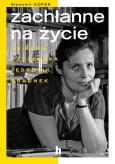
Barwna opowieść o życiu artystek PRL. Niekwestionowaną gwiazdą była wówczas Agnieszka Osiecka, bez której w ogóle nie można sobie wyobrazić polskiej kultury tamtych lat. Utalentowana autorka tekstów i poetka, niezrównana komentatorka życia codziennego. Kobieta wrażliwa i szalona, która poszukiwała osobistego szczęścia i właściwie nigdy go nie odnalazła. A przy tym posiadała niezwykły dar unieszczęśliwiania innych. Poza Agnieszką Osiecką Autor przedstawia sylwetki Małgorzaty Braunek, Kaliny Jędrusik i Elżbiety Czyżewskiej.
Tom "Inedita" obrazuje różnorodność, bogactwo i zachęcający do eksploracji potencjał myślenia, którym Marek J. Siemek wypełniał swój oryginalny zamysł społecznego transcendentalizmu, porównywalny z transcendentalizmem dyskursu społecznie „usytuowanego” przez Habermasa i postmetafizyczno-pragmatycznymi modelami racjonalności od McCarthy’ego po Brandoma. Niepublikowane dotąd materiały pozwolą Czytelnikowi znaleźć odpowiedź między innymi na pytania:
• jakiego rozumu i racjonalności potrzeba, by dopełnił się – a nade wszystko: nie cofał – jakże burzliwy proces nowoczesnego uspołecznienia,
• czy jest dziś możliwa samorządność według reguł, jakie ich „dawcy” i zarazem „biorcy” aprobowaliby z tą samą autonomią i z mocą tego samego prawidła, któremu wyraz daje Kantowska „transcendentalna jedność apercepcji”.
Works. Inedita
The volume shows the diversity and richness of intellectual potential, which Marek J. Siemek used in his original idea of “social transcendence”. The idea can be compared with the transcendence of the discourse socially “placed” by Habermas and with the post-metaphysical rationality models from McCarthy to Brandom. It allows to answer such questions as: what reason and rationality is needed for the process of modern socialization to take place, and if it possible today for the “givers” and the “takers” to approve the rules of self-government having the same autonomy and within the same law which is expressed by the Kantian “transcendental unity of apperception”.
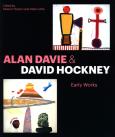
Encountering the work of Alan Davie (1920-2014) at Wakefield Art Gallery in 1958, a young David Hockney (b.1937) was struck by Davie's landmark Abstract Expressionist paintings, which mirrored and stimulated his own fledgling experimentation with colourful abstraction. Juxtaposing the remarkable early work of two greats of post-war painting, this book provides an original perspective on an important aspect of two significant artistic careers.
A richly illustrated text demonstrates points of convergence — such as the painterly surface, passion and poetry, and an exploration of text within the pictorial frame — while also presenting divergence, moving the discussion beyond comparison to reveal a moment when each artist expanded the expressive potential of the painted canvas.
Seeking to suggest new relationships and continuities between two generations previously segregated, this beautifully produced publication is ambitious in its intention, pushing the boundaries of traditional interpretations of British art history.
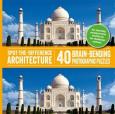
Visit your favourite buildings from around the world and discover something new with 40 spot-the-difference puzzles. Enjoy stunning shots of the world's favourite buildings in this phenomenal spot-the-difference photographic collection. Each of the 40 challenging puzzles will boost your observation skills while the fun, fact-filled captions will take you on your own architectural guided tour.
Travel the globe, from Venice to Beijing, from London to New York. Marvel at the magnitude of the Taj Mahal and be wowed by many more architectural treasures.
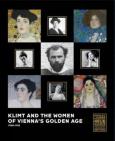
This authoritative and generously illustrated book highlights Gustav Klimt’s portrayals of women in his work. Klimt was a central figure in Vienna at the turn of the twentieth century, and a crucial link between nineteenth-century Symbolism and Modernism. His sensual portrayals of women are among his most celebrated works and the focus of this book. Highlights of the publication include Klimt's most important society portraits, such as Serena Lederer (1899); Gertrud Loew (1902); Adele Bloch-Bauer I (1907); Mäda Primavesi (1913); Elisabeth Lederer (1914–16); and Ria Munk III (1917). These works cover the gamut of Klimt's portrait style, from his early ethereal works influenced by Symbolism and the Pre-Raphaelite movement to his so-called "golden style," as well as his almost Fauvist depictions. These art works are complemented by preparatory Klimt sketches and decorative arts from the Wiener Werkstätte.
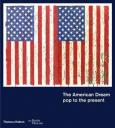
The American Dream: From Pop to present presents an overview of the development of American printmaking since 1960, paying particular attention to key figures such as Jasper Johns, Robert Rauschenberg and Andy Warhol. The 1960s was a period of change in the production, marketing and consumption of prints and the medium attracted a new generation of artists whose attitude towards making art had been conditioned by the monumentality and bold, eye-catching nature of popular imagery in postwar America, from advertising billboards to drive-in movies. Artists used to working on large canvases and huge sculptures created prints of an unprecedented ambition, scale and boldness in state-of-the-art workshops newly established on both the East and West coasts.
Prints also became a means for expressing opinions on the great social issues of the day, from civil rights to the overt and covert role of government. This has continued, with feminism, gender, the body, race and identity, all topics represented in prints in a variety of stylistic approaches across the decades. The changing nature of American society provides a core element of the narrative, with prints offering a fascinating insight into contemporary thinking and attitudes.
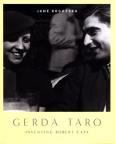
In Paris in 1934, a young and beautiful Jewish émigrée, Gerda Pohorylles, met a Hungarian political exile, André Friedmann. They reinvented themselves as the photographers Gerda Taro and Robert Capa – and he would become the most important photojournalist of his generation.
When Gerda was killed in the Spanish Civil war at the age of twenty-six, Robert Capa was her most notable mourner – his grief was beyond control. Her funeral drew crowds of thousands and she became a hero of the political left. Despite the legend that was built around her, she subsequently became a mere footnote in Capa's story. Seventy years after her death a long-lost suitcase was discovered in Mexico, containing thousands of negatives by Capa and Taro. Most astonishingly of all, the 'Mexican suitcase' showed that photographs that had been attributed previously to Capa were, in fact, the work of Taro.
Jane Rogoyska's book will trace Taro's life and reveal the depth of her relationship with Capa. Charismatic and extraordinary, they epitomised one of the most tumultuous periods of the century.
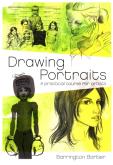
A portrait can reveal the likeness, personality, and even the mood of a person. In previous centuries, portraits were used to reveal someone's social standing, to manipulate the viewer's opinion of the subject, or to exaggerate and accentuate features.In Drawing Portraits, artist and teacher Barrington Barber shows you how to overcome common difficulties and introduces you to the techniques that will develop your perception of a subject.• Includes information on materials, techniques, and styles• Covers the basics of proportions, facial expressions, and poses• Teaches the art of group and animal portraits and caricatures• Contains step-by-step drawings and exercises to practise
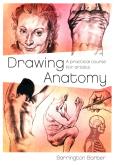
The ability to draw the human figure well is the sign of a good artist. So it is vital to appreciate the body's characteristics and how they influence posture and expression. Drawing Anatomy provides all the information you need to produce the most accurate representations of people.In Drawing Anatomy, teacher and artist Barrington Barber begins his exploration of this area of art by explaining what the body is made of and then reviews each section of the human figure in detail in separate chapters.• Includes information on Latin anatomical names and how they describe different parts of the body• Explains how the body changes with age• Teaches how features such as eyes and mouths can vary• Reveals how to portray the body in motion
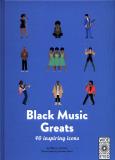
The biggest names... the coolest sounds... the 40 most inspirational movers, shakers and innovators in black music are here! In this fun, fact-packed book from the 40 Inspiring Icons series, learn how these black musicians changed music, from the creation of blues to the invention of rap.
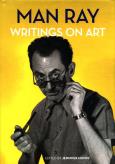
Man Ray (1890–1976) was a pioneer of the Dada movement in the United States and France and a central protagonist of Surrealism. Today he is one of the best-known American artists of the twentieth century, celebrated above all for his innovative and often seductively glamorous photography. Surprisingly, given Man Ray’s key role in the history of early-twentieth-century Modernism, a comprehensive collection of his writings on art has not been published in English until now.
‘Man Ray: Writings on Art‘ fills a conspicuous gap in scholarship on the artist and his period. It brings together his most significant writings, many of them published here for the first time. These occasionally quixotic texts, which include artist books, essays, interviews, letters, and visual poems, reveal the incredible scale of the artist’s output and the remarkable continuity of his aesthetic and political beliefs. This volume offers a long overdue vision of Man Ray as someone who used words both as a creative medium and as a means of articulating ideas about the nature and value of art. With richly reproduced illustrations, it provides powerful insight not only to scholars of art history and academics, but also to working artists and those who count themselves as Man Ray fans.
Jennifer Mundy is head of collection research at Tate, London.
Ten produkt jest zapowiedzią. Realizacja Twojego zamówienia ulegnie przez to wydłużeniu do czasu premiery tej pozycji. Czy chcesz dodać ten produkt do koszyka?