W tej strefie zapraszamy czytelników tak zwane artystyczne dusze po książki z kategorii Sztuka. Polecamy szereg publikacji o sztuce i jej historii,ciekawostki i portfolia artystów, eseje, albumy, książki o malarstwie, rzeźbiarstwie, architekturze oraz histoii fotografii. Biografie ciekawych artystów, książki i powieści przedstawiające fascynujące losy malarzy i osób uwiecznianych na obrazach. W tym dziale tylko ksiązki ze sztuka w tle.
Nowy tom z serii „Literatura na ekranie” przybliża różnorodność filmowych adaptacji wielkich dzieł rosyjskich pisarzy. Zapraszamy do kinofilskiej podróży od obsadzonej gwiazdami brytyjskiej ekranizacji słynnego poematu Puszkina po stylistyczny eksperyment inspirowany esejami Josifa Brodskiego
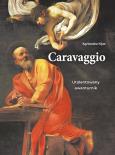
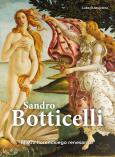
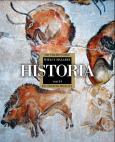
Wielcy malarze- Od Caravaggio do Rembrandta , Van Gogha do Rafaela, Leonardo do Gauguina wzbogacone o trzy polskie wielkie nazwiska Wyspiański, Matejko , Chełmoński: najpiękniejsze rozdziały w historii sztuki, w serii tomów do czytania, przeglądania, podziwiania i zbierania.
Seria oferuje czytelnikom niezwykłą podróż w towarzystwie wielkich artystów. Ich życie przedstawione jest w sposób jasny, bezpośredni - opisuje Wspaniałe obrazy i omówienie wszystkich głównych prac każdego artysty tworzą prywatna bibliotekę i galerie sztuki zawierające wszystkie arcydzieła historii sztuki.
Numery 34-36 opisują orzekrojowo sztuke tworzoną przez człowieka od prehistorii do abstrakcjonizmu .
Wielcy malarze- Od Caravaggio do Rembrandta , Van Gogha do Rafaela, Leonardo do Gauguina wzbogacone o trzy polskie wielkie nazwiska Wyspiański, Matejko , Chełmoński: najpiękniejsze rozdziały w historii sztuki, w serii tomów do czytania, przeglądania, podziwiania i zbierania.
Seria oferuje czytelnikom niezwykłą podróż w towarzystwie wielkich artystów. Ich życie przedstawione jest w sposób jasny, bezpośredni - opisuje Wspaniałe obrazy i omówienie wszystkich głównych prac każdego artysty tworzą prywatna bibliotekę i galerie sztuki zawierające wszystkie arcydzieła historii sztuki.
Numery 34-36 opisują orzekrojowo sztuke tworzoną przez człowieka od prehistorii do abstrakcjonizmu .
Projekt „U boku Bartka” to muzyczna monografia Zgrupowania Oddziałów Leśnych VII Okręgu Narodowych Sił Zbrojnych pod komendą kpt. Henryka Flamego „Bartka”.
Śpiew towarzyszył żołnierzom NSZ w każdej niemal sytuacji. Podczas nocnych, górskich wędrówek marszowa pieśń pomagała utrzymać równy krok. Podczas czyszczenia broni, nostalgicznych chwil na kwaterach, czy przy zejściu z Baraniej Góry do Wisły na Defiladę.
Modlitwy były uroczyście śpiewane każdego dnia: rano, wieczorem i na apelach. To pomagało partyzantom przetrwać i nie tracić nadziei na zwycięstwo.
Dziś oddajemy im hołd aranżując ich pieśni i modlitwy. Do projektu zgłosiły się zespoły muzyczne i solowi artyści: GAN, Irydion, Jarosław Konowałek, Kapela Romanka, Tomasz Kuś & Nordica, Orzeł Biały, Ptaku, Heroica i Weronika Wiktoria.
Inspiracją dla utworów był Notatnik Służbowy st. sierż. Zdzisława Krausa „Andrusa”, który zapisał w nim pieśni i modlitwy oraz książka Pod komendą Bartka.
Projekt został objęty patronatem honorowym m.in. przez Prezesa IPN.
CD 1
Opętał nas moskiewski szał – GAN 7:17
Posed Bartek w Las – Kapela Romanka 3:16
Partyzantka I „Gdy partyzant ciemną nocą, rusza na swe łany” – Jarosław Konowałek 1:58
Partyzantka II „Rozszumiały się wierzby płaczące” – Irydion 3:33
Pod komendą Bartka – Orzeł Biały 4:52
Partyzancko baciarka – Kapela Romanka 2:46
Dolinami i wzgórzami – Tomasz Kuś i Ptaku 2:29
Dla Ciebie Polsko!!! – Tomasz Kuś i Nordica 6:05
Modlitwa Partyzancka III „Modlitwa obozowa”– Irydion 3:40
Partyzantka IV „Raz nad samym wieczorem”– Jarosław Konowałek 3:37
„Jacek” i „Wilk” – dwaj bohaterowie – GAN 5:04
TT 44:37
CD 2
Partyzantka V „Rozkwitały jabłonie i grusze” – Tomasz Kuś i Heroica 7:10
Dolinami i wzgórzami – Orzeł Biały 4:32
Tango partyzanckie – Irydion 4:02
Janek Przewoźnik „Ryś” – Tomasz Kuś, Ptaku i Nordica 3:14
Defilada – Tomasz Kuś i Weronika Wiktoria 5:28
Tęsknota – Irydion 3:37
Matce mojej – Orzeł Biały 4:52
Piosenka „Wichury” – Jarosław Konowałek 2:23
Beskidzka ballada o śmierci – Kapela Romanka 2:47
Leśni chłopcy z NSZ – Jarosław Konowałek 3:02
TT 41:07
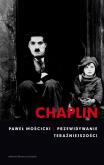
Paweł Mościcki stworzył książkę trudną do zaklasyfikowania. Z jednej strony jest to monografia twórczości Charlesa Chaplina, omawiająca całokształt jego przedsięwzięć, włącznie z kilkoma niezrealizowanymi projektami filmowymi czy próbkami literackimi. Z drugiej strony jest to rozprawa z antropologii obrazu, podejmująca wątki związane z teorią kina, kulturą wizualną czy historią kultury. Wreszcie jest to także książka ze wszech miar filozoficzna, której naczelnym tematem jest skomplikowana sieć relacji między komedią a historią. Wszystkie te wątki i poziomy wywodu łączą się ze sobą w wartką i fascynującą podróż śladami jednego z najbardziej niezwykłych artystów XX wieku. Równolegle toczy się tu również opowieść o minionym wieku, pełnym wydarzeń tak strasznych, że możliwych do opowiedzenia tylko w formie komediowej.
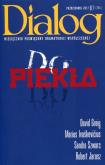
„Noty o końcu świata, jaki znamy” – Adam Szostkiewicz
• „Wydarzenia” („The Events”) – David Greig, przełożyła Małgorzata Semil
• „David Greig i prawicowy ekstremizm” – Piotr Dobrowolski
• „Bytu perfidność” – Tadeusz Bradecki
• „Masara” – Marius Ivaskevicius, przełożyła Agnieszka Lubomira Piotrowska
• „Nie odpuszczać” – Marek Beylin
• „Poza słowami” – Rozmowa z Robertem Jaroszem
Polifonia stanowi wyjątkowo cenną i inspirującą propozycję interpretacyjną – jest niewątpliwie jedną z ciekawszych prac, jakie w ostatnich latach pojawiły się w obszarze polskich badań muzyczno-literackich. Nowatorstwo idzie w parze z solidnym zapleczem faktograficznym i historycznym; książka z jednej strony dostarcza wzorcowo usystematyzowanej wiedzy na temat używanych pojęć i orientacji badawczych, z drugiej zaś inspiruje oryginalnymi, odkrywczymi tezami interpretacyjnymi, wspartymi przekonującą, kunsztowną argumentacją. Książka jest wartościowa nie tylko pod względem zastosowanych w niej ujęć i konceptów, ale i sposobu ich przedstawienia – klarownego, skrupulatnego, ujętego w ramy eleganckiego, sugestywnego języka.
Dr hab. Iwona Puchalska
Katedra Komparatystyki Literackiej
Uniwersytetu Jagiellońskiego
Praca pomyślana jest i zrealizowana w sposób kompetentny i ciekawy. Tytuł zapowiada ujęcie wielostronne, a zarazem prospektywne, musi więc budzić zainteresowanie wzmocnione nieco intrygującym podtytułem, odwołaniem do „sztuki życia” powiązanej ze sztuką rozumianą konwencjonalnie i pedagogicznie [...].
Pierwsze 15-lecie XXI wieku zostało zaprezentowane w świetle wyważonej strategii badawczej, nie tyle przez pryzmat tęsknoty za wartościami utraconymi czy lęku w obliczu nieznanych zagrożeń, ale z dojrzałą ostrożnością i pedagogiczną rozwagą. Autorka uzasadnia, jak w świetle niepokojów i zagrożeń sztuka, różnie przecież pojmowana, może towarzyszyć człowiekowi w budowaniu jego humanistycznego człowieczeństwa [...].
Recenzowana monografia przewyższa wiele skądinąd cennych, znanych mi publikacji, jest bowiem przykładem ujęcia w wielorakiej perspektywie, historycznej i aktualnej, polskiej i włoskiej, teoretycznej i praktycznej. Stanowi dzieło autorskie w pełni oryginalne.
z recenzji prof. dr hab. Ireny Wojnar
Autobiografia mistrza polskiego jazzu! „Wiem i powiem” to fascynujący zbiór wspomnień – subiektywny portret świata jazzu i rozrywki w czasach PRL. Jerzy Milian prowadzi Czytelnika przez całe swoje artystyczne życie: od początków w latach 50. poprzez współpracę z Krzysztofem Komedą i liczne jazzowe wojaże po kulisy działalności Orkiestry Rozrywkowej PRiTV w Katowicach.
„Perfect - Live April 1.1987 3 LP na 30-lecie koncertu” to reedycja kultowego albumu koncertowego, który został zarejestrowany podczas występu w gdańskiej hali Olivii po reaktywacji zespołu. Po 30 latach materiał z pamiętnego koncertu został poddany masteringowi i ponownie wydany na trzech płytach winylowych nakładem Wytwórni Muzycznej MTJ. „Perfect - Live April 1.1987 3 LP na 30-lecie koncertu” prezentuje 25 piosenek, które wówczas stanowiły lwią część dorobku grupy. Na tym wyjątkowym wydawnictwie winylowym usłyszymy między innymi: „Obracam w palcach złoty pieniądz”, „Idź precz”, „Chcemy być sobą”, „Nie płacz Ewka”, czy legendarną „Autobiografię”.
tracklista:
LP1
1. Jeszcze nie umarłem
2. Bażancie życie
3. Ale wkoło jest wesoło
4. Autobiografia
5. Wyspa, drzewo, zamek
6. Obracam w palcach złoty pieniądz
7. Opanuj się
8. Jak ja nie lubię historii
9. Wieczorny przegląd moich myśli
LP2
1. Nasza muzyka wzbudza strach
2. Nie patrz jak ja tańczę
3. Nie bój się tego wszystkiego
4. Po co?
5. Idź precz!
6. Czytanka dla Janka
7. Niewiele ci mogę dać
8. Ja, my, oni
9. Pepe wróć
LP3
1. A kysz biała mysz
2. Chcemy być sobą
3. Kariera
4. Objazdowe nieme kino
5. Oczy czarne
6. Żywy stąd nie wyjdzie nikt
7. Nie płacz Ewka
Ostatni Klezmer [2 DVD + CD] - Leopold Kozłowski-KleinmanNiniejsze wydawnictwo jest zapisem świata ,,ostatniego klezmera"" Leopolda Kozłowskiego-Kleinmana, dźwięków wyniesionych z domu w Przemyślanach koło Lwowa, gdzie jego ojciec miał słynną kapelę klezmerską, tradycji rodzinnych wywodzących się od Pejsacha Brandweina, którego orkiestra koncertowała przed cesarzem Franciszkiem Józefem, ale także przed marszałkiem Józefem Piłsudskim. I stryja Naftuli Brandweina, który jako genialny klarnecista został w latach trzydziestych ubiegłego wieku królem amerykańskich klezmerów.Wydawnictwo składa się z trzech pozycji: dwóch płyty DVD i jednej CD. Jest tu film ,,Ostatni klezmer"" w reżyserii Janusza Majewskiego będący zapisem rozmowy Leopolda Kozłowskiego z Jackiem Cyganem, z którym Maestro współpracuje i przyjaźni się od trzydziestu lat. Są tu fragmenty koncertu /DVD/, który odbył się na zakończenie Festiwalu Kultury Żydowskiej w synagodze Tempel w Krakowie, w lipcu 2017 roku. Jest wreszcie ścieżka dźwiękowa tego koncertu w postaci płyty CD, gdzie stare żydowskie pieśni przeplatają się z utworami skomponowanymi przez Leopolda Kozłowskiego do tekstów Jacka Cygana, Wojciecha Młynarskiego i Kazimierza Winklera. Wykonawcami koncertu są aktorzy krakowskich teatrów: Marta Bizoń, Kamila Klimczak, Renata Świerczyńska, Andrzej Róg oraz muzycy: Halina Jarczyk, Aleksander Brzeziński, Jacek Bylica, Jacek Hołubowski, Michał Wierba. No i Leopold Kozłowski, który gra na fortepianie, śpiewa i opowiada, a jego opowieści są prawdziwą muzyką duszy.,,Ostatni Klezmer"" to hołd złożony klezmerskiej muzyce, to wspomnienie świata, który przepadł bezpowrotnie, świata ubogich stetl na kresach dawnej Polski. Opowiada o nim słowem i dźwiękami jeden z ostatnich autentycznych świadków, Leopold Kozłowski-Kleinman. I dzięki niemu niniejsze wydawnictwo jest unikalne na skalę światową.Lista utworów: Tak jak malował pan Chagall Przy kominku (Ojfin pripetchik) Rodzynki z migdałami (Rozhinkes mit Mandeln) Szejn wi di lewune Cymes Chackełe (Chatskele) Piątkowy wieczór (Fraytik Oyf Der Nakht) As der Rebe Tanzt Bądź mi zdrów, Krakowie Ballada o Szmuliku Memento Moritz Mein Jidische Mame Abramek Złodziejaszek (Awreml der Marwicher) Hora, hora Gdzie ty byłeś, jak pieniądze były? (Vu Bistu Geven) Bo on jest klezmer Oj, wej Tate Gdy jedna łza Drzewka Kazimierza / Hevenu Szalom AlejchemLeopold Kozłowski-Kleinman
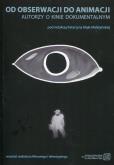
Książka jest próbą spojrzenia na współczesną rodzima animację zarówno pod kątem kulturowym i artystycznym, jak i instytucjonalnym, prawnym, finansowym oraz społecznym.
W tomie znalazły się teksty omawiające animację zaangażowaną, kierunki przemian polskiej animacji oraz kwestie rozpowszechniania najnowszego filmu animowanego.
Andrzej Sapija - Sam na sam. Długotrwała obserwacja bohatera filmu dokumentalnego jako zagadnienie artystyczno-warsztatowe
Leszek Dawid - Dokument umarł? Kamera cyfrowa jako narzędzie dokumentalisty
Arkadiusz Sołczerski - Dokumentalista w zagrożeniu. Ryzyko związane z tworzeniem dokumentu
Marcin Podolec - animacja w filmie dokumentalnym
Antoni Gaudí (1852?1926) jest bez wątpienia jednym z najbardziej oryginalnych architektów na świecie. Jego powszechnie znane budowle zyskały miano światowego dziedzictwa kultury. Charakteryzują je niepowtarzalność konstrukcji oraz niezwykłe bogactwo form i różnorodność barwnych materiałów. W tomie tym przedstawiamy artystyczne osiągnięcia Gaudiego na tle prądów modernistycznych. Dokonał on rewolucji w historii architektury ? wbrew tendencji do seryjnej produkcji elementów o prostokątnych zazwyczaj kształtach, Gaudi tworzy niekonwencjonalne projekty wzorowane na naturze ? pojedyncze formy aż po najdrobniejsze detale podporządkowane technicznej precyzji.
"Dziewczyna z perłą" jest dziełem niemal takpowszechnie rozpoznawalnym jak "MonaLisa". A jednak życie i dzieło Vermeera,malarza scen rozgrywających się wdomowym zaciszu, do dziś pozostajązagadką. Niniejszy tom ukazuje niewielkąliczebnie spuściznę Vermeera w kontekścieXVII-wiecznego malarstwa niderlandzkiego.
Impresjoniści stawiali sobie za cel malowanie prostych motywów i scen z życia codziennego, koncentrując się na ich kolorystyce. Tym samym światło i kolor zyskały w ich malarstwie zupełnie nowe znaczenie.
Nastrojowe pejzaże, piękne portrety oraz tętniące życiem sceny miejskie pędzla Moneta, Renoire’a, Degasa i Cezanne’a, to próba uchwycenia ulotnych wrażeń, nastroju konkretnej chwili.
Przedstawionych w albumie 300 dużych reprodukcji ilustruje pełną panoramę malarstwa impresjonistów.
Książka przeznaczona jest dla architektów i opracowana przez architekta. Podręcznik zawiera podstawowe wiadomości dotyczące procesu widzenia, elementarne dane o metodach rzutowania niezbędne dla opanowania zagadnień związanych z perspektywą oraz omówienie podstawowych elementów i konstrukcji pespektywicznych.
To nie przypadek, że aktorka Magda Lamparska zainteresowała się biografią Poli Negri. Z hollywoodzką gwiazdą, która sto lat temu rzuciła świat na kolana, łączy ją zawód, pracowitość i odwaga sięgania po nieosiągalne. Ale to nie Magda cofa się w czasie, by zrozumieć fenomen Polki - pierwszej celebrytki w historii światowego showbiznesu. Autorka zaprasza Polę do swojego świata, mówiąc: niejednego chciałabym się od ciebie nauczyć.
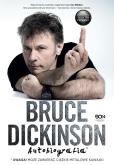
Wspomnienia wokalisty legendarnego Iron Maiden.
Oto prawdziwy Bruce Dickinson – biznesmen, ikona heavy metalu
* UWAGA! Może zawierać ciężkie metalowe kawałki
***
Up the Irons! Zapnijcie pasy – kapitan Dickinson zabierze was w rockandrollową podróż po swoim życiu.
Frontman Iron Maiden to wokalista obdarzony głosem wprawiającym świat w drżenie, a prywatnie człowiek, który nie boi się sprawdzać, do czego służy ten czy inny „przycisk” – kiedy nie gra koncertów, pilotuje i serwisuje samoloty pasażerskie, wygłasza elektryzujące mowy motywacyjne, pisze książki, warzy piwo i święci sukcesy podczas zawodów szermierczych. Istny człowiek renesansu!
Bruce Dickinson to także rasowy gawędziarz z poczuciem humoru jak hartowana stal. W jego autobiografii przeczytacie o zwariowanych 30 latach z Iron Maiden, błyskotliwej karierze solowej, o pierwszych zespołach, ojcostwie i niedawnej walce z nowotworem. Przyjrzycie się z bliska jednemu z najbardziej niezwykłych współczesnych artystów, autorowi Run to the Hills, Powerslave, 2 Minutes to Midnight i innych nieśmiertelnych hitów.
Iron Maiden święcą triumfy na scenie rockowej od ponad 40 lat. Sprzedali przeszło 90 milionów płyt i zagrali 2 tysiące koncertów, każdy z nich czyniąc niezapomnianym muzycznym spektaklem. Są kwintesencją heavy metalu z jego drapieżną baśniowością.
***
Heavy metal, coaching, szermierka, pilotowanie samolotów pasażerskich, a teraz (kolejna) książka! Chapeau bas, panie Dickinson! Ciekawe, czym pan nas zaskoczy następnym razem.
- Adam Nergal Darski, Behemoth
Bruce Dickinson opisał swoje życie ze swadą, lekkością i fantazją. Wspomnienia wokalisty Iron Maiden, ale też pilota, szermierza, pisarza i piwowara, czyta się jak powieść Stephena Kinga. Jednym tchem.
- Wiesław Weiss, „Teraz Rock”
Problemy rodzinne, szok dorastania, heroiczne początki rockandrollowej przygody, blaski i cienie prawdziwej sławy – brzmi jak niemal każda muzyczna biografia, prawda? Przewaga wspomnień Bruce’a Dickinsona nad większością dostępnych na rynku polega na tym, że ten facet jest znakomitym obserwatorem i urodzonym gawędziarzem. To książka nie tylko dla wielbicieli heavy metalu i lotnictwa, ale i dla wszystkich, którzy lubią dobre historie. I te do śmiechu, i te do refleksji.
- Jarek Szubrycht, „Gazeta Magnetofonowa”
Do czego służy ten przycisk? to jedna z najlepszych rockowych autobiografii wszech czasów! Książka, od której nie można się oderwać. Lektura obowiązkowa dla fanów Iron Maiden i muzyki rockowej, ale również dla tych, którzy cenią interesujące, życiowe historie.
- Jacek Nizinkiewicz, „Rzeczpospolita”
Fragment książki - Bruce Dickinson. issuu.com/wydawnictwosqn/docs/dickinson_20issuu
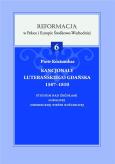
Przedmiotem analizy niniejszej pracy są niemieckojęzyczne kancjonały luterańskie opublikowane w latach 1587–1810 przez gdańskie oficyny, z uwzględnieniem wszystkich możliwych wydań.
Skoncentrowanie się na kancjonałach luterańskich publikowanych w języku niemieckim wynika z przesłanek socjologiczno-demograficznych: w mieście nad Motławą, w omawianym tutaj okresie, kwantytatywnie górowała ludność luterańska posługująca się językiem niemieckim. Nie może więc w tym kontekście dziwić dominująca rola, jaką niemieckojęzyczny luteranizm – kształtujący przez stulecia oblicze tego miasta – odegrał dla rozwoju lokalnej kultury i sztuki, również tej o charakterze kościelnym.
Niniejsza heurystycznie nacechowana publikacja ma więc na celu z jednej strony dokumentację gatunku, jaki na kulturalnej mapie nowożytnego Gdańska stanowiły kancjonały wydawane w języku niemieckim na potrzeby miejscowych zborów luterańskich, oraz ukazanie zmian zachodzących w tym gatunku. Z drugiej – zamierza zaprezentować gdańską twórczość pieśniową wchodzącą w skład przybliżanych tutaj kancjonałów, której – w tym miejscu następuje teza – długofalowa promocja na niespotykaną dotychczas skalę została zainicjowana już pod koniec siedemnastego stulecia na terytorium Rzeszy.
Ten produkt jest zapowiedzią. Realizacja Twojego zamówienia ulegnie przez to wydłużeniu do czasu premiery tej pozycji. Czy chcesz dodać ten produkt do koszyka?