W tej strefie zapraszamy czytelników tak zwane artystyczne dusze po książki z kategorii Sztuka. Polecamy szereg publikacji o sztuce i jej historii,ciekawostki i portfolia artystów, eseje, albumy, książki o malarstwie, rzeźbiarstwie, architekturze oraz histoii fotografii. Biografie ciekawych artystów, książki i powieści przedstawiające fascynujące losy malarzy i osób uwiecznianych na obrazach. W tym dziale tylko ksiązki ze sztuka w tle.
Kiedy życie miejskie zaczęło tętnić dłużej i głośniej? Kiedy piesi utracili pierwszeństwo w ruchu drogowym, a dorożki konne zostały wyparte przez samochodowe taksówki? Co spowodowało, że na początku XX wieku urzędnik miejski podróżował ponaddwukrotnie szybciej od robotnika?
Wraz z powstaniem i rozwojem silnika spalinowego oraz elektrycznego pojawiła się komunikacja miejska, powozy konne były zastępowane przez samochody, mieszkańcy korzystali z rowerów i motocykli. Zmieniły się warunki podróżowania w przestrzeni miejskiej. Jednak przemiany te nie były dostępne w równym stopniu wszystkim grupom społecznym. Możliwości szybszego i nowoczesnego przemieszczania stały się nowym przejawem rozwarstwienia społecznego.
Książka ta prezentuje proces zmian, jakie zaszły w sposobach podróżowania w przestrzeni miejskiej Torunia w latach 1891–1939. Autor podejmuje próbę udzielenia odpowiedzi na pytania: jak zmieniały się prędkość i jakość przemieszczania się w mieście, jak kształtowały się ruch uliczny i jego natężenie oraz jak przebiegał proces organizacji i prawnej regulacji ruchu. Znajomość tych zagadnień pozwala spojrzeć na miasto w szerszej perspektywie, pokazując wpływ procesów modernizacyjnych na funkcjonowanie społeczności miejskiej.
Chronologia sztuki przedstawia najważniejsze dzieła sztuki na Zachodzie w kontekście politycznym, ekonomicznym, literackim, naukowym i społecznym. Daje możliwość lepszego poznania i zrozumienia czynników mających wpływ na powstanie najwybitniejszych dzieł sztuki na świecie zawiera też wiele spostrzeżeń na temat samej historii sztuki.Główna oś czasu sytuuje najważniejsze dzieła sztuki obok ważnych wydarzeń i faktów, omawia w ogólnych zarysach ewolucję sztuki w określonym kontekście.Obejmuje szeroki przedział czasowy, od najstarszych malowideł w jaskiniach po najnowsze instalacje street art.Podaje krótkie informacje na temat najważniejszych przemian i osiągnięć społecznych, stylistycznych i technicznych w każdym okresie.Nadaje pierwszeństwo czysto chronologicznemu ujęciu tematu, unikając konwencjonalnego akademickiego szufladkowania, przywraca sztuce należne miejsce w uniwersalnych dziejach ludzkości.
Książka poświęcona jest trzem malowanym epitafiom wrocławskich kanoników katedralnych: Laurentiusa Potschela (zm. 1539), Martina Nibelschitza (zm. 1554) oraz Nikolausa Weidnera (zm. 1555), których przesłanie ideowe koncentruje się na wątkach związanych z nurtem tzw. reformy katolickiej. Tak ukierunkowana interpretacja ikonografii wspomnianych epitafiów stanowi rewizję wniosków dotyczących tych zabytków, formułowanych do tej pory przez badaczy tematu. Ukazanie epitafiów w kontekście wewnętrznych problemów ówczesnego Kościoła rzymskiego ma na celu poszerzenie obrazu świadomości śląskiego kleru katolickiego w dobie reformacji oraz przełamanie pewnych stereotypów dzielących powstające w owym czasie dzieła na „obozy wyznaniowe”, rozgraniczające wyraźnie epitafia katolickie od luterańskich.
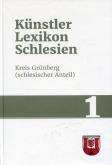
Das Lexikon der bildenden Künstler und Kunsthandwerker Schlesiens bemüht sich auf der Grundlage von über 40 Jahre andauernden Archivstudien, in denen über 25.000 Faszikel Archivalien vollständig durchgesehen wurden, einen möglichst kompletten Überblick über Leben und Werk der Schöpfer vorzulegen, die wenigstens vorübergehend einen festen Wohnsitz in den schlesischen Landesteilen hatten, die heute zur Republik Polen gehören. Die Edition folgt dabei der aktuellen Kreiseinteilung.
Der Kreis Grünberg-Land gehört vom Umfang her zu den bescheidensten Bänden der Serie, da große Teile des Kreises historisch nicht mehr zu Schlesien gehören und die ehemalige Kreishauptstadt Grünberg heute den Status eines Stadtkreises besitzt.
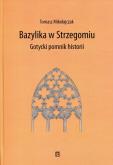
Przekazuję w ręce Czytelników syntetyczną monografię jednego z najwspanialszych gotyckich kościołów na terenie Dolnego Śląska, a także Polski, jakim jest bazylika Świętych Apostołów Piotra i Pawła w Strzegomiu.
W opracowaniu niniejszego tekstu niemałą rolę odegrały względy osobiste, a więc dorastanie w cieniu okazałej świątyni, podziw wobec jej ponadprzeciętnej skali, zarówno materialnej, jak i artystycznej, a także podejmowane już od najwcześniejszych lat próby odczytania i zrozumienia motywów przedstawieniowych i wątków treściowych zawartych w dziełach sztuki wypełniających jej wnętrze.
Książkę kieruję także do odwiedzających Strzegom turystów. Tekst uzyskał strukturę praktycznego przewodnika ułatwiającego poruszanie się po wnętrzu kościoła i jego najbliższej okolicy. W tym celu wyszczególniono poszczególne zagadnienia i najważniejsze dzieła sztuki.
Fragment Wstępu
Tomasz Mikołajczak
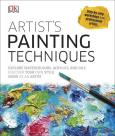
Whether you're trying your hand at painting for the first time or honing your artistic ability, Artist's Painting Techniques is the handiest guide to teach you how to paint.
Starting with the basics such as observational skills and learning how to draw, Artist's Painting Techniques will guide you into working with watercolours, acrylics, and oil paints. Discover everything you need to know about tone, colour, pattern, brushwork, and composition to create your own masterpieces with confidence. Learn a range of key watercolour, acryllic, and oil painting techniques, including laying a flat wash, painting fur, and creating impasto sculptural effects. Embark on exciting artistic exercises and projects to discover your style and grow as an artist.
Follow the fully illustrated step-by-step guides and get inspiring advice and encouragement from practising artists. Kickstart your creativity and develop your own style with Artist's Painting Techniques.
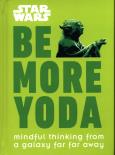
Pursue a more mindful life with words of wisdom from esteemed Star Wars (TM) mentors Yoda, Obi-Wan Kenobi, and Luke Skywalker. A balanced mind. Inner calm.
A positive influence on the world. A Jedi must embody all of these qualities in order to master the Force. But these same self-enlightenment skills can also help you to master a chaotic life in a galaxy much closer to home.
The heroes of the Star Wars galaxy have faced many trials and tribulations during their adventures. Learn from their experiences-and in many cases mistakes-to discover new mindfulness techniques to deal with stressful situations. Whether it be coping with relationship struggles, managing workplace stress, or trying the save the galaxy from your overbearing father, Star Wars: Be More Yoda not only provides tips for mindful thinking, but will bring a moment of joy to your day.
The perfect gift for Star Wars fans, Star Wars: Be More Yoda is an entertaining guide to mindfulness, featuring iconic moments and famous sayings from the Star Wars movies alongside light-hearted life lessons. (c) & TM 2018 LUCASFILM LTD. Used Under Authorization.
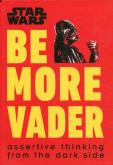
Move from apprentice to master with assertiveness advice from the Star Wars (TM) galaxy's most powerful leaders, including Darth Vader, Palpatine, and Supreme Leader Snoke. Negotiating the workplace can be an impossible task, especially if that workplace is a towering, all-powerful force intent on taking over the galaxy. Whether your day-to-day work involves developing plans to build the Death Star, building a rebellion, or simply trying to make the printer work, the leaders of the Star Wars universe offer essential guidance on how to assertively deal with common professional pitfalls.
Find out how to get a promotion, beat the competition, manage difficult employees, and move from intern to CEO with top tips from Star Wars: Be More Vader and the most powerful villains in the Star Wars movies. The perfect gift for colleagues and friends alike, Star Wars: Be More Vader is a tongue-in-cheek guide on how to advance your career, featuring favourite moments from the Star Wars series alongside hilarious advice and iconic, inspirational Star Wars quotes. (c) & TM 2018 LUCASFILM LTD.
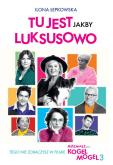
Bohaterowie scenariuszy nie znikają, kiedy kończy się film. Oni żyją dalej. Między kolejnymi odcinkami serialu, między poszczególnymi scenami. Coś robią, coś przeżywają, o czymś ze sobą rozmawiają. Tak samo było z bohaterami dwóch kultowych filmów, które weszły na ekrany kin blisko 30 lat temu - „Kogla Mogla” i „Galimatiasu”. Mimo że skończył się drugi film o nich, oni dalej żyli. Co robili przez te trzydzieści lat? Kim są teraz? Jacy są? Odnieśli sukces czy ponieśli porażkę? Są szczęśliwi czy zgorzkniali? Zadowoleni z życia czy przegrani? O tym właśnie jest ta książka. O tym, czego nie zobaczycie w żadnym filmie! Opowieść o nieznanych losach filmowych bohaterów, którzy powracają na ekrany kin w „Miszmaszu, czyli Koglu-moglu 3”, wzbogacają wywiady z aktorami i fotosy ze wszystkich trzech komedii.
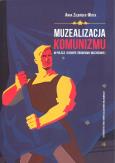
Żyjemy w okresie fascynacji polityką historyczną. Muzea stały się nie tylko miejscem kultury i edukacji, ale też ważnym instrumentem zdobywania poparcia wyborców przez rządzących. Anna Ziębińska-Witek tłumaczy nam, jak pod wpływem działań decydentów, inicjatyw społecznych, zmian ekonomicznych i politycznych, z relatywnie niewielkim udziałem profesjonalnych historyków, kształtowany jest prezentowany w muzeach (i nie tylko) obraz przeszłości.
Książka ta jest lekturą obowiązkową dla muzealników, tworzących masowo obecnie powstające nowe muzea historyczne, dla wykładowców i studentów kierunków związanych z muzeologią, ludzi zajmujących się problematyką pamięci i tych wszystkich, którzy działają w obszarze polityki historycznej.
Prof. dr hab. Rafał Wnuk
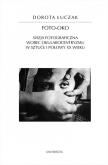
Fotografia jest wynalazkiem świata zachodniego, w którym oko (metaforyczne) od wieków zajmowało w procesach poznawczych wyjątkowe miejsce wśród zmysłów. Na fundamencie okularocentryzmu fotografia stała się uprzywilejowanym narzędziem władzy i rozmaitych aparatów ideologicznych. Dorota Łuczak przypatruje się relacji pomiędzy fotografią i wzrokocentryzmem, wskazując jednak na redukcjonistyczny charakter prostego sprowadzania fotografii do funkcji biernego instrumentu. W interpretacjach obrazów światłoczułych powstających w kręgach artystycznych w drugiej, trzeciej i czwartej dekadzie XX wieku badaczka ukazuje różnorodność realizowanych w fotografii modeli epistemologicznych i antropologicznych, w tym także o charakterze antywzrokocentrycznym. Wprowadzona przez autorkę kategoria wizji fotograficznej staje się modus operandi otwierającym nową perspektywę badawczą, bliską antropologii obrazu, w której przedmiotem analizy jest zarówno obraz, jak i proces percepcji widza.
Nieczęsto spotyka się teksty naukowe tak głęboko drążące specyfikę fotografii, a przy tym zakreślające tak szeroki horyzont problemowy i tak gruntownie rewidujące zastane przekonania.
prof. UAM dr hab. Stanisław Czekalski
Można zauważyć, że opcja zakładająca „rewizję krytyki”, która (upraszczając) czyniła z fotografii narzędzie opresji, umacniania władzy etc. bliska jest dzisiejszym tendencjom „humanistyki afirmatywnej”, dla której punktem wyjścia jest przełamanie właściwej postmodernizmowi negatywności.
prof. dr hab. Maria Poprzęcka
“Nie zwykło się uważać wieku XX za epokę estetyki, a mimo to w żadnym innym okresie historycznym w świecie Zachodu nie powstało tyle ważnych tekstów o estetyce. […] Stawiła ona czoło największym problemom dotyczącym egzystencji jednostki i wspólnoty, rozmyślała nad sensem istnienia, upowszechniała śmiałe utopie społeczne i angażowała się w kwestie życia codziennego, rozpoznawała niuanse poznawcze. […] Niewątpliwie: estetyka jest także skrycie obecna i aktywna w biopolityce, w medioznastwie, w epistemologii i w teorii komunikacji”.
fragment Wstępu
Mario Perniola (1941–2018) był filozofem, eseistą, historykiem sztuki współczesnej i pisarzem. Był profesorem zwyczajnym na uniwersytecie w Tor Vergata (Rzym) i redaktorem naczelnym czasopisma „Agalma”. Jako filozof zajmował się teorią sztuki i estetyką, w szczególności interesowały go awangardy, sytuacjonizm, postmodernizm. Jego prace o estetyce posthumanizmu i komunikacji w erze nowych mediów należą już do klasyki refleksji nad doświadczeniem estetycznym współczesności. Uczeń Pareysona, kolega Eco i Vattimo, osobiście zaprzyjaźniony z Guy Debordem i Pierre’m Klossowskim, Mario Perniola był niewątpliwie jednym z protagonistów myśli europejskiej ostatnich dziesięcioleci.
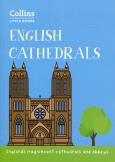
A handy guide to England's most famous cathedrals and abbeys. Includes an eight-page map section showing the locations of cathedrals covered in the book.
Historical background and architectural details for each of the cathedrals, accompanied by beautiful colour photographs. Includes the major sites of world famous St Paul's Cathedral and Canterbury Cathedral, home to the leader of the Church of England, and details of location, websites and opening times.
• A concise guide to English cathedrals in an accessible format.
• Of interest to English, local and architectural historians, visitors to England and the English themselves.
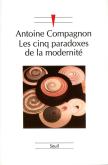
Dès le début du XIXe siècle Hegel jugeait que la gloire de l'art était derrière lui, dans le passé, et il annonçait rien de moinsque la fin de l'art. Est-ce à cette fin, toujours différée depuis près de deux cents ans, que nous assistons aujourd'hui ? Ne serait-ce pas plutôt à la faillite des doctrines qui voulaient "expliquer" l'art donc lui assigner un "but" et penser son histoire en termes de "progrès" ? Telles sont les questions qui sont au coeur des Cinq paradoxes de la modernité. Et s'il y en a précisément cinq, c'est que, depuis Baudelaire, l'histoire de l'art a connu cinq crises majeures correspondant à autant de contradictions non résolues.
Les lecteurs qui ignorent les rudiments de l'histoire récente des beaux-arts trouveront là un guide sûr. les autres y trouveront une perspective originale (baudelairienne) propre à éclairer les soubresauts actuels de la "postmodernité".
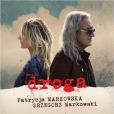
Pierwsza wspólna, długo wyczekiwana przez fanów płyta Patrycji Markowskiej i Grzegorza Markowskiego!
Patrycja Markowska: Nie wiem, kiedy po raz pierwszy zakiełkowała we mnie i w Tacie myśl, żeby nagrywać razem. Myślę, że ten pomysł pojawiał się od lat. Mieliśmy już za sobą pierwsze podejścia, jak choćby „Kołysankę” czy „Trzeba żyć”. Za każdym razem, kiedy stawaliśmy razem na scenie, działo się coś magicznego i niepowtarzalnego. Ciągle jednak nie czułam się gotowa do nagrania całego albumu. Przełomem był nasz wyjazd do Hiszpanii. Tata zabrał gitarę, ja ukulele. Piliśmy wino i jamowaliśmy razem. Wysłałam te szkice do zaprzyjaźnionych muzyków. Pierwszy był Maciek Wasio. W kilka godzin odesłał pierwszy szkic piosenki. Zgromadziliśmy wokół siebie ludzi, których lubimy i szanujemy i z którymi muzycznie nam po drodze. Braliśmy z Tatą czynny udział w powstawaniu każdej demówki i każdego dźwięku. Praca szła jak burza. Brak ciśnienia i oczekiwań wobec siebie i tej płyty spowodował, że powstawał materiał prawdziwy i bardzo nam bliski. Ta płyta jest dla mnie dowodem, że z przyjaźni i miłości powstają najlepsze rzeczy…
Lista utworów:
1. Na szczycie
2. Aż po horyzont
3. Droga
4. Pan pożarów i Pani burz
5. Nocy na złość
6. Kontrablues
7. Z daleka sobie patrzę
8. Echem zostawimy ślad
9. Lustro
10. Coraz mniej
11. Deja vu
12. Napój złotawy
13. Zawsze będę tu
Album "niemożliwe" to debiutancki krążek folkowo-elektronicznego duetu Kwiat Jabłoni. Rodzeństwo Kasia i Jacek Sienkiewiczowie jako Kwiat Jabłoni po raz pierwszy zaprezentowali się polskim słuchaczom w marcu 2018 r., wypuszczając do sieci piosenkę "Dziś późno pójdę spać" wraz z teledyskiem, który na YouTube wyświetlony został już ponad 4,5 mln razy. Drugim singlem promującym płytę została tytułowa piosenka "Niemożliwe". Na album wyprodukowany przez Kwiat Jabłoni oraz debiutującego realizatora dźwięku Łukasza Ziębę składa się 12 utworów. Są to autorskie, refleksyjne piosenki z polskimi tekstami wykonane na dwa głosy, mandolinę i fortepian, wzbogacone elektronicznymi brzmieniami. Ta nietypowa mieszanka sprawia, że muzyka Kwiatu Jabłoni wymyka się typowym gatunkom, ciężko ją zaszufladkować. W piosenkach rozbrzmiewają folkowe brzmienia, popowe chwytliwe melodie i przestrzenne efekty elektroniczne. Kasia i Jacek mówią jednak, że najważniejsza jest dla nich warstwa tekstowa ich piosenek. Rodzeństwo Sienkiewiczów śpiewa o życiu chwilą, próbach cieszenia się tym, co mamy, o ucieczce od konsumpcjonizmu i świata przesyconego pogonią za sukcesem, skłaniają słuchaczy do namysłu i nie pozostawiają obojętnym. "niemożliwe" to album głęboko poruszający zarówno słowami, jak i muzyką.
Lista utworów:
1. Niemożliwe
2. Dzień dobry
3. Nie ma czasu
4. Nic więcej
5. Dziś późno pójdę spać
6. Za siódmą chmurą
7. Kto powie mi jak
8. Chodźmy nad wodę
9. Wzięli zamknęli mi klub
10. Wodymidaj intro
11. Wodymidaj
12. Turysta (bonus track)
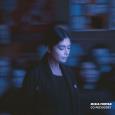
Misia Furtak prezentuje swoje nowe oblicze. Po 5 latach od „Epki” podpisanej jako Misia Ff, artystka przedstawia się imieniem i nazwiskiem w najbardziej dojrzałych muzycznie kompozycjach, które do tej pory wydała. Płyta „Co przyjdzie?” nie bez powodu zawiera znak zapytania. To jest płyta o zmianach. Zarówno gwałtownych, jak i tych następujących powoli, których nie zauważamy. O strachu przed nimi i ich nieodwracalnością. O konieczności zadawania pytań, obowiązkach, jakie na nas ciążą. O bezradności i niezgodzie. O rysach, pęknięciach i świadomości, że każdy ersatz prędzej czy później się rozsypie. O pragnieniu odroczenia katastrofy, próbie budowania szalup, i nadziei, że mimo wszystko nie będziemy ich potrzebować - mówi autorka. Misia Furtak to wokalistka i basistka, razem z zespołem Tres.B laureatka Paszportu Polityki w kategorii muzyka popularna i Fryderyka w kategorii debiut roku. Solo jako Misia Ff uhonorowana m.in nagrodą miasta Torunia im. Grzegorza Ciechowskiego za wydaną w 2013 roku płytę „Epka”. W październiku 2015 r. ukazał się debiutancki singiel duetu Ffrancis, który współtworzy wraz z Piotrem Kalińskim (Hatti Vatti).
Lista utworów: 1. Nie zaczynaj 2. Pamięć 3. Bez czterech rąk 4. A little later 5. Go to sleep 6. Delusional 7. Będzie gorzej 8. Tysiąc 9. Skończy się 10. Space 11. Co przyjdzie?
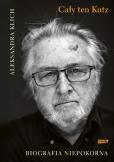
Nowe, uzupełnione wydanie pierwszej biografii Kazimierza Kutza
Cały ten Kutz Aleksandry Klich to znakomita biografia, napisana na szybkim oddechu, zasuwająca równie dziarsko, jak żył i tworzył jej bohater. Wyszedłszy ze śląskiego familoka, w łódzkiej Filmówce – jak sam mówił – „zapierdalał potwornie”, żeby przetrwać i nadrobić dystans dzielący go od kolegów. Utalentowany i odważny, dzięki zakorzenieniu w śląskiej kulturze i wartościach stworzył filmy oryginalne, stanowiące w polskim kinie zjawisko absolutnie nowe. Jako artysta i polityk – prowokował swoją bezkompromisowością, ciętym językiem, jakim rozprawiał się z oponentami. Całe życie walczył o ukochany Śląsk, którego obraz przeobraził w mit, ale równie mocno angażował się w sprawy Polski, zatroskany narodowym szowinizmem, ksenofobią, populistycznym zaczadzeniem, ciągotami do państwa wyznaniowego.
Aleksandra Klich pokazuje nam Kutza, jakiego nie znamy. Nowe wydanie zostało uzupełnione o wspomnienia z ostatnich lat życia reżysera.
Cały ten Kutz jest w istocie opowieścią o śląskim rozgoryczeniu, peerelowskich warunkach życia codziennego i artystycznego, o ówczesnych obyczajach, snobizmach i tęsknotach,
o poszukiwaniu własnej drogi twórczej i związanych z tym cierpieniach i szczęściu,
o trudnościach korzystania ze zdobytej wolności. […]to bogata, wieloplanowa, wspaniale udokumentowana i dowcipna książka o Kutzu, Śląsku, Polsce.
Małgorzata Szejnert
Aleksandra Klich - dziennikarka, autorka książek, wicenaczelna „Gazety Wyborczej”
i redaktorka naczelna Wysokich Obcasów
Kraje nordyckie, daleka północ Europy, są w Polsce od początku XXI wieku niezmiennie popularne. Na pewno przyczynia się do tego, z jednej strony, pewien egzotyzm położonych najdalej na północ części Norwegii, Szwecji czy Finlandii, z drugiej zaś profesjonalne działania marketingowe: tworzenie i umacnianie marek narodowych. Tymczasem nordyckie media, za wyjątkiem niektórych filmów fabularnych i seriali, są dość mało znane na świecie, a edukacyjna oferta skandynawskich mediów publicznych jest jedynie od czasu do czasu przywoływana, na przykład w mediach anglojęzycznych, jako ciekawostka. W książce przybliżono zarówno strukturę, jak i ofertę mediów publicznych Danii, Norwegii i Szwecji, nakreślając szerokie tło historyczne i kulturowe.
Ekskluzywne jazzowe wydawnictwo, prezentujące twórczość mistrzów tego gatunku. Na dwupłytowym albumie usłyszymy polskie i zagraniczne kompozycje w najlepszym wykonaniu. Pierwszy krążek zachwyca głębokimi, aksamitnie ciepłymi wokalami, piękną warstwą liryczną i kołyszącymi, zmysłowymi melodiami. Autorskie kompozycje oraz interpretacje jazzowych standardów wykonują wybitni polscy artyści.Wśród nich usłyszmy m.in. Janusza Szroma, Grażynę Łobaszewską, Grażynę Auguścik, Andrzeja Zauchę, Andrzeja Dąbrowskiego, Krzysztofa Napiórkowskiego czy Stanisława Soykę. Uzupełnieniem wokalnej części kompilacji jest instrumentalny krążek z jazzowymi wersjami przebojów m.in. New York, New York (wyk. Big Band UMFC) czy Georgia On My Mind (wyk. Piano Jazz Trio).Obok popularnych kompozycji usłyszymy mniej znane, ale perfekcyjnie wykonane perełki jazzowe ich autorzy to światowa klasa! Ale Jazz! uzależnia od pięknej muzyki, jaką jest jazz.Lista utworów:CD 101. Janusz Szrom - Tęsknię02. Danuta Błażejczyk - A Foggy Day03. Novi Singers - La fiesta04. Grażyna Auguścik, Paulinho Garcia - Blackbird05. Aurelia Luśnia - Jesienny Pan06. Iwona Loranc - A jest w nas miłość czasem07. Stanisław Soyka, Barbara Pospieszalska - Całowanie08. Andrzej Zaucha, Dżamble - Lady Love09. Grażyna Łobaszewska, Ajagore - Pełnoletni10. Bronek Harasiuk, Bogdan Hołownia - Trio Round Midnight11. Krzysztof Napiórkowski - Mobile12. Ewa Cybulska - The Island13. Andrzej Dąbrowski Bye, Bye - Blackbird14. C.C Band - CudeńkoCD 2 (wersje instrumentalne)01. Piotr Kostrzewa Big Band Fascinating rhythm02. Alex Band - Ajoka03. Big Band (UMFC) - New York, New York04. Piano Jazz Trio Georgia On My Mind05. Yanina Free Wave Top LP06. Frittata - Balkan07. Big Warsaw Band Stanisława Fiałkowskiego - I Can't Get Started08. Zespół Tadeusza Prejznera - Spacer brzegiem morza09. Zbigniew Wegehaupt - Manana10. C.C. Band Children's Sun11. Zbigniew Wegehaupt - Four Roses12. Roman Ziemlański - Autumn Leaves
Ten produkt jest zapowiedzią. Realizacja Twojego zamówienia ulegnie przez to wydłużeniu do czasu premiery tej pozycji. Czy chcesz dodać ten produkt do koszyka?