W tej strefie zapraszamy czytelników tak zwane artystyczne dusze po książki z kategorii Sztuka. Polecamy szereg publikacji o sztuce i jej historii,ciekawostki i portfolia artystów, eseje, albumy, książki o malarstwie, rzeźbiarstwie, architekturze oraz histoii fotografii. Biografie ciekawych artystów, książki i powieści przedstawiające fascynujące losy malarzy i osób uwiecznianych na obrazach. W tym dziale tylko ksiązki ze sztuka w tle.
Dwoje ludzi, którzy mimo skrajności charakterów tworzą jeden, dziki organizm muzyczny. Piosenki, które tworzą, swą prostotą i transowością nawiązują do bluesa, często jednak wykraczając poza jego klasyczną formę. Pola jest wokalistką oraz autorką tekstów. Adam to gitarzysta i kompozytor. Podczas koncertów, często uzupełnianych przez perkusję, własne utwory przeplatają psychodelicznymi i awangardowymi improwizacjami. Ich źródła inspiracji to w takim samym stopniu rdzenne work songs, Muddy Waters i Skip James, jak Bjork czy Radiohead. Płyta ukazała się nakładem wytwórni Fonobo Label.
Płyta, na której tradycja polskiej piosenki spotkała się ze współczesną interpretacją. „Jesienne dziewczyny” to najpiękniejsze i najważniejsze utwory Kaliny Jędrusik w wykonaniu charyzmatycznych wokalistek młodego pokolenia. Wśród wyselekcjonowanych utworów znalazły się te, które słuchacze pamiętają i wspominają do dziś, w tym m.in. „Kalinowe serce”, „Czy musimy być na ty”, „Szukam wiatru w polu”, „Ja nie chcę spać” oraz „Mój pierwszy bal”.
Hołd dla wspaniałej i jedynej w swoim rodzaju Kaliny Jędrusik złożyło aż siedem pięknych i utalentowanych artystek: Pola Chobot (znana z duetu z Adamem Baranem), Jagoda Kret, Maria Tyszkiewicz, Olga Polikowska, Faustyna Maciejczuk, Monika Kowalczyk oraz Hela Mirecka. Każda z nich zaśpiewała absolutnie po swojemu nadając tym szlagierowym już kompozycjom zupełnie nowe, często bardzo zaskakujące oblicza.
Lista utworów:CD 1:1. Basista2. Odpuść3. Bujaj, bujaj4. Chwile5. Wino, śpiew i łzy6. Co przed nami7. Bilet na karuzelę8. Tylko kasa9. Mamy małą sprawę10. Zabawa trwa11. Przed siebie leć12. Anioły są wokół nas13. Jedno pytanie14. Szuja15. Polskie lato z mp3CD 2:1. Oczarowanie2. Samotny wilk3. Ostatni taniec4. Zapomniany list5. Wielka przygoda6. Skin blues7. Po tej stronie nadziei8. Za twój czuły szept9. Noc w Ekwadorze10. Po co komu takie radio11. Powiedz, że mnie kochasz12. Na jeden dzień13. Radio moja miłość14. Zostań dzieckiem15. Gdybyś tu była ze mnąCD 3:1. M jak miłość2. Samo życie3. Kiedy pada deszcz (Kto kocha cię)4. No to co (Polskiego morza smak)5. Zaproszenie do tańca6. Życzę ci szczęścia7. Żółta róża8. Czy ty to ty9. Tysiąc nowych szans10. Miłość kocha wolność11. Wiem, że nic nie wiem12. Słoneczne popołudnie13. Zostań Aniołem14. Kredo15. Boża krówka16. Zawsze jest nadzieja (Och, Katarzyno)17. Gdy nie będzie nas
Reedycja jednej z najważniejszych płyt w dyskografii Haliny Kunickiej. Oryginalnie została wydana w 1984 roku nakładem firmy Pronit i znalazły się na niej takie kompozycje jak „Kiedy ciemno i smutno”, „Obudź się moje serce”, „Śpij mój świecie”, „Ja w pierwszej dorosłej sukience” oraz przede wszystkim „Co się stało z moją klasą”, jeden z najważniejszych utworów wykonywanych przez artystkę.
Mój dziadek był jak stare drzewo
Uchroń mnie Panie
Kolęda na cały rok
Ja w pierwszej dorosłej sukience
Co się stało z moją klasą
Mamo wyjdę przed dom
Kiedy ciemno i smutno
Synek jedzie na koniu drewnianym
Obudź się moje serce
Śpij mój świecie
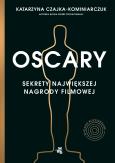
Oscary to najważniejsze, najczęściej omawiane, ale też najbardziej kontrowersyjne nagrody filmowe. Mimo upływu lat wciąż stanowią symbol Hollywoodu, urzeczywistniają marzenie wszystkich twórców kina. Autorka książki zrywa z tradycją opisywania Oscarów według poszczególnych kategorii. Proponuje podział na cztery bloki tematyczne: Nagroda (w którym opisuje m.in. mechanizmy przyznawania Oscarów, wpływ polityki na nagrodę), Ceremonia (kreacje, przemówienia, losy statuetek, wpadki), Kategorie nieoczywiste (jak ewoluowały niektóre kategorie; polski wkład w historię Oscarów) oraz Zwycięzcy (co Oscary oznaczały dla nagrodzonych filmów i aktorów; stosunek Akademii do mniejszości). Książkę uzupełnia zestawienie najciekawszych statystyk dotyczących nagrody.
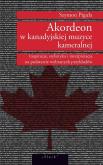
Nieustanny rozwój artystyczny jest cechą i przywilejem artysty – muzyka. Każdy etap tego rozwoju prowadzi do pewnych konkluzji, a kolejne szczeble edukacji pozwalają zweryfikować subiektywny obraz muzycznego świata. Studia, współpraca z innymi muzykami, oczekiwania publiczności oraz praktyka wykonawcza utwierdziły mnie w przekonaniu, że muzyka kameralna stanowi najciekawszą formę muzycznej wypowiedzi. Już na etapie studiów i przygotowywania pracy magisterskiej dostrzegałem jej unikatowość: kameralistyka konfrontuje w czasie prezentacji utworu intencje kompozytora i wykonawców z oczekiwaniami publiczności, ukazując jednocześnie interakcje pomiędzy muzykami i ich wciąż dostrzegalny w kameralnych składach indywidualizm.
Lata rozwoju oryginalnej literatury akordeonowej ukazują stale rosnące zainteresowanie tym instrumentem. Wielu światowej sławy kompozytorów zwróciło się ku niemu w swej twórczości. Akordeon z całym swoim potencjałem kolorystycznym, specyficznymi możliwościami artykulacyjnymi unikalnymi tylko dla niego, a także dzięki zaangażowaniu wielu zawodowych muzyków – akordeonistów, stał się chętnie wybieranym przez kompozytorów medium wykonawczym. Perfekcyjnie odpowiada potrzebom muzyki współczesnej, sprawdzając się w muzyce kameralnej zarówno w składach homogenicznych, jak i w zestawieniu z innymi instrumentami, muzyką elektroniczną, live electronics oraz najnowszymi osiągnięciami sztuk audiowizualnych.
(Ze Wstępu)
Spis treści
Wstęp
Rozdział 1. Charakterystyka kanadyjskiej literatury akordeonowej
1.1. Początki akordeonistyki w Kanadzie
1.2. Rola instytucji kultury w rozwoju literatury akordeonowej
1.3. Opis solowej i kameralnej literatury akordeonowej
Rozdział 2. Joseph Petric. Inspirator i wykonawca
2.1. Biografia artysty
2.2. Rola Josepha Petrica w inicjowaniu twórczości akordeonowej
Rozdział 3. Inspiracje, stylistyka i interpretacja wybranych kompozycji
3.1. Boyd McDonald – Overture
3.2. Andrew Paul MacDonald – Primavera (after Botticelli)
3.3. Larry Lake – Sticherarion
3.4. Bob Pritchard – Breathe on me
Zakończenie
Bibliografia
Źródła internetowe
Wydawnictwa nutowe
Indeks
Streszczenie
Abstract
Aneks
Załącznik 1. Spis dostępnej kanadyjskiej literatury akordeonowej
Załącznik 2. Fragment z wywiadu z Malcolmem Forsythem, autorem
Koncertu na akordeon i orkiestrę, skrypt
Załącznik 3. Joseph Petric – korespondencja prywatna
Załącznik 4. Boyd McDonald – korespondencja prywatna
Załącznik 5. Andrew Paul MacDonald, Primavera (after Botticelli),
Lennoxville 2006. Program note
Załącznik 6. Peter Lutek – korespondencja prywatna
Załącznik 7. Bob Pritchard, Breathe on me, Vancouver 2004.
Program note
Załącznik 8. Bob Pritchard – korespondencja prywatna
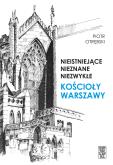
Co łączy cmentarny drewniak z kolumną Zygmunta? Dlaczego Francuzi wygnali z Warszawy Świętego Klemensa? Kto w czerniakowskim klasztorze pamięta Jackie Kennedy? Który kościół zbudowano za wygraną na loterii, a w którego murach produkowano... krajalnice do buraków?
Autor, sięgając do archiwów, tekstów historycznych i dawnej prasy, przeprowadzając wywiady i wizje lokalne, udowadnia, że sacrum nie musi być nudne. Kościoły Warszawy – te ubogie i te pełne cennych artefaktów – przez wieki kształtowały oblicze miasta, oddziaływały na jego tożsamość, wiążąc się z losem miasta i jego mieszkańców. Piotr Otrębski wybrał obiekty spoza głównego kanonu, w większości świątynie mniej rozpoznawalne lub już nieistniejące. Ta książka jest próbą ocalenia pamięci o nich i ich jakże zmiennym otoczeniu.
Piotr Otrębski – dziennikarz, varsavianista, absolwent Uniwersytetu Warszawskiego, autor książki Echa dawnej Warszawy. Kościoły i kaplice oraz publikacji naukowych o Warszawie, współtwórca klubokawiarni Retrospekcja, laureat Nagrody Miasta Stołecznego Warszawy. Współpracuje ze „Skarpą Warszawską". Prowadzi audycje varsavianistyczne (Tu była Warszawa) i publicystyczne w Radiu Warszawa, program „Angelus" (wspólnie z Polsat News). Specjalizuje się w tematyce samorządowej i kościelnej. Pracował m.in. w „Fakcie", TVP Warszawa. W latach 2010–2014 organizował Varsavianistyczne Mistrzostwa Amatorów Retroring (sędzia). Jest zapalonym turystą tatrzańskim i fanem zespołu Queen. Lubi kapary i bitą śmietanę (osobno).
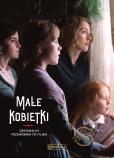
MAŁE KOBIETKI. ORYGINALNY ALBUM FILMOWY
Oryginalny, pięknie wydany album ze zdjęciami z filmu „Małe kobietki” ma premierę 15 stycznia.
Bohaterowie książki ożywają w najnowszej filmowej adaptacji powieści według scenariusza i w reżyserii nominowanej do Oscara® Grety Gerwig. W superprodukcji zobaczymy: Meryl Streep, Emmę Watson, Laurę Dern, Saoirse Ronan i Timothée Chalameta. Oryginalny album towarzyszący filmowi to niezbędnik każdego fana i zaproszenie za kulisy tej superprodukcji: przewodnik po planie filmowym zawierający wywiady przeprowadzone z członkami obsady i ekipy produkcyjnej, zdjęcia miejsc, w których kręcono poszczególne sceny, przepisy rodem z dziewiętnastowiecznej Nowej Anglii, a także migawki przedstawiające przygotowania aktorów do swoich ról i prezentacje rekwizytów oraz kostiumów.
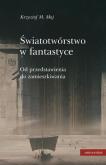
Dlaczego w dziesięć lat po rozpoczęciu rekordowej zbiórki na realizację gry Squadron 42, opiewającej na ponad dwieście milionów dolarów, powstała nie gra, lecz skomplikowany świat Star Citizen, nazywany przez twórcę pierwszoosobowym uniwersum (first-person universe)? Jak to się dzieje, że znając fabułę siedmioksięgu Harry Potter lub pamiętając większość odcinków Gry o tron, decydujemy się i tak powracać do kreowanych w nich światów kosztem ponownego przyswajania dobrze już zapoznanych historii? Dlaczego w niespełna dziesięć lat powstało gigantyczne Marvel Cinematic Universe, podczas gdy pięć razy więcej czasu zajęło sfilmowanie dotychczasowych przygód Jamesa Bonda? Wreszcie, czym różni się opowiadanie historii światotwórczych i imersywnych od tych angażujących tylko ze względu na porywającą fabułę i celne portrety psychologiczne postaci? Książka Światotwórstwo w fantastyce, będąca drugą na świecie (po Building Imaginary Worlds Marka J.P. Wolfa) i pierwszą w Polsce teoretyczną monografią sztuki światotwórczej, odpowiada na wszystkie te pytania, adresując równocześnie te kwestie, które pomijane były dotychczas w polskich i światowych badaniach nad fantastyką i kulturą popularną.
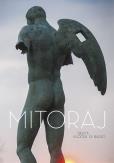
Dzieło Mitoraja czerpie swoją niebywałą siłę i piękno z dwóch – antycznych i judeochrześcijańskich – korzeni Europy. Jego sztuka pozwala ukazać rzecz niezmiernie ciekawą i ważną – dialog sztuki współczesnej z historią.
We wstępie do materiałów z konferencji zorganizowanej w 2002 roku przez Europejski Instytut Uniwersytecki we Florencji, Romano Prodi napisał:
„Europa jutra nie może opierać się wyłącznie na ekonomii. Jeżeli ma się stać pozytywnym przykładem dla całego świata, wydaje się, że trzeba większy nacisk kłaść na wartości etyczne, a nawet estetyczne…” Powstaje pytanie, czy tak wielki sukces Mitoraja wiąże się w istotny sposób z kryzysem naszej europejskiej tożsamości? Nie ulega wątpliwości, że twórczość Igora Mitoraja przywraca kulturze europejskiej jedność opartą na antycznych fundamentach. Czy możemy zatem uznać go za „rewolucjonistę w grecko-rzymskim przebraniu”?
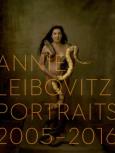
In this new collection from Annie Leibovitz, one of the most influential photographers of our time, iconic portraits sit side by side never-before-published photographs. Afterword by Annie Leibovitz.
Annie Leibovitz: Portraits 2005-2016 is the photographer's follow-up to her two landmark books, Annie Leibovitz: Photographs, 1970-1990 and A Photographer's Life, 1990-2005. In this new collection, Leibovitz has captured the most influential and compelling figures of the last decade in the style that has made her one of the most beloved talents of our time. Each of the photographs documents contemporary culture with an artist's eye, wit, and an uncanny ability to personalize even the most recognizable and distinguished figures.
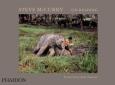
A celebration of the timeless act of reading - as seen through the lens of one of the world’s most beloved photographers
Young or old, rich or poor, engaged in the sacred or the secular, people everywhere read. This homage to the beauty and seductiveness of reading brings together a collection of photographs taken by Steve McCurry over his nearly four decades of travel and is introduced by award-winning writer, Paul Theroux. McCurry’s mesmerizing images of the universal human act of reading are an acknowledgement of - and a tribute to - the overwhelming power of the written word.
The most compelling collection ever of the world's most innovative, stylish, and influential chairs
Throughout history, the chair has presented designers the world over with infinite opportunities to experiment with new methods and materials within the set parameters of an object that is primarily there to serve a practical purpose. Chair: 500 Designs that Matter celebrates the humble chair as never before, from early examples to today's cutting-edge creations. It invites you to sit back and be taken on a journey through the creative imaginations of hundreds of internationally renowned designers.
North Korea uncensored and unfiltered – ordinary life in the world's most secretive nation, captured in never-before-seen ephemera.
Made in North Korea uncovers the fascinating and surprisingly beautiful graphic culture of North Korea - from packaging to hotel brochures, luggage tags to tickets for the world-famous mass games. From his base in Beijing, Bonner has been running tours into North Korea for over twenty years, and along the way collecting graphic ephemera. He has amassed thousands of items that, as a collection, provide an extraordinary and rare insight into North Korea's state-controlled graphic output, and the lives of ordinary North Koreans.
Five centuries of fascinating female creativity presented in more than 400 compelling artworks and one comprehensive volume
The most extensive fully illustrated book of women artists ever published, Great Women Artists reflects an era where art made by women is more prominent than ever. In museums, galleries, and the art market, previously overlooked female artists, past and present, are now gaining recognition and value. Featuring more than 400 artists from more than 50 countries and spanning 500 years of creativity, each artist is represented here by a key artwork and short text. This essential volume reveals a parallel yet equally engaging history of art for an age that champions a greater diversity of voices.
"Real changes are upon us, and today one can reel off the names of a number of first-rate women artists. Nevertheless, women are just getting started."—The New Yorker
The most comprehensive monograph on the enigmatic French street artist - now updated to include brand-new work
Filled with stunning photography, this extraordinary monograph charts JR's widereaching trajectory and a range of collaborative projects executed across the globe. Created in close collaboration with the artist, it features chapters on each of JR's major bodies of work - from 'Expo2Rue,' which launched his career as a street artist, to 'The Gun Chronicles: A Story of America' published in Time magazine in 2018. A specially commissioned graphic novel by comic artist Joseph Remnant and a survey essay by Nato Thompson tell JR's fascinating story.
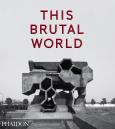
A curated collection of some of the most powerful and awe-inspiring Brutalist architecture ever built
This Brutal World is a global survey of this compelling and much-admired style of architecture. It brings to light virtually unknown Brutalist architectural treasures from across the former eastern bloc and other far flung parts of the world.
It includes works by some of the best contemporary architects including Zaha Hadid and David Chipperfield as well as by some of the master architects of the 20th century including Le Corbusier, Mies van der Rohe, Frank Lloyd Wright, Louis Kahn, Paul Rudolph and Marcel Breuer.
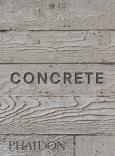
A visual exploration of the world's most extraordinary and inspiring concrete architecture - in a stylish and compact format.
"Yes, concrete can be cold and imposing - but as the structures in the book attest, it can also be colourful, playful, and delicate." —Wall Street Journal
In this new, reimagined, and easy-to-use stylish size, Concrete takes a fresh look at the world's most versatile and abundant building material. Collating fascinating and beautiful concrete buildings by some of the most celebrated architects of the last century, it features familiar projects from Le Corbusier and Frank Lloyd Wright alongside work from some of the leading lights of contemporary architecture including Zaha Hadid, Herzog & de Meuron, and many lesser-known newcomers.
Manga podbiła serca i zawładnęła wyobraźnią milionów odbiorców na świecie. Pod koniec XX wieku z fenomenu kulturowego masowej rozrywki wykształciło się wieloaspektowe zagadnienie badawcze, platforma dla interdyscyplinarnych działań naukowych. Niniejsza książka skupia się zaledwie na niewielkim wycinku spośród niezliczonych tematów i ujęć, jakie można w odniesieniu do mangi poruszyć: jej relacji ze sztuką, zarówno rodzimą, jak i zachodnią. Jak różnorodne mogą to być wpływy, świadczą przedstawione przykłady ośmiorga artystów: Sugiury Hinako, Mizukiego Shigeru, Maruo Suehiro, Hanawy Kazuichiego, grupy CLAMP, Nao Tsukiji, Takeuchi Naoko i Uedy Miwy.
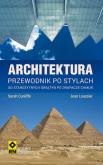
Czy jesteś miłośnikiem architektury? Czy potrafisz rozpoznać barokową budowlę albo wyobrazić sobie styl palladiański? Czy widzisz różnice między art nouveau a art déco albo dostrzegasz narodowe i regionalne wpływy w architekturze? Czy po prostu chcesz dowiedzieć się czegoś więcej o otaczających cię budynkach i o zabytkach, które podziwiasz w podróży?
Bez względu na to, czy o architekturze wiesz dużo czy niewiele, przekonasz się, że ten zwięzły przewodnik, opisujący style architektoniczne budowli całego świata, dostarcza informacji na temat najważniejszych kierunków, które dominowały w architekturze od czasów starożytnych.
Zawiera również wykazy charakterystycznych cech, które pozwolą ci zidentyfikować styl niemal każdego budynku, a to da ci zupełnie nowe spojrzenie na twoje otoczenie.
• Chronologiczny przewodnik po stylach architektonicznych
• Liczne fotografie
• Wykaz podstawowych cech charakteryzujących poszczególne style architektoniczne
• Ilustrowany słowniczek terminów architektonicznych
Ten produkt jest zapowiedzią. Realizacja Twojego zamówienia ulegnie przez to wydłużeniu do czasu premiery tej pozycji. Czy chcesz dodać ten produkt do koszyka?