W tej strefie zapraszamy czytelników tak zwane artystyczne dusze po książki z kategorii Sztuka. Polecamy szereg publikacji o sztuce i jej historii,ciekawostki i portfolia artystów, eseje, albumy, książki o malarstwie, rzeźbiarstwie, architekturze oraz histoii fotografii. Biografie ciekawych artystów, książki i powieści przedstawiające fascynujące losy malarzy i osób uwiecznianych na obrazach. W tym dziale tylko ksiązki ze sztuka w tle.
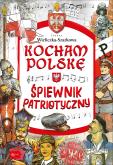
Już setki tysięcy dzieci i rodziców pokochało nasze wydania opatrzone godłem Kocham Polskę. Teraz tę bestsellerową serię uzupełniliśmy o wyśpiewaną lekcję miłości Ojczyzny, stąd proponujemy, by spojrzeć na polską ziemię przez słowa zaklęte w muzyce.
Specjalnie wybrane pieśni oraz piosenki zebrane w naszym patriotycznym śpiewniku zostały opatrzone zapisami nutowymi i chwytami na gitarę. Każdy z utworów wzbogacony jest o historię czy anegdotę, która wiąże się z nim, zaciekawia i odkrywa pouczające ciekawostki o naszej Ojczyźnie. A wszystko to – jak zawsze – w pięknej, kolorowo ilustrowanej oprawie.
Polecamy jako nieodzowną pomoc
– w domu,
– w przedszkolu,
– w szkole,
– świetlicy,
– na obozie harcerskim.
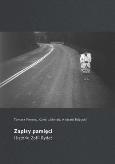
Prezentowana książka jest o fotografii w ruchu – powielanej, dystrybuowanej, oglądanej, przekazywanej z rąk do rąk i eksponowanej – oraz o związanej z fotografią pamięci indywidualnej i zbiorowej. Za punkt wyjścia do rozważań autorzy przyjęli zdjęcia z archiwum Zofii Rydet zrobione na Podkarpaciu, ale przede wszystkim interesowało ich, jak korespondują one z miejscowymi wzorcami praktyk fotograficznych. Badania wykazały, że fotografia rodzinna pełni na analizowanym obszarze bardzo podobną funkcję do tej, o której mówiła artystka – ma ocalać od zapomnienia. Ocalanie to odnosi się jednak do różnych, dynamicznych procesów budowania wyobrażeń o świecie i przeszłości z wykorzystaniem medium fotograficznego. Właśnie owe procesy i wyobrażenia są przedmiotem tej publikacji. Od Autorów „Praca Jakuba Dziewita i Adama Pisarka stanowi bardzo interesujący wkład do naukowej refleksji nad dziedzictwem fotograficznym Zofii Rydet. Przedkładana książka w olbrzymim stopniu aktualizuje namysł nie tylko nad fotografią jako formą dokumentacji rzeczywistości, lecz także stawia odważne pytania o jej funkcję – zarówno w czasie bliskim Zofii Rydet, jak i we współczesności. Autorzy wpisują swoją wypowiedź w retorykę pamięci, pracę zapomnienia i wspomnień, namysłu nad minionym światem, który został starannie udokumentowany w momencie swojego odchodzenia i równie starannie zarchiwizowany. W oryginalny sposób nawiązują do bardzo żywej dziś naukowej refleksji nad pamięcią, jej miejscami i kulturową funkcją. Z recenzji dr hab. Agnieszki Kaczmarek
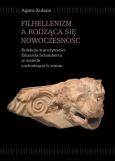
Książka dr Agaty Kubali stanowi obszerne studium dotyczące filhelleńskiego kolekcjonerstwa starożytności w pierwszej połowie XIX wieku. Gromadzenie w ramach kolekcji przedmiotów starożytnej proweniencji jest zjawiskiem obecnym od wieków w kulturze europejskiej, przeżywającym jednak w omawianym okresie niebywały rozkwit oraz skutkującym powstaniem nie tylko kolekcji prywatnych, lecz także muzeów publicznych oraz narodzin archeologii klasycznej jako dyscypliny naukowej. Punktem wyjścia dla przeprowadzonych rozważań jest mało dotąd znana i zachowana w niewielkim stopniu kolekcja starożytności zgromadzona przez wrocławskiego architekta, Eduarda Schauberta, w trakcie jego dwudziestoletniego pobytu w Grecji, której pierwotny skład jest jednak znany dzięki zachowanym spisom inwentarzowym, powstałym po przekazaniu zbioru do ówczesnego wrocławskiego Królewskiego Muzeum Sztuki i Starożytności. Posługując się zbiorem Schauberta, opisanym i skomentowanym, opowiadającym historię swojego twórcy, i wyrażającym jego starannie wykreowaną przez siebie tożsamość, autorka kreśli ogólny obraz kolekcji zakładanych z filhelleńskich pobudek i omawia szczegółowo przyczyny i okoliczności ich powstawania oraz stosowane metody pozyskiwania artefaktów. Prezentowana książka stanowi trwały i ważny wkład w badania nad europejskim dziewiętnastowiecznym filhellenizmem oraz jednym z jego najistotniejszych i najtrwalszych aspektów zbieractwem antyków.
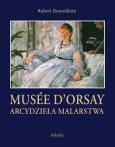
W Musée d’Orsay znajduje się najwspanialsza kolekcja dziewiętnastowiecznej sztuki francuskiej – obrazy Maneta, Moneta, Renoira, Degasa, van Gogha, Bonnarda, także Cabanela i Moreau. To stosunkowo niedawno powstałe muzeum ma w swych zbiorach prace z lat 1848–1914, ukazujące całość artystycznych zjawisk epoki, ich różnorodność tematyczną i formalną. Książkę rozpoczyna omówienie sztuki akademickiej, pozwalające nam poznać twórczość takich malarzy, jak Bougureau i Gerome, którzy długo ignorowani, obecnie cieszą się coraz większym zainteresowaniem. Wśród obrazów wpisujących się w nurt realizmu zachwycają Kobiety zbierające kłosy Millta i Portret matki amerykańskiego artysty Whistlera. Następnie zaprezentowane zostało malarstwo wielkich impresjonistów, stanowiące najsłynniejszą część zbiorów Musee d’Orsay, między innymi Bal w Moulin de la Galette Renoira, Kobiety w ogrodzie Moneta, Kołyska Morisot, Kościół w Auvers-sur-Oise van Gogha, a także impresjonistyczne obrazy artystów po chodzących spoza Francji. Wśród dzieł późniejszych re produkowanych w książce warto zwrócić uwagę na ekspresyjne prace Muncha, oniryczne kompozycje Redona czy wreszcie tajemnicze dzieła „ Celnika” Rousseau. Dziewięćdziesiąt sześć esejów poświęconych arcydziełom z kolekcji Musee d’Orsay cechuje rzetelna wiedza i ogromny entuzjazm autora – Roberta Rosenbluma. Czy tematem jest malarstwo Courbeta, czy Bonnarda profesor Rosenblum z niezwykłą wnikliwością ukazuje nam szczegóły, ukryte znaczenia i niespodziewane związki pomiędzy sztuką nowatorów a ich artystycznym otoczeniem. Książka zawiera 827 reprodukcji oraz 22 powiększenia fragmentów obrazów i jest jedyną publikacją tak wyczerpująco prezentującą zbiory Musee d’ Orsay.
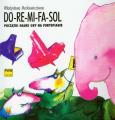
Książka do czytania, oglądania i słuchania.Prezentuje najbardziej popularne instrumenty muzyczne, od fortepianu, przez skrzypce, kontrabas, instrumenty dęte, perkusyjne, po gitarę, harfę i organy. Każdy instrument przedstawiony jest w krótkim opisie jego historii, budowy oraz sposobu, w jaki się na nim gra. Liczne rysunki, z elementami humoru, pozwalają obejrzeć instrumenty i muzyków na estradzie, a także orkiestrę dętą w marszu oraz dyrygenta z orkiestrą symfoniczną na scenie.Młody czytelnik poznaje nazwy instrumentów, ich wygląd, sposób gry, słownictwo muzyczne, a także brzmienie instrumentów!Szczególnym walorem edukacyjnym książki jest bowiem możliwość odsłuchania fragmentu muzycznego. Po zeskanowaniu smartfonem lub tabletem jednego z 37 kodów usłyszymy melodię wykonywaną na opisywanym instrumencie. I już wiemy, jak brzmi harfa, mandolina czy akordeon, czym różni się dźwięk ksylofonu od wibrafonu lub fagotu od oboju.Na końcu znajduje się quiz, polegający na odgadnięciu i wpisaniu prawidłowej nazwy instrumentu przedstawionego na ilustracji.
Książka Obraz i społeczeństwo. Społeczne ramy kultury artystycznej jest zbiorem refleksji z zakresu socjologii kultury artystycznej. Autorzy koncentrują się na malarstwie i filmie, wychodząc z założenia, że te sztuki wizualne stanową znakomity punkt otwarcia dla socjologicznych rozważań. Kolejne prace z tej serii planują poświęcić literaturze i architekturze, muzyce i fotografii, w przyszłości być może również temu, co nazywa się dziś kulturą cyfrową. Rozważają też poświęcenie odrębnego tomu sztuce polskiej, którą w tej publikacji całkowicie pominęli. Publikacja zachęca do własnych poszukiwań relacji między sztuką a społeczeństwem, a także podróży śladem niezapomnianych tematów kinowych czy tropem wielkich dzieł malarstwa.
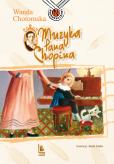
Maja jest już całkiem dużą dziewczynką,a nie wie, kim był Fryderyk Chopin.Jej babcia, nauczycielka muzyki, pianistka postanawia ich sobie przedstawić. Odwiedzają Żelazową Wolę, podróżują palcem po mapie Europy, podążając śladami młodego FryckaDzięki załączonej do książki płycie CD, razem z Mają czytelnik słucha utworów Chopina.Wiedzę młodego czytelnika uporządkuje umieszczone na końcu książki kalendarium i album rodzinny Chopinów.
Poetycka i esencjonalna opowieść Wandy Chotomskiej o ojcu polskiej muzyki fortepianowej, Fryderyku Chopinie.Zachwycający talentem od najmłodszych lat. Autor pięknych mazurków, etiud, koncertów trafiających do serca każdego Polaka. Twórcao niezwykłej wrażliwości, grany do dziś na całym świecie. Poznajcie jego drogę.Książka zawiera płytę z nagraniami utworów kompozytora. Pełne ciepła ilustracje Beaty Zdęby rozbudzają wyobraźnię dzieci.
Wyobraźcie sobie, że bierzecie udział w warsztatach. W waszej grupie są osoby z różnych krajów, a głównym tematem jest aktywizm klimatyczny i związane z nim wsparcie psychologiczne. Po krótkiej dyskusji okazuje się jednak, że potrzebę wsparcia generuje nie tyle aktywizm, ile pewien model pracy i zaangażowania, wspólny dla wszystkich, niezależnie od obszaru działalności. Model, który opisać można jednym słowem: NADPRODUKCJA. To ona okazuje się źródłem waszych frustracji, wypalenia, chronicznego zmęczenia, napięć we współpracy z innymi. Przez kilka godzin dzielicie się doświadczeniami, diagnozujecie wszystkie charakterystyczne dla tego zjawiska paradoksy i zastanawiacie się, jak przerwać wywołany przez nie zaklęty krąg. Z warsztatów wychodzicie z silnym przekonaniem, że zaczniecie walkę z nadprodukcją od radykalnego ograniczenia własnej produktywności. A teraz wyobraźcie sobie, że dwa dni po tym, jak powzięliście to godne szacunku postanowienie, spotkany na korytarzu kolega z pracy pyta, czy nie napisalibyście tekstu… tak, tak, zgadliście, znacie tę ironię losu: tekstu o nadprodukcji w sztuce.
Zgodzicie się chyba, że trudno o bardziej kłopotliwą propozycję. Co teraz? Czy honorowo odmówić, dając wyraz wewnętrznej integralności i sile charakteru? A może oddać pustą kartkę z dopiskiem: „tekst, którego nie napisałam w ramach protestu przeciwko nadprodukcji”? Czy wreszcie – pójść na zgniły kompromis z samą sobą i coś jednak napisać, obudowując się murem obronnym zastrzeżeń i tłumaczeń, a całość podsumować minoderyjnie, że jest to „ostatni tekst, który napisałam, zanim zaczęłam protestować przeciwko nadprodukcji”?
Jeżeli zdecydowałam się w końcu pójść drogą jawnej hipokryzji, dołożyć kolejną cegiełkę do muru nieprzeczytanych tekstów, powiększyć swój ślad węglowy, zająć – sobie i Wam, Czytelniczki i Czytelnicy – czas, który można by przecież spędzić w bardziej pożyteczny dla społeczeństwa sposób, to mam tylko jedno wytłumaczenie: głębokie przekonanie, że NADPRODUKCJA JEST ZŁA. I jeżeli choć w mikroskopijnym stopniu mogłabym się przyczynić do naruszenia fundamentów, na których wybudowany jest jej potężny gmach, to niech mi będzie wybaczona niekonsekwencja.
NADPRODUKCJA jest wynikiem przeniknięcia mechanizmów rynkowych do wszystkich obszarów naszego życia, pól twórczości, instytucji, w których pracujemy. Jest elementem systemu żerującego na naszej aktywności, bo to przede wszystkim ta ruchliwość – a nie treść i sensy – generuje zyski. Kiedy się zatrzymamy, zmęczymy, staniemy z boku – stajemy się dla systemu zbędni. Co więcej, jesteśmy dla niego zbędni, gdy naszą energię kierujemy tam, gdzie ma to rzeczywiste znaczenie, na przykład kiedy zajmujemy się tymi, którzy wymagają opieki, dziećmi i dorosłymi.
A zatem, produkujemy, bo musimy. Produkujemy, żeby potem móc poświęcać czas na pracę opiekuńczą. Produkujemy, bo jesteśmy rozliczani z liczby, a nie jakości tego, co wyprodukowaliśmy. Produkujemy, bo instytucja, w której pracujemy, ustanowiła ambitny program, ale brakuje jej funduszy na zatrudnienie dodatkowych pracowników, co – jak wynika z ostatniego raportu Pełna kultura – puste konta opracowanego przez Inicjatywę Pracowniczą 1 – często dzieje się w instytucjach kultury. Produkujemy, żeby zarobić na życie. Produkujemy, żeby nie stracić pracy. Produkujemy, żeby zapewnić sobie namiastkę stabilizacji.
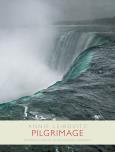
'Pilgrimage' took Annie Leibovitz to places that she could explore with no agenda. She wasn't on assignment. She chose the subjects simply because they meant something to her. The first place was Emily Dickinson's house in Amherst, Massachusetts, which Leibovitz visited with a small digital camera. A few months later, she went with her three young children to Niagara Falls. 'That's when I started making lists,' she says. She added the houses of Virginia Woolf and Darwin in the English countryside and Freud's final home, in London, but most of the places on the lists were American. The work became more ambitious as Leibovitz discovered that she wanted to photograph objects as well as rooms and landscapes. She began to use more sophisticated cameras and a tripod and to travel with an assistant, but the project remained personal.
Leibovitz went to Concord to photograph the site of Thoreau's cabin at Walden Pond. Once she got there, she was drawn into the wider world of the Concord writers. Ralph Waldo Emerson's home and Orchard House, where Louisa May Alcott and her family lived and worked, became subjects. The Massachusetts studio of the Beaux Arts sculptor Daniel Chester French, who made the seated statue in the Lincoln Memorial, became the touchstone for trips to Gettysburg and to the archives where the glass negatives of Lincoln's portraits have been saved. Lincoln's portraitists - principally Alexander Gardner and the photographers in Mathew Brady's studio - were also the men whose work at the Gettysburg battlefield established the foundation for war photography. At almost exactly the same time, in a remote, primitive studio on the Isle of Wight, Julia Margaret Cameron was developing her own ultimately influential style of portraiture. Leibovitz made two trips to the Isle of Wight and, in an homage to the other photographer on her list, Ansel Adams, she explored the trails above the Yosemite Valley, where Adams worked for fifty years.
The final list of subjects is perhaps a bit eccentric, featuring Georgia O'Keeffe and Eleanor Roosevelt but also Elvis Presley and Annie Oakley, among others. Figurative imagery gives way to the abstractions of Old Faithful and Robert Smithson's Spiral Jetty. Pilgrimage was a restorative project for Leibovitz, and the arc of the narrative is her own. 'From the beginning, when I was watching my children stand mesmerised over Niagara Falls, it was an exercise in renewal,' she says. 'It taught me to see again.'
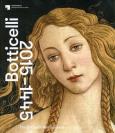
The Florentine painter Sandro Botticelli (1445-1510) is one of the greatest artists of all time. Renowned of the iconic Birth of Venus and Primavera, his work has become part of our collective visual memory, influencing product development, fashion design and artists as diverse as Andy Warhol, Dante Gabriel Rossetti, Rene Magritte and Jeff Koons. But Botticelli's fame today was by no means a foregone conclusion. Quickly forgotten after his death, he was only rediscovered as an artist in the nineteenth-century and much of what we know of his work has been pieced together from fragmentary evidence; only three of his works are signed or documented. Since then, Botticelli has been interpreted in many different ways and has led to many questions. How does a painter acquire international fame? What made Botticelli a pop icon? Why are his works considered timeless? What is it that makes him so European that his Venus appears on the 10 cent coin? What we can say safely is that Botticelli, more than any other Old Master, inspired and continues to inspire modern and contemporary art. This book traces the fascinating history of these shifting appropriations and re-evaluations right up to the present, and is the first to present the artist's work a selection of more than forty originals by Botticelli in the context of these adaptations and interpretations in a range of media that spans painting, drawing, sculpture, photography, video, fashion and design.
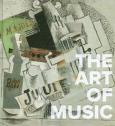
"A fascinating study of the relationship between music and visual art in a variety of media from around the world!
The Art of Music« is a handsomely illustrated and rich interdisciplinary look at the mutual influence between music and the visual arts across cultures and eras. The book sheds new light on more familiar artists at the intersection of the visual and the musical, such as Wassily Kandinsky and Arnold Schoenberg, and presents new scholarship on less well-known examples in the arts of Asia, Africa, the Americas, and Europe, from antique pottery to contemporary video and sound art. Essays consider key works and themes such as synesthesia and other formal and theoretical crossovers, motifs of musicians, and performative and ritual functions of music, musical instruments, and art. With more than 250 color images illustrating works of art in diverse traditions, »The Art of Music« offers enriching reading for scholars and general audiences alike."
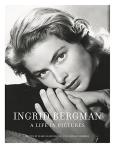
Published to celebrate the centenary of her birth, this beautifully produced visual biography pays tribute to one of film's greatest actresses, the iconic Ingrid Bergman (1915–1982). Authorized by the Bergman family and co-edited by her daughter Isabella Rossellini, it collects more than 350 images of Bergman throughout her life and career, including many previously unpublished images from the family archive as well as unforgettable shots by the likes of Eve Arnold, Robert Capa, Cecil Beaton, and others.
Complementing the photographs are an introduction by actress Liv Ullmann, a substantial interview with Bergman, and texts by John Updike, Martha Gellhorn, and more, making this an essential volume for Bergman fans and lovers of the cinema.
The book, which features an introduction by her co-star in Autumn Sonata, Liv Ullmann, contains a treasury of photographs that is simply beyond description: unpublished private photos, splendid commission and glamour portraits, film stills, and the indiscrete street photos of the paparazzi, who were constantly on Bergman’s heels from an early stage. Original texts by Ingrid Bergman and many of her famous colleagues accompany the optical feast we have prepared for you and which we proudly present in honor of Ingrid Bergman.
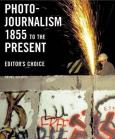
A compelling anthology of photojournalism from the nineteenth century to the present, profiling fifty–four masters of the field and reproducing their most stirring images. Featuring well over 200 memorable photographs. Ever since Roger Fenton inaugurated the genre by photographing the Crimean War in 1855, the worlds great photojournalists have used a variety of approaches to bear witness to their times. At one end of the photojournalistic spectrum are war photographers like Robert Capa and Larry Burrows, who capture the most extreme events of human existence as they happen; at the other are social documentarians like Lewis Hine and Sebastião Salgado, who step back from the single dramatic incident to cover in depth such economic and cultural issues as labor and migration. By compiling 250 of the most memorable images from photojournalism’s 150–year history, Photojournalism 1855 to the Present: Editor’s Choice provides a fascinating introduction to the entire range of the field. Author Reuel Golden, a noted authority on photojournalism, selected the fifty–four photographers featured in this book based on their critical reputations and historical importance. For each photographer, Golden provides a portfolio of representative images—many reproduced at full-page size—as well as a brief biography and an insightful critical commentary on his or her career. In these commentaries and in his informative introduction, Golden discusses the particular challenges of photojournalism, such as the relationship between photographer and subject, and the moral ramifications of aestheticizing human suffering. Yet perhaps most importantly, his text also encourages the reader to look closer and discover how well the photographs speak for themselves. From Frank Hurley’s groundbreaking World War I battlefield shots to Mary Ellen Mark’s stark portraits of American poverty and James Nachtwey’s haunting pictures of the September 11 attacks, the images in this book prove that even in our era of twenty–four–hour video–on demand, the still photograph remains as powerful as ever.
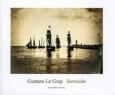
Gustave Le Gray (1820-1884) is one of the heroes of early French photography. A pioneer of innovative processes, he also made history as an instructor for a whole generation of French photographers and the initiator and outstanding architectural photographer of the mission heliographique documenting France's historical monuments. Le Gray, who originally studied painting, is also considered to be the founder of artistic photography. He was one of the first to follow the painters to Fontainebleau to do his own photographic studies of nature. In the mid-1850s, he started to produce sea and cloud studies in Normandy and on the western coast of the Mediterranean; these made him an overnight sensation among amateurs and collectors and earned him the admiration of the Impressionists. Fleeing from creditors, in 1860 he set off with Alexandre Dumas for Italy. He spent the last 20 years of his life in Cairo, taking photos and working as a drawing tutor. Today, Le Gray's prints are among the most expensive in the world.
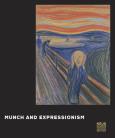
Examining Edvard Munch’s influence on his Austrian and German contemporaries, this book offers a fascinating new look at the Norwegian artist, whose painting The Scream has become a symbol of modern angst. Edvard Munch came of age during an artistic period that celebrated beauty and design. But in his own art, Munch explored darker themes―alienation, sin, and human vulnerability.
His resulting work incorporated the vivid colors of previous styles but intensified their emotional power and paved the way for an entirely new approach to painting. Although much has been written about Munch’s life and its influence on his art, there has not been a study of the artist’s influence on his German and Austrian peers―until now. Featuring contributions by leading scholars in the field, including Patricia Bermann, Alison Chang, Jay Clarke, Reinhold Heller, Jill Lloyd, Nils Ohlsen, and Oystein Uvstedt, this authoritative and beautifully illustrated book explores Munch's impact on Austrian and German artists of the period within an Expressionist context. It also examines work in specific media, such as Munch’s seminal contributions to printmaking. The artist’s thematic and stylistic leitmotifs are highlighted, including self-portraiture, urban scenes, landscapes, couples, and the artist and his model.
Vibrant reproductions of works from throughout Munch’s oeuvre, including such icons as The Scream, Madonna, and The Kiss, make this a splendid introduction to the artist as well as an exciting springboard to the study of European Expressionism.
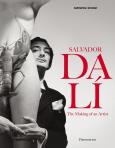
This extensive volume uncovers Dali’s influences, artistic development, and legacy, offering unprecedented access inside the world of the man behind the mustache. Through astute analysis of Dali’s work and how the events of his time converged with his drive to become a legend, this volume examines one of the most significant contributors to twentieth-century art. Although recognized primarily as a painter, Dali experimented with a wide range of media. This comprehensive review includes the literature, photography, film, and sculpture that influenced and was created by Dali throughout his career, from paintings such as The Persistence of Memory, to the icons of the surrealist movement such as the Mae West Lips Sofa and the Lobster Telephone, to short film collaborations with Luis Buñuel. The author offers insight into this undisputed genius, charting Dali’s progression as an artist and controversial public figure, and demonstrating his influence on contemporary artists such as Warhol, Koons, and Murakami.
"In this remarkable visual survey, internationally acclaimed photographer Sebastião Salgado documents traditional methods of sustainable coffee farming across the globe, revealing rituals deeply steeped in history and pride. The book spans nearly a decade of research into the hidden world of coffee, highlighting relationships characterized by respect, fair exchange, and a shared understanding that ever-improving quality has the power to improve lives. Salgado, a native to one of Brazil’s premier coffee-growing regions, is the perfect guide for a reader’s journey to principal farming locations in China, Colombia, Guatemala, Ethiopia, India, Brazil, Costa Rica, and beyond.
Sebastião Salgado trained as an economist in Brazil and first found work at the International Coffee Organization. In 1973, he started a career in images by documenting the lives of poor, migrant workers in Latin America and Africa, working with the photo agencies Sygma, Gamma, and Magnum Photos until 1994, when he co-founded Amazonas Images. He has traveled to more than 100 countries for his photographic projects, published and exhibited his work extensively, and has been awarded numerous major photographic prizes."
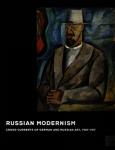
Russian Modernism is dedicated to the radical modernist movements in Russian and German art during the early years of the 20th century. Their development was parallel and often intertwined. Artists such as Vasily Kandinsky or Alexej von Jawlensky are claimed by the Germans but remain Russian artists for the Russians. The Burluk brothers, who became celebrities of the Russian radical art scene, participated in the first exhibition of the Blauer Reiter. Russian artists travelled to Germany and lived there, while their German counterparts were aware of what was shown in Moscow exhibition halls. The diverse art movement expressionism was formed in Germany at the beginning of the 1910s and was given the name by the critic Herwarth Walden. Members of groups such as Die Brucke and the Blauer Reiter were initially influenced by the French Fauves movement and their Russian contemporaries also tried to find new artistic truth in Paris, 'la Ville Lumiere'. However, both in Germany and Russia the new French influence underwent radical transformation. Beautifully illustrated and designed, this book provides an insight into the work of Russian and German artists in the early years of the 20th century.
Ten produkt jest zapowiedzią. Realizacja Twojego zamówienia ulegnie przez to wydłużeniu do czasu premiery tej pozycji. Czy chcesz dodać ten produkt do koszyka?