W tej strefie zapraszamy czytelników tak zwane artystyczne dusze po książki z kategorii Sztuka. Polecamy szereg publikacji o sztuce i jej historii,ciekawostki i portfolia artystów, eseje, albumy, książki o malarstwie, rzeźbiarstwie, architekturze oraz histoii fotografii. Biografie ciekawych artystów, książki i powieści przedstawiające fascynujące losy malarzy i osób uwiecznianych na obrazach. W tym dziale tylko ksiązki ze sztuka w tle.
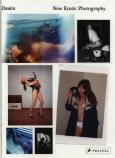
"Gorgeous and wide-ranging, this collection of works by established and up-and-coming photographers showcases new developments in erotic photography.
The invention of photography gave artists a new means of expression—and a new way of depicting the human body. This elegant, compelling collection of images from new and established photographers demonstrates how technology has altered the genre—not only in terms of technique, but also composition, theme, and content. This incredibly diverse collection features the works of more than 30 artists from around the world, including Evan Baden’s explorations of the ways youth culture views sex, intimacy, and privacy; Noritoshi Hirakawa’s erotic and intimate portraits, which challenge mainstream conceptions of sexuality and heterosexual desire; David Bellemere’s dreamlike works, which are inspired by 1970s aesthetics, nature, light and the female body shape; and Ana Kraš’s surreal photographs that seem like they were taken coincidentally. At once cutting-edge and tasteful, this compelling volume presents a wide range of erotic photography."
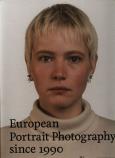
"An examination of European portraiture since the 1990s, this book shows how major changes in the continent’s political and societal realms have inspired photographers to capture a new identity―both collective and individual.
The 1990s saw a resurgence of the portrait genre of photography, especially in Europe, where the collapse of communism and the solidification of the European Union raised enormously important questions about national identity and shared historical and cultural values. This volume delves into this important development, featuring full-page reproductions of work by Rineke Dijkstra, Jurgen Teller, Thomas Ruff, Nikos Markou, Anders Petersen, Clare Strand, and others from dozens of countries around the continent.
Taken as a whole, these portraits comprise a new genre―one that represented a break from postmodernist strategies and which allowed for experimentation and the exchange of ideas."
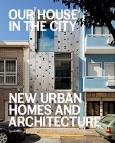
Adventurous urban living can simply mean home sweet home. This book showcases unconventional architectural concepts and townhouses for today’s cosmopolitan families that range from the creatively economical to the sleek and high-end. These dwellings encompass completely new constructions as well as thoughtful renovations. Such targeted repurposing reclaims derelict pieces of the urban landscape for the residential sector.
Our House in the City not only presents striking photos and detailed architectural plans of diverse urban living solutions, but also tells the intimate stories of the families and builders influencing these exciting projects. The book lays the foundation for a rewarding and dynamic relationship between the city and the twenty-first-century homeowner.
Opella de Passione Domini to unikatowo zachowany cykl dwunastu kompozycji muzycznych wykonywanych podczas medytacji pasyjnych jezuickiej sodalicji Zwiastowania NMP we Wrocławiu. Teksty słowne do tych medytacji napisał prefekt tejże sodalicji, Johannes Thamm (17191787), pełniący tę funkcję również po ogłoszeniu kasaty Towarzystwa Jezusowego na Śląsku (1776). Autorem muzyki do kolejnych recytatywów i arii był zaś najprawdopodobniej uczeń Thamma, Anton Weigang (17511829) jeden z najlepszych kompozytorów czynnych na przełomie wieków XVIII i XIX na terenie Śląska i Ziemi Kłodzkiej. Niniejsza edycja stanowi rekonstrukcję słowno-muzycznej struktury całej kompozycji zachowanej w dwóch rękopiśmiennych kopiach pochodzących ze zbiorów klasztoru kanoników regularnych we Wrocławiu, a przechowywanych obecnie w Bibliotece Uniwersyteckiej w Warszawie.
Opella de Passione Domini to unikatowo zachowany cykl dwunastu kompozycji muzycznych wykonywanych podczas medytacji pasyjnych jezuickiej sodalicji Zwiastowania NMP we Wrocławiu. Teksty słowne do tych medytacji napisał prefekt tejże sodalicji, Johannes Thamm (17191787), pełniący tę funkcję również po ogłoszeniu kasaty Towarzystwa Jezusowego na Śląsku (1776). Autorem muzyki do kolejnych recytatywów i arii był zaś najprawdopodobniej uczeń Thamma, Anton Weigang (17511829) jeden z najlepszych kompozytorów czynnych na przełomie wieków XVIII i XIX na terenie Śląska i Ziemi Kłodzkiej. Niniejsza edycja stanowi rekonstrukcję słowno-muzycznej struktury całej kompozycji zachowanej w dwóch rękopiśmiennych kopiach pochodzących ze zbiorów klasztoru kanoników regularnych we Wrocławiu, a przechowywanych obecnie w Bibliotece Uniwersyteckiej w Warszawie.
Mój futuryzm to wielogatunkowa opowieść, z której wyłania się nie tyle Roman Jakobson wybitny uczony, ile Roman Jakobson współtowarzysz poetów futurystów (Majakowskiego, Kruczonycha, Chlebnikowa), zaprzyjaźniony z rosyjską elitą humanistyczną (Trubieckim, Tynianowem, Szkłowskim) i całą bodaj rosyjską oraz czeską pierwszą awangardą artystyczną i naukową aktywną w latach przed pierwszą wojną światową i rewolucją październikową i tuż potem, trafnie nazwanych "epoką udziwnienia".Wielostronny portret Jakobsona i jego generacji tworzą rozmowy, które przeprowadził z "teoretykiem pozarozumowym" w końcu lat siedemdziesiątych szwedzki slawista BengtJangfeldt, szkice samego Jakobsona o futuryzmie i dadaizmie, listy, także miłosne, adresowane do Elsy Triolet, juwenilne wiersze, zarówno serio, jak i seriokomiczne, a także fragmenty prozy, przekłady, dedykacje. Prowadzone w dialogu wspomnienia Jakobsona, którym Jangfeldt nadał ostatecznie formę autobiograficznej gawędy, oraz jego wczesne, różnogatunkowe utwory stanowią także fascynujacy obraz epoki rozpoczynającej humanistykę nowoczesną.
"Notatki z Algierii" to zapis z pobytu autorki w Algierii w latach osiemdziesiątych, w okresie poprzedzającym wojnę domową. Autorka pracowała jako wykładowca w Instytucie Architektury na uniwersytecie w Oranie, a podczas wypraw na Saharę zbierała dokumentację ginącej pustynnej architektury. Opisany okres to lata pełne nadziei zarówno dla niepodległego, rozwijającego się państwa, jak i dla autorki, która wyjechała z Polski stanu wojennego. Algierczycy, aby odciąć się od wpływów francuskich po okresie kolonializmu, zaprosili do współpracy specjalistów z krajów bloku wschodniego. Dla przybyszów z tych krajów, również z Polski, było to nieoczekiwane zetknięcie z nową kulturą i egzotyką. Ten niezwykły okres współpracy i harmonii skończył się niespodziewanie i bezpowrotnie. Autorka opisuje życie środowiska akademickiego, tamtejszej Polonii, a także podróże do miejsc dzisiaj wciąż niedostępnych zarówno dla turystów, jak i dla ogółu mieszkańców Algierii.
Lektura wraz opracowaniem to znakomita pomoc i inspiracja dla uczniów oraz nauczycieli. Tekst opatrzono wskazówkami interpretacyjnymi i hasłami ułatwiającymi nawigację po książce – dzięki nim łatwo znaleźć potrzebny w trakcie omawiania lektury fragment, zgromadzić materiały do wypracowań i ustnych wypowiedzi, zapamiętać najważniejsze informacje i utrwalić znajomość lektury. Zamieszczone na końcu książki opracowanie podporządkowano podstawie programowej. Zawiera ono ciekawy biogram autora, streszczenie, mapę mentalną, najważniejsze zagadnienia omawiane na lekcjach, a także wiele inspirujących informacji, podpowiedzi i zadań, dzięki którym czytanie lektury staje się twórczą przygodą. Opracowanie powstało pod kierunkiem Katarzyny Zioły-Zemczak, nauczycielki języka polskiego z bogatym doświadczeniem w pracy z dziećmi i młodzieżą, wieloletniej doradczyni metodycznej, a obecnie konsultantki ds. języka polskiego pracującej na co dzień z nauczycielami.
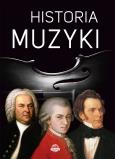
Historia muzyki to książka dla wszystkich miłośników muzyki. Można tu znaleźć informacje m.in. o Georgu Friedrichu Händlu – niemieckim kompozytorze późnego baroku, geniuszu kompozycji polifonicznych, Karolu Szymanowskim – najsłynniejszym polskim kompozytorze I połowy XX w., czerpiącym inspirację z kultury ludowej, o Piotrze Czajkowskim – słynnym rosyjskim kompozytorze i pianiście, który potrafił w muzyce łączyć klasyczną formę z romantycznymi założeniami programowymi, Stanisławie Moniuszce – najwybitniejszym polskim kompozytorze, dyrygencie i pedagogu, Witoldzie Lutosławskim – wybitnym polskim kompozytorze XX w., który wyniósł polską muzykę do rangi światowej i był współorganizatorem Międzynarodowego Festiwalu Muzyki Współczesnej „Warszawska Jesień” oraz o wielu innych wybitnych twórcach, którzy zapisali się w historii dzięki swoim niepowtarzalnym dziełom. Piękna szata graficzna, kolorowe zdjęcia i reprodukcje obrazów oraz ciekawe teksty.
Publikacja jest III tomem szerszego publikacyjnego zamysłu, jako rezultatu bezpośrednich spotkań z twórcami pomorskimi i gdańskimi na Uniwersytecie Gdańskim.
Aktualny tom pozwala uczestniczyć w rozmowach z:
Władysławem Zawistowskim
Barbarą Piórkowską
Markiem Szalszą
Ryszardem Horodeckim
Wojciechem Borosem
Izabelą Morską (Filipiak)
Andrzejem Mestwinem Facem i Ewą Miłek.
Goszczący na Uniwersytecie twórcy trzeciej serii są przedmiotem literaturoznawczej uwagi, ale przynoszą wraz z sobą również świat (światy) spoza typowej akademickiej wspólnoty, uświadamiając rozmiary i specyfikę otaczającej nas rzeczywistości „pośród nas”. Wszystkich bohaterów spotkań charakteryzuje silna tendencja do przełamywania dualizmu życia i literatury, działalności artystycznej i pozaartystycznej, twórczości typowo rozumianej i „twórczości”, jako kreacyjnej pasji, mającej różne formy, odgałęzienia, rodzaje (urzędnicze, wydawnicze, instytucjonalne, naukowe, społeczne, dydaktyczne, itd.). Wszyscy są wyjątkowo silnie zanurzeni w materię życia, w związane z nią problemy, pasje, fascynacje; w działania performerskie o różnym charakterze i wymiarze. Wszyscy, przełamując dystans między tym, co formalnie porozdzielane (jak np. nauki humanistyczne i przyrodnicze), tworzą wielopoziomową i skomplikowaną konstrukcję świata nam najbliższego. Nie zamykają się przy tym w ściśle ograniczonych (problemowo, tematycznie, dyskursywnie) granicach, ale budują różnego rodzaju nici porozumienia z uniwersalnym wymiarem ludzkiej egzystencji. Przekonują, że idea rozumienia i porozumienia nie jest tylko utopią i marzeniem naiwnych, ale naszą fundamentalną potrzebą.
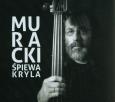
Płyta z utworami słynnego czeskiego pieśniarza i poety Karela Kryla w wykonaniu warszawskiego barda Antoniego Murackiego. Muracki pokusił się tu o zupełnie nowe i całkowicie autorskie tłumaczenia tekstów Kryla, dzięki którym słuchacz może odkryć je na nowo. Nagrania zostały zarejestrowane w 2019 roku podczas koncertu, który odbył się w studiu Radia Gdańsk. Antoniemu Murackiemu towarzyszą Rafał Grząka na akordeonie oraz Joachim Łuczak na skrzypcach oraz instrumentach perkusyjnych.
1. Karavana mraků/ Mroczna karawana
2. Veličenstvo kat/ Przewielmożny kat
3. Bratříčku, zavírej vrátka/ Braciszku, zamykaj furtkę
4. Nevidomá dívka / Niewidome dziewczę
5. Maškary/ Maszkary
6. Pasážová revolta/ Spacerowa rewolucja
7. Tráva/Trawa
8. Jeřabiny/ Jarzębiny
9. Děkuji/ Dziękuję
10. Lásko/ Miła
11. Tak Vás Tu Máme/ Bracia Kainowi
12. Srdce a kříž/ Serce i krzyż
13. Anděl / Anioł
14. Ukolébavka/ Kołysanka
W Kodzie kreatywności Marcus du Sautoy bada naturę kreatywności, a także dostarcza niezbędnego przewodnika po algorytmach oraz rządzących nimi matematycznych regułach. Zadaje pytanie o to, jaka część naszej emocjonalnej reakcji na sztukę jest efektem oddziaływania struktury i regularności na nasze mózgi, oraz co właściwie oznacza kreatywność w matematyce, sztukach plastycznych, języku i muzyce.Du Sautoy jest nauczycielem, który objaśnia nie tylko dokonania programistów i twórców, ale także matematykę chaosu leżącą u podstaw sztuki i naszej emocjonalnej reakcji na nią - Hans Ulrich Obrist szwajcarski historyk i krytyk sztuki.Książka fascynująca... Jeżeli doświadczenia, nadzieje, marzenia, wizje, żądze, miłości i odrazy kształtujące ludzką wyobraźnię nie są niczym więcej niż kodem, to wcześniej lub później maszyna go złamie. Co więcej, du Sautoy prezentuje eklektyczny wybór świadectw dowodzących, że to dzieje się już teraz. - The Times
"Jestem tancerką klasyczną, więc mam to we krwi, że nigdy nie patrzę pod nogi, ale przed siebie. Ot, taka postawa. Również wobec życia".
Nina Novak - najwybitniejsza polska primabalerina, która podbiła Amerykę. W Polsce znana tylko nielicznym miłośnikom baletu, zrobiła na świecie oszałamiającą karierę. Tańczyła na Broadwayu obok najlepszych tancerzy Hollywood. Zmieniła myślenie Amerykanów o balecie. Obecnie ma 97 lat i nadal kilka godzin dziennie poświęca ćwiczeniom, które pozwalają jej utrzymać formę i uczyć młode baletnice w swojej szkole w Wenezueli. Ta rozmowa to przenikliwy portret Polki, o której najgłośniej, po latach milczenia, powinno być w Polsce.
Jako sześciolatka odkryła swoją pasję do baletu. W wieku ośmiu lat zdała do szkoły baletowej i postanowiła poświęcić wszystko dla baletu. Została wybrana przez Bronisławę Niżyńską, żeby odbyć tournée po Londynie i Paryżu. W trakcie II wojny światowej trafiła do obozu pracy, gdzie czekała ją śmierć z wycieńczenia. Z obozu pomogła jej wyjść Loda Halama, która - urzeczona jej przedwojennymi występami - postanowiła ocalić genialne dziecko baletu. Ale Nina zostawiła tam najbliższych i mentalnie nigdy obozu nie opuściła. Dopiero od kilku lat próbuje o tym doświadczeniu opowiedzieć.
Jak wygląda życie najwybitniejszej polskiej baletnicy? Ile poświęciła, żeby odnieść taki sukces? Co balet zmienił w jej życiu? Dlaczego przez lata nie potrafiła opowiadać o czasie wojny? I skąd bierze w sobie upór?
Opowieść o niezwykłej kobiecie, jej pasji i miłości, która daje siłę.
Wiktor Krajewski - dziennikarz. W 2015 roku debiutował bestsellerową książką "Łączniczki. Wspomnienia z Powstania Warszawskiego" napisaną wraz z Marią Fredro-Boniecką. W 2017 roku opublikował książkę "Pocztówki z powstania", a w 2019 roku rozmowę z Aliną Dąbrowską "Wiem, jak wygląda piekło".
Nina Novak - urodzona w Warszawie w 1923 roku. Uczennica warszawskiej szkoły baletowej przy Teatrze Wielkim. W latach 1937-1939 była solistką Polskiego Baletu Reprezentacyjnego. W 1946 roku wyjechała do Stanów Zjednoczonych, gdzie jako jedyna Polka w historii została primabaleriną, baletmistrzynią oraz pedagogiem Ballet Russe de Monte Carlo. W Polsce gościnnie wystąpiła dwa razy: w 1961 i 1978 roku. Po zakończeniu kariery otworzyła własną szkołę baletową w Wenezueli. Honorowa obywatelka pięciu miast w USA. Odznaczona Krzyżem Komandorskim z Gwiazdą Orderu Odrodzenia Polski.
„O technice aktora” jest najlepszą książką jaką kiedykolwiek czytałem o aktorstwie.
Aktorzy, reżyserzy, pisarze , krytycy będą wdzięczni po jej przeczytaniu.
Gregory Peck
Możesz uczyć się sam aktorstwa, ale M. Czechow da ci najważniejsze techniki - a dla mnie gest psychologiczny i centrum mają najwyższą wartość... one działają w taki sposób jak wdzięk. Zawsze ich używałem i nadal to robię.
Clint Eastwood
Podczas gdy moja matka i siostra skryte w ciemności oglądały mnie mając nadzieję że wejdę w biznes filmowy ,odwróciłem się i zobaczyłem reżysera żartującego sobie z mojego nowo wypracowanego gestu psychologicznego Michaiła Czechowa.
Jack Nicholson
Przez M. Czechowa aktorstwo stało się dla mnie czymś więcej niż profesją. Stało się rodzajem religii. M. Czechow to najinteligentniejszy człowiek jakiego poznałam. Mędrzec , który otwarł mi oczy.
Marylin Monroe
Od autora:
Książka ta jest wynikiem „podglądania” procesu twórczego. Podglądanie to rozpoczęło się w Moskiewskim Teatrze Artystycznym (MCHAT). Jako aktor, reżyser i pedagog, a w końcu jako kierownik II Studia MCHAT-u, zebrałem wiele doświadczeń, które - po opracowaniu - stanowią część metody przedstawionej w niniejszej książce.
Po klęsce powstania warszawskiego nazywana niegdyś Paryżem Północy Warszawa zamieniła się w ocean gruzów. Trzeba było mieć wiele wyobraźni, żeby patrząc na sterczące kikuty dawnych kamienic, planować szybkie odrodzenie miasta. A jednak decyzję o jego odbudowie podjęto niemal niezwłocznie. Przed architektami i budowniczymi stanęło trudne zadanie…
Choć wizytówką powojennej odbudowy Warszawy stała się zrekonstruowana starówka, to reszta miasta nie miała wrócić do dawnej formy, tylko zamienić się w idealną nowoczesną metropolię.
To książka o entuzjazmie i optymizmie, o wyobrażaniu sobie „najlepszego miasta świata” na gruzach starego porządku, o architektach z Biura Odbudowy Stolicy, którzy tworząc miasto swoich marzeń, przykładali rękę do budowy totalitarnego państwa.
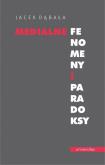
Do poznania świata przez media, wymykające się twardym regułom komunikacji, potrzeba nowego języka. Jacek Dąbała taki proponuje. Krótkie eseje fleszowo-jak sekwencje serwisu informacyjnego- rozświetlają wybrane wątki. Autorskie stanowisko w każdym przypadku uruchamia to, co najważniejsze- myślenie i krytykę. Warto przeczytać. (Robert Cieślak, profesor, medioznawca, UW)Jacek Dąbała jest profesorem zwyczajnym, pisarzem, scenarzystą i byłym dziennikarzem radiowo-telewizyjnym. Kieruje Katedrą Warsztatu Medialnego i Aksjologii w Instytucie Dziennikarstwa i Komunikacji Społecznej KUL. Jako ekspert stale komentuje i analizuje problematykę związaną z mediami, komunikowaniem, filmem i literaturą. Jest współscenarzystą jednego z najpopularniejszych polskich filmów ??Młode wilki. Wykłada też na UKSW w Warszawie. Jako pisarz opublikował dziesięć powieści (m.in. Telemaniak, Pieszczochy losu, Złodziej twarzy, Diabelska przypadłość, Ryzykowny pomysł i Największa przyjemność świata) i jeden dramat (Mechanizm). Jego książki naukowe ukazują się w Polsce i za granicą (np. Horyzonty komunikacji medialnej, Tajemnica i suspens w sztuce pisania. W kręgu retoryki dziennikarskiej i dramaturgii medialnej, Warsztatowo-aksjologiczne mechanizmy tworzenia telewizji, Mystery and Suspense in Creative Writing, Media i dziennikarstwo. Aksjologia ? warsztat ? tożsamość, Creative Paths to Television Journalism). Jest członkiem Polskiej Akademii Nauk, Stowarzyszenia Pisarzy Polskich, Polskiej Akademii Filmowej, Polskiego Towarzystwa Komunikacji Społecznej i Polskiego Towarzystwa Komunikacji Medycznej.
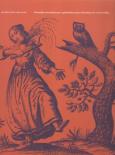
"(...) W ujęciu Magdaleny Mielnik sztuka ta ma wiele faset, zarówno tych apologetycznych, ukazujących zwłaszcza ideał obywatela i małżonki, jak i satyrycznych, piętnujących przywary, zwłaszcza chciwość, próżność i lubieżność, w szczególności tę obnażoną u mnichów i szlachty polskiej, oraz chłopską gnuśność i pijaństwo.
Tak zarysowaną problematykę autorka w sposób erudycyjny i barwny ukazuje w szerokim kontekście europejskim, poprzez wnikliwe studium bibliologiczne precyzyjnie kreśli antyczne i nowożytne źródła literackie gdańskich dzieł moralistycznych, tropi najistotniejsze motywy, w tym błazna, komedianta, a nade wszystko szeroko zarysowane wątki feministyczne.(...)"
dr hab. Marcin Kaleciński redaktor serii DOCTRINA CORONAT
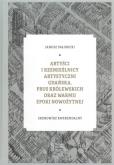
"Możliwości techniczne polegające na skanowaniu i udostępnianiu on-line materiałów źródłowych, w tym również i dokumentów archiwalnych z dawniejszych epok, mimo całego postępu nie zastąpią umiejętności odczytywania dawnych zapisów neograficznych (...) Z pewnością materiały z uwagi na swoją doniosłość badawczą stanowią istotne uzupełnienie wiedzy na temat środowiska artystów i rzemieślników gdańskich lub działających w Gdańsku, w Prusach Królewskich oraz na Warmii w XVI - XVIII w. W źródłach przyswojonych nauce przez Niego odnaleźć można wiele nazwisk twórców całkowicie zapoznanych nauce i badaczom. Bez znajomości szczegółów ich życia oraz wykonanych prac jakakolwiek synteza dziejów sztuki i jej twórców w Gdańsku i Prusach Królewskich byłaby chybiona. Przedstawione źródłowe wydawnictwo słownikowe wnosi bardzo istotny wkład do wiedzy na temat środowiska artystycznego działającego w nowożytnym Gdańsku, Prusach Królewskich oraz na Warmii. Praca jest wynikiem długotrwałej i cały czas jeszcze trwającej kwerendy źródłowej; świadczy o niezwykłej cierpliwości i wzorowym opanowaniu materiału dokumentalnego przez Autora. Jej wydrukowanie z pewnością zostanie przyjęte z uznaniem przez licznych badaczy problemu i stanie się istotna pomocą w prowadzeniu badań szczegółowych."
prof. dr hab. Edmund Kizik (na podstawie recenzji wydawniczej)
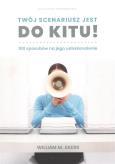
Nie martw się, że producent, agent, czy dyrektor artystyczny wyrzuci Twój scenariusz przeczytawszy dziesięć stron. Wykorzystaj listę kontrolna z " Twój scenariusz jest do kitu!", a usuniesz wady w tekście i uzyskasz porywającą lekturę, od której nie będzie można się oderwać.
Dzisiaj, w dobie ogromnej konkurencji na rynku opowiadania historii, to jedyna książka, która niczym pocisk termolokacyjny namierza defekty twojego scenariusza i pokazuje jak się ich pozbyć.
Ten produkt jest zapowiedzią. Realizacja Twojego zamówienia ulegnie przez to wydłużeniu do czasu premiery tej pozycji. Czy chcesz dodać ten produkt do koszyka?