W tej strefie zapraszamy czytelników tak zwane artystyczne dusze po książki z kategorii Sztuka. Polecamy szereg publikacji o sztuce i jej historii,ciekawostki i portfolia artystów, eseje, albumy, książki o malarstwie, rzeźbiarstwie, architekturze oraz histoii fotografii. Biografie ciekawych artystów, książki i powieści przedstawiające fascynujące losy malarzy i osób uwiecznianych na obrazach. W tym dziale tylko ksiązki ze sztuka w tle.
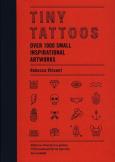
‘Rebecca Vincent is a genius. I’ll be tattooed by no one else.’ – Sali Hughes
Tiny tattoos are big news. With celebrities showcasing them on social media (step forward Kendall Jenner, Hailey Baldwin and Bella Hadid), micro tattoos are a major trend.
This sourcebook of 1000 mini works of art, in a range of styles and carefully-organized subjects, is curated by talented tattooist and insta-star Rebecca Vincent.
A source of inspiration for tattoo artists or for anyone browsing for a foray into ink.
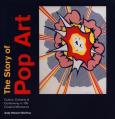
In this age of insta-stardom and selfies, Pop Art still defines the world we live in.
Emerging in the 1950s, Pop Art arrived in an explosion of colour, offering bold representations and plenty of humour. All of the celebrities, events and politics that came to define two turbulent decades are encapsulated in their work. Pop Art challenged the establishment and offered a new modernism, blurring the line between art and mass production.
Uncover 100 stories in this essential guide to a groundbreaking movement. Enjoy enlightening critiques of iconic works; meet key figures including Warhol and Hockney; and discover inspirational ideas and novel new methods.
Wyjątkowy zestaw czterech albumów „Beksiński” w eleganckim etui. Komplet ten to niepowtarzalna edycja bestsellerowych wydań albumowych zawierających dzieła Z. Beksińskiego, z których dwa ukazały się jeszcze za życia i przy współpracy samego Mistrza. Kolekcja zawiera znakomitą większość prac Z. Beksińskiego z zakresu malarstwa, rysunku oraz grafiki komputerowej, pochodzących z archiwum Muzeum Historycznego w Sanoku oraz zbiorów prywatnych. Wydanie w białym etui.
Znajomość praw rządzących procesami geodynamicznymi jest potrzebna nie tylko do zrozumienia funkcjonowania środowiska, lecz także do wyznaczania kierunków racjonalnego, zrównoważonego zagospodarowania obszarów zurbanizowanych. Źle zdiagnozowane procesy przyrodnicze mogą być przyczyną wielu konfliktów przestrzennych oraz poważnych strat ekonomicznych. Celem publikacji jest analiza wybranych procesów geodynamicznych i ich wpływu na kształtowanie przestrzeni zurbanizowanych. Zbadano ich naturalne uwarunkowani a i mechanizmy, możliwości i skalę antropogenicznych modyfikacji, przebieg w przestrzeni zurbanizowanej, sposoby zapobiegania lub ograniczania ich negatywnych skutków. Ukazano też geologiczną skalę prognozowania tych procesów przez naukowców w zestawieniu z ludzką skalą planowania i odczuwania zagrożenia.
Jaką rolę interpretacja pełni w hermeneutyce? Czy jest to zagadnienie centralne filozofii czy też marginalne? Co odróżnia interpretację hermeneutyczną od interpretacji innego rodzaju, na przykład historycznej, psychologicznej, strukturalistycznej? Jaką rolę i znaczenie ma interpretacja w życiu jednostki? Co jest jej przedmiotem i celem? Te i podobne pytania, dotyczące natury i przebiegu procesu interpretacji, stały się inspiracją do podjęcia rozważań przedstawionych w książce Zagubienie w interpretacji. Hans-Georg Gadamer wobec kultury i sztuki współczesnej. Autorka rekonstruuje, reinterpretuje i rozwija stanowisko jednego z najwybitniejszych filozofów XX wieku Hansa-Georga Gadamera w odniesieniu do kwestii hermeneutycznej interpretacji. Opisuje pojęcie interpretacji w szerokim kulturowym kontekście, a następnie doprecyzowuje jego znaczenie, odwołując się do zagadnień: prawdy, retoryki oraz erotyki. Proponowana w książce charakterystyka zagadnienia wykracza poza dotychczasową literaturę przedmiotu dotyczącą filozoficznej hermeneutyki Gadamera i ma na celu odniesienie tego stanowiska do aktualnych problemów z zakresu kultury i sztuki. Książka ta może zainteresować zarówno profesjonalne badaczki i badaczy, jak też szeroką pozaakademicką publiczność. […] odpowiednio rozumiane płynność i dynamiczność, niejednoznaczność i zmienność, dialogiczność i otwartość w znaczeniu wciąż rozszerzanego pola możliwości interpretacyjnych i badawczych są podstawowymi elementami hermeneutyki Gadamera. Wynikają one z jej założeń i znajdują odzwierciedlenie w języku, specyficznym stylu filozofowania i formułowania myśli, w jakim filozof przedstawiał swoją teorię. Takie cechy tej refleksji ujawnia też wyraźnie hermeneutyczne pojęcie interpretacji, rozumianej najogólniej jako jedyny świadomy sposób odbioru rzeczywistości przez człowieka. Nic nie jest bowiem bezpośrednio dane, zawsze jedynie przez interpretację, która nigdy nie jest ostateczna. Ze wstępu Dominika Czakon (ur. w 1984 roku w Krakowie) – doktorka filozofii, asystentka naukowa w Instytucie Filozofii Uniwersytetu Jagiellońskiego. W ramach działalności naukowej zajmuje się współczesną hermeneutyką oraz estetyką. Interesuje się także kulturą współczesną, feminizmem i ekologią. Jest współtwórczynią Cyfrowego Archiwum Romana Ingardena, w którym udostępniana jest spuścizna epistolarna i naukowa tego filozofa oraz korespondujących z nim polskich i zagranicznych badaczy. Od wielu lat związana jest z kwartalnikiem filozoficzno-estetycznym „The Polish Journal of Aesthetics”, w którym pełni funkcję zastępczyni redaktora naczelnego. Wolny czas dzieli między rodzinę i przyjaciół, fotografowanie i spacery z psem. Kiedy jest to możliwe, podróżuje.
Album „1999 Harmolodic Odyssey” został nagrany w trakcie niezwykłego spotkania artystycznego czterech artystów: Janusz Yanina Iwański, Henryka Gembalskiego, Krzysztofa Majchrzaka oraz Michała Zduniaka. Ich wspólny koncert odbył się 23 kwietnia 1999 roku w OPK Gaude Mater w Częstochowie. Po ponad dwudziestu latach od zarejestrowania ten wyjątkowy materiał koncertowy doczekał się wydania na nośniku fizycznym.
Tracklista:
1. Gwiazda podwójna (Double Star)
2. Gwiazda druga (Secondo Star)
3. Gwiazda trzecia (Third Star)
4. Gwiazda czwarta (Fourth Star)
5. Gwiazda ostatnia (Last star)
Dziewczęce, przebojowe, tajemnicze i bardzo wyraziste. Rewelacyjne wokalistki, tancerki i ikony mody. K-popowa sensacja bijąca rekordy popularności na całym świecie.Poznaj ich historię!Jisoo, Jennie, Ros i Lisa cztery wybitnie utalentowane dziewczyny. Sukces osiągnęły dzięki katorżniczej pracy, a triumfy przeplatały się z rozczarowaniami. Dowiedz się, jak wyglądała ich droga do globalnej sławy i jakie są prywatnie. Poznaj kulisy ich debiutu oraz ich przepis na podbój świata. Tę książkę musi mieć każdy fan Blackpink!
Sztuka jako wyzwanie dla socjologii to wywiad rzeka, którego Nathalie Heinich udzieliła Julienowi Ténédosowi. Dowiadujemy się z niego o przebiegu jej drogi naukowej – począwszy od studiów filozoficznych na uniwersytecie w Aix-en-Provence, przez doktorat z socjologii napisany pod kierunkiem Pierre’a Bourdieu, aż po samodzielne stanowisko w Centre National de la Recherche Scientifique, czyli Narodowym Centrum Badań Naukowych w Paryżu. Znana socjolożka sztuki wtajemnicza nas w metody swej pracy badawczej, opowiada o pierwszych badaniach ankietowych, o tym, jak wynajduje tematy kolejnych prac, przede wszystkim zaś omawia swoje najważniejsze publikacje. Zdradza ponadto kulisy ideowego rozstania z Bourdieu, mówi o roli współpracy z takimi uczonymi, jak Luc Boltanski czy Laurent Thévenot, a także o inspirującym spotkaniu z dziełem Norberta Eliasa.
Aby zrobić zdjęcie, które porusza najgłębsze emocje i przykuwa uwagę na dłużej, nie potrzebujesz kosztownego sprzętu. Owszem, profesjonalizm narzędzi jest ważny, jednak dużo istotniejsze są wizja, empatia, szacunek i niezaspokojona ciekawość. Najlepsze zdjęcia powstają dzięki intuicji, są wynikiem znanego fotografom wewnętrznego konfliktu między artystą i technikiem. Tylko połączenie rzemiosła i sztuki umożliwi stworzenie zdjęć, które opowiadają prawdziwe historie, ukazują piękno i godność, przenoszą widza wprost na ulicę, do świątyni, do czyjegoś ogrodu czy domu. Odnalezienie w sobie tej subtelnej równowagi, wizji i intuicji nie jest proste.
Ta książka mówi o sztuce fotografowania. Choć nie brakuje tu wskazówek odnoszących się do technicznej strony robienia zdjęć, opowiada przede wszystkim o pasji fotografowania: o tym, że uchwycenie ludzi, miejsc czy kultur na obrazie udaje się tylko tym, którzy znaleźli swoją wizję i odkryli w sobie palące pragnienie pokazania własnego sposobu odbierania świata. Zainspiruje Cię do opowiedzenia swoich historii z takim zaangażowaniem i tak przekonująco, jak to jest tylko możliwe dzięki fascynującej sile fotografii. Dowiesz się, jak robić naprawdę dobre zdjęcia - dobre, czyli takie, które są wspólnym dziełem serca i umysłu, emocji i rozumu. Ale to nie wszystko, co znajdziesz w tej książce. Jest pełna barw, światła, ciepła i uczy wizualnej wrażliwości - to cechy doskonałych zdjęć!
W tej książce znajdziesz wskazówki i inspiracje do fotografowania:
w kolorze oraz w czerni i bieli
ludzi na pełnych wyrazu portretach
miejsc zwyczajnych i niezwyczajnych
krajobrazów i detali
sprzętem najprostszym i profesjonalnym
Zdjęcie z duszą: fotografuj to, co kochasz!
After four years of collaboration with choreographer Peter Martins and the New York City Ballet, Henry Leutwyler was granted unprecedented backstage access to the Company during the winter of 2012. The resulting book, Ballet, reflects thirty years of his passion for the art form, realized in thirty days of photography. Leutwyler inhabited the shadows of the stage and became “invisible,” recording images of the dancers using nothing more than his 35mm Leica. He was able to explore the performers’ personal space, affording a more abstract portrait―a visual slice of their frenzied existence in an art form predicated on perfection. Ballet is an homage to the gritty universe from behind the curtain, and a complement to its ethereal beauty as viewed from the front row. With impresario Lincoln Kirstein, George Balanchine co-created the New York City Ballet in 1948. What followed is arguably one the most revolutionary periods in ballet history as he redefined the art form, introducing abstract works performed with a signature speed, musicality, and precision. Under the leadership of Peter Martins, these are the hallmarks of the Company to this day.
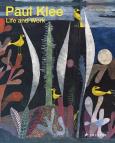
Readers of this book will find much to discover and relish in Paul Klee's art. Reproductions of his iconic works as well as those that are more rarely exhibited are featured alongside in-depth biographical information that looks beyond his many artistic achievements to explore the life and times of the artist. Photographs of Klee and his circle, as well as entertaining and enlightening anecdotes, offer a multifaceted perspective on a groundbreaking artist and the events that helped shape his colorful and imaginative work.
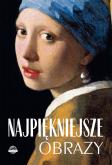
Najpiękniejsze obrazy to albumowa pozycja, w której szczegółowo opisano kilkadziesiąt różnorodnych dzieł sztuki ze wszystkich epok historycznych. Każdy z obrazów został przedstawiony całościowo, a następnie zwrócono uwagę na jego szczegóły i osobliwości. Autorka interpretuje dzieła sztuki, ale też przedstawia ogólny zarys historii sztuki oraz pokrótce opisuje sylwetki wybranych twórców. Na kartach Najpiękniejszych obrazów znajdują się m.in. dzieła braci Limbourg, Fra Angelico, Tycjana, Michała Anioła, Rembrandta, Williama Hogartha, Gustava Klimta czy Salvadora Dalí. Album wzbogacony licznymi reprodukcjami dzieł sztuki.
Druga, mocno wyczekiwana przez fanów i dziennikarzy, płyta zdolnego i charyzmatycznego Ralpha Kaminskiego w wersji winylowej. Od czasów swojego debiutu, czyli płyty „Morze”, która ukazała się w 2016 roku, Ralph zdążył zawładnąć polską sceną muzyczną i podbić serca słuchaczy w całym kraju. Wraz z płytą „Młodość” prezentuje światu nie tylko nowe piosenki – w tym m.in. singlowy utwór „Kosmiczne Energie” – ale także całkowicie odświeżony wizerunek, którym zapowiedział nową i ekscytującą podróż w swoim życiu. Słuchając płyty „Młodość” możecie w niej uczestniczyć wspólnie z Ralphem.
Zielony samochód
2009
Autobusy
Kosmiczne energie
Tygrys
Klub D
Tata
Młodość
Wszystkiego najlepszego
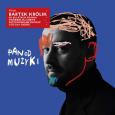
„Pan od muzyki” - bo taki tytuł nosi album, to płyta różnorodna stylistycznie, pulsująca miejskim rytmem i życiowa w przekazie, która łączy w sobie takie gatunki jak r’n’b, soul, funk, jazz, pop z odrobiną rocka. To wszystko wraz z aksamitną barwą głosu Bartka Królika daje niesłychanie ciepłą i pozytywną mieszankę.
Bartek Królik, czyli „Pan od muzyki” zdecydowanie podnosi na duchu:)
„Raj” - pierwszy singiel zapowiadający album, miał premierę we wrześniu. Kllip do utworu zdobył pierwszą nagrodę Music Video Awards 2019 w kategorii POP, jako:
Znakomicie zrealizowany klip popowy. Do przejmującej piosenki powstał przejmujący obraz, popowy właśnie, to znaczy nie tyle „rozrywkowy“, co „czytelny, łatwo zrozumiały“. Nie bez znaczenia jest tu świetne casting i gra aktorów. To przykład bardzo udanego połączenia dokumentalnego podejścia do klipu bez zdjęć stricte dokumentalnych.
1 Z ręką na sercu
2 Raj
3 Więcej Pary
4 Niski ton
5 Ten tłusty bit
6 Sobą być
7 Chodź
8 Historia
9 Nad rzekę
10 Ręka
11 Zapamiętać wszystko
12 Zostaw go!
Romanticism in Poland was the first modern era which created the earliest modern intellectual class calling for cultural, political, and civilizational changes, which is similar to the situation in France, Germany, and England. The rebellious spirit of Romanticism in Poland is characterized by stronger foundations and arguments of historiosophical nature. Rebellion in Romanticism was not limited to fighting for the individual freedom of men, as people also fought in the name of national and social freedom. It was a struggle that encompassed many aspects of life and imagination. Romanticism is the child of youth. The youth shaped a new worldview, rebelled against the world order in literature and art, and proposed a new definition of freedom, including not only politics, but also aesthetics, philosophy, music, science, as well as lifestyle, thus imparting on everyday life the qualities of freedom and authenticity.
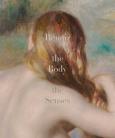
Best known as part of the influential vanguard of Impressionist artists that experimented with new painting techniques in the late 19th century, Pierre-Auguste Renoir (1841-1919) was deeply inspired by classical traditions and returned again and again to the canonical subject of the nude. Tracing the entire arc of Renoir's career, this volume examines the different approaches the artist employed in his various depictions of the subject – from his works that respond to Gustave Courbet, Edouard Manet, Edgar Degas, and Paul Cezanne, to his late, and still controversial, depictions of bathers that inspired the next generation of artists. Eminent scholars not only look at the different ways that Renoir used the nude as a means of personal expression but also analyze Renoir's art in terms of a modern feminist critique of the male gaze.
Offering the first-ever comprehensive investigation of Renoir's nudes, this beautifully illustrated study includes approximately 50 works, including paintings, pastels, drawings, and sculptures. The book also features an interview with the contemporary figurative painter Lisa Yuskavage that considers Renoir's continuing influence and the historical significance of the female nude in art.
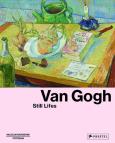
From his first compositions to the colorful flower images of his late years, Vincent van Gogh repeatedly painted still lifes. In this genre, he could try out various pictorial techniques - from depicting space through light and shadow to experimentation with color. Although many of his still life compositions employed traditional approaches to the genre, he ultimately formulated an unmistakably unique artistic style.
This lavishly illustrated book revisits the development of Van Gogh's career and focuses on his still-life paintings, offering new insights into the working process and creative evolution of one of the most radical innovators in the history of modern art.
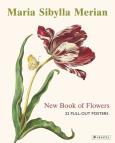
More than three centuries after Maria Sibylla Merian established herself as a scientific trailblazer – and after more than two centuries of obscurity – the work of this pioneering naturalist and artist is being rediscovered. Merian's work, "The New Book of Flowers", raised the artistic standards of natural history illustration. Published in 1675, the book employed impeccable botanic accuracy with artistic expression. In it, Merian moved away from traditional methods that favored single illustrations and instead composed her studies to explore the relationships between flowers and insects. This poster book draws its nearly two dozen illustrations from "The New Book of Flowers". Exquisitely reproduced, each illustration reveals the exacting detail and luminous colors that are the hallmark of Merian's work. Perfect for close study as well as decoration, this treasury of botanical delight will help brighten any room – and inspire anyone drawn to the beautiful world of flowers.
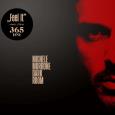
Michele Morrone zapowiada swoją debiutancką płytę pt.: „Dark Room”.
Z pochodzenia Włoch, pokochał Polskę podczas zdjęć do filmu „365 dni”. Z zawodu aktor i model, jednak jego pasją jest muzyka.
Album utrzymany w klimacie rockowo – popowym, będzie miał swą premierę już 14 lutego!
Rockowe brzmienie + mocny głos artysty, dało wyjątkowy efekt. Do współpracy zaprosił cenionych producentów: Patryka Kumóra i Dominika Buczkowskiego - Wojtaszka, którzy stoją za sukcesami utworów wielu artystów (Viki Gabor, Roksana Węgiel, Michał Szczygieł).
Na płycie znajdują się również sentymentalne ballady, w sam raz na zbliżające się Walentynki.
Płytę promuje singiel „Feel It”.
Utwór wykorzystano do ścieżki dźwiękowej filmu „365 dni” - najgłośniejszej premiery kinowej 2020 roku!!!
Film jest adaptacją bestsellera Blanki Lipińskiej, pod tym samym tytułem. Michele Morrone jest odtwórcą głównej roli – filmowego Massimo.
1. Drink Me
2. Hard For Me
3. Watch Me Burn
4. Dark Room
5. Feel It
6. Do It Like That
7. Rain In The Heart
8. Dad
9. No One Cares
10. Next
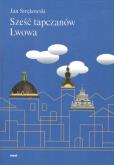
„Sześć tapczanów Lwowa” autorstwa Jana Strękowskiego jest opowieścią o powstawaniu w latach 1930 – 1946 we Lwowie Panoramy Plastycznej Dawnego Lwowa, jej dalszych losach, aż do czasów, gdy w wolnej Polsce udało się ją udostępnić publiczności. Lwów był niecodziennym miastem, powstało tam, bowiem najwięcej chyba w Europie panoram, w tym najsłynniejsza, znajdująca się obecnie we Wrocławiu Panorama Racławicka. Niewielu Polaków wie, że we Wrocławiu od kilkudziesięciu już lat znajduje się jeszcze jedna lwowska panorama. Nietypowa, bo nie jest to obraz, lecz model miasta z 1772 roku, czyli momentu, kiedy Lwów w wyniku pierwszego rozbioru Rzeczypospolitej przestał należeć do Polski. Przetrwała w ukryciu cały okres PRL. Od kilku już lat dostępna jest do zwiedzania w bocznej sali Hali Stulecia. Książka opowiada o niezwykłych losach tego dzieła, tworzonego w czasach II Rzeczypospolitej, po wkroczeniu do Lwowa Sowietów w 1939 roku, Niemców w 1941 roku i ponownie Sowietów w 1944 roku. Dzieła, które już podczas swego powstawania było sensacją; dość wspomnieć, że pracownię jej twórcy na ul. Ormiańskiej 23 we Lwowie odwiedzały wycieczki szkolne, dziennikarze, politycy, oficerowie okupacyjnych armii. Oglądał ją nawet niemiecki gubernator Galicji Otto von Wächter oraz szef sowieckiej Ukrainy Nikita Chruszczow. Sześć osób spośród twórców Panoramy straciło życie. Jej główny twórca, inż. Janusz Witwicki został zamordowany skrytobójczo w przeddzień wyjazdu z Panoramą do Polski, być może za swój upór (o zgodę na jej wywiezienie ze Lwowa starał się nawet u Stalina, a otrzymał ją od Chruszczowa). Ma dwa groby. Jeden, symboliczny w podwarszawskim Skolimowie. Drugi na lwowskim Łyczakowie. Jednak nie wiemy, kogo w nim pochowano. Nie wiemy nawet, czy Witwicki naprawdę został zamordowany. Tajemnic związanych z Panoramą i jej twórcą jest więcej. Niektóre udało się wyjaśnić podczas pracy nad książką. Wartość historyczna jak i artystyczna Panoramy są wystarczającym powodem, by opisać to dzieło. Warto też poznać niezwykłe losy jego twórcy, lwowskiego architekta, miłośnika Lwowa, który za miłość do rodzinnego miasta zapłacił najwyższą cenę.
Ten produkt jest zapowiedzią. Realizacja Twojego zamówienia ulegnie przez to wydłużeniu do czasu premiery tej pozycji. Czy chcesz dodać ten produkt do koszyka?