W tej strefie zapraszamy czytelników tak zwane artystyczne dusze po książki z kategorii Sztuka. Polecamy szereg publikacji o sztuce i jej historii,ciekawostki i portfolia artystów, eseje, albumy, książki o malarstwie, rzeźbiarstwie, architekturze oraz histoii fotografii. Biografie ciekawych artystów, książki i powieści przedstawiające fascynujące losy malarzy i osób uwiecznianych na obrazach. W tym dziale tylko ksiązki ze sztuka w tle.
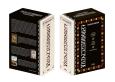
Pakiet zawiera książki: ,,Łemkowszczyzna po obu stronach Karpat", ,, Łemkowszczyzna. Czas wojny i pokoju"; ,,Łemkowszczyzna nieutracona"
Łemkowszczyzna – fascynująca i tajemnicza kraina, o której niewielu Polaków słyszało, a przecież leży w Polsce. Stało się tak, bowiem zasłoną milczenia okryły ją władze PRL. Została wyparta ze świadomości, po tym jak w latach 1945–1947 wysiedlono stąd niemal wszystkich Łemków. Nieliczni turyści, którzy tu trafiali, wędrując po Beskidach, ze zdumieniem odkrywali przepiękne cerkwie, kryte słomą chyże i nagrobki z cyrylickimi inskrypcjami. Czasem, jak w Bartnem czy Olchowcu, można było spotkać tamtejszych mieszkańców mówiących innym językiem. Jednak po 1989 r. Łemkowie dali o sobie znać. Założyli własne organizacje, spotykają się na corocznych Watrach. Mają własnych naukowców badających i kodyfikujących ich język. Spontanicznie zakładane zespoły kultywują folklor muzyczny Łemków, a młodzież od kilku lat zdaje maturę po łemkowsku.
Na przykładzie Zamku Królewskiego w Warszawie, Muzeum II Wojny Światowej w Gdańsku czy Narodowego Instytutu Muzealnictwa i Ochrony Zbiorów Piotr Majewski ukazuje funkcjonowanie instytucji kultury w Polsce ? przede wszystkim muzeów, zarówno w ujęciu historycznym, jak i współczesnym. Jak napisała recenzentka pracy, Dorota Januszewska-Folga, padają tu pytania: „o status muzeum, status pojęcia zabytku, o identyfikację oryginalności w przestrzeni, której historyczna ciągłość została wielokrotnie zerwana lub naruszona przez wydarzenia: wojnę, doktryny polityczne, zanik społecznej wrażliwości, przewłaszczenia majątkowe. To bardzo ciekawe ujęcie: relacja między władzą a architekturą, doktryną i odbiorem sztuki, sensem istnienia instytucji muzealnej a sposobem realizacji programu i charakterem kolekcji.”
Autor, dr hab. Piotr Majewski, prof. UKSW to historyk, muzealnik, nauczyciel akademicki. Ukończył Wydział Historyczny i Podyplomowe Studium Muzealnicze Uniwersytetu Warszawskiego. W l. 1995– 2009 pracował w Zamku Królewskim w Warszawie, m.in. jako kurator Ośrodka Badań Historycznych. W l. 2009?2011 zastępca dyrektora Departamentu Dziedzictwa Kulturowego w Ministerstwie Kultury i Dziedzictwa Narodowego, następnie współtwórca i dyrektor Narodowego Instytutu Muzealnictwa i Ochrony Zbiorów oraz redaktor naczelny rocznika „Muzealnictwo”. Autor artykułów naukowych i popularnonaukowych, recenzji, scenariuszy wystaw i filmów dokumentalnych oraz monografii (m.in. „Czas końca, czas początku. Architektura i urbanistyka Warszawy historycznej 1939–1956”, Bellona, Warszawa 2018).
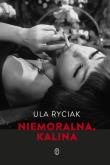
Historia Kaliny Jędrusik czekała na tak wielowymiarową książkę.Słynna aktorka odzyskuje swój głos po 30 latach. Bezkompromisowa - liczy na wszystko albo nic. Nieustannie sprawdza, jak daleko może przesunąć granice. Wrażliwa, ale pewna siebie. Kokietuje i zatraca się w kolejnych romansach, ale pozostaje oddana mężowi. Obraz Kaliny Jędrusik jest taki jak ona sama - prowokujący, niejednoznaczny, często zaskakujący. Ma sylwetkę Marilyn Monroe i seksapil Brigitte Bardot. Przez długi czas jest niewolnicą własnego wizerunku (zalotny trzepot rzęs, sterczący biust, talia osy, pełne biodra) - przerysowanego, epatującego kobiecością, siejącego zgorszenie. Z jednej strony pielęgnuje wypracowaną przez siebie pozę kobiety wampa, z drugiej jednak narzeka na brak zróżnicowanych ról i niedocenianie jej aktorskiego emploi. Kalina Jędrusik daje się poznać nie tylko jako sceniczna kusicielka, aktorka teatralna i filmowa czy gwiazda Kabaretu Starszych Panów. Żywiołowa od dzieciństwa, szybko zacznie przejawiać muzyczny talent, indywidualizm, ale też kulinarny zmysł. Namiętność do smaków i dar ich łączenia ochoczo wykorzystywała, by rozpieszczać przyjaciół. Razem ze Stanisławem Dygatem, jej największą miłością, stworzy otwarty dom, w którym gościć będzie warszawska śmietanka towarzyska. Seksbomba, uwodzicielka, gwiazda wyklęta. Wokół jej osoby krążą legendy. Ile z nich wymyślili inni, a za ile odpowiada ona sama? Które są prawdziwe, a które to wyłącznie gwiazdorska kreacja? Ula Ryciak - pisarka i scenarzystka. Laureatka Nagrody Literackiej Gryfia (2019), w 2006 roku za swoją debiutancką książkę o samotnej podróży przez Amerykę Łacińską znalazła się w finale Nagrody Fundacji im. Kościelskich. Opublikowała kilkadziesiąt reportaży z pięciu kontynentów. Autorka bestsellerowych biografii, m.in. Potargana w miłości. O Agnieszce Osieckiej (2015) Nela i Artur. Koncert intymny Rubinsteinów (2018), Poławiaczki pereł. Opowieść o pierwszych Polkach, które ruszyły w świat (2020).
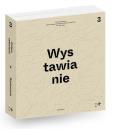
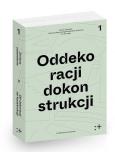
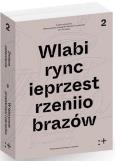
Tom trzeci to autorska reprezentacja przygotowanej przez Roberta Rumasa wystawy pokazywanej w salach Zachęty - Narodowej Galerii Sztuki od października 2019 do stycznia 2020. Jest to swego rodzaju „książka wystawowa” lub „galeria w książce” - plastyczna opowieść o scenografii teatralnej i społecznej, opatrzona (tak jak wystawa) W(o)prowadzeniem Doroty Buchwald oraz historyczno-metodologicznym artykułem Dominiki Łarionow o wystawach scenografii jako narzędziach diagnostycznych.
Wystawa Roberta Rumasa w Zachęcie nosiła taki sam tytuł jak niniejsza publikacja oraz projekt badawczy, którego jest efektem. I choć formalnie nie stanowiła jego części, powstawała jednak przy wsparciu realizującego go zespołu, była kreacją jednego z jego istotnych członków, jeszcze jedną propozycją wędrówki przez labirynt polskiej scenografii współczesnej. Wystawa Roberta Rumasa stanowiła ważne ogniwo łańcucha polskich wystaw scenograficznych, zapoczątkowanego w 1913 w Zachęcie międzynarodową Wystawą Nowoczesnego Malarstwa Scenicznego, a jej książkowa postać ma nie tylko walor dokumentacji wydarzenia, ale przede wszystkim stanowi cenne, atrakcyjne wizualnie, albumowe dopełnienie publikacji Zmiana ustawienia.
Tom pierwszy, napisany przez Dorotę Jarząbek-Wasyl, Wandę Świątkowską i Dariusza Kosińskiego, to próba przedstawienia dziejów scenografii teatralnej do roku 1939 ujęta w kolejne odsłony: myśl i praktyka Stanisława Wyspiańskiego, nowe rozumienie dekoracji, bogactwo i różnorodność scenografii malarskiej, dokonania Reduty i współpracujących z nią scenografów oraz prezentacja dwóch zasadniczych nurtów scenografii awangardowej - konstruktywistycznego i performatywnego.
Tom prezentuje stosunkowo najpełniejszą syntezę dziejów polskiej scenografii w omawianym okresie, układającą się we względnie linearną opowieść.
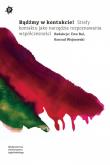
W jakim stopniu pojęcie kontaktu może stanowić efektywne narzędzie rozpoznawania współczesnej rzeczywistości kulturowej? Jak powtórzenie na polu naukowym przez badacza performatywnego gestu artystów – wyodrębnienia, wskazania i zdefiniowania przestrzeni oraz dynamiki relacji między podmiotami znajdującymi się z sobą w kontakcie – może w efektywny sposób przyczynić się do poszerzenia naszej wiedzy o świecie? Autorzy tekstów zebranych w niniejszym tomie próbują odpowiedzieć na te pytania, analizując wybrane zjawiska ze współczesnej rzeczywistości kulturowej w jej lokalnym i globalnym wymiarze. Szczególną uwagę zwracają na nowe, emergentne formy komunikacji i organizacji społecznej, które stały się możliwe wraz z upowszechnieniem dostępu do internetu. Autorzy skłaniają się w swoich analizach do krytycznej rewizji pojęcia kontaktu, wskazując na kluczowe znaczenie jego technologicznych, kulturowych i politycznych ramifikacji prowadzących nie tylko do powstawania nowych cyberplemion, ale także do wytwarzania spekulatywnych czy postfaktycznych wizji rzeczywistości. Zebrane propozycje przeformułowania i zaktualizowania istniejących definicji stref kontaktu służą postawieniu diagnozy sprawczości i skuteczności współczesnych aktywizmów społecznych, polityk nacjonalistycznych, spektakli życia politycznego i działań na polu sztuki, których media elektroniczne stały się integralną infrastrukturą. Zbiór szkiców zatytułowany Bądźmy w kontakcie! Strefy kontaktu jako narzędzie rozpoznawania współczesności poszerza horyzonty myślowe odbiorcy, uczy uważnej i porównawczej lektury, umożliwia zrozumienie najnowszych procesów kulturowych i społeczno-politycznych w Europie w XXI wieku. Zebrane eseje świetnie wypełniają zadanie badawcze postawione na wstępie, czyli „zdefiniowanie sposobów rozpoznawania współczesnej rzeczywistości kulturowej poprzez przemyślenie dynamiki zmian w techno‑ludzkich strefach kontaktu w XXI wieku”. To ważna publikacja zarówno dla kulturoznawców, jak i antropologów, socjologów czy teatrologów, co jednoznacznie świadczy o jej transdyscyplinarnym charakterze; zaś przystępny język i rzetelna kontekstualizacja historyczna, społeczna i kulturowa badanych zjawisk i problemów sprawiają, że tom jest odpowiedni nie tylko dla doświadczonych badaczy, ale także dla czytelników dopiero rozpoczynających studia nad przemianami współczesnych społeczeństw i świata. Z recenzji wydawniczej dr hab. Agnieszki Adamowicz-Pośpiech, prof. UŚ Ewa Bal · profesor Uniwersytetu Jagiellońskiego w Katedrze Performatyki na Wydziale Polonistyki. W obszar jej zainteresowań naukowych wchodzą zagadnienia translacji międzykulturowej, mobilności kulturowej, nacjonalizmu, lokalności, dramaturgie mniejszości językowych, a także metodologie krytyczne z zakresu (de/post)kolonializmu, gender i queer studies oraz performatyki. Konrad Wojnowski · adiunkt w Katedrze Performatyki na Wydziale Polonistyki Uniwersytetu Jagiellońskiego. Zajmuje się teorią performatywności, filozofią komunikacji oraz wpływem mediów i technologii na kulturę. Obecnie realizuje grant badawczy Narodowego Centrum Nauki poświęcony probabilistycznym epistemologiom w sztuce XX i XXI wieku.
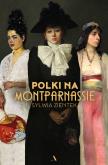
Artystki burzą stary świat.Nieznane historie polskich malarek w legendarnej dzielnicy Paryża.W Warszawie i Krakowie nie tylko zabraniano im portretowania nagich modeli, ale nawet malowania obrazów historycznych. Ówcześni artyści z Matejką na czele uważali, że malarstwo jest wbrew naturze kobiety. Najodważniejsze wsiadały więc w pociąg do Paryża, by tam uczyć się, rozwijać i spełniać marzenia o karierze.W dzielnicy Montparnasse, stolicy artystycznego świata, żyło blisko dwieście Polek-artystek. Malowały, ale i kochały, przeżywały życiowe dramaty i uniesienia, nierzadko przymierając głodem.Ciężko pracowały, nie godząc się na wykluczenie ze świata sztuki. Anna Bilińska-Bohdanowicz, jako pierwsza polska malarka cieszyła się międzynarodową karierą; Alicja Halicka, ukrywająca swą twórczość przed mężem, znanym malarzem, stała się cenioną kobietą-kubistką; obrazy Meli Muter, przyjaciółki Władysława Reymonta i R.M Rilkego, ulubionej portrecistki paryskich elit międzywojnia, zmarłej w nędzy i zapomnieniu, dziś poszukiwanie są przez muzea i kolekcjonerów na całym świecie.Żyły wreszcie jak chciały. Maria Dulębianka, propagatorka równouprawnienia kobiet, została partnerka życiową Marii Konopnickiej. Aniela Pająkówna utrzymywała ojca jej córki, Stanisława Przybyszewskiego, niewiernego kochanka. Irena Reno, bezpruderyjna, umiejąca cieszyć się życiem, nie bała się żyć w trójkącie z dwoma mężczyznami.Sylwia Zientek dotarła do unikalnych, często nigdy niepublikowanych materiałów, na których oparła tę napisaną z pasją i miłością książkę. Jej tłem są niezwykle burzliwe czasy: od zaborów, przez trudy wojny 1914-1918, szaleństwo lat 20., niepokój lat 30., tragedię II wojny światowej.
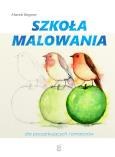
Szkoła malowania to wyjątkowa książka dla początkujących i tych, którzy z malowaniem mieli już do czynienia, wciąż jednak dążą do perfekcji i chcą stale wzbogacać swoje doświadczenie.
Marek Regner – rysownik, ilustrator, artysta malarz – z wprawą godną profesjonalisty płynnie prowadzi nas przez arkana sztuki malowania. Daje nieocenione wskazówki:•jak zorganizować miejsce pracy
•jakich narzędzi używać
•jak mieszać farby
•jak komponować obraz
•na co szczególnie zwracać uwagę i czego się wystrzegać.
Od pustego podobrazia po gotową pracę – wspólnie z autorem, krok po kroku, stworzymy niejedno wspaniałe dzieło.
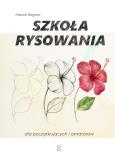
Marek Regner – rysownik, ilustrator, artysta malarz – z wprawą godną profesjonalisty płynnie prowadzi nas przez arkana sztuki rysowania. Daje nieocenione wskazówki:•jak zorganizować miejsce pracy
•jakich narzędzi używać
•jak komponować rysunek
•na co szczególnie zwracać uwagę i czego się wystrzegać.
Od pustej kartki po gotową pracę – wspólnie z autorem, krok po kroku, stworzymy niejeden wspaniały rysunek.
Odmienny charakter ma tom drugi, podzielony na dwie części. Pierwszą, Wędrówki po polskiej scenografii teatralnej po 1945 roku, tworzą eseje dotyczące różnych zjawisk polskiej scenografii teatralnej po II wojnie światowej. Jak wyjaśnia we wstępie do serii prof. Dariusz Kosiński: „Nie mogąc pokusić się na tym etapie o jednolitą i całościową syntezę, na którą jest być może jeszcze za wcześnie autorki tekstów zgromadzonych w tej części: Ewa Dąbek-Derda, Dominika Łarionow i Paulina Skorupska wiodą czytelników przez «labirynt, zwany teatr» wytyczanymi przez nie ? często pionierskimi ? szlakami, łącząc i prezentując wybrane dokonania polskich scenografów drugiej połowy XX i początków XXI wieku. Podobny charakter ma też podjęta przez Dorotę Buchwald i przeze mnie próba stworzenia swoistego katalogu obrazów i motywów powracających (niekiedy natrętnie) w polskiej scenografii współczesnej”. W części drugiej tomu, zatytułowanej Sceny życia publicznego. Polska scenografia społeczna XX i XXI wieku, autorzy rozdziałów uzasadniają teoretycznie koncepcję scenografii społecznej (Kamil Minkner), syntetycznie szkicują jej „polskie drogi” (Daniel Przastek) i prezentują rozbudowane studia przypadków: scenografię wielkich narodowych pogrzebów (Paweł M. Mrowiński) oraz mszy odprawianych w czasie pielgrzymek do Polski papieża Jana Pawła II (Paweł M. Mrowiński i Daniel Przastek).
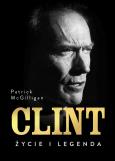
Tego człowieka rozpoznaje się po jednej sylabie bo jest tylko jeden Clint, prawdziwy amerykański samotny wilk.Eastwood to jeden z największych sukcesów Hollywood. Pierwotnie znany z grania w westernach od tego czasu pokazał jednak szeroki repertuar aktorski i udowodnił, że jest nie tylko utalentowanym odtwórcą ról, ale również wybitnym reżyserem. Poza pracą Clint słynie z silnej osobowości, nigdy nie kryje się ze swoimi poglądami. Kiedy ukazała się ta biografia, krytycy chwalili ją za rzetelność zebranych materiałów, a jej bohater wpadł we wściekłość do tego stopnia, że pozwał autora o 10 milionów dolarów; skutkiem pozwu był zakaz rozpowszechniania książki w Stanach Zjednoczonych. Ostatecznie sprawa zakończyła się bez kary.Zaktualizowana książka Clint. Życie i legenda powstała na podstawie wyczerpujących rozmów z osobami bliskimi Eastwoodowi, dokumentów i materiałów o produkcji zarówno jego najsłynniejszych filmów, jak i mniej znanych dzieł. To pozycja obowiązkowa dla szerokiego grona jego wielbicieli oraz dla wszystkich interesujących się historią Hollywood.Powyższy opis pochodzi od wydawcy.
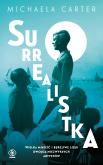
Wielka miłość i burzliwe losy dwojga niezwykłych artystów.Oparta na prawdziwych wydarzeniach, bujna, przesycona poetycką magią opowieść o miłości, sztuce i przeznaczeniu, która przywraca należne miejsce Leonorze Carrington jednej z czołowych postaci sztuki XX wieku.Londyn 1937. Dwudziestoletnia Leonora, początkująca malarka, wdaje się w burzliwy romans z Maksem Ernstem, żonatym dojrzałym artystą. Wyzwala się spod wpływu rodziny i wyjeżdża za nim do Paryża, gdzie wpada w wir ekscytującego świata wizjonerów surrealizmu Mana Raya, Bretona, Picassa i Dalego. Zainspirowana ich poczuciem wolności Leonora eksperymentuje ze swoimi pracami, kształtując własną tożsamość artystyczną i zdobywając uznanie. Tymczasem na Europę pada cień wojny, a nagłówki gazet zaczynają piętnować Ernsta i jego otoczenie jako degeneratów. Zmuszeni do ucieczki z Francji Leonora i Max zostają rozdzieleni. Dla Carrington będzie to początek wyjątkowej podróży, która uczyni ją jedną z najbardziej wpływowych kobiet naszych czasów.Surrealistka, wyjątkowo starannie przygotowana historyczna powieść o miłości i rozstaniu surrealistów Leonory Carrington i Maksa Ernsta u zarania II wojny światowej, jest wielce oryginalna i wciągająca. [...] historia tak poetycko i porywająco opowiedziana [...] pochłonęła mnie bez reszty. Cynthia Swanson, autorka bestsellerów New York Timesa: Wyśnione życie i Szklany las.Doskonała nowa powieść Michaeli Carter to fikcyjny portret seksualnego i artystycznego dojrzewania Wielkiej Kobiety. Fascynująca Surrealistka jest wyrazista, pieczołowicie przygotowana i urzekająco piękna. Kate Christensen, autorka The Great Man i The Last Cruise, laureatka nagrody literackiej PEN/Faulkner.
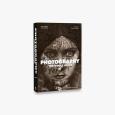
Photography: The Whole Story leads you through the world’s most iconic photographs – those images that have become key reference points in our conception of ourselves and the world around us.
• Organized chronologically, it traces the evolution of photography period by period, while detailed timelines provide historical and cultural context
• The works of key photographers – such as Henri Cartier-Bresson, Richard Avedon, Annie Leibovitz and Andreas Gursky – are assessed to reveal what motivated them, who influenced whom and what each was striving to achieve
• Illustrated focal points single out such aspects as use of colour and visual metaphor, quirks of composition and technical innovation
• Includes a diverse and international roster of contemporary practitioners
If you love photography and would like to know more, Photography: The Whole Story is for you.
Ten produkt jest zapowiedzią. Realizacja Twojego zamówienia ulegnie przez to wydłużeniu do czasu premiery tej pozycji. Czy chcesz dodać ten produkt do koszyka?