W tej strefie zapraszamy czytelników tak zwane artystyczne dusze po książki z kategorii Sztuka. Polecamy szereg publikacji o sztuce i jej historii,ciekawostki i portfolia artystów, eseje, albumy, książki o malarstwie, rzeźbiarstwie, architekturze oraz histoii fotografii. Biografie ciekawych artystów, książki i powieści przedstawiające fascynujące losy malarzy i osób uwiecznianych na obrazach. W tym dziale tylko ksiązki ze sztuka w tle.
The era of moving to the suburbs is coming to an end. Instead, a growing movement of city dwellers are looking for grand architectural solutions in the smallest of spaces. Slender, slim, and tall structures are soaring in the limited land available, offering innovative solutions to a world with ever-growing urbanization.
Vertical Living is an introduction to the architecture and interior masterminds using skillful, clever design to conquer compact living wherever there is space. As we continue to expect more of our flats and houses, unexpected approaches are necessary for the future of our urban spaces.
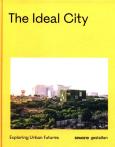
Urban life is humankind’s biggest experiment to date, our cities are constantly evolving and adapting to climate and economy. The cities we have today are not necessarily the ones we need, but big and small innovation is rethinking visions of urbanization. Together with pioneering research and design lab SPACE10, we present future-orientated design which enhances quality of life and makes our urban spaces more vibrant.
As technology and urban life edge ever closer, The Ideal City explores the ambitious actions and initiatives being brought to life across the globe to meet tomorrow’s demand in clever, forwarding-thinking ways. From pedestrian infrastructure to housing, the book uncovers what is being discussed at the forefront of urbanism through expert essays and profiles.
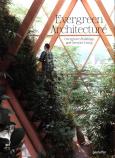
As more of the earth’s surface is swallowed up by the built environment, architects are increasingly advised to integrate urban flora and fauna into their designs. Whether developing green roofs, living walls, abundant indoor courtyards, or balconies that connect interior and exterior spaces, the urge to intertwine nature and architecture has never been more apparent.
Embracing this ubiquitous trend, Evergreen Architecture surveys a broad spectrum of residential, institutional, urban, and rural spaces. But as change occurs and solutions to the climate crisis are being integrated on the ground, many new questions are posed. How do residents keep moss-covered walls alive? How can a skyscraper uphold the weight of hundreds of trees?
Evergreen Architecture investigates this movement from the perspective of the architects leading the charge whilst offering diagrams and plans to help the reader understand how each building came together and how it intends to survive.
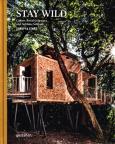
For the first time in decades, our worlds got smaller, but for many, travel limitations have fostered a newfound appreciation for regional vacations. Are you ready and willing to digitally detox? Leave the city behind you, switch off, reconnect with yourself and nature, and fall in love with the world again through the pages of Stay Wild.
Follow us deep into the woods on a journey that showcases new ways to escape into Europe’s vast and eclectic landscape. With an emphasis on environmentally-friendly travel, Stay Wild shines the light on places for curious, conscious travelers to rest and recharge. From towering treehouses, compact cabins, houseboats, yurts, and mobile homes that let you cook your meals al fresco whilst the campfire flickers, this book showcases alternative travel’s astounding diversity and enriching qualities.
61 mniej lub bardziej znanych zakątków Żoliborza. Wille i bloki, najpiękniejsza (ponoć) stacja metra, rzeźby i forty, Szapocznikow i Brukalscy, Skibniewska i Żórawski. Wszystkie fachowo opisane i pokazane na syntetycznych ilustracjach, na których budynki wyglądają, jakby wróciły z miejskiego krajobrazu na deski kreślarskie.
Książka twórców nagradzanej Historii obrazów dla dzieci.
Wybierz się w muzyczną podróż dookoła świata i poznaj kompozytorów i wykonawców wspaniałych utworów różnych epok. Jest tak wiele sposobów tworzenia i wykonywania muzyki, i to na najrozmaitszych instrumentach – perkusji czy didgeridoo, sitarze czy syntezatorze, tamburynie czy tubie – wszyscy więc możemy dołączyć i przekazywać, co nam w sercu gra!
Historia muzyki dla dzieci zabiera czytelników w muzyczną podróż dookoła świata, w której spotkają wielu kompozytorów i wykonawców. Od Bacha do Billie Eilish, od Mozarta do Miriam Makeby- artystów tych łączy miłość do muzyki. Szukając odpowiedzi na ważne pytania: Czym jest muzyka i dlaczego ją tworzymy? - autorzy wychodzą poza zachodni kanon i odkrywają wiele ekscytujących sposobów jej komponowania, słuchania, nagrywania oraz przekazywania z pokolenia na pokolenie.
Książka zawiera playlistę z utworami, których możesz słuchać w trakcie lektury (i nie tylko)
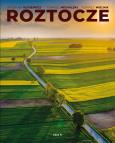
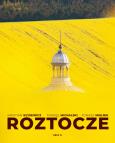
Album ,,Roztocze" z fenomenalnymi, pełnymi pasji fotografiami Krystiana Kłysewicza, Tomasza Michalskiego i Tomasza Mielnika. Wszystko co w Roztoczu Wschodnim i jego otulinie najpiękniejsze i najważniejsze znajdziecie na 424 stronach tego monumentalnego albumu, opatrzonego wstępami historycznym dra Zygmunta Kubraka i przyrodniczym Bogdana Skibińskiego.
Tak o albumie pisze Robert Gmiterek, poeta, fotografik, od urodzenia związany z Roztoczem:
,,Roztocze. Roztocze Wschodnie. Miejsce, w którym mistyka Wschodu spotyka się z pragmatyzmem Zachodu. Miejsce, które przekracza granice czasu i przestrzeni. Sięga daleko w głąb przyległych krain i wciąga je w swoją orbitę. Zakorzenione w językach i kulturach ludzi pogranicza, z ich tkanki tworzy własną kulturę, język i krajobrazy. I to właśnie w roztoczańskich krajobrazach najmocniej odciskają się ślady wszystkich żywiołów, które budowały roztoczańską tożsamość. Ich podpis widnieje na bruśnieńskich figurach przydrożnych, na krzyżach nagrobnych, na świętych obrazach, na ikonach i ikonostasach, na macewach, na rynkach miast, w opłotkach wsi, na polach, na ścianach pałaców i w oknach domów, na epitafiach, w lasach i na cmentarzach rozsianych po okolicy. Antykwa łacińska miesza się z cyrylicą, alfabet hebrajski ze szwabachą. Pod kopułami i sklepieniami kościołów, cerkwi, bóżnic i kapliczek unoszą się dźwięki ich zgłosek. Linie melodyczne przenikają się i splatają w roztoczańskim kontrapunkcie. I nie tylko języki i ich melodie zlewają się w jedno, także czas, który na Roztoczu płynie pod prąd, do źródeł. W jednym punkcie zbiera się i rozlewa szeroko teraźniejszość, przeszłość i przyszłość. A ci wszyscy, którzy istnieją pomiędzy, nigdy nie są do końca pewni, w którym z czasów istnieją. Poznają tylko miejsce Roztocza. I widzą, że jest dobre. Krystian Kłysewicz, Tomasz Michalski i Tomasz Mielnik nie tylko widzą Roztocze, nie tylko je fotografują dzień po dniu i rok za rokiem. Oni są częścią Roztocza. Są równie mocno zakorzenieni w jego krajobrazach, jak ono samo. W swoich fotografiach opowiadają jego historię, jakby opowiadali własną. Każdy z nich znalazł swój język i swoje miejsce w roztoczańskim uniwersum. Każdy z nich znalazł własny, bardzo osobisty punkt widzenia. Album, który powstał z fotografii przywiezionych z wieloletnich peregrynacji po drogach i bezdrożach świata, to roztoczański kontrapunkt, gdzie kadr staje naprzeciw kadru. Gdzie ich różne, odrębne i bardzo osobiste wizje, jak linie melodyczne splatają się i uzupełniają, tworząc niezwykłą i niespotykaną polifonię obrazów. Od szerokich imaginacji, lotem ptaka sięgających za widnokrąg, przez niezwykle precyzyjne, geometryczne, inwentarzowe wręcz opisanie przestrzeni, po szczegół, detal, wydobyty na światło z głębokiego cienia, dotknięcie istoty świata, jego sensu i duszy. Już osobno ci fotograficy są niezwykle frapujący i inspirujący. Razem zaś stworzyli opowieść, która na trwałe wejdzie do kanonu roztoczańskich dzieł. Ci wszyscy, którzy sięgną po ROZTOCZE nie pozwolą mu się kurzyć na półce. Jest to książka, która wychodzi poza kartki papieru, poza czas i przestrzeń i wraca wraz z nami do źródeł swojego istnienia – na Roztocze".
Album ,,Roztocze" z fenomenalnymi, pełnymi pasji fotografiami Krystiana Kłysewicza, Tomasza Michalskiego i Tomasza Mielnika. Wszystko co w Roztoczu Wschodnim i jego otulinie najpiękniejsze i najważniejsze znajdziecie na 424 stronach tego monumentalnego albumu, opatrzonego wstępami historycznym dra Zygmunta Kubraka i przyrodniczym Bogdana Skibińskiego.
Tak o albumie pisze Robert Gmiterek, poeta, fotografik, od urodzenia związany z Roztoczem:
,,Roztocze. Roztocze Wschodnie. Miejsce, w którym mistyka Wschodu spotyka się z pragmatyzmem Zachodu. Miejsce, które przekracza granice czasu i przestrzeni. Sięga daleko w głąb przyległych krain i wciąga je w swoją orbitę. Zakorzenione w językach i kulturach ludzi pogranicza, z ich tkanki tworzy własną kulturę, język i krajobrazy. I to właśnie w roztoczańskich krajobrazach najmocniej odciskają się ślady wszystkich żywiołów, które budowały roztoczańską tożsamość. Ich podpis widnieje na bruśnieńskich figurach przydrożnych, na krzyżach nagrobnych, na świętych obrazach, na ikonach i ikonostasach, na macewach, na rynkach miast, w opłotkach wsi, na polach, na ścianach pałaców i w oknach domów, na epitafiach, w lasach i na cmentarzach rozsianych po okolicy. Antykwa łacińska miesza się z cyrylicą, alfabet hebrajski ze szwabachą. Pod kopułami i sklepieniami kościołów, cerkwi, bóżnic i kapliczek unoszą się dźwięki ich zgłosek. Linie melodyczne przenikają się i splatają w roztoczańskim kontrapunkcie. I nie tylko języki i ich melodie zlewają się w jedno, także czas, który na Roztoczu płynie pod prąd, do źródeł. W jednym punkcie zbiera się i rozlewa szeroko teraźniejszość, przeszłość i przyszłość. A ci wszyscy, którzy istnieją pomiędzy, nigdy nie są do końca pewni, w którym z czasów istnieją. Poznają tylko miejsce Roztocza. I widzą, że jest dobre. Krystian Kłysewicz, Tomasz Michalski i Tomasz Mielnik nie tylko widzą Roztocze, nie tylko je fotografują dzień po dniu i rok za rokiem. Oni są częścią Roztocza. Są równie mocno zakorzenieni w jego krajobrazach, jak ono samo. W swoich fotografiach opowiadają jego historię, jakby opowiadali własną. Każdy z nich znalazł swój język i swoje miejsce w roztoczańskim uniwersum. Każdy z nich znalazł własny, bardzo osobisty punkt widzenia. Album, który powstał z fotografii przywiezionych z wieloletnich peregrynacji po drogach i bezdrożach świata, to roztoczański kontrapunkt, gdzie kadr staje naprzeciw kadru. Gdzie ich różne, odrębne i bardzo osobiste wizje, jak linie melodyczne splatają się i uzupełniają, tworząc niezwykłą i niespotykaną polifonię obrazów. Od szerokich imaginacji, lotem ptaka sięgających za widnokrąg, przez niezwykle precyzyjne, geometryczne, inwentarzowe wręcz opisanie przestrzeni, po szczegół, detal, wydobyty na światło z głębokiego cienia, dotknięcie istoty świata, jego sensu i duszy. Już osobno ci fotograficy są niezwykle frapujący i inspirujący. Razem zaś stworzyli opowieść, która na trwałe wejdzie do kanonu roztoczańskich dzieł. Ci wszyscy, którzy sięgną po ROZTOCZE nie pozwolą mu się kurzyć na półce. Jest to książka, która wychodzi poza kartki papieru, poza czas i przestrzeń i wraca wraz z nami do źródeł swojego istnienia – na Roztocze".
Bogato ilustrowany katalog zawiera fotograficzną dokumentację prac Artura Żmijewskiego. Artysta używa nowych mediów do analizy takich zagadnień jak religia, choroba, emigracja czy też odwołuje się do fundamentalnych dla naszej świadomości wydarzeń takich jak holocaust.Katalog zawiera dokumentację pracy prezentowanej na Międzynarodowej Wystawie Sztuki w Wenecji w 2005 roku, będącej powtórzeniem kontrowersyjnego eksperymentu profesora Zimbardo.Katalog w wersji polsko-angielskiej.
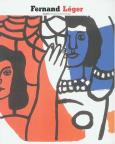
Katalog towarzyszył wystawie artysty w Zachęcie w 2006 roku. Poza licznymi reprodukcjami dzieł, książka zawiera również artykuły teoretyczne oraz biografię malarza. Zamieszczone eseje:Sylvie Forestier Fernand Lger.Otwarte okno Jean-Michel Foray Estetyka bezosobowości Andrzej Turowski Jestem w zgodzie z moją epoką... Thrse Blondet-Bish Fotografia - malarstwo czasu Wielkiej Wojny Marcin Giżycki Balet z kamerą. Lger i jego film Francois Albera Lger i kino Jola Gola D'aprs Monsieur Lger Brigitte Hedel-Samson Fernand Lger i architekci 19001939 Nelly Maillard Projekty ścienne w Stanach Zjednoczonych Cristophe Cousin Ściana. Przestrzeń monumentalna na miarę Lgera
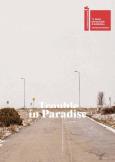
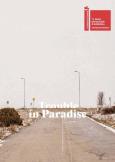
Wystawie Trouble in Paradise w Pawilonie Polskim na Biennale Architektury 2021, towarzyszy książka, w której znalazły się eseje m.in. Platona Issaiasa & Hameda Khosraviego, Piera Vittoria Aureliego, Andrei Alberto Dutto, Katarzyny Kajdanek, Łukasza Molla, fotoesej Jacentego Dędka, a także teksty zespołu PROLOG +1, fotograficzna Panorama polskiej wsi oraz wizualizacje projektów.Trouble in Paradise to krytyczne studium obejmujące społeczno-przestrzenne elementy obszarów wiejskich w Polsce. Celem projektu kuratorskiego przygotowanego dla Pawilonu Polskiego jest zakwestionowanie dotychczasowego rozumienia opozycji miejskiewiejskie poprzez umieszczenie jej w perspektywie multidyscyplinarnej. W tym kontekście wystawa zwraca szczególną uwagę na teoretyczne luki w opracowaniu trwającej od lat migracji z miasta na tereny wiejskie. Projekt kuratorski proponuje całościowe spojrzenie na terytorium jako przestrzeń, w której formy osadnictwa, rodzaje pracy, tryb życia, stosunki rodzinne, wzajemne relacje, ale również konflikty społeczno-polityczne kształtują to, jak razem żyjemy.Platon Issaias, Hamed Khosravi
Intencją książki jest nie tylko prezentacja dorobku Anto, ale i sproblematyzowanie zagadnienień związanych z praktyką artystyczną kobiety malarki, która w ciągu kilku dekad funkcjonowała z sukcesem na scenie sztuki zodminowanej przez artystów mężczyzn. Eseje Michała Jachuły, Marcina Lachowskiego, Magdaleny Ujmy i Karoliny Zychowicz analizują motywy i język jej malarstwa, jego recepcję i konteksty. Szkic Agnieszki Marii Wasieczko i rozmowy z Zuzanną Janin, Olgą Wolniak, Piotrem Nowickim przybliżają postać artystki i czas, w którym tworzyła.
Książka towarzysząca dużej wystawie Jarosław Kozakiewicz. Zawrót głowy w Zachęcie Narodowej Galerii Sztuki bada, w jaki sposób rzeźby i rysunki Kozakiewicza łączą intymną skalę ludzkiego ciała ze znacznie większym wymiarem architektury i, wreszcie, nieskończonej przestrzeni kosmosu. Kozakiewicz jest bodaj najbardziej znany ze swoich spekulatywnych i utopijnych planów architektonicznych, w których proponuje alternatywne sposoby interakcji z naturą i środowiskiem.Książka odnosi się też do innego z kluczowych motywów w praktyce artystycznej twórcy jego długotrwałego zainteresowania intymną geometrią ciała. Teksty słynnego historyka architektury Josepha Rykwerta, krytyczki i teoretyczki sztuki Patrycji Cembrzyńskiej i kuratora wystawy Davida Crowleya mówią o tym, w jaki sposób Kozakiewicz w swojej twórczości odnosi się do ludzkiego ciała jako mikro- i makrokosmosu.
Publikacja wydana z okazji pierwszej instytucjonalnej, przeglądowej wystawy prac Anny Ostoi w Polsce, która odbyła się w Zachęcie na przełomie 2017i 2018 roku. Składają się na nią teksty Marii Brewińskiej, Jefa Dolvena, Pauliny Pobochy i Jovany Stokic, interpretujące twórczość tej polskiej artystkimieszkającej w Nowym Jorku, autorki m.in. obrazów, kolaży odwołujących się do modernistycznych i postmodernistycznych narracji i praktyk. W labiryntowym charakterze jej twórczości kryje się czasoprzestrzenna wędrówka dotykająca kwestii historii, rynku sztuki, ekonomii, feminizmu czy masculine power. Publikacja została zilustrowana zdjęciami z wystawy w Zachęcie, a takżereprodukcjami wszystkich prezentowanych prac.
WERSJA ANGIELSKJAWystawie Trouble in Paradise w Pawilonie Polskim na Biennale Architektury 2021, towarzyszy książka, w której znalazły się eseje m.in. Platona Issaiasa & Hameda Khosraviego, Piera Vittoria Aureliego, Andrei Alberto Dutto, Katarzyny Kajdanek, Łukasza Molla, fotoesej Jacentego Dędka, a także teksty zespołu PROLOG +1, fotograficzna Panorama polskiej wsi oraz wizualizacje projektów. Książka dostępna w formie cyfrowej do pobrania ze strony www.labiennale.art.pl.Trouble in Paradise to krytyczne studium obejmujące społeczno-przestrzenne elementy obszarów wiejskich w Polsce. Celem projektu kuratorskiego przygotowanego dla Pawilonu Polskiego jest zakwestionowanie dotychczasowego rozumienia opozycji miejskiewiejskie poprzez umieszczenie jej w perspektywie multidyscyplinarnej. W tym kontekście wystawa zwraca szczególną uwagę na teoretyczne luki w opracowaniu trwającej od lat migracji z miasta na tereny wiejskie. Projekt kuratorski proponuje całościowe spojrzenie na terytorium jako przestrzeń, w której formy osadnictwa, rodzaje pracy, tryb życia, stosunki rodzinne, wzajemne relacje, ale również konflikty społeczno-polityczne kształtują to, jak razem żyjemy.Platon Issaias, Hamed Khosravi
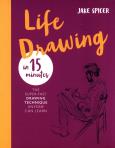
Good drawings aren't always the ones that you've spent a lot of time on; some of the best pieces are swift, energetic studies that capture the feel of the subject in a few well-placed lines. From understanding relationships and proportions and considering basic anatomy, to learning about mark-making and tonal values, Jake takes you through the process of drawing the most rewarding of subjects. With step-by-steps and techniques derived from his proven life-class methods, Jake gives you the skills to create beautiful life drawings quickly, successfully and, ultimately, in only 15 minutes.
Fashion Figure Templates - Volume 2 (Capture & Showcase) contains 64 sheets with templates (`croquis') of female fashion figures, printed in grey lines to make it easy to add your designs. The 180 g/m2 drawing paper allows the use of professional tools and colouring materials, such as graphite and coloured pencils, liquid ink, watercolour and alcohol- and water-based markers. The gatefolded backcover can be placed between the sheets and the sheets can be removed easily.
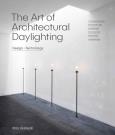
During the past decade there has been a tremendous growth in daylighting analysis methods, allowing designers to meet ever higher standards. But in relying too heavily on these methods, there is a risk of reducing daylighting design to a quantitative exercise, overlooking the qualitative, aesthetic, and experiential aspects of design. This book reveals how architects have bridged the poetic and practical potential of daylighting to create exquisitely illuminated spaces. In the book, 12 buildings are examined, using photographs, drawings, and plans. Each case study also includes technical analysis diagrams, specially created using specialist software. Featured architects include Renzo Piano, David Chipperfield, and Steven Holl. The Art of Architectural Daylighting will be invaluable for professionals and students alike.
Książka dr Joanny Posłusznej podejmuje temat męczeństwa, śmierci i pamięci o ofiarach z okresu II wojny światowej w sposób niezwykły:od strony muzyki.Takie ujęcie jest o tyle trudne, że muzyka stanowi z natury asymetryczną dziedzinę sztuki.Dla przekazania pozadźwiękowych znaczeń musi posługiwać się słowem lub obrazem.
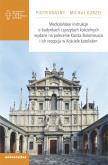
Instrukcje o budynkach i sprzętach kościelnych (1577), opracowane na zlecenie i pod nadzorem kardynała Karola Boromeusza (15381584) przez duchownych wspierających go w zarządzaniu archidiecezją mediolańską, są uważane za najważniejszy dokument, określający zasady kształtowania katolickiej sztuki sakralnej w okresie potrydenckim. Z zawartych w nich, jasno sformułowanych regulacji korzystano w niemal całym świecie, starając się jak najlepiej dostosować formy dzieł sztuki do wymogów liturgii i do przekazywania za ich pomocą prawd wiary. Instrukcje odegrały też kluczową rolę w sformułowaniu nowożytnej łacińskiej terminologii liturgiczno-artystycznej. Pierwszy pełny przekład Instrukcji na język polski został zaopatrzony w kompletny aparat naukowy, a także dopełniony obszernymi wprowadzeniami, wyjaśniającymi okoliczności powstania tego dzieła i problematykę jego autorstwa oraz określającymi jego miejsce w dorobku piśmiennictwa artystycznego XVI stulecia. Zalecenia zawarte w Instrukcjach skonfrontowano też z formami dzieł sztuki sakralnej zrealizowanymi pod nadzorem Boromeusza i drobniejszymi wypowiedziami na temat sztuki, sformułowanymi przez niego i w jego środowisku.
Ten produkt jest zapowiedzią. Realizacja Twojego zamówienia ulegnie przez to wydłużeniu do czasu premiery tej pozycji. Czy chcesz dodać ten produkt do koszyka?