W tej strefie zapraszamy czytelników tak zwane artystyczne dusze po książki z kategorii Sztuka. Polecamy szereg publikacji o sztuce i jej historii,ciekawostki i portfolia artystów, eseje, albumy, książki o malarstwie, rzeźbiarstwie, architekturze oraz histoii fotografii. Biografie ciekawych artystów, książki i powieści przedstawiające fascynujące losy malarzy i osób uwiecznianych na obrazach. W tym dziale tylko ksiązki ze sztuka w tle.
Oddajemy do rąk Czytelników kolejny tom serii „Studia z historii sztuki dawnej Instytutu Historii Sztuki Uniwersytetu Jagiellońskiego i Muzeum Narodowego w Krakowie” autorstwa Marka Walczaka. Do źródła jest zbiorem kilkunastu artykułów z dorobku naukowego Autora, zaktualizowanych o uzupełnioną lub rozwiniętą argumentację i – często – kolorowe fotografie. W siedmiu działach zostały przedstawione różne perspektywy metodologiczne czy metody badawcze, które Czytelnik może traktować jako drogowskazy do odczytywania sekretów dzieł sztuki, a także zastanawiać się wraz z Autorem nad relacją dzieła sztuki i historii.
W jednym tomie znalazły się obok siebie teksty o architekturze, rzeźbie, malarstwie, artefaktach. Wszystkie zostały bogato zilustrowane, dzięki czemu Czytelnik będzie mógł nie tylko wyobrażać sobie, o czym czyta, ale też zobaczyć omawiane dzieła.
In a climate that ranges from cold, dark and unforgiving to endless sun and crystalline skies, the homes of the Nordic countries are lifted by ever-changing and dramatic natural light balanced by an intrinsic sense of warmth. Nordic architects today are as much informed by vernacular traditions and natural materials as their forebears, but the most recent generation of practitioners reflects a new appetite for spatial exploration and changing lifestyles.
Divided into four chapters – rural cabins, coastal retreats, town houses and country homes – this survey of over forty of Scandinavia’s finest and most innovative houses features work by a broad spectrum of leading architects, such as Jon Danielsen Aarhus, Tham & Videgård, Snorre Stinessen, Reiulf Ramstad and Todd Saunders. Structured by terrain to reveal the full diversity of the landscape and its architectural challenges, the book is full of fresh thinking about living spaces that are at once universal and distinctively Nordic. From country houses complete with traditional Nordic fireplaces, saunas, window seats and verandas, to remote cabin hideaways and artist’s studios, there are details and grand ideas that can be applied to residential design anywhere. A reference section includes an appendix of architectural plans.
An intimate tour of quintessential Provencal style, featuring chic homes and interior details inspired by this picturesque region
Thirty years after Peter Mayle documented his farmhouse renovation in bestseller A Year in Provence, the French southeast continues to seduce interior design devotees. But the era of colorful rusticity and shabby chic has since been replaced by a far more nuanced approach in line with contemporary tastes and needs. Provence Style showcases this new direction, featuring Shauna Varvel’s eighteenth-century Rhône valley farmhouse—Le Mas des Poiriers—as an exemplar.
Named for the working pear orchard on the grounds, the property was reimagined by Varvel and noted local architect Alexandre Lafourcade, who transformed an outdated structure into a luxurious and contemporary expression of Provençal style. Alexandre’s mother, renowned landscaper Dominique Lafourcade, designed the extensive gardens.
With her exquisite home serving as an archetypal starting point, Varvel goes on to explore the architectural and interior elements that are part of the reinvented Provençal aesthetic. Featuring a selection of homes created by noted interior designers, Provence Style beautifully illustrates the textures, furnishings, fabrics, color pairings, motifs, and accents that define each area, from kitchens, living spaces, bedrooms, and bathrooms to garden terraces and courtyards.
First published in France in 1958, then in the United States in 1959, Robert Frank’s The Americans changed the course of twentieth-century photography. In eighty-three photographs, Frank looked beneath the surface of American life to reveal a people plagued by racism, ill-served by their politicians, and rendered numb by a rapidly expanding culture of consumption. Yet he also found novel areas of beauty in simple, overlooked corners of American life. And it was not just Frank’s subject matter—cars, jukeboxes, and even the road itself—that redefined the icons of America; it was also his seemingly intuitive, immediate, off-kilter style, as well as his method of brilliantly linking his photographs together thematically, conceptually, formally, and linguistically, that made The Americans so innovative. More of an ode or a poem than a literal document, the book is as powerful and provocative today as it was fifty-six years ago.
The best way to learn is by doing. The Photographer's Playbook features photography assignments, as well as ideas, stories and anecdotes from many of the world's most talented photographers and photography professionals. Whether you're looking for exercises to improve your craft—alone or in a group—or you're interested in learning more about the medium, this playful collection will inspire fresh ways of engaging with photographic process. Inside you will find advice for better shooting and editing, creative ways to start new projects, games and activities and insight into the practices of those responsible for our most iconic photographs—John Baldessari, Tina Barney, Philip-Lorca diCorcia, Jim Goldberg, Miranda July, Susan Meiselas, Stephen Shore, Alec Soth, Tim Walker and many more. The book also features a Polaroid alphabet by Mike Slack, which divides each chapter, and a handy subject guide. Edited by acclaimed photographers Jason Fulford and Gregory Halpern, the assignments and project ideas in this book are indispensable for teachers and students, and great fun for everyone fascinated by taking pictures.
Good homes are places where lives can unfold, families grow up, dogs jump on sofas, friends share your hospitality. They should also be places where you can find some solitude – a quiet corner to read a book, have a Saturday afternoon nap. In short, they need to be able to sustain you, inspire you and tell your story thanks to their architecture, use of materials and contents.
These are the attributes that Monocle has always celebrated when covering residences in its design and architecture pages – whether featuring a city bolthole, a modernist seaside residence or a summer outpost in a forest. Now Monocle is bringing this all together in one book that explores individual homes, housing projects old and new, communities of self-builders, even whole neighbourhoods where a simple philosophy of building well has created quality of life for many. Monocle has also recruited key thinkers, writers and designers to share their perspectives in a series of fascinating essays.
The Monocle Book of Homes is packed with great photography that delivers the bigger picture and also offers a focus on the smallest details. This is a book that could change how you live.
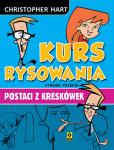
Ta księga jest gigantyczna, jest wielka, jest ogromna i co najważniejsze zdradza nie byle jaką tajemnicę: jak rysować zabawne, intrygujące, pełne życia postacie z kreskówek.To wyczerpujący poradnik, w którym Christopher Hart mistrz komiksu odsłania tajniki dobrego rysunku. Jasne wskazówki pomagają pewną ręką tworzyć różnorodne postacie: od postaci ludzi i zwierząt w stylu kreskówek retro po śmieszne roboty i fantastyczne stworzenia. W książce znajdują się także rozdziały poświęcone kostiumom postaci, szkicowaniu, kompozycji i rysowaniu tła. To idealny poradnik dla każdego, kto chce nadać swym pracom profesjonalny charakter i dowiedzieć się, jak tworzą zawodowcy.Dzięki jasnej narracji, pomocnym modelom i praktycznym wskazówkom poczujesz, jakbyś miał przy sobie eksperta i mentora.
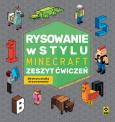
Wielu fanów Minecrafta chce się nauczyć rysować tak jak graficy ich ulubionej gry. Ten zeszyt ćwiczeń to 96 stron pokrytych specjalną dwukolorową siatką, na której możesz ćwiczyć rękę w szkicowaniu minecraftowych kształtów. Krótki wstęp podpowiada, jak się do tego zabrać. Przykładowe rysunki rozrysowano krok po kroku i pokazano, w jaki sposób łączyć ze sobą bloki uniwersum Minecrafta. Dzięki temu zrozumiesz zasady rządzące perspektywą, a wtedy nic cię nie powstrzyma przed tworzeniem własnych modeli Na niezliczone sposoby, tak samo jak w grze!
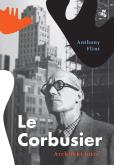
Papież modernizmu. Człowiek, który zmienił XX wiek. Wielkie wizje, wielkie kontrowersjeŻycie, inspiracje, kompleksy i kobiety papieża modernizmu. Anthony Fint unaocznia czytelnikowi rozwój myśli Corbusiera poprzez kolejne realizacje jego projektów: poczynając od pierwszego, wygrawerowanego w wieku 14 lat zegarka, poprzez pracę dla braci Perretów, kontrowersyjny, rewolucyjny projekt przebudowy centrum Paryża Plan Voisin aż po ucieleśnienie idei maszyny do mieszkania L'Unite d'Habitation, Jednostkę Mieszkaniową w Marsylii. Autor nie ucieka przy tym od kontrowersji wokół osoby architekta, dotyczących zarówno koncepcji społecznych i architektonicznych, jak i ciągot do faszyzmu i pozycji w rządzie Vichy w czasie wojny. Tak powstał wnikliwy portret psychologiczny geniusza, który nie skończył żadnej szkoły architektonicznej, a mimo to odcisnął swoje piętno na całej architekturze i urbanistyce XX wieku.Le Corbusier architekturą chciał zmieniać społeczeństwo i świat. Bez odniesienia do jego pięciu punktów nowoczesnej architektury w zasadzie nie istnieje żadna dyskusja o współczesnym budownictwie. Geniusz, wizjoner, bezwstydny oportunista. Biografia jednej z najbardziej niezwykłych postaci XX wieku.
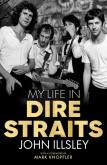
Dire Straits filled giant stadiums around the world and sold hundreds of millions of records. Throughout the eighties they were one of the biggest bands on the planet. Their classic songs - 'Sultans of Swing', 'Romeo and Juliet', 'Money for Nothing', 'Brothers In Arms' - formed the soundtrack of a generation and live on today: still racking up sales, still being played on the radio on every continent. In My Life in Dire Straits, John Illsley - founder member, bassist and mainstay - evokes the spirit of the times and tells the story of one of the great live acts of rock history. Starting with his own unlikely beginnings in Middle England, he recounts the band's rise from humble origins in London's spit-and-sawdust pubs to the best-known venues in the world, the working man's clubs to Madison Square Garden, gigging with wild punk bands to the Live Aid stage at Wembley. Until, ultimately, the shattering demands of touring on a global scale and living life in the spotlight took their inevitable toll. John's story is also a tribute to his great friend Mark Knopfler, the band's lead singer, songwriter and gifted guitarist - the only band members to stay the fifteen-year distance. Told with searching honesty, soulful reflection and wry humour, this is the first and only account of that incredible story.
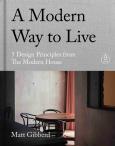
In 2005, childhood friends Matt Gibberd and Albert Hill set out to convince people of the power of good design and its ability to influence our wellbeing. They founded The Modern House - in equal parts an estate agency, a publisher and a lifestyle brand - and went on to inspire a generation to live more thoughtfully and beautifully at home.
As The Modern House grew, Matt and Albert came to realise that the most successful homes they encountered - from cleverly conceived studio flats to listed architectural masterpieces - had been designed with attention to the same timeless principles: Space, Light, Materials, Nature and Decoration.
In this lavishly illustrated book, Matt tells the stories of these remarkable living spaces and their equally remarkable owners, and demonstrates how the five principles can be applied to your own space in ways both large and small. Revolutionary in its simplicity, and full of elegance, humour and joy, this book will inspire you to find happiness in the place you call home.
XX + XXI. Galeria Sztuki Polskiej to nowo otwarta wystawa stała, będąca kontynuacją Galerii Sztuki Polskiej XX wieku. Prezentuje twórczość polskich artystów działających na przełomie XIX i XX wieku (secesja, Młoda Polska, ekspresjonizm), w okresie międzywojnia (ekspresjoniści, formiści, koloryści, twórcy awangardowi), w czasach powojennych do roku 1989 (socrealizm, taszyzm, malarstwo materii, surrealizm, ekspresjonizm abstrakcyjny, nowa figuracja, sztuka zaangażowana, abstrakcja geometryczna i konceptualizm), a także w ostatnim trzydziestoleciu. Po raz pierwszy w przestrzeni stałej galerii znalazły się grafika artystyczna oraz obiekty ze szkła.Towarzyszący wystawie album składa się z dwóch części. W pierwszej przedstawiono historię galerii sztuki współczesnej w Muzeum Narodowym w Krakowie, sięgającą początków tej instytucji (1879), omówiono też bliżej jej zbiory, w tym kolekcję malarstwa, rzeźby, prac graficznych, ceramicznych oraz szkła. W drugiej części zaprezentowano około 200 wybranych dzieł wielu z nich towarzyszą opisy pozwalające umiejscowić je w kontekście twórczości ich autorów, a także powiększenia ukazujące istotne szczegóły czy fakturę prac. Uzupełnieniem albumu jest spis obiektów, które można zobaczyć w nowo powstałej galerii.
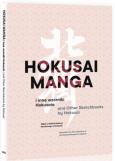
Po raz pierwszy prezentujemy na polskim rynku wydawniczym wybór ilustracji z oryginalnych dzieł autorstwa Katsushiki Hokusaia (17601849), które w czasach mistrza i późniejszych służyły jako wzorniki do nauki rysunku. Selekcja zawiera także przykłady deseni proponowanych jako motywy zdobnicze dla japońskich rzemieślników.Do dziś zachwyca pomysłowość, zmysł dekoracyjny, a także swoista ponadczasowość motywów, które walorami estetycznymi poruszają współczesnego odbiorcę.
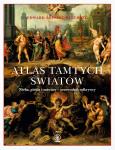
Nieba, piekła i zaświaty - przewodnik odkrywcy.Trzynaście rajów z mitologii azteckiej, Piekło Ognistego Kura japońskich buddystów, taoistyczny podziemny świat głodnych duchów to tylko parę przystanków w podróży po bajecznie rozmaitych mitach, wierzeniach i fantazjach związanych z życiem pozagrobowym, w jaką zabiera czytelnika niezawodny cicerone Edward Brooke-Hitching.Atlas tamtych światów, bedeker po zaświatach, to skarbnica zaskakujących faktów i legend na temat rajskich rozkoszy i piekielnych mąk, wzbogacona o wspaniały zbiór ilustracji od przykładów renesansowej piekielnej kartografii i niezwykle ozdobnych islamskich wyobrażeń raju po spirytystyczne wizje XIX-wiecznych mediów. Wszystko to układa się w fascynujące studium nieznającej granic ludzkiej wyobraźni, graficzną kronikę naszych nadziei i obaw związanych z tym, co po tamtej stronie życia.
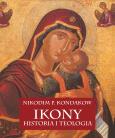
Fascynująca wyprawa w tajemniczy i mroczny świat bizantyjskich ikon: tam, gdzie sztuka spotyka się z teologią, a religia z polityką. Album przedstawia mistyczny świat malarstwa ikonowego okiem wybitnego bizantologa Nikodima P. Kondakowa. W swoim bogatym wywodzie autor szczegółowo opisuje technikę pisania ikon, genezę stylu bizantyjskiego malarstwa, jego uwarunkowania historyczne i polityczne. Z perspektywy czasu można ponadto zauważyć, jak pisane w pierwszych dekadach XX wieku opus magnum Kondakowa ujmuje ikony z punktu widzenia chylącego się ku upadkowi, choć wciąż marzącego o potędze Imperium Rosyjskiego.Bogato ilustrowana publikacja wprowadza w tajemnice bizantyjskiej sztuki pisania ikon. Kondakow przekrojowo i z wielkim znawstwem rekonstruuje, skąd wzięło się malarstwo ikonowe, jak związane zostało ze złożoną teologią ortodoksji oraz jaką funkcję pełniło w polityce Imperium Rosyjskiego. Przyglądając się dziedzinie artystycznej, odkrywa nie tylko ważne epizody historii sztuki, ale także historii religii i geopolityki.
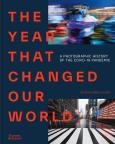
The Year That Changed Our World is a definitive, visual history of the Covid-19 Pandemic. With more than 450 photographs, this ambitious publication traces the arc of the Pandemic from early 2020 through to the vaccine breakthroughs of Spring 2021.
Here, the talented photographers of Agence France Presse document the deep, human stories of the Pandemic. Active in more than 150 countries, these capture all sides of the Covid-19 story as experienced by people throughout the globe. Organized into six chronological parts, and braided together with thematic breakout sections, including topics such as protests, sports, and politics, The Year That Changed Our World is a comprehensive time capsule. These images show the extraordinary efforts to understand, control, and cope with a previously unknown virus alongside the human stories of our lives at home: playing, caring, watching, and sharing, both together and at a distance.
Edited by Marielle Eudes, Director of Photography at Agence France Presse, and featuring, texts, quotes and insights from a range of contributors and public figures, The Year That Changed Our World is a photographic testament to humankind’s resilience in the face of the pandemic. The book’s arresting imagery provides a visual record for us and for future generations to better understand the world during the time of Covid-19.
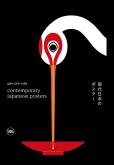
The best of Japanese graphic poster design, from the 1964 Tokyo Olympics to the Issey Miyake logo
This book brings together the best of Japanese graphic poster design--from the 1964 Tokyo Olympics to the creation of the Issey Miyake logo, and from the Osaka Expo to the official poster for the Pan-Pacific Design Congress. Japanese contemporary posters are considered to have started in the mid-'50s, after World War II and following a period of depression, post-militarism and post-autarchy. This new expressive mode was fueled by stimuli from abroad, but it was also a chance to reinterpret traditional themes and colors, bringing them into modernity in refreshing and fruitful ways. In the maze of expressive forms that flourished in Japan during the postwar period, graphic design stands out as a precious tool for following the thread of national creativity and the intense permanence of traditional aesthetic sensibility through these new forms.
Over half a century after the inception of graphics and with the coming Olympic Games taking place in 2021, this volume takes a wide view of the trends and aesthetic shifts that can be traced in the development of graphic design in Japan. Contemporary Japanese Posters includes 85 graphic designers and 756 posters. It is the most complete volume on the subject in any language.
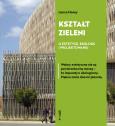
Tematem książki Kształt zieleni. O estetyce, ekologii i projektowaniu jest zrównoważona architektura i design w kontekście estetyki. Autor, amerykański architekt Lance Hosey (1964-2021), stawia czytelnikowi trudne pytania: czy wszechobecnie panująca brzydota jest nieunikniona, czy „zielone” projektowanie musi być nieatrakcyjne i czy piękno może uratować planetę. Autor argumentuje, że ludzka natura kieruje nasze zmysły i uwagę na kształt rzeczy. Piękno nas intryguje, zatrzymuje, działa na emocje. Dlatego ludzie przekonają się do ekologicznych produktów, budowli i rozwiązań tylko wtedy, jeśli będą miały atrakcyjną formę. Hosey, opierając się na badaniach i przytaczając własne obserwacje, udowadnia, że projektowanie można nazwać zrównoważonym dopiero wtedy, gdy uwzględnia ono piękno. Książka przedstawia jasny zestaw zasad, które mają wypełnić lukę między standardami „dobrego projektu” i „zielonego projektu”. Czy miasto może zmienić kształt świata? Czy samochód, krzesło, filiżanka albo łyżka może powołać do istnienia nowe nawyki? Czy budynki mogą nas zachęcić do utożsamienia się z miejscem wokół nas? Autor argumentuje, że nie tylko mogą, ale i powinny. Dlatego oszczędny energetycznie budynek musi być także przyjemny dla oka, a ekologiczny samochód - uwodzić kształtem. Ta książka otworzy oczy wszystkim tym, którzy rozczarowani są brzydotą farm fotowoltaicznych czy ekologicznych biurowców, pojazdów, ubrań czy urządzeń. Tematyka książki wpisuje się, w mocno obecne w debacie publicznej, rozważania dotyczące ekologii, zrównoważonego rozwoju i świadomego używania zasobów naturalnych. Pozwala z większą świadomością przyglądać się otaczającemu nas światu i zmusza do refleksji na temat projektowania, zarówno pod względem treści, jak i stylu. We wstępie do książki Dominika Janicka pisze o odnowionej, białej elewacji w geometryczne wzory na wieżowcu przy ul. Lelewela 7-9 w Gdyni. Książka Hoseya pozwala nam zrozumieć, dlaczego podoba nam się akurat ten budynek, a na inne bloki, położone dwie ulice dalej, nikt z nas nie zwróci już uwagi. Kształt zieleni. O estetyce, ekologii i projektowaniu jest dziesiątym tytułem w serii MIASTO SZCZĘŚLIWE.
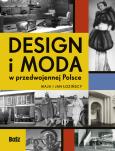
Album poświęcony historii polskiego designu zaprezentuje i opowie historię wzornictwa polskiego, poczynając od Wystawy Paryskiej w 1925 roku po czasy współczesne. Prezentować będzie najlepsze projekty mebli, ceramiki użytkowej, elementów wnętrz mieszkalnych, samochodów i motocykli, pociągów i tramwajów, urządzeń gospodarstwa domowego i elektroniki, które powstały w pracowniach naszych artystów-projektantów – przedstawimy także sylwetki tych najważniejszych. Całość wzbogaci ok. 250 czarno-białych i kolorowych ilustracji.
Ten produkt jest zapowiedzią. Realizacja Twojego zamówienia ulegnie przez to wydłużeniu do czasu premiery tej pozycji. Czy chcesz dodać ten produkt do koszyka?