W tej strefie zapraszamy czytelników tak zwane artystyczne dusze po książki z kategorii Sztuka. Polecamy szereg publikacji o sztuce i jej historii,ciekawostki i portfolia artystów, eseje, albumy, książki o malarstwie, rzeźbiarstwie, architekturze oraz histoii fotografii. Biografie ciekawych artystów, książki i powieści przedstawiające fascynujące losy malarzy i osób uwiecznianych na obrazach. W tym dziale tylko ksiązki ze sztuka w tle.
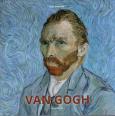
Vincent van Gogh (1853–1890) stands as one of the most influential figures in Western art history. Despite facing personal struggles and limited recognition during his lifetime, his innovative use of color, emotive brushwork, and bold compositions have left an indelible mark on the art world.
This volume offers a curated selection of Van Gogh's most significant works, providing insights into his artistic evolution and the cultural context of his time. Through detailed analyses and high-quality reproductions, readers are invited to explore the depth and passion of Van Gogh's vision.
An essential resource for art enthusiasts and scholars alike, this publication celebrates the legacy of an artist whose contributions continue to inspire and influence the world of art.
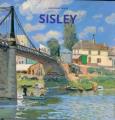
Alfred Sisley (1839–1899) was a British-born French Impressionist painter renowned for his serene and atmospheric landscapes. A founding member of the Impressionist movement, Sisley participated in its early exhibitions alongside Monet, Renoir, and Pissarro. His works are celebrated for their delicate treatment of light and color, often depicting the French countryside and river scenes.
bibliophilebooks.com
This volume presents a curated selection of Sisley's most significant works, providing insights into his artistic evolution and the cultural context of his time. Through detailed analyses and high-quality reproductions, readers are invited to explore the depth and subtlety of Sisley's vision.
An essential resource for art enthusiasts and scholars alike, this publication celebrates the legacy of an artist whose contributions continue to influence and inspire the world of art.
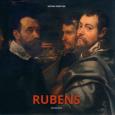
Peter Paul Rubens (1577–1640) was a Flemish painter renowned for his exuberant Baroque style that emphasized movement, color, and sensuality. His prolific output includes altarpieces, portraits, landscapes, and historical paintings, many of which are celebrated for their dynamic compositions and vibrant energy.
This volume offers a curated selection of Rubens's most significant works, providing insights into his artistic evolution and the cultural context of his time. Through detailed analyses and high-quality reproductions, readers are invited to explore the depth and innovation of Rubens's vision.
An essential resource for art enthusiasts and scholars alike, this publication celebrates the legacy of an artist whose contributions continue to influence and inspire the world of art.
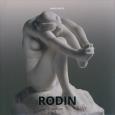
Auguste Rodin (1840–1917) revolutionized the art of sculpture with his emotionally charged and dynamically modeled forms. Rejecting the academic conventions of his time, Rodin introduced a new visual language that captured the complexity of human experience through texture, movement, and raw physicality.
This volume presents a thoughtfully selected collection of Rodin’s most iconic works, offering readers a window into his artistic development and the innovative techniques that defined his legacy. Rich reproductions and accessible commentary illuminate the sculptor’s process and his enduring impact on modern art.
An indispensable resource for students, collectors, and lovers of sculpture, this book celebrates the life and work of an artist who redefined the boundaries of form and expression.
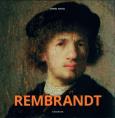
Rembrandt van Rijn (1606–1669) was one of the most influential artists of the Dutch Golden Age, renowned for his extraordinary ability to capture the human spirit with emotional depth and dramatic use of light and shadow. His work spans portraiture, biblical scenes, and everyday life, revealing a profound under
This expertly curated volume presents a selection of Rembrandt’s most important works, offering insight into his artistic evolution and the historical context in which he worked. Through high-quality reproductions and thoughtful commentary, readers are invited to engage with the richness and complexity of Rembrandt’s vision.
An essential resource for students, collectors, and anyone passionate about Baroque painting, this publication pays tribute to a master whose legacy continues to shape the world of art.
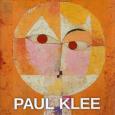
Paul Klee (1879–1940) was a Swiss-German artist known for his unique style that merges Expressionism, Cubism, and Surrealism. His art is celebrated for its imaginative use of color, abstract shapes, and symbolic meaning, reflecting his deep connection to music, literature, and philosophy.
This carefully curated volume presents a selection of Klee’s most influential works, offering insights into his innovative techniques and the profound ideas behind his creations. Through vivid reproductions and thoughtful analysis, readers are invited to experience the rich and complex world of Klee’s artistic vision.
An essential resource for art lovers, students, and collectors, this book honors the lasting impact of an artist whose work continues to inspire the modern art landscape.
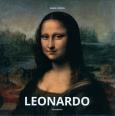
Leonardo da Vinci (1452–1519) remains one of the most extraordinary figures in the history of art. Fusing science, invention, and visual mastery, his work embodies the spirit of the Renaissance like no other. His innovative vision and technical brilliance set new standards in painting that would influence generations of artists.
This carefully assembled volume presents a selection of da Vinci’s most celebrated creations, highlighting the precision, curiosity, and imagination that define his legacy. Through insightful commentary and vivid reproductions, readers are invited to examine the subtle techniques and intellectual depth behind his enduring masterpieces.
Ideal for students, collectors, and admirers of Renaissance art, this book is a tribute to a visionary whose genius transcended disciplines and centuries.
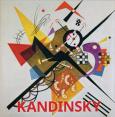
Wassily Kandinsky (1866–1944) was a pioneering figure in abstract art, known for his innovative use of color and form to convey emotion and spirituality. His works marked a significant departure from traditional representation, laying the groundwork for modernist movements in the 20th century.
This volume offers a curated selection of Kandinsky's most influential pieces, providing insights into his artistic evolution and the theoretical underpinnings of his work. Through detailed analyses and high-quality reproductions, readers are invited to explore the depth and complexity of Kandinsky's vision.
An essential resource for art enthusiasts and scholars alike, this publication celebrates the legacy of an artist whose contributions continue to inspire and shape the world of abstract art.
Johannes Vermeer (1632–1675) is celebrated for his serene and intimate depictions of 17th-century Dutch life. His paintings, characterized by their meticulous detail and masterful use of light, offer a window into the daily experiences of his time. Despite the limited number of works attributed to him, Vermeer's influence on the art world is profound and enduring.
This volume presents a curated selection of Vermeer's most renowned paintings, providing insights into his artistic techniques and the cultural context of the Dutch Golden Age. Through detailed analyses and high-quality reproductions, readers are invited to explore the depth and beauty of Vermeer's work.
An essential resource for art enthusiasts and scholars, this publication celebrates the legacy of an artist whose contributions continue to inspire and captivate audiences worldwide.
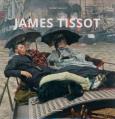
James Tissot (1836–1902) was a French painter and illustrator renowned for his meticulous attention to detail and his ability to capture the nuances of modern life. His works often depicted the fashionable society of his time, blending realism with a keen sense of observation.
This volume offers an in-depth exploration of Tissot's artistic journey, showcasing his evolution from academic training to his distinctive style that set him apart in the art world. Through a curated selection of his most significant works, readers are invited to delve into the themes and techniques that defined his career.
An essential resource for art enthusiasts and scholars alike, this publication celebrates the legacy of an artist whose contributions continue to influence and inspire the world of art.
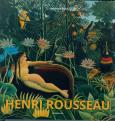
Henri Rousseau (1844–1910) was a self-taught French painter who became renowned for his unique style, characterized by vivid colors, bold compositions, and a childlike simplicity. His works, often depicting lush jungles and exotic landscapes, were celebrated for their imaginative quality and have since become iconic examples of naïve art.
This meticulously curated volume offers insights into Rousseau's artistic journey, exploring his techniques, themes, and the lasting influence of his work. Through a selection of his most iconic pieces, readers are invited to appreciate how Rousseau's distinctive perspective reshaped the artistic landscape of his time.
An essential resource for art enthusiasts and scholars alike, this publication celebrates the legacy of an artist whose contributions continue to inspire and influence the world of art.
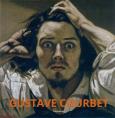
Gustave Courbet (1819–1877) was a French painter who led the Realism movement in 19th-century French painting. Courbet occupies an important place in 19th-century French painting as an innovator and as an artist willing to make bold social statements through his work.
This meticulously curated volume offers insights into Courbet's artistic journey, exploring his techniques, themes, and lasting influence on modern art. Through a selection of his most iconic works, readers are invited to appreciate how Courbet's distinctive perspective reshaped the artistic landscape of his time.
An essential resource for art enthusiasts and scholars alike, this publication celebrates the legacy of an artist whose contributions continue to inspire and influence the world of art.
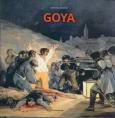
Francisco de Goya (1746–1828) stands as a pivotal figure in the transition from the Old Masters to modern art. His oeuvre spans from the refined elegance of court portraits to the haunting depictions of human suffering and superstition, capturing the tumultuous spirit of late 18th and early 19th-century Spain.
This volume offers a comprehensive overview of Goya's artistic journey, showcasing his evolution from a royal court painter to a profound critic of societal injustices. Through a curated selection of his works, readers are invited to delve into the complexities of his style and the depth of his social commentary.
An essential resource for art enthusiasts and scholars alike, this publication celebrates the legacy of an artist whose contributions continue to influence and inspire the world of art.
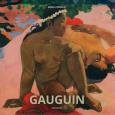
Paul Gauguin (1848–1903) was a pioneering figure in Post-Impressionist art, known for his bold use of color and symbolic content. His quest for a "lost paradise" led him from Brittany to the islands of the South Pacific, where he sought to capture the essence of a wild, untamed nature. As the leader of the Pont-Aven School, Gauguin's innovative approach to form and color had a profound influence on modern painting.
This volume offers an accessible yet insightful exploration of Gauguin's life and work, providing readers with a deeper understanding of his artistic journey and legacy.
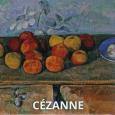
Embark on a journey through the transformative art of Paul Cézanne (1839–1906), a pivotal figure in the evolution of modern painting. Often hailed as the "father of modern art," Cézanne's innovative approach bridged the gap between Impressionism and the emerging Cubist movement.
This meticulously curated volume delves into Cézanne's artistic journey, offering insights into his life, creative process, and enduring influence. Through a selection of his most iconic works, readers are invited to explore how Cézanne's unique perspective reshaped the artistic landscape of his time.
An essential resource for art enthusiasts and scholars alike, this publication celebrates the legacy of an artist whose contributions continue to inspire and influence the world of art.
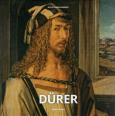
Explore the meticulous artistry of Albrecht Dürer (1471–1528), the German Renaissance maestro celebrated for his breathtaking engravings, woodcuts, and paintings. Dürer’s oeuvre embodies a remarkable fusion of scientific inquiry and humanistic thought, capturing the spirit of his era through unparalleled technical mastery and profound emotional resonance.
This comprehensive volume presents a carefully curated selection of Dürer’s most iconic works, enriched with scholarly analysis that illuminates his innovative techniques, recurring themes, and lasting impact on European art. Readers will uncover how Dürer revolutionized printmaking, advancing the spread of Renaissance ideals far beyond his native Nuremberg.
An indispensable resource for art historians, students, and enthusiasts alike, Dürer honors the legacy of a visionary artist whose influence continues to inspire centuries of creativity.
Dive into the world of Paul Cézanne (1839–1906), the French master who revolutionized painting, bridging the gap between Impressionism and Cubism. His works, marked by structural precision and sensual depth, laid the foundation for modern art.
This thoughtfully curated volume features Cézanne’s most significant paintings, including his iconic still lifes, landscapes of Mont Sainte-Victoire, and portraits. Each piece is accompanied by insightful commentary exploring his painting techniques, composition, and historical context. The book reveals how Cézanne fused geometric order with emotional intensity, charting new directions in art.
An essential resource for art history students, collectors, and painting enthusiasts alike, this publication celebrates the legacy of an artist whose influence continues to inspire generations and who remains a pivotal figure in classical modernism.
The story of how The Godfather was made is as dramatic, operatic, and entertaining as the film itself. Over the years, many versions of various aspects of the movie’s fiery creation have been told—sometimes conflicting, but always compelling. Mark Seal sifts through the evidence, has extensive new conversations with director Francis Ford Coppola and several heretofore silent sources, and complements them with colorful interviews with key players including actors Al Pacino, James Caan, Talia Shire, and others to write “the definitive look at the making of an American classic” (Library Journal, starred review).
On top of the usual complications of filmmaking, the creators of The Godfather had to contend with the real-life members of its subject matter: the Mob. During production of the movie, location permits were inexplicably revoked, author Mario Puzo got into a public brawl with an irate Frank Sinatra, producer Al Ruddy’s car was found riddled with bullets, men with “connections” vied to be in the cast, and some were given film roles.
Dive into the world of Banksy with this exclusive card deck. With the iconic works of the elusive artist, along with a booklet full of interpretations and background information, Banksy Wisdom reveals meanings behind the artist’s graffiti. It’s a journey through urban art like never before!
Like ancient Egyptian hieroglyphics, Banksy’s graffiti artwork communicates complex messages through iconic imagery. Banksy’s work invites those who come across it in the world to reflect—on current events, on one’s role in society—to observe reality with a critical eye, to ask questions about themselves and others. With that, this card deck and booklet offer 40 fun, relevant, and modern symbols with which readers can contemplate the messages and meanings of Banksy’s work. Each card will include one of the artist's most iconic works and an inspirational message. The companion booklet will contain a more in-depth description of the message and an art-historical contextualization of the work. Banksy Wisdom offers readers the opportunity to ask about the larger and more nuanced questions about life, and our place in it.
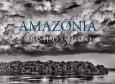
Sebastião Salgado traveled the Brazilian Amazon and photographed the unparalleled beauty of this extraordinary region for six years: the forest, the rivers, the mountains, the people who live there—an irreplaceable treasure of humanity. In the book’s foreword Salgado writes: “For me, it is the last frontier, a mysterious universe of its own, where the immense power of nature can be felt as nowhere else on earth. Here is a forest stretching to infinity that contains one-tenth of all living plant and animal species, the world’s largest single natural laboratory.” Salgado visited a dozen indigenous tribes that exist in small communities scattered across the largest tropical rainforest in the world.He documented the daily life of the Yanomami, the Asháninka, the Yawanawá, the Suruwahá, the Zo’é, the Kuikuro, the Waurá, the Kamayurá, the Korubo, the Marubo, the Awá, and the Macuxi—their warm family bonds, their hunting and fishing, the manner in which they prepare and share meals, their marvelous talent for painting their faces and bodies, the significance of their shamans, and their dances and rituals. Sebastião Salgado has dedicated this book to the indigenous peoples of Brazil’s Amazon region: “My wish, with all my heart, with all my energy, with all the passion I possess, is that in 50 years’ time this book will not resemble a record of a lost world. Amazônia must live on.” INSTITUTO TERRA Founded in 1998 at Aimorés in the state of Minas Gerais, Instituto Terra is the culmination of Lélia Wanick Salgado and Sebastião Salgado’s lifelong activism and work as cultural documentarians.Through a scientific program of planting and raising saplings, the organization has performed a miraculous reforestation of the once infertile region and furthered the Salgados’ mission of reversing the damage done to our planet. TASCHEN is proud to reach carbon zero status through our continued partnership. Also available in a Collector's Edition and four Art Editions, each with a signed silver gelatin print, all with a book stand designed by Renzo Piano.
Ten produkt jest zapowiedzią. Realizacja Twojego zamówienia ulegnie przez to wydłużeniu do czasu premiery tej pozycji. Czy chcesz dodać ten produkt do koszyka?