W tej strefie zapraszamy czytelników tak zwane artystyczne dusze po książki z kategorii Sztuka. Polecamy szereg publikacji o sztuce i jej historii,ciekawostki i portfolia artystów, eseje, albumy, książki o malarstwie, rzeźbiarstwie, architekturze oraz histoii fotografii. Biografie ciekawych artystów, książki i powieści przedstawiające fascynujące losy malarzy i osób uwiecznianych na obrazach. W tym dziale tylko ksiązki ze sztuka w tle.
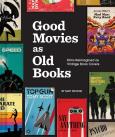
Imagine your favorite movies as vintage books! This clever collection features iconic films, cult classics, and box office hits brilliantly designed to look like original book covers—a delight for film fanatics and bibliophiles alike.
A good book cover is evocative, emotional, and revealing. It lures readers in and invites them to begin a journey with just a hint of the story that is about to unfold. They are true works of art.
Though many great movies are based on books, many more have a different creative beginning. Good Movies as Old Books features more than 200 beloved films reimagined as book covers, giving readers the distinct pleasure of seeing a favorite film transformed into cover art. Through masterful design, art, and typography, graphic designer Matt Stevens has created original vintage-style covers across film genres and eras of book design. From Braveheart to Parasite, Do the Right Thing to Top Gun, this page-turning assortment of box office hits, acclaimed indies, golden era gems, and cult classics will inspire you to discover new favorites or rethink the films you've seen a thousand times. A whole new way to celebrate the movies we love, this is the perfect gift for bibliophiles and cinephiles.
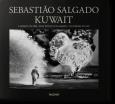
The first major publication of Salgado’s Kuwaiti oil wells series
“We must remember that in the brutality of battle another such apocalypse is always just around the corner.” —Sebastião Salgado
In January and February 1991, as the United States-led coalition drove Iraqi forces out of Kuwait, Saddam Hussein’s troops retaliated with an inferno. At some 700 oil wells and an unspecified number of oil-filled low-lying areas they ignited vast, raging fires, creating one of the worst environmental disasters in living memory.
As the desperate efforts to contain and extinguish the conflagration progressed, Sebastião Salgado traveled to Kuwait to witness the crisis firsthand. The conditions were excruciating. The heat was so vicious that Salgado’s smallest lens warped. A journalist and another photographer were killed when a slick ignited as they crossed it. Sticking close to the firefighters, and with characteristic sensitivity to both human and environmental impact, Salgado captured the terrifying scale of this “huge theater the size of the planet”: the ravaged landscape; the sweltering temperatures; the air choking on charred sand and soot; the blistered remains of camels; the sand still littered with cluster bombs; and the flames and smoke soaring to the skies, blocking out the sunlight, dwarfing the oil-coated firefighters.
Salgado’s epic pictures first appeared in the New York Times Magazine in June 1991 and were subsequently awarded the Oskar Barnack Award, recognizing outstanding images on the relationship between man and the environment. Kuwait: A Desert on Fire is the first monograph of this astonishing series. Like Genesis, Exodus, and The Children, it is as much a major document of modern history as an extraordinary body of photographic work.
Caravaggio’s Portrait of a Gentleman with a Ruff, which is a recent arrival in the Klesch Collection, has a short critical history. It also has a very limited history as regards the associated bibliography and media coverage, perhaps because the painting came to the fore prior to the social media explosion characteristic of recent years and, above all, at a time when today’s almost obsessive interest in Caravaggio was certainly not so developed. This interest has since expanded to incorporate all levels of communication, even the most widely popular. The Portrait first came to people’s attention in 1992 and despite the fact that the artist already exerted an appeal that few other painters could boast at the time, Caravaggio’s following was far removed from what it is today.
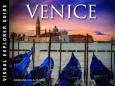
Discover every corner of Venice in this remarkable collection of spectacular colour photography that showcases Venice’s magical beauty and hidden gems, from the Piazzo San Marco to the island of Giudecca, the banks of the Grand Canal to the Arsenal district.
Venice is the ultimate showcase of the city’s bustling streets and canals. Every fascinating detail of the sprawling streets is revealed, from the splendor of its palaces, the beauty of its piazzettas, the romanticism of its bridges and canals, the delights of its gastronomy, the charm of its sestieri—the districts that make up the city of the Doges— and the wealth of its museums and its arts and crafts.
Presented in a pocket-sized landscape format and with captions explaining the story behind each photo, Venice is a stunning collection of images bringing to life the wonder of this historic European city.
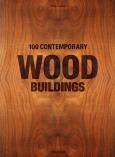
The wooden structures of the 21st century
Not so very long ago, some might have considered wood a material of the past, long since replaced by more modern components such as concrete and steel. The truth is radically different. Bolstered by new manufacturing techniques and ecological benefits, wood has seen a fabulous resurgence in contemporary construction.
This book explores how architects around the world have created and invented with this elementary material. Featuring follies, very large buildings, and ambitious urban renewal schemes, it celebrates the diverse deployment of wood by architects around the world. We see how wood can at once transform urban spaces, as in the Metropol Parasol in Seville by Jürgen Mayer H., and allow for sensitive interventions in natural environments, such as at the Termas Geométricas Hot Springs Complex in Pucón, Chile, by Germán del Sol.
True to all TASCHEN architecture titles, the book pays tribute to many emerging international talents as well as to such renowned figures as Tadao Ando and Renzo Piano. It celebrates each architect’s vision and innovation, as well as investigating the techniques, trends, and principles that have informed their work with wood. It examines the computer-guided milling that has allowed for novel new forms, the responsible harvesting that allows wood to align with our environmental concerns, and, above all, wood’s enduring appeal to our senses and psyche, comforting hectic modern lives with a sense of Arcadian simplicity.
Independent photojournalism and documentary photography are indispensable tools of political education for a democratic society and an essential part of shaping public opinion—especially in our so-called 'post-factual' times. In recognition of this, the independent non-profit organization World Press Photo Foundation, based in Amsterdam, has been presenting the World Press Photo Award for the best photo, the best story, the best longterm project of the year for more than six decades. The winning images in the various categories tell bold stories and provide invaluable insights into the state of our world. The award-winning photos will be announced at the same time as the book launch and presented in a traveling exhibition. So it is and remains extremely exciting to see which works will be selected from thousands of submissions—and of course which photo will be the actual cover illustration! Furthermore, 2025 marks the 70th anniversary of the foundation. This will be celebrated in the book by presenting many well-know historical winning photos.
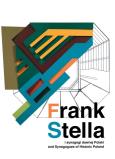
Polskie drewniane synagogi oraz amerykańska sztuka współczesna – wydawałoby się, że trudno o dwa bardziej odległe światy. Jednak to właśnie architektura nieistniejących już bóżnic z terenów dawnej Rzeczpospolitej zainspirowała abstrakcjonistę Franka Stellę do stworzenia słynnej serii reliefów „Polskie miasteczka”.
Publikacja "Frank Stella i synagogi dawnej Polski" pokazuje, jak do tego doszło. We wznowionej publikacji towarzyszącej wystawie z 2016 roku znajdują się m.in.: wywiad z architektką i badaczką drewnianych synagog Marią Piechotkową, artykuły ekspertów, w tym słynnego historyka sztuki współczesnej prof. Andrzeja Turowskiego oraz kuratora wystawy dr Artura Tanikowskiego. Znajdziemy tu również reprodukcje prac Franka Stelli, a także zdjęcia i rysunki przedwojennych drewnianych synagog.
The rollicking autobiography of the iconic guitarist who took thrash metal behemoths Megadeth from the edge of collapse to their highest peak before departing to Japan for the joy of J-Pop.
“The story of how he got where he is is fascinating. The Megadeth years have been well documented, but there’s so much more to Marty Friedman’s story and it’s well worth reading about in Dreaming Japanese.” —Decibel Magazine
Marty Friedman’s upbringing was as atypical as his career. Growing up in a Jewish household in Maryland, the son of an NSA executive, he lacked motivation until he accidentally discovered the guitar and immediately found his calling. Enjoying a hazy adolescence overflowing with partying, music, and teen antics, he achieved local stardom in Deuce, then burst onto the national scene by pioneering a radically new style of playing, bringing attention to the guitar aficionado label, Shrapnel Records. Acclaim didn’t breed success or money, but undeterred, Friedman moved to California, and after attempts to join Madonna, KISS, and Ozzy Osbourne, finally scored a gig in Megadeth at a time when the band members were just recovering from the verge of self-destruction, and Marty was in and out of homelessness.
Friedman is the most revered guitarist to play in any Megadeth lineup. During his ten years, his exotic, innovating style helped define the sound of their biggest albums, and while it elevated him to guitar hero status with all the accompanying perks, it came at a significant cost. As the only clean and sober member, Friedman vividly recalls the triumphs and trials of each album cycle and more, bringing to light previously undisclosed personal feelings surrounding the circumstances that forced the band into hiding in the midst of the Countdown to Extinction Tour and the brutal effort it took to get the band back up and running. His profound and complicated relationship with frontman Dave Mustaine was symbolic of the band’s insane dynamic, and Marty poignantly and generously shares his experiences within the band’s inner sanctum during the highs, lows, and daily routines.
But Dreaming Japanese is far more than a memoir about Friedman’s multi-Platinum years in Megadeth. The riveting narrative captures his relentless perseverance as he struggles to start again from nothing. Spontaneously leaving his home in the US and feeling lost in the middle of Tokyo, with few connections or concrete plans, the story traces his journey to acclimate and assimilate into the inner core of an alien society, language and culture, almost like a double agent spy. In fascinating detail and clarity, Marty shares how he gradually made inroads into the Japanese entertainment industry, becoming a household name and fixture on mainstream television and earning respect as a highly influential solo artist. Dreaming Japanese follows the wildly entertaining, inspiring, and above all, unprecedented path of a rock and roll guitar player who took the biggest risk, leaving worldwide success to start over from scratch in a country, culture and society far from his own, ultimately becoming an official ambassador of Japan.
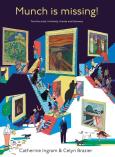
Munch’s Missing: This playful book invites the reader to spot Edvard Munch hidden in 12 hide-and-seek illustrations, which are inspired by the artist’s life and art.
Munch’s Missing! Find the artist hidden in 12 vibrant illustrated scenes which are inspired by the artist’s life, and the themes in his art. Spot him on the hill where he famously heard that resounding scream; find him hidden on stage amongst actors performing an Ibsen play, and search him out in the forest near his home in Ekely. Every scene is jammed with artists and creatives who have been influenced by Munch.
While the magical illustrations by Celyn Brazier offer a playful introduction to the artist, they are a unique piece of art in themselves. Accompanying text opens up the stories behind the illustrations, and explores further Munch’s life and art, and the influence he had.
This raucous art journey celebrates the startling relevance of Munch who brought us the selfie and liberated us to scream out!
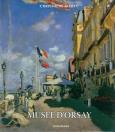
Discover the treasures of the Musée d'Orsay in this richly illustrated volume. Housed in a former railway station, the museum boasts an exceptional collection of 19th- and early 20th-century art, featuring masterpieces by artists such as Monet, Degas, Van Gogh, and Rodin. The book delves into the museum's history, its architectural transformation, and the cultural significance of its holdings, providing readers with a comprehensive understanding of this iconic institution.
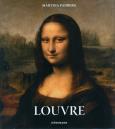
Step into the heart of the world's most renowned museum with this extensively illustrated volume, offering an in-depth exploration of the Louvre's vast collection. Spanning from the 13th century to the early 19th century, the book showcases over 400 masterpieces, including iconic works by Leonardo da Vinci, Eugène Delacroix, and Jacques-Louis David. Each piece is accompanied by detailed descriptions and contextual insights, providing readers with a comprehensive understanding of the museum's artistic heritage. Whether you're an art enthusiast or a first-time visitor, this book serves as an invaluable guide to the treasures housed within the Louvre's walls.
In the 1860s, a revolutionary style of painting emerged in Paris that fundamentally challenged the artistic conventions of the time. Impressionist artists such as Monet, Renoir, and Degas shifted their focus to capturing fleeting moments, emphasizing the effects of light, atmosphere, and modern life. Their works depicted scenes of everyday life, landscapes, and urban settings, often painted en plein air to convey immediacy and spontaneity. This movement not only transformed the art world but also paved the way for future developments in modern art.
This beautifully illustrated volume offers an in-depth exploration of French painting from the mid-19th century to the early 20th century. Featuring several hundred of works, the book delves into the most significant movements and groups in French art during this period, including naturalism, realism, impressionism, postimpressionism, symbolism, and the Nabis. It showcases masterpieces by renowned artists such as Corot, Monet, Degas, Gauguin, Toulouse-Lautrec, Cézanne, Bonnard, and many others. Through detailed analyses and abundant visual examples, this work provides a comprehensive look at how these movements reflected and influenced French society and culture during a time of profound transformation.
This comprehensive volume offers an in-depth exploration of American painting from the 19th century to the early 20th century. It traces the evolution of artistic movements such as the Hudson River School, Realism, Impressionism, and the Ashcan School, providing insights into their development and impact. Through detailed analyses and rich illustrations, the book examines how these movements reflected and influenced American society and culture during this transformative period. An essential resource for art enthusiasts and scholars, this work sheds light on the diverse and dynamic landscape of American art history.
This engaging volume delves into the essence of vintage industrial design, showcasing how repurposed factory spaces and reclaimed materials have transformed into stylish, functional interiors. Featuring expansive layouts, high ceilings, and distinctive architectural elements, the book offers a visual journey through spaces that blend raw industrial charm with contemporary aesthetics. It explores the evolution of industrial furniture design, tracing its origins from utilitarian factory pieces to sought-after design elements in modern interiors. Ideal for design enthusiasts and professionals, this book provides inspiration and insight into creating spaces that celebrate the beauty of industrial heritage.
This richly illustrated volume explores the development of Art Nouveau in three dynamic cities—Glasgow, Amsterdam, and New York—during the late 19th and early 20th centuries. It highlights how this international artistic movement, characterized by organic lines, floral motifs, and innovative use of materials like iron, glass, and concrete, took on unique forms in each city. The book examines the distinctive architectural and decorative styles that emerged, reflecting local culture and creativity. Through detailed analysis and abundant visual examples, this work offers a comprehensive look at how Art Nouveau bridged tradition and modernity in these influential urban centers.
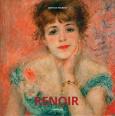
Discover the world of Pierre-Auguste Renoir, one of the most beloved Impressionist painters of all time. This beautifully illustrated book takes you on a journey through Renoir’s vibrant and emotive works, capturing the essence of light, color, and everyday life in 19th-century France. From lively portraits to serene landscapes, explore how Renoir’s unique style evolved and influenced the art world. Perfect for art lovers and anyone fascinated by Impressionism, this volume offers deep insights and stunning visuals celebrating Renoir’s enduring legacy.
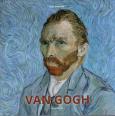
Vincent van Gogh (1853–1890) stands as one of the most influential figures in Western art history. Despite facing personal struggles and limited recognition during his lifetime, his innovative use of color, emotive brushwork, and bold compositions have left an indelible mark on the art world.
This volume offers a curated selection of Van Gogh's most significant works, providing insights into his artistic evolution and the cultural context of his time. Through detailed analyses and high-quality reproductions, readers are invited to explore the depth and passion of Van Gogh's vision.
An essential resource for art enthusiasts and scholars alike, this publication celebrates the legacy of an artist whose contributions continue to inspire and influence the world of art.
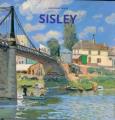
Alfred Sisley (1839–1899) was a British-born French Impressionist painter renowned for his serene and atmospheric landscapes. A founding member of the Impressionist movement, Sisley participated in its early exhibitions alongside Monet, Renoir, and Pissarro. His works are celebrated for their delicate treatment of light and color, often depicting the French countryside and river scenes.
bibliophilebooks.com
This volume presents a curated selection of Sisley's most significant works, providing insights into his artistic evolution and the cultural context of his time. Through detailed analyses and high-quality reproductions, readers are invited to explore the depth and subtlety of Sisley's vision.
An essential resource for art enthusiasts and scholars alike, this publication celebrates the legacy of an artist whose contributions continue to influence and inspire the world of art.
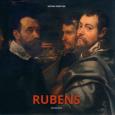
Peter Paul Rubens (1577–1640) was a Flemish painter renowned for his exuberant Baroque style that emphasized movement, color, and sensuality. His prolific output includes altarpieces, portraits, landscapes, and historical paintings, many of which are celebrated for their dynamic compositions and vibrant energy.
This volume offers a curated selection of Rubens's most significant works, providing insights into his artistic evolution and the cultural context of his time. Through detailed analyses and high-quality reproductions, readers are invited to explore the depth and innovation of Rubens's vision.
An essential resource for art enthusiasts and scholars alike, this publication celebrates the legacy of an artist whose contributions continue to influence and inspire the world of art.
Ten produkt jest zapowiedzią. Realizacja Twojego zamówienia ulegnie przez to wydłużeniu do czasu premiery tej pozycji. Czy chcesz dodać ten produkt do koszyka?