Autorka podjęła eksplorację ważnych praktycznie obszarów badań, rzadko w prezentowanej perspektywie podejmowanych przez pedagogów rodziny. Udowodniła, że od jakości rodziny, jej świadomości wychowawczej, kulturowej i materialnej zależą losy dziecka, jego pozycja społeczna, osiągnięcia edukacyjne, socjalizacja, wartości estetyczne i duchowe.
Opracowanie powinno służyć teorii oraz praktyce pedagogiki rodziny, dostosowaniu działań specjalistycznych, podejmowanych wobec rodziców i dzieci wychowywanych w rodzinie, z uwzględnieniem specyfiki ich rozwoju oraz psychospołecznego funkcjonowania.
Z recenzji dr hab. Anny Fidelus, prof. UKSW
Obraz rodzicielstwa zbudowany w świadomości rodziców, którego próbę ujęcia podjęła Anna Błasiak, jest niezwykle interesujący i pouczający. Wieloletnia niewątpliwie refleksja nad rodziną pozwoliła autorce przebadać te obszary funkcjonowania rodziców, które wymykają się modom i stereotypom. Próba zanurzenia w codzienność, w rozstrzygane każdego dnia dylematy, to próba określenia tego, na czym polega macierzyństwo/ojcostwo budowane na fundamencie troski o człowieka, który dopiero wkroczył w życie znaczone przez współczesny kontekst społeczno-kulturowy, określany jako ponowoczesność. Można jedynie żywić nadzieję, że po tę pracę będą sięgać zarówno teoretycy wychowania i pedagodzy praktycy, chcący poznać wewnętrzny świat rodziny, jak i - być może – sami rodzice, którzy w świecie wielu idei i propozycji mierzą się z wyzwaniem konstruowania własnego rodzicielstwa.
Z recenzji dra hab. Jarosława Horowskiego
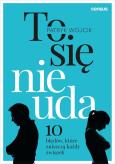
A potem żyli długo i szczęśliwie?
Na początku jest wspaniale. Zakochujecie się w sobie, trzymacie się za ręce, patrzycie sobie w oczy, zachwycacie się każdym słowem i gestem drugiej osoby... Chwilo, trwaj! Lecz ona mija. Flirt staje się romansem, romans - związkiem, a w związku bardzo szybko coś zaczyna trzeszczeć. Coś się między Wami zmienia. Nie szukacie już nieustannie wzajemnych spojrzeń. Nie czekacie z biciem serca na kolejny wspólny wieczór. Nie wsłuchujecie się z uwagą w to, co partner ma do powiedzenia. Na scenę cudownej miłosnej baśni wkracza z buciorami rutyna dnia codziennego, z jej nudą, monotonią i niekończącą się listą obowiązków.
Patrzycie na siebie z rosnącym niedowierzaniem i myślicie: Czy to jeszcze w ogóle ma sens?
Oczywiście, że ma. O ile wciąż się kochacie, chcecie być razem i jesteście gotowi na to, by pracować nad Waszą relacją - po stokroć ma! Związki są jak ludzie: nieustannie się zmieniają. Ci, którzy to rozumieją i akceptują, mają szansę "żyć długo i szczęśliwie". Wspólnie. Oto 10 podstawowych błędów, które są w stanie zniszczyć każdy związek - dzięki tej książce poznasz je dogłębnie i zrozumiesz ich destrukcyjną moc. Po co Ci ta negatywna wiedza? To ostrzeżenia, a zarazem wskazówki - jakich zachowań, gestów, słów i sytuacji należy się wystrzegać w pracy nad udanym związkiem.
O autorze
Patryk Wójcik — psycholog i szczęśliwy mąż. Twórca bloga Architektura Sukcesu (architekturasukcesu.pl), na którym porusza tematy związane z psychologią, budowaniem szczęśliwych związków i poprawą jakości życia. Wspólnie z żoną prowadzi bloga dla kobiet Szpilki przy kasie (szpilkiprzykasie.pl). Wierzy w budowanie szczęśliwego życia opartego na solidnych fundamentach, takich jak miłość, przyjaźń, uczciwość i ciekawość świata. Uważa, że każdy człowiek może się zmienić, jeśli wie, jak to zrobić, i nie brakuje mu motywacji do ciężkiej i systematycznej pracy.
Przeprowadzone badania umożliwiły na podstawie danych dotyczących świata rzeczywistego i świata cyfrowego skonstruowanie nie tylko wniosków, ale również pewnych pytań i hipotez roboczych. Czy są one ważne? Zdaniem Ryszarda Łukasiewicza tak, ponieważ [...] wokół pytań gromadzą się pokłady ciekawości i motywacji. Taka ciekawość jest jednym ze źródeł życia, jest wodą na młyn wyobraźni; wydeptuje ścieżki samodzielności, przygody, podróży, animuje pasje, zdolności, zainteresowanie, zadawanie kolejnych pytań, budzi emocje, odwagę poznania, próbowania, konfrontowania, budzi upór i wolę odkrywania, tworzenia, zdobywania, przekraczania, a nade wszystko kreuje perspektywę przymierza z rzeczywistością potencjalną – z marzeniami, gdy sięgamy i gwiazd.
W ten sposób starałem się również pokazać opisane w pracy światy, ich subtelności, mikrofakty, kontekst edukacyjny użytkowania mediów online i offline, oraz zarysowałem pewien obraz osiąganych przez uczniów korzyści w związku z ich funkcjonowaniem w tych światach. [...]
Czym jest niepełnosprawność? Jak jest rozumiana i postrzegana? Jakie znaczenia ją definiują i jakie wartości są z nimi związane? Co oznacza bycie niepełnosprawnym? Kto może zabierać głos na temat niepełnosprawności, kiedy i w jakim kontekście? Kto/co decyduje o tym, jakie treści/znaczenia/definicje stanowią odpowiedzi na te pytania? Kto/co decyduje o tym, jaka wiedza na temat niepełnosprawności jest prawomocna i jakie praktyczne działania oraz społecznie dostępne wzory funkcjonowania są realizowane? Co możemy powiedzieć o niepełnosprawności, próbując szukać odpowiedzi na tak postawione pytania, które pobudzają do przemyślenia i prze-pisania na nowo porządku społecznego, a także uczestnictwa w życiu społecznym i kulturze osób postrzeganych jako niepełnosprawne?
Książka składa się z trzech części. W pierwszej, zatytułowanej Wytyczanie terytorium i obejmującej dwa rozdziały, dokonuję niezbędnego wprowadzenia w zasadniczą problematykę przedmiotu badań przedstawionych w pracy. W rozdziale pierwszym szkicuję niezbędny dla zrozumienia całości szerszy kontekst epistemologiczno-ontologiczny i metodologiczny, ugruntowany w studiach kulturowych. W rozdziale drugim natomiast przedstawiam zarys analizy teoretycznej dokonywanej w perspektywie epistemologicznej „myśli nieosiadłej” G. Deleuze’a i F. Guattariego oraz krytycznie ukierunkowanych studiów kulturowych. W przestrzeni wyznaczanej przez przecięcie się tych dwóch obszarów osadzam ujmowane interdyscyplinarnie badania nad niepełnosprawnością/ o niepełnosprawności.
Druga część książki, Deterytorializacje, obejmuje jeden rozdział, który zawiera kluczową analizę współczesnych teorii niepełnosprawności prezentowanych w różnych ujęciach. Dokonywano jej za pomocą teoretycznych narzędzi w postaci pojęć wywiedzionych z teorii dyskursu E. Laclaua i Ch. Mouffe. W jej rezultacie wyłonione zostały społeczne ontologie niepełnosprawności, które nazwałam ontologią braku, ontologią opresji (występującą w łączności z ontologią zwyczajnego życia) oraz ontologią oporu.
W części trzeciej, Zamieszkiwanie, obejmującej dwa ostatnie rozdziały książki, powracam do pojęcia społecznego imaginarium i możliwości jego transformacji w kontekście rozważań nad kategorią emancypacji, której przygodność zakreśla płynne granice społecznego bytowania osób z (nie)pełnosprawnością. W ostatnim rozdziale przedstawiam wywiedzione z filozofii G. Deleuze’a i F. Guattariego oraz posthumanistycznych nurtów tzw. nowego materializmu (D. Haraway i K. Barad) założenia kształtujące perspektywę myślenia i mówienia o niepełnosprawności oraz działania w relacji z nią, które nazwać można performatywną ontoepistemologią (nie)pełnosprawności, pojmowanej jako materialno-dyskursywny asamblaż. Ujęcie to dopełnia, choć nie w sensie poznawczego zamknięcia, prezentowany w Zakończeniu projekt polityczno-etyczny nomadycznego procesu stawania-się podmiotem w ciągłych relacjach z innymi (etyka afirmacji R. Braidotti).
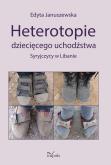
[Jest] to interesujące poznawczo studium społeczno-kulturowe poświęcone losom syryjskich uchodźców. Materiał empiryczny do publikacji Autorka zbierała w 2017 roku w Libanie [...]. Uczyła języka angielskiego w mieście Zahle w szkołach dla uchodźców z Syrii. Na podstawie materiałów zbieranych metodycznie w trakcie pobytu, głównie wywiadów jakościowych, powstało studium terenowe o dużym potencjale informacyjnym, poglądowym i wizualnym (oprócz tekstu kanałem przekazu informacyjnego są fotografie). Rozdziały wprowadzające [...] świadczą o znakomitym przygotowaniu teoretycznym Autorki, dużej erudycji, w szczególności o jej wiedzy z zakresu problematyki uchodźczej. Wszak to nie jest jej pierwsza praca poświęcona tym zagadnieniom [...].
Z recenzji dr hab. Danuty Lalak
Makromarketing jest obszarem nauki o marketingu, który bardziej niż marketingiem jako funkcją zarządzania i narzędziem menedżera jest zainteresowany społeczną i środowiskową rolą marketingu. Traktuje on marketing jako proces społeczny, główny akcent zainteresowania kładąc na oddziaływanie marketingu na społeczeństwo oraz społeczeństwa na marketing. Książka jest jednym z nielicznych i pierwszym na polskim rynku wydawniczym opracowaniem z zakresu teorii marketingu oraz historii myśli marketingowej poświęconym makromarketingowi. Jej głównym celem jest przedstawienie istoty, historii, przedmiotu i zakresu makromarketingu jako części nauki o marketingu oraz ukazanie roli, jaką spełnia on w jej rozwoju, a także szans, jakie w związku z rozwojem problematyki makromarketingowej stają przed nauką o marketingu.
Każdy dzień w pracy przynosi kolejne fale stresu i frustracji. Świat szaleje: efekt cieplarniany, terroryści i pospolite bandziory, dopalacze, ekscesy polityków wybranych w demokratycznych wyborach, tanie sensacje z życia celebrytów - coraz trudniej to wszystko znieść. Szczęśliwie ludzie Północy znaleźli antidotum na wszelkie nieszczęścia. W Szwecji i Norwegii filozofia ta konkretyzuje się pod hasłem lagom, co oznacza umiar. Ma być demokratycznie, bezpiecznie, ekologicznie. Z kolei Dania postawiła na hygge: zanurzanie się w nastroju, unikanie pośpiechu i cieszenie chwilą w stylowym otoczeniu. Co jednak ma zrobić ktoś, kto potrzebuje antidotum na stres, ale nie odpowiada mu nudne i mdłe lagom ani nienaturalne i nieżyciowe hygge?
W tej książce znajdziesz odpowiedź na to ważne pytanie. Otóż twardzi fińscy faceci już dawno rozwiązali ten stary jak świat dylemat. Mowa o kalsarikanni, czyli piciu w gaciach. Tę filozofię można łatwo zaadaptować - w każdych warunkach, bez względu na sytuację, nastrój i otoczenie. Kalsarikanni nie wymaga kosztownych przygotowań. Prędko przynosi rezultaty i jest odpowiednie dla wszystkich pełnoletnich. Daje ukojenie i pozwala szybko zregenerować siły. Nie jest pozerstwem, grą czy udawaniem. Dzięki tej książce dowiesz się, jak wykorzystać kalsarikanni, by zaspokoić własne potrzeby, zgłębisz barwną historię picia w gaciach, zrozumiesz etymologię nazwy tej zacnej sztuki i zapoznasz się z bogatymi doświadczeniami Finów w jej różnorakim interpretowaniu.
Dowiedz się, jak skutecznie wdrożyć fiński styl dobrego życia:
warunki perfekcyjnego kalsarikanni
przygotowanie piwa, wnętrza i odpowiedniego stroju
połączenie picia w gaciach z muzyką lub filmem
przystawki, dania główne i desery a picie w gaciach
kiedy nie warto celebrować kalsarikanni
Kalsarikanni - prawdziwy fiński reset!
O autorze
Miska Rantanen jest fińskim dziennikarzem i autorem kilku książek. Pracuje dla największej fińskiej gazety „Helsingin Sanomat”, wcześniej współpracował między innymi z Nurmijärvi Sanoma i „Ylioppilaslehti”. Specjalizuje się w takich tematach jak kultura, polityka i media cyfrowe.
Od kary chłosty do karnego jeżyka - czyli długa historia przysłowiowego klapsa
"Historia dzieciństwa jest koszmarem, z którego jako ludzkość dopiero zaczynamy się budzić", uważa amerykański badacz Lloyd deMause - i ma rację. Rzeczywiście, dzieje dzieciństwa przypominają długi, ciągnący się przez stulecia i doświadczany nadal przez najmłodszych na całym świecie zły sen. W przeszłości dzieci dorastały w atmosferze strachu czy wręcz terroru, ich życie przepełnione było nie miłością i szczęśliwością, lecz osamotnieniem, przemocą i najróżniejszymi formami krzywdzenia. Od pierwszych chwil na świecie. Dziś dzieciństwo kojarzy nam się z beztroską i poczuciem bezpieczeństwa, a opiekę i ochronę rodzicielską uważamy za coś oczywistego i naturalnego - mimo to wciąż sporo ludzi akceptuje i stosuje kary cielesne.
Chciałabym napisać, że przeczytałam tę książkę z prawdziwą przyjemnością, ale nie pozwala na to jej tematyka. Napiszę więc inaczej: przeczytałam ją z zainteresowaniem i ze świadomością, że tak było (wynikającą z mojego zainteresowania problematyką dziecka i dzieciństwa w dawnych czasach), ale także z niedowierzaniem, że, co gorsze, tak jest! A jeszcze gorsze - że nadal są dorośli, którzy uzasadniają stosowanie przemocy wobec dzieci, twierdząc, jak przytoczony przez Annę Golus profesor filozofii polityki Zbigniew Stawrowski, że klaps "jest czynem o wysokiej wartości wychowawczej i dlatego zasługuje na pochwałę"!
prof. zw. dr hab. Dorota Żołądź-Strzelczyk, Uniwersytet im. Adama Mickiewicza w Poznaniu
O autorze
Anna Golus - publicystka i autorka kilku e-booków oraz licznych artykułów dotyczących głównie praw dziecka i przemocy wobec dzieci. Publikowała między innymi w „Tygodniku Powszechnym”, „Ale Historii”, Niebieskiej Linii, Dziecku, Przekroju, Znaku, Blizie, Gdańskich Zeszytach Kulturoznawczych, Kulturze Popularnej i Studiach Edukacyjnych oraz w kilku serwisach internetowych. Inicjatorka kampanii Kocham. Nie daję klapsów i akcji Książki nie do bicia. W 2018 roku nominowana do nagrody MediaTory w kategorii reformaTOR.
Wciąż nie dość dobra?
Kobiety. Jesteśmy prawie jak anioły. Z uśmiechem na twarzy podejmujemy najcięższe zawodowe wyzwania i realizujemy je bez mrugnięcia okiem. Opiekujemy się wszystkimi dookoła i szczerze się cieszymy, gdy nasza troska przynosi pozytywne efekty. Jesteśmy miłe, cierpliwe, jak ognia unikamy kłótni i konfliktów. Stajemy na głowie, by nas doceniono. A gdy to wreszcie nastąpi - dostrzeżemy podziw w czyichś oczach, usłyszymy szczery komplement, awansujemy albo otrzymamy podwyżkę - czujemy się jak oszustki. To nie moja zasługa, każdy na moim miejscu zrobiłby to samo, realizowałam tylko powierzone mi obowiązki...
Kobieto! Otrząśnij się! To nie tak!
Twoje sukcesy nie są ani kwestią przypadku, ani efektem działania czynników zewnętrznych, ani niczego innego, co jest poza Tobą. To nie inni, to Ty jesteś wartościowa, inteligentna, wykształcona, mądra i skuteczna. To nie w innych, a w sobie powinnaś szukać przyczynków do spełnienia i życiowej satysfakcji. To wewnątrz Ciebie bije źródło samoakceptacji. A że ktoś czasem spojrzy krzywo? Że ktoś Cię nie doceni? Machnij na to ręką. Nie jesteś batonikiem czekoladowym i nie musisz smakować wszystkim. Ważne, abyś smakowała samej sobie. Ważne, abyś w końcu zaakceptowała siebie.
Dzięki tej książce nauczysz się:
jak przestać zabiegać o sympatię innych
jak odważyć się wyrażać siebie i nie bać się tego, co ludzie powiedzą
jak zacząć kochać i akceptować siebie
jak pozwolić sobie na bycie niedoskonałą
jak radzić sobie z lękiem przed działaniem
jak zaakceptować swoje zalety i wady
Doceń siebie, odważ się podążać za głosem serca i śmiało sięgaj po to, czego chcesz. Już dziś. Już teraz. Bo jesteś wartościowa.
O autorze
Małgorzata Trzaskowska — coach, trenerka rozwoju osobistego. Propagatorka autentyczności i życia w zgodzie ze sobą, autorka bloga Ogród Przemian (ogrodprzemian.pl) i licznych artykułów o tematyce rozwojowej, mówczyni.
Po kilkunastu latach pracy w międzynarodowych korporacjach zdecydowała się rozpocząć nowy etap swojej zawodowej drogi i obecnie pracuje z kobietami, prowadząc indywidualne sesje coachingowe i warsztaty oraz inspirując i dzieląc się wiedzą na swoim fanpage’u na Facebooku (facebook.com/MalgorzataTrzaskowskaCoach/).
Wspiera kobiety w budowaniu pewności siebie i odkrywaniu własnych talentów. Uczy, jak radzić sobie z lękiem przed działaniem i nie przejmować się ocenami innych. Pomaga wyzwolić się z ograniczających schematów, zaufać sobie i zacząć odważnie spełniać marzenia. Inspiruje do uważności, bycia w kontakcie ze sobą, życia w miłości i akceptacji siebie.
Gdzie podziała się nadzieja, gdy potrzeba jej najbardziej?
Joe i Tahni Cullen zostali wepchnięci do dezorientującego świata autyzmu, gdy ich malutki synek Jozjasz nieoczekiwanie stracił zdolność mowy, zabawy i życia społecznego. Diagnoza: spektrum zaburzeń autystycznych. Gdy Cullenowie próbowali doprowadzić do poprawy stanu syna oraz odzyskania przez niego mowy, dotknęły ich problemy zdrowotne, emocjonalne i finansowe. Inne dzieci robiły postępy, a z ich chłopcem było tylko gorzej.
Pięć lat później Jozjasz, który nigdy nie był uczony czytania i pisania, nagle zaczął wypisywać na swoim iPadzie dogłębne frazy na temat Boga, nauki, historii, biznesu, muzyki, nieznajomych i nieba. Jego wizje, niebiańskie spotkania i ponadnaturalne doświadczenia zmusiły rodzinę do porzucenia swojej strefy komfortu i utartej teologii oraz zaprowadziły do niesamowitego doświadczenia miłości Jezusa.
· Odnajdź nadzieję w trudnościach.
· Uchwyć świeże spojrzenie na niebo.
· Naucz się słuchać Bożego głosu i ufać mu.
· Rozpoznaj role Ojca, Syna i Ducha Świętego.
· Zwróć uwagę na pracę, którą wykonują aniołowie!
Wyrusz szlakiem prawdy do tajemniczego świata Jozjasza i dowiedz się, dlaczego jego rodzina i przyjaciele nie mogli już dłużej zachować milczenia.
Tahni Cullen jest licencjonowanym pastorem oraz mówcą konferencyjnym. Dostarcza pełne mocy przesłanie o nadziei i odnowieniu.
Cheryl Ricker jest autorką ekscytujących książek – prawdziwych, ponadnaturalnych historii o Bożej zniewalającej obecności, miłości i potędze.
Podręcznik Wiedza o społeczeństwie 1. Zakres rozszerzony został przygotowany dla uczniów klasy 1 liceów ogólnokształcących i techników. Zakres rozszerzony oznacza, że publikacja zawiera treści pozwalające zrealizować podstawę programową w zakresie rozszerzonym. W podręczniku położono nacisk na wszechstronny rozwój polegający na kształtowaniu postaw młodych ludzi i ich kompetencji, m.in. obywatelskich, społecznych, osobistych, przedsiębiorczych, cyfrowych. Autor skonstruował takie polecenia i zadania, aby nauczyć umiejętności samodzielnego uczenia się, rozumienia i tworzenia informacji, a także współpracy w grupie, analizy oraz rozwiązywania problemów czy argumentowania własnego stanowiska. W celu kształtowania złożonych umiejętności kognitywnych materiał merytoryczny został dobrany w taki sposób, by w obrębie jednego tematu realizowano treści podstawy programowej zarówno z zakresu podstawowego, jak i rozszerzonego. Zastosowanie takiego układu treści gwarantuje skuteczne przygotowanie się do egzaminu maturalnego wyłącznie z jednego podręcznika.
Podręcznik Wiedza o społeczeństwie 1. Zakres podstawowy został przygotowany dla uczniów klasy 1 liceów ogólnokształcących i techników. Podręcznik pozwala zrealizować wymagania przewidziane w zakresie podstawowym podstawy programowej. Podręcznik obejmuje zagadnienia niezbędne do wychowania nowych pokoleń społeczeństwa obywatelskiego, przekazywania im rzetelnej wiedzy dotyczącej prawidłowości życia społecznego, znaczenia różnych podmiotów życia publicznego, systemu politycznego i prawnego Rzeczypospolitej Polskiej oraz stosunków międzynarodowych. Treści podręcznika pokazują również, jak kształtować postawy ‒ poszanowania godności człowieka, aktywnego udziału w życiu zbiorowości czy odpowiedzialności za podejmowane decyzje.
Publikacja Wiedza o społeczeństwie. Podręcznik została przygotowana dla uczniów szkoły branżowej I stopnia. Ta jednotomowa publikacja zawiera treści pozwalające zrealizować wymagania przewidziane w podstawie programowej.
Autorzy w bardzo przystępny sposób wyjaśniają zasady funkcjonowania państwa polskiego, prawa i sfery polityki publicznej. Treści podręcznika dotyczą najbliższego otoczenia ucznia, Polski, więc śledzi on na konkretnych przykładach wykładane treści. Publikacja stanowi obowiązkowe kompendium wiedzy dla każdego obywatela.
Podręcznik do wiedzy o społeczeństwie do szkoły branżowej I stopnia dla absolwentów ośmioletniej szkoły podstawowej składa się 4 działów oraz aneksu:
Organy władzy publicznej w Rzeczypospolitej Polski
Prawa człowieka i ich obrona
Prawo w Rzeczypospolitej Polskiej
Wybrane problemy polityki publicznej w Rzeczypospolitej Polskiej
Aneks
Konstytucja Rzeczypospolitej Polskiej z 2 kwietnia 1997 roku
Powszechna Deklaracja Praw Człowieka
Dzięki tej książce otworzysz każde drzwi!
W końcu dostaniesz to, czego oczekujesz od życia, kariery, innych ludzi.
Znowu awansował kolega, który jest od ciebie słabszy? Przygotowałaś świetną prezentację, ale to twój szef zgarnął za nią pochwały? Kolejna rozmowa kwalifikacyjna za tobą, a telefon od wymarzonego pracodawcy jakoś nie dzwoni? Koniec z tym! Poznaj kilka prostych i skutecznych technik negocjacji, które pomogą zmienić ci swoje zawodowe życie. Efekt aureoli, power talking, zarządzanie oczekiwaniami czy moc nonkonformizmu to tylko niektóre z nich. Brzmią intrygująco? Poznaj je, zastosuj i… idź po swoje!
To, co wiesz i umiesz, nie świadczy samo za siebie. Jack Nasher, światowej sławy ekspert do spraw negocjacji i autorytet w dziedzinie znajomości technik wpływania na ludzi nauczy cię, jak przekonać innych, że jesteś utalentowany, godny zaufania i – TAK! – nawet genialny!
Wreszcie mamy książkę, która tłumaczy, jak najlepiej sprzedać swoje umiejętności. Potrzebowaliśmy jej. – Robert Cialdini, autor bestsellerów Pre-swazja i Wywieranie wpływu na ludzi
Książka polecana przez dyrektorów i prezesów największych światowych firm i organizacji, jak Nissan Motors, Aston Martin, Kraft Foods czy NATO.
Jack Nasher – światowej sławy ekspert do spraw negocjacji, najmłodszy profesor w historii Munich Business School, mówca TEDx. Doradca największych korporacji w najważniejszych negocjacjach.
Powyższy opis pochodzi od wydawcy.
W świecie współczesnej medycyny napędzanej różnicami stanowisk autorytetów naukowych niewiele jest tematów budzących tyle kontrowersji, co w przypadku medycznych zastosowań marihuany.
Konopie były podstawą leczniczego arsenału dla uzdrowicieli w starożytnych Chinach, Indiach czy Grecji. Dziś w wielu krajach są nielegalne, więc naukowcy, który chcą badać ich medyczny potencjał, mają pod górkę. Medyczna marihuana w Polsce wprawdzie zdała już egzamin, ale wciąż trudno mówić o przełomie. Brakuje przepisów pozwalających na jej używanie, a za jej niewłaściwe zastosowanie lekarz zgodnie z prawem może zostać skazany nawet na 15 lat więzienia.
Efektem ciągłych dylematów pomiędzy uzależniającą szkodliwością a leczniczą użytecznością kanabinoidów jest zepchnięcie terapeutycznego stosowania marihuany na ziemię niczyją. Problem w tym, że zrozpaczeni pacjenci często widzą w niej jedyny ratunek.
W kolejnej książce z serii Bez tajemnic wybitny neurobiolog profesor Vetulani w rzeczowy, a zarazem barwny sposób opowiada o badaniach nad leczniczym zastosowaniem marihuany, o jej wpływie na nasz mózg, serce, układ oddechowy, pokarmowy i nerwowy (Marihuana jest kobietą). Opowiadając o zalegalizowanych w Polsce substancjach uzależniających i zmieniających świadomość, profesor wyjaśnia podstawy chemii w naszym mózgu i działania narkotyków i stymulantów. W przejrzysty, a jednocześnie niepozbawiony dowcipu sposób mówi o uzależnieniach behawioralnych, których przedmiotem mogą być zarówno używki, jak i seks czy sport (Seks, wspinaczka, pornografia i skręt). Objaśniając właściwości kanabinoidów, czyli substancji czynnych zawartych w marihuanie do celów terapeutycznych, cofa się do historii i tradycji związanych ze stosowaniem substancji psychoaktywnych opisanych już w Biblii (rozdział Mojżesz i grzyby halucynogenne). Przypomina również historię cannabis (Jerzy Waszyngton co rano doglądał swoich konopi, a królowa Wiktoria leczyła nimi miesiączki). Porusza aspekt kontrowersji o charakterze merytorycznym, prawnym, społecznym i etycznym, analizując polskie fobie i zbiorowe akty paniki związane z marihuaną (Co mają polowania na czarownice do lęku przed konopiami). Książkę zamyka rozmowa z doktorem Markiem Bachańskim, opowiadającym o nadziejach związanych z leczeniem ciężkich postaci padaczek lekoopornych u dzieci z wykorzystaniem substancji z grupy kanabinoidów pozbawionej działania psychoaktywnego.
Książka składa się z 3 części:
I. O marihuanie i jej właściwościach
II. O fobii na punkcie marihuany
III. Rozmowy z ekspertami
"W świecie współczesnej medycyny napędzanej różnicami stanowisk autorytetów naukowych niewiele jest tematów budzących tyle kontrowersji, co w przypadku medycznych zastosowań marihuany. Efektem ciągłych dylematów pomiędzy uzależniającą szkodliwością a leczniczą użytecznością kanabinoidów jest zepchnięcie terapeutycznego stosowania marihuany na ziemię niczyją. Problem w tym, że zrozpaczeni pacjenci często widzą w niej swoją ziemię obiecaną."
(Mariusz Kielar, Marihuana na ziemi niczyjej, „Służba Zdrowia” nr 93-100, grudzień 2015)
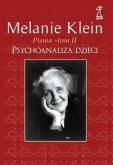
„Miłość, poczucie winy i reparacja” rozpoczyna publikację Pism Melanie Klein, obejmujących blisko czterdziestoletni okres jej pracy klinicznej i badawczej. Polskie wydanie Pism umożliwia naszemu czytelnikowi bezpośredni kontakt z jej dziełem, a w konsekwencji z olbrzymim obszarem myśli analitycznej, modyfikującej i twórczo rozwijającej teorię Freuda – z tzw. brytyjską szkołą relacji z obiektem.
Wiele wczesnych kontrowersji na temat pracy Melanie Klein niemal uległo zapomnieniu. Jej sposób myślenia został w znacznej części zasymilowany do głównego nurtu psychoanalizy. Ci, których znamy jako kleinistów i którzy wprost używają pojęć i techniki Melanie Klein, rozwinęli i nadal rozwijają jej pracę, a zainteresowanie jej koncepcjami rośnie na całym świecie. Żywotność i znaczenie jej dzieła nie budzą żadnych wątpliwości.
Hanna Segal
Koncepcje Klein w istocie dotykają problemów organizacji całego życia umysłowego. Klein ukazuje, jak rozwijające się prymitywne fantazje powołują inne fantazje, które stają się matrycą dla związków myślowych i procesów intelektualnych. Zatem jej prace wszędzie, gdzie się ukazywały, wzbudzały również duże zainteresowanie filozofów, socjologów, antropologów kulturowych, etnografów, literaturoznawców, krytyków sztuki i twórców.
Wojciech Hańbowski
Melanie Klein (1882–1660) jest znana jako wybitna psychoanlityczka, twórczyni kierunku w psychoanalizie kładącego nacisk na relację z obiektem. Jej technika pracy z dziećmi, koncepcje nieświadomych fantazji, pozycji paranoidalno-schizoidalnej i depresyjnej przyczyniły się do nowego rozumienia wczesnych faz rozwoju dziecka. Miały również wpływ na rozumienie psychopatologii dorosłych i na analityczną technikę leczenia.
Melanie Klein jest znana jako wybitna psychoanlityczka, twórczyni kierunku w psychoanalizie kładącego nacisk na relację z obiektem. Jej technika pracy z dziećmi, koncepcje nieświadomych fantazji, pozycji paranoidalno-schizoidalnej i depresyjnej przyczyniły się do nowego rozumienia wczesnych faz rozwoju dziecka. Miały również wpływ na rozumienie psychopatologii dorosłych i na analityczną technikę leczenia.
Czerwona Księga, wydana po raz pierwszy na świecie, wiele lat po powstaniu i przyjęta z uznaniem w roku 2009, obejmuje rdzeń późniejszych prac Carla G. Junga. Tutaj rozwinął on swe główne teorie archetypów, nieświadomości zbiorowej i procesu indywidualizacji, które miały przekształcić psychoterapię z leczenia chorych w środek wyższego rozwoju osobowości.
Dzieło jednego z prawdziwych wizjonerów współczesnej historii, Czerwona Księga, stanowi osobliwą pracę, wymykającą się klasyfikacji. Jako badanie tego, co to znaczy być człowiekiem, wykracza poza historię psychoanalizy i podkreśla pozycję Junga wśród rewolucyjnych myślicieli, takich jak Marks, Orwell i oczywiście Freud.
Najbardziej znacząca nieopublikowana praca w historii psychologii! Kiedy Carl Gustav Jung podjął szerokie badanie samego siebie, które nazwał „konfrontacją z nieświadomością”, jego sercem była Czerwona Księga, wielki tom, który stworzył w latach 1914 – 1930. Rozwinął w tym dziele swe główne teorie – archetypów, nieświadomości zbiorowej i procesu indywidualizacji – które przekształciły psychoterapię z praktyki zajmującej się leczeniem chorych w środek wyższego rozwoju osobowości.
Faktycznie lektura Czerwonej Księgi jest jak zwiedzanie nieznanego miejsca kultu. Aby zrozumieć tekst Junga – poznać i posłuchać tworów jego nieświadomości – trzeba samotności, ciszy, skupionego wysiłku. Jung odkrywa na nowo swoją duszę, wyobcowaną, podczas gdy „służył duchowi czasu”. Podejmuje szereg przygód i poznaje między innymi Eliasza, Salome, węża i Diabła. Praktykując „aktywną wyobraźnię”, Jung wywołuje postacie, z którymi się kontaktował i rozmawiał. Uważał, że sny stanowią „gorszy wyraz treści nieświadomości”, ponieważ we śnie istnieje mniejsze napięcie. Czerwona Księga „wiernie rejestruje” wizje, które Jung prywatnie zapisywał w swoich „Czarnych Książkach”, dodając komentarze i malując to, co widział w swych snach na jawie, aby zachęcić czytelników do „zrozumienia psychologicznej natury symbolizmu” i wezwać ich do „nowego sposobu wejrzenia we własne dusze”.
Dzieło jednego z prawdziwych wizjonerów współczesnej historii, Czerwona Księga, stanowi osobliwą pracę, wymykającą się klasyfikacji. Jako badanie tego, co to znaczy być człowiekiem, wykracza poza historię psychoanalizy i podkreśla pozycję Junga wśród rewolucyjnych myślicieli, takich jak Marks, Orwell i oczywiście Freud. Poświęcenie – miłość – z którą powstawała, sprawia, że Czerwona Księga jest dziełem niezwykłym.
„Czym jest to, co czynię?” pyta Jung samego siebie na początku swego „najtrudniejszego eksperymentu”. Odpowiada mu głos. „To jest sztuka”.
Podczas Pierwszej Wojny Światowej Carl Jung podjął szerokie badanie samego siebie, które nazwał „konfrontacją z nieświadomością”. Jego sercem była Czerwona Księga, wielki, iluminowany tom, który stworzył w latach 1914 – 1930, w którym zawarł rdzeń swych późniejszych teorii.
Książka stanowi niezwykłe połączenie kaligrafii i sztuki, iluminowany manuskrypt, który wytrzymuje porównanie z „Księgą z Kells” i z dziełami Williama Blake’a. Ale chociaż Jung uważał Czerwoną Księgę za swoje najważniejsze dzieło, widziała ją zaledwie garstka ludzi. W końcu, prawie 80 lat po jej powstaniu, stała się dostępna w postaci faksymile, opracowanego przez badacza myśli Junga - Sonu Shamdasani. Teraz wreszcie w Polsce!
Każdy rodzic odczuwa czasem bezradność lub wychowawczą niemoc. Próbuje tłumaczyć, prosić, zakazywać i… nic. Dziecko nie słucha się lub odpowiada opryskliwie. Czasem pojawiają się poważniejsze problemy, wtedy zamyka się w sobie, cierpi na zaburzenia odżywiania lub jest agresywne. Wówczas rodzice pytają siebie: „Może to moja wina? Może nie jestem dobrym rodzicem?”.
Warto w takiej sytuacji skorzystać z rad doświadczonego psychologa dziecięcego. W wielu wypadkach okazuje się, że trudne problemy mają całkiem proste rozwiązania.
Co robić, gdy rozrabia maluch, a jak postępować, gdy robi to dziecko starsze? W jaki sposób komunikować się z nim komunikować? Jak pogodzić szczęśliwe dzieciństwo z przygotowaniem go do życia we współczesnym świecie? Które z zachowań są naturalna częścią dojrzewania, a które powinny nas niepokoić? Jak reagować w trudnych sytuacjach? Na wszystkie te pytania i wiele innych w rozmowie z dziennikarką Beatą Pawłowicz odpowiada psycholog i psychoterapeuta Tomasz Srebnicki.
BEATA PAWŁOWICZ - Dziennikarka. Autorka i współautorka książek, m.in. Dekalog szczęścia i Życie w micie (Wydawnictwo Zwierciadło). Związana z miesięcznikiem Zwierciadło.
TOMASZ SREBNICKI - Psycholog i certyfikowany terapeuta poznawczo-behawioralny, w trakcie specjalizacji z psychologii klinicznej. Starszy asystent w Klinice Psychiatrii Wieku Rozwojowego Warszawskiego Uniwersytetu Medycznego. Trener i wykładowca w Szkole Psychoterapii Centrum CBT w Warszawie. Nauczyciel akademicki. Ekspert miesięcznika SENS.
Ten produkt jest zapowiedzią. Realizacja Twojego zamówienia ulegnie przez to wydłużeniu do czasu premiery tej pozycji. Czy chcesz dodać ten produkt do koszyka?