Czwarta książka z serii BIBLIOTEKA NARODOWA wydana przez Zakład Narodowy im. Ossolińskich.
Filozofia człowieka to centralny punkt pisarstwa ks. Józefa Tischnera. Chciał on wydobyć z chrześcijaństwa to, co mogłoby stać się atrakcyjną propozycją dla człowieka końca XX w. W jego poszukiwaniu prawdy o człowieku główne miejsce zajmowały pojęcia nadziei i wartości.
Inspirację dla własnych przemyśleń znajdował nie tylko w dziełach filozofów: Platona, Arystotelesa, św. Augustyna, Kartezjusza, czy przede wszystkim Husserla, ale też w tekstach literackich: Szekspira, Dostojewskiego, Tołstoja i Norwida.
Zebrane w prezentowanym tomie teksty pochodzą z następujących dzieł ks. J. Tischnera: "Świat ludzkiej nadziei", "Myślenie według wartości", "Etyka wartości i nadziei", "Filozofia dramatu" oraz najważniejszej i najbardziej oryginalnej pracy: "Spór o istnienie człowieka".
We wstępie prof. Aleksander Bobko przedstawia podstawowe zręby filozofii człowieka ks. prof. J. Tischnera oraz uzasadnia swój wybór tekstów.
Hermeneutykę jako metodę i praktykę literaturoznawczą można w uproszczeniu konceptualizować jako ruch zachodzący między czterema domenami: filologią, retoryką, krytyką literacką oraz badaniami intertekstualności. "Stare" dziedziny: filologia oraz retoryka klasyczna zapewniałyby ciągłość tradycji, krytyka - praktyczny, aplikacyjny, zawodowy aspekt poczynań literaturoznawcy jako badacza i dydaktyka, (…) badania intertekstualności zaś gwarantowałyby zachowanie dystansu wobec potocznych, mało rozwiniętych, niezreflektowanych teoretycznie wyobrażeń o genezie tekstu literackiego, wpływie, inspiracji, aluzji etc. (…) Mediacyjny, pośredni, kompromisowy, pluralistyczny charakter metod hermeneutycznych w naukach humanistycznych stwarza, jak się zdaje, stosunkowo największą szansę na stopniowe przezwyciężanie impasu metodologicznego i - współwystępujący z nim - zagrożeń dla wolności badań oraz wolności słowa.
Dorota Heck
Co byłoby charakterystyczne dla hermeneutycznej teorii kultury? Z pewnością oparcie się na pewnej antropologii filozoficznej, dla której centralnym jest pojęcie rozumienia, jako ludzkiego sposobu istnienia, oraz na budującym wspólnotę i utrzymującą duchowy poziom indywidualnych egzystencji znaczeniu języka, który nigdy nie jest pojmowany wyłącznie jako środek komunikacji. Język to zapis mistycznego doświadczenia narodu, który nim mówi, to bogactwo jego literatury, ale i osad tradycji, która staje się substancją duchową umożliwiającą porozumienie i kooperację.
Andrzej Przyłębski
"Jest tajemnica, która szczególnie natrętnie powraca do nas w czas rozterek: tajemnica zła. Kręcimy się wokół niej jak przestraszone ptaki…. Nie wiemy, co sądzić o złu." Józef Tischner Zło jest i jesteśmy w nie uwikłani. Czujemy je zwłaszcza, kiedy nas dotyka, dlatego nie sposób przejść obok niego obojętnie. Czy jednak można rozwikłać tajemnicę zła? Izabela Marszałek zanim wprowadzi nas w filozoficzną koncepcję zła dialogicznego Tischnera przedstawia patrzenie na zło filozofów, z których czerpał ksiądz profesor, m.in.: św. Augustyna, św. Tomasza z Akwinu, I. Kanta, czy H. Arendt. Kwintesencję badanego fenomenu stanowi dla Autorki niecodzienne spojrzenie Józefa Tischnera. Krakowski filozof nie szukał przyczyn zła w naturze ludzkiej, raczej w przestrzeni międzyludzkich relacji. Wyróżniał rozmaite formy i logikę jego działania na podstawie analizy zachowań i postaw wobec drugiego człowieka. Tischnerowi chodziło jednak, nie tyle o rozwiązanie samej jego tajemnicy, ile o możliwość jego głębszego poznania, a przede wszystkim o obronę przed absurdem i rozpaczą.
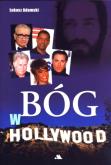
Bóg w Hollywood – dlaczego taki temat? Ano dlatego, że Hollywood stało się ikoną grzechu, rozpusty i totalnego odwrócenia wartości, które zbudowały USA. Jednocześnie to samo Hollywood nie idzie na wojnę z chrześcijaństwem – jak kino europejskie (...). Amerykanie wciąż mają zakodowane w świadomości na jakiej skale został zbudowany ich kraj. I choć na pierwszy rzut oka moja teza może wydawać się odważna, to i tak zamierzam jej bronić. Hollywood jest przepojone odniesieniami do chrześcijaństwa. I widać to w filmach, których, Drodzy Czytelnicy, o to byście nie podejrzewali.
Niejednokrotnie słyszałem, że podniecanie się życiem libertynów i jawnych grzeszników, którzy w „zadziwiający” sposób przeżyli nawrócenie (czytaj: robią to dla rozgłosu) jest nieroztropne i płytkie. Mówiono mi, że lepiej się skupić na otwarcie religijnych ludziach ze świata filmu, którzy w latach 50-tych realizowali takie produkcje jak 10 przykazań czy Ben Hur. Czy jednak byłoby to ciekawe dla czytelnika? „Powiadam wam: Większa będzie radość w niebie z jednego grzesznika, który się opamięta, niż z dziewięćdziesięciu dziewięciu sprawiedliwych, którzy nie potrzebują opamiętania” – nauczał Jezus Chrystus. Przepraszam z góry za patos, ale to książka z Bogiem w tytule. Trudno tego uniknąć.
Fragment Wstępu
To nie jest książka o kinie stricte religijnym. Zestawienie opisanych w niej osób i filmów dla tych, którzy spodziewali się znaleźć tu Ben Hura i Pasje, może być zaskakujące, a nawet kontrowersyjne. Przeczytamy tu o świecie reżysera ćpuna, który szuka Jezusa na „ulicach nędzy”, raperze rymującym o Bogu w rytmie karabinu AK47 i księżach z Hollywood, walczących z czystym złem. Spotkamy wielkie gwiazdy kina, które dostrzegają inny, najgłębszy wymiar życia i nie boja się wyznać swojej wiary: Denzela Washingtona, Marka Wahlberga, Whitney Houston, Steve’a McQuinna, Stephena Baldwina, Martina Sheena, Samuela L. Jacksona, Andy’ego Garcie, DMX-a. Spotkamy twórców, którzy zmagają się ze swoja wiara, potrafiąc dać temu wyraz w absolutnie niezwykły i niepowtarzalny sposób na srebrnym ekranie: Alfreda Hitchcocka, Andy Warhola, Martina Scorsese, Abla Ferrare, Terrence’a Malicka, Toma Shadyaca, Kevina Smitha. Poznamy hollywoodzki obraz walki z demonicznym złem, obraz katolickiego kapłana, a także pastora walczącego z karabinem maszynowym w dłoni o życie sudańskich dzieci. Zobaczymy, jak Hollywood mierzy się z czarnymi mitami Opus Dei i papieża Piusa XII.
Do książki dołączono w prezencie płytę DVD z filmem fabularnym Droga życia reż.: Emilio Estevez, w rolach głównych: Martin Sheen, Deborah Kara Unger, James Nesbitt, Tchéky Kario, rok produkcji: 2010, czas trwania: 115 min.
Książka wpisuje się w tematykę i problemy nowego nurtu zwanego „animal studies” i stanowi wyraz pewnej postawy filozoficznej i kulturowej, w ramach której zwierzęciu (i nie tylko psu) przyznaje się prawo do podmiotowości, a jednocześnie daje wyraz protestu przed wszelkimi próbami jego uczłowieczania. Autorka rozważa w niej takie problemy jak dusza zwierzęcia, jego życie uczuciowe, godność i zdolności empatyczne. Przeczy powszechnemu mniemaniu o braku inteligencji zwierząt i Kartezjańskiej tezie o tym, że zwierzęta są po prostu maszynami.
Czy szczęście jest w nas czy jednak poza nami? Czy je wytwarzamy, czy jednak jest ono zdeponowane w jakichś miejscach, do których dostęp jest bardziej lub mniej utrudniony? Czy możliwe jest dotarcie i wejście do tych miejsc, aby posiąść choćby fragmenty szczęścia, które jednak nie będą jego sybstytutami? Czy o istnieniu szczęścia jako pewnej własności, którą można nabyć, czy lepiej – zdobyć, decydują czynniki zewnętrzne, czy jednak jest to efekt endogennie kształtujących się i wyłaniających na zewnątrz determinant, wynikających z naszej kreatywności i wciąż uświadamianego sprawstwa? Czy faktycznie musimy mieć najpierw coś, co sprawi, że staniemy się ostatecznie depozytariuszami szczęścia? Czy nie należałoby się zgodzić z autorem traktatu o szczęściu, Władysławem Tatarkiewiczem, że szczęście ma jednak podwójną naturę i że w związku z tym jest stanem wewnętrznym, ale wymaga pomocy z zewnątrz, co miałoby oznaczać, iż „mamy je w nas, ale nie tylko przez nas”? Fragment Wprowadzenia
Odpowiedzialność społeczna
– etyka, prawo czy ekonomia?
Społeczna odpowiedzialność przedsiębiorstw stałą się integralną częścią współczesnego życia gospodarczego. Jednak pełne zrozumienie istoty i przesłania CSR wymaga umieszczenia jej w praktyce zarządzania. Książka prezentuje koncepcję społecznej odpowiedzialności przedsiębiorstwa (CSR) w kontekście funkcjonowania i rozwoju organizacji. Największą jej zaletą jest włączenie idei CSR w proces zarządzania przedsiębiorstwem i powiązanie jej z polityką finansową i inwestycyjną, zarządzaniem zasobami ludzkimi, marketingiem i zarządzaniem operacyjnym. Zawiera liczne przykłady z praktyki gospodarczej. Drugie wydanie książki zostało zaktualizowane oraz wzbogacone o najnowsze trendy związane z rozwojem doktryny społecznej odpowiedzialności biznesu, jak i zrównoważonego rozwoju. Praca składa się z trzech części, w których przedstawiono:
• genezę i istotę CSR,
• instrumenty zarządcze polityki CSR,
• współczesne koncepcje powiązane z CSR – zrównoważonego rozwoju, przedsiębiorstwa obywatelskiego i społecznej przedsiębiorczości.
Publikacja jest kierowana zarówno do pracowników naukowych, studentów i słuchaczy studiów podyplomowych na kierunkach ekonomicznych oraz zarządzania i marketingu, jak również do praktyków – przedsiębiorców i menedżerów, którzy powinni mieć świadomość spoczywającej na nich odpowiedzialności.
Szczególnie cenną ideą jest połączenie naukowych walorów publikacji z jej celami dydaktycznymi. (...) Istotnym walorem publikacji są w tym względzie liczne studia przypadków (...) stanowiące najbardziej praktyczną, a przez to przekonującą ilustrację prezentowanych idei. (...) Bardzo interesujące i oryginalne zarazem jest przedstawienie problemów polityki finansowej i inwestycyjnej z punktu widzenia ich znaczenia dla społecznej odpowiedzialności.
Prof. dr hab. Andrzej Kaleta
Uniwersytet Ekonomiczny we Wrocławiu
Dr Adriana Paliwoda-Matiolańska – pracownik naukowo-dydaktyczny Katedry Handlu i Instytucji Rynkowych Uniwersytetu Ekonomicznego w Krakowie, absolwentka IESE School of Business (program IFDP 2000). Od wielu lat prowadzi wykłady poświęcone CSR na uczelniach polskich i zagranicznych. Między innymi wykładała gościnnie na Roosevelt University w Chicago, Vienna University of Economics, Rey Juan Carlos University. Ponadto realizuje badania naukowe w obszarze instytucjonalizacji wzorców zrównoważonej produkcji i konsumpcji oraz społecznej odpowiedzialności przedsiębiorstw. Autor licznych publikacji naukowych poświęconych CSR. Trener w szkoleniach dla przedsiębiorców i programów edukacyjnych poświęconych społecznej odpowiedzialności przedsiębiorstw.
Modlitwy, które poznawaliśmy, przygotowując się do Pierwszej Komunii Świętej stają się z czasem niewystarczające. Jednak modlitwy, które podaje nam Katechizm Kościoła Katolickiego nie zawsze są proste. Autorka podjęła się więc zadania ich wyjaśnienia i przeprowadza Czytelnika przez różne stopnie trudności katechizmowych modlitw. Dzięki temu niniejsza książka z pewnością może być doskonałą pomocą w codziennej modlitwie, ale i również w przygotowaniu się do sakramentu bierzmowania.
Elementarz katechizmu, omawiając wyznanie wiary, sakramenty, Dekalog i najważniejsze modlitwy, ma za zadanie pomóc modlić się świadomie. Ma on również przybliżyć historię powstania oraz znaczenie tych modlitw. Staje się on przez to małym katechizmem, który – mamy nadzieję – będzie inspiracją do modlitewnych spotkań z Bogiem.
Znakomita pomoc nie tylko dzieci, ale i dla rodziców i katechetów.
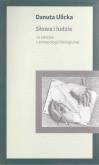
Tytuł – dyskretnie parafrazujący, a może (zgodnie z rozpoznawanymi w całej książce dominantami "kultury śmiechu" jako swego rodzaju strategii obronnej intelektualistów) pastiszujący słynną formułę Michela Foucault "słowa i rzeczy", od razu wciąga czytelnika w intertekstualną grę. Wszyscy pamiętamy bowiem, że książka Francuza ma podtytuł "Archeologia nauk humanistycznych", od razu więc ciekawiśmy, jaką to poprawkę do owej archeologii – ze szczególnym skupieniem na genezie nowoczesnego literturoznawstwa – wprowadzi autorka "Słów i ludzi". W pewnym sensie odpowiedź zawiera się już w podtytule tej książki, który mówi o "antropologii filologicznej". Bowiem książka Ulickiej na archeologii wcale nie zamierza poprzestać: dotyka najważniejszych kwestii dzisiejszej humanistyki, stale nawiązuje dialogi z głównymi jej nurtami, aby ukazać, jak w poszukiwaniu tożsamości robiły gębę protoplastom, aby się od tak spreparowanego podłoża oddzielić grubą kreską. Tymczasem... (z recenzji Profesora Krzysztofa Kłosińskiego)
Mamy do czynienia z bogato utkaną i ze swadą rozwijaną narracją o "ludziach, słowach, książkach i instytucjach". Połączenie nowatorskiej perspektywy teoretycznej z detektywistycznym wręcz zacięciem w odtwarzaniu losów ludzi i słów zaowocowało książką dalece wykraczającą poza standarty praktykowane w rodzimej humanistyce. (z recenzji Profesor Anny Zeidler-Janiszewskiej)
"Antropologia filologiczna", do której zarysowania pretendują poszczególne szkice, nie konkuruje ani z antropologią filozoficzną, ani kulturową, ani z antropologią słowa. Jeśli wchodzi z nimi w zatarg, to tylko ze względu na odwrócenie perspektywy. Stawką w niej jest słowo konkretne, nieanonimowe, przynajmniej w punkcie wyjścia – czyjeś, które można komuś przypisać, nawet jeśli w kulturze nie jest Adamowym słowem pierwszym. Taka antropologia nie stosuje "skali globalnej", lecz widzi "człowieka poszczególnego". (ze wstępu "Zapomniane w biografii")
Książka o filozofii Spinozy jest jednym z licznych opracowań klasycznych filozofów napisanych przez Gillesa Deleuze’a, który zdobył uznanie nie tylko jako jeden z najważniejszych filozofów XX wieku, ale także jako niezwykle utalentowany wykładowca i nauczyciel akademicki. Spinoza. Filozofia praktyczna, podobnie jak inne opracowania Deleuze’a, łączy w sobie przystępne omówienie najważniejszych wątków myśli Spinozy z eksperymentalnym podejściem do uprawiania filozofii jako takiej. Deleuze dobierał sobie bowiem bohaterów swoich książek według własnego pojęciowego klucza – interesowały go problemy ekspresji, życia, myśli wykraczającej poza narzucone jej granice, samoorganizującej się materii. Filozofia Spinozy, z racji jej materializmu i witalizmu, była niezwykle ważną inspiracją dla samego Deleuze’a, którego własna filozofia przyczyniła się do odrodzenia się w drugiej połowie XX wieku zainteresowania spinozjanizmem.
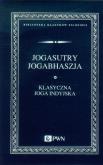
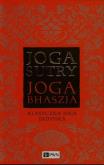
Istoty filozoficznego przesłania jogi jako pewnej sztuki życia i myślenia należy szukać przede wszystkim w klasycznych traktatach. Klasyczny okres jogi indyjskiej to czas formowania się dojrzałych postaci starożytnych szkół filozoficznych. Szkoły te dokonywały syntezy swoich nauk, dzięki czemu powstawały wzorcowe, komentowane przez kolejne stulecia dzieła. Do najważniejszych z nich zaliczają się Jogasutry, przez wielowiekową tradycję przypisywane mędrcowi Patandżaliemu, oraz komentarz do nich, czyli Jogabhaszja, której autorem miał być Wjasa. Nazywane często również Traktatem o jodze, Jogasutry oraz Jogabhaszja najpełniej prezentują, czym jest nauka płynąca z jogi. O ile bowiem zarówno zachodnia, jak i wschodnia tradycja filozoficzna dążyły do poznania absolutu, to różniły się one co do wyboru drogi tego poznania.
Tom Klasyczna joga indyjska zawiera oba traktaty w przekładzie wybitnego polskiego indologa Leona Cyborana (1928–1977) oraz obszerny wstęp tłumacza, zawierający jego najważniejsze prace poświęcone filozofii, praktyce i etyce jogi. Tom ten stanowi więc zarówno doskonałe wprowadzenie do filozofii i historii jogi, jak i bogate źródło wiedzy i materiału dla wszystkich interesujących się dalekowschodnią kulturą.
Istoty filozoficznego przesłania jogi jako pewnej sztuki życia i myślenia należy szukać przede wszystkim w klasycznych traktatach. Klasyczny okres jogi indyjskiej to czas formowania się dojrzałych postaci starożytnych szkół filozoficznych. Szkoły te dokonywały syntezy swoich nauk, dzięki czemu powstawały wzorcowe, komentowane przez kolejne stulecia dzieła. Do najważniejszych z nich zaliczają się Jogasutry, przez wielowiekową tradycję przypisywane mędrcowi Patandżaliemu, oraz komentarz do nich, czyli Jogabhaszja, której autorem miał być Wjasa. Nazywane często również Traktatem o jodze, Jogasutry oraz Jogabhaszja najpełniej prezentują, czym jest nauka płynąca z jogi. O ile bowiem zarówno zachodnia, jak i wschodnia tradycja filozoficzna dążyły do poznania absolutu, to różniły się one co do wyboru drogi tego poznania. Tom Klasyczna joga indyjska zawiera oba traktaty w przekładzie wybitnego polskiego indologa Leona Cyborana (1928–1977) oraz obszerny wstęp tłumacza, zawierający jego najważniejsze prace poświęcone filozofii, praktyce i etyce jogi. Tom ten stanowi więc zarówno doskonałe wprowadzenie do filozofii i historii jogi, jak i bogate źródło wiedzy i materiału dla wszystkich interesujących się dalekowschodnią kulturą.
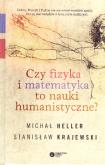
Czy jest prawdziwe powiedzenie, że wszystkie nauki dzielą się na fizykę i zbieranie znaczków?W takim razie co z matematyką?Czy nauki ścisłe i humanistyka to organiczne części tej samej, ogólnoludzkiej kultury?Zarówno wśród ,,zwykłych"" ludzi, jak i wśród osób zajmujących się pracą naukową dominuje przeciwstawianie nauk ścisłych, czyli przede wszystkim matematyki i fizyki, naukom humanistycznym. Czasem czyni się to wywyższając ścisłość nauk ścisłych, czasem wskazując na ich ograniczenia, niemożność uchwycenia prawdziwej, żywej złożoności, której nie mogą uchwycić struktury formalne. Tymczasem to przeciwstawienie nie jest absolutne: u źródeł podstawowych pojęć matematyki i fizyki są doświadczenia potoczne, odniesienia do człowieczej perspektywy postrzegania świata, próby jego spontanicznego modelowania, sądy wartościujące - jednym słowem takie zachowania, które można znaleźć również u podstaw nauk humanistycznych.Świat fizyczny jest niemiłosiernie logiczny i dlatego fizyka dopiero wtedy zaczęła odnosić sukcesy, gdy nauczyła się badać świat przy pomocy narzędzi matematycznych. Nie jest jednak pewne, czy obecnie rozwijane teorie matematyczne są najlepszymi możliwymi narzędziami potrzebnymi fizyce lub innym naukom, które chcą formułować prawa, a nie tylko ,,zbierać znaczki"".Stawiając w tym książkowym dwugłosie pytanie, czy fizyka i matematyka to nauki humanistyczne, nie zamierzamy tego pytania rozstrzygać do końca - odpowiedź na nie zależy od zbyt wielu osobistych i kulturowych preferencji - ale chcemy dać wyraz przekonaniu, że obydwie te dziedziny - nauki ścisłe i humanistyka - są organicznymi częściami tej samej, ogólnoludzkiej kultury. Bez którejkolwiek z nich nasza kultura byłaby płaska i zubożona. Żeby widzieć trójwymiarowo trzeba mieć dwoje oczu.Fragment Wstępu
Czy istnieje konflikt między teologią i naukami przyrodniczymi?
Jakie jest miejsce człowieka we wszechświecie w odniesieniu do Boga?
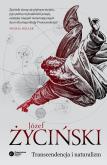
Choć człowiek od zawsze szuka odpowiedzi na pytania o początki, sens i cel swojego istnienia, nabywając wiedzę i doskonaląc narzędzia, poszukiwania te nadal są fascynujące. Właściwa każdemu z nas natura badacza każe nam przeszukiwać dostępną rzeczywistość w nadziei na zrozumienie Bożych zamysłów. Książka jest przewodnikiem po tej wędrówce, pokazującym poprzez dokonania filozofów i przyrodników jak silna i intelektualnie owocna jest ludzka potrzeba sensu, ładu i piękna. To pochwała rozumu jako narzędzia zdolnego odczytywać Bożą obecność w świecie i świadectwo przekonania, że wiara i rozum wspólnie służą człowiekowi w odnalezieniu swojego miejsca we wszechświecie i że nie ma między nimi konfliktu.
Przeczytałbym tę książkę, aby znaleźć potwierdzenie założenia, że można dzięki odkryciom nauki odnaleźć struktury Bożego sensu i ładu, a zarazem ludzkie przeznaczenie. Przeczytałbym ją, bo potrzebuję potwierdzenia nadziei, że poszukiwania ludzkiego rozumu nie są płonne, że są celowe i prowadzą do odpowiedzi na pytania wciąż powracające, mimo nieustających wysiłków wielu naukowców. Przeczytałbym ją, bo potrzebuję dowodów na to, co przeczuwam. I uważam, że rozum i nauka mogą takie dowody dać, nie stojąc w sprzeczności z wiarą. Przeczytałbym ją, bo pomimo deklaracji filozofów, chcę odnajdywać obecność i bliskość Boga we współczesności, płaszczyznę spotkania. / ks. dr Tomasz Adamczyk, KUL/
Życiński cieszy się pięknem świata, jego pełną racjonalności poezją, estetyką równań matematycznych. Są to dla niego ślady Transcendencji. Ale nie ślady podobne do odcisku pieczęci na dokumencie, lecz ślady tkwiące dyskretnie, bo immanentnie, w całym Wszechświecie. / ks. prof. Michał Heller/
Józef Życiński (1948-2011) filozof, teolog, biskup rzymskokatolicki, metropolita lubelski. Autor ponad 50 książek i setek artykułów z zakresu filozofii nauki, filozofii przyrody, kosmologii, teorii ewolucji i teologii oraz tekstów publicystycznych.
Doktor honoris causa Uniwersytetu Przyrodniczego w Lublinie, Uniwersytetu Medycznego w Lublinie i Uniwersytetu Jagiellońskiego, pośmiertnie odznaczony Krzyżem Wielkim Orderu Odrodzenia Polski.
Nakładem Copernicus Center Press ukazały się jego książki Świat matematyki i jej materialnych cieni oraz Struktura rewolucji metanaukowej. Studium rozwoju współczesnej nauki.
Autor kontynuuje temat rozwoju ludzkości, w formie kompleksowej, pragnąc jednocześnie w sposób przystępny przedstawić kulisy ewolucji. A oto niektóre tematy zawarte w tej publikacji: Ziemia jako Wielka Uczelnia Świata, jasnowidzenie i jasnosły-szenie, niewidzialna budowa człowieka, kolory ciał astralnych i ich czyszczenie, Synowie Jasności i Ciemności, kataklizmy, karma, doskonałość, wtajemniczenia i ścieżka próbna, oświecenie, uczeń-adept-mistrz, działalność Mistrzów - opisy wybranych postaci, Nauczyciel Świata, czas Kali Yuga, DNA, Zwiastuni Świtu, dzieci indygo, słynne przepowiednie, Apokalipsa, podróż przez Światłość oraz pustkę, powrót do Domu, czas 6 cywilizacji, podróże w przyszłość.
Reinkarnacja kosmiczna, fragment
Droga do doskonałości
Aż dojdziemy wszyscy razem do jedności wiary
i pełnego poznania Syna Bożego, do człowieka doskonałego,
do miary wielkości według Pełni Chrystusa. Ef 4:13
Wielka Uczelnia Świata
Ziemia i cały wszechświat -jest olbrzymią uczelnią, dostosowaną w najdrobniejszych szczegółach do potrzeb rozwoju milionów istot, znajdujących się na różnych poziomach rozwoju duchowego, a zamieszkujących zarówno powierzchnię naszego globu, jak i jego wewnętrzną część oraz otaczającą nas atmosferę. Każde doświadczenie, jakie życie nam przynosi, wielkie czy drobne, jest częścią ogólnej nauki. Przeznaczeniem ewolucji i reinkarnacji, jest dać niezliczoną ilość doświadczeń o najróżniejszym charakterze, które wznoszą istoty ludzkie, na coraz wyższe poziomy, w wielkim, rozwojowym procesie istot żywych, tworzących długi łańcuch sięgający niemal w nieskończoność, którego niewielką tylko cząstką są królestwa przyrody znane na Ziemi.
Nie wszystkie istoty stoją na tym samym poziomie, więc nie mogą uczyć się tego samego. Ale wszystkie - czy to będzie atom, mikrob, roślina, ptak, człowiek, czy anioł - spotykają takie przeżycia i doświadczenia, jakie są im potrzebne, aby mogły uczynić krok naprzód na drodze ewolucji. Ileż nam czasu potrzeba, by zrozumieć, że wszechświat porusza się według niezłomnych praw, że otacza go boska miłość, a nieskończona mądrość kieruje zarówno wibracjami pojedynczego atomu, jak i ruchami planet, rządzi życiem najmniejszego z ludzi, jak i przeznaczeniem całych narodów.
Od chwili narodzin, dzieci uczą się od podstaw, życia na naszej cudownej Ziemi. Dziecko codziennie uczęszczające do szkoły uczy się, zdobywa doświadczenia i przyswaja sobie coraz to nową wiedzę, przechodząc do coraz wyższych klas. Tak samo i my, jako dusze, niejednokrotnie przychodząc na Ziemię w różne warunki i otoczenia, uczymy się, gromadzimy różne doświadczenia i zdobywamy coraz większą mądrość oraz szersze poznanie otaczającego nas świata materialnego.
Ludzkość wspina się powoli po nieskończenie długiej (Jakubowej) drabinie, której pierwsze szczeble wynurzają się z mroku początków świata, zaś szczyt ginie w chwale nadczłowieczeństwa. Wysokość drabiny nie jest nam znana, i nie jest to ważne. Ważne natomiast jest to, że w tej chwili znajdujemy się na jednym z tych szczebli, że miejsce, które zajmujemy w wielkim pochodzie ewolucyjnym ludzkości, odpowiada ściśle naszemu poziomowi rozwoju duszy. Od nas zależy wolniejsze lub szybsze posuwanie się naprzód.
Nasza duchowa indywidualność jest wciąż taka sama, choć w jednym życiu możemy używać ciała mężczyzny, w innym zaś kobiety. Te kolejne zmiany są konieczne dla harmonijnego i pełnego rozwoju. W każdym nowym życiu mamy inne ciało fizyczne, nosimy inne imię, z innymi rodzicami jesteśmy związani, ale te zmiany zewnętrzne nie przeszkadzają nam w zachowaniu naszej własnej duchowej indywidualności. W chwili narodzin nasza dusza nie wyłania się z jakiegoś wielkiego oceanu życia, jak sądzą niektórzy filozofowie, a śmierć nie niweczy w nas świadomości odrębnego istnienia. Gdybyśmy ją zatracili, reinkarnacja nie miałaby żadnego sensu. Reinkarnacja Kosmiczna Tom II Spis Treści
Rozdział 3. Droga do Doskonałości
Wielka Uczelnia Świata / 7
Narodziny ciała materialnego / 14
Jasnowidzenie i jasnosłyszenie /16
Niewidzialna budowa człowieka / 18
Ciało eteryczne /19
Świat astralny / 19
Świat mentalny 721
Kolory ciała astralnego / 25
Plemię Ciemności / 27
Synowie Jasności / 35
Biały / 43
Czyszczenie ciała astralnego / 47
Wojny / 53; Wypadki / 60; Kataklizmy / 62; Choroby / 63
Helen Wambach / 65
Karma czyli przeznaczenie / 69
Karma Agni / 73 Lea/81; Berry/89
Doskonałość / 92
Wtajemniczenia / 99; Ścieżka próbna /100
JoanGrant/ 101
Oświecenie /106
Wylanie Ducha Świętego / 108 Uczeń/l 10
Inicjacja/115
Powszechność inicjacji / 117
Siedem inicjacji / 120 Adept/l 24; Mistrz/l 25
Działalność Mistrzów / 132
Paramahansa Yogananda /139
Sai Baba / 143; Szpital Sai / 151
Mistrzyni Ching Hai /151
Hrabia de Saint Germain / 154
Działalność Nauczyciela Świata / 164
Wielcy prawodawcy /166 Kriszna/ 168
Budda/l 71
Zaratustra Zoroaster /172 Mani i Mitra/175
Mahomet / 176
Jezus Chrystus /179; Młodość Jezusa /180
Życie i nauki Mistrzów Dalekiego Wschodu / 191
Jezus Chrystus mówi / 197
Rozdział 4. Czasy ostateczne
Titanic / 219; Mesyna / 222
Kali Juga / 224
Zwiastuni Świtu / 228
DNA / 233
Ciemne koszulki / 236
Dzieci Indygo / 245
Odżywianie Światłem / 248
Ludzie wysoko uduchowieni / 251
Podróż przez Światło i z powrotem / 253
W pustkę / 256
Powrót do domu / 258
Cuda i wspomnienia / 260
Jasnowidzenie / 263
Polska / 283
O. A. Cz. Klimuszko / 285
Proroctwo Królowej ze Sabby / 292
Nostradamus / 297
Św. Malachiasz / 299
Apokalipsa / 303
666 / 306
Masoneria / 309; Iluminaci / 313 Globaliści/319
Dwaj świadkowie / 325
III Tajemnica Fatimska / 328
Przebieg wojny / 334 Kataklizmy/33 5
Cudowny Nowy Świat / 338
Badania dowodzą, że zabawa nie tylko sprzyja nauce, ale jest wręcz niezbędna, by skutecznie przyswoić sobie wiedzę. Zabawa rozwija, upiększa i ulepsza życie. Przynosi radość, odprężenie i twórcze pomysły. O najbardziej nietypowych rozrywkach można przeczytać prawie w każdym numerze miesięcznika „Focus” – w tym tomiku znajdziecie najlepsze teksty na ten temat. Z tej książki dowiecie się m.in.: - Jak stać się niewidzialnym? - Czego boimy się w horrorach? - Dlaczego szkoły powinny być fajne? - Czy nadal buduje się piramidy? - Co mówią o nas ulubione piosenki?
Jest nas już ponad siedem miliardów, ale każdy jest inny. Żyjemy w różnych warunkach i społecznościach, mamy rozmaite poglądy i nastawienie do życia, obowiązują nas odmienne prawa. Ta książka zawiera najlepsze artykuły miesięcznika „Focus”, opisujące różne aspekty bycia człowiekiem. Czegokolwiek byśmy się nie nauczyli, nawet o całym społeczeństwie i tak nie zrozumiemy całej ludzkości. Ale warto próbować. Z tej książki dowiecie się m.in.: - Dlaczego niektórzy mają ciągle pecha? - Jak wygląda subkultura więzienna? - Czy warto się mścić? - Czyje testamenty narobiły zamieszania? - Kogo opętały liczby?
W Bębnie Dharmy mistrz Szeng-jen proponuje nam świeże spojrzenie na to, w jaki sposób efekty studiowania i praktykowania buddyzmu czan można na co dzień wcielać w swoje życie,
Droga do stanu Buddy to kompendium dwóch tysiącleci chińskich studiów nad naukami z tych rzadkich klasycznych pozycji, których zawartość autentycznie ogarnia całość tradycji buddyjskiej.
Ten produkt jest zapowiedzią. Realizacja Twojego zamówienia ulegnie przez to wydłużeniu do czasu premiery tej pozycji. Czy chcesz dodać ten produkt do koszyka?