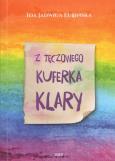
Kuferek Klary” ucieka od zaszufladkowanych gatunków literackich. Powiastka filozoficzna z przypisami? Zbiór felietonów? Duchowy testament? Ida Łubińska i tajemnicza Klara dzielą się swoim dojrzałymi refleksjami, odczuciami, troskami i radościami. Miłością do świata i ludzi. Do życia. Szczypta magii, porcja wrażliwości, esencja wielu lat doświadczeń i duża dawka konkretnej wiedzy, podanej w niezobowiązującej, przystępnej formie. „Kuferek Klary” nie pozostawia czytelnika obojętnym. To książka, którą można czytać na wyrywki. Książka, do której się wraca.
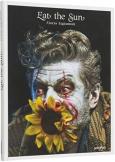
Floria Sigismondi’s compelling visual narratives have defined a profound aesthetic elements over the course of her career as a director and photographer. "A home away from home—a Floria set is one that always feels like a supernatural dream state. A place you wish to permanently exist in.” — Lawrence Rothman in his preface to Eat the Sun. Her coveted eye incorporates the ethereal and the mysterious, the whimsical and the grotesque, always illuminating a story. She has worked with numerous celebrities and is also behind surreal, career-defining music videos for Marilyn Manson among others. She has directed episodes of American Gods, The Handmaid’s Tale, and Daredevil for TV, and her Hollywood film credits include The Runaways, and The Turning (due to release in 2020).
Eat the Sun is a star-studded kaleidoscope of Floria Sigismondi’s top achievements, a provocative portfolio that highlights the powerful imagery that has made her one of the best in the industry. There are many never before seen photographs in Eat The Sun.
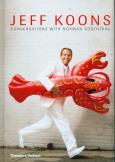
The most successful of living artists Jeff Koons has been a focus of creative fascination and significance for more than thirty years, but has always remained guarded about his intellectual life, influences and motivation. The distinguished curator and long-time Koons friend and collaborator Sir Norman Rosenthal has, for the first time, removed that guard. This important book provides the most revealing portrait yet of Jeff Koons' singular personality and artistic vision. Rosenthal's masterful interviews, conducted over four years, give unparalleled access to Koons' thoughts, disclosing the artist undistorted and in his own words. As well as examining all his major series in depth, from his first inflatables to his latest series on antiquities, the interviews shed new light on the artist's interest in other artists' works, reveal the significance of his youth and family life on his art, and explain the key concepts of his practice, such as his ideas on self- acceptance, banality, ecstasy and sex.
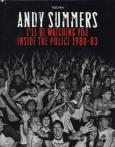
In the early 1980s, The Police went on tour accompanied by a photographer who documented the band behind the scenes in a series of candid and striking black and white photos. This talented photographer also happened to be the band's guitarist, Andy Summers. Yes, it's true - the man responsible for the guitar lick from "Every Breath You Take" was not only the backbone of one of the most popular bands of all time, he also possessed a visual gift for composition and mood that allowed him to capture the spirit of The Police better than anyone else could have.This book, somewhere between photojournalism and an illustrated diary, follows The Police around the globe between 1980 and 1983. From the American West to Australia to Japan, Summers recorded not only the band members rehearsing and partying - the proverbial sex, drugs, and rock and roll - he also photographed fans, landscapes, still lifes, and passersby in a reportage style reminiscent of Henri Cartier-Bresson and Robert Frank. Containing over 600 photos and filled with diary-style entries, "I'll Be Watching You" is a sumptuous volume beating with musical energy, nostalgia, and atmospheric beauty. It is a must for photo buffs and Police fans alike. It contains over 600 photographs personally selected from the photographer's archive of over 25,000 thousand negatives (1980-83). Most photos are previously unpublished, and many of them have never even been printed prior to this project. Highlights include: rehearsals and recording sessions with band-mates; Sting and Stewart Copeland; exclusive back-stage and on-stage footage from concerts including Plaza de Toros (Barcelona, 1980), Budokan (Tokyo, 1981), Wembley Stadium (London, 1981), and Shea Stadium (New York, 1983); inside the tour busses, limousines, helicopters, private planes, parties, and hotel rooms; behind the scenes on music video shoots, at press conferences, and in-store appearances; life on the road with other bands including The Go-Go's, XTC, and The B-52's; and rain-soaked train windows, trashed hotel rooms, island retreats, over-capacity stadiums, and thousands of screaming, singing, sobbing, fans.
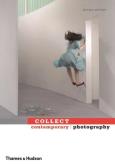
Where does one begin when looking to start a collection of contemporary photography? How can one identify prints of enduring appeal and value in a global scene with more artists working in it than ever before? Collect Contemporary: Photography aims to provide those who are looking to start their own collection with guidance on practical matters, including where to buy according to your budget as well as information about different photographic techniques and media, and how to properly store prints. From studying the works of photographers to determining editions and displaying prints, this guide accompanies collectors through the whole process of acquiring works by contemporary photography artists. The book features in-depth profiles of 40 established and emerging contemporary artists from across Europe and the United States, as well as a concise reference section with biographical information for the artists, descriptions and contact info for important galleries, museums and art dealers, relevant fairs, events and schools, and a price guide to cover all collecting budgets. This book is part of the `Collect Contemporary' series which offers expert advice by leading specialists in the field who have many years' experience in the auction market and a vast knowledge of the subject.
Created to accompany an international travelling exhibition, "Another Book about Promotion and Sales Material" explores the work of one of the world's most famous graphic designers - Stefan Sagmeister. Divided into four sections, and including case studies from ten years of graphic design, this book explores how Sagmeister creates greater awareness for corporations, his friends, his own work, and cultural events and products. Showcasing a wide range of work, from a Talking Heads boxed set, to print ads for Levis, to the wedding invitation for close friends, this books includes exclusive images from the studio archive and Sagmeister's commentary on his work, which contains his characteristic wit and insight. The result is a funny, revealing, and intimate look at the cutting edge work of a graphic design master.
The incredible bestselling true story of the rise and reign of the most wanted criminal in history, told by the one man who was with him every step of the way – his brother Roberto.
Murderer, philanthropist, drug dealer, politician, devil, saint: many words have been used to describe Pablo Escobar, but one is irrefutable – legend.
For the poor of Colombia, he was their Robin Hood, a man whose greatness lay not in his crimes, but in his charity; for the Colombian rich he was just a bloodthirsty gangster, a Bogie Man used to scare children in their beds; for the rest of the world flush with his imported cocaine, he was public enemy number one. During his reign as the world’s most notorious outlaw, he ordered the murder of thousands – at one point even bombing a passenger jet – smuggled drugs into the US in mini-submarines inspired by Bond films, was elected to parliament, staged midnight escapes through the jungle from whole army battalions, built his own prison, consorted with presidents, controlled an estimated fortune of over $20 billion, and for over 3 years outwitted the secret American forces sent to kill him.
His ambition was as boundless as his violence, and neither was ever satisfied. This is the first major, and definitive, biography of this remarkable criminal life, told in jaw-dropping detail by the one man who, more than any other, can understand just how far he came and just how low he fell: his brother, Roberto Escobar.
When Carrie Fisher discovered the journals she kept during the filming of the first Star Wars movie, she was astonished to see what they had preserved - plaintive love poems, unbridled musings with youthful naiveté, and a vulnerability that she barely recognized. Now her fame as an author, actress, and pop-culture icon is indisputable, but in 1977, Carrie Fisher was just a teenager with an all-consuming crush on her co-star, Harrison Ford.
With these excerpts from her handwritten notebooks, The Princess Diarist is Fisher’s intimate and revealing recollection of what happened on one of the most famous film sets of all time – and what developed behind the scenes. Fisher also ponders the joys and insanity of celebrity, and the absurdity of a life spawned by Hollywood royalty, only to be surpassed by her own outer-space royalty. Laugh-out-loud hilarious and endlessly quotable, The Princess Diarist brims with the candour and introspection of a diary while offering shrewd insight into the type of stardom that few will ever experience.
The epic of the pioneers who attempted to reach the top of the world (8848 meters). Illustrated by the archives from RGS and the Swiss foundation for alpine research. "Because it is there!" was George Mallory's simple answer in 1924 to a journalist who asked him why he so wanted to conquer Everest. If he ever managed this achievement remains a mystery. It took humankind no fewer than 11 expeditions between 1921 and 1953 to conquer the gods summit.bMore than 30 years of adventures, dramas, repeated failures, records and successes are told in this book dedicated to the conquerors of the third pole: Alexander Kellas, George Mallory, John Noel, Andrew Irvine, Edmund Hillary, Sherpa Tenzing Norgay and many others.The 500 photographs provided mainly by the RGS, the institution which organised the expeditions, show the incredible determination and courage of all these men in front of the white giant.
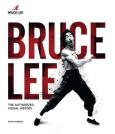
Bruce Lee was instrumental in the global popularity of martial arts, and he is still the most famous martial artist in the world, some 40 years after his death in 1973. He appears in video games, he has ranges of branded clothing and other goods, and his movies are constantly being re-issued to audiences hungry for more. But Bruce was a man of action in all aspects of his life. Before he made a name for himself in Seattle, USA he had appeared in nearly 20 Hong Kong movies. He wrote poetry and philosophy as well as film ideas and scripts.
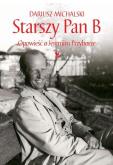
Starszy Pan B to opowieści o Jeremim Przyborze, autorze niezrównanych tekstów piosenek, twórcy Kabaretu Starszych Panów, reżyserze, scenarzyście. To opowieśćo arcyciekawym życiu Starszego Pana B, o czasach, w których działał, i ludziach, których znał. Książka bogato ilustrowana prywatnymi zdjęciami rodziny Przyborów orazz archiwów teatralnych, telewizyjnych i filmowych.?
Pół wieku podróżowałem po Azji.
Byłem pielgrzymem z okiem otwartym. Usiłowałem zbliżyć się do pojęć i światów nam niedostępnych. Szukałem odpowiedzi na istotę człowieczeństwa.
Znałem europejskie akademie i czarny kwadrat Malewicza. O ikonosferze rozmawiałem z profesorem Mieczysławem Porębskim. Z dziesiątków tysięcy azjatyckich negatywów wybrałem do książki “Azja - Sacrum” fotografie świątyń i bogów, składając hołd Człowiekowi który je stworzył.
Andrzej Strumiłło
Maćkowa Ruda, 28.10.2019
Słowno-fotograficzna opowieść o Azji. Andrzej Strumiłło – malarz, grafik, rzeźbiarz, fotograf, pisarz i poeta – pokazuje czytelnikowi bogactwo kulturowe Dalekiego Wschodu, dając wyraz swojej długoletniej fascynacji.
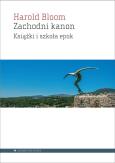
To monumentalne dzieło opisuje wybrany przez autora kanon utworów zachodniej literatury, który obejmuje 26 autorów skupionych wokół Szekspira i innych z Dantem i Chaucerem na czele, a ponadto zawiera słynną listę kilkuset kanonicznych tytułów, głównie europejskich, z podziałem na kraje i epoki (arystokratyczną, demokratyczną i naszą, chaotyczną). Niezależnie od swoich „rankingów” książka niezwykle pouczająco wprowadza w świat tych dzieł i relacje między nimi. Harold Bloom (1930–2019) był amerykańskim literaturoznawcą wykładającym do późnych lat w Yale, twórcą słynnej i kontrowersyjnej koncepcji „lęku przed wpływem”, lęku, który paraliżuje „słabych” autorów, a motywuje do oryginalności „silnych”. Za najsilniejszego uważał Szekspira, centrum kanonu. Druga główna idea Blooma to estetyczne kryterium literatury. Czytamy dla przyjemności estetycznej, a nie ze względu na społeczny walor utworu, na jego aspekty feministyczne, marksistowskie, kulturowe, polityczne, ekonomiczne itd. Kryterium estetyczne i indywidualne stanowi o wartości dzieła rozpoznawalnej po jego „dziwności”. Bloom pesymistycznie ocenia przyszłość kanonu i literatury opartej na wartości wyłącznie estetycznej – przyszłość kanonu estetycznego. Jego zdaniem lektura jako doświadczenie prywatne zanika, wypierana przez hałaśliwe ideologie i medialne rozrywki. My jednak możemy zawierzyć temu autorowi, erudycie pełnemu pasji, który czytał przez całe życie z miłością do literatury przeżywanej w samotności.
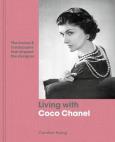
Living with Coco Chanel explores the influence of place on the creative output of the famous fashion designer and business woman, telling the story of her life and work in a unique and accessible way.
Gabrielle Chanel was born in Maine-et-Loire and when her mother died was sent to live at the orphanage at Aubazine, where she learned to sew. Chanel kept the secrets of her childhood close to her. She only offered hints about the poverty and abandonment she suffered, of the cloisters and chestnut trees of the Auvergne landscape that formed a backdrop to her early life.
The book follows the story of Chanel's years in Paris, opening her boutique on Rue Cambon, with her apartment above the shop, and her relationships with ‘Boy’ Capel, Pierre Reverdy and Paul Iribe. Another significant relationship was with the Duke of Westminster, who gave her some land in Roquebrune-Cap-Martin on the French Riviera, where she built her villa, La Pausa, with parts of the design inspired by Aubazine.
All her life she sought freedom from the poverty and restrictions of her childhood at the convent at Aubazine. Emerging at a time that allowed for women to be more independent, she designed clothes that let them be free, as they played sports, drove cars and rode bicycles, and went to work. And as she found fame and love and success, she used the memories of her past, and the way that she lived, to forge her own independence.
Beautifully illustrated, the book features designs, drawings, archive imagery and contemporary photography to provide an insight into Chanel’s life and examines how the homes and landscapes of her life relate to her work.
An Explorer's Guide to the World's Hidden Wonders
“A wanderlust-whetting cabinet of curiosities on paper.”— New York Times
Inspiring equal parts wonder and wanderlust, Atlas Obscura is a phenomenon of a travel book that shot to the top of bestseller lists when it was first published and changed the way we think about the world, expanding our sense of how strange and marvelous it really is.
This second edition takes readers to even more curious and unusual destinations, with more than 100 new places, dozens and dozens of new photographs, and two very special features: twelve city guides, covering Berlin, Budapest, Buenos Aires, Cairo, London, Los Angeles, Mexico City, Moscow, New York City, Paris, Shanghai, and Tokyo. Plus a foldout map with a dream itinerary for the ultimate around-the-world road trip. More a cabinet of curiosities than traditional guidebook, Atlas Obscura revels in the unexpected, the overlooked, the bizarre, and the mysterious. Here are natural wonders, like the dazzling glowworm caves in New Zealand, or a baobob tree in South Africa so large it has a pub inside where 15 people can sit and drink comfortably. Architectural marvels, including the M. C. Escher–like stepwells in India. Mind-boggling events, like the Baby-Jumping Festival in Spain—and no, it’s not the babies doing the jumping, but masked men dressed as devils who vault over rows of squirming infants.
Every page gets to the very core of why humans want to travel in the first place: to be delighted and disoriented, uprooted from the familiar and amazed by the new. With its compelling descriptions, hundreds of photographs, surprising charts, maps for every region of the world, and new city guides, it is a book you can open anywhere and be transported. But proceed with caution: It’s almost impossible not to turn to the next entry, and the next, and the next.
On Anarchism is an essential introduction to the Noam Chomsky's political theory.
On Anarchism sheds a much needed light on the foundations of Chomsky's thought, specifically his constant questioning of the legitimacy of entrenched power. The book gathers his essays and interviews to provide a short, accessible introduction to his distinctively optimistic brand of anarchism. Refuting the notion of anarchism as a fixed idea, and disputing the traditional fault lines between anarchism and socialism, this is a book sure to challenge, provoke and inspire. Profoundly relevant to our times, it is a touchstone for political activists and anyone interested in deepening their understanding of anarchism, or of Chomsky's thought.
This volume combines two books which were among the greatest contributions to feminist literature this century. Together they form a brilliant attack on sexual inequality. A Room of One's Own, first published in 1929, is a witty, urbane and persuasive argument against the intellectual subjection of women, particularly women writers. The sequel, Three Guineas, is a passionate polemic which draws a startling comparison between the tyrannous hypocrisy of the Victorian patriarchal system and the evils of fascism.
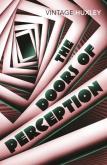
Discover this profound account of Huxley's famous experimentation with mescalin that has influenced writers and artists for decades.
‘Concise, evocative, wise and, above all, humane, The Doors of Perception is a masterpiece’ Sunday Times
In 1953, in the presence of an investigator, Aldous Huxley took four-tenths of a gram of mescalin, sat down and waited to see what would happen. When he opened his eyes everything, from the flowers in a vase to the creases in his trousers, was transformed. Huxley described his experience with breathtaking immediacy in The Doors of Perception.
In its sequel Heaven and Hell, he goes on to explore the history and nature of mysticism. Still bristling with a sense of excitement and discovery, these illuminating and influential writings remain the most fascinating account of the visionary experience ever written.
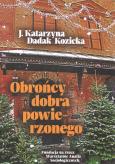
"Pełna anegdot i wartka opowieść o kompozytorach w pierwszych latach powojennych. Rytm opowieści wyznaczają - po raz pierwszy ujawnione - zasoby archiwum Związku Kompozytorów Polskich, przeplatane pamiętnikami muzyków oraz dokumentami partii komunistycznej. Każdy mówi własnym głosem. Komuniści brzmią głucho, a słowa kompozytorów są świeże. Książka wnosi nową wiedzę, koryguje wiele utartych przekonań, ale przede wszystkim świetnie się ją czyta. Plastyczne. Pasjonujące. Bez złości. Bez żółci. Gorąco polecam" - prof. Ludwik Bielawski
J. Katarzyna Dadak-Kozicka (ur. 1944) była przewodniczącą Sekcji Muzykologów, Sekretarzem Generalnym (2001-2003), Wiceprezesem (2013-2015) Związku Kompozytorów Polskich. Związana z Uniwersytetem Warszawskim, Akademią Muzyczną im. Fryderyka Chopina, Instytutem Sztuki Polskiej Akademii Nauk i Uniwersytetem im. Kardynała Stefana Wyszyńskiego.
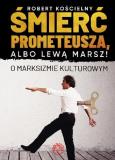
Jak sprawić, aby nóż, narzędzie zbrodni, nie zdradził swym przyszłym ofiarom celu do osiągnięcia którego zostanie użyty? Należy umieścić go między łyżką a widelcem, wówczas jako element zestawu sztućców doskonale ukryje, że w rzeczywistości stanowi telum occidendi. I o nim właśnie, czyli o starym i skompromitowanym na wieczne czasy marksizmie, oraz o mechanizmach ukrywania go w platerowym kostiumie zakłamanych, choć pięknie brzmiących idei oraz haseł trucizn, jest ta książka.
Robert Kościelny (ur. 1962) – historyk i publicysta. Autor książek, m.in. Rzeczpospolita oskarżanych narodów, Szczecin 2003, Przedmurze chrześcijaństwa, Kraków 2013, Wiosna wolnych Polaków. Wersja szczecińska, Warszawa 2017. Publikacje o charakterze naukowym m.in. w „Kwartalniku Historycznym”, „Przeglądzie Humanistycznym”, „Naszej Przeszłości”. Jako komentator polityczno-społeczny współpracuje z „Warszawską Gazetą”, natomiast artykuły popularnonaukowe zamieszcza w „Wiedzy i Życiu”, „Świecie Wiedzy” oraz magazynie „Focus Historia”. Mieszka w Szczecinie.
Ten produkt jest zapowiedzią. Realizacja Twojego zamówienia ulegnie przez to wydłużeniu do czasu premiery tej pozycji. Czy chcesz dodać ten produkt do koszyka?