Ksiądz Józef Tischner wywarł swoim myśleniem ogromny wpływ na Polskę, Polaków i Kościół. Proponując „myślenie według wartości”, poszerzał horyzonty, budził nadzieję na lepsze jutro, uczył korzystania z „nieszczęsnego daru wolności”. Niejednokrotnie zabierał głos w debacie publicznej, wyrażając swoje stanowisko, często krytyczne, w sprawach ważnych dla państwa, Kościoła czy polskiego społeczeństwa. Tę jego medialną obecność uczynił przedmiotem swojego studium Bartłomiej Secler. To nowatorskie ujęcie, choć skupia się głównie na wątkach polityczno-medialnych, stanowi doskonale pendant do biografii ks. Tischnera ? myśliciela i filozofa. Takiego myśliciela i filozofa, który znakomicie i barwnie poruszał się w świecie mediów, nie gubiąc przy tym nic ze swego przesłania.
Poruszająca historia rodziców, którzy stanęli przed dramatycznym wyborem. Zawstydzić silnych to zapis dramatycznych wydarzeń z życia autorki, a zarazem opowieść o sile miłości potężniejszej niż śmierć. Sarah i Paul spodziewają się przyjścia na świat trzeciej córki. Jednak badanie ultrasonograficzne przeprowadzone w dwudziestym tygodniu ciąży przynosi nieodwołalny wyrok: dysplazja - śmiertelne zniekształcenie szkieletu. Lekarze nie dają dziecku żadnych szans - z medycznego punktu widzenia aborcja wydaje się jedynym sensownym rozwiązaniem. Jednak Sarah i Paul podejmują heroiczną decyzję o urodzeniu córki. Cerian, co po walijsku znaczy ""umiłowana"", staje się częścią rodziny i całkowicie zmienia sposób myślenia autorki i jej męża. Wzruszony czytelnik towarzyszy rodzicom w przepięknej opowieści o wpływie ich nienarodzonego maleństwa na życie i wiarę całej rodziny.
Buddyzm filozofią o ponaddwuipółtysiącletniej historii. W swojej książce Rupert Gethin bada wspólne wątki łączące różnorodne tradycje buddyjskiej myśli i praktyki: opowieść o Buddzie, religijną tradycję piśmienniczą jego nauk, cztery „szlachetne prawdy”, życie klasztorne i świeckie, karmę i odrodzenie, etykę, medytację i filozofię.
Buddyjska droga medytacji, współczucia i niezadawania bólu istotom rozumnym to niezwykle przyciągająca filozofia. Niniejsza publikacja jest najlepszym dostępnym wprowadzeniem do tego tematu.
Andrew Linzey, Mansfield College, Oxford
Główna wartość książki Ruperta Gethina polega na tym, że z powodzeniem przedstawia on podstawowe zasady doktryny i praktyki buddyjskiej, umiejętnie prowadząc tok wykładu w taki sposób, aby uwzględnić główne nurty (szkoły) buddyzmu.
Prof. dr hab. Marek Mejor
Setki kilometrów od miejsca narodzin Buddy pielgrzymi podążający do świątyni prastarego Buddy w Swajambhunatha w Nepalu obracają niezliczone młynki modlitewne, zbliżając się do wielkiej stupy. W sali klasztoru stojącego pośród pól ryżowych Korei grupa mnichów siedzi pogrążona w cichej medytacji, a w miejscowości Aukana na Sri Lance kobieta w bieli ostrożnie umieszcza otwarty pąk lotosu u stóp wielkiego posągu stojącego Buddy i wznosi złączone dłonie do czoła
Fragment
Sarita (Mahasatvaa Ma Ananda) jest światowej sławy nauczycielką tantry prowadzącą kursy i warsztaty na całym świecie. Sarita otrzymawszy bezpośrednią transmisję od Osho, pozostaje wierna prawdziwej esencji tantry i prowadzi swoich uczniów po ścieżce samourzeczywistnienia. Oferuje czysty przekaz tantryczny i jednocześnie pomaga w przekroczeniu psychologicznych barier, które stoją na drodze do wykorzystania naszego pełnego potencjału. „Święta Seksualność - Radość Tantry” to publikacja niezwykła i jednocześnie całkiem zwyczajna, bowiem skierowana do wszystkich, którzy chcieliby zaprzyjaźnić się z własną seksualnością. Jej autorka, Mahasatvaa Ma Ananda Sarita, otrzymała swój tantryczny przekaz od współczesnego hinduskiego guru, nauczyciela i mistrza duchowego, Osho. Poszukując esencji życia, odnalazła miłość. I tak naprawdę „Święta seksualność” poświęcona jest odkrywaniu różnorodnych aspektów miłości: w sobie, a następnie w ukochanej lub ukochanym, innych ludziach i w otaczającej nas rzeczywistości. Korzystając ze starożytnych mądrości, uczy kontaktu z własnym ciałem, pragnieniami i emocjami.
W książce wybitni polscy specjaliści, reprezentujący różne dziedziny i ośrodki naukowe, wprowadzają w bogactwo obszaru etyki przywództwa, korzystając z dorobku: literatury, filozofii, ekonomii, nauk politycznych, psychologii, teologii, historii oraz zarządzania. Publikacja jest wszechstronnym spojrzeniem na najistotniejsze problemy przywództwa, które zestawione z kluczowymi teoriami etyki pozwalają zrozumieć aspekty relacji między przywódcą a jego zwolennikami. Przywództwo jako proces społeczny dotyczy życia człowieka w różnych wymiarach, relacji z innymi, jest aktywnym procesem tworzenia rzeczywistości zawierającym fundamentalne pytania: Dlaczego? Jak? Po co? W systemie demokratycznym zwolennicy są jednocześnie rządzącymi i rządzonymi, na każdym indywidualnie spoczywa obowiązek kształtowania rzeczywistości i przyszłości, a także odpowiadania sobie na pytania: Kim jestem? Dlaczego tutaj jestem? Czy chcę tutaj być?
„Gdyby bystrość, mądrość, styl i erudycja były kluczem do Bram Niebieskich, C.S. Lewis znalazłby się z pewnością między Aniołami”
– „The New Yorker”
C.S. Lewis, jeden z największych chrześcijańskich myślicieli swoich czasów, przekonywał, że jego wiara oparta jest na logice, i połowę życia poświęcił na jej zgłębianie. Pisał najróżniejsze książki, listy i eseje demonstrujące niezmienną rolę religii w swoim życiu. Przebudzony umysł to zbiór myśli chrześcijańskich pochodzących z najróżniejszych dzieł tego wybitnego pisarza. Znajdziemy w nich odzwierciedlenie jego filozofii.
Przebudzony umysł jest antologią fragmentów najsłynniejszych dzieł Lewisa uszeregowanych według zagadnień, którym odpowiadają. Stanowią niezwykły zbiór mądrości autora Opowieści z Narnii, który oprócz porywających dzieł fantastycznych, pozostaje także autorem wybitnej, myślicielskiej prozy o podłożu filozoficznym, takim jak Koniec człowieczeństwa, Problem cierpienia czy O modlitwie. Są wśród nich fragmenty dzieł znanych, a także tych jeszcze niewydanych w Polsce.
„Niepokorna pogoń Lewisa za jasnością przekazu, jego wielka troska o moralność i charakterystyczne zabarwienie literatury mitem, fantastyką oraz symboliką dotyczącą raju – cechujące wszystkie jego prace – skupione są w tej książce niczym w soczewce”.
– fragment recenzji „The New York Times”
Jak nie zagubić się we współczesnym, chaotycznym i pełnym pokus świecie? Jak w pełni efektywnie wykorzystać swe życie? Jak nie marnować czasu, nie dać się zaskoczyć nieszczęściu czy uniezależnić nasze samopoczucie od tego, na co i tak nie mamy wpływu? Odpowiedzi na te i podobne pytania znajdziemy w „Sztuce życia według stoików” Piotra Stankiewicza. Za jej pośrednictwem autor dostarcza czytelnikowi szereg wypracowanych przez Senekę, Epikteta oraz Marka Aureliusza recept, które pomogą nauczyć się „sztuki dobrego życia” i wskażą jak zostać nowoczesnymi stoikami. Dzięki zestawieniu starożytnych cytatów ze współczesnymi realiami, licznym przykładom wziętym z życia i położeniu nacisku na praktyczny aspekt stoicyzmu, niniejsza książka jest nie tylko ciekawą lekcją dotyczącą tej szkoły filozofii, ale też podręcznikiem konkretnego, realnego sposobu myślenia.
Zapraszamy do lektury zamieszczonych w książce materiałów. Ich celem jest wszechstronna i kompetentna pomoc w uzyskaniu wiedzy o problemach, stanowiskach i koncepcjach wypracowanych w filozofii europejskiej począwszy od starożytnej Grecji aż po czasy najnowsze, ale także szkoła krytycznego myślenia. Ta książka nie jest zbiorem gotowych prawd, lecz zachętą do ich przyswojenia lub przekroczenia. Bo kto zdobędzie dość dużo wiedzy, ten przy okazji nauczy się tego, jak wiedzę rozwijać, poszerzać i pomnażać. Tej umiejętności życzymy wszystkim czytelnikom i użytkownikom.
Dwaj wielcy mistrzowie buddyzmu tybetańskiego, Dilgo Khjentse Rinpocze i Patrul Rinpocze, opisują wszystkie etapy duchowej praktyki, począwszy od wzbudzenia podstawowej altruistycznej motywacji, która determinuje wejście na drogę ku oświeceniu, po bezpośrednie, wykraczające poza intelekt doświadczenie absolutnej prawdy będące urzeczywistnieniem metod Wielkiej Pieczęci (mahamudra) i Wielkiej Doskonałości (dzogczen).
Źródłowym tekstem jest poemat Patrula Rinpocze, jednego z najsłynniejszych mistrzów XIX wieku. Patrul Rinpocze żył zgodnie z tym, czego nauczał, wędrując po wschodnim Tybecie, pomieszkując w górskich jaskiniach i u stóp leśnych drzew, wolny od wszelkich przywilejów i bogactw związanych z jego pozycją słynnego duchowego nauczyciela. Słowa Patrula Rinpocze charakteryzuje świeżość i prostota, które w połączeniu z klarownym i praktycznym komentarzem Dilgo Khjentse Rinpocze czynią z tego dzieła jasny i zwięzły wykład na temat całości buddyjskiej drogi.
Jego Świątobliwość Dilgo Khjentse Rinpocze (1910–1991), zwierzchnik szkoły njingma buddyzmu tybetańskiego, był jednym z największych mistrzów buddyjskich naszych czasów, jednym z ostatnich lamów, którzy ukończyli swą edukację w jeszcze wolnym Tybecie. Dilgo Khjentse stał się wzorem nauczyciela, którego duchowa podróż doprowadziła do niezwykle głębokiej wiedzy i rozpoznania ostatecznej natury umysłu. Dla wszystkich, którzy go spotkali był źródłem miłującej dobroci, mądrości, współczucia i wyzwalającej mocy. Był mistrzem wielu współczesnych nauczycieli buddyzmu tybetańskiego, jego uczniami byli m.in.: XIV Dalajlama oraz Dzongsar Khjentse Rinpocze.
Oto poręczny zbiór inspirujących cytatów autorstwa cenionych nauczycieli buddyzmu tybetańskiego należących do wszystkich głównych linii przekazu Dharmy, począwszy od wielkich mistrzów z przeszłości, aż po czasy współczesne. Wypowiedzi mistrzów poruszają takie kwestie, jak: kultywowanie współczucia, wyzwolenie się z egoizmu, uczenie się bycia przytomnym i obecnym w codziennym życiu, rozwijanie czystej percepcji i rozpoznawanie naszej prawdziwej doskonałej natury. Wszystkie cytaty dotyczą fundamentalnej kwestii poruszanej w każdej ze szkół buddyzmu tybetańskiego: w jaki sposób buddyjskie metody i nauki mogą poprowadzić nas od obecnego stanu pomieszania i bezmyślnej beztroski do stanu świadomości, który jest nieograniczony, wolny i oparty na miłości do innych.
Zbiór ten został podzielony na siedem rozdziałów, które odzwierciedlają strukturę nauk buddyzmu tybetańskiego. Pierwszy przybliża nam okoliczności ludzkiej egzystencji naznaczonej cierpieniem, uwarunkowanej przez prawo karmy, a jednak – jeśli ją zrozumiemy w prawidłowy sposób – pełnej możliwości zmian. Rozdział drugi traktuje o duchowej ścieżce, jej naturze, cechach i właściwościach. Trzeci rozdział przedstawia pogląd bogatego przekazu obejmującego praktykę medytacyjną, która jest centralną metodologią buddyzmu tybetańskiego. Nauki o współczuciu, które naturalnie wypływa z praktyki medytacyjnej, zawarte są w rozdziale czwartym. Rozdziały piąty i szósty poruszają kwestie pustości i natury buddy, podczas gdy w ostatnim rozdziale mowa jest o duchowym urzeczywistnieniu. ?
Jest to książka, której światu brakowało, przez którą świat może stać się lepszy.
Jeżeli w nauczaniu Kościoła nie znajdujesz odpowiedzi na najbardziej nurtujące Cię pytania, jeżeli szukasz Prawdy, która wyzwala, to książka „Jesteś wypowiedzianą Miłością” pomoże Ci ją znaleźć. Jest to zbiór myśli dotyczących wiary, rozważań poświęconych rzeczywistości Boga oraz egzystencji indywidualnej duszy człowieka, sensu i celu naszego istnienia i naszej istoty. Wszyscy potrzebujemy otwarcia się duszy na Boże światło, abyśmy mogli dostąpić Bożego pokoju, odnaleźć bliskość i obecność Boga.
Autorka bardzo zgrabnie i trafnie przeplata analizy materiału empirycznego komentarzami odnoszącymi wyniki przeprowadznych przez siebie badań do literatury przedmiotu. Sama analiza materiału badawczego prowadzona jest bardzo subtelnie i wiele wnosi do naszego zrozumienia tytułowego zagadnienia.
Z recenzji prof. dra hab. Janusza Muchy
Książka stanowi ciekawe, rzetelne i inspirujące studium dotyczące postaci guru, postaci kluczowej dla zrozumienia natury religijno-filozoficznych koncepcji indyjskich.
W literaturze światowej, jak i polskiej, dzieła poświęcone guru nie są liczne, a ich autorzy z reguły zajmują się wybranymi aspektami tego zagadnienia.
Z recenzji prof. dra hab. Łukasza Trzcińskiego
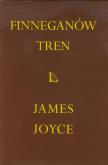
Kiedy po nowatorskim, słynącym z techniki strumienia świadomości Ulissesie wydawało się, że nie sposób już pójść dalej, James Joyce stworzył utwór pod pewnymi względami jeszcze radykalniejszy. W 1939 roku, po siedemnastu latach mozolnego tkania Work in Progress (Dzieła w Toku), zanurzył czytelników w mroczną podświadomość Finnegans Wake.
Jak głosi jedna z wielu prób interpretacji, ostatnia książka Joyce’a to podróż w głąb ludzkiej, boskiej czy kosmicznej, pogrążonej we śnie zbiorowej jaźni, dla której irlandzki pisarz wynalazł specjalną mowę – symfonię skomponowaną z neologizmów i wielojęzycznych kalamburów. Z czasem ten oniryczny, wzniesiony na ruinach wieży Babel wszechświat urósł do rangi prawdziwego mitu, mającego swych zaprzysięgłych zwolenników i równie nieprzejednanych wrogów. Żaden utwór literacki nie wzbudził tylu kontrowersji – po dziś dzień Finnegans Wake uchodzi za najbardziej tajemniczą książkę XX wieku, a być może i całej literatury.
Dzięki brawurowemu przekładowi Krzysztofa Bartnickiego, ukazującemu się pod tytułem Finneganów tren, z tym legendarnym dziełem może wreszcie zapoznać się polski czytelnik. Wydawca dołożył wszelkich starań, aby możliwie wiernie odtworzyć oryginalny kształt książki – jej format, czcionkę, zaprojektowaną zgodnie z sugestiami Joyce’a okładkę, oraz wywiedzioną z matematyczno-geograficznych proporcji liczbę stron, jak wiele wskazuje, zaplanowaną przez autora. W oryginale Finnegans Wake zawsze wydawane było w identycznej, 628-stronicowej objętości i taką objętość ma również polski przekład. Dołącza on do elitarnego klubu niewielu powstałych do tej pory kompletnych tłumaczeń tej jedynej w swoim rodzaju książki.
Stefan Symotiuk (ur. 1943) - emerytowany profesor dr hab. UMCS, autor książek: "Pojmowanie krytyki i krytycyzmu w polskich sporach filozoficznych XX wieku" (Lublin 1987), "Filozofia i Genius Loci" (Warszawa 1997), "Stany ducha" (Kraków 2011). Niniejszy zbiór esejów przedstawia zarys antropologii kulturowej (homo inquietus), filozofii kultury oraz filozoficznej futurologii, mających być inspiracją do myślenia o optymistycznej historiozofii czasów minionych i przyszłych.
W życiu otacza nas wiele przedmiotów, które od wieków symbolizują szczęście: czterolistna koniczynka, podkowa, świnka, kominiarz, muchomorek, worek ze złotem i wiele innych. Czy szczęściu można pomóc? Jakie są na to sposoby? Nad tym problemem zastanawiali się już starożytni filozofowie. Niech w jego zdobywaniu pomoże także ta książka.
Rodzimy się „między łajnem a uryną” (Święty Augustyn) i tym samym całe nasze istnienie zostaje określone przez stosunek do ekskrementów. Nasza kultura, tożsamość, zdrowie, pojęcie piękna czy dowcip w niemałym stopniu zależą od naszego stosunku do wydzielin ludzkiego ciała. W nauce, sztuce, ekonomii czy architekturze gówno ma ważną rolę do odegrania. Florian Werner zaprasza w pełną humoru, inteligentną i zajmującą podróż w głąb historii tej fascynującej materii.
"Autor „Ciemnej materii” wywodzi się z kręgu kultury germańskiej, kojarzonej przez nas z silnie rozwiniętym skatologicznym poczuciem humoru i obecnością „szajsu” w codziennych zachowaniach językowych odwrotnie proporcjonalną do marki niemieckich produktów. Wbrew pozorom Florian Werner musi jednak włożyć ogromny wysiłek w przełamanie uniwersalnego europejskiego tabu kulturowego, od którego bynajmniej nie są wolni także profesorowie, publicyści, krytycy artystyczni. I nie jest to – co z całą mocą pragnę podkreślić – wysiłek jałowy, dający efekt krotochwilny, zwłaszcza że tłumaczka znakomicie dotrzymała kroku autorowi. To bardzo lekkie, lecz przy tym najpoważniejsze ujęcie zagadnienia od czasów Dominika Laporte’a. Operując bogactwem odniesień materiałowych i poruszając się sprawnie tak w polu fizjologii, jak literatury, Werner wydobywa na światło dzienne to „niechciane dziecko” cywilizacji, zepchnięte do piwnic czy też w czeluście kanalizacji spławnej, aby pokazać dowodnie, że materie fekalne stanowią pełnoprawne tworzywo kultury. Widać wszyscyśmy z guana. Do wszystkich, którzy analny aspekt życia ludzkiego wypierają starannie i gotowi są z niesmakiem odłożyć niniejszą książeczkę, apeluję: tylko nie mówcie, że tego nie robicie."
Włodzimierz Karol Pessel
"Znaczenie danej materii jest dziełem przypadku. Jaśniej nie można tego wyrazić: nawet gówno to kwestia kontekstu."
Urs Willmann, „Die Zeit”
"Oryginalne, solidne, wciągające studium. [...] W dwunastu błyskotliwych rozdziałach autor bierze pod lupę korzenie humoru fekalnego, opisuje, jak wraz z rozwojem nowoczesnego społeczeństwa zaostrzały się zasady higieny. Wyjaśnia zależności między gównem a sztuką, pieniędzmi, a nawet religią [...] Czy ekskrementy mogą stać się relikwiami? Mogą. [...] To książka uświadamiająca w najlepszym tego słowa znaczeniu."
Jan Oberländer, „Der Tagesspiegel”
"Nawet bez gruntownej znajomości literatury sekundarnej można stwierdzić, że o tym najbardziej nikczemnym (tak, użyjmy tego słowa!) dobru kultury nigdy nie pisano w sposób bardziej kompetentny, mądrzejszy i kompleksowy."
Georg Howahl, „Westdeutschen Allgemeinen Zeitung”
Książka stanowi ważną i udaną próbę prezentacji części dorobku polskiej filozofii kultury, która niestety nie funkcjonuje w świadomości wielu badaczy kultury tak, jak na to bez wątpienia zasługuje. [...] Adresowana jest ona zarówno do specjalistów, jak i szerszego grona czytelników.
Prof. dr hab. Stanisław Jedynak ( fragment recenzji)
Zajrzyj do książki.
Jest wiele dróg do szczęścia.
Rozejrzyj się i znajdź swoją.
Wiara, nauka, filozofia, literatura, historia - największe umysły od tysiącleci poszukiwały odpowiedzi na najistotniejsze pytania ludzkości, w tym na to jedno, być może najważniejsze - o istotę szczęśliwego życia.
Przestańcie biec. Zatrzymajcie się na chwilę. Poświęćcie dwie minuty na to, by się trochę zastanowić i odpowiedzieć choć na jedno spośród wielu pytań.
Dziś drogi do osobistego szczęścia poszukują wszyscy. Wbrew temu, co głosiły setki książek, nie ma jednej recepty na szczęście, jednej ścieżki, jednej definicji. Każdy z nas musi wyruszyć we własną, wyjątkową podróż.
Jesteśmy na ziemi po to, by kochać, być szczęśliwymi, pływać w morzu, spacerować po lesie. Być może nawet po to, by dokonywać wielkich rzeczy lub rozkoszować się pięknem.
Dlaczego warto wybrać się w tą podróż właśnie z Traktatem o szczęściu? Ponieważ Jean d'Ormesson nie podaje nam gotowych rozwiązań - uczy za to, w jaki sposób korzystać ze skarbnicy ludzkiej mądrości gromadzonej od wieków. Autor nie obiecuje, że lektura książki odmieni życie czytelnika. Zmieni za to jego myślenie, pozwoli zrozumieć, że szczęście to nie rzadkie chwile euforii, ale sposób myślenia o sobie i o świecie.
Nie wiem, czy ta książka jest dobra ani czy zmieni, choćby odrobinę, czytelników. Na pewno zmieniła mnie. Wyleczyła z cierpień i zagubienia. Dała szczęście, pewien rodzaj zaufania i pokój. Przywróciła mi nadzieję.
Jeden z najbardziej rozchwytywanych tytułów na ostatnich Targach Książki we Frankfurcie.
Ponad 300 tysięcy sprzedanych egzemplarzy we Francji w ciągu kilku miesięcy.
”Zachwycająco lekkim i wdzięcznym krokiem Autor prowadzi nas przez tysiącletnie labirynty filozofii i nauki, poszukujących sensu świata i życia.
Dostajesz do ręki mądrą i błyskotliwą nić Ariadny... czeka cię wiele niespodzianek i radości!”
Małgorzata Braunek
”Ta książka jest jak koniak, można sączyć powoli, smakować odcienie, rozkoszować się. Może też uderzyć do głowy i zmienić życie w ciągu chwili. Wszystko jest w naszych rękach.”
Anna Mucha
Było jasne, że nie możemy się ograniczyć do myśli powojennej i do filozofii. Poza wszystkim bowiem dzieliliśmy przekonanie, że myśl i myślenie rodzą się w obszarach znacznie oddalonych od wąsko pojętej refleksji...?
Ten produkt jest zapowiedzią. Realizacja Twojego zamówienia ulegnie przez to wydłużeniu do czasu premiery tej pozycji. Czy chcesz dodać ten produkt do koszyka?