Książka napisana z myślą o licznych odbiorcach, którzy zainteresowani są tematyką życia rodzinnego, przemianami intymności oraz aksjologią wychowania. W pracy przedstawiono proces kształtowania więzi międzyludzkich, wpływ czynników społecznych, politycznych i technologicznych na tożsamość człowieka i transformację relacji rodzinnych. Zaprezentowano w niej poglądy przedstawicieli personalizmu, utylitaryzmu oraz etyki troski na temat formowania alternatywnych modeli życia rodzinnego oraz metod w wychowaniu potomstwa.
Uzasadnienie przemian intymności, zgodnie z ideą etycznego pluralizmu, służy również zrozumieniu współczesnych bioetycznych dylematów. Leczenie bezpłodności, macierzyństwo zastępcze oraz stosowanie nowoczesnych technik wspomaganego rozrodu są konsekwencjami zmian wewnątrz podstawowej komórki społeczeństwa.
Traktat Porfiriusza nie zachował się w wersji oryginalnej, lecz został zrekonstruowany na podstawie dzieła Makarego Magnezjanina. Domniemany autor traktatu to filozof neoplatonik z przełomu III i IV w., który w czasach coraz wyraźniejszej dominacji chrześcijaństwa próbował ocalić pogańską religię i kulturę, opierając ją na podstawach intelektualnych. Starał się wykazać nieścisłości i sprzeczności w Ewangeliach i dowieść niedorzeczności nauki Jezusa. Z podobnymi argumentami można spotkać się i dziś, a książka prowokuje do poszukiwania odpowiedzi na podobne zarzuty. Książka zawiera również tekst w oryginalnej wersji greckiej.
Yuanwu zasłynął jako odnowiciel i wielki propagator praktyki konganów (jap. koan), jak również jako autor najsłynniejszej chyba księgi zen, Zapisków błękitnej skały, zbioru poddawanych medytacji przypadków z komentarzami wierszem i prozą.mistrz zen Yuanwu 1063-1135
Listy zawarte w tej książce zostały napisane przez nauczyciela zen znanego jako Yuanwu (1063-1135) do jego przyjaciół, uczniów i współpracowników, zarówno kobiet, jak i mężczyzn, do ludzi posiadających rodziny i pracę, jak i do mnichów i mniszek, do zaawansowanych adeptów, jak i do początkujących uczniów.
Yuanwu zasłynął jako odnowiciel i wielki propagator praktyki konganów (jap. koan), jak również jako autor najsłynniejszej chyba księgi zen, Zapisków błękitnej skały, zbioru poddawanych medytacji przypadków z komentarzami wierszem i prozą. Zapiski błękitnej skały to zawiła sieć tradycji zen z niezliczonymi subtelnymi odcieniami znaczeń. W niniejszych listach Yuanwu przedstawia przekaz zen w bardziej przystępnej formie bezpośrednich, osobistych lekcji.
Fragmenty:
Poruszaj się w zgodzie z potężnym nurtem
/…/ Kiedy uda ci się połączyć swą ścieżkę z nurtem zen, będziesz spędzał swe dni uciszając swój umysł i studiując całą swą istotą. Zdasz sobie sprawę, że tej Wielkiej Przyczyny nie uzyskasz od nikogo innego; jest to tylko kwestią odważnego i pełnego mocy podjęcia się tego zadania i czynienia stałego postępu. Dzień po dniu pozbywać się będziesz swych złudzeń i dzień po dniu będziesz wzmacniał swą jasność umysłu. Twój potencjał oświeconego postrzegania przypomina wysokiej próby złoto, które należy oczyszczać setki i tysiące razy. To, co jest niezbędnym, aby wydostać się z kurzu świata, co stanowi podstawę pomagania innym, to umiejętność swobodnego przenikanie we wszystkich kierunkach i osiągnięcie wolnego od wątpliwości pokoju i bezpieczeństwa, osiągnięcie staniu wielkiego potencjału i wielkiej funkcji.
Ta praca umiejscowiona jest w twoich własnych wewnętrznych działaniach. Jest to tylko kwestią codziennego funkcjonowania pośrodku miriadów przyczynowych uwarunkowań, w pomieszaniu czerwonego kurzu, pośrodku okoliczności sprzyjających i przeciwności losu, zysku i straty, pojawiania się i znikania; nie możesz pozwolić, aby miało to na ciebie wpływ i ciebie „odwracało”, lecz wręcz przeciwnie, to ty musisz potrafić [te wszystkie zjawiska] przekształcić i je „odwrócić”.
Kiedy tryskasz życiem i woda nie jest w stanie cię zmoczyć, jest to twoją własną miarą mocy. Osiągasz pustą, stałą ciszę, jednak nie pojawia się tu żadna dualność pomiędzy pustką i formą, czy też ciszą i hałasem. Zrównujesz wszelkiego rodzaju cudowne powiedzenia, ryzykowne narzędzia i absolutne postrzeżenia; ostatecznie zysk i strata nie istnieją, możesz więc swobodnie ich używać.
Kiedy przez dłuższy czas w ten sposób „pocierasz i polerujesz”, osiągasz wyzwolenie w samym środku narodzin i śmierci; spoglądasz na bezużyteczny szacunek świata i leżące w gruzach profity jak na zwykły kurz na wietrze, jak na sen, jak na magiczną zjawę, jak na optyczną iluzję. Uwolniony, wędrujesz przez świat. Czyż słowa te nie opisują „wielkiego świętego, który przekroczył kurz zmysłowych przywiązań”?
Zrób krok wstecz i zwróć się ku rzeczywistości
Gao w szatach z łati, ze swoją nieustraszoną i bezkompromisową naturą, podróżował przez cały kraj odwiedzając najlepszych rzemieślników szkoły zen. Dawny gubernator i mistrz zen Hang Wujen poznał go i darzył ogromnym szacunkiem jako naczynie nauk.
Ponieważ Gao posiadał niezwykłego ducha, nie zadowalał się podążaniem za płytkim rozumieniem. Po zademonstrowaniu szczerości [swej postawy], stał się jednym z moich współpracowników. Osiągnęliśmy zgodność po jednym słowie, a on zrzucił postronek, który dotychczas go krępował. Chociaż wciąż jeszcze nie posiadł całkowitego zrozumienia, był krzepkim i żywym osobnikiem, którego nikt nie był w stanie opanować ani ujarzmić.
Kiedy próbowałem dojść przyczyny tego stanu rzeczy, okazało się, że prawdopodobnie to mistrz Wujin go zainspirował. Później Gao przedarł się przez zimowe mrozy i odwiedził mnie w Xianping. Kiedy po jakimś czasie przyszedł, aby zawiadomić mnie o swym odejściu, poprosił o kilka słów nauczania, których zgodnie z jego wolą mu udzieliłem. Oto co mu powiedziałem:
„Ci, którzy noszą szaty z łat wędrowca zen, muszą z całą powagą zajmować się jedynie kwestią narodzin i śmierci. Musisz intensywnie pracować, aby rozpuścić przeszkody spowodowane przez uwarunkowaną wiedzę, poglądy i interpretacyjne rozumienie, oraz przeniknąć na wskroś ku urzeczywistnieniu wielkiego przyczynowego uwarunkowania, przekazywanego potomności przez buddów i starożytnych nauczycieli. Nie pożądaj zysku i sławy. Zrób krok wstecz i zwróć się ku rzeczywistości, aż twe praktyczne rozumienie i cnota zostaną w pełni urzeczywistnione.
Tam, gdzie istniej prawdziwe osiągnięcie, im bardziej starasz się je ukryć, tym bardziej staje się ono widzialne. Wszyscy mędrcy, dewy i nagi będą starali się pchnąć osobę o prawdziwym osiągnięciu naprzód, szczególnie po latach praktyki i oczyszczania. Poczekaj, aż staniesz się niczym dzwon, który uderzony rozbrzmiewa, albo niczym dolina oddająca echo. Poczekaj, aż staniesz się jak czyste złoto wychodzące z kuźni, gdzie było wytapiane i oczyszczane dziesięć tysięcy razy, tak że nie będzie już podlegało przemianom przez dziesięć tysięcy pokoleń, tak że stało się *dziesięcioma tysiącami lat w jednej chwili.
Kiedy chwytasz w dłoń transcendencję, kiedy trawy kołyszą się, gdy wieje wiatr, czyż nie stajesz się osobą okazałą i hojną, której nie brakuje środków?
Pamiętaj, że najważniejszą rzeczą w praktyce jest wytrwałość i stałość”.
Pośród burzliwych debat nad takimi kwestiami jak testy genetyczne, aborcja czy obowiązkowe szczepienia, Joanna Żylińska proponuje odmienne spojrzenie na istotę bioetyki. Stwierdza ona, że w epoce technologii cyfrowych i nowych mediów głównym zadaniem, z którym musi zmierzyć się bioetyka, jest nie tyle rozwiązanie konkretnych sporów z dziedziny medycyny i zdrowia co przedefiniowanie samego pojęcia życia. W swych analizach, obejmujących zarówno klasyczne koncepcje bioetyki jak i „bioetykę w akcji”, autorka uwypukla dynamiczne relacje pomiędzy życiem a człowiekiem, a szczególnie współistnienie i współzależność tego, co ludzkie i tego, co nie-ludzkie. Takie ujęcie problemu wymaga interdyscyplinarnego podejścia, które autorka konstruuje korzystając z założeń i metod medioznawstwa i studiów kulturowych. Posiłkuje się przy tym teoriami takich myślicieli jak Giorgio Agamben, Michel Foucault, Donna Haraway i Katherine Hayles. Szczególnym źródłem inspiracji jest zaś filozofia odmienności rozwijana przez Jacquesa Derridę, Emmanuela Levinasa i Bernarda Stieglera. Czerpiąc z ich refleksji, Żylińska postuluje „etykę życia”, niesystemową, niehierarchiczną bioetykę uwzględniającą pokrewieństwo ludzi, zwierząt i maszyn. Bioetyka w epoce nowych mediów to książka, która splatając filozoficzny namysł z wyczuleniem na aktualne zjawiska w sztuce, nauce i kulturze popularnej, pobudza do ponownego namysłu nad życiem jako problemem zarówno filozoficznym jak i biologiczno-technicznym.
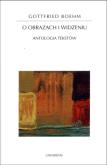
Najważniejszymi zagadnieniami uprawianej przez Gottfrieda Boehma teorii obrazu są widzenie, patrzenie, przyglądanie się i próba zwerbalizowania tych aktów ponad sztywnymi dyscyplinarnymi podziałami nauki. Podstawowy problem, który zajmuje autora, to w jaki sposób obrazy generują odmienny od językowego, czyli wizualny (ikoniczny) sens. Artykuły zamieszczone w zbiorze ukazują ewolucję myśli Boehma od hermeneutyki obrazu (z roku 1978) do prac najnowszych, reprezentujących szerzej rozumianą naukę o obrazie. Dokonany specjalnie na potrzeby polskiego rynku wydawniczego wybór tekstów ma przybliżyć czytelnikowi niemieckojęzyczną teorię obrazowości, dotąd niemal całkowicie nieobecną w naszym kraju z powodu braku przekładów. Do antologii została dołączona płyta DVD. Zawiera ona wywiad z Gottfriedem Boehmem, w którym autor wyjaśnia zasadnicze dla jego teorii problemy i terminy oraz interpretuje wybrane dzieła pochodzące ze zbiorów Muzeum Sztuki w Bazylei.Gottfried Boehm (ur. 1942) - jeden z najważniejszych niemieckich myślicieli zajmujących się problematyką obrazu, współtworzący m. in. z Hansem Beltingiem i Horstem Bredekampem teoretyczne zaplecze tzw. Bildwissenschaften (nauk o obrazie). Obraz jest dla Boehma pojęciem formy mnogiej, dlatego nie opowiada się on za żadną jedynie słuszną metodologią w interpretacji obrazów, lecz stara się wskazywać na konieczność łączącego różne dyscypliny, indywidualnego podejścia do każdego przedmiotu interpretacji. W roku 2005 Boehm zainicjował projekt eikones. Krytyka obrazu, w którym reprezentanci różnych dziedzin (teoretycy architektury, literaturoznawcy, muzykolodzy, egiptolodzy etc.) spotykają się z historykami sztuki i filozofami, by dyskutować pojęcie obrazu. Swą drogę naukową Boehm rozpoczął doktoratem z filozofii, napisanym pod kierunkiem Hansa-Georga Gadamera w 1968 roku, habilitował się z historii sztuki w 1974. W latach 197579 był docentem historii sztuki na uniwersytecie w Boehm. Tam też miał możliwość wymiany myśli z Maxem Imdahlem drugą, poza Gadamerem, osobowością, która zasadniczo wpłynęła na ukształtowanie się jego teorii. Po siedmioletniej profesurze w Giessen (197986), Boehm trafił do Szwajcarii i przez dwadzieścia sześć lat związany był z Instytutem Historii Sztuki na uniwersytecie w Bazylei. Aktualnie jest profesorem emerytowanym i kontynuuje pracę nad teorią obrazu.Daria Kołacka (ur. 1973) - absolwentka kulturoznawstwa UAM. Pracę magisterską Słowo miasto obraz. (De)konstrukcja podmiotu (post)modernistycznego napisała u Anny Zeidler-Janiszewskiej (1997). Doktorat na temat prac Alberta Giacomettiego obroniła w Instytucie Historii Sztuki UAM pod kierunkiem Piotra Piotrowskiego (2003). W roku 2001 otrzymała stypendium rządu szwajcarskiego na dokończenie doktoratu pod opieką naukową Gottfrieda Boehma. Odtąd mieszka w Bazylei, gdzie m.in. prowadzi zajęcia ze sztuki najnowszej. Od roku 2011 związana jest z eikones, a od 2008 realizuje filmy dokumentalne o artystach (wraz z Piotrem Dżumałą).
Lekka, praktyczna, z dużą ilością ciekawych przykładów, ale największym atutem tej książki jest to, że Marek Stączek dzieli się pomysłami na tworzenie przekonujących argumentów i oryginalnych wypowiedzi. Wypowiedzi, które można wykorzystać, tak w prezentacji na forum jak i podczas rozmów biznesowych. Gorąco polecam.
Anna Michałowska, TVP Biuro Reklamy
Przekład z tybetańskiego i wstęp: Keith Dowman
Przekład z angielskiego: Jacek SieradzanZbiór pieśni w tradycji dzogczien wyjaśniających medytację tregczio
Przekład z tybetańskiego i wstęp: Keith Dowman
Przekład z angielskiego: Jacek Sieradzan
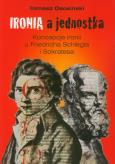
Książka jest pierwszą powstałą w języku polskim monografią twórczości Friedricha Schlegla. Autor zaczyna od scharakteryzowania sformułowanej przez Schlegla we wczesnym okresie twórczości koncepcji ironii romantycznej, następnie przedstawia kontekst, w jakim koncepcja powstała, szczególną uwagę poświęcając dramatom Ludwiga Tiecka oraz polemikom Hegla; w ostatniej części pracy omawia koncepcję ironii Sokratesa oraz jej związki z teoriami Schlegla.
Analiza koncepcji historycznych jest dla autora punktem wyjścia do przedstawienia własnej idei interpretacyjnej dotyczącej ogólnego sensu pojęcia ironii, której jedynie częściową egzemplifikacją były omawiane teorie.
Cuda można porównać do kamieni: wszędzie ich pełno, oferują swoje piękno, a prawie nikt tego nie docenia. Żyjemy w rzeczywistości przepełnionej cudami, ale dostrzegają je tylko ludzie o rozwiniętej percepcji. Bez takiej wrażliwości wszystko staje się banalne, cudowne zdarzenie uznaje się za przypadek, przemierzamy świat bez klucza zwanego wdzięcznością. Niezwykłe zdarzenia postrzega się jak zjawiska naturalne, z których można czerpać, nie dając nic w zamian. A przecież cud wymaga wymiany: to, co zostaje mi dane, powinienem oddać innym z nawiązką. Bez zjednoczenia nie uchwycisz cudu. Nikt nie czyni cudów ani ich nie wywołuje, one się odkrywają. Często postrzegamy wokół siebie ciemność, ponieważ mamy na nosie ciemne okulary. Ta ciemność to więzienie rozumu.
W różnych miejscach tej książki przedstawiłem kilka pośrednich, niekonkluzywnych racji na rzecz tezy, iż wbrew temu, co każe nam sądzić cała niemal filozofia, wrażenia i pojęcia są tym samym. Niewiele bliższego byłem w stanie powiedzieć o tej tożsamości. Tu bodaj w sposób najbardziej namacalny dochodzi do głosu to, o czym mówiłem w związku z kwestią metody - brak gotowych pojęć i konieczność posuwania się po omacku, drogą refleksji, a nie myślenia determinującego.
Książę"" to nieśmiertelne lekcje, które do dziś kształtują myślenie liderów na całym świecie. Mądrość Machiavelliego wykracza dalece poza tak zwane ,,machiawelizmy"". Machiavelli był znakomitym psychologiem rozpracowującym przeciwników na wiele ruchów do przodu. Dostrzegał złożoność podejmowania strategicznych decyzji. Widział wielowymiarowość potęgi organizacji i państw. Widział wczesne sygnały oznaczające umacnianie i osłabianie się władzy swojej i przeciwników. A oprócz tego był piekielnie skuteczny. W ""Księciu"" Machiavelli utrwalił zasady przywództwa i filozofię, które wymykają się dzisiejszym ramom. Składając to dzieło w Państwa ręce, wierzymy, że współcześni liderzy zrobią dobry użytek z mądrości Makiawela.
Prawdziwa Księga Południowego Kwiatu
Nowe, uzupełnione i dokładniejsze tłumaczenie książki o fundamentalnym znaczeniu dla chińskiej filozofii. Jej tekst wpłynął na kształt chińskiego światopoglądu, estetyki, stał się podstawą myśli taoistycznej i zarazem umożliwił narodziny w Chinach buddyzmu chan (jap. zen).
Głosy wśród nocy to ostatnia książka Stanisława Brzozowskiego. I choć uznawana jest za jedną z najważniejszych w dorobku autora, nie była nigdy wznawiana od pierwszego wydania w 1912 roku. Najwyższy czas, aby przypomnieć ją polskiemu czytelnikowi.
Twórczość Brzozowskiego były jedną z największych intelektualnych inspiracji dla kolejnych pokoleń polskiej inteligencji zaangażowanej. O Brzozowskim pisali m.in. Andrzej Stawar (O Brzozowskim, Warszawa 1961), Czesław Miłosz (Człowiek wśród skorpionów, Paryż 1962), Andrzej Mencwel (Kształtowanie myśli krytycznej, Warszawa 1976), Andrzej Walicki (Drogi myśli, Warszawa 1977), Leszek Kołakowski, Maria Janion czy Adam Michnik, by wymienić tylko najważniejszych, w tym tych, którzy poświęcili Brzozowskiemu osobne monografie.
Wydaniem Głosów wśród nocy oraz równoczesnym wznowieniem jego powieści Płomienie (Seria Kanon) pragniemy wznowić dyskusję na temat myśli Stanisława Brzozowskiego.
O AUTORZE
Stanisław Brzozowski (1878-1911)?–?polski filozof, pisarz, krytyk literacki i teatralny, historyk idei. Czerpiąc z twórczości Marksa, Sorela, Nietzschego, Carlyle’a, Schelley’a i kard. Newmana, głosił konieczność zaangażowania twórcy w kształtowanie życia społecznego. Będąc zwolennikiem materializmu historycznego, sprzeciwiał się jednocześnie jego deterministycznej wersji i wszelkim koncepcjom uprzedmiatawiającym człowieka. Był błyskotliwym krytykiem polskiej myśli filozoficzno-społecznej i analitykiem dzieł literackich, a zarazem obserwatorem polskiej i europejskiej codzienności. Piętnował tradycjonalizm, zaściankowość i prowincjonalny charakter głównych nurtów polskiej literatury, szczególnie zaś historycznych powieści „ku pokrzepieniu serc”, której reprezentantem (i największym ideowym oponentem Brzozowskiego) był Henryk Sienkiewicz. Jego Idee, Legenda Młodej Polski, Głosy wśród nocy oraz powieści Płomienie i Sam wśród ludzi kształtowały kolejne pokolenia polskiej inteligencji zaangażowanej. Stanisław Brzozowski jest patronem środowiska „Krytyki Politycznej”, którą wydaje Stowarzyszenie jego imienia.
RĘKA BOGA to napisana w roku 1996 autobiografia Nathansona, w której Autor przedstawia swoją drogę: od postawy wyrachowanego propagatora aborcji – aż po moralne opamiętanie i radykalny wobec niej sprzeciw. Książka demaskuje też szereg zakulisowych mechanizmów dotyczących
Czy matematyka jest poezjąJak szukać sensu we wszechświecieGdzie leżą granice czasu, przestrzeni i prawdopodobieństwaW swojej najnowszej książce Michał Heller zastanawia się nad trzema zasadniczymi zagadnieniami: czym jest nauka i czemu zawdzięcza ona swoje sukcesy Jak teorie naukowe mają się do rzeczywistości Jakie miejsce w naukowym obrazie świata zajmuje człowiek: twórca nauki i odkrywca praw przyrodyPrzedmiotem refleksji i analiz wybitnego filozofa i kosmologa są procesy, dotyczące zarówno Wszechświata - rozumianego jako całość - oraz pewnych jego aspektów i zjawisk zachodzących w samej nauce.To, co znajduje się poza granicami, nie należy (jeszcze) do nauki, ale stanowi dla niej wyzwanie, obietnicę dalszych podbojów, ale i ryzyko porażek. Metoda prób i błędów jest wpisana w metodę naukową. Co więcej, granice niejako prowokują, aby je przekraczać. Prowokacja ta tkwi w horyzoncie prac badawczych i jest odpowiedzialna za pewną agresywność nauki. Stąd dyrektywa metodologiczna: naukowiec nigdy nie powinien poddawać się wobec nowych pytań, a priori przyjmując, że wykraczają one poza sferę kompetencji naukowej metody. Nie chodzi jednak o to, żeby przekraczać granice metody, lecz o to, by udoskonalając metodę, przesuwać jej granice./fragment Wstępu/Ks. Prof. Michał Heller - uczony, kosmolog, filozof i teolog, który w matematycznych równaniach teorii naukowych potrafi dostrzec dzieła sztuki, a wielkich fizyków uważa za genialnych artystów tworzących swe kompozycje z liczb i matematycznych formuł. W 2008 roku otrzymał prestiżową Nagrodę Templetona, przyznawaną osobowościom, które wnoszą wyjątkowy wkład w postęp badań i odkryć dotyczących rzeczywistości duchowej. W czerwcu 2013 odznaczony Medalem św. Jerzego, przyznawanym przez Redakcję Tygodnika Powszechnego zazmagania ze złem i uparte budowanie dobra w życiu społecznym"". Ostatnio opublikował m.in książkę Bóg i nauka. Moje dwie drogi do jednego celu (CCPress 2013) oraz (z Tadeuszem Pabjanem) Stworzenie i początek wszechświata (CCPress 2013)
Czy istnieje niezawodna metoda negocjowania? Jakie są teoretyczne podstawy negocjacji? Jakie negocjacyjne mity utrudniają nam rozstrzyganie sporów? Jak negocjować w sposób słuszny, skuteczny, czy ekonomicznie efektywny? W Negocjacjach Jerzy Stelmach i Bartosz Brożek pokazują, jakimi narzędziami możemy posługiwać się przy rozwiązywaniu sporów. Przedstawiają trzy modele negocjowania – argumentacyjny, topiczno-retoryczny i ekonomiczny. Odwołują się one do różnych kryteriów negocjowania – słuszności, skuteczności i efektywności ekonomicznej – a każdy z nich może być zarówno stosowany samodzielnie, jak i wspólnie. W książce znajdziemy też krytyczną analizę najpopularniejszych dziś metod negocjowania, zarys logiki negocjacji, obronę erystyki negocjacyjnej i uwagi na temat psychologii negocjacji. Uczestnicy niezliczonych seminariów i warsztatów poświęconych negocjacjom, wierzą i za to płacą, że po jedno- czy dwudniowym kursie opanują metodę, która w przyszłości zagwarantuje im negocjacyjne sukcesy. Jest to oczywista bzdura. Zamiast bowiem przyjąć racjonalne założenie, że można uczyć się pewnych elementów sztuki argumentowania i negocjowania, czyli przyjąć, że można opanować niektóre sposoby, techniki i strategie negocjacyjne zwiększające szansę na wygraną lub chociażby na nieco lepsze, bardziej sprawiedliwe, skuteczne lub ekonomicznie efektywne rozstrzygnięcie sporu, wolimy wierzyć w istnienie idealnej – zawsze wygrywającej – metody negocjacyjnej; metody, której oczywiście nie ma. Prof. dr. hab. JERZY STELMACH – prawnik i filozof, doktor honoris causa uniwersytetów w Heidelbergu i Augsburgu, kierownik Katedry Filozofii Prawa i Etyki Prawniczej UJ, współpracownik Centrum Kopernika Badań Interdyscyplinarnych. Autor lub współautor kilkuset artykułów naukowych i kilkunastu książek, w tym Die hermeneutische Auffasung der Rechtsphilosophie (Gremer 1991) oraz, wspólnie z Bartoszem Brożkiem, Methods of Legal Reasoning (Springer 2006) i Sztuka negocjacji prawniczych (Wolters Kluwer 2011). Prof. dr. hab. BARTOSZ BROŻEK – prawnik i filozof, pracownik Katedry Filozofii Prawa i Etyki Prawniczej UJ, współpracownik Centrum Kopernika Badań Interdyscyplinarnych. Autor kilkunastu książek, w tym Umysł matematyczny (wspólnie z Mateuszem Hoholem, Copernicus Center Press 2013), Granice interpretacji (Copernicus Center Press 2014) oraz kilkudziesięciu artykułów z zakresu filozofii prawa, etyki, filozofii nauki, filozofii logiki i kognitywistyki.
O ile oczami wiary widzi się świat inaczej, niż oczami wiedzy naukowej? Jak, w perspektywie teologicznej, sens człowieka wiąże się z sensem Wszechświata? Jaki jest związek „teologii sensu” z „teologią stworzenia”? Pytania o sens człowieka i sens Wszechświata są ze sobą ściśle związane. Właściwie stanowią one jedno Wielkie Pytanie. Człowiek jest genetycznie związany z Wszechświatem. Korzenie człowieka wyrastają z historii Wszechświata. Jeżeli Wszechświat ma sens, to sens ten prawdopodobnie obejmuje także człowieka, ponieważ człowiek jest częścią, więcej: elementem struktury Wszechświata. A czy mógłby istnieć człowiek obdarzony sensem w bezsensownym Wszechświecie? Polecamy wznowienie klasycznej książki słynnego filozofa i kosmologa, poprawione i poprzedzone nowym wstępem Autora. Jednym z głównych problemów stojących przed teologią XXI wieku jest jej dialog z naukami, zwłaszcza z naukami przyrodniczymi. Fakt, że wielka liczba teologów (może nawet większość) nie dostrzega tego problemu, świadczy jedynie o tym, że jest to problem naprawdę palący. Zignorowanie go może zepchnąć teologię niedalekiej przyszłości na marginesy kulturowego życia ludzkości. Albo jeszcze wyraźniej – może włączyć teologię w ciągle przybierający na sile nurt irracjonalizmu, zrównując ją tym samym z wielu modnymi zabobonami. Należy więc problemowi dialogu teologii z naukami stawić czoło. /fragment książki/ Ks. Prof. Michał Heller - uczony, kosmolog, filozof i teolog, który w matematycznych równaniach teorii naukowych potrafi dostrzec dzieła sztuki, a wielkich fizyków uważa za genialnych artystów tworzących swe kompozycje z liczb i matematycznych formuł. W 2008 roku otrzymał prestiżową Nagrodę Templetona, przyznawaną osobowościom, które wnoszą „wyjątkowy wkład w postęp badań i odkryć dotyczących rzeczywistości duchowej”. W czerwcu 2013 odznaczony Medalem św. Jerzego, przyznawanym przez Redakcję Tygodnika Powszechnego za "zmagania ze złem i uparte budowanie dobra w życiu społecznym". Nakładem Copernicus Center Press ukazały się jego książki Filozofia przypadku, Filozofia kosmologii, wywiad-rzeka Bóg i nauka. Moje dwie drogi do jednego celu oraz, wspólnie z Tadeuszem Pabjanem, Stworzenie i początek wszechświata.
Współczesny przełom w genetyce niesie ze sobą zarówno obietnicę, jak i niebezpieczeństwo. Obietnica polega na tym, że wkrótce będziemy mogli leczyć wiele poważnych chorób i zapobiegać ich wystąpieniu. Niebezpieczeństwo bierze się z faktu, iż nowo zdobyta wiedza genetyczna może nam pozwolić na poprawianie natury - manipulacje genetyczne prowadzone na nas i naszych dzieciach. Większość ludzi niepokoją przynajmniej pewne formy inżynierii genetycznej, ale trudno im uzasadnić ten lęk. Co jest złego w modyfikowaniu natury? Książka ,,Przeciwko udoskonalaniu człowieka"" omawia dylematy moralne, związane z dążeniem do udoskonalania nas samych i naszych dzieci. Michael Sandel stawia tezę, że problemy z tym zjawiskiem nie ograniczają się do kwestii bezpieczeństwa i sprawiedliwości. Pęd do poprawiania natury budzi sprzeciw, ponieważ świadczy o głodzie władzy i dominacji, który nie szanuje charakteru ludzkich zdolności i osiągnięć. Wykraczając poza znane kategorie dyskursu politycznego, ta książka przekonuje, że rewolucja genetyczna zmieni sposób, w jaki filozofowie postrzegają etykę i wymusi powrót duchowości do programów politycznych. Mierząc się z etyką udoskonalania, musimy zastanowić się nad pytaniami, które w dzisiejszym świecie straciły znaczenie. Są to pytania z pogranicza teologii, dlatego współcześni filozofowie zwykle uchylają się od odpowiedzi na nie. Tymczasem nowe możliwości biotechnologiczne sprawiają, że nie możemy ich dłużej unikać. W tej książce rozważa je jeden z najważniejszych amerykańskich moralistów i politologów. O AUTORZE Michael J. Sandel (ur. 1953). Jeden z najwybitniejszych współczesnych amerykańskich filozofów i autorem bestsellerowych książek. Absolwent Uniwersytetu Brendeis, pracę doktorską obronił w Oxfordzie. Od 1980 roku wykłada filozofię polityczną na wydziale nauk politycznych, stosunków międzynarodowych i administracji Uniwersytetu Harvarda. Sympatię studentów i popularność medialną zdobył w szczególności dzięki cyklowi wykładów, zatytułowanemu: ,,Sprawiedliwość. Jak należy postępować"". Uczestniczyło w nich do tej pory blisko 15 tysięcy studentów, a kiedy zaczęła retransmitować je brytyjska telewizja BBC, Sandel stał się znany na całym świecie. Autor kilku książek, m.in. ,,Liberalism and the Limits of Justice""(1982), ,,Democracy's Discontent"" (1996), ,,Justice. What's the right thing to do"" (2010), która na świecie sprzedała się w 1,5 mln egzemplarzy. Recenzje: ,,Przeciwko udoskonalaniu człowieka"" Michaela Sandela to krótki, zwięzły i błyskotliwy wywód jednego najważniejszych amerykańskich moralistów i politologów, która zapoznaje czytelników z podstawowymi problemami etycznymi w trwających dyskusjach o inżynierii genetycznej i badaniach nad komórkami macierzystymi.""-- Gabriel Gbadamosi, BBC Radio ,,W tym krótkim i prowokacyjnym traktacie Sandel, profesor prawa na Uniwersytecie Harvarda i członek Prezydenckiej Rady ds. Bioetyki, szuka odpowiedzi na pytanie, dlaczego pewne rodzaje nowo dostępnych technologii genetycznych budzą w nas niepokój... Jego książka przypomina nam, że właściwym punktem wyjścia dla bioetyki nie jest postawa: ,,Co powinniśmy zrobić?"", tylko ,,Jakiego społeczeństwa pragniemy?"" i ,,Jakimi jesteśmy ludźmi?"" - Faith McLellan, The Scientist
Rozmówcą nagrodzonego Oscarem aktora jest jego buddyjski nauczyciel Roshi Bernie Glassman, z którym przyjaźni się od ponad dziesięciu lat. Przyrównuje on ikoniczną rolę Jeffa Bridgesa w filmie „Big Lebowski” do łamed wownika – jednego ze sprawiedliwych w żydowskim mistycyzmie, którzy niczym się nie wyróżniają i są ludźmi prostymi, ale o tak szlachetnym sercu, że dzięki nim Bóg pozwala światu trwać. Jego przyjaciel Jeff ujmuje to inaczej: wielkość Kolesia polega na tym, że woli dać pyska niż dać w pysk. Toczący się niespiesznie dialog odwołuje się do biografii Bridgesa, nie tylko zresztą artystycznej. Wspomina on swoje dzieciństwo, młodość oraz ludzi, których spotkał na swojej drodze i których nauki wywarły na niego wpływ. Punktem wyjścia do rozważań Bridgesa i Glassmana jest tytułowy Koleś, grany przez Bridgesa w „Big Lebowskim”. Podstarzały wieczny hippis, od którego bije nie tylko ujmująca szczerość i dobroduszność, ale także… dość luzackie podejście do życia. Glassman: Koleś przypomina nas wszystkich. Wnerwiają go różne rzeczy, na przykład gdy ktoś sika na jego dywan. Ma różne myśli, przeżywa frustracje, jak my wszyscy, ale nie to jest podstawą jego działania. Podstawę stanowi to, gdzie jest. Odpowiada mu Bridges: Robi swoje, jest bardzo autentyczny, ale nieprzewidywalne życie tarmosi nim raz za razem. Koleś radośnie wiosłuje po rzece, ale ciągle pojawia się coś nowego, więc musi się dostosowywać. „Koleś i mistrz zen” to także (a może nawet przede wszystkim!) błyskotliwie poprowadzony wykład buddyzmu zen. Stąd wszelkie nawiązania do „Big Lebowskiego” – czy biografii jego aktora – zostają zgrabnie powiązane z wątkami tej filozofii. Przypadki Kolesia stanowią znakomity pretekst do duchowych podróży Glassmana: Jedna z pierwszych nauk Buddy mówi, że życie to cierpienie. Budda nie miał na myśli rozdzierającego, dojmującego, traumatycznego cierpienia, ale coś bardziej fundamentalnego. Bo bez względu na to, jak dobrze nam idzie albo jak bardzo jesteśmy szczęśliwi, każdego dnia pojawiają się zmiany, które przynoszą nam niezadowolenie i rozczarowanie. Tak więc film zaczyna się zaserwowaniem Kolesiowi porcji cierpienia, bo ktoś sika na jego dywan, dywan, który „robił mu pokój”. „Koleś i mistrz zen” to inspirująca i pogodna książka, zapis swobodnej, serdecznej rozmowy o życiu i filmach, zabawnej i zarazem pouczającej. Głęboki humanizm jej autorów przypomina o wadze czynienia dobra w trudnych czasach.
Rozmówcą nagrodzonego Oscarem aktora jest jego buddyjski nauczyciel Roshi Bernie Glassman, z którym przyjaźni się od ponad dziesięciu lat. Przyrównuje on ikoniczną rolę Jeffa Bridgesa w filmie „Big Lebowski” do łamed wownika – jednego ze sprawiedliwych w żydowskim mistycyzmie, którzy niczym się nie wyróżniają i są ludźmi prostymi, ale o tak szlachetnym sercu, że dzięki nim Bóg pozwala światu trwać. Jego przyjaciel Jeff ujmuje to inaczej: wielkość Kolesia polega na tym, że woli dać pyska niż dać w pysk.
Toczący się niespiesznie dialog odwołuje się do biografii Bridgesa, nie tylko zresztą artystycznej. Wspomina on swoje dzieciństwo, młodość oraz ludzi, których spotkał na swojej drodze i których nauki wywarły na niego wpływ.
Punktem wyjścia do rozważań Bridgesa i Glassmana jest tytułowy Koleś, grany przez Bridgesa w „Big Lebowskim”. Podstarzały wieczny hippis, od którego bije nie tylko ujmująca szczerość i dobroduszność, ale także… dość luzackie podejście do życia. Glassman: Koleś przypomina nas wszystkich. Wnerwiają go różne rzeczy, na przykład gdy ktoś sika na jego dywan. Ma różne myśli, przeżywa frustracje, jak my wszyscy, ale nie to jest podstawą jego działania. Podstawę stanowi to, gdzie jest. Odpowiada mu Bridges: Robi swoje, jest bardzo autentyczny, ale nieprzewidywalne życie tarmosi nim raz za razem. Koleś radośnie wiosłuje po rzece, ale ciągle pojawia się coś nowego, więc musi się dostosowywać.
„Koleś i mistrz zen” to także (a może nawet przede wszystkim!) błyskotliwie poprowadzony wykład buddyzmu zen. Stąd wszelkie nawiązania do „Big Lebowskiego” – czy biografii jego aktora – zostają zgrabnie powiązane z wątkami tej filozofii. Przypadki Kolesia stanowią znakomity pretekst do duchowych podróży Glassmana: Jedna z pierwszych nauk Buddy mówi, że życie to cierpienie. Budda nie miał na myśli rozdzierającego, dojmującego, traumatycznego cierpienia, ale coś bardziej fundamentalnego. Bo bez względu na to, jak dobrze nam idzie albo jak bardzo jesteśmy szczęśliwi, każdego dnia pojawiają się zmiany, które przynoszą nam niezadowolenie i rozczarowanie. Tak więc film zaczyna się zaserwowaniem Kolesiowi porcji cierpienia, bo ktoś sika na jego dywan, dywan, który „robił mu pokój”.
„Koleś i mistrz zen” to inspirująca i pogodna książka, zapis swobodnej, serdecznej rozmowy o życiu i filmach, zabawnej i zarazem pouczającej. Głęboki humanizm jej autorów przypomina o wadze czynienia dobra w trudnych czasach.
czyta: Zbigniew Zamachowski
Ten produkt jest zapowiedzią. Realizacja Twojego zamówienia ulegnie przez to wydłużeniu do czasu premiery tej pozycji. Czy chcesz dodać ten produkt do koszyka?