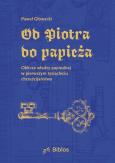
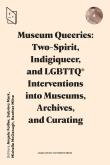
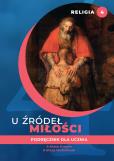
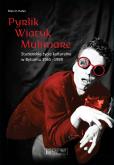
W tej strefie proponujemy bardzo szeroką ofertę z dziedziny psychologii oraz dziedzin powiązanych: astronomii i astrofizyki, ekologii, filozofii, kultury, podróżnictwa, religii, socjologii, sztuki. Szczególnie polecamy z tej kategorii bestseller pt. Księga Urantii. Księga Urantii podaje jasną i zwięzłą integracją nauki, filozofii i religii. Ci, którzy ją czytali i zgłębiali, wierzą, że Księga Urantii może wnieść bardzo wiele wartości do religijnej i filozoficznej myśli ludzi tego świata.
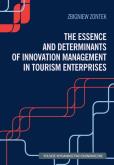
The monograph discusses an overview of issues related to an empirical analysis of the determinants of innovation management in tourism enterprises. From among the determinants of innovation, particular attention is paid here to: anthropogenic determinants of innovation – the role of people and their creativity, cooperation and partnership – coopetition and tourism clusters, and conditions for the division of roles on the market – the role of efficient relations with customers and demand approach to the development of innovation in tourism. The element linking these conditions and simultaneously increasing their aptitude is knowledge, and its transfer within the framework of the innovative environment.
The results presented in this monograph derive from research conducted in Poland among tourism enterprises. The research has allowed identification of the most important actions, which have a significant impact on the innovation of tourism enterprises. On the basis of analysis of secondary sources, new primary research, a catalogue of the activities these entities must undertake was developed. These activities apply to both innovators and to the final recipients of innovative solutions (open innovation). Creating innovation in tourism should result from the implementation of public sector activities, both at the local, regional and national level, the private sector and the sector of supporting institutions, including: universities, research and development units, advisory centres, guarantee funds, business incubators, and also technology transfer centres, local associations and organizations. However, cooperation between individual entities in these sectors is also important.
In modern society, oriented to the development of new information techniques, innovations have more and more utility in creating preferences in the tourism market. Innovation implies new solutions to problems of tourism services and issues, which involve a change of actual state, and it has an important part to play in the development of some fields of the tourism business. This monograph is intended for tourism industry entrepreneurs, students of management and tourism faculties. and all those interested in innovations.
We współczesnym społeczeństwie, nastawionym na rozwój nowoczesnych technik informacyjnych, coraz większe znaczenie w kształtowaniu preferencji na rynku turystycznym mają innowacje. Monografia ma na celu analizę i empiryczną weryfikację uwarunkowań zarządzania innowacjami w przedsiębiorstwach turystycznych. Szczególną uwagę zwrócono na znaczącą rolę: zasobów ludzkich i ich kreatywności w podnoszeniu innowacyjności przedsiębiorstwa, uwarunkowań współpracy, w tym koopetycji oraz klastrów turystycznych, a także uwarunkowań podziału ról na rynku. Elementem spajającym te uwarunkowania i podnoszącym ich użyteczność jest wiedza i jej transfer w ramach środowiska innowacyjnego.
W monografii przedstawione zostały wyniki badań, którymi zostały objęte polskie przedsiębiorstwa turystyczne. Na podstawie analizy źródeł wtórnych oraz przeprowadzonych badań pierwotnych opracowany został katalog działań koniecznych do podjęcia przez poszczególne podmioty kreujące usługi turystyczne i wspierające ich rozwój. Działania te dotyczą zarówno twórców innowacji, jak i finalnych odbiorców rozwiązań innowacyjnych (open innovation). Kreowanie innowacji w turystyce powinno być efektem realizacji działań sektora publicznego, zarówno na poziomie lokalnym, regionalnym, jak i krajowym, sektora prywatnego oraz sektora instytucji wspomagających, obejmujących: szkoły wyższe, jednostki badawczo-rozwojowe, ośrodki doradcze, fundusze poręczeń, inkubatory przedsiębiorczości, a także centra transferu technologii, lokalne stowarzyszenia i organizacje. Z drugiej strony istotna jest również współpraca poszczególnych podmiotów tych sektorów.
Książka "Rewitalizacja obszarów wiejskich. Uwarunkowania - modele - konsekwencje" ukazuje rozległą wiedzę na temat procesów rewitalizacji zachodzących na terenach wiejskich. Praca powstała w odpowiedzi na niedosyt opracowań dotyczących tej problematyki w kontekście wsi. Stanowi ona również swoistą reakcję na aktualnie zachodzące procesy rewitalizacji na terenach wiejskich, w których upatruje się szans na rozwój obszarów, szczególnie tych, które doznały głębokiego kryzysu. Problemem badawczym rozpatrywanym w opracowaniu jest identyfikacja rewitalizacji jako drogi rozwoju obszarów wiejskich. Stan wiedzy na ten temat wskazuje, że jest to ważny i aktualny problem naukowy. Rewitalizacja jest jednym z większych wyzwań stojących przed obszarami wiejskimi w Polsce. Zyskuje ona coraz większe zainteresowanie naukowców, samorządów, lokalnych grup społecznych, organizacji pozarządowych i mediów.
Publikacja, oprócz aspektów badawczych, może być pomocna dla praktyków, którzy czują potrzebę poszerzenia swojej wiedzy w tym zakresie. Opracowanie jest też skierowane do szerokiej grupy interesariuszy rewitalizacji, tj. władz samorządowych, organizacji pozarządowych, przedstawicieli instytucji publicznych, służb społecznych, przedsiębiorców działających na obszarach wiejskich oraz wszystkich, którzy działają lub planują rozpocząć działania w obszarze rewitalizacji.
W kolejnym tomie serii „Biografia i Badanie Biografii” autorzy skoncentrowali się na dwóch podstawowych zagadnieniach, którymi są stałość vs. zmienność w biografii oraz przełomy biograficzne. Opisywane są one z perspektywy odniesień do narracji biograficznej skupionej na doświadczeniach życiowych badanych osób. Tom zawiera teksty teoretyczne, a także prezentacje wyników badań empirycznych. Autorzy ukazują, w jaki sposób można wykorzystać teorie naukowe, by zrozumieć przemiany życiowe zapisane w biografiach oraz jak w świetle tych teorii interpretować materiał biograficzny.
W kraju lawendy, szampana i 246 gatunków seraDOLINA LOARY zamki królewskieKORSYKA ojczyzna NapoleonaSAINT-TROPEZ jachty, słońce i morzeWIEŻA EIFFLA panorama ParyżaTwój inspirator zaprowadzi cię w najciekawsze zakamarki Francji. Nic cię nie ominie!Rankingi atrakcjiKnajpki, w których jedzą miejscowiRekomendacje autorówIntuicyjna nawigacja
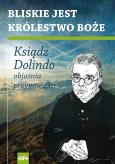
Odkryj głębię przypowieści z ks. Dolindo!
Ten niesamowity kapłan zdobył serca Polaków głównie za sprawą aktu zawierzenia życia Jezusowi: „Jezu, Ty się tym zajmij”. Te pięć słów stało się częścią modlitwy wielu osób. W swoim testamencie polecił, żeby odwiedzający jego grób czynili jedną rzecz: „Kiedy tu przyjdziesz, zapukaj, nawet zza grobu odpowiem: ufaj Bogu!”. Ksiądz Dolindo niewątpliwie
był mistykiem. Jego życie wypełnione było sprawowaniem sakramentów i głoszeniem słowa Bożego.
Przepowiadając Ewangelię, ksiądz Dolindo niejednokrotnie pochylał się nad przypowieściami Jezusa, w których Zbawiciel opowiadał o tym, czym jest królestwo Boże. Rozważania umieszczone w tej książce pełne są odniesień do codziennego życia, dzięki czemu każdy może z nich skorzystać.
Oprócz wspaniałych tekstów sługi bożego Ruotolo książka zawiera współczesny komentarz teologiczny i biblijny.
Bys´my zrozumieli sprawy Boz˙e, nie wystarczy tylko słyszec´, ale trzeba słuchac´ – a wie?c wczytac´ sie? z uwaga? w nauczanie Jezusa, dac´ sie? pocia?gna?c´ Jego słowu, spotkac´ w nim z˙ywego Boga, wypełnic´ słowo w swoim z˙yciu. W takiej lekturze pomoc oso´b s´wie?tych i przyjacio´ł Boga – takich jak ks. Dolindo – jest wprost bezcenna!
[z wstępu]
Książka, którą oddajemy w ręce czytelników, prezentuje wyniki badań kulturoznawców i socjologów. Nie ogranicza się bynajmniej do opisania historii sztuk cyrkowych, ale umiejscawia je w szerokim kontekście społecznym, antropologicznym i kulturowym. [...] Okazuje się, że cyrk -ta poślednia rozrywka dla dzieci i „pospólstwa" - jest głęboko zakorzeniony w naszej historii i kulturze. Do dziś fascynuje i stanowi inspirację. Sam podlega przeobrażeniom - jego najbardziej współczesne formy w niczym nie przypominają już jarmarcznej budy. Oczywiście, przedstawiony zbiór tekstów nie jest w żadnym stopniu wyczerpujący ani kompletny w zakresie poruszanej tematyki. Wydaje się jednak, że w kontekście ubogiej literatury polskojęzycznej poświęconej sztukom cyrkowym może stać się zarzewiem dyskusji na ten temat, a także będzie pierwszym krokiem do uznania sztuki cyrkowej za wartą uwagi badaczy sztuk performatywnych.
Ze Wstępu
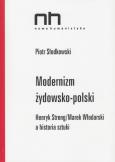
Piotr Słodkowski - historyk sztuki, adiunkt w Akademii Sztuk Pięknych w Warszawie. Absolwent programu doktorskiego Akademii Artes Liberales. Redaktor książek Przestrzeń społeczna. Historie mówione Złotego Grona i Biennale Sztuki Nowej (2014) oraz (z Agatą Pietrasik) Czas debat. Antologia krytyki artystycznej z lat 1945—1954 (2016). Dwukrotny laureat Nagrody Stowarzyszenia Historyków Sztuki im. Szczęsnego Dettloffa (2017, 2018). Interesuje się polską i środkowoeuropejską sztuką XX wieku w perspektywie współczesnej myśli humanistycznej.
Odważna i wyrafinowana książka Piotra Słodkowskiego otwiera perspektywy na zjawiska oświetlające polską kulturę XX wieku i polską nowoczesność. Pozwala uchwycić mechanizmy przemian kulturowych, uwikłanie stylów, doktryn i praktyk artystycznych w materię rzeczywistości historycznej politycznej. Ukazuje dzieło Strenga/Włodarskiego i jego osobowość twórczą w perspektywie holistycznej, w wielowymiarowej całości jego wyborów artystycznych, afiliacji ideowych, biografii i dramatu tożsamości, który stał się udziałem artysty. Słodkowski oferuje nowe klucze interpretacyjne, rewiduje dotychczasowe ustalenia, znosi zastane podziały i kategorie (centra - peryferie); dekonstruuje hierarchiczny układ wertykalny na rzecz rozproszenia i relacji o charakterze sieciowym, otwartym na różne lokalności; zwraca uwagę na dynamiczną relację miedzy tożsamością i lokalnością. Piotr Słodkowski ma ponadto odwagę budować nowe pojęcia i kategorie, wypracowuje własną metodologię badawczą, inspirując się impulsami płynącymi z nowej humanistyki.
prof. dr hab. Jacek Leociak
Trzy tematyczne człony ambitnej książki Piotra Słodkowskiego: modernizm, zaangażowanie, tożsamość, należą do najpoważniejszych problemów sztuki XX wieku. W oparciu o międzynarodową dyskusję nad pojęciem modernizmu, autor krytycznie odnosi się do „zachodniocentrycznego” paradygmatu historii sztuki XX wieku i analizując obrazy Strenga/Włodarskiego wprowadza pojęcie „modernizmu indygenizującego” i „socrealizmu utopijnego”. Lejtmotywem ważnej i poruszającej książki Słodkowskiego jest krytyczna obserwacja dyscypliny, a najpoważniejszym osiągnięciem są zarysowane przez autora alternatywy, jakie dla historii sztuki wyłaniają się z analiz cuyre artysty. Słodkowski łączy wybitne kompetencje teoretyczno-metodologiczne ze skrupulatną analizą (w tym technologiczną konserwatorską) dzieł Strenga. Promowana przez autora historia sztuki ugruntowana jest na artyście i jego dziele, a praktyka badawcza zasadza się na ruchu od materiału do teorii, nie zaś odwrotnie.
prof. dr hab. Maria Poprzęcka
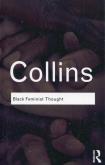
In spite of the double burden of racial and gender discrimination, African-American women have developed a rich intellectual tradition that is not widely known. In Black Feminist Thought, originally published in 1990, Patricia Hill Collins set out to explore the words and ideas of Black feminist intellectuals and writers, both within the academy and without.Here Collinsprovides an interpretive framework for the work of such prominent Black feminist thinkers as Angela Davis, bell hooks, Alice Walker, and Audre Lorde. Drawing from fiction, poetry, music and oral history, the result is a superbly crafted and revolutionary book that provided the first synthetic overview of Black feminist thought and its canon.
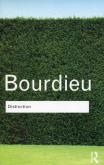
No judgement of taste is innocent - we are all snobs. Pierre Bourdieu’s Distinction brilliantly illuminates the social pretentions of the middle classes in the modern world, focusing on the tastes and preferences of the French bourgeoisie. First published in 1979, the book is at once a vast ethnography of contemporary France and a dissection of the bourgeois mind. In the course of everyday life we constantly choose between what we find aesthetically pleasing, and what we consider tacky, merely trendy, or ugly. Taste is not pure. Bourdieu demonstrates that our different aesthetic choices are all distinctions - that is, choices made in opposition to those made by other classes. This fascinating work argues that the social world functions simultaneously as a system of power relations and as a symbolic system in which minute distinctions of taste become the basis for social judgement.
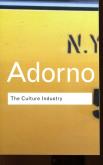
The creation of the Frankfurt School of critical theory in the 1920s saw the birth of some of the most exciting and challenging writings of the twentieth century. It is out of this background that the great critic Theodor Adorno emerged. His finest essays are collected here, offering the reader unparalleled insights into Adorno's thoughts on culture. He argued that the culture industry commodified and standardized all art. In turn this suffocated individuality and destroyed critical thinking. At the time, Adorno was accused of everything from overreaction to deranged hysteria by his many detractors. In today's world, where even the least cynical of consumers is aware of the influence of the media, Adorno's work takes on a more immediate significance. The Culture Industry is an unrivalled indictment of the banality of mass culture.
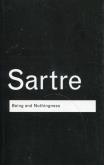
Being and Nothingness is without doubt one of the most significant books of the twentieth century. The central work by one of the world's most influential thinkers, it altered the course of western philosophy. Its revolutionary approach challenged all previous assumptions about the individual's relationship with the world. Known as 'the Bible of existentialism', its impact on culture and literature was immediate and was felt worldwide, from the absurd drama of Samuel Beckett to the soul-searching cries of the Beat poets.Being and Nothingness is one of those rare books whose influence has affected the mind-set of subsequent generations. Sixty years after its first publication, its message remains as potent as ever - challenging the reader to confront the fundamental dilemmas of human freedom, responsibility and action.
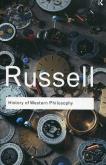
First published in 1946, History of Western Philosophy went on to become the best-selling philosophy book of the twentieth century. A dazzlingly ambitious project, it remains unchallenged to this day as the ultimate introduction to Western philosophy. Providing a sophisticated overview of the ideas that have perplexed people from time immemorial,it is 'long on wit, intelligence and curmudgeonly scepticism', as the New York Times noted, and it is this, coupled with the sheer brilliance of its scholarship, that has made Russell's History of Western Philosophy one of the most important philosophical works of all time.
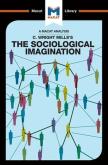
C. Wright Mills’s 1959 book The Sociological Imagination is widely regarded as one of the most influential works of post-war sociology.
At its heart, the work is a closely reasoned argument about the nature and aims of sociology, one that sets out a manifesto and roadmap for the field. Its wide acceptance and popular reception is a clear demonstration of the rhetorical power of Wright’s strong reasoning skills.
In critical thinking, reasoning involves the creation of an argument that is strong, balanced, and, of course, persuasive. In Mills’s case, this core argument makes a case for what he terms the “sociological imagination”, a particular quality of mind capable of analyzing how individual lives fit into, and interact with, social structures. Only by adopting such an approach, Mills argues, can sociologists see the private troubles of individuals as the social issues they really are.
Allied to this central argument are supporting arguments for the need for sociology to maintain its independence from corporations and governments, and for social scientists to steer away from ‘high theory’ and focus on the real difficulties of everyday life. Carefully organized, watertight and persuasive, The Sociological Imagination exemplifies reasoned argument at its best.
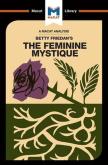
Betty Friedan's book The Feminine Mystique is possibly the best-selling of all the titles analysed in the Macat library, and arguably one of the most important. Yet it was the product of an apparently minor, meaningless assignment. Undertaking to approach former classmates who had attended Smith College with her, 10 years after their graduation, the high-achieving Friedan was astonished to discover that the survey she had undertaken for a magazine feature revealed a high proportion of her contemporaries were suffering from a malaise she had thought was unique to her: profound dissatisfaction at the ‘ideal’ lives they had been living as wives, mothers and homemakers.
For Friedan, this discovery stimulated a remarkable burst of creative thinking, as she began to connect the elements of her own life together in new ways. The popular idea that men and women were equal, but different – that men found their greatest fulfilment through work, while women were most fulfilled in the home – stood revealed as a fallacy, and the depression and even despair she and so many other women felt as a result was recast not as a failure to adapt to a role that was the truest expression of femininity, but as the natural product of undertaking repetitive, unfulfilling and unremunerated labor.
Friedan's seminal expression of these new ideas redefined an issue central to many women's lives so successfully that it fuelled a movement – the ‘second wave’ feminism of the 1960s and 1970s that fundamentally challenged the legal and social framework underpinning an entire society.
Frantz Fanon’s explosive Black Skin, White Masks is a merciless exposé of the psychological damage done by colonial rule across the world. Using Fanon’s incisive analytical abilities to expose the consequences of colonialism on the psyches of colonized peoples, it is both a crucial text in post-colonial theory, and a lesson in the power of analytical skills to reveal the realities that hide beneath the surface of things.
Fanon was himself part of a colonized nation – Martinique – and grew up with the values and beliefs of French culture imposed upon him, while remaining relegated to an inferior status in society. Qualifying as a psychiatrist in France before working in Algeria (a French colony subject to brutal repression), his own experiences granted him a sharp insight into the psychological problems associated with colonial rule.
Like any good analytical thinker, Fanon’s particular skill was in breaking things down and joining dots. His analysis of colonial rule exposed its implicit assumptions – and how they were replicated in colonised populations – allowing Fanon to unpick the hidden reasons behind his own conflicted psychological make up, and those of his patients. Unflinchingly clear-sighted in doing so, Black Skin White Masks remains a shocking read today.
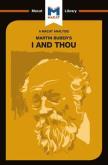
Martin Buber’s I and Thou argues that humans engage with the world in two ways. One is with the attitude of an ‘I’ towards an ‘It’, where the self stands apart from objects as items of experience or use. The other is with the attitude of an ‘I’ towards a ‘Thou’, where the self enters into real relation with other people, or nature, or God.
Addressing modern technological society, Buber claims that while the ‘I-It’ attitude is necessary for existence, human life finds its meaning in personal relationships of the ‘I-Thou’ sort. I and Thou is Buber’s masterpiece, the basis of his religious philosophy of dialogue, and among the most influential studies of the human condition in the 20th century.
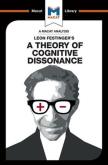
Leon Festinger’s 1957 A Theory of Cognitive Dissonance is a key text in the history of psychology – one that made its author one of the most influential social psychologists of his time. It is also a prime example of how creative thinking and problem solving skills can come together to produce work that changes the way people look at questions for good.
Strong creative thinkers are able to look at things from a new perspective, often to the point of challenging the very frames in which those around them see things. Festinger was such a creative thinker, leading what came to be known as the “cognitive revolution” in social psychology. When Festinger was carrying out his research, the dominant school of thought – behaviorism – focused on outward behaviors and their effects. Festinger, however, turned his attention elsewhere, looking at “cognition:” the mental processes behind behaviors. In the case of “cognitive dissonance”, for example, he hypothesized that apparently incomprehensible or illogical behaviors might be caused by a cognitive drive away from dissonance, or internal contradiction. This perspective, however, raised a problem: how to examine and test out cognitive processes. Festinger’s book records the results of the psychological experiments he designed to solve that problem. The results helped prove the existence for what is now a fundamental theory in social psychology.
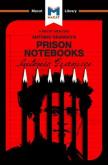
Antonio Gramsci’s Prison Notebooks is a remarkable work, not only because it was written in jail as the Italian Marxist thinker fell victim to political oppression in his home country, but also because it shows his impressive analytical ability.
First published in 1948, 11 years after Gramsci’s death, Prison Notebooks ably demonstrates that the writer has an innate ability to understand the relationship between different parts of an argument. This is how Gramsci manages to analyze such wide-ranging topics – capitalism, economics and culture – to explain historical developments. He introduces the idea of “hegemony,” the means by which ruling classes in a society gain, keep hold of and manage their power, and, by carefully looking at how society operates, he reveals the manner in which the powerful deploy a combination of force and manipulation to convince most people that the existing social arrangement is logical and in their best interests – even when it isn’t.
Gramsci shows exactly how the ruling class maintains power by influencing both political institutions like the courts and the police, and civil institutions, such as churches, family and schools. His powerful analysis led him to the conclusion that change can only take place in two ways, either through revolution or through a slow but constant struggle to transform the belief system of the ruling classes.
German sociologist Max Weber’s 1919 lecture Politics as a Vocation is widely regarded as a masterpiece of political theory and sociology. Its central strength lies in Weber’s deployment of masterful interpretative skills to power his discussion of modern politics.
Interpretation involves understanding both the meaning of evidence and the meaning of terms – questioning definitions, clarifying terms and processes, and supplying good, clear definitions of the author’s own. As a sociologist accustomed to working with historical evidence, Weber based his own work on precisely these skills, solidly backed up by analytical acuity.
Politics as a Vocation, written in a Germany shocked by its crippling defeat in World War I, saw Weber turn his eye to an examination of how the modern nation state emerged, and the different ways in which it can be run – interpreting and defining the different types of rule that are possible. It is testament to Weber’s interpretative skills that Politics is famous above all in sociological circles for its clear definition of a state as an institution that claims “the monopoly of legitimate physical violence” in a given territory.
Homi K. Bhabha’s 1994 The Location of Culture is one of the founding texts of the branch of literary theory called postcolonialism. While postcolonialism has many strands, at its heart lies the question of interpreting and understanding encounters between the western colonial powers and the nations across the globe that they colonized. Colonization was not just an economic, military or political process, but one that radically affected culture and identity across the world. It is a field in which interpretation comes to the fore, and much of its force depends on addressing the complex legacy of colonial encounters by careful, sustained attention to the meaning of the traces that they left on colonized cultures. What Bhabha’s writing, like so much postcolonial thought, shows is that the arts of clarification and definition that underpin good interpretation are rarely the same as simplification. Indeed, good interpretative clarification is often about pointing out and dividing the different kinds of complexity at play in a single process or term. For Bhabha, the object is identity itself, as expressed in the ideas colonial powers had about themselves. In his interpretation, what at first seems to be the coherent set of ideas behind colonialism soon breaks down into a complex mass of shifting stances – yielding something much closer to postcolonial thought than a first glance at his sometimes dauntingly complex suggests.
Ten produkt jest zapowiedzią. Realizacja Twojego zamówienia ulegnie przez to wydłużeniu do czasu premiery tej pozycji. Czy chcesz dodać ten produkt do koszyka?