W tej strefie proponujemy bardzo szeroką ofertę z dziedziny psychologii oraz dziedzin powiązanych: astronomii i astrofizyki, ekologii, filozofii, kultury, podróżnictwa, religii, socjologii, sztuki. Szczególnie polecamy z tej kategorii bestseller pt. Księga Urantii. Księga Urantii podaje jasną i zwięzłą integracją nauki, filozofii i religii. Ci, którzy ją czytali i zgłębiali, wierzą, że Księga Urantii może wnieść bardzo wiele wartości do religijnej i filozoficznej myśli ludzi tego świata.
Bóg w swoim miłosierdziu używa wielu środków, dając nam różne formy nabożeństw, aby nas wyrwać z ciemności grzechu, zbliżyć do siebie, uświęcić. Są one jednocześnie lekarstwem na choroby ducha, jakie nas dotykają.Oto nabożeństwa, które mogą odmienić los zarówno twój, jak i świata. Mają one pomóc ci w tym, aby całe twoje życie stało się ukierunkowane na Boga. W Nim jest bowiem ratunek dla nieszczęśliwych, zagubionych, znękanych przez zło, którzy w nikim nie mają oparcia. Oddając siebie i świat w ręce Bożej opatrzności, odnajdziesz pokój.
Celem tej książki jest ukazanie dwóch wymiarów posoborowej mariologii włoskiej: trynitarnego i antropologicznego. Można by więc zapytać, dlaczego jeszcze jedna książka na ten temat? Idąc jednak za św. Ludwikiem Grignionem de Montfortem, można powiedzieć: De Maria numquam satis, a prezentowany temat, mimo że był już poruszany w innych książkach i artykułach, jest tak obszerny, że nie należy obawiać się, iż został wyczerpany. Wydaje się bowiem, że spośród różnych nurtów obecnych dziś w mariologii (chrystologiczny, trynitarny, eklezjologiczny, ekumeniczny, historyczno-zbawczy, antropologiczny, feministyczny) właśnie te dwa – trynitarny i ntropologiczny/feministyczny – są bardzo wyraźnie obecnie reprezentowane w mariologii włoskiej. W pewnym sensie in nuce zawierają w sobie również pozostałe.
Ze wstępu
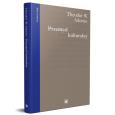
Theodor W. Adorno (1903-1969) – niemiecki filozof, socjolog, myśliciel polityczny, muzykolog i kompozytor. Jeden z czołowych przedstawicieli szkoły frankfurckiej, reprezentant teorii krytycznej.
Prezentowane eseje poruszają problem powszechnej komercjalizacji oraz standaryzacji procesu produkcji dóbr kultury, które stają się podobne do innych towarów. Autor wskazuje na banalność i szkodliwość kultury masowej, na jej globalny negatywny skutek, jakim jest zanik indywidualności. Na tom składa się dziesięć esejów poświęconych m.in. muzyce, telewizji, filmowi, fetyszyzmowi, pojęciu czasu wolnego czy mechanizmom faszystowskiej propagandy.
Dla Adorna przemysł kulturalny przede wszystkim stanowi zagrożenie dla naszego doświadczenia sztuki: po pierwsze, degraduje dzieło sztuki poprzez sprowadzenie go do obiektu w dobie reprodukcji technicznej […] oraz po drugie, niweluje on samo przeżycie estetyczne jako coś wyjątkowego i niepowtarzalnego. Z jednej strony mamy zatem powtarzalność „dzieła”, reprodukowanego wedle zestandaryzowanych wzorców, z drugiej zaś – standardowe reakcje na obiekty oferowane przez przemysł kulturalny.
dr hab. Tomasz Maślanka, dr hab. Rafał Wiśniewski, prof. UKSW (fragment Wstępu)
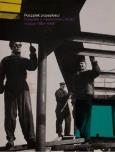
Książka towarzysząca wystawie „Polska” na eksport w syntetyczny sposób przedstawia dzieje miesięcznika „Polska” w kluczowym dla jego rozwoju okresie 1954–1968. Zadaniem przeznaczonego na eksport pisma, wydawanego w kilkunastu wersjach językowych, było budowanie wizerunku PRL poprzez jego największe osiągnięcia w kulturze, nauce, przemyśle, ale też odbudowie i modernizacji kraju. Propagandowa rola publikowanych tam materiałów nie ulega wątpliwości, jednak za sprawą pracujących dla miesięcznika znakomitych fotografów, jak m.in. Marek Holzman, Irena Jarosińska, Tadeusz Rolke, Tadeusz Sumiński , Jan Morek i wielu innych, „Polska” stanowi dziś nieocenione źródło dla historii powojennej fotografii prasowej. W książce zestawiono materiały opublikowane na łamach rozmaitych edycji miesięcznika z wyborem oryginalnych materiałów odnalezionych w archiwach fotografów. Przedstawione w układzie tematycznym, pozwalają zobaczyć, jakim zabiegom poddawano autorskie fotografie, by osiągnąć zamierzone cele propagandowe, ale i artystyczne. Towarzyszą im eseje poświęcone historii miesięcznika i ukazujące jego funkcjonowanie w kontekście ówczesnej sytuacji politycznej i społecznej, a dopełnieniem są przedstawienia sylwetek najważniejszych współpracujących z nim fotografów — postaci kluczowych dla historii polskiej fotografii tego okresu.
Adam Lipszyc - eseista tłumacz, pracuje w Instytucie Filozofii i Socjologii PAN, uczy w Szkole Nauk Społecznych, w Collegium Ciyitas oraz na Uniwersytecie Muri im. Franza Kafki. Laureat nagrody „Literatury na Świecie” im. Andrzeja Siemka, nagrody Allianz Kulturstiftung i Nagrody Literackiej Gdynia. Ostatnio opublikował Czerwone listy. Eseje frankistowskie o literaturze polskiej (Kraków, 2018).
To jest filozoficzna książka o Freudzie. Staram się w niej pokazać, że z pism twórcy psychoanalizy wydobyć można splot koncepcji, które w sposób atrakcyjny opisują logikę ludzkiego doświadczenia. W moim przekonaniu, we Freudowską wizję człowieka wpisane są trzy ogólne tezy. Oto one: 1) człowiek jest wykolejonym zwierzęciem; 2) człowiek jest istotą wewnętrznie poróżnioną; 3) człowiek jest istotą społeczną ze społeczeństwem nieodwołalnie skłóconą. W siedmiu kolejnych rozdziałach próbuję te trzy tezy uszczegółowić, rozwinąć i skomplikować. Moim celem nie jest odtworzenie źródłowej myśli Freuda, lecz jej częściowa modyfikacja przeprowadzona w trybie krytycznej lektury wybranych tekstów autora Objaśniania marzeń sennych. W lekturze tej kieruję się trzema konceptami. Po pierwsze, staram się wygrywać napięcia rozdzierające owe teksty, tak by ujawnić nowe znaczenia, których samemu Freudowi nie udało się wyrazić w sposób klarowny. Po drugie, modyfikując myśl twórcy psychoanalizy podążam nierzadko za późniejszymi teoretykami tej tradycji. Po trzecie, koncepcje Freuda łączę z ideami spadkobierców tradycji odmiennej, a mianowicie żydowskiego mesjanizmu. Wplatając cienką teologiczną nić w psychoanalityczną materię, tworzę heterogeniczne konstrukty myślowe, które określam tu mianem „spekulacji marańskich”. Spekulacje te dotyczą zaś spraw najważniejszych: naszej cielesności, języka, pragnienia - i szczęścia.
„Żywy” koncert ku czci Chopina w wielotysięcznej Sali Copernicus Center w Chicago z udziałem Bogusława Kaczyńskiego (słowo), Haliny Czerny-Stefańskiej (fortepian), Juliusza Ursyna-Niemcewicza (tenor) i Wojciecha Stysza (fortepian). Barwna opowieść o Chopinie ilustrowana muzyką. Rodzaj audiobooka. Do słuchania także w samochodzie. Znakomita pozycja edukacyjna dla młodzieży i melomanów.
Paweł Lewiecki był wybitną osobowością artystyczną, wychowankiem Konserwatorium im. Piotra Czajkowskiego w Moskwie. Jego grę cechowała ogromna muzykalność, wirtuozeria i jakaś artystyczna wyniosłość. Pozostały po nim nieliczne nagrania dzieł Chopina, Liszta, Skriabina, Rachmaninowa.
Niedostępne dotąd przeboje „Chłopaka z Sosnowca”: Kujawiak Wieniawskiego, pieśń Na ust koralu, słynny filmowy przebój Sweet melody of the night i inne. Atrakcją płyty jest zapis przemówienia wygłoszonego przez Bogusława Kaczyńskiego podczas odsłonięcia pomnika Jana Kiepury w Sosnowcu w 2002 r. Wszystkie nagrania poddane zostały rekonstrukcji cyfrowej.
Najsławniejszy na świecie pianista. Gorący patriota, polityk i czarodziej estrady. Gra utwory Chopina, Liszta, Schuberta oraz wygłasza ORĘDZIE DO NARODU.
This beautiful art book for children charts the evolution of the greatest cultural achievements in painting, sculpture and photography.
Art: A Children's Encyclopedia traces the development of painting, from prehistoric cave drawings to the Mona Lisa to contemporary street art. Get to grips with world-famous sculptures, including the Terracotta Army and Michelangelo's David. Find out about photography, from pinhole cameras to digital imagery and iconic photography such as Neil Leifer's Ali versus Liston.
With amazing facts, clear explanations, and stunning photography, Art: A Children's Encyclopedia is the essential introduction to the art world for children.
From Mozart to Mendelssohn, this comprehensive guide to classical music history and classical music biography is the perfect latest addition to the bestselling Big Ideas series.
Easy to understand and clear to follow, this history of classical music explores and explains music theory and the impact of seminal pieces, while also providing fascinating stories about the lives of crucial composers and performers.
Including an insightful foreword by Katie Derham, The Classical Music Book analyses over 90 works by famous composers. From Thomas Tallis in the early period to baroque masters like Bach and Handel, to the classical genius of Beethoven and Wagner and beyond to the modern day, The Classical Music Book explores the key ideas underpinning the world's greatest classical compositions and musical traditions, and defines their importance to the musical canon, placing them into their wider social, cultural, and historical context.
The unique approach to the subject makes this book the perfect classical music guide for everyone. Regardless of whether you are relatively new to the subject and want to learn or if you are a classical music aficionado, there is plenty to discover in The Classical Music Book.
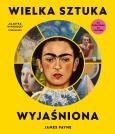
From works by Botticelli and Raphael to Salvador Dali and Frida Kahlo, discover the paintings that have shaken the art world through the centuries and across continents.
Great Paintings takes you on your own personal gallery tour of over 60 of the world's best-loved paintings. Unlock the hidden meanings and symbols behind each painting, with over 700 photographs to bring the pictures to life and help you understand the key features, composition and techniques that have made these paintings stand out. Plus, biographies of the artists provide the background to each art work, inspiring you to paint your own picture of the historical and social context behind each masterpiece.
Updated for 2018, Great Paintings is a beautiful guide to the paintings, both familiar and new, that have changed the world- it really is like having a gallery of all the great paintings at your fingertips.
Explore the rich history of cinema like never before - from the golden age of black-and-white films to international art-house and 21st-century sci-fi - uncovering the key themes and big ideas behind more than 80 of the world's most celebrated cinematic gems.
Beginning with the iconic La Voyage Dans La Lune (1902) and ending with Richard Linklater's ground-breaking Boyhood (2014), The Movie Book chronicles more than 100 of the best films ever made - from comedies and dramas, to animations, documentaries, and brings cinema to life.
Discover everything about your favourite movies, as well as celebrated classics, the films you need to see, through iconic quotes and film stills, posters, biographies, movie memorabilia and narrative timelines.
Essential for anyone with a passion for cinema, The Movie Book is ready for its close-up.
Embark on a grand tour of art history with this guide to the story of art, and the big ideas and themes behind the world's most important artistic movements, artworks, and artists.
The Art Book explores the more than 80 of the world's most groundbreaking artworks by history's most influential painters, sculptors, and artists with stunning visuals and insightful quotations. Discover key artworks and artists from across the globe, stretching from the prehistoric Altamira cave paintings and Chinese jade carvings to more impressionism, symbolism, cubism, and pop art.
Understand the ideas that inspired masterpieces by Botticelli, Rembrandt, Klimt, Matisse, Picasso, and dozens more, with The Art Book's fascinating overview of painting, drawing, printing, sculpture, conceptual art, and performance art, from ancient history to the modern day.
Explaining more than 100 of the most important big ideas and groundbreaking theories of key philosophers in a clear and simple way, this is the perfect introduction to philosophy and the history of how we think.
Untangling knotty theories and shedding light on abstract concepts, The Philosophy Book makes use of innovative graphics and easy-to-follow explanations to demystify complex ideas.
Explore the history of philosophy, from ancient Greece and China to today, and find out how theories from over 2,000 years ago are still relevant to our modern lives. Follow the progression of human ideas and meet the world's most influential philosophers - from Plato and Confucius through Descartes and Mary Wollstonecraft to Wittgenstein, Chomsky, and Derrida.
With clever illustrations, clear explanations, a philosopher directory, and a vocabulary glossary, The Philosophy Book is a perfect and comprehensive introduction to a fascinating subject.
Everything you need to know about what we're doing to our environment, good and bad, from pollution and litter to renewable energy and plastic recycling.
This environmental book will teach keen young ecologists about our actions affect planet Earth. Discover shocking facts about the waste we produce and where it goes. Did you know that every single plastic toothbrush ever made still exists? Or that there's a floating mass of rubbish larger than the USA drifting around the Pacific Ocean?
It's not all bad news though. As well as explaining where we're going wrong, What a Waste shows what we're doing right! Discover plans already in motion to save our seas, how countries are implementing schemes that are having a positive impact, and how your waste can be turned into something useful. Every small change helps our planet!
The volume MIGRATION AND EDUCATION is the first publication of the recently created Migrant Education and Integration Research Centre (CBEIM – in Polish: Centrum Badań nad Edukacją i Integracją Migrantów) at the Pedagogical University of Kraków. It appears at a time when the integration of migrants in Europe has become a crucial issue. The International Office for Migration defines migration as “the movement of a person or a group of persons, either across an international border, or within a State. It is a population movement, encompassing any kind of movement of people, whatever its length, composition and causes; it includes migration of refugees, displaced persons, economic migrants, and persons moving for other purposes, including family.” In this book we focus on migrant education because education is one of the most important determinants of an individual’s human capital and there is a strong relationship between migration and education. “Education enables people to supply skills that can be used in a variety of tasks. Migrants raise the supply of certain skills and hence the range of potential tasks associated with them, but natives can limit the effect of the increased competition brought by migrants by moving onto different tasks that are less easily supplied by immigrants” (Tani 2017). Migrants leave their country to find a more peaceful or just a better place to live. Migrants also move to gain an education and this also has a direct effect on education in the host country itself.
Any person’s integration in Europe is defined by his/her positively playing a set of social roles. The basic role is that of a working person, working successfully and according to the European labour legislation. This assures the dignity of work. To be integrated in Europe also means to successfully play the role of a citizen of a democratic country, one who is conscious of his/her rights and duties. [...]
Dlaczego św. Annę czcimy szczególnie we wtorki ?
Jakie łaski wyprasza dla nas święta z księgą w dłoni ?
Czemu św Anna nazywana jest żywym tabernakulum?
ŻYCIE, KULT, MODLITWY, CUDA, CIEKAWOSTKI
Poznajmy patronkę: małżeństw, matek, babć, dziadków, wdów, matek oczekujących potomstwa i szczęśliwego porodu, kobiet mających problemy z zajściem w ciążę i niepłodnych, szczęśliwego zamążpójścia i szczęśliwego dzieciństwa, wychowywania dzieci, gospodyń domowych, służących, robotnic, jubilerów, tokarzy, bednarzy i stolarzy artystycznych żeglarzy, młynarzy, kramarzy, tkaczy, wytwórców mioteł, krawców i koronkarzy
Ten produkt jest zapowiedzią. Realizacja Twojego zamówienia ulegnie przez to wydłużeniu do czasu premiery tej pozycji. Czy chcesz dodać ten produkt do koszyka?