W tej strefie proponujemy bardzo szeroką ofertę z dziedziny psychologii oraz dziedzin powiązanych: astronomii i astrofizyki, ekologii, filozofii, kultury, podróżnictwa, religii, socjologii, sztuki. Szczególnie polecamy z tej kategorii bestseller pt. Księga Urantii. Księga Urantii podaje jasną i zwięzłą integracją nauki, filozofii i religii. Ci, którzy ją czytali i zgłębiali, wierzą, że Księga Urantii może wnieść bardzo wiele wartości do religijnej i filozoficznej myśli ludzi tego świata.
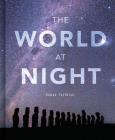
See the full beauty of our night sky revealed as never before in over 200 photographs from around the world in this stunning and giftable title.
Bringing together the images of over 40 photographers across 25 countries, be astounded by the lights of the night sky in some of the darkest places on earth; discover the beauty of galaxies, planets and stars; view great celestial events; and see some of the world’s most important landmarks against the backdrop of an incredible nightscape.
Babak Tafreshi, founder of the international organisation The World at Night, has curated the images in this collection – many of them previously unseen – to reveal the true splendour of the sky at night. A specialist guide to night-sky photography will help you capture your own gorgeous images of the heavens.
Commentary on the science, astronomy and photography accompany stunning images organised by theme:
Symbols of all nations and religions embraced by one sky of endless beauties
UNESCO World Heritage Sites at night
The Universe revealed through constellations, sky motions, atmospheric phenomenon, Aurora and other wonders
Images highlighting the beauty of dark skies away from light-polluted urban areas
Celestial events, from great comets to spectacular eclipses
Astro-tourism destinations, like ancient astronomical monuments and modern observatories
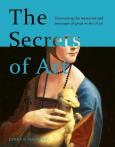
Discover the secrets, mysteries, hidden meanings and stories behind famous works of art.
A book full of surprises, discoveries, forgotten treasures and lost tales, The Secrets of Art takes us on a journey through the art world’s mysteries to reveal that works of art are not always what they seem.
A long-lost medieval masterpiece unearthed in the Tower of London. A secret message that only an elite few can read encoded in a painting. A glimpse of a ghostly image beneath the surface of a portrait. The intriguing stories of these works, and many more, are brought to life by author, historian and art detective Debra N. Mancoff, as she reveals secret symbols used by Leonardo da Vinci, Vermeer and Caravaggio, uncovers layers of meaning in paintings by Van Gogh, Picasso and Dali, and provides insight into works by Frida Kahlo, Kara Walker and Marina Abramović.
Drawing upon the findings of advanced technology, new research, scientific analysis and old-fashioned curiosity, The Secrets of Art unveils the layers of meaning beneath the surfaces of great works of art in a collection of tales that are fully based in fact but are as fascinating as fiction.
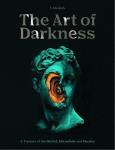
The Art of Darkness is a visually rich sourcebook featuring eclectic artworks that have been inspired and informed by the morbid, melancholic and macabre.
Throughout history, artists have been obsessed with darkness – creating works that haunt and horrify, mesmerise and delight and play on our innermost fears. Gentileschi took revenge with paint in Judith Slaying Holofernes while Bosch depicted fearful visions of Hell that still beguile. Victorian Britain became strangely obsessed with the dead and in Norway Munch explored anxiety and fear in one of the most famous paintings in the world (The Scream, 1893). Today, the Chapman Brothers, Damien Hirst and Louise Bourgeois, as well as many lesser known artists working in the margins, are still drawn to all that is macabre.
From Dreams & Nightmares to Matters of Mortality, Depravity & Destruction to Gods & Monsters – this book introduces sometimes disturbing and often beautiful artworks that indulge our greatest fears, uniting us as humans from century to century.
But, while these themes might scare us – can’t they also be heartening and beautiful? Exploring and examining the artworks with thoughtful and evocative text, S. Elizabeth offers insight into each artist’s influences and inspirations, asking what comfort can be found in facing our demons? Why are we tempted by fear and the grotesque? And what does this tell us about the human mind?
Of course, sometimes there is no good that can come from the sensibilities of darkness and the sickly shivers and sensations they evoke. These are uncomfortable feelings, and we must sit for a while with these shadows – from the safety of our armchairs.
Artists covered include Pablo Picasso, Georgia O'Keeffe, Francisco de Goya, Leonora Carrington, John Everett Millais, Tracey Emin, Vincent van Gogh, Barbara Hepworth, Paul Cezanne and Salvador Dalí, as well as scores more. With over 200 carefully curated artworks from across the centuries, The Art of Darkness examines all that is dark in a bid to haunt and hearten.
This book is part of the Art in the Margins series, following up on The Art of the Occult, which investigates representations of the mystical, esoteric and occult in art from across different times and cultures.
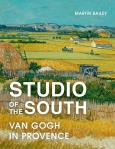
"Martin Bailey has written some of the most interesting books on Vincent’s life in France, where he produced his greatest work” - Johan van Gogh, grandson of Theo, the artist’s brother
Studio of the South tells the story of Van Gogh’s stay in Arles, when his powers were at their height.
For Van Gogh, the south of France was an exciting new land, bursting with life. He walked into the hills inspired by the landscapes, and painted harvest scenes in the heat of summer. He visited a fishing village where he saw the Mediterranean for the first time, energetically capturing it in paint. He painted portraits of friends and locals, and flower still life paintings, culminating in the now iconic Sunflowers. He rented the Yellow House, and gradually did it up, calling it ‘an artist’s house’, inviting Paul Gauguin to join him there. This encounter was to have a profound impact on both of the artists. They painted side by side, their collaboration coming to a dramatic end a few months later. The difficulties Van Gogh faced led to his eventual decision to retreat to the asylum at Saint-Remy.
Based on extensive original research, the book reveals discoveries that throw new light on the legendary artist and give a definitive account of his fifteen months in Provence, including his time at the Yellow House, his collaboration with Gauguin and its tragic and shocking ending.
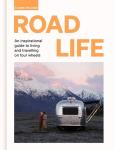
Road Life introduces you to 35 inspirational people from across the globe who’ve made their vans, campers and buses part of their lifestyle, and provides you with the tools to do the same.
What’s the appeal of a life on the road, with everything you need contained on four wheels? Tried it yourself and felt inadequate and underprepared? Or feel daunted by converting a vehicle yourself? The campers in this book can show you how to roll up in style.
From expert craftsmen who’ve converted entire buses from scratch, to low-key explorers who’ve perfected the art of budget travel; solo travellers living and working on the road, to families who sold up everything for a life of touring – for these aficionados, life on the road is pure pleasure, a way to connect with nature, an antidote to modern life. And, unlike most of us, they know how to do it properly.
Supported by Instagram-worthy photography, Sebastian Antonio Santabarbara interviews each contributor to bring out their unique and inspirational approach to life and travel, their most memorable experiences (and challenges) and the tips and gadgets they couldn’t live without.
The book also provides advice to achieve the ‘road life’ yourself and suggests worldwide destinations that provide a similar setting, giving you the inspiration and tools to plan your next trip.
With enviable campervan setups, stories that will give you wanderlust, stunning locations and top advice from the experts – Road Life is the perfect companion and guide for any wannabe van owner.
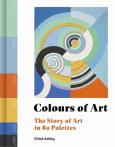
Colours of Art takes the reader on a journey through history via 80 carefully curated artworks and their palettes. For these pieces, colour is not only a tool (like a paintbrush or a canvas) but the fundamental secret to their success.
Colour allows artists to express their individuality, evoke certain moods and portray positive or negative subliminal messages. And throughout history the greatest of artists have experimented with new pigments and new technologies to lead movements and deliver masterpieces. But as something so cardinal, we sometimes forget how poignant colour palettes can be, and how much they can tell us.
When Vermeer painted The Milkmaid, the amount of ultramarine he could use was written in the contract. How did that affect how he used it? When Turner experimented with Indian Yellow, he captured roaring flames that brought his paintings to life. If he had used a more ordinary yellow, would he have created something so extraordinary? And how did Warhol throw away the rulebook to change what colour could achieve?
Structured chronologically, Colours of Art provides a fun, intelligent and visually engaging look at the greatest artistic palettes in art history – from Rafael’s use of perspective and Vermeer’s ultramarine, to Andy Warhol’s hot pinks and Lisa Brice’s blue women.
Colours of Art offers a refreshing take on the subject and acts as a primer for artists, designers and art lovers who want to look at art history from a different perspective.
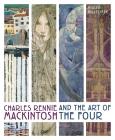
Delve into the world of Charles Rennie Mackintosh and his Glasgow School of Art-trained contemporaries who forged a unique and distinct vision in both art and architecture at the end of the Victorian era.
The Glasgow Style is the name given to the work of a group of young designers and architects working in Glasgow from 1890–1914. At its centre were four young friends who had trained at Glasgow School of Art; two architects and two artists – Charles Rennie Mackintosh, Herbert MacNair, Margaret Macdonald and Frances Macdonald – who were simply known by their friends and contemporaries as ‘The Four’.
Their work was a personal vision in the new international style of the 1890s, Art Nouveau, and is perhaps best known for Mackintosh’s architecture and furniture. But at the root of this new style was a graphic language which all four shared.
Charles Rennie Mackintosh and the Art of The Four presents the most coherent story to date of this important group, concentrating on the entirety of their artistic imagery and output, far beyond the best known work of the 1890s, and charting the constantly changing relationships between the artists and their work.
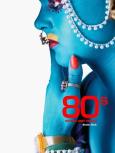
Visually stunning and deeply insightful, 80s Sound and Vision is THE defining book of an unforgettable decade, capturing the raw energy, creativity and flamboyance of the era through its fashion and music.
With images by renowned photographer Sheila Rock, this personal journey offers a sumptuous visual account including many rare images from the photographer’s archive, alongside those originally featured in seminal publications such as The Face, Rolling Stone and Vogue.
Rock’s compelling first hand narrative shot across a decade primarily in London but also LA, San Francisco and Tokyo, takes us to a time when the real catwalk happened on the street; when style was the first and last word and when youth made their own identity, culture, music and entertainment. Here are the burgeoning roots of gender fluidity and an index of impressive talents that bubbled out of the suburbs and art schools to energise and invigorate a grey place with positivity and possibility.
This lavish compendium is a who’s who of the artists, designers, stylists, hairdressers, models and performers, who made the 1980s their own. Alongside many notable stars (David Bowie, Brian Ferry, Naomi Campbell, Judy Blame, Leigh Bowery) are documented the equally relevant style gangs and subcultures who lived by their own rules (New Romantics, Goths, Mods and Metal Heads) and the ‘it’ hang outs and clubs (Billy’s, Blitz, Le Beat Route) where a new sensibility was created and paraded.
80s Sound and Vision is a unique chronicle of an extraordinary time and bears witness to the powerful explosion of imagination and innovation that shaped a decade.
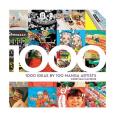
Brimming with visual inspiration and sage advice, this stunning book introduces 100 manga artists, who share their work, their influences, and practical tips in words and images.
There are dozens of books that can teach you how to draw manga, and just as many that talk about manga and its origins—1000 Ideas by 100 Manga Artists is the only book that treats manga as a philosophy to be explored. In its pages, 100 manga “philosophers”—artists, cartoonists, and illustrators who have been influenced by manga—are asked 20 questions about their work, career, and relationship with manga. Each artists chooses 10 questions to answer in both words and pictures.
Along with an abundance of illustrations, sketches, and photographs, find a limitless range of artistic styles, hidden humor, irony, and wisdom in replies to questions like:
Where do the ideas for your drawings come from? How do you do your research?
How do you make your drawings come to life?
Who are your favorite illustrators? Are you trying to follow in their footsteps?
What good habits should a comic illustrator have?
Manga: Is it art?
What advice would you give to a novice illustrator?
Whether you are a beginning manga artist looking for guidance, an established illustrator looking for new inspiration, or a manga fan who wants to learn about the craft and its artists, 1000 Ideas by 100 Manga Artists offers a rich resource.
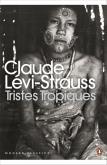
Tristes Tropiques begins with the line 'I hate travelling and explorers', yet during his life Claude Lévi-Strauss travelled from wartime France to the Amazon basin and the dense upland jungles of Brazil, where he found 'human society reduced to its most basic expression'. His account of the people he encountered changed the field of anthropology, transforming Western notions of 'primitive' man. Tristes Tropiques is a major work of art as well as of scholarship. It is a memoir of exquisite beauty and a masterpiece of travel writing: funny, discursive, movingly detailing personal and cultural loss, and brilliantly connecting disparate fields of thought. Few books have had as powerful and broad an impact.
Spotkaj Boga w ciszy swojego serca Jedność człowieka z Bogiem, do której prowadzi kontemplacja, już w człowieku istnieje. Aby ją odkryć, wystarczy zdać sobie z tego sprawę, i w ten sposób rozpocząć drogę modlitwy. To odkrycie jest pierwszym krokiem do tego, by dostrzec istotę swego człowieczeństwa, doświadczyć wewnętrznego spokoju i odkryć świętość wewnątrz – wspólnotę z Bogiem. Ojciec Martin Laird zachęca do poznawania Boga na drodze kontemplacji, to znaczy w milczeniu miłości. Wskazuje proste elementy służące trwaniu w wewnętrznej ciszy, takie jak postawa i właściwy oddech, ale nie traktuje modlitwy jako techniki. Pokazuje, że nie chodzi o to, aby na tej drodze „coś osiągnąć”, wystarczy po prostu pozwolić, aby pewne rzeczy się wydarzyły. Cisza jest naszą ojczyzną, jest krainą, do której wezwany jest każdy duchowy pielgrzym. Martin Laird (ur. 1959) – augustianin, teolog duchowości, patrolog i rekolekcjonista. Wykłada na Uniwersytecie Villanova w Stanach Zjednoczonych.
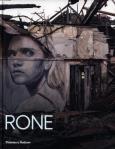
Known for his multi-storey murals gracing buildings all over the world, Melbourne-based artist Rone uses his work to explore the friction and connection between beauty and decay, youth and ruin. Rone was a seminal figure in the explosive Melbourne street art scene of the early 2000s. With his beginnings in street art, stencil and screen printing, Rone is now best known for haunting images of women's faces, rendered in arresting detail on silos and store fronts, museums and apartment blocks. The immersive installations Empty (2016), The Omega Project (2017) and Empire (2019) have continued Rone's investigation into divergent themes of beauty and ruin, materiality and loss, through the transformation of condemned, derelict or forgotten spaces - with each artwork painstakingly produced, only to be destroyed.
Rone: Street Art and Beyond presents a survey of the artist's work from the street, the studio, and the now-defunct installations. The works are bookended by essays that trace the evolution of Rone's career over the last two decades, delve into his depictions of women, and go behind the scenes of his most ambitious installation to date. Anecdotal notes from the artist unpack the stories behind the portraits, tying them to their communities in London, Paris, New York, Havana, Christchurch, Hong Kong and beyond.
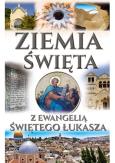
Pięknie ilustrowany zdjęciami album-przewodnik po Ziemi Świętej, śladami Ewangelii Świętego Łukasza. Betlejem, Jerozolima, Jordan, Góra Oliwna - nazwy znane każdemu, miejsca uświęcone i jak najbardziej godne uwagi każdego czytelnika i pielgrzyma.
"Czuję się dostojnym Teofilem, któremu opisaliście wszystko,
abym mógł pokazać całą prawdę pouczeń,
o których już słyszałem (Łk1, 3-4).
Przeglądam wasz album,
czytam, wracam, powtarzam.
Tu spadła łezka,
tu chciałem zawołać: Rabbuni!...
To piękna Księga.
Z czcią głęboką i wdzięcznością polecam Ją Czytającym".
Bp Józef Zawitkowski
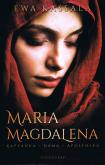
Przed Państwem Maria Magdalena, druga po Królowej Saby powieść Ewy Kassali o silnych kobietach w Biblii.Czy byłą kochanką Jezusa? Jawnogrzesznicą opętaną przez demony? Kapłanką Izydy, głoszącą własną ewangelię? Kto i dlaczego nazwał ją doskonałością nad doskonałościami?Maria Magdalena Ewy Kassali jest jedną z nas. Możemy się z nią utożsamiać, bo tak jak my kocha, błądzi, cierpi, waha się, marzy o miłości wiecznej i ponadczasowej. Jest wykształcona i wrażliwa, dobra i obdarzona niezwykłą duchową mocą, ale bywa też naiwna, zarozumiała i próżna. Wychowywana w hermetycznym świecie dobrobytu, nie do końca rozumie rzeczywistość i problemy zwykłych ludzi. Jednak przechodzi przemianę, a po upadku na samo dno odradza się do nowego życia. Z wychowanki kapłanek Izydy i salonowej damy staje się apostołką. Po długiej duchowej wędrówce odkrywa swoją życiową misję. Jej zadaniem jest przenoszenie przez czas wiecznego ognia i kobiecej cząstki boskiej energii. Zostaje towarzyszką Jezusa i obok jego matki staje się najważniejszą kobietą w jego życiu.Ta opowieść jest jak wciągający hollywoodzki film wartka akcja, mocne charaktery, dynamika zdarzeń. Jest też jak lustro każdy może zobaczyć w niej swoje własne odbicie. I swoją Marię Magdalenę.W swoich książkach Ewa Kassala łączy szerokie naukowe zgłębianie tematu (każda powieść powstaje przy konsultacji z historykami) z literackim talentem, dzięki czemu czytelnik może poczuć atmosferę starożytnego świata. Możesz iść krok w krok z bohaterkami z legend i zamiast zakurzonej historii doświadczać prawdziwych emocji, dylematów i wątpliwości, z jakimi borykały się najpotężniejsze kobiety, jakie kiedykolwiek stąpały po ziemi. Autorka przywołuje do życia mądre, silne i odważne królowe, które nie bały się używać rozumu i kobiecego uroku, by dostawać to, czego chciały.
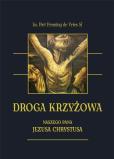
Ojciec Piet Penning de Vries urodził się 15 marca 1928 w Leiden w Holandii. 7 września 1949 wstąpił do Towarzystwa Jezusowego, a święcenia kapłańskie przyjął 31 lipca 1960. W czerwcu 1973 został kierownikiem duchowym w Wyższym Seminarium Duchowym w Rolduc w Kerkrade, gdzie spędził większość swojego kapłańskiego życia. Uczył, że naśladowanie Chrystusa oznacza oddanie swojego życia na służbę Bogu i Kościołowi oraz na służbę człowiekowi. Miał w zwyczaju powtarzać, że jego życie to tylko "stracone pięć minut". Napisał wiele książek i artykułów, zdążył wygłosić wiele rekolekcji w Holandii i poza jej granicami. Jego przyjaciele wspominają, że ojciec Penning był "księdzem bez wakacji". Ukazywał ludziom, że bycie blisko Jezusa powinno być w życiu człowieka najważniejsze. Podkreślał, że tylko Jezus daje człowiekowi siłę do właściwej służby drugiemu człowiekowi. W okresie posoborowym, gdy prawie zanikła praktyka spowiedzi sakramentalnej, ojciec Piet stał się jednym z najpopularniejszych spowiedników w Holandii. Jego prowadzenie ludzi do Boga polegało na pomaganiu im w uniezależnianiu od ludzi i rzeczy światowych na rzecz poddania się woli Bożej i uzależnienia się tylko od miłości Boga. Swoją gorliwość w przekonywaniu ludzi do spowiedzi uzasadniał stwierdzeniem: "Trudno jest zostawić ludzi w grzechu". Zmarł 10 marca 1995 roku. Na jego biurku znaleziono kartkę z następującym tekstem: "Jestem człowiekiem niewielu słów, jestem człowiekiem niewielu działań. Skoro wcześnie usłyszłam Twoje słowe, niechaj wcześnie ujrzę Twoją twarz".
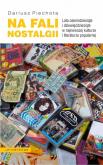
Przygotowana przez Dariusza Piechotę monografia jest fascynującą opowieścią o popkulturze, którą mam zamiar postawić na półce pomiędzy Understanding Popular Culture Johna Fiske’a a III Rzeszą Popkultury Bartłomieja Dobroczyńskiego. Odnoszę wrażenie, że autor w podobny do wymienionych przeze mnie autorów buduje narrację o kulturze popularnej, pochylając się nad konkretnymi zjawiskami i praktykami reprezentującymi popkulturę. Służy temu przyjęta przez Piechotę perspektywa mikrohistorii, wzbogacona koncepcją mitu jako praktyki narracyjnej Rolanda Barthes’a, które pozwalają się przyglądać tymże zjawiskom i praktykom codzienności, a zarazem traktować je jako powierzchnię, pod którą kryje się o wiele głębszy dyskurs kulturowy.
Prof. dr hab. Adam Regiewicz (UJD, Częstochowa)
Dariusz Piechota – dr, literaturoznawca, asystent na Wydziale Filologicznym Uniwersytetu w Białymstoku, członek zespołu badawczego Laboratorium Animal Studies – Trzecia Kultura. Autor monografii: Między utopią a melancholią. W kręgu nowoczesnej i ponowoczesnej literatury fantastycznej (2015), Pozytywistów spotkania z naturą. Szkice ekokrytyczne (2018). Współredaktor serii wydawniczej Zielona Historia Literatury, w której dotychczas ukazały się: Emancypacja zwierząt? (2015), Ekomodernizmy (2016), Między empatią a okrucieństwem (2018), (Nie)zapomniane zwierzęta (2021). W kręgu jego zainteresowań badawczych znajdują się: literatura przełomu XIX i XX wieku (pozytywizm i Młoda Polska), współczesna literatura i kultura popularna, animal studies, ekokrytyka.
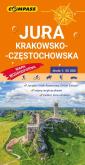
Jura Krakowsko-Częstochowska to wyjątkowy i niepowtarzalny region w naszym kraju. Może poszczycić się ogromną liczbą różnorodnych skał i ostańców, oplecionych siecią dróg wspinaczkowych. Jej podziemny świat tworzą tysiące jaskiń oraz grot. Ukształtowanie terenu z wąwozami, płaskowyżami i łagodnymi wzgórzami, bogactwo zabytków oraz zagospodarowanie korzystnie wpływają na rozwój turystyki. Niezmiernie istotna jest gęsta sieć szlaków turystycznych, które umożliwiają dogodne dotarcie do wszystkich najciekawszych zakątków. Nie brakuje tu licznych stadnin i ośrodków jeździeckich, umożliwiających uprawianie turystyki konnej. Mapa Jury Krakowsko-Częstochowskiej łączy Kraków z Częstochową a jej zasięg wyznaczają: Mstów na północy, Częstochowa i Trzebinia na zachodzie, Siewierz i Alwernia na południu oraz Kraków na wschodzie. Jest to mapa dwustronna w skali 1:50'000. Ułatwia zwiedzanie Jury Krakowsko-Częstochowskiej miłośnikom wszelkich form turystyki, bowiem zostały zaznaczone na niej szlaki piesze, rowerowe i konne, w tym najważniejsze: pieszy i rowerowy Jurajski Szlak Orlich Gniazd a także m. in. Szlak twierdzy Kraków, Szlak Walk 7 Dywizji Piechoty, Szlak im. Krasińskiego, Szlak Zamonitu, Szlak Żarecki. Mapa idealnie nadaje się do uprawiania wszelkich form turystyki. Bez trudu znaleźć na niej można wszystkie atrakcje Jury Krakowsko-Częstochowskiej, nie tylko te najbardziej znane, jak zamki i warownie jurajskie czy jaskinie jurajskie, ale także atrakcje przyrodnicze, zabytki architektury drewnianej i wiele innych.
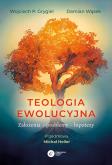
"Nie ma wątpliwości, że Wojciech P. Grygiel i Damian Wąsek charakteryzują się szczególną wrażliwością na współczesne "znaki czasu", do których należą między innymi niebywały rozwój nauk przyrodniczych oraz postęp w dziedzinie technologii. Bardzo dobrze rozumieją potrzebę budowania mostów między chrześcijańską teologią a współczesną kulturą intelektualną, zwłaszcza w kontekście niestety wciąż jeszcze propagowanej fragmentarycznej wizji świata. Autorom Teologii ewolucyjnej towarzyszy przy tym głęboka świadomość, że w procesie wzajemnej wymiany wyników badań należy zachować zarówno krytyczną otwartość, jak też stałe dążenie do jedności teologii z naukami przyrodniczymi, z poszanowaniem ich różnorodności i autonomii".ks. dr hab. Antoni Nadbrzeżny
Czas Świąt Bożego Narodzenia jest jednym z najpiękniejszych okresów, nie tylko tych liturgicznych, uroczyście obchodzonych w Kościele katolickim, lecz także w społeczności, która z religijnością niewiele ma wspólnego. Ściśle związana ze świętami praktyka wykonywania kolęd ma swój początek w wielowiekowej tradycji pielęgnowania w domach języka polskiego, którego używanie w przestrzeni publicznej było, w czasach zaborów, zakazane. Święta i komponowanie na tę okazję kolęd sprzyjały nie tylko praktyce ojczystego języka, ale także twórczości Polska jest krajem, który ma prawdopodobnie największy i najbogatszy repertuar kolędowy (ponad 5 tysięcy kolęd i pastorałek).W ostatnich dziesięcioleciach powstało wiele znakomitych opracowań kolędowych; nie dość wspomnieć obecne w bibliotekach i w zbiorach kościelnych opracowania na chóry lub na głos z organami, np. Śpiewnik kościelny katolicki (cz. I), wydany w Krakowie w 1903 roku, zawierający kolędy z prostą harmonizacją, Tomasza Flaszy albo Wincentego Rychlinga; Chorał opolski (cz. 1), wydany w Opolu w 1983 roku ze spokojnymi i umiarkowanymi harmonizacjami Feliksa Rączkowskiego czy Józefa Siwego. Spośród bardziej znanych współczesnych pozycji należy wymienić Śpiewnik wawelski, wydany nakładem Wydawnictwa św. Stanisława w Krakowie.
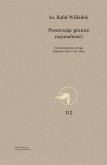
Książka ks. Rafała Wilkołka poświęcona jest teologii epistemologicznej kard. Mikołaja z Kuzy, żyjącego w piętnastym wieku niemieckiego teologa, filozofa, matematyka i dyplomaty.
Pierwsza część studium ukazuje osobę i dzieło kardynała od Świętego Piotra w Okowach na tle czasów mu współczesnych, szeroko omawiając późnośredniowieczne problemy, opinie i osoby tworzące siatkę kontekstualnych odniesień dla myśli Kuzańczyka.
Druga część tomu, najobszerniejsza, przedstawia Mikołaja z Kuzy jako autora oryginalnego, który uwzględniając Bożą perspektywę w ramach projektu teologiczno-epistemologicznego, ostatecznie sprzeciwia się zawężonej koncepcji racjonalności wynikającej z intelektualnych uwarunkowań epoki. Spostrzeżenia zawarte w trzeciej części tomu dotyczą aktualności powstałych blisko sześć wieków temu koncepcji Mikołaja z Kuzy, które według ks. Wilkołka mogą stać się inspiracją dla współczesnej myśli teologicznej w budowaniu alternatywnych wizji rzeczywistości.
Rafał Wilkołek (ur. 1982) – kapłan archidiecezji krakowskiej, doktor teologii dogmatycznej (Uniwersytet Papieski Jana Pawła II), znawca nowej fenomenologii francuskiej (Marion, Chrétien, Falque), autor artykułów naukowych na temat św. Tomasza z Akwinu, członek American Cusanus Society, inicjator i współtwórca kompletnego tłumaczenia filozoficzno-teologicznych tekstów Kuzańskich na język polski.
Ten produkt jest zapowiedzią. Realizacja Twojego zamówienia ulegnie przez to wydłużeniu do czasu premiery tej pozycji. Czy chcesz dodać ten produkt do koszyka?