Do tego działu zapraszamy wszystkich czytelników bo zdrowie ważne jest dla każdego z nas. Polecamy szeroki wachlarz publikacji, poradników, podręczników znanych autorów, którzy cenią sobie zdrowy styl życia i dbają o siebie. Proponujemy mnóstwo poradników i książek kulinarnych, z których dowiemy się jak przygotować smaczne i zdrowe posiłki, pełne zdrowych warzyw i błonnika. Dowiemy się jak prawidłowo się odżywiać z zachowaniem zasad zdrowej diety. Porady naturoterapeutów, różne terapie, diety, ćwiczenia oraz system leczenia dietą bezśluzową, ogólnie szkoła zdrowia. Diety oczysczające, głodówki, posty i diety surowe, warzywne, sokoterapie. Znani i cenieni autorzy zdrowotnych książek: Mariusz Budrowski i Agnieszka Juncewicz, Hulda Clark, Matthias Rath, Magdalena makarowska, Arnold Ehret, Anna Ciesielska, Michał Tombak, Walter Last, Borys |Bołotow, Iwan Nieumywakin, Andreas Moritz i wielu innych.
O książce Niecodzienne i niepoprawne wspomnienia doświadczonego kapitana żeglugi wielkiej. 40 lat na statkach handlowych, pod polską i obcą banderą. Zmagania z urzędnikami, wyrwanie się zza żelaznej kurtyny, różnice kulturowe w kontaktach z lokalesami. W tle wielka polityka i małe ludzkie interesy. Ale też sztormy, piraci, narkotyki, wino i hiszpańskie dziewczyny. I rozważania, czym dziś jest morze dla marynarza? Czy jest miejsce na romantyzm tej profesji, czy pozostały tylko handlowe interesy wielkich spedytorów?
Oddychaj i… kochaj. Świadomy oddech może poprawić jakość naszego życia. Również w sferze związków. Oddech to wspaniałe narzędzie terapeutyczne, w dodatku takie, które możemy wykorzystać w każdej chwili. Coraz większa jest świadomość, że oddech wspomaga zdrowie, poprawia kondycję, niweluje stres i zwiększa koncentrację. Ale jak się okazuje - moc oddechu jest o wiele większa. Pomagając zintegrować 4 sfery, ciało, uczucia, umysł i ducha, może w znaczący sposób wpływać na relacje międzyludzkie, w tym relacje miłosne. Dzięki praktycznym poradom oraz ćwiczeniom zawartym w książce Oddech w związkach, nauczysz się wykorzystywać oddech do poprawienia jakości swojego życia uczuciowego i seksualnego. Dogłębnie poczujesz jak wspaniale jest kochać innego człowieka oraz siebie samego Grzegorz Pawłowski Licencjonowany coach ICC, life coach, coach oddechem, trener biznesu, praktyk NLP. Związany z formą rozwoju poprzez powrót do naturalnego oddechu jako głównego życiowego paliwa i niezwykle użytecznego narzędzia coachingowego. Twórca środowiska pracy z oddechem w Polsce i założyciel Szkoły CUUD Coachingu Oddechem. Wykładowca coachingu w Akademii Coacha w Wyższej Szkole Bankowej i w Collegium Civitas. Przez dwadzieścia lat przeprowadził kilka tysięcy indywidualnych sesji oddechowych i coachingowych. Autor książki Oddech. Oddychaj świadomie, żyj pełniej (Wydawnictwo Zwierciadło).
Pierwsze udane wejście na Mount Everest sir Edmunda Hillary'ego i jego szerpijskiego towarzysza Tenzinga Norgaya w 1953 roku jest dobrze znanym faktem. Natomiast wiele osób nie zna niesamowitych historii innych śmiałków, którzy próbowali zmierzyć się z najbardziej niebezpiecznymi górami na świecie - Himalajami. W tej z rozmachem opowiedzianej i bogato ilustrowanej książce dwaj historycy Maurice Isserman i Stewart Weaver przedstawiają pierwszą od pół wieku niezwykle obszerną, obfitą w szczegóły oraz interesujące fakty historię wspinaczek himalajskich. W publikacji znajdują się relacje z najważniejszych wypraw od początku XIX wieku. Autorzy nie szczędzili także bardzo ważnej otoczki kulturalno-społecznej, która miała znaczący wpływ na zapoczątkowanie wielu z nich. W książce przedstawione są takie postaci jak: Martin Conway, który stał na czele pierwszej himalajskiej ekspedycji w 1892 roku, czy też Fanny Bullock Workman, pionierki w wyprawach po łańcuchu Karakorum. George'a Mallory'ego, romantycznego męczennika Everestu, Charlie Houstona, który poprowadził amerykańską ekspedycję na K2 w latach 30. i 50. XX wieku, Ang Tharkaya legendarnego Szerpy, i wielu innych. Autorzy opisują wpływ politycznych i społecznych zmian na świat himalaizmu i przedstawiają złożoną analizę kultury wspinaczkowej. Książka zdobyła prestiżową nagrodę Banff Mountain Book Festival Award. Recenzje,,Autorom Upadku olbrzymów udało się uchwycić samą istotę himalaizmu. Książka jest świetnie napisana i jest źródłem gruntownej wiedzy dla wszystkich zainteresowanych tym tematem"". Charles S. Houston, współautor K2: The Savage Mountain,,Maurice Isserman i Stewart Weaver dzielą się z nami niezapomnianymi historiami z najwyższych szczytów świata. Dzięki dogłębnej analizie autorów dowiadujemy się o kontrowersjach, dramatach i tajemnicach towarzyszących tym wyprawom. Ta książka w niezwykle przemyślany sposób i także z naukowego punktu widzenia otwiera przed nami świat wspaniałych osobowości himalaizmu. Zupełnie nowe informacje, intrygujące szczegóły, wnikliwe interpretacje i inteligenta ironia autorów sprawiają, że jest to książka, którą koniecznie powinni przeczytać zarówno ,,wpinacze kanapowi"", jak również wszyscy ci, którzy planują wyprawy wysokogórskie"". Arlene Blum, autorka Breaking Trail: A Climbing Life ,,To niewątpliwie podstawowa książka o historii himalaizmu, jasna, przejrzysta, wolna od zbędnego żargonu i tak gruntowna, że jakiekolwiek próby napisania czegoś lepszego są całkowicie zbędne"". Nick Clinch, kierownik amerykańskiej wyprawy na Gaszerbrum I (1958), były przewodniczący American Alpine Club,,To idealna książka do zapoznania czytelnika z ideą himalaizmu, poznania niesamowitych historii górskich oraz zrozumienia wielkich poświeceń, które się za nimi kryją. Dodatkowo, zarówno historycy, jak i badacze i hobbiści będą zachwyceni unikatową i dogłębną analizą ewolucji himalaizmu i najważniejszych czynników, które miały na nią wpływ"". Greg Glade, właściciel Top of the World Books ,,Isserman i Weaver, dwóch skromnych wysokogórskich wędrowców, wspięło się na swój własny wielki szczyt, pisząc porywającą, dogłębną i przejrzystą historię wspinaczek w Himalajach, która nie tylko zdołała zobrazować prawdziwą esencję wielkich sukcesów i porażek wysokogórskich, ale też zaprezentować je w szerszym historycznym kontekście"". Tom Hornbein, autor Everest: The West Ridge ,,Ten przegląd historii himalaizmu jest niczym obóz główny na zboczu góry dla wszystkich osób zainteresowanych historią ekspedycji górskich w Himalajach. Największy atut tej książki wiąże się ze sposobem, w jakim każda wyprawa jest przedstawiana w kontekście ewoluującego stylu wspinaczek wysokogórskich"".Booklist ,,Bohaterstwo, śmierć, dramat... Staranność i rzetelność autorów sprawiają, że ten opasły tom może śmiało uchodzić za encyklopedię himalaizmu. Niezwykle drobiazgowe informacje dotyczące samej wspinaczki, a także istotnych faktów dotyczących historii himalaizmu oraz niezrównane zdjęcia Vittorio Selli sprawiają, że jest to po prostu wspaniała i pouczająca lektura"". Foreward Magazine(Outstanding University Press Books 2008) O autorachMaurice Isserman jest wykładowcą historii w Hamilton College. Mieszka w Clinton w stanie Nowy Jork. Stewart Weaver jest wykładowcą historii na University of Rochester. Mieszka w Rochester w stanie Nowy Jork. Obaj są zapalonymi rowerzystami oraz wspinaczami.
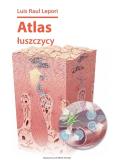
Książka "Atlas łuszczycy" autorstwa Luisa Raula Leporiego to wydawnictwo albumowe zawierające kilkadziesiąt grafik przedstawiających poszczególne typy i rodzaje łuszczycy. Każda jednostka chorobowa została wzbogacona o grafikę wraz z opisem, co umożliwia łatwiejsze poznanie choroby. Polecana każdej osobie zainteresowanej tematyką łuszczycy.
W książce znajdziesz ciekawe informacje na temat leczenia łuszczycy:
• ogólne podejście do leczenia łuszczycy,
• leczenie miejscowe,
• leczenie układowe,
• fototerapia,
• leczenie biologiczne,
Podstawowych wykwitów skórnych:
• plam i grudek,
• pęcherzy i pęcherzyków,
• krostek, łusek i strupów.
A także zdjęcia i opisy różnych rodzajów łuszczycy:
• łuszczyca plackowata (psoriasis vulgaris) I,
• łuszczyca plackowata (psoriasis vulgaris) II,
• łuszczyca plackowata (psoriasis vulgaris) III,
• łuszczyca kropelkowata,
• łuszczyca krostkowa,
• łuszczyca odwrócona,
• łuszczyca erytrodermiczna,
• łuszczyca dłoni,
• łuszczyca paznokci,
• łuszczyca skóry głowy,
• łuszczyca niemowląt,
• łuszczycowe zapalenie stawów.
Książka „Łuszczyca – Kompendium” to pierwsza polska edycja międzynarodowej publikacji Fast Facts, która cieszy się uznaniem w środowiskach medycznych. Publikacja przeznaczona dla osób, które chcą się dowiedzieć więcej na temat łuszczycy jako choroby dermatologicznej i autoimmunologicznej. Dzięki niej poszerzysz swoją wiedzę w zakresie epidemiologii i patofizjologii łuszczycy, w tym dowiesz się więcej na temat roli czynników genetycznych w rozwoju choroby.
Zamieszczone w książce ilustracje dokładnie zobrazują każdy omawiany typ łuszczycy, co pomoże lepiej poznać i zrozumieć pełen obraz kliniczny.
Książka napisana jest lekkim, przyjaznym językiem – polecana jest zarówno dla osób dorosłych, jak i nastolatków borykających się z łuszczycą.
W książce znajdziesz informacje na temat:
• Epidemiologii i patofizjologii łuszczycy,
• Obrazów klinicznych łuszczycy,
• Diagnostyki różnicowej łuszczycy,
• Ogólnego podejścia do leczenia łuszczycy,
• Leczenia miejscowego łuszczycy,
• Fototerapii i fotochemioterapii w łuszczycy,
• Leczenia systemowego łuszczycy,
• Terapii celowanych (biologicznych) w łuszczycy,
• Łuszczycowego zapalenia stawów,
• Przyszłych trendów w walce z łuszczycą.
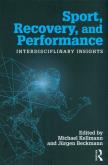
Sport, Recovery and Performance is a unique multi-disciplinary collection which examines both the psychological and physiological dimensions to recovery from sport. Including contributions from medicine, neuroscience, psychology and sport science, the book expertly explores the implications for applied and strategic interventions to both retain and stabilize performance, and promote health and well-being.
Including chapters written by its leading experts, the book represents an important milestone in this evolving field of study. It covers issues around measuring recovery, the impact of overtraining on sleep and mental health, and addresses topics such as the impact of travel on performance. The book informs not only how managing recovery can improve performance, but also offers insights in how recovery can sustain athletes’ physical and mental health.
Citing research from a range of individual and team sports, as well as extreme situations and the workplace, this is an important book that will be widely read across the sport sciences.
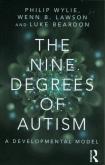
The Nine Degrees of Autism presents a much-needed positive tool for understanding the developmental process of autism, and to facilitate the improved mental health and well-being of individuals on the spectrum. The ground-breaking model charts nine distinct stages of development - from pre-identification, to learning to live with changes in self-image following a late diagnosis, through to self-acceptance and wellbeing. Using the model as a framework each chapter focuses on a particular stage of the process. Experts provide personal insights into the environmental and societal challenges faced by individuals with autism, and dispel a number of popular misconceptions.
The positive developmental model described in this book will encourage people on the Spectrum to accept themselves by focusing on their gifts rather than weaknesses, and to avoid identifying with negative medical classifications. The developmental process which the authors describe is also applicable to other ‘hidden’ neurological conditions such as Dyslexia, Dyspraxia, Aphasia, and ADHD.
The book should be read by anyone who wants to understand the real nature and experience of autism and will also be essential reading for a range of professionals seeking to work more effectively with individuals on the spectrum.
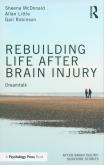
Rebuilding Life after Brain Injury: Dreamtalk tells the survival story of Sheena McDonald, who in 1999 was hit by a police van and suffered a very severe brain injury. Sheena’s story is told from her own, personal standpoint and also from two further unique and invaluable perspectives. Allan Little, a BBC journalist and now Sheena’s husband, describes both the physical and mental impact of the injury on himself and on Sheena. Gail Robinson, Sheena’s neuropsychological rehabilitation specialist, provides professional commentaries on Sheena’s condition, assessment and recovery process.
The word Dreamtalk, created by Allan to describe Sheena’s once "hallucinogenic state", sets the tone for this book. It humanises and contextualises the impact of brain injury, providing support and encouragement for patients, professionals and families. It presents exclusive insights into each stage of recovery, spanning coma, altered consciousness, post-traumatic amnesia and rehabilitation; all showing how she has defied conventional clinical expectations and made an exceptional recovery.
This book is valuable reading to those who have suffered a brain injury and also to professionals such as neurologists, neuropsychologists, physiotherapists, occupational therapists and speech therapists working in the field.
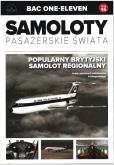
„Samoloty pasażerskie świata” to wyjątkowa kolekcja monografii poświęconych najsławniejszym lub najbardziej osobliwym samolotom. W każdym tomie znajdziesz unikalne
fotografie, historię, opisy techniczne i ciekawostki.
Teenage Pregnancy and Young Parenthood provides a comprehensive, unparalleled insight into the UK Government’s highly successful Teenage Pregnancy Strategy (TPS) for England which reduced the under-18 pregnancy rate by well over 50%, and considers how the lessons from this policy can be applied internationally.
This important book captures and shares the lessons from the TPS for future governments and policy makers, and documents the details of implementing a long-term strategy with its innovative approach to policy issues. After providing the rationale for prioritising teenage pregnancy, the book demonstrates evidence for what is effective, both in helping young people avoid unplanned pregnancy and in improving outcomes for young parents. The TPS is analysed against the World Health Organisation’s key actions for effective scale-up of adolescent sexual and reproductive health programmes, to offer an important contribution to international understanding of this global public health challenge.
Advocating a ‘whole systems’ multi-agency approach this book translates evidence into clear action, and combines theory and practice with illustrative case studies to demonstrate how to implement policy successfully. It is valuable reading for policy makers and practitioners dealing with young people’s health, as well as undergraduate and postgraduate students in the fields of psychology, health studies, social work, youth work, education, social policy, sociology and related disciplines.
Wege po polsku znaczy kocham polskie warzywa! Prezentujemy przepisy na dania wegetariańskie bez wyszukanych składników, na bazie lokalnie uprawianych warzyw, które rosną w przydomowym ogródku lub można je znaleźć na najbliższym bazarze.Zdrowa dieta wege musi być dobrze zbilansowana, stąd znajdziecie tu zbiór najróżniejszych przepisów na małe dania na ciepło i na zimno, sałatki, zupy, dania główne a także owocowe słodkości. Przyrządzanie posiłków nie musi być nudne. Kuchnia wege proponuje zdrowe i ciekawe połączenia. Na obiad mogą być placki orkiszowe z bakłażanem albo kalafior z serem czy pomidory faszerowane warzywami i ryżem. Po prostu smacznie i zdrowo!
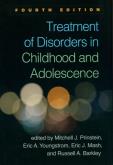
Now completely revised (over 90% new), this definitive practitioner reference and course text comprehensively reviews evidence-based treatments for psychological disorders in children and adolescents. The significantly expanded fourth edition covers an increased number of disorders, as well as transdiagnostic issues and public health concerns. Psychosocial, pharmacological, and complementary therapies are identified and described in well-organized chapters that include rich clinical illustrations. Prominent experts address developmental considerations in treatment and offer guidance for tailoring interventions to each child and family's needs. Prior edition title: Treatment of Childhood Disorders, Third Edition, edited by Eric J. Mash and Russell A. Barkley.
New to This Edition
*All chapters are new, reflecting over a decade of clinical and empirical developments.
*Chapters on additional clinical issues: bipolar disorder, suicidal and nonsuicidal self-injury, obsessive–compulsive disorder, infant and toddler problems, posttraumatic stress disorder, coping and emotion regulation, bereavement, early-onset schizophrenia, personality disorders, childhood obesity, and sleep problems.
*Chapters on case conceptualization and evidence-based therapist flexibility.
*Illustrative case examples and transcripts added throughout.
*Updated for DSM-5; every chapter also considers transdiagnostic and dimensional issues.
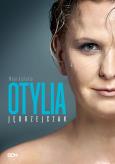
Katorżniczy trening i zdobycie sportowych szczytów. Łzy radości na igrzyskach w Atenach i tragiczna śmierć brata. Życie Otylii Jędrzejczak to prawdziwy rollercoaster i gotowy scenariusz na film. Najlepsza zawodniczka w dziejach polskiego pływania po kilka latach od zakończenia kariery zawodowej postanowiła podzielić się swoją historią w szczerej autobiografii.Otylia. Moja historia to intymna i przejmująca opowieść o życiu wielkiej sportsmenki, którą los wyniósł na piedestał, by strącić w przepaść. Słynna pływaczka otwiera się przed czytelnikami, by na własnym przykładzie pokazać, jak ulotne potrafią być chwile szczęścia. W kobiecie, która wydaje się twarda jak stal, widzimy osobę wrażliwą i dojrzałą, która zdołała się podnieść po najtragiczniejszym z ciosów. Chcę, by czytając tę książkę, ludzie odnaleźli w niej cząstkę siebie. I zrozumieli, że z każdej sytuacji jest jakieś wyjście, mówi mistrzyni.Swoją historię Otylia Jędrzejczak wzbogaca fragmentami skrupulatnie prowadzonych pamiętników, listami do brata oraz własnymi próbkami poetyckimi. Czytelnicy dowiedzą się, jak wielka potrafi być cena sportowych sukcesów, a także jak poradzić sobie z internetowym hejtem, który jest obecny w życiu Otylii od wielu lat. Prowadzona w pierwszej osobie, niezwykle szczera opowieść o życiu najbardziej utytułowanej obok Ireny Szewińskiej, Justyny Kowalczyk i Anity Włodarczyk kobiety w historii polskiego sportu dowodzi, że pływając od ściany do ściany i wylewając hektolitry łez, można marzyć. A właściwie nie można, ale trzeba. Żeby wytrzymać nadludzki wysiłek. Nie tylko fizyczny.
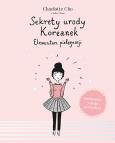
W Europie o skórze mówi się głównie w kontekście problemów: zmarszczek i niedoskonałości cery, które trzeba tuszować grubymi warstwami makijażu. Koreanki od dawna wiedzą, że takie podejście prowadzi donikąd. Ich niezwykła metoda kompleksowej pielęgnacji gwarantuje rewelacyjne efekty.Charlotte Cho na własnym przykładzie obala mit, że idealna cera Koreanek to efekt dobrych genów i udowadnia, że wszystko zależy od właściwej pielęgnacji. W książce przedstawia kilka prostych, ale niezastąpionych sposobów, by raz na zawsze pożegnać się z niedoskonałościami i zachwycić wszystkich promienną, nieskazitelną cerą.Zapomnij o starzejących się z godnością Francuzkach i osiągnij koreańską perfekcję.Oczyszczaj, złuszczaj, nawilżaj, regeneruj i lśnij!
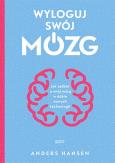
Książka szwedzkiego psychiatry i autora badań nad internetem w przystępny sposób tłumaczy jak korzystać z najnowszych technologii, by służyły naszemu dobru i nie były źródłem frustracji i lęku. Poznaj ostatnie odkrycia naukowe i zadbaj o zdrowie swojego mózgu!Czy mózg czeka przyśpieszony kurs technologiiJak korzystać z najnowszych aplikacji, by służyły naszemu dobru i nie były źródłem frustracji ani lęku? Książka szwedzkiego psychiatry i autora wieloletnich badań nad internetem odkrywa tajemnice działania mózgu w zderzeniu z nowymi technologiami i daje konkretne wskazówki.Wyłącz telefon komórkowy na jedną lub dwie godziny w ciągu dnia. Nawet kilka minut ruchu dziennie pozwoli ci zredukować stres i poprawić koncentrację, Wieczorem zmień obraz w telefonie na czarno-biały, ograniczy to wyzwalanie dopaminy i chęć przewijania wiadomości. Nie sprawdzaj służbowego maila tuż przed pójściem spać. W mediach społecznościowych staraj się obserwować tylko te osoby, z którymi naprawdę chcesz wchodzić w interakcję. To tylko przykłady skutecznych porad zawartych w tej książce.Dlaczego korzystanie z Instagrama uruchamia w mózgu te same obszary co niegdyś polowanie na dzikie zwierzęta? Co się dzieje z naszą pamięcią, kiedy podczas jazdy samochodem zdajemy się wyłącznie na GPS-a? Na czym polega cyfrowa zazdrość i czy internet może pozbawić nas empatii? Każdego dnia musimy wytrzymać informacyjne tsunami, a nasze neurony lustrzane w kontakcie z mediami społecznościowymi pobudzają mózg do ciągłego porównywania się z innymi.Poznaj ostatnie odkrycia naukowe i zadbaj o zdrowie swojego mózgu!Szwedzki bestseller nagrodzony prestiżową nagrodą The Health Award of the Year.Anders Hansen szwedzki lekarz, specjalista w dziedzinie psychiatrii w Instytucie Karolinska. W swojej najnowszej książce w zrozumiały sposób tłumaczy najnowsze odkrycia neurobiologii i wyjaśnia, jak możemy je wykorzystać w codziennym życiu.
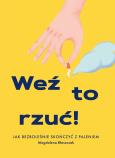
Papierosy zabijają!Papierosy szkodzą tobie i innym w twoim otoczeniu!Paląc krzywdzisz nie tylko siebie!Te slogany zna doskonale każdy palacz, ale co dalej? Jak bezboleśnie pozbyć się tego paskudnego nałogu?Twój przeciwnik nikotyna nie jest łatwy do pokonania. Ta książka ma ci pomóc w walce z nim. Znajdziesz w niej nie tylko praktyczne porady, ale też wszystkie dostępne metody, dzięki którym możesz rzucić ten nałóg. Wybór należy do ciebie.Weź to w końcu rzuć!Powodzenia!
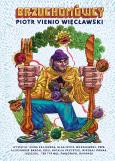
Kuchnia to serce domu. Zaproszenie do niej może być postrzegane jako dowód zaufania i przyjaźni, odsłonięcie przed odwiedzającym miejsca, które może nie zawsze lśni czystością, ale w którym toczy się życie. Sprytnie wykorzystując fakt znajomości okraszony szczyptą sympatii, postanowiłem wślizgnąć się i zaprosić was do świata pokręconych, śmiesznych i oryginalnych historii moich wspaniałych przyjaciół. Opowiadają mi oni o swoich pierwszych kulinarnych wspomnieniach, rozpamiętują smaki dzieciństwa oraz popisowe dania mam i babć. Zdradzają, w jakich lokalach lubią bywać i co z chęcią szamają. Mówią, czym się kierują w swoich codziennych wyborach, uchylając nam tym samym odrobinę swojego prywatnego świata. Każdy z nich oprócz ciekawej, inspirującej rozmowy serwuje mi swój oryginalny przepis na ulubione danie, ja bekhendem odbijam smacznie piłeczkę i proponuję coś bardziej w moim klimacie.
Zgłodnieli?
ZAPRASZAM DO ŚWIATA BRZUCHOMOWCOW!
Vienio * Organek * Mazolewski * PabloPavo * Ten Typ Mes * Piotr Kędzierski * Olga Frycz * Orina Krajewska * Mikołaj Komar * Natalia Przybysz * Kosi * Aleksander Baron
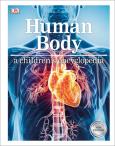
From your head to your toes, this encyclopedia for children takes you on a tour of the human body and explains how each part works.
On every page, discover amazing facts about the human body. Did you know that you are made up of 100 trillion cells? Learn about blood vessels (capillaries, veins, and arteries) which, if they were laid out end to end, would wrap around the Earth twice! Find out what makes a balanced diet - after all, you will eat about 20 tonnes of food in your entire life! See what part of the brain makes you appreciate music (it's the right side). There are also fun quizzes, so you can assess your own personality and test your logical and reasoning skills.
An international best-seller since 2012, Human Body: A Children's Encyclopedia has now been fully updated in line with the latest research. Combining clear descriptions of human biology with awesome photographs, graphics, and CGI artworks, make your way from the skin, muscles, organs, bones, right down to your cells and DNA.
From homework projects to just reading for curiosity, this comprehensive encyclopedia is filled with everything that you need to know about what makes your body tick.
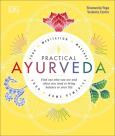
Are you looking for renewed energy, relief from stress, improved sleep, and much more? It's time to start your Ayurveda wellness journey.
Practised in India for millennia, Ayurveda means life-knowledge - it reveals the path to ultimate wellbeing by identifying your individual characteristics and patterns of health, and showing you how to bring balance to your life.
Find out Ayurvedic body type (prakriti) through a simple self-assessment questionnaire, and learn how to adjust your diet to suit your body type using recipes and ingredient lists, stretch and energize your body through yoga, and focus and relax your mind with meditation and positive thinking exercises. You can also look up home therapies and remedies for a variety of common ailments.
Whether you're adopting this ancient lifestyle practice yourself, through your yoga practice, or as an alternative therapy, use Practical Ayurveda to apply its wisdom to your modern lifestyle.
Ten produkt jest zapowiedzią. Realizacja Twojego zamówienia ulegnie przez to wydłużeniu do czasu premiery tej pozycji. Czy chcesz dodać ten produkt do koszyka?