W tej strefie zapraszamy czytelników tak zwane artystyczne dusze po książki z kategorii Sztuka. Polecamy szereg publikacji o sztuce i jej historii,ciekawostki i portfolia artystów, eseje, albumy, książki o malarstwie, rzeźbiarstwie, architekturze oraz histoii fotografii. Biografie ciekawych artystów, książki i powieści przedstawiające fascynujące losy malarzy i osób uwiecznianych na obrazach. W tym dziale tylko ksiązki ze sztuka w tle.
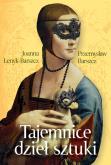
Przez wieki geniusze sztuki ukrywali w swoich dziełach sekretne informacje, zbyt niewiarygodne, by przekazać je otwarcie. Sekrety osobiste i historyczne, artystyczne i ezoteryczne, a czasem nawet natury kryminalnej. Czy po upływie stuleci, po wielokrotnych zmianach kodów kulturowych jesteśmy w stanie wejść w buty dawnych twórców i odkryć sekretne drogowskazy pozostawiane przez geniuszy? Kod Michała Anioła dlaczego ludzki mózg namalowany jest na sklepieniu Kaplicy Sykstyńskiej? Ostatnia melodia - muzyka zapisana pomiędzy postaciami Ostatniej Wieczerzy jako testament Leonardo da Vinci? UFO w XV-wiecznych Włoszech - spotkanie z obcymi, uchwycone na renesansowym obrazie. Manuskrypt, którego od sześciuset lat nikomu nie udało się rozkodować. Enigma rękopisu Wojnicza. Człowiek, który wiedział jak Alfonso Ponce de Leon przewidział na obrazie swoją śmierć. Zakon, skarby i Chwarszczany z jakiego świata pochodzą dwie wieże w zachodniopomorskim kościele templariuszy? Ukryty język Matejki znaczenie symboli i historia złotego tronu. Raffaello Portret Młodzieńca tajemnice najcenniejszego dzieła ze zbiorów polskich, zaginionego podczas II wojny światowej. Drzwi Gnieźnieńskie, czy portal do praźródeł? - dokąd naprawdę prowadzą słynne Drzwi z Gniezna?Każde dzieło jest tajemnicą. Nie trzeba wyjeżdżać do amazońskiej dżungli, by mierzyć się z tajemnicami godnymi Indiany Jonesa. Na tego, kto dokona wielkiego odkrycia w zakurzonym magazynie muzealnym, czeka nagroda emocje, olśnienie a nawet mistyczne objawienie. Jeden z bohaterów naszej książki właśnie takiego objawienia doświadczył. I czeka aż ktoś je przejmie od niego w wielkiej sztafecie pokoleń.
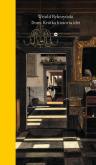
Jak w ciągu wieków w zachodnim świecie zmieniały się sposoby zamieszkiwania? Co wpływało na ewolucję takich pojęć, jak prywatność, domowość, komfort, swoboda, i w jaki sposób odbijały się one w codziennym życiu mieszkańców miast? W ciekawej książce Witold Rybczyński śledzi przeobrażenia zarówno samej idei domu, jak i jego wyglądu oraz wyposażenia. Pokazuje zmieniające się przyzwyczajenia i mody – od dawnego zamiłowania do przepychu aż po współczesne upodobanie do minimalizmu i prostoty – oraz analizuje przyczyny ewolucji stylu życia zachodniego mieszczaństwa. Przystępnie napisana, zajmująca historia idei poparta rozległymi lekturami i licznymi nawiązaniami do historii architektury wnętrz i malarstwa. Nowe wydanie zawiera kolorowe ilustracje.
Fotografistki to emancypantki, kobiety aktywne zawodowo, pasjonatki fotografii i właścicielki własnych interesów. Pochodziły z różnych zakątków Polski, Bydgoszcz obrały za swoją Ziemię Obiecaną.
Sześć kobiet - sześć barwnych opowieści, ukazanych w atelier fotograficznym i w życiu prywatnym. Odważne wybory zawodowe, miłosne historie, radości i tragedie. W tle dwudziestolecie międzywojenne, dynamiczny czas zmian politycznych i społecznych.
,,Książki dzielą się na piękne albo mądre. Fotografistki zrywają z tym stereotypem przedstawiając w bogato ilustrowanym tomie fascynujące historie sześciu niezwykłych kobiet. Pionierki bydgoskiej fotografii zawodowej swoim życiem wciągają czytelnika w wir emocji niosących kobiety walczące o spełnienie swoich marzeń. To książka przewracająca utarte schematy ciążące nie tylko na historii fotografii."
- Adam Mazur
Małgorzata Czyńska - pisarka, historyczka sztuki, kuratorka wystaw. Stypendystka Ministerstwa Kultury i Dziedzictwa Narodowego. Autorka książek: „Najpiękniejsze. Kobiety z obrazów”, „Kobro. Skok w przestrzeń”, „Harem metafizyczny. Kobiety Witkacego”, „Dom polski. Meblościanka z pikasami” oraz wywiadu rzeki z Edwardem Dwurnikiem „Moje Królestwo”. Współautorka książki ,,Kobiety Fotonu". Laureatka Nagrody Literackiej „Juliusz” za książkę „Kobro. Skok w przestrzeń”.
Katarzyna Gębarowska - miłośniczka starych zdjęć, badaczka historii fotografii, kuratorka wystaw fotograficznych, wydawczyni książek, fotografka. Doktorantka w IS PAN, stypendystka Ministerstwa Kultury i Dziedzictwa Narodowego, Marszałka Województwa Kujawsko-Pomorskiego, Prezydenta Miasta Bydgoszczy. Właścicielka Galerii Farbiarnia w Bydgoszczy. Od 2015 dyrektorka Vintage Photo Festival – Międzynarodowego Festiwalu Miłośników Fotografii Analogowej. Współautorka ksiażki ,,Kobiety Fotonu".
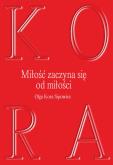
Unikalne wydanie prywatnych notatek Kory, z lat 2003-2018, będące zapisem pracy nad utworami. Pozwalają zajrzeć do jej wewnętrznego świata, dowiedzieć się jak rodziły się i dojrzewały pomysły na piosenki. Wyboru dokonał mąż, Kamil Sipowicz.W kilku pięknych Zeszytach, które Kora starannie wybierała w księgarniach lub dostawała w prezencie, przez wiele lat prowadziła notatki. Zeszyty to był jej warsztat literacki. Alembik, w którym wrzały i dojrzewały pomysły na piosenki. Ponad rok po śmierci Kory zdecydowałem się pokazać światu jej intymną pracę nad tekstem. Prezentujemy ją czytelnikowi razem z oryginalnymi skreśleniami. Pokazujemy jej pracę nad słowem, jej wahania oraz różne wersje często tego samego utworu. Mamy zatem teksty Kory głównie z lat 2003-2018, ale także kilka z roku 1983.Czytając uważnie Zeszyty, możemy prześledzić, jak Kora pracowała nad piosenkami, jak tworzyła nowe wersje, jak skreślała, uzupełniała, walczyła o frazę i rytm. Śledzimy, jak powstały utwory zaśpiewane przez nią na płytach Znaki szczególne i Ping pong oraz kilka utworów wydanych jako single: Tu jest mój dom oraz wstrząsający tekst o księżej pedofilii Zabawa w chowanego (2010). Te Zeszyty to czarowna pamiątka jej pięknego wewnętrznego świata. Kamil Sipowicz
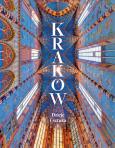
Kraków. Dzieje i sztuka to synteza jego dziejów i kultury. Liczne fotografie i poręczny format sprawiają, że z książką w dłoni można odkrywać miasto tysiąca skarbów na wiele nieoczywistych sposobów.
Dla twórców wydawnictwa Kraków to nie tylko zbiór wybitnych pomników architektury różnych epok, które przed czterdziestoma laty znalazły się w gronie pierwszych dwunastu obiektów wpisanych na Listę Światowego Dziedzictwa Kulturalnego i Przyrodniczego UNESCO. Kraków to również skarbiec, w którym przez wieki gromadzono dzieła sztuki oraz inne świadectwa historii oraz miasto-mit.
Książka podzielona została na chronologiczne rozdziały, opowiadające dzieje Krakowa od najdawniejszych czasów po współczesność. W każdym z nich zabrali głos autorzy dwóch specjalności: historyk naszkicował szerokie tło epoki, w którym obok zagadnień politycznych poruszył kwestie religijne, ekonomiczne i społeczne, a historyk sztuki uzupełnił ten obraz, oferując syntezę dziejów szeroko pojętej kultury artystycznej.
Tego obrazu dopełniają „kapsuły” ? rodzaj ekskursów, oddzielonych graficznie od tekstu głównego, dotyczących tematów wartych szczegółowych dopowiedzeń, takich jak historia i znaczenie Rynku Głównego, Kościoła Mariackiego, wawelskich arrasów, twórczości Stanisława Wyspiańskiego czy drogi „Damy z gronostajem” Leonarda da Vinci pod Wawel.
Fotografie, zebrane w formę katalogu, złożyły się na bogaty materiał ilustracyjny. Wybrane przez dzieła stanowią przede wszystkim przegląd wartości przesądzających o bogactwie tożsamości Krakowa. Opatrzone niekiedy dłuższymi podpisami, prezentują spójną i sugestywną narrację o dziejach krakowskiej metropolii.
Książka jest owocem pracy zespołu wybitnych badaczy zaproszonych do współpracy przez prof. Jacka Purchlę przy okazji projektu Tysiąc skarbów Krakowa (2018), zainicjowanego przez prezydenta Jacka Majchrowskiego. W gronie autorów znaleźli się najlepsi specjaliści od historii i kultury miasta: Andrzej Chwalba, Krzysztof J. Czyżewski, Kamila Follprecht, Edyta Gawron, Karolina Grodziska, Mateusz Grzęda, Anna Król, Waldemar Łazuga, Michał Niezabitowski, Zdzisław Noga, Magdalena Piwocka, Jacek Purchla, Krzysztof Stopka, Marek Walczak, Janusz Wałek †.
„Wojna się skończyła, czemu zabijacie?” ? tym jednym zdaniem można streścić Trojanki w reżyserii Jana Klaty.
Eurypides, pisząc swoją tragedię, bezczelnie złamał koturn tradycji. Opowiedział o mieście od którego odwrócili się bogowie. Pokazał bohaterów Homera, którzy nie potrafili zmierzyć się z własnym zwycięstwem. Oddał głos pokonanym ? kobietom, członkiniom królewskiego rodu, zepchniętym na samo dno egzystencji...
Trojanki to jednak nie tylko spektakl o wojnie i okrucieństwie, również o wektorach relacji w pięknym świecie rodzinnej nienawiści. Za murami Troi też były problemy, przemilczenia…
Książka Trojanki Jana Klaty została napisana, by zachować w pamięci dźwięk przesypującego się piasku i zapach spalonych manekinów. Pokazuje naszą pracę nad tym spektaklem i opowiada o ryzyku, jakie wiąże się z wystawieniem antycznego dramatu – zawsze jest to niepewne balansowanie na granicy sensów greckiego oryginału.
Książka Trojanki Jana Klaty jest bytem złożonym i niedefiniowalnym gatunkowo. Łączy w sobie formę eseju, dziennikarskiego wywiadu, dziennika, komentarza, reportażu i naukowego wykładu. Przynosi obraz pracy reżysera, który z równym zaufaniem i ciekawością odnosi się do własnych wyobrażeń, jak i do komentarzy specjalisty filologa, historyka, teatrologa. Ta nowatorska praca tworzy wzorzec dla profesjonalnego standardu: życzyłbym sobie, aby każdy spektakl stanowiący adaptację dawnego tekstu dramatycznego posiadał tak opracowaną dokumentację procesu twórczego, z tak profesjonalnym podejściem do źródła.
dr hab. Krzysztof Bielawski, Instytut Filologii Klasycznej UJ
W centrum zdarzeń, a zatem w centrum rozpaczy, jest Hekabe Doroty Kolak. Matka tracąca dzieci obumiera, chwila po chwili, kawałek po kawałku. Rola jest wstrząsająca, bo pozbawiona źdźbła aktorskiej histerii. Na pierwszym planie, a wtopiona w całość. Kolak z siwymi włosami, niższa od młodszych partnerek, ma w sobie tyle siły, jakby wypełniała całą scenę. To w jej Hekabe skupia się wszystko, co w gdańskich Trojankach najważniejsze – wojna widziana przez kobiety, ich zduszony krzyk niezgody na taki świat, oczy suche już bez łez. Patrzę na Dorotę Kolak i przechodzą mnie dreszcze. Wiadomo nie od wczoraj, że to jest wielka aktorka. Tyle że teraz – z większą niż jeszcze nie tak dawno intensywnością – pokazuje, że może zrobić wszystko, trafiając idealnie w każdy ton. Jako Hekabe ma w sobie esencję tragedii Eurypidesa, ale i cierpienie każdej matki, wraz z dziećmi tracącej uzasadnienie do życia.
Jacek Wakar, Ziemia jałowa. O Trojankach Jana Klaty w Teatrze Wybrzeże, więź.pl
Marcel Duchamp (1887–1968) „naprawdę zranił wiele osób” – zauważył kiedyś Pontus Hultén. Niespodziewanie – a może właśnie dlatego – Duchamp stał się najbardziej wpływowym artystą XX wieku. Jego procedury (często wymagające ascezy) wyrażalne są w czasownikach: miniaturyzować, umykać, podróżować, stawać-się-niedostrzegalnym. Jego atrybuty – wyrażalne w rzeczownikach – to m.in.: walizka, szachownica, pocięty czepek kąpielowy, dym z cygara. Funkcje jego dzieł to z kolei m.in. analiza statusu quo, multiplikacja oraz wchodzenie w relacje (także jako pośrednik w sprzedaży cudzych dzieł), bo właśnie tworzenie oddolnych sieci, alternatywy sztywnych hierarchii instytucjonalnych było jego domeną jako „szarej eminencji”. Jeśli ktoś dzisiaj narzeka na klikowość sztuki współczesnej, może tym obarczać Duchampa; podobnie zresztą jak ten narzekający, iż artysta odebrał jej elitaryzm…
Duchamp ukazał wielkie projekty nowoczesności jako domenę smutnych ludzi, skłonnych do poświęceń w imię odroczonej przyjemności w odległej przyszłości. Działając w czasach europejskich totalitaryzmów i dwóch wojen światowych, tworzących dychotomiczny świat apodyktycznych prawd my kontra oni, nałożył na dwukolorową mapę obszary o zamazanych konturach, wypełnione niepewnością i dowcipem.
Anna Markowska - historyczka sztuki związana aktualnie z Uniwersytetem Wrocławskim. Autorka książek o sztuce polskiej (Definiowanie sztuki - objaśnianie świata, 2003), amerykańskiej (Komedia sublimacji, 2009), sztuce Krakowa (Język Neuera. O twórczości Jonasza Sterna, 1998; Sztuka w Krzysztoforach, 2000), Wrocławia (Sztuka podręczna Wrocławia, 2018) i tamtejszych neoawangardowych galeriach lat 70. (Permafo, 2012; Galeria Sztuki Najnowszej, 2014), katalogów wystaw współczesnych artystów, m.in. D. Nieznalskiej (Przeszłość, która nie chce przeminąć, 2015) oraz redagowanych książek, problematyzujących sztukę globalną (Trickster Strategies in the Artists' and Curatorial Practice, 2012; Politics of Erasure, 2014, Sustainable Art, 2015).
Zarówno w części teoretycznej jak i praktycznej treść książki dotyczy relacji pomiędzy sferą materialnego doświadczania rzeczywistości a obrazem. Tryptyk pt. Sceny leśne, na który składają się obrazy malarskie i filmy wideo jest podstawą podejmowanych badań. Trzy różne krajobrazy leśne pełnią rolę tła dla rozgrywającej się wobec nich symbolicznej dramaturgii. Jej oś przebiega na linii człowiek-przyroda.
Obrany proces pracy ujawnia wyraźny układ sił, który wiąże ciało w czasie i przestrzeni z pokrewnym im wizerunkiem. Napięcia równoważą się tworząc zamknięty układ, wokół którego wydziela się kluczowe dla omawianych zagadnień zjawisko aury.
Konstrukcja publikacji wynika z kształtu refleksji nad poruszaną problematyką, zazębiając się z częścią praktyczną w miejscach centralnych splotów znaczeniowych. Całość składa się z trzech części, które dotyczą kolejno: Materii/ Ciała/ Podmiotu, Czasoprzestrzeni/ Śmierci/ Transfiguracji, i wreszcie: Światła/ Obrazu/ Aury. Wyprowadzony z powyższych rozważań schemat ideowy sugeruje, że obraz – na wzór ciała – znajduje się w punkcie granicznym rzeczywistości.
In every crisis situation, children are the greatest victims. Physically weak, they are often the first to succumb to hunger, disease, and dehydration. Innocent to the workings and failings of the world, they are unable to understand why there is danger, why there are people who want to hurt them, or why they must leave, perhaps quite suddenly, and abandon their schools, their friends, and their home.
In this companion series to Exodus, Sebastião Salgado presents 90 portraits of the youngest exiles, migrants, and refugees. His subjects are from different countries, victims to different crises, but they are all on the move, and all under the age of 15. Through his extensive refugee project, what struck Salgado about these boys and girls was not only the implicit innocence in their suffering but also their radiant reserves of energy and enthusiasm, even in the most miserable of circumstances. From roadside refuges in Angola and Burundi to city slums in Brazil and sprawling camps in Lebanon and Iraq, the children remained children: they were quick to laugh as much as to cry, they played soccer, splashed in dirty water, got up to mischief with friends, and were typically ecstatic at the prospect of being photographed.
For Salgado, the exuberance presented a curious paradox. How can a smiling child represent circumstances of deprivation and despair? What he noticed, though, was that when he asked the children to line up, and took their portraits one by one, the group giddiness would fade. Face to face with his camera, each child would become much more serious. They would look at him not as part of a noisy crowd, but as an individual. Their poses would become earnest. They looked into the lens with a sudden intensity, as if abruptly taking stock of themselves and their situation. And in the expression of their eyes, or the nervous fidget of small hands, or the way frayed clothes hung off painfully thin frames, Salgado found he had a refugee portfolio that deserved a forum of its own.
The photographs do not try to make a statement about their subjects’ feelings, or to spell out the particulars of their health, educational, and housing deficits. Rather, the collection allows 90 children to look out at the viewer with all the candor of youth and all the uncertainty of their future. Beautiful, proud, pensive, and sad, they stand before the camera for a moment in their lives, but ask questions that haunt for years to come. Will they remain in exile? Will they always know an enemy? Will they grow up to forgive or seek revenge? Will they grow up at all?
Sebastião Salgado began his career as a professional photographer in Paris in 1973 and subsequently worked with the photo agencies Sygma, Gamma, and Magnum Photos. In 1994 he and his wife Lélia Wanick Salgado created Amazonas Images, which exclusively handles his work. Salgado’s photographic projects have been featured in many exhibitions as well as books, including Sahel, L'Homme en détresse (1986), Other Americas (1986), Workers (1993), Terra (1997), Migrations (2000), The Children (2000), Africa (2007), Genesis (2013), The Scent of a Dream (2015), and Kuwait, A Desert on Fire (2016).
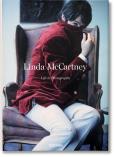
In 1966, during a brief stint as a receptionist for Town and Country magazine, Linda Eastman snagged a press pass to a very exclusive promotional event for the Rolling Stones aboard a yacht on the Hudson River. With her fresh, candid photographs of the band, far superior to the formal shots made by the band’s official photographer, Linda secured her name as a rock ’n’ roll photographer. Two years later, in May 1968, she entered the record books as the first female photographer to have her work featured on the cover of Rolling Stone with her portrait of Eric Clapton. She went on to capture many of rock’s most important musicians on film, including Aretha Franklin, Jimi Hendrix, Bob Dylan, Janis Joplin, Simon & Garfunkel, The Who, The Doors, and the Grateful Dead.
In 1967, Linda went to London to document the "Swinging Sixties," where she met Paul McCartney at the Bag O’Nails club and subsequently photographed The Beatles during a launch event for the Sgt. Pepper’s Lonely Hearts Club Band album. Paul and Linda fell in love, and were married on March 12, 1969. For the next three decades, until her untimely death, she devoted herself to her family, vegetarianism, animal rights, and photography.
From her early rock ’n’ roll portraits, through the final years of The Beatles, to raising four children with Paul, Linda captured her whole world on film. Her shots range from spontaneous family pictures to studio sessions with Stevie Wonder and Michael Jackson, as well as encounters with artists Willem de Kooning and Gilbert and George. Always unassuming and fresh, her work displays a warmth and feeling for the precise moment that captures the essence of any subject. Whether photographing her children, celebrities, animals, or a fleeting moment of everyday life, she did so without pretension or artifice.
This retrospective volume is a lasting and deeply personal testament to Linda's talent, produced in close collaboration with the McCartney family, with forewords by Paul, Stella, and Mary McCartney.
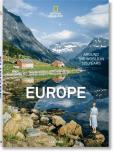
For over five generations, National Geographic magazine has dazzled and educated its readers with incredible photography and gripping stories spanning the four corners of the earth and the deepest oceans. Inspired by our monumental Around the World in 125 Years, this volume curates over 200 captivating images, sourced directly from the National Geographic historical archives, including almost 40 new photographs. Traversing travel, history, culture, social documentary, and conservation, this compendium is in equal parts a breathtaking homage to the spirit and diversity of Europe, and a unique tribute to the world’s most famous photography magazine.
National Geographic pioneered the aesthetic of the photo essay, while continually pushing the medium's technical boundaries, to both entertain and enlighten its millions of loyal readers. Our trans-continental journey through time and space spans across all corners of Europe, from the snow-capped peaks of Finland to the frothy foam parties of Ibiza, from the serene blue waters of the Greek Islands to the Lascaux cave paintings of Southern France. We witness the hair-rising eruption of Surtsey in Iceland, where lightning rips through the volcano’s clouds in otherworldly hues of purple; lose ourselves among flowers and babushka-wrapped heads in Russia’s Volgograd marketplace; and tread carefully behind climbers across a crevasse in the Bernese Oberland. Along the way, we absorb the culture of the some of the world’s greatest cities including Paris, Rome, Berlin, London, Vienna, Stockholm, Moscow, and many others.
National Geographic: Europe leaves no stone unturned in its ultimate voyage through the precious jewels and hidden facets of the European continent. From evocative early black-and-white pictures to autochromes, from the golden age of Kodachromes to digital, this is both a celebration of the power of photography and a unique trip to the soul of Europe.
The notoriously exclusive Pirelli Calendar, featuring glamorous shots of beautiful women, was first published in 1964. Reserved for important clients and VIPs, the calendar has since grown into a legend of its own, showcasing the beauty of models such as Alessandra Ambrosio, Gisele Bündchen, Naomi Campbell, Laetitia Casta, Cindy Crawford, Penélope Cruz, Milla Jovovich, Heidi Klum, Angela Lindvall, Sophia Loren, and Kate Moss.
In celebration of the 50th anniversary of the now-legendary institution that is the Pirelli Calendar, TASCHEN brings you a retrospective volume reproducing the complete calendars, photographed by Richard Avedon, Peter Beard, Patrick Demarchelier, Nick Knight, Karl Lagerfeld, Inez van Lamsweerde and Vinoodh Matadin, Annie Leibovitz, Peter Lindbergh, Sarah Moon, Uwe Ommer, Terry Richardson, Herb Ritts, Mario Sorrenti, Bert Stern, Mario Testino, Bruce Weber, and many more.
Bonus features include rarely and never-before-seen behind-the-scenes images of the shoots, the unpublished 1963 calendar, and a selection of "censored" images deemed too risqué by the editors of the time. With an introduction by Philippe Daverio and an interview with art directors Derek Forsyth and Martyn Walsh.
The author
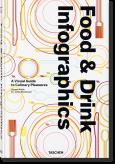
Amid our ever-growing consumption of data visualization, nothing makes for tastier morsels than the fine art of food and dining. Ushering the cookbook into the future, this volume gathers together the best infographics of all things eating, drinking, and cuisine, from measurement conversion charts and recipes for cookies and cocktails to stress-free party planning.
A must-have for every 21st-century foodie, this is gastro-guidance at its most visually appealing as much as expert. Want to master sashimi? Know the secret to perfectly grilled steak? Wow guests with your own dry martini? Food & Drink Infographics has all the answers and more, using the best culinary graphics to answer kitchen conundrums in lively, simple, and memorable form.
You’ll find infographics on all the food groups, from grains and pulses to fruit and vegetables, to fish, meat, and poultry. Recipe ideas include soups, sandwiches, snacks, sweet treats, and just-right dressings. Other sections cover flavor pairings, baking, cooking tools and techniques, and alcohols, coffee, and tea.
The book opens with a foreword by cooking author Michael Ruhlman, followed by a historic survey of food imagery examining how and where pictures have been used to enjoy, prepare, and serve food and drink, from Egyptian tomb paintings showing flatbread being made to 19th-century classics such as Mrs Beeton’s Book of Household Management. Slick, smart, and packed full of perfect nuggets of advice, Food & Drink Infographics rounds up a delightful visual exploration of food and dining as much as an indispensable collection of everyday tips, techniques, and temptations.
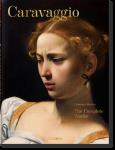
Caravaggio, or more accurately Michelangelo Merisi da Caravaggio (1571–1610), was always a name to be reckoned with. Notorious bad boy of Italian painting, the artist was at once celebrated and controversial: Violent in temper, precise in technique, a creative master, and a man on the run.
This work offers a comprehensive reassessment of Caravaggio’s entire œuvre with a catalogue raisonné of his works. Each painting is reproduced in large format, with recent, high production photography allowing for dramatic close-ups with Caravaggio's ingenious details of looks and gestures.
Five introductory chapters analyze Caravaggio's artistic career from his early struggle to make a living, through his first public commissions in Rome, and his growing celebrity status. They look at his increasing daring with lighting and with a boundary-breaking naturalism which allowed even biblical events to unfold with an unprecedented immediacy before the viewer.
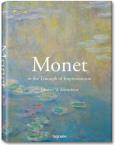
No other artist, apart from J. M. W. Turner, tried as hard as Claude Monet (1840–1926) to capture light itself on canvas. Of all the Impressionists, it was the man Cézanne called “only an eye, but my God what an eye!” who stayed true to the principle of absolute fidelity to the visual sensation, painting directly from the object.
It could be said that Monet reinvented the possibilities of color. Whether it was through his early interest in Japanese prints, his time as a conscript in the dazzling light of Algeria, or his personal acquaintance with the major painters of the late 19th century, the work Monet produced throughout his long life would change forever the way we perceive both the natural world and its attendant phenomena. The high point of his explorations was the late series of water lilies, painted in his own garden at Giverny, which, in their approach toward almost total formlessness, are really the origin of abstract art.
This biography does full justice to this most remarkable and profoundly influential artist, and offers numerous reproductions and archive photos alongside a detailed and insightful commentary.
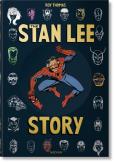
This is the big one, True Believers! The mostly true tale of Stan Lee: a Giant-Size extravaganza, nearly ten years in the making, about the one and only Godfather of Comics. From his childhood in Depression-era New York, to transforming Marvel into the number one comics publisher in the world, to his 21st-century reinvention as Chief Creative Officer of global entertainment company POW! Entertainment, Stan “the Man” Lee stands the test of time as the most legendary name in comicbook history.
Stanley Lieber began working at Timely Comics in 1940 at the age of 17 and found himself at the helm of the bullpen as its top editor just two years later. But it wasn’t until 1961 that he ignited a revolution known as the “Marvel Age of Comics.” With a legendary stable of art partners including Jack Kirby, Steve Ditko, John Romita, and Jim Steranko, Lee unleashed a dizzying cascade of seminal comicbook creations—the Fantastic Four, Hulk, Spider-Man, Thor, Iron Man, the X-Men, and the Avengers to name a few. After moving to Hollywood in 1980, he did it again, developing TV and film projects that laid the groundwork for the “Marvel movie.” Stan’s constant cameo presence in these billion-dollar worldwide events is a testament to his influence. As the man behind POW! Entertainment, he became a master of all media—working with rock stars and professional sports leagues, movie mavens and reality TV shows—reinforcing his creative stature the world over.
First published as a signed Collector’s Edition and sold out within a week, the book was written and edited with Lee himself. His tale is told by his successor at Marvel, renowned comics writer, editor, and historian Roy Thomas, who brings “you are there” insights and wide-eyed clarity to key moments of Lee’s journey to pop culture immortality. Featuring hundreds of treasures of comicbook art, intimate photographs sourced straight from his family archives, a foreword written by Lee himself, a novel-length essay and new epilogue by Thomas, and an appendix with complete reprints of Stan’s comics from throughout the decades, this is a titanic tribute worthy of the Man.
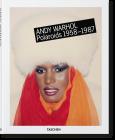
Andy Warhol was a relentless chronicler of life and its encounters. Carrying a Polaroid camera from the late 1950s until his death in 1987, he amassed a huge collection of instant pictures of friends, lovers, patrons, the famous, the obscure, the scenic, the fashionable, and himself. Created in collaboration with the Andy Warhol Foundation, this book features hundreds of these instant photos.
Portraits of celebrities such as Mick Jagger, Alfred Hitchcock, Jack Nicholson, Yves Saint Laurent, Pelé, Debbie Harry are included alongside images of Warhol’s entourage and high life, landscapes, and still lifes from Cabbage Patch dolls to the iconic soup cans. Often raw and impromptu, the Polaroids document Warhol’s era like Instagram captures our own, offering a unique record of the life, world, and vision behind the Pop Art maestro and modernist giant.
Ten produkt jest zapowiedzią. Realizacja Twojego zamówienia ulegnie przez to wydłużeniu do czasu premiery tej pozycji. Czy chcesz dodać ten produkt do koszyka?