W tej strefie zapraszamy czytelników tak zwane artystyczne dusze po książki z kategorii Sztuka. Polecamy szereg publikacji o sztuce i jej historii,ciekawostki i portfolia artystów, eseje, albumy, książki o malarstwie, rzeźbiarstwie, architekturze oraz histoii fotografii. Biografie ciekawych artystów, książki i powieści przedstawiające fascynujące losy malarzy i osób uwiecznianych na obrazach. W tym dziale tylko ksiązki ze sztuka w tle.
Pierwsze dwadzieścia lat od odzyskania przez Polskę niepodległości było okresem niezwykle dynamicznym, o fundamentalnym znaczeniu dla kształtowania państwowości, a także konstytuowania wspólnoty narodowej. Ważną rolę w tym procesie odegrała kultura i sztuka.W tym krótkim okresie wielu polskim twórcom udało się zaznaczyć swoje miejsce wśród różnorodnych,często przeciwstawnych nurtów i koncepcji sztuki, a polska kultura ponownie zaistniała w świadomości europejskiej i światowej.Publikacja prezentuje wybrane dzieła, kontekst ich powstania, szczegóły dotyczące techniki wykonania, tematyki i formy, zapraszając do odnajdywania i odczytywania różnorodnych kontekstów, zgłębiania szczegółów, stylów i wątków zawartych w obiektach z tego czasu.
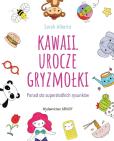
Kawaii. Jak narysować naprawdę urocze potrawy?
Witajcie na planecie zwierzaków-przysmaków
GŁODNY nowych wyzwań w rysowaniu?
DOSŁÓDŹ swoje ilustracje!
UCZ SIĘ kawaii.
ŁAP za flamaster i zaczynaj.
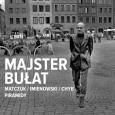
Płyta, na której zespół Piramidy wyszedł obronną ręką z zadania zinterpretowania słynnych utworów największego rosyjskiego barda i poety Bułata Okudżawy. Grupa Piotra Kajetana Matczuka – m.in. Dyrektora Międzynarodowego Festiwalu Piosenki „Szlakiem Bardów” w Warszawie – w tradycyjnych tłumaczeniach wykonała m.in. takie pieśni jak „Wróżba”, „Czarny kot”, „Cudowny walc”, „Modlitwa” oraz „Majster Bułat”.
1. Wróżba
2. Czarny kot
3. List do mamy
4. Pieśń o żołnierskich butach
5. Aleksander Siergiejewicz Puszkin
6. Piosenka o Mozarcie
7. Cudowny Walc
8. Wańka Morozow
9. Piosenka o Arbacie
10. Ballada amerykańskiego żołnierza
11. Piosenka o młodym ułanie
12. Mała orkiestra nadziei
13. Piosenka o otwartych drzwiach
14. Ballada o głupcach
15. Modlitwa
16. Majster Bułat
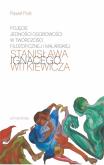
Książka omawia koncepcję podmiotowości Stanisława Ignacego Witkiewicza i jej znaczenie dla jego twórczości malarskiej. Zawiera eksplikację pojęcia jedności osobowości znanego z pism estetycznych Witkiewicza, omawianego również szczegółowo w jego rozprawach ontologicznych. Analiza zawartości znaczeniowej pojęcia jedności osobowości jest dokonywana metodą ukazywania napięć i miejsc zaburzenia spójności między tezami dojrzałej ontologii Witkiewicza, jego estetyki i wczesnej metafizyki. Wielostronność oglądu prowadzi do ujawnienia tych znaczeń pojęcia jedności osobowości, które były zapoznawane w dotychczasowych ujęciach. Co więcej, pozwala ona na rozpoznanie wątków ontologicznych w twórczości artystycznej Witkiewicza. Monografia dowodzi aktualności myśli filozoficznej Witkiewicza, osadzając ją na tle filozofii dwudziestowiecznej – poglądów Henriego Bergsona, Maurice’a Merleau-Ponty-ego, Jacques’a Derridy i Gilles’a Deleuze’a.
„Książka Pawła Polita jest oryginalnym połączeniem perspektywy filozoficznej i głębokiego, kompetentnego wejścia w problematykę artystyczną. Jest ona nie tylko wartościową rekonstrukcją zawartości pojęciowej tytułowej kategorii oraz jej artystycznych »zastosowań«, ale również szeroko pomyślaną konceptualizacją związków, jakie łączą sztukę, w szczególności malarską i refleksję teoretyczno-filozoficzną. Jedną z zasług autora jest wyprowadzenie koncepcji Witkacowskich z epokowych uwikłań i odczytanie ich przez siatkę kategorialną współczesnych ujęć filozoficznych. Będzie ona interesująca dla szerokiego kręgu humanistów i zapewne bardzo przydatna w dydaktyce akademickiej”.
Z recenzji wydawniczej prof. dr hab. Iwony Lorenc
Paweł Polit, Pojęcie jedności osobowości w twórczości filozoficznej i malarskiej Stanisława Ignacego Witkiewicza – zadanie finansowane w ramach umowy 644/P-DUNdem/2019 ze środków Ministra Nauki i Szkolnictwa Wyższego przeznaczonych na działalność upowszechniającą naukę.
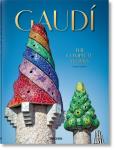
The life of Antoni Gaudí (1852–1926) was full of complexity and contradictions. As a young man he joined the Catalonian nationalist movement and was critical of the church; toward the end of his life he devoted himself completely to the construction of one single spectacular church, La Sagrada Familia. In his youth, he courted a glamorous social life and the demeanor of a dandy. By the time of his death in a tram accident on the streets of Barcelona his clothes were so shabby passersby assumed he was a beggar.
Gaudí’s incomparable architecture channels much of this multifaceted intricacy. From the shimmering textures and skeletal forms of Casa Batlló to the Hispano-Arabic matrix of Casa Vicens, his work merged the influences of Orientalism, natural forms, new materials, and religious faith into a unique Modernista aesthetic. Today, his unique aesthetic enjoys global popularity and acclaim. His magnum opus, the Sagrada Familia, is the most-visited monument in Spain, and seven of his works are UNESCO World Heritage Sites.
Through brand-new photography, plans and drawings by Gaudí himself, historical photos, as well as an appendix detailing all his works—from buildings to furniture, decor to unfinished projects—this book presents Gaudí’s universe like never before. Like a personal tour through Barcelona, we discover how the “Dante of architecture” was a builder in the truest sense of the word, crafting extraordinary constructions out of minute and mesmerizing details, and transforming fantastical visions into realities on the city streets.
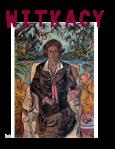
Album prezentuje najważniejsze prace Witkacego, jednego z najbardziej nowatorskich i niezwykłych malarzy polskich, podzielone na okresy twórczości artysty. Tekst znanego witkacologa dr Anny Żakiewicz prowadzi czytelnika przez koleje losu Witkacego i wprowadza w świat wyobraźni artystycznej twórcy. Oglądamy różne typy portretów Witkacego, jego liczne autoportrety, rzadsze w jego twórczości pejzaże, sceny fantastyczne, szkice.
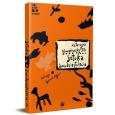
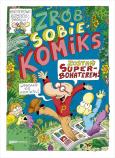
Cześć, to znowu my, Pik i Robi z tajnej organizacji – Ministerstwa Komiksu!
Uwaga, tym razem WPADNIEMY DO KOMIKSU – i to dosłownie!
Dzięki temu odkryjemy zapomniane kadry i dzikie dymki.
Wsiądziemy też do komiksowego pociągu, wracając z nową serią zabaw i zadań komiksowych!
No bo najlepiej uczyć się poprzez zabawę, prawda?
Tym razem opowiemy Ci ciekawostki o superbohaterach i polskim komiksie.
Dowiesz się, skąd się wzięli Kajko i Kokosz oraz jak narodzili się Kleks i Tytus.
Ano właśnie – czy wiesz, że Tytus nie pochodzi od małpy, a Superman być może pochodzi z Polski? Poznasz także moce, które posiada rysownik komiksowy, czyli… Ty!
Pokażemy kilka komiksowych sztuczek i zdradzimy tajniki naszego warsztatu.
Wpadnij z nami do komiksu i zostań oficjalnym przedstawicielem MINISTERSTWA KOMIKSU!
No i oczywiście ZOSTAŃ SUPERBOHATEREM!
Psssst! Cichutko!
Jestem Kinia, a to mój piesek, Fafik.
Poprzeszkadzam trochę chłopakom, tylko… nie mówcie im, że tu jesteśmy, dobrze?
Niech to będzie nasza tajemnica!
Tak jest. Hau!
Powyższy opis pochodzi od wydawcy.
„Jeszcze Polska nie zginęła, kiedy my żyjemy” - te słowa i towarzyszącą im melodię poznajemy, zanim pójdziemy do szkoły i zanim w pełni zrozumiemy, co znaczy słowo „Polska”. A generał Dąbrowski, dumnie maszerujący „z ziemi włoskiej do Polski”, pojawia się w dziecięcej wyobraźni jako jeden z pierwszych sławnych Polaków i godnych naśladowania bohaterów. Przywykliśmy do tego, że „Mazurek Dąbrowskiego” rozbrzmiewa w chwilach ważnych i uroczystych. Od najmłodszych lat wzrusza nas i przejmuje. Daje świadectwo naszej tożsamości i nas jednoczy.
Ale czy wiemy, jak to się stało, że właśnie ta pieśń została polskim hymnem narodowym?
Czy znamy wszystkie zwrotki „Mazurka Dąbrowskiego” i potrafimy je poprawnie zaśpiewać? Czy w pełni rozumiemy ich sens?
Książka opowiada o narodzinach „Mazurka Dąbrowskiego”, o drodze, jaką przeszła ta pieśń, przemieniając się z żołnierskiej „Pieśni Legionów Polskich we Włoszech” w pieśń narodową i hymn państwowy, a także o ludziach w sposób szczególny z nią związanych. Porządkuje rozproszone informacje dotyczące polskiego hymnu w ciekawe i przydatne kompendium. Dzięki podziałowi na dwie części: „Co każdy Polak o hymnie wiedzieć powinien” oraz „Dla wnikliwych” sięgnąć po nią może czytelnik w każdym wieku.
Do książki dołączona jest płyta CD z unikatowymi nagraniami historycznych wersji „Mazurka Dąbrowskiego”, w tym z sześciozwrotkową „Pieśnią Legionów Polskich we Włoszech” opracowaną według rękopisu Józefa Wybickiego z 1797 roku i zapisu nutowego z 1800 roku.
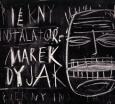
„Piękny Instalator” to nowy album Marka Dyjaka. Jest to tytuł piosenki do tekstu Jana Kondraka, która była próbą nawiązania do obrazu Jerzego Dudy-Gracza. Tą piosenką Marek Dyjak w 1995 roku wyśpiewał jedną z nagród Studenckiego Festiwalu Piosenki w Krakowie.
Jak sam mówi :„Piosenka oczywiście została lekko zmodyfikowana, wcześniej była strasznie agresywna i wulgarna, co dało mi nagrodę, ale dziś nikt by jej nie chciał puścić w radiu, dlatego na potrzeby tego albumu została troszeczkę zmiękczona”. Na albumie tę piosenkę Marek Dyjak zaśpiewał w duecie z raperem Vieniem. Gościnnie na krążku pojawi się także Renata Przemyk oraz Zosia Hiszpańska młoda skrzypaczka, grająca temat do muzyki z filmu „Jasminum” Zygmunta Koniecznego, do którego słowa na potrzeby piosenki „Miriam” napisał Robert Kasprzycki.
Wokalista przyznaje, że zmienia się nieco brzmienie i klimat tego albumu. Jak mówi:
„Będzie to inny rodzaj muzyki, nie umiem tego opisać. Musicie Państwo posłuchać. Wydaje mi się, że nastąpił jakiś zwrot, jakaś progresja.”
Na płycie znajdą się piosenki autorstwa Jana Kondraka, Roberta Kasprzyckiego, Jacka Musiatowicza, Artura Andrusa, Dariusza Milińskiego i Adama Struga oraz temat z filmu „Jasminum” Zygmunta Koniecznego. Za produkcję muzyczną i opracowanie całości materiału odpowiada Marek Tarnowski, który od lat współpracuje z Artystą, tworząc część jego zespołu.
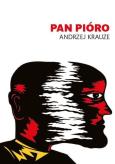
Andrzej Krauze, wybitny polski rysownik, który od blisko czterdziestu lat mieszka i tworzy w Londynie, to artysta zdumiewający i zachwycający różnorodnością form, rozległością inspiracji oraz niezależnością i ponadczasowością tworzonych dzieł.Książka Pan Pióro, nie będąc ani retrospektywą, ani pełną monografią, stanowi zaproszenie do niezwykłego świata Andrzeja Krauzego, w którym mieszkają pospołu rysunki z autobiograficznego cyklu Pan Pióro, te zamieszczane przez lata w Guardianie, ilustracje inspirowane arcydziełami literatury, plakaty do przedstawień teatru The Old Vic, odbijające odwieczny porządek świata rysunki drzew, czy w końcu niezwykłe wycinanki tworzone skalpelem. Towarzyszą im opowieści i komentarze samego artysty i jego najbliższych oraz przyjaciół i interpretatorów Davide'a Pugnany, Wojciecha Stanisławskiego, Patricka Wrighta, Alana Rusbridgera i Hanny Wróblewskiej. Wejście w ten świat to podróż zarazem nostalgiczna i ożywcza świadectwo zmian zachodzących w świecie i nieprzemijającej wartości sztuki.
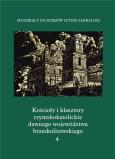
Miasto Pińsk dawniej o rzeki Piny nazywane Pinnum, położone na Białej Rusi w województwie brzeskim litewskim, w zlewisku Morza Czarnego, pełne Rusinów, głównie schizmatyków, ma oprócz innych kościołów również kościół parafialny, znajdujacy się pod opieką ojców franciszkanów"" - czytamy w dokumencie diecezjalnym z 1727 roku.Historia Bazyliki pw. Wniebowzięcia Najświętszej Marii Panny w Pinsku w znakomity sposób reprezentuje zmienne i niejednokrotnie burzliwe dzieje wielu świątyń na dawnych ziemiach wschodnich Rzeczpospolitej. Obecny kościół katedralny diecezji pińskiej jest dziś jedyną czynną w tym mieście świątynią rzymsko-katolicką.Pierwotnie spełniał dwojaką rolę - służył frańciszkanom jako kościół zakonny, jednocześnie sprawując rolę świątyni parafialnej, a po kasacie klasztory w 1852 roku pozostał jedynie przy tej drugiej funkcji. Do statusu katedry awansował po powołaniu nowej diecezji - pińskiej - w 1925 roku, tracąc go w latach 1946-1991, w okresie zawieszenia działalności administracji diecezjalnej na Białorusi, i by do niego powrócił w 1991 roku.W czwartym tomie piątej częsci Materiałów do dziejów sztuki sakralnej na ziemiach wschodnich dawnej Rzeczpospolitej znalazło się dokładne omówienie historii, archtektury, kompleksowe przedstawienie wystroju oraz stałego i ruchomego wyposażenia katedry w Pińsku. Książka została zaopatrzona w spisy wykorzystanych materiałów archiwalnych, bibliografię, indeksy nazwisk i miejscowości oraz spis ilustracji.
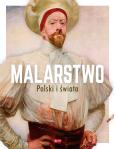
Album prezentuje najwybitniejsze obrazy malarstwa polskiego i światowego od najwcześniejszych przykładów aż po współczesność. Mimo że publikacja ma charakter albumowy, to stanowi również kompendium niezbędnej wiedzy o dziejach malarstwa i może być przydatna dla szerokiego kręgu odbiorców.
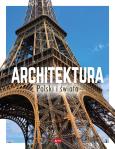
Książka przedstawia najważniejsze dzieła architektury polskiej i światowej, cechy stylów, a także osiągnięcia najwybitniejszych mistrzów. Jest przeznaczona nie tylko dla miłośników architektury i zabytków, ale również dla tych, którzy dopiero rozpoczynają przygodę z jedną z najbardziej fascynujących gałęzi sztuki.
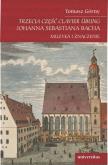
Książka Tomasza Górnego stanowi pierwsze tak szczegółowe i kompetentne opracowanie na gruncie muzykologii polskiej jednej z najważniejszych kolekcji dzieł organowych w dorobku Johanna Sebastiana Bacha. Jest to niewątpliwie publikacja cenna – zawiera nieznany wcześniej materiał źródłowy i wiele innych skrupulatnie zebranych, zweryfikowanych i prawidłowo zinterpretowanych informacji. Książka będzie znakomitą lekturą zarówno dla lepiej zorientowanych melomanów, jak i profesjonalistów: organistów i muzykologów. Jako badacz twórczości Bacha od lat zaangażowany w przybliżanie postaci kompozytora i wyjaśnianie jego kluczowej roli dla historii muzyki, szczególnie cieszę się, że oto pojawia się nowa i ważna pozycja w bibliografii Bachowskiej, która wyszła spod pióra polskiego autora.
dr hab. Szymon Paczkowski
Instytut Muzykologii Uniwersytetu Warszawskiego
Tomasz Górny jest adiunktem w Instytucie Muzykologii Uniwersytetu Warszawskiego. Jego badania dotyczą przede wszystkim związków muzyczno-literackich oraz twórczości Johanna Sebastiana Bacha. Ostatnio opublikował monografię Polifonia. Od muzyki do literatury (Kraków 2017).
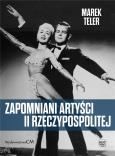
Dzięki drobiazgowemu śledztwu Marka Telera poznajemy m.in. losy sławnej Iny Benity, odkrywamy kłamstwa arystokraty ukrywającego się pod pseudonimem Harry'ego Corta oraz podążamy za karierą Edwarda Raquello, etatowego amanta Hollywood, a później wymagającego szefa Głosu Ameryki. Wraz z autorem postaramy się również zrozumieć zawiłe losy Luli Kryńskiej, królowej piękności, na której życiorys padł cień współpracy z III Rzeszą oraz przyjrzymy się imponującej karierze niezbyt utalentowanej aktorki Moniki Carlo.
Wydana przez portal Histmag.org i wydawnictwo CM książka „Zapomniani artyści II Rzeczypospolitej” to pozycja obowiązkowa dla wszystkich miłośniczek i miłośników historii dziesiątej muzy. Przenosi nas do świata celuloidowych taśm filmowych, porywających rewii oraz prawdziwych osobistości polskiej kultury. Do świata, którego już nie ma.
„Wśród polskich biografów zajaśniała nowa gwiazda! Dziennikarz Marek Teler – niestrudzony i utalentowany detektyw – z niespotykaną drobiazgowością przeprowadził serię śledztw dotyczących losów polskich artystów, którzy podczas II wojny światowej opuścili krąg scenicznych reflektorów i rozpłynęli się w mroku. Po dekadach możemy poznać ich historie, które okazują się bardziej zdumiewające i zawikłane od ich filmowych i estradowych kreacji.” - Marcin Szczygielski
Marek Teler – dziennikarz, popularyzator historii, bloger. Współpracownik portalu historycznego Histmag.org i czasopisma „Focus Historia”. Interesuje się między innymi historią kobiet oraz genealogią. Autor książek: „Kobiety króla Kazimierza III Wielkiego” oraz „Kochanki, bastardzi, oszuści. Nieprawe łoża królów Polski: XVI–XVIII wiek”.
Socjologia i przestrzeń miejska to systematyczny wykład na temat socjologii miasta i społecznych aspektów przestrzeni, który zainteresuje nie tylko socjologów, ale również studentów geografii, gospodarki przestrzennej, architektury i urbanistyki. W jasny i przystępny sposób autor porządkuje w nim socjologiczną problematykę miasta według dwóch kluczy: od zagadnień teoretycznych do przykładów podpartych danymi statystycznymi oraz od ogólnych do szczegółowych przedmiotów rozważań.
Wyczerpująco omawia główne procesy zachodzące w miastach w XX wieku - urbanizację, suburbanizację, dezurbanizację - wskazując również na perspektywy rowoju przestrzeni miejskiej w Polsce.
Dokładnie 11 lat po ukazaniu się bardzo cenionego ""Przewodnika kolekcjonera sztuki najnowszej"" Piotra Bazylko i Krzysztofa Masiewicza, ukazuje się nowa wersja tej książki. ""Przewodnik kolekcjonowania sztuki najnowszej 2"" już w tytule podkreśla zmiany w sposobie nazywania świata i zjawisk, które zaszły w czasie minionej dekady. To jasne, że zarówno w Polsce, jak i na świecie, jest nie tylko wielu kolekcjonerów, ale również kolekcjonerek sztuki najnowszej.
Publikacja ma zachęcić do kolekcjonowania sztuki najnowszej i pokazać, że nie jest to takie trudne, a na pewno jest fascynujące. Przewodnik w znakomitej większości opiera się na naszych osobistych doświadczeniach. Nie jest to książka napisana przez stojących z boku obserwatorów polskiego czy międzynarodowego rynku sztuki, ale przez osoby, które od prawie dwóch dekad współtworzą go i na nim działają piszą we wstępie autorzy książki.
Piotr Bazylko i Krzysztof Masiewicz aktywnie kolekcjonują sztukę najnowszą od blisko 20 lat. Od wielu lat propagują również kolekcjonowanie sztuki najnowszej. Najpierw, od 2006 roku, jako autorzy bloga ArtBazaar, a później jako autorzy książek o sztuce i kolekcjonowaniu sztuki.
Żyjemy w naprawdę ciekawych czasach. Nasze pokolenie być może jako jedno z pierwszych ma niebywałą szansę, aby za pomocą wielu indywidualnych kolekcji pokazać następnym pokoleniom sztukę, która nam towarzyszy i która nas inspiruje"" piszą autorzy ""Przewodnika kolekcjonowania sztuki najnowszej 2"".
W napisanej na nowo wersji obok mocno rozszerzonej i zaktualizowanej części poradnikowej na temat kolekcjonowania sztuki najnowszej, autorzy przygotowali również nowe rozdziały poświęcone między innymi: inwestowaniu na rynku sztuki najnowszej i współczesnej (rozdział ""Kolekcjonowanie czy inwestowanie?""); ciekawym wydarzeniom w świecie sztuki oraz na światowym rynku sztuki (rozdział ""Rok kolekcjonerki i kolekcjonera""); najważniejszym polskim kolekcjom publicznym, korporacyjnym i prywatnym a także najciekawszym polskim dziełom sztuki powstałym w XXI wieku oraz opiniom o rynku sztuki w Polsce i na świecie.
Ta bogato ilustrowana książka powinna znaleźć się na półce każdej kolekcjonerki i kolekcjonera sztuki najnowszej, ale również na półkach osób, które dopiero planują zakupy dzieł sztuki. Autorzy bowiem w sposób przystępny i ciekawy przygotowują nowe adeptki i nowych adeptów kolekcjonowania sztuki najnowszej do postawienia pierwszych kroków na tym polu. Jednocześnie jednak unikają zdecydowanych sądów i szanują własną drogę każdej kolekcjonerki i każdego kolekcjonera do stworzenia własnych kanonów.
W naszym przewodniku znajdziecie listę dziesiątek książek, które dobrze jest przeczytać, katalogów, które warto kupić, wystaw, które wypadałoby zobaczyć. Ale pamiętajcie to tylko nasza propozycja. To Wy musicie znaleźć swoją własną drogę do swojej kolekcji. Czasami będzie to kolekcja składająca się z pięciu grafik, a czasami z kilkuset prac: malarstwa, rzeźby czy wideo. Ta książka jest dla jednych i drugich. Nie jest to podręcznik, ale właśnie przewodnik. Tylko Wy wiecie, dokąd Was poprowadzi piszą Piotr Bazylko i Krzysztof Masiewicz.
Poza własnością to książka o polityce mieszkaniowej w Polsce. Badania Habitat for Humanity z 2015 roku pokazują, że kwestia mieszkaniowa to dla Polek i Polaków jeden z trzech najważniejszych problemów społecznych i bodaj największy mankament polskiej transformacji. Przez wiele lat temat mieszkalnictwa nie był traktowany przez rządzących jako istotny problem społeczny wymagający interwencji. Brakujących mieszkań miał dostarczyć wolny rynek. A mówiąc wprost – rozwiązaniem miało być kupno mieszkania na własność, w większości przypadków na wieloletni kredyt hipoteczny. Czy na pewno jest to jedyne rozwiązanie? Otóż nie. Joanna Erbel – socjolożka, działaczka miejska i ekspertka od spraw mieszkaniowych – na podstawie wielu dobrych i sprawdzonych przykładów z całego świata podsuwa nam na tacy gotową receptę. Alternatywą dla własności mieszkaniowej jest stabilny najem. Budowanie na wynajem każe stawiać sobie pytania, jak będzie wyglądać nasza przyszłość: jak projektować, żeby odpowiadać na zmiany klimatyczne? Jak budować dla starzejącego się społeczeństwa? Oraz ile powinno kosztować mieszkanie, żeby comiesięczne opłaty były do uniesienia przez ludzi zarabiających przeciętnie? Poza własnością to książka o wizji lepszej przyszłości dla mieszkalnictwa. Projektów łamiących schematy nie brakuje: Nowe Żerniki we Wrocławiu i mieszkania senioralne w Stargardzie Szczecińskim pokazują, że zarówno metropolie, jak i mniejsze miasta mogą być źródłem nowatorskich rozwiązań. W istocie bowiem rzecz nie dotyczy mieszkań, tylko tego, jak będziemy mieszkać w naszych miastach. I o tym właśnie jest książka Joanny Erbel – o konkretnym wymiarze przyszłości, nad którą możemy odzyskać wpływ – napisał o książce Edwin Bendyk z „POLITYKI”.
"Satanizm coraz częściej żąda poszanowania dla siebie takich samych praw jak inne religie, kreując wzorce życia w XXI stuleciu. Popkultura i antykultura stały się moreną czołową, powoli wciskającą magię, satanizm i okultyzm do życia codziennego; sztuki, mody i gier komputerowych.
Konsekwentna obecność patologii w mediach skutecznie przyzwyczaja odbiorców do „inności”
z wolna podmieniając dawną normalność na nową i lepszą. Dawne definicje miłości, wiary
i rodziny zostają podmienione przez nowe paradygmaty. Popkultura i lansowane przez nią wzorce; hedonizm, egoizm, akceptacja dla pornografii, nieskrępowanego seksu czy kaleczenia ciała – to nie element luzackiej mody, tylko taktyka salami, powolnego wciągania zachodniej cywilizacji na złą stronę mocy.
Każdy z przytoczonych i udokumentowanych przykładów uzupełniony jest świadectwem nawróconego muzyka. Ku przestrodze, bo Słowo Boże napomina: : „Unikajcie wszystkiego, co ma choćby pozór zła” – 1 Tes 5, 21-22.
Satanizm, okultyzm i muzyka
Skaryfikacje i moda na masochizm
Pakty z diabłem w muzyce
Nowa definicja „miłości” w show-biznesie i pornografizacja życia
Seksoholiczny Rock and Roll
Charles Manson – dlaczego z przestępcy robi się ikonę pop kultury?
Black metal – demoniczny dotyk muzyki
Rastafarianie: duchowość, która zamieniła hostię na marihuanę
Techno – muzyczne parady na skraju przepaści
Prince i nieokiełznany erotyzm
Mroczna twarz Demisa Roussosa
Snoop Dogg vel. Snoop Lion w parze z demonem hedonizmu
Jesus Christ Superstar: antychrześcijańska rock opera
Kolejna książka Grzegorza Kasjaniuka, nawróconego dziennikarza muzycznego, który środowisko estradowe zna jak mało kto w Polsce. Przez lata prowadził audycje promujące muzykę trash-metalową, zatem wie doskonale, jak toczą się losy muzyków dokonujących w życiu mrocznych wyborów. Bo wbrew deklaracjom Rolling Stonesów, muzyka to nie jest tylko rock’n’roll, tylko sposób na życie, dla wielu również sposób wyboru życia wiecznego."
Ten produkt jest zapowiedzią. Realizacja Twojego zamówienia ulegnie przez to wydłużeniu do czasu premiery tej pozycji. Czy chcesz dodać ten produkt do koszyka?