W tej strefie zapraszamy czytelników tak zwane artystyczne dusze po książki z kategorii Sztuka. Polecamy szereg publikacji o sztuce i jej historii,ciekawostki i portfolia artystów, eseje, albumy, książki o malarstwie, rzeźbiarstwie, architekturze oraz histoii fotografii. Biografie ciekawych artystów, książki i powieści przedstawiające fascynujące losy malarzy i osób uwiecznianych na obrazach. W tym dziale tylko ksiązki ze sztuka w tle.
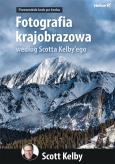
Zastanawiałeś się kiedyś, jakie to uczucie, kiedy widok Twoich fotografii krajobrazu wzbudza westchnienia podziwu i zazdrości? "To naprawdę TY zrobiłeś te zdjęcia?!" Oczywiście, aby je stworzyć,, trzeba mieć mnóstwo szczęścia i miesiącami studiować fotografikę... albo znaleźć mistrza, który podzieli się swoimi tajemnicami. Takim kimś jest Scott Kelby, uznany na świecie ekspert. W swoich książkach tłumaczy, w jaki sposób przygotować sprzęt, jak zaplanować sesję, zdradzi sekrety postprodukcji. Co więcej, jeśli kiedyś napotkasz na jakieś problemy, szybko pomoże Ci je rozwiązać. Dzięki naukom mistrza Twoje zdjęcia staną się zachwycające, pełne piękna, emocji - niezapomniane. Jeśli marzysz o nauce u prawdziwego mistrza fotografii krajobrazu, artysty i znawcy, jesteś u celu!
Ta książka jest unikatowym podręcznikiem, w którym znajdziesz tajniki tworzenia najlepszych zdjęć krajobrazowych. Opisano tu prawdziwe sekrety warsztatu, sprawdzone techniki i triki profesjonalistów. Omówiono szerokie spektrum tematów, włączając kwestie potrzebnego sprzętu, ustawień aparatu fotograficznego i późniejszego edytowania zdjęć. Dowiesz się, jak fotografować o świcie i w nocy, jak uwieczniać strumienie i wodospady, jak poradzić sobie ze zdjęciami nocnego nieba, Drogi Mlecznej i kapitalnych panoram. Docenisz, że podręcznik jest pozbawiony zbędnej teorii, jest za to naszpikowany praktycznymi, kluczowymi w chwili robienia zdjęcia wskazówkami. Układ książki maksymalnie ułatwia szybkie odnalezienie potrzebnego zagadnienia: na jednej stronie omówiono tylko jeden temat!
W tej książce znajdziesz:
zasady planowania, prowadzenia sesji i postprodukcji zdjęć krajobrazowych
porady dotyczące ustawień najlepszych dla fotografii pejzażowych
specjalne dla pejzaży metody ustawiania ostrości aparatu
techniki fotografowania z długim czasem naświetlania
bezcenne wskazówki dotyczące wyboru potrzebnego sprzętu
Mistrz fotografii? Zrobi piękny pejzaż każdym aparatem!
O autorze
Scott Kelby w 2009 roku po raz piąty z rzędu otrzymał tytuł najlepszego autora książki informatycznej, przyznawanej przez amerykańskie Nielsen BookScan.
Scott Kelby jest redaktorem naczelnym pisma Photoshop User, przewodniczącym stowarzyszenia NAPP, skupiającego profesjonalnych użytkowników Photoshopa, dyrektorem szkoleniowym seminarium Adobe Photoshop Seminar Tour i jednym z najlepszych instruktorów tego programu w Ameryce. Jest współgospodarzem cotygodniowego talk-show na żywo dla fotografów The Grid oraz wykładowcą, nauczającym fotografii cyfrowej na warsztatach i seminariach organizowanych na całym świecie
Kelby jest również wielokrotnie nagradzanym autorem bestsellerowych książek; imponująca lista opracowanych przez niego tytułów sięga ponad 60 pozycji -- wiele z nich przyniosło mu światową sławę i zapewniło pierwsze miejsce na liście najpoczytniejszych autorów książek komputerowych na świecie. Poruszana w nich tematyka dotyczy przede wszystkim Photoshopa, edycji fotografii cyfrowych oraz nowoczesnych technologii związanych m.in. z przetwarzaniem obrazu.
Autorka przełożyła traktat znanego rosyjskiego malarza ikon i rysownika Josifa Władimirowa, napisany w związku z reformami patriarchy Nikona, postulujący ujednolicenie wzorów ruskich ikon z greckimi oraz wprowadzenie w życie postanowień Soboru 100 Rozdziałów nadzoru nad malarzami ikon przez duchownych i godnego sposobu handlu ikonami. Praca zawiera obszerną interpretację autorki, która obala stereotyp o prozachodniej orientacji artystycznej Josifa Władimirowa i dowodzi, że reprezentował on nurt bizantynizujący, ale w oparciu o rodzimą tradycję.
Niezwykły, bogato ilustrowany album ukazujący życie i twórczość Wojciecha Sadleya (ur. 1932), profesora warszawskiej Akademii Sztuk Pięknych. Niesie on wiedzę o jednym z czołowych polskich artystów, któremu udało się zainteresować swoimi pracami największe galerie i muzea na świecie. Jest to podróż przez ponad 80 lat życia artysty, śladem jego pasji, twórczości i wystaw, uzupełniona o klarowne wypowiedzi o sztuce i teksty krytyków. Twórca, na przełomie lat 50. i 60. XX w., m.in. wraz z Magdaleną Abakanowicz był współautorem światowego sukcesu polskiej tkaniny eksperymentalnej - fenomenu, który do dziś jest analizowany i przywoływany przez badaczy.
Książka jest wyjątkowo wartościowa, bo powstała na podstawie prywatnego archiwum artysty, licznych z nim rozmów oraz w oparciu o dogłębną kwerendę archiwalną.
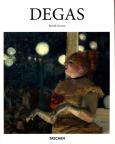
Most commonly associated with the birth of the Impressionist movement in mid-19th-century Paris, Edgar Degas (1834–1917) in fact defied easy categorization and instead developed a unique style, strongly influenced by Old Masters, the body in motion, and everyday urban life.
The elder scion of a wealthy family, Degas cofounded a series of exhibitions of “Impressionist” art, but soon disassociated himself from the group in pursuit of a more realist approach. His subjects centered on the teeming, noisy streets of Paris, as well as its leisure entertainments, such as horse racing, cabarets, and, most particularly, ballet. With often ambitious, off-kilter vantage points, his images of ballerinas numbered approximately 1,500 works, all deeply invested in the physicality and the discipline of dance.
Through illustrations of Foyer de la Danse (1872), Musicians in the Orchestra (1872), and many more, this book provides an essential overview of the artist who created a category all his own, a world of classical resonance, bold compositions, and an endless fascination with movement, which together produced some of the most striking and influential works of the era.
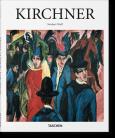
Ernst Ludwig Kirchner (1880–1938) is regarded as one of the key figures in 20th-century European art. A Modernist to his bones, he sent seismic waves through the art world with his hard-edged, intensely colored paintings and disseminated his ideas through Die Brücke art movement and the MUIM-Institut school of modernist painting, both of which he cofounded.
Kirchner’s work reconciled past and present through an Expressionist prism, reflecting the latest avant-garde ideas in art, while exploring traditional academic approaches and subjects. His works tackled social, moral, and emotional questions with a fierce intensity. Distorted perspectives, rough lines, and unusual colors were mainstays of his practice, as well as a recurring interest in capturing the human form, whether in frenetic city vistas such as Berlin Street Scene (1913) or in his famously decadent studio.
In this introductory book, we explore the stretch of Kirchner’s career through Germany and Switzerland, including his founding of Die Brücke, and his inclusion in the Nazis’ infamous “degenerate art” exhibition in 1937. Along the way, we’ll encounter vivid landscapes, stark nudes, intense urban settings, and, above all, a persistent emphasis on the emotional experience of painter and viewer.
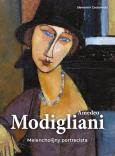
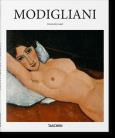
In endless odes to the female form, Amedeo Modigliani (1884–1920) traced elongated bodies, almond eyes, and his own name into art history. His languid female subjects are as instantly recognizable as they are startling, sensual, and swan-necked.
Modigliani's unique figuration corresponded to his own personal idea of beauty, but drew upon a rich variety of visual influences, including contemporary Cubism, African carvings, Cambodian sculptures, and 13th-century painting from his native Italy. Although most renowned for his nude females, he applied similar stylistic techniques to portraits of male artistic contemporaries such as Pablo Picasso, Jean Cocteau, and Chaïm Soutine.
With key works from his highly individualistic repertoire, this book introduces Modigliani's brief but revered career at the heart of Paris’s early modernist hotbed.
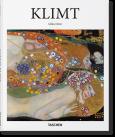
A century after his death, Viennese artist Gustav Klimt (1862–1918) still startles with his unabashed eroticism, dazzling surfaces, and artistic experimentation. This monograph gathers all of Klimt’s major works alongside authoritative art historical commentary and privileged access to the artist’s archive.
With top quality illustration, including new photography of the celebrated Stoclet Frieze, the book follows Klimt through his prominent role in the Secessionist movement of 1897, his candid rendering of the female body, and his lustrous “golden phase” when gold leaf brought a shimmering tone and texture to such beloved works as The Kiss and Portrait of Adele Bloch-Bauer I, also known as The Woman in Gold.
Through luminous spreads and carefully curated details, the monograph traces the repertoire of Japanese, Byzantine, and allegorical stimuli that informed Klimt’s flattened perspectives, his symbolic vocabulary, and his mosaic-like textures. Drawing upon contemporary critics and voices, the book also examines the art world’s polarized reception to Klimt’s pictures as much as his own stylistic trajectory. From his landscape painting to erotic works to the controversial ceiling for the Great Hall of the University of Vienna, we see how Klimt’s admixture of tradition and daring divided the press and public—becried by some as a pornographer, hailed by others as a modern maestro.
In the work of Joseph Mallord William Turner (1775–1851) lies an impact akin to a sudden acquisition of sight. His landscapes and seascapes scorch the eye with such ravishing light and color, with such elemental force, it is as if the sun itself were gleaming out of the frame.
Appropriately known as “the painter of light,” Turner worked in print, watercolor, and oils to transform landscape from serene contemplative scenes to pictures pulsating with life. He anchored his work to the River Thames and to the sea, but in the historical context of the Industrial Revolution, also integrated boats, trains, and other markers of human activity, which juxtaposes the thrust of civilization against the forces of nature.
This book covers Turner’s illustrious, wide-ranging repertoire to introduce an artist who combined a traditional genre with a radical modernism.
Ten produkt jest zapowiedzią. Realizacja Twojego zamówienia ulegnie przez to wydłużeniu do czasu premiery tej pozycji. Czy chcesz dodać ten produkt do koszyka?