W tej strefie zapraszamy czytelników tak zwane artystyczne dusze po książki z kategorii Sztuka. Polecamy szereg publikacji o sztuce i jej historii,ciekawostki i portfolia artystów, eseje, albumy, książki o malarstwie, rzeźbiarstwie, architekturze oraz histoii fotografii. Biografie ciekawych artystów, książki i powieści przedstawiające fascynujące losy malarzy i osób uwiecznianych na obrazach. W tym dziale tylko ksiązki ze sztuka w tle.
Elliott Erwitt turns his trained eye on Scotland, going well beyond its picturesque glens and lochs to reveal a unique culture and national heritage. In 2013, Elliott Erwitt was asked to be a part of the distinguished Macallan Masters of Photography series. Armed with his trusty Leica camera, he embarked on an exploration of Scotland in hope of capturing its people's particular spirit and allure, calling it his "great Scottish adventure." Going beyond what is simply picturesque, this magnificent collection of photographs candidly reveals both the sum and its parts of the varied landscapes, the characters-and of course, the dogs!-that are unique to Scotland.
Nieplanowane to nie jest zwykły film. To iskra, która na naszych oczach staje się zarzewiem buntu przeciwko kulturze śmierci. Iskra, która burzy spokój ludzi zachodniego świata. Iskra, która pali sumienie. Czy ta iskra wznieci rewolucję dla życia? Wiele zależy od nas. Czy będziemy chcieli ją rozniecić? Do tego zachęca ta książka... Autorzy pragną przybliżyć i odkryć czytelnikom historię Nieplanowanych, by mogli jeszcze skuteczniej korzystać z dobra, które niesie film i historia Abby Johnson. Pozwoli to bardziej emocjonalnie podejść do tego dzieła i poruszanej przez niego tematyki, uwierzyć w jego siłę i przekonać się, że warto nieść go dalej: do rodzin, przyjaciół, znajomych, szkół, wspólnot, by w rezultacie wywalczyć zmianę myślenia co do wartości życia. Wśród autorów książki znaleźli się między innymi bohaterowie Nieplanowanych: Abby Johnson oraz Shawn Carney, szef organizacji pro-life, który mówi, jak ta historia była widziana zza płotu kliniki aborcyjnej. Szczególną opowieścią dzieli się także Cary Solomon, scenarzysta i reżyser filmu. Przedstawiamy kulisy produkcji i wprowadzenia jej na polski rynek. Pokazujemy „od kuchni”, na jakie trudności napotkali twórcy i dystrybutorzy. Odsłaniamy motywy i postawy bohaterów. Prezentujemy również poruszające świadectwa widzów, których film wyrwał z wygodnej bierności i zachęcił do zaangażowania się po stronie życia.
Katalog zawiera reprodukcje 153 prac malarskich pokazanych na wystawie Pałac Sztuki.
Młode malarstwo polskie, które zostały kupione z Funduszu Zakupowego Basila Alkazziego
& Halimy Nałęcz utworzonego w 2015 roku. Ta nowa kolekcja w zbiorach Muzeum
Narodowego w Gdańsku jest rodzajem „listy obecności” 109 młodych polskich malarek
i malarzy – tych wysoko już sklasyfikowanych, ale tych mniej uhonorowanych lub dopiero
debiutujących, których poszukiwania są jednak oryginalne i cenne. W części eseistycznej
katalogu Wojciech Zmorzyński, kurator wystawy przedstawia kulisy powstania kolekcji,
a Stach Szabłowski analizuje kondycję malarstwa polskiego w XXI wieku.
Francesco Algarotti, urodzony w Wenecji koneser sztuki, propagator nauki, literat i erudyta, szeroko znany oraz doceniany w XVIII-wiecznych kręgach intelektualnych i arystokratycznych Europy. Dużą część życia spędził poza Italią, nie tylko podróżując po Europie (m.in. do Rosji), lecz także służąc na dworach, m.in. Augusta III, któremu doradzał przy zakupach dzieł sztuki do Galerii Drezdeńskiej. Pisał rozprawy i eseje, będące świadectwem zarówno jego wszechstronnych zainteresowań, jak i intelektualnego klimatu Oświecenia, który współtworzył. Prezentowany wybór pism po raz pierwszy pozwala polskiemu czytelnikowi zapoznać się szerzej z dorobkiem pisarskim Algarottiego.
W drugiej połowie XX wieku, głównie dzięki pracom prof. Jana Białostockiego, powstała w Uniwersytecie Warszawskim tradycja udostępniania w języku polskim klasycznych tekstów o sztuce, pióra wielkich artystów, myślicieli, pisarzy i krytyków. Niniejsza seria – prezentująca dzieła, których większości dotychczas nie przetłumaczono, o niepodważalnym znaczeniu dla nauk o sztuce i historii kultury, mądre, atrakcyjne literacko, piękne – stanowi kontynuację tej tradycji.
******
Selected papers
A selection of papers by Francesco Algarotti, a Venetian art connoisseur, propagator of the sciences, a man of letters and learning, widely known and recognised in the 18th-century intellectual and aristocratic milieus of Europe. His treatises and essays are proof of both the author’s versatile interests and of the intellectual setting of the Enlightenment of which he was part of. The present volume is the first opportunity for the Polish reader to become acquainted with Algarotti’s literary oeuvre.
Luciano Pavarotti odwiedził większość wielkich miast świata. Znaczną część roku spędzał z dala od ukochanych Włoch, występując jako solista w operach, dając charytatywne koncerty bądź recitale lub biorąc udział w trasach promujących nowe płyty. Podczas każdej z takich wypraw z tęsknotą myślał o rodzinnej Modenie, mieście, które nigdy nie straciło dla niego uroku i którego nigdy nie przestał uważać za swój dom. Czy chodziło o okoliczny pejzaż, lokalne jedzenie, wino, a może przyjaciół z dzieciństwa? Tak czy inaczej, Modena stanowiła integralną część jego życia, a myśl o wyprowadzce była równie mało prawdopodobna, jak zrzeczenie się włoskiego obywatelstwa.
Oczywiste stało się, że cechy, którymi wyróżnia się praca myśliciela i artysty, charakteryzują każdą czynność umysłu. Także psychologowie zaczęli dostrzegać, że fakt ten nie jest przypadkowy: różne zdolności umysłu podlegają tym samym prawom, ponieważ umysł zawsze działa jako całość. Każde postrzeganie jest również myśleniem, każde rozumowanie ? intuicją, każda obserwacja ? odkryciem.” R. Arnheim „W Ego i Id Freud argumentował, że proces myślowy, nie mówiąc nic o świadomej intelektualnej pracy, nie może istnieć w niesforności doświadczenia wizualnego. Rudolf Arnheim pokazał nam nie tylko jak błędne było to przekonanie, ułożył gramatykę form z niezwykłą ostrością i nauczył nas jak ją odczytywać.” J. Fineberg „Jasne, bezpośrednie, elastyczne pisarstwo wzmocnione wieloma ilustracjami… z których żadna nie jest zbyteczna” - Journal of Aesthetics and Art Criticism
Datowane na neolit i wczesną epokę brązu petroglify są jednymi z najbardziej fascynujących prehistorycznych zabytków Wysp Brytyjskich. Tysiące motywów, głównie geometrycznych (m.in. koncentryczne pierścienie, spirale i prostokąty), występują zarówno na naturalnych skałach w krajobrazie, jak i na monumentach takich jak menhiry, kamienne kręgi i grobowce korytarzowe. Niniejsza książka stanowi pierwsze opracowanie w języku polskim poświęcone prehistorycznej sztuce naskalnej na terenie Brytanii i Irlandii. Problematyka ta została omówiona z uwzględnieniem szerszego kontekstu pradziejowych petroglifów w Europie oraz metodologii ich badań oraz konserwacji.
Prawie 6 lat po premierze solowego debiutu, Artur Rojek wraca z albumem zatytułowanym „Kundel”.
„Dlaczego kundel? Kundel to dla mnie ktoś pozornie mało ciekawy z ukrytym skarbem wewnątrz. Często wydaje się jakby prowadził szare i mało interesujące życie. Specjalnie nie błyszczy i ma widoczne wady, ale wcale się tego nie wstydzi. Woli to, niż być dla siebie obcym. Kundel budzi tęsknotę za prostym życiem, docenianiem tego, co się ma i akceptację siebie takim, jakim się jest – bezwstydnie i odważnie” – mówi Artur Rojek.
Współtwórca i lider Myslovitz, a także założyciel i lider grupy Lenny Valentino. Współpracował dotychczas z Katarzyną Nosowską, Smolikiem, czy zespołem PRO8L3M. Mimo pracy nad OFF Festivalem, którego jest pomysłodawcą i dyrektorem artystycznym, kilkanaście ostatnich miesięcy poświęcił na pracę nad drugą solową płytą.
Artur Rojek postawił na współpracę z tymi sami twórcami, co przy albumie „Składam się z ciągłych powtórzeń”, ale w zupełnie nowej odsłonie. Za brzmienie odpowiada producent i kompozytor Bartosz Dziedzic (nagrodzony m.in. w 2019 roku Fryderykiem za album Dawida Podsiadło), natomiast w warstwie lirycznej Rojka ponownie wsparł Radek Łukasiewicz (ex-Pustki, Bisz/Radex).
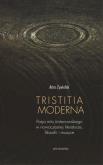
Głównym zamysłem badawczym książki jest próba przedstawienia morfologii wyjątkowego momentu w dziejach modernizmu, jakim była „rewolucyjna” de facto zmiana estetyczna w zakresie „kultury oka” i „kultury ucha”, „wizualności” i „fonosystemu” w literaturze. Łaciński termin tristitia (smutek, melancholia) kojarzy się w tym zestawieniu z Tristanem, bohaterem celtyckiej legendy, a tristitia moderna to parafraza określenia „nowa pobożność” (devotio moderna), będącego tytułem dzieła Gerarda Groota. Rozprawa ta zapoczątkowała w przełomowym okresie przejścia od kultury średniowiecza do renesansu „rewolucyjny” ruch społeczno-religijny, propagujący ideały życia wspólnotowego, ubóstwa i miłosierdzia.
Intensywnym przekształceniom kulturowych kodów i imaginariów patronował w tym czasie spopularyzowany przez Wagnera mit Tristana i Izoldy. Mit ten nie odnosi się wyłącznie do średniowiecznej opowieści, lecz przede wszystkim oznacza zjawisko, które – zdaniem Denisa de Rougemonta – ów mit „ilustruje i którego wpływ nie przestał się rozprzestrzeniać aż do naszych czasów”. Oddziaływanie owego mitu odbywa się z jednej strony poprzez łamanie konwencji i reguł mitycznych, z drugiej zaś ? poprzez „zwielokrotnioną intertekstualność” wyrażającą się w licznych repetycjach, przetworzeniach, wariacjach „na temat”, degradacjach pierwotnych (kanonicznych) wersji czy też rozmaitych stylizacjach.
„Nowoczesne zasłony melancholii” wyznaczają więc pewien rytm powtórzenia: „regresywnego” (modernizm reaktualizuje archaiczną opowieść) i „progresywnego” (modernizm intensyfikuje awangardowe przemiany estetyczne w muzyce, filozofii, literaturze, filmie, sztuce).
Monografia Tristitia moderna to studium najwyższej próby, studium o smutku i melancholii, które zapoczątkowały zmierzch Zachodu pod koniec wieku dziewiętnastego i przeniosły go dalej niż myślano – nie tylko na cały wiek dwudziesty, ale i do dzisiaj. Co ważne: rozważania literackie, muzykologiczne i filozoficzne, jakie zostały w książce przedstawione, są niebywale aktualne i dzisiaj.
prof. dr hab. Marian Kisiel
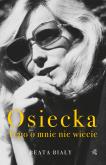
To po raz pierwszy publikowane rozmowy bliskich przyjaciół i znajomych Agnieszki Osieckiej, z których wyłania się niezwykły obraz jej nietuzinkowej osobowości. O jednej z najwybitniejszych polskich artystek opowiadają m.in. Olga Lipińska, Hanna Bakuła, Maryla Rodowicz, Magda Umer, Krystyna Janda, Daniel Passent i Jerzy Satanowski. Każda z tych osób tworzy osobisty portret genialnej przyjaciółki. Z rozmów na temat Osieckiej wyłania się postać pełna sprzeczności: delikatna i okrutna, namiętna i nieczuła, bujająca w obłokach i materialistka, radosna i popadająca w stany depresyjne. Każdy z przyjaciół zapamiętał ją trochę inaczej. Dla każdego miała inną twarz. „Była jak lustro, w którym odbija się świat ze wszystkimi jego barwami i emocjami. Kiedy po jej śmierci to lustro rozpadło się na tysiące kawałeczków, każdy z nas zachował swój kawałek i widzi Agnieszkę w taki sposób, w jaki sam postrzega świat. Każdy z nas opowie inną historię”.
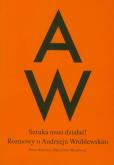
Andrzej Wróblewski to jeden z najwybitniejszych polskich malarzy XX wieku, wielka osobowość, postać tragiczna, człowiek dokonujący fundamentalnych wyborów, świadek dwóch totalitaryzmów. Ale Wróblewski to także (a może przede wszystkim) twórca, który przez ostatnie półwiecze inspirował kolejne pokolenia artystów. Autorzy rozmawiają z artystami reprezentującymi różne style i generacje: Wojciechem Fangorem, Jerzym Lewczyńskim, Mirosławem Bałką, Jarosławem Modzelewskim, Markiem Sobczykiem, Ryszardem Woźniakiem, Wilhelmem Sasnalem, Wojciechem Bąkowskim, Piotrem Bosackim, Różą Litwą i Jakubem Julianem Ziółkowskim. Tom zamyka pierwszy opublikowany wywiad z Martą Wróblewską, córką malarza.
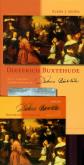
Książka dzieli się na trzy części: pierwsza zajmuje się życiem Buxtehudego, jego młodością w Danii i życiem w Lubece; druga - prezentuje jego dzieła muzyczne: wokalno-instrumentalne, na instrumenty klawiszowe oraz sonaty na instrumenty smyczkowe. Część trzecia poświęcona jest źródłom, możliwym datom powstania poszczególnych utworów oraz praktyce wykonawczej.
Tadeusz Kantor miał powiedzieć, że "w Polsce nie było surrealizmu, bo był katolicyzm". W obszernym wprowadzeniu omawiającym postawy surrealistyczne w sztuce polskiej XX wieku pogląd ten kwestionuje Agnieszka Taborska, konstruując tym samym ramę dla rozważań o surrealizmie XXI wieku.
Stop!
Świadectwa czy/i spektakle?
Po bandzie
O solidarnościach dzielnych i retorycznych
Domniemania
Nawozy sztuczne
Kwestia smaku
Społeczeństwo zmęczenia
Czekając na burzę (Warten auf Sturm)
Ustanowienia
Czy to w ogóle jest teatr?
Ślepa plamka. O krytyce (1)
Wynurzenia
Życie, czyli co?
Varia
Konteksty: przeobrażanie świata, czyli historia globalna
Nowe sztuki
Z afisza
Contents
Warunki i potrzeby życia, zmieniające się z biegiem czasu, wyłaniają wciąż nowe rozwiązania, dorzucając do skarbnicy narodu dorobek każdego pokolenia. Siła niepożyta twórczości przetwarza te różnorodne poczynania w ustrój jednolity, zgodny z charakterem i tradycją narodu. Wymaga to jednak czasu dłuższego, nieraz wieków całych, aby zdobycze postępu stopiły się z całokształtem życia. Wieś polska, pod naciskiem nowych, z coraz to trudniejszych warunków bytu, również zmienia powoli swój charakter i wygląd: odwieczne bory nasze znikają, ustępując miejsca rolom uprawnym, a wraz z borami ginie i budulec drzewny, staje się coraz rzadszym i trudniejszym do zdobycia. Konieczność życiowa zmusza lud nasz do rozstania się ze swym przyjacielem wiernym i do wznoszenia swych siedzib z materjałów innych, a przytem odpowiadających wymaganiom współczesnym zdrowotności i niepalności...Umieszcza w wydawnictwie niniejszem wybór wybitniejszych projektów, wyróżnionych na tym konkursie, Centralny Komitet Obywatelski miał na celu ułatwić w ten sposób pracę twórczą przy odbudowie wsi, dać do ręki majstrowi wioskowemu nie wzory, których ślepo trzymać się powinien, lecz raczej przykłady dobrych, starannie obmyślonych rozwiązań. Niechaj przykłady tu zebrane wyjaśnią dobitniej, niżby to w słowa ująć można, jak nam budować trzeba, aby ze zgliszcz odrodziła się wieś polska w całej swej przedziwnej krasie piastowskiej, aby dowiodła światu, że i dziś, jak tysiąc lat temu, umiemy myśleć, czuć i budować po polsku.
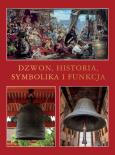
Niezwykły album o tajemnicach i historii najsłynniejszych polskich dzwonów. W jaki sposób powstają? Jakie są rodzaje dzwonów i na czym polega praca dzwonnika? Jak uzyskać niepowtarzalny dźwięk tego wyjątkowego instrumentu? Wraz z autorem zwiedzimy słynną ludwisarnię Felczyńskich oraz porozmawiamy z dzwonnikami z Wawelu. Poznamy też historię różnych dzwonów na całym świecie i ich rolę jaką pełniły na przestrzeni wieków. Umieszczone w albumie liczne ciekawostki i bogata szata graficzna sprawiają, że pozycja stanowi unikalne i jedyne w swoim rodzaju wydanie na rynku księgarskim. Dodatkowym atutem wydania są kody QR umożliwiające słuchanie dźwięków dzwonów.
Autorka wydanego ze smakiem albumu w pełnej pasji opowieści prezentuje drogę twórczą Józefa Mehoffera. Książka pozwala prześledzić ewolucję stylu artysty i docenić jego oryginalny wkład w rozwój polskiej sztuki. Zajmującej narracji towarzyszą reprodukcje mniej i bardziej znanych dzieł Józefa Mehoffera, a także współczesnych mu twórców.
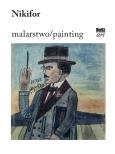
Nikifor (Epifaniusz Drowniak) to jeden z najbardziej fascynujących artystów sztuki europejskiej XX wieku, samouk, półanalfabeta postać tajemnicza i kontrowersyjna.Znaczną część swojego życia spędził w skrajnej nędzy, aby pod koniec dostąpić zaszczytu wystawiania swoich obrazów w prestiżowych galeriach na całym świecie, w zyskując międzynarodową sławę.Album stanowi wybór najlepszych prac słynnego malarza prymitywisty z całego okresu twórczości. Znalazło się w nim ponad 50 kolorowych reprodukcji obrazów Nikifora. Całość uzupełnia wstęp Zbigniewa Wolanina, znawcy twórczości krynickiego Matejki, kierownika Muzeum Nikifora w Krynicy.
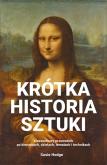
Krótka historia sztuki to nowe, całkowicie innowacyjne wprowadzenie do tematu sztuk pięknych. Skonstruowana w prosty sposób książka omawia ponad 100 najważniejszych dzieł sztuki od rysunków naskalnych w Lascaux po współczesne instalacje i łączy je z najważniejszymi kierunkami, tematami i technikami w malarstwie i rzeźbie.
Zwarta w treści i bogato ilustrowana, książka wyjaśnia jak, dlaczego i kiedy następowały zmiany w sztuce, kto te zmiany wprowadzał, na czym polegały, gdzie wszystko to się działo i jakie niosło konsekwencje. Autorka, unikając artystycznego żargonu, w sposób przystępny i zrozumiały opisuje dzieje sztuk plastycznych na przestrzeni wieków.
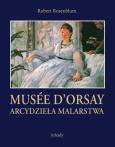
W Musée d’Orsay znajduje się najwspanialsza kolekcja dziewiętnastowiecznej sztuki francuskiej – obrazy Maneta, Moneta, Renoira, Degasa, van Gogha, Bonnarda, także Cabanela i Moreau. To stosunkowo niedawno powstałe muzeum ma w swych zbiorach prace z lat 1848–1914, ukazujące całość artystycznych zjawisk epoki, ich różnorodność tematyczną i formalną. Książkę rozpoczyna omówienie sztuki akademickiej, pozwalające nam poznać twórczość takich malarzy, jak Bougureau i Gerome, którzy długo ignorowani, obecnie cieszą się coraz większym zainteresowaniem. Wśród ob razów wpisujących się w nurt realizmu zachwycają Kobiety zbierające kłosy Millta i Portret matki amerykańskiego artysty Whistlera. Następnie zaprezentowane zostało malarstwo wielkich impresjonistów, stanowiące najsłynniejszą część zbiorów Musee d’Orsay, między innymi Bal w Moulin de la Galette Renoira, Kobiety w ogrodzie Moneta, Kołyska Morisot, Kościół w Auvers-sur-Oise van Gogha, a także impresjonistyczne obrazy artystów po chodzących spoza Francji. Wśród dzieł późniejszych re produkowanych w książce warto zwrócić uwagę na ekspresyjne prace Muncha, oniryczne kompozycje Redona czy wreszcie tajemnicze dzieła „ Celnika” Rousseau. Dziewięćdziesiąt sześć esejów poświęconych arcydziełom z kolekcji Musee d’Orsay cechuje rzetelna wiedza i ogromny entuzjazm autora – Roberta Rosenbluma. Czy tematem jest malarstwo Courbeta, czy Bonnarda profesor Rosenblum z niezwykłą wnikliwością ukazu je nam szczegóły, ukryte znaczenia i niespodziewane związki pomiędzy sztuką nowatorów a ich artystycznym otoczeniem. Książka zawiera 827 reprodukcji oraz 22 powiększenia fragmentów obrazów i jest jedyną publikacją tak wyczerpująco prezentującą zbiory Musee d’ Orsay.
Ten produkt jest zapowiedzią. Realizacja Twojego zamówienia ulegnie przez to wydłużeniu do czasu premiery tej pozycji. Czy chcesz dodać ten produkt do koszyka?