W tej strefie zapraszamy czytelników tak zwane artystyczne dusze po książki z kategorii Sztuka. Polecamy szereg publikacji o sztuce i jej historii,ciekawostki i portfolia artystów, eseje, albumy, książki o malarstwie, rzeźbiarstwie, architekturze oraz histoii fotografii. Biografie ciekawych artystów, książki i powieści przedstawiające fascynujące losy malarzy i osób uwiecznianych na obrazach. W tym dziale tylko ksiązki ze sztuka w tle.
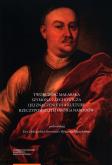
„Przygotowany przez Ryszarda Mączyńskiego i Ewę Doleżyńską-Sewerniak tom pt. "Twórczość malarska Szymona Czechowicza i jej znaczenie dla kultury Rzeczypospolitej Obojga Narodów" z całą pewnością zasługuje na wydanie drukiem. To szereg niezwykle ważnych studiów, niosących nowe ustalenia związane z życiem i oeuvre tego wyjątkowego polskiego malarza doby baroku. Przygotowane do druku teksty, opatrzone bogatym materiałem ilustracyjnym, chociaż wciąż nie odpowiadają na szereg pytań, to w sposób znaczący zmieniają stan naszej wiedzy na temat Czechowicza i jego twórczości. Tom ten stanowi ważny wyraz współpracy różnych środowisk, nie tylko polskich, nad spuścizną malarską tego artysty, rozproszoną dziś w różnych krajach. Prezentuje on nadto, prócz konwencjonalnych metod badawczych, nowe obszary związane z rozwojem technologii i techniki, pozwalające spojrzeć na konkretne dzieło sztuki pod kątem materialnym, co nierzadko umożliwia definitywne potwierdzenie lub odrzucenie autorstwa oraz bardziej precyzyjne datowanie. U progu przygotowywanej wielkiej wystawy prac Czechowicza przez Muzeum Narodowe w Krakowie, książka powstała w Toruniu stanowić będzie ważny głos w dyskusji nad jego twórczością i, jak ufamy, pozwoli nam jeszcze lepiej go poznać jako człowieka i artystę”.
Ks. prof. dr hab. Andrzej Witko
Uniwersytet Papieski Jana Pawła II w Krakowie
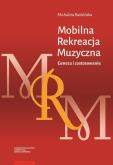
Jest to interdyscyplinarna publikacja łącząca informacje o profilaktyce i terapii muzycznej z wychowaniem muzycznym na bazie popularnej techniki, jaką jest Mobilna Rekreacja Muzyczna. Dr Michalina Radzińska w przystępny i oryginalny sposób pogłębia wiedzę czytelnika (pedagoga, terapeuty, studenta) zainteresowanego tą starą, ale nadal stosowaną techniką, mającą u podstaw dwa rytmy biologiczne: oddechu i akcji serca człowieka. Zwrócenie na nie uwagi ma szczególną wartość w obecnym czasie.
Rozdziały traktują o muzykoterapii, przydatności techniki oraz o sytuacji, w wyniku której lekarz anestezjolog w 1970 roku zainteresował się wykorzystaniem muzyki w medycynie. Autorka czyni ukłon w stronę antycznego rodowodu muzykoterapii, który podnosił wartości muzyki sacrum wyzwalającej katharsis. Powoduje to głównie muzyka poważna, docierająca do najgłębszych warstw emocjonalnych człowieka. Dodatkowym atutem książki jest fakt, że autorka umożliwia czytelnikowi pogłębienie wiedzy o kompozytorach, których utwory są od lat stosowane podczas zajęć z pacjentami.
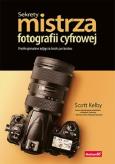
Doczekaliśmy czasów, gdy niemal każdy ma możliwość fotografowania. Zalewa nas morze zdjęć, z których podobają się nieliczne, a zaledwie pojedyncze zapadają w pamięć. Tymczasem wykonanie pięknej, budzącej zachwyt fotografii przynosi ogromną satysfakcję. Jeśli próbowałeś tej sztuki, wiesz, jak trudne i frustrujące mogą być początki. W takich chwilach przydałby się mistrz-przyjaciel, który w odpowiedniej chwili krótko i prosto podpowiedziałby: Zrób to w ten sposób!Ta książka jest właśnie takim mistrzem-przyjacielem. Nie zawiera skomplikowanej teorii ani technicznego żargonu, za to stanowi źródło ponad dwustu sprawdzonych sekretów i wskazówek, dzięki którym zaczniesz robić lepsze, ostrzejsze, barwniejsze i dużo piękniejsze zdjęcia! Dowiesz się, który przycisk należy wcisnąć w danym momencie, jakie ustawienia wybrać i kiedy konkretnie się nimi posłużyć. Zapoznasz się ze wskazówkami dotyczącymi sprzętu, co pozwoli Ci świadomie wybrać to, czego rzeczywiście potrzebujesz. Znajdziesz tu również porady dotyczące konkretnych rodzajów zdjęć. Skorzystaj z tych podpowiedzi, a Twoje fotografie zyskają profesjonalną jakość - i to bez zawracania sobie głowy trudnymi tematami!Najciekawsze zagadnienia: jak uzyskać wyjątkowo ostry obraz, jak odkryć na nowo pejzaże i zachody słońca, jak robić świetne zdjęcia z podróży i co fotografować przy brzydkiej pogodzie, jak zapanować nad obiektywem i lampą błyskową, jak robić profesjonalne zdjęcia tematyczne: ślubne, sportowe, pejzaże nocne i inne.Sztuka fotografowania? Ucz się jej od prawdziwego mistrza!Powyższy opis pochodzi od wydawcy.
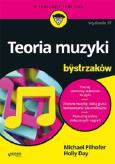
W prostocie tkwi siła
Poznaj elementy składowe muzyki
Zrozum muzykę, którą grasz, komponujesz lub analizujesz
Posłuchaj online dołączonych nagrań
Nastrój się na prawdziwą muzykę
Czy jesteś uczniem, wykonawcą, czy fanem, dzięki tej książce bez trudu pojmiesz teorię muzyki. To przejrzyste wprowadzenie w jej koncepcje oraz w zagadnienia artyzmu i biegłości technicznej - kwestie stanowiące podstawę do tworzenia wspaniałych dźwięków. Szybko staniesz się specjalistą od wystukiwania rytmów, odczytywania nut i przewidywania dalszego ciągu utworu. Zyskasz też szersze spojrzenie na dzieła innych muzyków - i nadasz głębszy wymiar własnym.
W książce:
Skale durowe i molowe, interwały, klucze i wysokość dźwięku
Podstawy notacji muzycznej, oznaczeń metrum, tempa i dynamiki
Budowanie melodii, akordów, progresji i fraz muzycznych
Komponowanie harmonii i melodii akompaniujących dla głosu i instrumentów
O autorach
Michael Pilhofer, MM, magister edukacji muzycznej o profilu jazzowym po Eastman School of Music oraz absolwent kierunku Jazz Performance na Uniwersytecie Miami.
Holly Day pisała między innymi dla „Guitar One Magazine”, „Music Alive!”, „culturefront Magazine” oraz „Brutarian Magazine”.
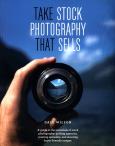
Web-based stock photography has become one of the biggest income streams for photographers around the world, and has democratised the process, making it easy for just about anyone to sign up and sell their work. Not all photographers, however, can navigate the terminology, let alone understand that keywording will have more effect on their sales than the quality of the photo itself. This book will break anyone into that world:
See why some photos do better than others in the stock-image market
Discover how to write metadata that will sell photos electronically
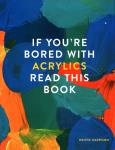
Unlock the potential in your paint tubes with 30 guided projects, covering everything from creating a harmonious colour palette to painting vivid landscapes and pop-art portraits. Get back to basics and explore the possibilities of colour, mark-making, textures, tools and techniques, or push the boundaries of acrylics by altering the qualities of the paint. This book will challenge your preconceptions about acrylics, and encourage you to return to the medium with fresh eyes and new ideas.
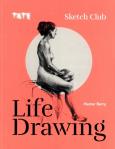
Learn how to construct a figure, capture gesture and bring depth, energy and movement into your work with the expert guidance of Sketch Club: Life Drawing.
Featuring 20 step-by-step exercises, this book will give you the confidence to ace your human figure drawing skills, both inside and outside the studio. It will help you know where to start, when to stop and how to fix common mistakes.
Hone your skills, build your confidence, and most importantly, get drawing!
Digital communication has seen the word as text permeate life in ways that the poets and artists of yesterday could never have imagined. Presenting a history of word- and book-based art, and examining major areas where the word has dominated artistic practice, this book takes us on a fascinating and richly illustrated global tour of diverse contemporary art forms.
What value can text hold in the sphere of visual art? How is such text different from poetry? Can the poetic itself be visual art, or is text in this context consigned to the realms of gimmick and catchphrase? Looking at the work of a broad range of artists including Bruce Nauman, Julien Breton, Jeremy Deller, Tracey Emin, Jenny Holzer, Shirin Neshat and many more, The Word is Art examines each of these questions, contending above all that in the digital age, words have become more important than ever.
With the advent of texting and social media, many predicted the debasement of language, and some have pointed to evidence of this in our so-called ‘post-truth’ culture. Michael Petry demonstrates that, on the contrary, words remain critical, powerful and central to art practice.
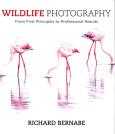
There is nothing quite so satisfying as capturing a stunning wildlife photograph; a good one will reflect practice, patience, careful equipment choice and dedication. Those challenges are perhaps why so many enthusiast photographers aspire to perfect their images in this area; to get their work recognised by the photographic community as well as record their experiences.
This book reveals more world-class images with every turn. More than that, though, it takes a practical approach. It comprehensively introduces natural-history and wildlife photography techniques alongside truly useful tips about what gear you’ll need (and what you can avoid) in your pursuit of perfection. It is illustrated by the author’s professional work; his clients include National Geographic & Time amongst others.
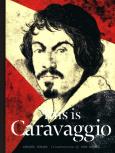
Mercurial, saturnine, scandalous and unpredictable, Caravaggio – as a man, as a character and as an artist – holds dramatic appeal.
He spent a large part of his life on the run, leaving a trail of illuminated chaos wherever he passed, most of it recorded in criminal justice records. When he did settle for long enough to paint, he produced works of staggering creativity and technical innovation.
He was famous throughout Italy for his fulminating temper, but also for his radical and sensitive humanisation of biblical stories, and in particular his decision to include the brutal and dirty life of the street in his paintings. Caravaggio was a rebel and a violent man, but he eyed the world with deep empathy, realism and an unrelenting honesty.
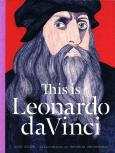
Leonardo da Vinci lived an itinerant life. Throughout his career – from its beginnings in the creative maelstrom of fifteenth-century Florence to his role as genius in residence at the court of the king of France – Leonardo created a kind of private universe for himself and his work.
Leonardo also spent a great deal of time away from his easel, pursuing his interest in engineering, natural science, sculpture, poetry, fables, music and anatomy. In the time that another artist would finish a series of paintings, he would work on one. Sometimes a painting would take decades, accompanying him on his travels as he worked on other commissions.
Leonardo’s private world was both vibrant and active. It sometimes did and at other times did not interact with the wider world. But what emerged from it has established Leonardo as the definition of the Renaissance Man.
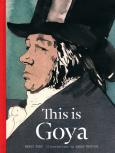
Modern art begins with Goya. He was the first to create works of art for their own sake, and he lived in a time of incredible cultural and social dynamism when the old concepts of social hierarchy were being shaken by the new concept of equality for all.
He saw his world ripped apart by Napoleon’s armies and then suffered the reactionary backlash as the old order was restored. Against this epic canvas, Goya painted his own observations of humanity, transforming his youthful images of gaily dancing peasants into his mature penetrating studies of human suffering, despair, perseverance and redemption.
Goya’s art rises above the chaos of his times, and signals the real revolution of personal expression and independent spirit that would be the generative force behind the modernist movement in art.
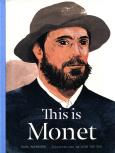
Claude Monet is best known as a leader of the Impressionists, his paintings defining the style that triggered a revolution in art.
During the eighty-six years of his life, Monet never rested, and was always driven by the urge to paint. And more than two thousand paintings survive from six highly creative decades. Despite being a celebrity among France’s political and cultural elite, Monet never became complacent. Even in his seventies and eighties he was still producing paintings that astounded the art world.
Monet’s work remains highly influential – his abstraction, gestural strokes and expressive colour capturing the imagination of generation after generation of artists.
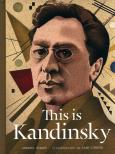
Intellectual, emotional, restless, dogged, loyal, selfish; Kandinsky was an artist – and a man – of contradictions.
This genre-defying painter didn’t pick up a brush until he was thirty years old. He was an academic with a promising career that he threw away to explore the arts. He was a Russian, yet he spent more than half of his life on the road, and died in self-imposed exile in France. As an artist he is credited with history’s first abstract painting, but it was his theories that had a profound and lasting impact on the way that people understand and value what art can achieve.
Richly illustrated with specially commissioned artworks and 20 of Kandinsky’s major works, This is Kandinsky forms the perfect introduction to the life of this revolutionary figure in twentieth-century art.
Francis Bacon was one of the giants dominating the artistic landscape of the mid-twentieth century, and served as the inspiration and launching point for much of the figural and abstract art that came after him.
This highly illustrated book features not only 20 of the artist's major works, but in stunning original color illustrations portrays the events of his life and the circle of friends and associates with whom he formed a louche, brazen gang that cut open the belly of the old propriety. The major periods of Bacon's life on the edge, such as his time spent in Berlin, Paris, and the seedy milieu of post-war London, are portrayed, along with the influential figures, such as Peter Lacey and George Dyer, who shaped both his personal life and his art.
An original and highly visual book, This is Bacon forms a fascinating, readable, and provocatively entertaining introduction to one of the most influential masters of twentieth-century art.
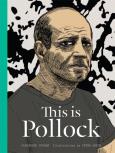
In 1956 Time magazine referred to Pollock as ‘Jack the Dripper’. His iconic paintings stretch out with the generosity and scale of the landscape of America’s West where the artist grew up. Pollock said that he painted ‘out of his consciousness’: the cathartic dribbled paint reflected his troubled mind.
This book traces Pollock’s career and discusses how his loose, individual style was used as a political weapon in the Cold War, representing America as the free, democratic nation. Illustrations simplify the theory and reveal the hidden meaning behind the mesh of painted lines.
Series writer Catherine Ingram brings her extensive knowledge to the book, while specially commissioned illustrations by New York-based illustrator Peter Arkle vividly portray the text.
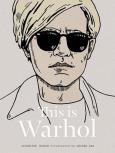
Andy Warhol, die Ikone der Pop Art, sagte: "Wenn Sie alles über Andy Warhol wissen wollen, schauen Sie sich einfach die Oberfläche meiner Gemälde an... und da bin ich. Dahinter steckt nichts." Dieses Buch durchdringt die Oberfläche und erforscht seine Kunst von seinen Anfängen als Werbegrafiker bis hin zu seiner Apotheose als Gesellschaftsporträtmaler, seine Kindheit in Pittsburgh und seine New Yorker Factory, wo sich die Avantgarde traf.
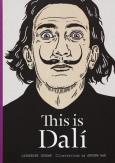
Salvador Dalí is one of the most popular artists in the world, known for his lavish lifestyle, gravity-defying moustache, and bizarre art. This book tells the story of Dalí’s life and explores the meaning of his Surrealist paintings. It goes beyond his fine art practice and discusses his venture into the commercial world from his extravagant jewelry to his cheeky design for the Chupa Chups lollipops. Surrealism is revealed as a way of life; illustrations bring to life the extraordinary Dream Ball at the Coq Rouge, his fabulous home at Port Lligat, and his underwater fantasy at the World Fair’s Surrealist pavilion. Fun, provoking, and endlessly frustrating, Dalí is brought under the spotlight.
Catherine Ingram brings her specialized knowledge to the book, while Andrew Rae, an award-winning illustrator, vividly portrays the text.
Ja to ktoś inny - tak mogłoby brzmieć credo jednej z najciekawszych artystek polskich. Jej twórczość zwraca się przeciw jednolitej wizji człowieka i kultury, kontestuje mity, obnaża zakazane tabu. Katalog zawiera reprodukcje i opisy najważniejszych prac Kozyry (Piramida zwierząt, Olimpia, Łaźnia męska), tekst Hanny Wróblewskiej, rozmowę Katarzyny Kozyry z Arturem Żmijewskim.
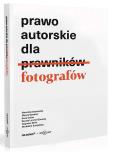
Przepisy prawa autorskiego są dla Ciebie niejasne i przyprawiają Cię o zawrót głowy? Szukasz sposobu, żeby raz na zawsze zrozumieć, jakie masz prawa i obowiązki jako fotograf? Dobrze trafiłeś!
Prawo autorskie dla fotografów to poradnik, w którym znajdziesz odpowiedzi na najczęstsze pytania, z którymi zmagają się fotografowie błądzący w gąszczu przepisów prawa autorskiego.
Dzięki tej książce:
• uświadomisz sobie prawną wagę Twojej twórczości;
• poznasz sposoby pracy z poszanowaniem Twoich praw;
• dowiesz się, w jakich sytuacjach możesz sięgać po określone środki ochrony.
Dzięki tej książce dowiesz się m.in.:
• dlaczego lepiej fotografować Oscara Wilde’a niż pralkę;
• dlaczego lepiej być pijanym fotografem niż trzeźwą małpą;
• dlaczego wieżę Eiffla lepiej fotografować za dnia;
• jak się cieszyć z gola, gdy all rights reserved.
Poradnik składa się z trzech części: W teorii, W praktyce i Wzorów.
1. W teorii
Autorki przełożyły w niej na prosty język poszczególne przepisy ustawy o prawie autorskim i prawach pokrewnych. Znajdziesz tu wiele przykładów ich praktycznego zastosowania w branży fotograficznej. Dzięki temu nareszcie zrozumiesz najważniejsze zagadnienia z tej dziedziny.
W kolejnych rozdziałach tej części poznasz przepisy związane z:
• utworem, inspiracją i opracowaniem;
• twórcą;
• treścią prawa autorskiego;
• naruszeniami praw autorskich;
• umowami prawa autorskiego;
• dozwolonym użytkiem;
• wizerunkiem;
• znakami towarowymi.
2. W praktyce
Znajdziesz tu odpowiedzi na najczęstsze pytania fotografów, które pojawiły się w mediach społecznościowych i na forach tematycznych. Problemy zostały podzielone na etapy zgodne z chronologią pracy nad fotografią i realizacją umowy (przed pracą, w trakcie i po), a dodatkowo pojawiły się tu odpowiedzi na pytania dotyczące naruszeń praw autorskich.
Pytania dotyczące takich praktycznych aspektów jak:
• odpowiedzialność za uszkodzony sprzęt;
• brak zapłaty zadatku;
• korzystanie z cudzych zdjęć w social mediach;
• fotografowanie budynków państwowych;
• zgody niepełnoletnich;
• zgody modelek przy sesjach TFP;
• wycofanie zgody na publikację wizerunku;
• Facebook a prawa do zdjęć;
• publikowanie zdjęć bez zgody twórcy.
3. Wzory
To zbiór najczęściej stosowanych dokumentów – umów i wezwań dotyczących Twojej twórczości. Zostały dokładnie omówione, żebyś dobrze zrozumiał każdy paragraf. Ponieważ są dostępne również w wersji edytowalnej, możesz je stosować na co dzień w swojej pracy.
Znajdziesz tu wzory:
• umowy licencji;
• umowy przenoszącej autorskie prawa majątkowe;
• umowy o wykonanie sesji fotograficznej;
• umowy o wykonanie reportażu fotograficznego uroczystości zaślubin;
• umowy TFP;
• zgody na wykorzystanie wizerunku;
• zgody na wykorzystanie wizerunku modelki / modela;
• protokołu odbioru;
• wezwania do zaprzestania naruszeń i zapłaty;
• wezwania do zaprzestania naruszeń dóbr osobistych i zapłaty;
• wezwania do zapłaty.
Ten produkt jest zapowiedzią. Realizacja Twojego zamówienia ulegnie przez to wydłużeniu do czasu premiery tej pozycji. Czy chcesz dodać ten produkt do koszyka?