W tej strefie zapraszamy czytelników tak zwane artystyczne dusze po książki z kategorii Sztuka. Polecamy szereg publikacji o sztuce i jej historii,ciekawostki i portfolia artystów, eseje, albumy, książki o malarstwie, rzeźbiarstwie, architekturze oraz histoii fotografii. Biografie ciekawych artystów, książki i powieści przedstawiające fascynujące losy malarzy i osób uwiecznianych na obrazach. W tym dziale tylko ksiązki ze sztuka w tle.
Pewnego piątkowego popołudnia w szafie Zofii Bonnitczanki pojawia się niecodzienny gość, który zamiesza nieco w jej codzienności. Tego dnia mama Zosi przynosi do domu nietypowo wyglądający futerał i prosi córkę o jego przechowanie. Mama Bonnitkowa na co dzień pracuje w orkiestrze filharmonii, a futerał, który właśnie przyniosła do domu bardziej przypomina trumnę hrabiego Draculi niż pokrowiec na instrument. Z tajemniczego futerału wyskakuje jeszcze bardziej tajemnicza postać, która przedstawia się Zosi jako Antonio Lucio Vivaldi.
Mistrz Vivaldi zabiera Zosię w podróż przez 4 pory roku, podczas której mają okazję się poznać, wspólnie doświadczają niezwykłych przygód i świetnie się bawią. „Pan Vivaldi, 4 pory roku i ja” to ciekawa i wciągająca historia, pełna humoru i magii, która zabierze Cię w świat muzyki klasycznej. Dzięki tej książce dowiesz się, Drogi Czytelniku, skąd się wzięły muzyczne Pory Roku, kim jest kompozytor, co to jest tremolo i pizzicato (i że to wcale nie jeden z rodzajów pizzy, chociaż nazwa mogłaby na to wskazywać), a także do czego muzykom potrzebne są nuty i pięciolinia. Zapraszamy do lektury.
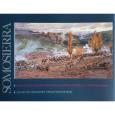
Praca dotyka uwarunkowań politycznych – tj. wątku związanego z Napoleonem Bonaparte w historii polskiej drogi do niepodległości, aspektów militarnych oraz ciekawostek związanych z samą bitwą. Przedstawia też pełną ikonografię Bitwy pod Somosierrą, w którą wpisują się też znajdujące się w zbiorach przemyskiego Muzeum Narodowego słynne szkice do Panoramy, której powstanie poprzedziła podróż autorów do Hiszpanii. Retrospekcja pozwoliła malarzom wiernie odtworzyć topografię terenu, kolorystykę a potem samą szarżę kawalerii.
Niniejsza publikacja przedstawia w syntetycznym ujęciu początki kina na ziemiach polskich oraz najważniejsze zjawiska i trendy w kinematografii II RP. Następnie przenosi nas w ponury czas II wojny światowej i próbuje odpowiedzieć na pytanie, w jakiej sytuacji znalazły się kinematografia i teatr, zarówno na ziemiach okupowanych, jak i na uchodźstwie.Skala represji, jakie dotknęły polskich artystów filmowych i scenicznych z rąk obu okupantów, dramatyczne wybory, przed którymi stanęli, i nie mniej tragiczne losy, jakie stały się udziałem znacznej części z nich, uświadamiają, że dla rodzimego kina i teatru lata 19391945 były cezurą apokaliptyczną, po której nic nie będzie już takie samo. Potwierdzeniem tego jest m.in. zaprezentowana lista strat osobowych, jakie poniósł świat srebrnego ekranu i Melpomeny.
Bob Dylan was the first figure in the history of popular music to challenge the domination of the three-minute pop song and to bring serious ideas and poetry into the song lyric. A true revolutionary, he was also the first pop performer to adopt the attitudes and lead the life of a bohemian artist. In doing so he not only defined the direction which popular music would take in the second half of the twentieth century, he also defined the lifestyle which would come to be associated with the rock artist.
This new edition of Howard Sounes' critically-acclaimed classic biography of Dylan includes a new chapter that brings the legend's life story right up to date. It gives the complete picture of the man, the artist and performer. Meticulously researched and including hundreds of interviews with Dylan's closest associates, the brand new chapter also covers the last ten years of Dylan's life, and the last (and previously unpublished) interview with Dylan's first serious girlfriend.
Written by the acclaimed biographer of Paul McCartney and Lou Reed, this is a compelling, fast-paced and revelatory read, which takes the reader on a journey from Dylan's childhood in a Minnesota mining town to the status he enjoys today as one of the most iconic figures of contemporary culture.
Billie Eilish stała się jedną z największych gwiazd muzyki wraz z wydaniem jej debiutanckiego singla Ocean Eyes w 2015 roku i nadal burzy muzyczne bariery swoim przełomowym brzmieniem. Jej kariera rozwija się w zawrotnym tempie, w 2019 roku album Billie When We All Fall Asleep, Where Do We Go? zadebiutował na pierwszym miejscu listy Billboard 200 w USA, a także w 17 innych krajach i był najczęściej odtwarzanym albumem roku. When We All Fall Asleep, Where Do We Go? to album, który został napisany, wyprodukowany i nagrany w całości przez Billie Eilish i jej brata Finneasa w ich rodzinnym domu w Los Angeles. Billie Eilish przeszła do historii jako najmłodsza artystka, która otrzymała nominacje i wygrała we wszystkich głównych kategoriach na 62. ceremonii rozdania nagród Grammy, otrzymując nagrodę dla najlepszego nowego artysty oraz nagrody za album roku, płytę roku, piosenkę roku i najlepszy popowy album wokalny. Billie Eilish jest także najmłodszą artystką, która napisała i nagrała oficjalną piosenkę do filmu Jamesa Bonda, zatytułowaną No Time To Die.W tej oszałamiającej, wypełnionej zdjęciami książce Billie Eilish dzieli się wglądem w swoje życie - zarówno to na scenie, jak i poza nią. Wszystkie fotografie zostały starannie wybrane i opracowane przez samą Billie, która postanowiła podzielić się najważniejszymi momentami ze swojego życia, a także autentycznymi przemyśleniami na temat szalonej podróży, którą odbyła do tej pory.
Publikacja obejmuje trzy części i poświęcona jest nauce gry muzyki góralskiej na instrumentach charakterystycznych dla składu tradycyjnej kapeli góralskiej (prym, sekund I, sekund II, basy).W części pierwszej autor wprowadza zagadnienia teoretyczne, charakteryzujące muzykę regionu podhalańskiego, szczegółowo omawia zagadnienia repertuarowe oraz przywołuje nazwiska wybitnych instrumentalistów, takich jak m.in. Bartłomiej Obrochta "Bartuś", Bronisława Dziadoń-Konieczna "Dziadońka" czy Bolesław Karpiel Bułecka i Władysław Trebunia Tutka; którzy mieli bezpośredni wpływ na jej ostateczny kształt. Podsumowanie pierwszego tomu stanowią zdjęcia prezentujące tradycyjne trzymanie instrumentów, krótki opis wszystkich tradycyjnych instrumentów wystepujących na Podhalu, a także słowniczek wybranych terminów gwarowych.Część druga poświęcona jest zapisowi palcowemu, który pozwala na stopniowanie trudności w nauce gry. Dzięki zapisowi palcowemu naukę gry moze rozpocząć każdy. W części trzeciej natomiast zawarto zapis nutowy, przeznaczony dla osób zaawansowanych w grze.Podręcznik stanowi kompendium wiedzy na temat nauki gry na instrumentach góralskich, jest przeznaczone dla uczniów na każdym poziomie zaawansowania. Można z niego zarówno nauczyć się grać od podstaw muzyki góralskiej, jak i rozwinąć swoje umiejętności gry, a także poszczerzyć wiedzę teoretyczną. Dodatkową pomoc w nauce stanowią również dedykowane tej publikacji nagrania, do bezpłatnego pobrania dla wszystkich użytkowników podręcznika.
Według Polskiej Akademii Nauk niemal połowie z dwustu pięćdziesięciu pięciu średnich miast w Polsce grozi społeczno-ekonomiczna zapaść. Wyludnienie, upadający przemysł, bezrobocie, problemy mieszkaniowe, utrudniony dostęp do ochrony zdrowia, smog, układy polityczne, coraz starsi mieszkańcy. Marek Szymaniak, autor książki Urobieni. Reportaże o pracy, próbuje ustalić, co jest przyczyną tak fatalnej sytuacji, a o szczerą odpowiedź prosi tych, którym kryzys zagraża najbardziej. Podczas podróży po Polsce spotyka się z mieszkańcami i miejskimi aktywistami, rozmawia z samorządowcami, a oficjalne statystyki zestawia z rzeczywistością. Nie boi się stawiać trudnych pytań, nie ocenia, ale nie zadowala się też ogólnikowymi diagnozami oderwanymi od lokalnych problemów. Szukając odpowiedzi, uważnie wsłuchuje się w głosy tych, którzy wyjechali, jak również tych, którzy pomimo ciężkiej sytuacji postanowili zostać. Z reporterską wnikliwością opisuje zastaną rzeczywistość, tworząc realistyczny portret Polski mniejszych miast i ich mieszkańców.
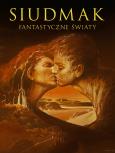
Prawdziwa uczta dla miłośników twórczości Wojciecha Siudmaka i uniwersum Diuny stworzonego przez Franka Herberta!Fantastyczne światy, nowy album Wojciecha Siudmaka, zawiera około 200 rysunków i obrazów pochodzących z jednego z najpiękniejszych pełnych wydań cyklu Kroniki Diuny Franka Herberta oraz ich kontynuacji napisanych przez Briana Herberta do spółki z Kevinem J. Andersonem.
Wyjątkowy śpiewnik zawierający wybór 100 najważniejszych dla historii naszego kraju utworów patriotycznych. Układ na głos z akompaniamentem fortepianu i z chwytami gitarowymi dają nieograniczone mozliwości korzystania ze zbioru osobom o różnym stopniu zaawansowania muzycznego. Dodatkowym atutem publikacji są komentarze lokujące każdą z pieśni w szerszym kontekście historycznym.Antologia Pieśni Patriotycznej powstała dla starszych i młodszych, grających i śpiewających, uczniów i nauczycieli, dla świetnie znających te utwory i dla tych, którzy dopiero chcą się ich nauczyć. To śpiewnik dla każdego Polaka.
Sanktuaria katolickie istnieją na całym świecie, ale nigdzie nie notuje się takiego ich rozkwitu jak w Polsce – tak było w dawnych wiekach, tak jest i teraz. Gdy na świecie kościoły są zamykane lub wzorem bolszewickim przekształcane na magazyny, muzea lub galerie wystawowe, w naszym kraju pobożność ludowa kwitnie i nieustannie się rozwija. Sanktuaria są to świątynie, w których w sposób szczególny czczony jest Jezus Chrystus, Maryja lub święci Kościoła katolickiego, wyobrażeni figurą bądź obrazem, symbolizowani relikwiami. Już w Starym Testamencie podobnie upamiętniano miejsca, w których objawiał się Bóg. Sanktuaria notują wzmożony kult i wielką aktywność duszpasterską. Często łączą funkcje parafialne lub katedralne. Dzielą się na trzy kategorie: diecezjalne, powoływane przez miejscowego biskupa, narodowe, ustanawiane decyzją episkopatu, oraz międzynarodowe (światowe), mianowane przez Stolicę Apostolską.
Najwięcej jest sanktuariów Maryjnych (ok. 70 proc.), następnie sanktuariów upamiętniających świętych i błogosławionych (ok. 20 proc.); sanktuaria Pańskie stanowią ok. 10 proc. Stan ten oddaje również niniejszy album poświęcony obiektom polskim. Jest to pierwsze dzieło edytorskie o takim zakresie; wybitny artysta Adam Bujak sfotografował aż 160 sanktuariów w przeróżnych regionach kraju. Nie są to oczywiście wszystkie obiekty, ale praca i tak jest potężna – oddaje zarówno stan, jak i jakość pobożności w Polsce. Ze zdjęć dowiadujemy się ponadto, jak wielkim rezerwuarem wspaniałej sztuki narodowej z różnych epok są sanktuaria, które przez wieki podtrzymują ducha wiary i patriotyzmu, utrwalają tradycję, przechowują pamięć o rodzimej kulturze, umacniają naszą polską tożsamość. Towarzyszący fotografiom tekst znawcy tematyki kościelnej i pisarza Czesława Ryszki świetnie uzupełnia naszą wiedzę zarówno o idei sanktuariów, jak i o poszczególnych obiektach. Lektura tej książki dostarczy wielkich przeżyć każdemu Polakowi, a dla cudzoziemców będzie efektownym wizerunkiem naszej Ojczyzny.
SANKTUARIA PAŃSKIE • Alwernia • Będzin • Białystok • Frysztak • Gdynia • Imbramowice • Jodłowa • Kalwaria Pacławska
• Kalwaria w Wejherowie • Kalwaria Zebrzydowska • Kraków • Łagiewniki • Miechów • Mogiła – Kraków • Pacanów •
Płock • Poznań • Poznań • Przeworsk • Sokółka • Święty Krzyż •
SANKTUARIA MARYJNE • Bardo Śląskie • Czarny Potok •
Dziekanowice • Gdańsk • Gdów • Gniezno • Grudziądz • Kazimierz Dolny • Kielce • Kraków • Koszalin • Leżajsk • Limanowa •
Maków Podhalański • Myślenice • Nowe Miasto Lubawskie • Odporyszów • Opole • Piotrków Trybunalski • Praszka • Przemyśl
• Rzeszów • Rudy • Rychwałd • Sejny • Szczyrzyc • Tuchów • Wieliczka • Wiślica •
POPRZEZ DZIEJE I MIEJSCA • Chorzelów
• Gidle • Gietrzwałd • Hrubieszów • Jarosław • Jasień W Bieszczadach • Jasna Góra • Krasnobród • Kodeń • Krzeptówki
• Krzeszów • Ląd • Leśna Podlaska • Leśniów • Licheń • Lubawa • Lublin • Ludźmierz • Łomża • Ostrożany • Pasierbiec •
Piekary Śląskie • Płoki • Przeczyca • Pszów • Rokitno • Różanystok • Rumia • Rywałd • Sanka • Skarżysko-Kamienna •
Skępe • Skrzatusz • Smardzowice • Święta Lipka • Święta Woda • Tarnobrzeg • Tarnowiec • Tarnów • Trzebinia • Wadowice
• Wambierzyce • Warszawa • Wiktorówki • Wola Gułowska •
SANKTUARIA ŚWIĘTYCH • Białe Morza – Kraków • Bydgoszcz
• Czerna • Dukla • Góra Świętej Anny • Grodzisko • Jędrzejów • Kalisz • Kamień Śląski • Kazimierz Biskupi • Kraków •
Kraków-Podgórze • Legnica • Niepokalanów • Nowy Korczyn • Nowy Żmigród • Pierściec • Pratulin • Radecznica • Siepraw •
Skoczów • Stary Sącz • Strachocina • Szczepanów • Święta Anna • Świnice Warckie • Toruń • Zabawa • Tropie • Trzebnica
• Wadowice • Warszawa • Włocławek • Wawel
Ina Benita to bez wątpienia jedna z najbardziej tajemniczych i intrygujących przedwojennych aktorek.Gwiazda kina i kabaretu tamtego okresu, a także scenarzystka i autorka tekstów piosenek. Przez Niemców oskarżana o współpracę z polskim podziemiem i więziona na Pawiaku, przez Polaków oskarżana o kolaborację z Niemcami. Po wojnie ślad po niej zaginął. Marek Teler, w oparciu o nieznane dotychczas źródła, odkrywa tajemnicę jej życia i powojenne losy artystki.Co miała w sobie platynowa femme fatale, uśmiechnięta blondynka jak o niej mawiano, że potrafiła oczarować i zafascynować tłumy? Mężczyźni nie potrafili oprzeć się jej urokowi, dziennikarze zabiegali o choćby krótkie wywiady. Co spowodowało, że porzuciła swą największą pasję i poświęciła się życiu rodzinnemu daleko od kraju?Książka opisuje także skomplikowane życiorysy artystów na wojennej scenie i pokazuje, że w czasie okupacji nic nie było jednoznaczne, a granica między bohaterstwem a zdradą bywała bardzo cienkaNa czym dokładnie polegała szpiegowska działalność artystów teatrów jawnych? Dlaczego po wojnie spotkali się z ostracyzmem i oskarżeniami o kolaborację?
Na krajowym rynku sztuki i antyków nie ma czym handlować. Towar na aukcje dostarczają kolekcjonerzy. Z Argentyny przywożą obrazy Chełmońskiego, dzieła Fangora odnajdują w USA, a polskie zabytkowe monety w Rosji.
Janusz Miliszkiewicz jako dziennikarz pisuje o inwestycjach na rynku sztuki. Temat zarabiania na sztuce lub antykach obecny jest w całej książce. Czytamy, jak dla zarobku odnaleźć w świecie zaginione obrazy, np. Chełmońskiego lub Fangora, jak omijać falsyfikaty i inne zagrożenia.
Miliszkiewicz napisał wspomnienia zawodowe i rodzinne. Przypomina różne swoje kampanie prasowe. W pierwszych latach 90. jako publicysta „Playboya” walczył z Kościołem o świeckie państwo, o prawa obywatelskie kobiet. Uliczne protesty kobiet czynią książkę wyjątkowo aktualną. W 1996 roku w pionierskim artykule opisał w „Playboyu” o. Tadeusza Rydzyka.
Autor ujawnia, jak działał we francuskiej masonerii. Opisuje poplątane losy rodziny. Ma 65 lat i 20-letniego prawnuka (!), którego odkrył na dalekim Kaukazie.
Miliszkiewicz wydał wcześniej m.in. bestseller „Kolekcja Porczyńskich – genialne oszustwo?” (współautor Mieczysław Morka) oraz „Polskie gniazda rodzinne”.
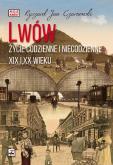
Opowieść o bogactwie życia codziennego XIX- i XX-wiecznego Lwowa. Próba przedstawienia żywego miasta i jego ludności, dotychczas często w opracowaniach pomijanej. Jej mentalność, wielokulturowość i relacje społeczne. Bogactwo architektury, postęp i rozwój. Książkę wzbogacają piękne, czasem wzruszające ilustracje, ukazujące pełną krasę tego niezwykłego miasta i jego mieszkańców.
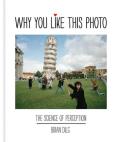
Combining science and photography, Brian Dilg explores the reasons behind Why You Like This Photo.
Beauty is not just in the eye of the beholder. It's something that can be measured and understood. Science Fact.
Scientists are starting to unravel more and more about how the mind has developed over human history, revealing some surprising truths about how the mind works. Did you know, for example, that the landscape photos people think of as most beautiful are closely correlated with exactly the kind of lush fertile landscape early humans sought out?
Featuring interviews with numerous great photographers combined with concepts from exciting areas of science and psychology, WHY YOU LIKE THIS PHOTO holds the inspiring and practical keys to capturing the images that you, and everyone, will love.
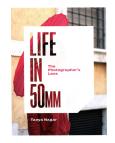
The 50mm lens is for photography purists. It’s cheap to buy, light to carry and gets amazing results. It also makes even the greatest photographers try just that little bit harder to frame the perfect image. As a result, it’s the first thing anyone buys after their camera.
Life in 50mm shares the greatest photos – and the personal experiences that led to them – from some of today’s leading photographers. It also explains why they chose to reject complicated modern zooms and express themselves through the 50mm prime in the first place.
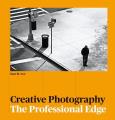
Stay ahead of the professional crowd.
To earn a living these days, your photography has to rise above a lot of noise, so you need all the advantages you can get. Here, Dan M. Lee gives you back-to-back hard-hitting ideas that are proven to make every shot in your portfolio a stand-out image that grabs attention and wins new clients.
Clients recognize and reward creativity. It's not enough to be competent with a camera: you need to experiment, find new perspectives, and innovate your workflow if you want to stay competitive. Whether that's using drones for aerial viewpoints, or creating perfect 360-degree real-estate images, this book gives you the edge you need to make it as a professional photographer.
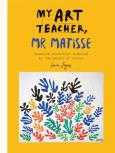
Pick up a pen and begin an artistic voyage of discovery like no other.
Henri Matisse is considered one of the greatest artists of the twentieth century with a unique vision that continues to inspire artists to this day. Guided by Matisse's innovative methods and wise words, this colourful book sets you a variety of tasks to complete on the page, and describes several techniques for you to attempt any way you please.
MY ART TEACHER, MR MATISSE is the first in a delightful new series of master-led activity books where you will also discover the wisdom and expertise of Mr Picasso.
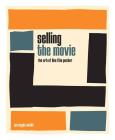
As long as there have been movies, there have been posters selling films to audiences. Posters came into existence just decades before the inception of film, and as movies became a universal medium of entertainment, posters likewise became a ubiquitous form of advertising. At first, movie posters suggested a film's theme, from adventure and romance to thrills and spine-tingling horror. Then, with the ascendancy of the film star, posters began to sell icons and lifestyles, nowhere more so than in Hollywood. But every country producing films used posters to sell their product.
Selling the Movie: The Art of the Film Poster charts the history of the movie poster from both a creative and a commercial perspective. It includes sections focusing on poster artists, the development of styles, the influence of politics and ideology, and how commerce played a role in the film poster's development. The book is richly illustrated with poster art from many countries and all eras of filmmaking.
From creating the brand of Charlie Chaplin's tramp and marketing the elusive mystique of Greta Garbo, to the history of the blockbuster, the changing nature of graphic design by the decade, and the role of the poster in the digital age, Selling the Movie is an entertaining and enthralling journey through cinema, art, and the business of attracting audiences to the box office.
Ten produkt jest zapowiedzią. Realizacja Twojego zamówienia ulegnie przez to wydłużeniu do czasu premiery tej pozycji. Czy chcesz dodać ten produkt do koszyka?