W tej strefie zapraszamy czytelników tak zwane artystyczne dusze po książki z kategorii Sztuka. Polecamy szereg publikacji o sztuce i jej historii,ciekawostki i portfolia artystów, eseje, albumy, książki o malarstwie, rzeźbiarstwie, architekturze oraz histoii fotografii. Biografie ciekawych artystów, książki i powieści przedstawiające fascynujące losy malarzy i osób uwiecznianych na obrazach. W tym dziale tylko ksiązki ze sztuka w tle.
Niniejsza publikacja, przygotowana z okazji 200. rocznicy urodzin Fryderyka Chopina (2010), jest fotograficznym zapisem prawie stuletniej tradycji promowania największego polskiego kompozytora poprzez warszawskie Międzynarodowe Konkursy Chopinowskie. Ukazuje miejsca, ludzi i wydarzenia nierozerwalnie związane z atmosferą tej szczególnej olimpiady artystycznej, podczas której prezentują się utalentowani muzycy z całego świata. Zachowany materiał zdjęciowy ukazuje najwybitniejszych, czasem juz legendarnych chopinistów, dokumentuje koncerty okolicznościowe, wystawy, spotkania oraz kulisy imprezy. Daje świadectwo popularności Chopina, pełnej entuzjazmu recepcji jego dzieł wśród stale rosnącej liczby kandydatów do Konkursu i żywiołowej reakcji publiczności.
„Pierwszym wrażeniem, jakie odniosłam w trakcie lektury książki prof. Macieja Goła?ba była konsternacja i uczucie niedowierzania, z˙e taka praca została napisana dopiero teraz. W cia?gu znacznie ponad 200 lat od czasu powstania Mazurka Da?browskiego i 100 lat jego funkcjonowania jako konstytucyjnie zatwierdzonego hymnu narodowego (II Rzeczpospolitej, Polskiej Republiki Ludowej i III Rzeczpospolitej) nie zostały gruntownie, na podstawie przekazo´w z´ro´dłowych – faktograficznych i przede wszystkim muzycznych (w tym nutowych i dz´wie?kowych) – zbadane okolicznos´ci powstania melodii Mazurka oraz jej recepcji, rozpowszechniania i przemian, kto´rym podlegała zanim ukształtował sie? inwariant znany wszystkim Polakom jako ich najwaz˙niejsza narodowa pies´n´. [...] Recenzowana ksia?z˙ka jest pozycja? znakomita? i wejdzie do kanonu prac nie tylko muzykologicznych, ale takz˙e historycznych, literaturoznawczych i kulturologicznych, całkowicie zmieniaja?c wyobraz˙enie badaczy oraz innych oso´b zainteresowanych historia? Polski schyłku XVIII i XIX wieku o pocza?tkach i „dojrzewaniu” melodii Mazurka Da?browskiego, o funkcjach ro´z˙nych muzycznych warianto´w tej pies´ni na ziemiach polskich i w rozmaitych krajach europejskich, zwłaszcza w czasie powstania listopadowego i w latach naste?pnych, mniej wie?cej do połowy XIX stulecia,a wreszcie, o znaczeniu zachodza?cych w tym czasie proceso´w dla ukształtowania sie? naszego hymnu narodowego”.
z recenzji prof. Barbary Przybyszewskiej-Jarmin´skiej
„Melodia Pieśni Legionów to już u zarania jej historii szczególny tekst. Niczym sonda geologiczna przenika do wszystkich warstw społecznych. Śpiewają ja? zarówno oficerowie, jak i pochodzący z gminu legioniści Dąbrowskiego, a w następnym pokoleniu uczestnicy powstania listopadowego; jest równie popularna w środowiskach szlacheckich i wśród mieszczaństwa. Stanowi cały czas żywą tradycje? oralna?, która z opóźnieniem oddziałuje na zainspirowanych nią muzyków, dokumentujących poprzez zapisy nutowe jej muzyczne treści”.
„Pieśń ta przenika wszystkie warstwy kultury. Jej ogromny potencjał recepcyjny oddziałał na hymny innych narodów. Znajdziemy ja? kultywowana? w utworach muzyków amatorów, kompozytorów minorum gentium, lecz także w dziełach znakomitości swojej epoki. Przenika niezmiernie popularne w tym czasie formy batalii muzycznych, znajdujemy ja? w wodewilu i w chóralnej pieśni burszowskiej, a zbanalizowana? w formie walczyków, fantazji i morceaux w salonie mieszczańskim jako przejaw ówczesnej Trivialmusik. Ma także swój krąg sublimacji artystycznych, wkraczając na teren klasycznych gatunków muzycznych: wariacji i rozbudowanych dzieł wokalno-instrumentalnych. To korpus twórców i dzieł zupełnie zapomnianych, które łączy muzyczny temat Pieśni Legionów. Czyż nie jest to wystarczający powód, by nie tylko przywrócić je świadomości badaczy, lecz także wskrzesić repertuarowo?”
Książka jest rezultatem badań nad życiem i twórczością niemieckiego pianisty i kompozytora, jednego z najlepszych i bez wątpienia ulubionego ucznia Fryderyka Chopina. Książka poszerza dotychczasową skąpą wiedzę, weryfikuje również dotychczas znane, niejednokrotnie sprzeczne informacje, ukazujące Gutmanna w krzywym zwierciadle.
W wyniku drobiazgowej kwerendy bibliotecznej i archiwalnej autorka zgromadziła nieznane dotychczas w polskiej literaturze fakty biograficzne, dokumenty, źródła dotyczące działalności artystycznej, pianistycznej i kompozytorskiej Gutmanna. Recenzje prasowe (niemieckie, francuskie) i odkrycie na nowo zapomnianej twórczości przybliżają postać Gutmanna i epokę, w której żył i tworzył.
Książka jest swoistą biografią Adolfa Gutmanna (1819–1882) – człowieka i artysty, cieszącego się w XIX wieku dużym uznaniem. Szczególna uwaga zostaje poświęcona znajomości z Chopinem, miejscu Gutmanna w kręgu uczniów i przyjaciół genialnego kompozytora. Mistrz pozostawił wiele wyrazów szczerej, osobistej sympatii; dawał też liczne dowody uznania dla umiejętności pianistycznych Gutmanna, jak np. wspólny koncert w paryskiej Salle Pape 1838 r., dedykacja Scherza cis-moll op. 39. Gutmann zaś przysłużył się Chopinowi choćby jako kopista, drugi obok Juliana Fontany, sporządzając 9 kopii edycyjnych dzieł mistrza, które stanowiły podstawę pierwszych wydań.
Teresa Murak (ur. 1949) jest jedną z najważniejszych i najoryginalniejszych postaci w sztuce polskiej. Od ponad pięciu dekad w swoich rzeźbach, obiektach, fotografiach, akcjach i działaniach nawiązuje bliski kontakt z naturą, by stawiać fundamentalne pytania o życie i śmierć, materię i ducha. Jej twórczość nie przestaje fascynować, przyciąga uwagę najrozmaitszych środowisk, od konserwatystów po ekofeministki, wymyka się kategoryzacjom, a jednocześnie sytuuje się w centrum kluczowych debat o kondycji świata. Książka Teresa Murak nowe spojrzenia ukazuje aktualność jej sztuki, prezentując współczesne głosy na temat tej wyjątkowej artystki i wpisując ją w kontekst międzynarodowy.
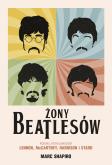
Czy bycie żoną Lennona, McCartneya, Harrisona albo Starra było szczęśliwym zrządzeniem losu czy raczej przekleństwem?W swojej muzycznej twórczości Beatlesi odmieniali słowo "miłość" przez wszystkie przypadki. Byli autorami największych hitów : All My Loving, If I Fell czy All You Need is Love. Pisali je dla kobiet - swoich żon, muz i towarzyszek. Kochanych przez muzyków i nienawidzonych przez groupies.Poznaj słynną czwórkę z Liverpoolu z zupełnie innej strony. Bo nikt nie wiedział o Beatlesach tyle, co ich kobiety.Jak Cynthia radziła sobie z napadami złości Lennona?Dlaczego Yoko Ono nie chciała mieć dzieci i czy to ona rzeczywiście odpowiada za rozpad słynnej czwórki z Liverpoolu?Czy Harrison naprawdę wyznał miłość Maureen w obecności jej męża i jednocześnie swojego przyjaciela z zespołu oraz własnej żony?Jak doszło do tego, że Pattie rzuciła George'a dla jego najlepszego przyjaciela, Erica Claptona?Żony Beatlesów żyły w cieniu swoich sławnych mężów, na co dzień stawiając czoła ich nałogom i słabościom. Każdy zna ich jako wielkich muzyków. One poznały wszystkie strony ich osobowości - również te najmroczniejsze.Jacy naprawdę byli Beatlesi, gdy gasły światła jupiterów?
Był Hübner jak Bogusławski aktorem, reżyserem, dyrektorem scen, autorem sztuk i adaptacji scenicznych, krótko mówiąc, łączył w sobie talenty wszystkich niemal teatralnych specjalności. Od początków polskiej sceny narodowej minęło ponad dwa i pół wieku. Dzisiejsi aktorzy mają o wiele większą przestrzeń artystycznej działalności. Był więc Hübner także aktorem i reżyserem filmowym, telewizyjnym, radiowym. Był wykładowcą aktorstwa i reżyserii, był teoretykiem teatru, pisał o nim książki naukowe i popularyzatorskie, pisał recenzje, felietony, eseje. Był wreszcie działaczem teatralnym na arenie międzynarodowej, a nade wszystko wielkim autorytetem całego środowiska w Polsce.
El universo Frida Kahlo, published under a joint imprint by Editorial RM and Museo Frida Kahlo, allows us to refresh and bring up to date the rich diversity of themes, ideas, concepts, and emotions generated around two fundamental and iconic figures in modern Mexico: Frida Kahlo and Diego Rivera. Based on the 2013 edition, sponsored by Bank of America and produced in collaboration with the magazine Vogue Mexico and Latin America, this new edition gathers a range of essays by specialists on the various subjects it addresses.
The main character of this extraordinary graphic novel is not a person but an idea—the school of Bauhaus, which arose in the wake of World War I, and emerged as the fundamental reference point for virtually every avant-garde artistic movement that followed. Visually arresting illustrations and engaging texts place the novel’s protagonist squarely in the middle of the twentieth-century debate on the relationship between technology and culture.
The novel is divided into three chapters that trace the evolution of the Bauhaus, as its center moved across Germany—from Weimar to Dessau to Berlin—and as its philosophy responded to this economically, politically and intellectually highly charged era in Europe. Sergio Varbella’s inventive drawings bring to life the theories of founder Walter Gropius, as well as the basic design ideals of unity and equity. Valentina Grande’s thoughtful texts highlight crucial moments within the movement’s history and in the lives of principal figures such as Klee, Kandinsky, Josef and Anni Albers, László and Lucia Moholy-Nagy, Gunta Stözl, and Mies van der Rohe. The perfect introduction to a radical but highly influential chapter in the history of design, this novel shows how the Bauhaus school broke down barriers and built up ideals that are still applied today.
The direct impulse for the undertaking was the experience of scientific work and exchange during the COVID-19 pandemic as a first-hand touch of the "poetics of disappearance" (p. 16). It is, needless to say, an experience with which the writer of these words deeply sympathizes, as most of the people nowadays probably do. Therefore, the book can claim a wide appeal, resulting not only from the topicality of its subject matter, but also the emotional affinity to the authorial perspectives in the book which its readers are bound to feel when reading individual contributions. () It is an inspiring book, in which many brilliant ideas coincide to offer a nuanced and complex view of what has become a defining feature of daily life of a large fraction of humankind. I am certain that it will be read with great interest by students and faculty in humanities and social sciences. The book tackles material which is international in reach and appeal, therefore it may be congenial to international audiences if made available as an e-book. Marta Bucholc Faculty of Sociology University of Warsaw
Zeszyty Fotografowie na Śląsku Opolskim w latach 1839-1944 obejmują swoim zasięgiem fotografów obecnego województwa opolskiego. Podstawą źródłową tego katalogu są zdjęcia. Pokazują one warsztat fotografa, sprzęt, stosowaną technikę, winiety i materiały jakich używał, sposób ustawiania modela, osoby najczęściej fotografowane, mówią też wiele o zmieniających się zwyczajach i obowiązującej modzie. Poszczególne omówienia są niejednakowe, w większości pobieżne i tylko sygnalizujące, gdzie przebywał dany fotograf, inne są w miarę obszerne, w przypadkach, gdy istotne lub ciekawe epizody nie były dotąd znane, są odkrywcze, prostują lub uzupełniają wcześniejsze dane. W sumie w kolejno wydawanych zeszytach będzie odnotowanych ponad 500 alfabetycznie ułożonych nazwisk fotografów Redakcja prosi czytelników i znawców tematu o nadsyłanie uwag lub uzupełnień do wydawanych zeszytów, pominięte nazwiska fotografów znajdą się w końcowym zeszycie w uzupełnieniach i sprostowaniach.
Zeszyty Fotografowie na Śląsku Opolskim w latach 1839-1944 obejmują swoim zasięgiem fotografów obecnego województwa opolskiego. Podstawą źródłową tego katalogu są zdjęcia. Pokazują one warsztat fotografa, sprzęt, stosowaną technikę, winiety i materiały jakich używał, sposób ustawiania modela, osoby najczęściej fotografowane, mówią też wiele o zmieniających się zwyczajach i obowiązującej modzie. Poszczególne omówienia są niejednakowe, w większości pobieżne i tylko sygnalizujące, gdzie przebywał dany fotograf, inne są w miarę obszerne, w przypadkach, gdy istotne lub ciekawe epizody nie były dotąd znane, są odkrywcze, prostują lub uzupełniają wcześniejsze dane. W sumie w kolejno wydawanych zeszytach będzie odnotowanych ponad 500 alfabetycznie ułożonych nazwisk fotografów Redakcja prosi czytelników i znawców tematu o nadsyłanie uwag lub uzupełnień do wydawanych zeszytów, pominięte nazwiska fotografów znajdą się w końcowym zeszycie w uzupełnieniach i sprostowaniach.
Monografia naukowa Świat z perspektywy sztuki, sztuka w perspektywie świata #Rysunek to czwarty tom serii wydawniczej Wydziału Sztuk Pięknych UMK w Toruniu. Zarówno poprzednie tomy, jak i ten obecny mają na celu stworzenie dogodnej przestrzeni dla twórczej wymiany poglądów, opinii i prezentacji wiedzy na temat szeroko rozumianej kultury, sztuki i edukacji przez przedstawicieli środowisk naukowych, artystycznych i edukacyjnych. To, co wyróżnia ten tom, to wątek przewodni, którym stała się problematyka szeroko rozumianego rysunku. Na ten temat wypowiedzieli się przedstawiciele odmiennych dyscyplin naukowych i dziedzin sztuki, a także autorzy, którzy swobodnie poruszali się na ich pograniczach. Poza tym głos zabrali badacze z różnych pokoleń – tacy, którzy w artykułach dzielili się swoimi wieloletnimi doświadczeniami artystycznymi, naukowymi lub edukacyjnymi, jak również młodzi naukowcy, artyści i nauczyciele, którzy dopiero poszukują swoich ścieżek artystycznych i badawczych.
Prezentowane w tomie rozdziały oscylują wokół trzech zasadniczych obszarów tematycznych, tworzących zarazem trzy części monografii. Pierwsza część – Rysunek w perspektywie praktyki artystycznej – dotyczy twórczości rysunkowej wybranych artystów. Druga – Rysunek w perspektywie sztuki i biografii twórczej – zawiera refleksje artystów, teoretyków sztuki oraz pedagogów na temat miejsca rysunku jako doświadczenia artystycznego i biograficznego. Trzecia zaś część – Rysunek w perspektywie edukacji – to głos teoretyków i praktyków edukacji artystycznej.
Monografia naukowa Świat w perspektywie sztuki, sztuka w perspektywie świata #Środowisko to piąty tom serii wydawniczej Wydziału Sztuk Pięknych Uniwersytetu Mikołaja Kopernika w Toruniu. Opracowanie zawiera teksty dotyczące szeroko rozumianej kultury, sztuki oraz edukacji artystycznej i wychodzi naprzeciw potrzebie tworzenia przestrzeni dla prezentacji poglądów i wymiany doświadczeń środowiska naukowo-artystycznego. Prezentowane teksty odzwierciedlają różnorodność tego środowiska, które tworzą artyści, teoretycy sztuki, edukatorzy, nauczyciele. Znajduje to odbicie w wielości podejmowanych wątków rozważanych z odmiennych punktów widzenia i perspektyw. Należy podkreślić integrujący wymiar tej publikacji, oferującej gronu praktyków i teoretyków zainteresowanych sztuką i edukacją artystyczną możliwość podzielenia się nowoczesnymi koncepcjami, interesującymi ideami, analizami, wynikami badań, znaczącym dorobkiem artystyczno-naukowym, innowacyjnymi metodami pracy. Warto w tym kontekście zauważyć, że tematem przewodnim tego tomu jest środowisko. Stąd refleksja nad szeroko rozumianym otoczeniem: artystycznym, społecznym, kulturowym, medialnym, przyrodniczym, pojmowanym jako wyzwanie, ale i inspiracja dla współczesnej sztuki i edukacji artystycznej.
Tematem przewodnim szóstego tomu serii wydawniczej Świat w perspektywie sztuki, sztuka w perspektywie świata #Interdyscyplinarność Wydziału Sztuk Pięknych Uniwersytetu Mikołaja Kopernika w Toruniu jest interdyscyplinarność.
Zebrane w tomie teksty prezentują różnego rodzaju podejścia do interdyscyplinarnego charakteru sztuki. Dotyczą one zarówno twórczej partycypacji, jak i refleksji teoretycznej oraz relacji z innymi dyscyplinami nauki. Zakres tematyczny obejmuje szerokie spektrum rozważań i analiz – od naukowych opracowań współczesnych koncepcji i idei, poprzez przedstawianie wyników badań i ich metod, do analizy współczesnych tendencji w sztuce i twórczości wybranych artystów. Autorami prezentowanych opracowań są reprezentanci różnych środowisk: artyści, teoretycy sztuki, edukatorzy, nauczyciele. W swoich tekstach odnoszą się do sztuki, kultury i sztuki popularnej, mediów, muzyki. To, co połączyło ich wszystkich, to autentyczna potrzeba, by zabrać głos w sprawach, które pozostają dla nich niezwykle istotne. Chodzi o sztukę, kulturę i edukację artystyczną.
Monografia zbiorowa jest księgą jubileuszową dedykowaną prof. Szczęsnemu Skibińskiemu z okazji 80. urodzin i zawiera teksty badaczy z całej Polski, dotyczące problematyki naukowej pośrednio i bezpośrednio związanej z działalnością Jubilata.
Sentymentalna podróż do czasów młodości kinomana, który przekuł swą miłość do kina w twórczy zapał filmowca. To też PRL widziany oczami młodego marzyciela, ówczesna przaśna rzeczywistość, transformacja i w końcu epoka pełnego nadziei kapitalizmu, często przynoszącego rozczarowanie.Andrzej Lorenc, z urodzenia wrocławianin, snuje wspomnienia o swoim życiu zapalonego miłośnika kina i filmowca amatora od lat 50. XX wieku do czasów dzisiejszych. W swej opowieści dokumentuje cząstkę dziejów amatorskich klubów filmowych prężnie działających w okresie PRL. Wraca też pamięcią do Ogólnopolskiego Festiwalu Filmów Amatorskich Pol-8 odbywającego się w Polanicy-Zdroju w latach 1965-2010. Szczegółowo opisuje osiągnięcia zarówno Sióstr i Braci Filmowców, jak i swoje, poświęcając wiele miejsca własnym inspiracjom twórczym i sposobom realizacji obrazu filmowego.Autor ratuje od zapomnienia fascynujący fragment historii polskiego filmu amatorskiego, ale też daje nadzieję na jego nowe życie.dr Klaudia Dróżdż
Zbeletryzowana biografia jednego z najbardziej znanych artystów stworzona przez mistrza pióra.Żaden artysta nie zapłacił tak wysokiej ceny za swój niezwykły dar, żadnego też pasja tworzenia nie pozbawiła tak bezlitośnie możliwości zaznania zwykłego ludzkiego szczęścia. Vincent van Gogh. Malarz geniusz, którego krótkie życie było nieustanną walką z ubóstwem, niemocą, szaleństwem i rozpaczą, wkrótce po śmierci został uznany za jednego z największych artystów w historii.Ekscytujący Paryż postimpresjonistów i wnikliwa rekonstrukcja drogi twórczej van Gogha.
O czym jest ta książka?
O problemach związanych z konceptem nowoczesności i uwarunkowaniach modernizmu – w teorii i praktyce projektowej.
O tym, co ludziom robi architektura jako narzędzie kapitału i co można z tym zrobić – systemowo i oddolnie.
O tym, że kapitalizm niszczy planetę, ale nie wszystko jeszcze stracone (albo chcemy tak myśleć).
O tym, że architektura jest materią różnego rodzaju, że splata się z naszymi zmysłami, naszą teraźniejszością, przeszłością i przyszłością.
O próbach radzenia sobie z rzeczywistością, także poprzez jej rozumienie.
O wyjściu z destrukcji i o regeneracji.
O tym, jak próbować ocalić architekturę i dlaczego ona jest ważna.
Żyjemy w epoce dynamicznych zmian, zachwiania struktur i wyrażanej często potrzeby reorganizacji świata. Wiele dotkliwych problemów, w tym katastrofa klimatyczna, jest spowodowane przez sposób podejścia do przestrzeni, przetwarzania naszego środowiska życia przez architekturę w późnym kapitalizmie. Książka W przejściu. 43 teksty o architekturze i przestrzeni – zbierająca najważniejsze artykuły publikowane w ciągu ostatnich dwudziestu lat w kwartalniku „Autoportret” – jest próbą diagnozy współczesności, lecz również wskazywaniem kierunków zmian. Jesteśmy w przejściu, w przestrzeni pomiędzy.
Teksty autorstwa wybitnych polskich i zagranicznych architektów i architektek, socjologów i socjolożek, antropologów/żek, pisarek i pisarzy zostały wybrane spośród kilkuset, które ukazały się dotąd w 76 numerach tematycznych „Autoportretu” – jedynego czasopisma w Polsce zajmującego się przestrzenią jako zjawiskiem kulturowym.
Teksty zostały pogrupowane w cztery rozdziały:
Architektura i urbanistyka: Od mitów modernizmu do kolonializmu
Społeczeństwo/mieszkańcy: Od spekulacji do troski i bliskości
Sytuacja planety/klimat: Od niszczenia do ratującego bagna
Materialność/zmysły: Od klocków do splatania węzłów
Autorki i autorzy artykułów i wywiadów: Juhani Pallasmaa, Maciej Miłobędzki, Marcin Wicha, Aleksandra Kędziorek, Elke Krasny, Hilde Heynen, Alicja Gzowska, Dorota Jędruch, Michał Wiśniewski, Panayotis Tournikiotis, Łukasz Wojciechowski, Agata Twardoch, Owen Hatherley, Kacper Kępiński, Ewa Klekot, Centrala (Małgorzata Kuciewicz, Simone De Iacobis), Kasper Jakubowski, Kasia Nawratek, Levente Polyak, Magdalena Zych, Jurko Prochaśko, Vladmir Czumalo, Krzysztof Nawratek, Emiliano Ranocchi, Simona Forti, Elżbieta Rybicka, Wadim Bass, Kinga Zemła, Reinier de Graaf, Marcel Andino Velez, Marta Karpińska, Małgorzata Jędrzejczyk, Dorota Leśniak-Rychlak, Daniel A. Barber, Tim Ingold, Aleksandra Czupkiewicz, Marcin Mateusz Kołakowski.
Rozmowy z: Maciejem Siudą, Jean-Louis Cohenem, Pawłem Jaworskim, Mateuszem Halawą, Grzegorzem Piątkiem, Jarosławem Trybusiem, Sandi Hilal, Juhanim Pallasmą, Marcinem Wichą.
Eseje wizualne: Ola Paduch, Wojciech Wilczyk, Jakub Woynarowski
Ten produkt jest zapowiedzią. Realizacja Twojego zamówienia ulegnie przez to wydłużeniu do czasu premiery tej pozycji. Czy chcesz dodać ten produkt do koszyka?