W tej strefie zapraszamy czytelników tak zwane artystyczne dusze po książki z kategorii Sztuka. Polecamy szereg publikacji o sztuce i jej historii,ciekawostki i portfolia artystów, eseje, albumy, książki o malarstwie, rzeźbiarstwie, architekturze oraz histoii fotografii. Biografie ciekawych artystów, książki i powieści przedstawiające fascynujące losy malarzy i osób uwiecznianych na obrazach. W tym dziale tylko ksiązki ze sztuka w tle.
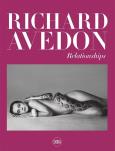
Photographer Richard Avedon, with a more than six-decade-long career, produced innovative and delightful work in fashion, as well as incisive and captivating portraits. Over the course of his lifetime he worked with a number of models and a wide range of portrait subjects, creating a powerful body of pictures that allow his viewers to study the likenesses of actors, ballet dancers, celebrities, civil rights activists, heads of state, inventors, musicians, visual artists and writers. Avedon offers viewers the opportunity to study faces without crossing any socially imposed boundaries about staring too long; he encourages viewers to think about the people before them, the lives they have lived, their private personalities and public personas, their struggles, accomplishments, disappointments, and joys. Richard Avedon. Relationships presents a selection of 100 iconic fashion photographs and portraits, from the extensive collection at the Center for Creative Photography, to delve into his approach to photographing people. Avedon’s combination of talent and skill, technical proficiency and attuning to his individual subjects, allowed him to make portraits that are riveting presentations of the people he photographed. Indeed, he achieved mastery of the portraiture form. Avedon had the opportunity to photograph a number of his portrait subjects on more than one occasion. Within the catalogue it is possible to see painter Jasper Johns in 1965 and 1976; novelist Carson McCullers in 1956 and 1958; the Beatles Andy Warhol, Marilyn Monroe, and poet Allen Ginsberg in 1963 and 1970. Perhaps the most dramatic and powerful example of Avedon’s ongoing photographic relationship is that with his friend and collaborator, Truman Capote.
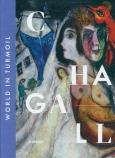
Marc Chagall (1887–1985) is regarded as the poet amongst modernist artists. His works from the 1930s and 1940s are less well known. In them, his bright colour palette became darker. Even in the early 1930s, Chagall addressed the increasingly aggressive anti-Semitism and touched in his artistic works on central themes such as identity, homeland and exile. In over 100 haunting paintings, works on paper and costumes, the volume traces the artist’s search for a pictorial language in the face of displacement and persecution. It presents important works in which Chagall increasingly focuses on his Jewish environment: numerous self-portraits, his devotion to allegorical and Biblical subjects, important designs from his time in exile in the United States and main works like The Falling Angel. The book offers a highly topical perspective on the oeuvre of one of the most important artists of the 20th century.
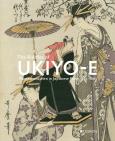
Women and men – strong, proud, tragic or beautiful – from the heyday (1765–1865) of Japanese printmaking are this book’s subject. It seeks to dig below the surface of the prints to describe the often subtle iconography employed in these masterful creations by the most famous artists of their time. It begins with Suzuki Harunobu’s subdued and introverted scenes of women seated on verandas. The book then moves on to the spectacular ‘big face’ (okubi-e) portraits of prostitutes and Kabuki actors by artists like Kitagawa Utamaro, Toshusai Sharaku and Utagawa Kunimasa. Frail ‘streetwalkers’, forced by circumstance into the lowest ranks of prostitution, are transformed into elegant beauties, obscuring their tragic existence. The spectacle of heroes from Japan’s rich mythological and pseudo-historical past crowd the printed sheet. Stern-faced actors drawn by the confident hands of Utagawa Toyokuni and his pupil Kunisada demonstrate the economy of line and powerful expression of the woodblock medium. Each print is explored in the finest detail in order to explain the riddles of Ukiyo-e –the intriguing and captivating mode of visual expression that would have such a profound influence on Western art.
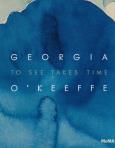
In 1916, Georgia O’Keeffe wrote to Alfred Stieglitz that she had “made [a] drawing several times - never remembering that I had made it before - and not knowing where the idea came from.” These drawings, and the majority of O’Keeffe’s works in charcoal, watercolor, pastel, and graphite, belong to series, in which she develops and transforms motifs that lie between observation and abstraction. In the formative years of 1915 to 1918, she made as many works on paper as she would in the next forty years, producing sequences in watercolor of abstract lines, organic landscapes, and nudes, along with charcoal drawings she would group according to the designation “specials.” While her practice turned increasingly toward canvas in subsequent decades, important series on paper reappeared - including charcoal flowers of the 1930s, portraits of the 1940s, and aerial views of the 1950s. Published in conjunction with an exhibition at The Museum of Modern Art, New York, this richly illustrated volume highlights the drawings of an artist better known as a painter, and reunites individual sheets with their contextual series in order to illuminate O’Keeffe’s persistently sequential practice.
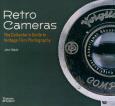
An accessible, design-led guide to the coolest, most collectible vintage film cameras combined with a practical reference to discovering the authentic buzz of shooting with film. Retro Cameras is a stylish, design-led guide to classic and retro cameras aimed at those who want to discover the world of analogue photography. It includes more than 100 camera models, from the easily affordable to the highly collectible, in 13 formats: 35 mm SLRs; 35 mm Rangefinders; 35 mm Viewfinder Cameras; Roll Film SLRs; Sheet and Roll Film Folding Cameras; Twin Lens Reflexes; Instamatics; Stereo Cameras; Panoramic and Wide-angle Cameras; Miniature Cameras and Instant Cameras. Supplementing an already comprehensive resource are quick reference shooting guides for each format, as well as a section on retro camera accessories. With over 400 specially commissioned photographs, practical advice on how to use and get the most out of each camera, buyers’ tips and a dedicated glossary, Retro Cameras is a perfect reference for young photographers who want to get creative with analogue photography, while also offering authoritative guidance for more experienced collectors and enthusiasts.
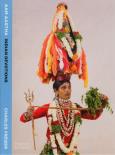
A festival of Indian folk rituals and costumes bursting with colour, captured by renowned photographer Charles Fréger, the creator of a distinctive and powerful new genre of portrait photography. Internationally renowned photographer Charles Fréger continues to explore global traditions and cultures, by celebrating the powerful visual aspects of Indian folk culture and religious ritual. India is the home to a myriad of local traditions, legends and religions, each with their own festivals, rites and rituals. Celebrations burst with vivid colours and often wildly exuberant costumes, some representing gods and goddesses, others legendary heroes from Sanskrit epics such as the Mahabharata and the Ramayana. In Charles Fréger’s photographs, those who honour local cultural traditions are represented in single or group portraits, represented against carefully chosen landscapes and backdrops, from the heart of festivals and celebrations. Fréger’s unmistakable style of portraiture allows us to admire the complexity of their adornments – masks and headdresses, costumes and body paint – and to consider the abundance of imagination that expresses India’s countless stories and characters, both human and divine. This spectacular gathering of warrior figures, deities, musicians, tigers, mahouts, epic characters and their avatars is accompanied by texts setting the huge variety of eclectic costumes in context, and describing the local festivals and rituals. This compelling sequence of new portraits will enthral those with an interest in folk traditions, as well as the followers of this internationally acclaimed photographer.
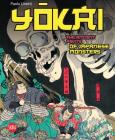
The long Pax Tokugawa was founded on the blood of 40,000 severed enemy heads. Indeed, 1600 marked the end of the period of wars that saw the defeat of the troops opposed to General Ieyasu Tokugawa.
The absence of wars, banishing the memories and horrors of past massacres, favoured the development of epic tales that gave rise to dark and terrifying atmospheres, such as the game of the hundred candles, a test of courage in which a handful of warriors meet on a summer night to tell each other scary stories populated by monsters from the national tradition. So we have the Joro¯ gumo, comely women who reveal their true nature as enormous spiders to their victims; the Tanuki, endearing badgers able to transform themselves; the Bakeneko, monstrous cats; the Kappa, aquatic beings that pester women; the Ningyo, mermaids whose fragrant flesh can give men renewed youth or an excruciating death.
The macabre ritual of the hundred candles is the great idea behind this original project that presents 200 works from the 18th and 19th centuries, including prints, rare antique books, clothes, weapons, swords, a samurai suit of armour, as well as seventy-seven precious netsuke, small ivory sculptures, from the Bertocchi private collection and a ten-metre long scroll that tells the story of Shutendoji, a mythological creature (Oni) at the head of an army of monsters that haunted Mount Oe near Kyoto. Published on the occasion of the exhibition at the Villa Reale in Monza, the book is a real journey of discovery of Japanese imagery, ranging from Hokusai’s famous manga notebooks (alongside his other masterpieces) to the works of Loputyn, the contemporary illustrator well known to hotaku manga enthusiasts.
“Seeing many of my works years after I completed them is a fascinating experience. I don’t really associate them with any particular time or place or state of mind, but view them as part of a long arc; a continuing of the way we go forth in the world and the way our perceptions are shaped and altered by life. One can be as profoundly influenced by events in Morretes, Brazil as the y can be by the man who sells them El País in Madrid.” –Bob Dylan, 2021
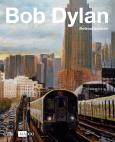
Spanning six decades, Retrospectrum showcases the development and range of Dylan’s visual practice, in tandem with that of his musical and literary canon. It features a wide selection of Bob Dylan’s artworks in an array of media, with important works loaned from private collections around the world. The artist’s diverse creations include oil, acrylic and watercolor paintings, as well as his ink, pastel and charcoal drawings and distinctive ironwork sculptures.
Among the artworks presented in Retrospectrum are some of the artist’s earliest ink sketches first published in 1973’s Writings and Drawings that illustrated and compiled Dylan's lyrics up until that time. These drawings are shown alongside works from last year's Mondo Scripto series, in which Dylan revisited some of his most renowned lyrics, hand-writing and illustrating them in his unique hand. The book also features the iconic Train Tracks paintings representing The Drawn Blank Series (2008) that first brought Bob Dylan’s visual artworks to critical and popular acclaim.
Retrospectrum also presents paintings from Dylan’s The New Orleans Series and The Asia Series (from 2012 and 2010 respectively), inspired by the artist’s own travels, as well as works from his hugely popular The Beaten Path Series (2015 – present). Among the artist’s most rarely seen pieces are his industrial ironworks, created from repurposed objects that speak to America’s industrial past.
The fourth edition of the essential introduction to digital art, one of contemporary art’s most exciting and dynamic forms of practice. This new edition of Christiane Paul’s acclaimed book investigates key areas of digital art practice that have gained in prominence in recent years, including the emergence and impact of location-based media, interactive public installation, augmentive and mixed reality, social networking and file-sharing and tablet technologies. It explores themes raised by digital artworks, such as viewer interaction, artificial life and intelligence, political and social activism, networks and telepresence, and issues surrounding the collection, presentation and preservation of digital art. It also looks at the impact of digital techniques and media on traditional forms of art such as printing, painting, photography and sculpture, as well as exploring the ways in which entirely new forms such as internet and software art, digital installation and virtual reality have emerged as recognized artistic practices.
A major study of Ukrainian art from 1900 to the mid-1930s – with loans from major museums in Ukraine, elsewhere in Europe, the United States (including MoMA) and Israel. How does artistic life flourish during revolution and conflict? Ukraine in the early 1900s endured unimaginable political upheaval, yet this became a period of true renaissance in Ukrainian art, literature, theatre and cinema. In the Eye of the Storm: Modernism in Ukraine, 1900–1930s presents the ground-breaking art produced in Ukraine in the early 20th century, focusing on the three key cultural centres of Kyiv, Kharkiv and Odesa. Against a complicated socio-political backdrop of collapsing empires, World War I, the revolutions of 1917 with the ensuing Ukrainian War of Independence, and the eventual creation of Soviet Ukraine, several strands of distinctly Ukrainian art emerged.
While émigrés such as Sonia Delaunay and Alexander Archipenko found fame outside their homeland, the followers of Mykhailo Boichuk focused on Byzantine revivalism, and the artists of the Kultur Lige sought to promote the development of contemporary Yiddish culture. The first avant-garde exhibitions in Ukraine featured the radical art of Davyd Burliuk and Alexandra Exter, and the dynamic canvases of the Kyiv-based Cubo-Futurist Oleksandr Bohomazov. In Kharkiv, Vasyl Yermilov championed the industrial art of Constructivism, while Vadym Meller, Anatol Petrytskyi, Oleksandr Khvostenko-Khvostov and Borys Kosarev revolutionized theatre design. The attempt to build a national identity in Ukraine resulted in a polyphony of styles and artistic developments across a full range of media – from oil paintings, sketches and sculpture to collages, cinema posters and theatre designs.
Twelve internationally renowned scholars, including curators from the National Art. Museum of Ukraine, bring to life this astonishing period of creativity in Ukraine and all the movements it encompassed.
A global overview of the most contemporary and ingenious – and comfortable – former light-industrial spaces transformed into stylish modern residences. The love of warehouse buildings – often in attractive waterside locations – has become a global phenomenon, from London to New York, from Sydney to Florence. Drawing on her own experience of living in a Grade II listed mill, Sophie Bush has amassed a wealth of knowledge, contacts and understanding about which ingredients make a building fit for contemporary habitation. Warehouse Home is the ultimate resource for everything from how best to preserve and complement original architectural features to style ideas for adapting vintage and reclaimed pieces for modern living. The book has a practical structure, broken down into two key sections. 'Architectural Features' looks at how to make the most of a space while retaining its features, such as exposed brickwork, concrete floors and mezzanines. It also draws on examples of former industrial buildings across the world that have been renovated to create distinctive homes and workspaces, each selected for the originality or intelligence of its design. ‘Decorative Details' provides tips on how to recreate the warehouse aesthetic in any home, from repurposing pallets and breeze blocks as furniture to transforming exhaust cones into unique lighting fixtures. A reference section includes ideas on where to source everything from furniture to finishes.
A vibrant survey of the trends and talents across the globe fuelling street photography today and a fresh take of what street photography is and can be. A world tour of the very best street photography today, Reclaim the Street showcases work by more than 100 contemporary photographers, from the established to the emerging, from all corners of the globe: here is work by Indian practitioner Swarat Ghosh, Thai photographer Jutharat Pinyodoonyachet (aka Poupay), and the Brazilian photographer Gustavo Minas. Truly diverse in scope, it pays long overdue attention to flourishing scenes throughout the world, interweaving thirty-four photographer portfolios, in-depth case studies, and surveys of the geographical hotspots where communities of street photographers are thriving today. Great photographic minds don’t think alike, nor are two streets identical: follow these photographers as they capture snapshots of people and places perpetually in flux. The global, and ultimately optimistic and humanistic edge of Reclaim the Street will deepen its readers’ love of photography, as well as leave them inspired by the places and people captured through today’s sharpest lenses.
Spośród różnych ogniw książki wyróżniłabym opisy konstrukcji dramaturgicznej utworów. Są zręczne językowo, ciekawe, dają rzeczywisty obraz przebiegu dramaturgicznego (z zaznaczeniem sytuacji i zwrotów akcji) i muzycznego (z zaznaczeniem detali instrumentacji) z cytatami z tekstu libretta (...). .
Treść monografii Anety Derkowskiej jest bardzo interesująca, wartościowa (bo nowatorska) pod względem naukowym, merytorycznie i metodologicznie poprawna, oparta na szerokim zasobie właściwie dobranych lektur, a jednocześnie na samodzielnych i wnikliwych badaniach.
Z recenzji dr hab. Małgorzaty Komorowskiej, prof. UMFC
Pierwszy rozdział książki w całości prezentuje się jako niezwykle rzetelne studium poświęcone różnorakim gatunkom dramatycznym, muzycznym, dramatyczno-muzycznym oraz wokalno-instrumentalnym w perspektywie ich definicji źródłowych. Autorka, ujawniając wartą zauważenia i podkreślenia erudycję, przeprowadza czytelnika przez meandry i zawiłości mnożonych przez twórców różnych epok i kultur definicji dramatu, opery, baletu, oratorium i kantaty. Satysfakcja poznawcza, jaką wynieść można z lektury tego fragmentu monografii, jest niewątpliwa (...). .
Trudno wyszczególnić wszystkie zalety zaprezentowanych przez Autorkę książki analiz. Każda z nich cechuje się skrupulatnością i drobiazgowością naukowego wywodu na wszystkich trzech – koniecznych w badaniach nad operą – płaszczyznach: muzykologicznej, teatrologicznej i literaturoznawczej. Nie tracąc z pola widzenia żadnej z tych perspektyw, Aneta Derkowska dokonała wszechstronnego oglądu wybranych oper, formułując każdorazowo dobre, płodne naukowo konkluzje (...). .
Publikacja ta skłania do naukowej dyskusji i otwiera perspektywy twórczego rozwinięcia postawionych w pracy tez i zawartych konkluzji. Książkę Operowe laboratorium. Hybrydy gatunkowe w polskiej twórczości operowej drugiej połowy XX wieku uznaję za bardzo rzetelne studium przedmiotu i ważne ogniwo pro-wadzonych na gruncie polskiej muzykologii i teatrologii badań nad operą i teatrem operowym.
Z recenzji dr hab.. Aliny Borkowskiej-Rychlewskiej, prof.. UAM
bazylika Mariacka w Gdańsku to jedna z najpiękniejszych pereł gotyckiej architektury. Potęga bryły świątyni, układ szczytów, dachów, wieży, wieżyczek i sygnaturek oraz bogate wyposażenie wnętrza sprawiają, że słusznym wydaje się nadany jej przez gdańszczan tytuł Korona Gdańska. Gdańska Świątynia Mariacka zachwyca nie tylko licznie przybywających doń turystów, ale również wytrawnych znawców historii sztuki i architektury. Od lat podejmowane prace konserwatorskie i restauratorskie sprawiają, że powraca pierwotna świetność poważnie zniszczonego podczas drugiej wojny światowej kościoła. Książka Detal architektoniczny kościoła Mariackiego w Gdańsku autorstwa Anny Błażejewskiej i Elżbiety Pileckiej to wyjątkowe opracowanie, jakiego do tej pory nie było. Autorki prowadzą nasz wzrok do mało dostępnych detali, znajdujących się w różnych częściach świątyni. Profesjonalnie sporządzone opisy i katalogi nadają temu albumowi bardzo cenny naukowo charakter. Piękne fotografie przedstawiające cokoły, gzymsy, sklepienia, zworniki i wsporniki, które prezentują twarze/maski nie tylko ukazują niezwykły kunszt rzeźbiarski budowniczych kościoła, ale również przesłanie teologiczne formy i detali architektonicznych średniowiecznej budowli. Bardzo dziękuję wszystkim osobom biorącym udział w przygotowaniu tego monumentalnego dzieła oraz spółce komunalnej Gdańska Infrastruktura Wodociągowo-Kanalizacyjna za okazaną pomoc w jego wydaniu. Ks. Prałat Ireneusz Bradtke Proboszcz Bazyliki Mariackiej
Stanisława Bareję można uznać chyba za najbardziej konsekwentnego reżysera działającego w okresie PRL. Realizował wyłącznie filmy i seriale należące do gatunków rozrywkowych. W jego dorobku są przede wszystkim komedie, ale też kryminały. Brak dramatów społecznych, wojennych, historycznych… Już ta niezwykła konsekwencja jest wystarczającym powodem, aby przyjrzeć się bliżej Stanisławowi Barei. Gdyby bowiem żył i tworzył w tym samym okresie historycznym, lecz w jakimś innym zachodnim kraju, nie byłoby niczego dziwnego w tym, że specjalizował się on w kinie rozrywkowym, które w dodatku przynosi zyski. Jednak w PRL niekoniecznie musiało to być najłatwiejsze i oczywiste. Od sztuki i jej twórców wymagano zaangażowania i stosownej powagi. Gatunków rozrywkowych – w filmie, ale również w literaturze – nie ceniono. Jednocześnie nieustannie apelowano i nawoływano do tworzenia socjalistycznej kultury masowej, do produkcji utworów rozrywkowych, które jednak będą wierne ideologicznym pryncypiom. Później, jakże często, narzekano na gotowe już komedie czy kryminały.
Ze Wstępu
Andrzej Turowski dokonuje w Radykalnym oku istotnej zmiany w swoich badaniach nad awangardą. Pierwszą wojnę światową traktuje jako wydarzenie kluczowe w historii XX-wiecznego modernizmu. Transgresję, rozumianą dotąd jako konstruktywistyczne przekroczenie, w nowej książce zastępuje dadaistyczna subwersja, strategia krytycznego spojrzenia. W sztuce awangardy autor kładzie nacisk na szeroko rozumianą problematykę kryzysu i destrukcji. Książkę spinają dwa rozdziały dotyczące podróży. One też określają historyczne i problemowe ramy rozważań o nowoczesności. Wyprawa Stanisława Ignacego Witkiewicza i Bronisława Malinowskiego, rozpoczęta w 1914 roku, w przededniu Wielkiej Wojny, prowadziła przez Francję na „dzikie” antypody. Druga, związana z emigracyjnymi losami Teresy Żarnowerówny, to wędrówka artystki, która między 1940 a 1945 rokiem próbowała przedostać się z Europy do Nowego Jorku. Pierwsza podróż, w poszukiwaniu Innego, miała wymiar fantazmatyczny, druga przybrała formę tragicznej tułaczki. Egzotyczna podróż, mająca zaspokoić pragnienie uniwersalnej jedności, traktowana jest tu jako mit założycielski modernizmu, podczas gdy wojenna tułaczka i doświadczenie śmierci kończyły nowoczesność.
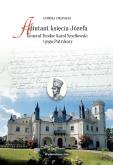
Patrykozy – dziś wieś w województwie mazowieckim, z niewiele ponad dwustoma mieszkańcami. Na pierwszy rzut oka – zwykła, mało wyróżniająca się miejscowość polskiej ściany wschodniej. No właśnie, na pierwszy rzut oka…
Zadbana i uporządkowana wieś w gminie Bielany, w powiecie sokołowskim – oddalona jest od Warszawy o 105 km. Dużo to i mało zarazem. W Patrykozach znajduje się jednak budynek unikatowy na skalę ogólnopolską – rzadko spotykany nawet w tej części Europy. Jest nim pałac wybudowany na polecenie Teodora Szydłowskiego jeszcze w I połowie XIX wieku. Cóż go wyróżnia? Co wyróżnia jego fundatora, albo kto był architektem budowli? O tym będę chciał opowiedzieć w tej książce. Co naturalne, pałac w Patrykozach znany jest w okolicach Sokołowa, trochę mniej jeszcze w siedleckim, ale mimo że uchodzi za Perłę Podlasia, to niemal zupełnie nie funkcjonuje w świadomości mieszkańców pozostałej części naszego kraju, i często mylony jest z Petrykozami – inną miejscowością na Mazowszu, rozsławioną przez nieżyjącego już aktora – Wojciecha Siemiona.
Pałac w Patrykozach stanowi doskonały przykład genius loci, miejsca, którym opiekuje się dobry duch. Tym duchem jest budowniczy i fundator pałacu.
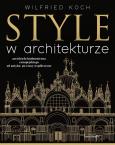
Książka jest fundamentalnym dziełem spełniającym oczekiwania wszystkich, którzy interesują się sztuką i architekturą. Przetłumaczona na wiele języków, stale wznawiana i aktualizowana jest cenną pomocą dla studentów zarówno historii sztuki, jak i architektury. Bogaty materiał usystematyzowany został w przemyślany sposób. Osobne rozdziały poświęcone są wiedzy o stylach w zakresie budownictwa: sakralnego, budowy zamków, pałaców i budownictwa komunalnego. Zawiera leksykon ilustrowany, 5-języczny słownik pojęć, liczne mapy, indeks miejscowości i nazwisk.
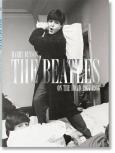
The best of Harry Benson's era-defining Beatles portfolio captures them on the road, performing, relaxing, composing and acting in A Hard Day's Night. From their famous pillow fight in Paris to their first U.S. tour, Benson's luminous black-and-white photographs show intimate glimpses of George, John, Paul, and Ringo during peak Beatlemania.
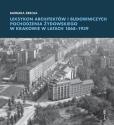
Leksykon architektów i budowniczych pochodzenia żydowskiego w Krakowie w latach 1868–1939, to pierwsza taka publikacja w Polsce. Znajdą w niej Państwo 91 biogramów oraz informacje o przeszło tysiącu obiektów. Praca powstała w oparciu o źródła archiwalne, poszerzone o informacje od rodzin przedstawionych osób i jest efektem dwudziestoletnich zainteresowań autorki dziedzictwem krakowskich Żydów. Leksykon to książka nie tylko o architekturze, lecz również o ludziach, których dokonania w istotny sposób wpłynęły na współczesny obraz Krakowa.
„Niniejsza praca jest konsekwentną kontynuacją i ważnym rozszerzeniem dotychczasowych pionierskich badań archiwalnych i opracowań autorki, która dała się już poznać jako wnikliwy badacz historii krakowskich Żydów przełomu XIX i XX wieku, a zwłaszcza wkładu społeczności żydowskiej w budowanie nowoczesnego Krakowa. (…) Praca Barbary Zbroi imponuje jak w poprzednich jej publikacjach zarówno rzetelnością przeprowadzonej kwerendy archiwalnej, jak i wnikliwością badawczą. Widać przy tym wyraźne dążenie do maksymalnego przekazania nieznanej dotychczas wiedzy zarówno o społeczności żydowskiej Krakowa, jak i o samym mieście. Znana już dobrze z jej poprzednich prac „detektywistyczna żyłka” autorki umożliwiła uzyskać liczne unikalne relacje i materiały od rozsianych po całym świecie rodzin żydowskich architektów i budowniczych” (z recenzji prof. Jacka Purchli).
Ten produkt jest zapowiedzią. Realizacja Twojego zamówienia ulegnie przez to wydłużeniu do czasu premiery tej pozycji. Czy chcesz dodać ten produkt do koszyka?